Photo credit: Remington 1816/YouTube
There is nothing wrong with shopping for value. Plenty of affordable firearms are dependable, accurate, and perfectly capable of doing everything most shooters need. The problem starts when price becomes the only thing that matters.
A gun that saves you $150 at the counter can become expensive in a hurry if you immediately start replacing sights, magazines, springs, stocks, or triggers. Worse, some bargain guns simply never become pleasant to own no matter how much money you throw at them. These 20 firearms are examples of why the cheapest option is not always the best value. Some can work fine, but buyers who choose them only because of the sticker price may end up wishing they had spent a little more from the beginning.
SCCY CPX-2

The CPX-2 has always attracted buyers because it puts a compact 9mm within reach of almost any budget. The size is useful, capacity is respectable, and the pistol looks like a practical concealed-carry option when you are comparing price tags at the counter. For someone trying to spend as little as possible, it can be difficult to ignore.
The problem is that the long, heavy trigger can make the pistol far harder to shoot well than slightly more expensive alternatives. Recoil is also fairly sharp because of the light frame, and the overall shooting experience tends to feel more budget-oriented than the specifications suggest. Saving money initially does not feel as satisfying if you immediately start wishing you had a better trigger, better sights, and a more refined grip.
Hi-Point C9
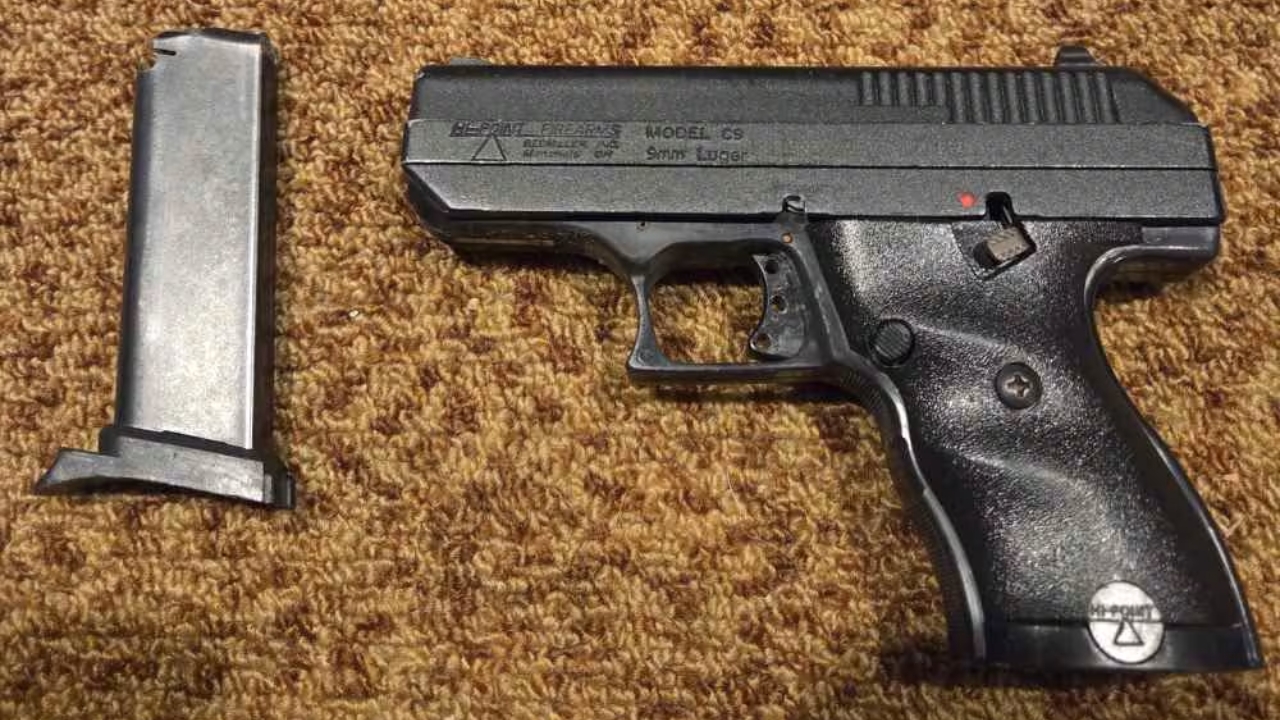
The C9 has developed a loyal following because it proves that an extremely inexpensive pistol can still function. The simple blowback design is rugged, the company has historically backed its products strongly, and the low purchase price makes it attractive to someone who simply wants a handgun without spending much.
The compromises become obvious quickly. The slide is huge and heavy, the grip is bulky, the controls feel crude, and the magazine capacity is modest for the overall size. It can absolutely work, but buyers who choose it solely because it is the cheapest gun in the case may soon realize that spending a little more buys a dramatically better shooting and carrying experience.
Taurus G2C
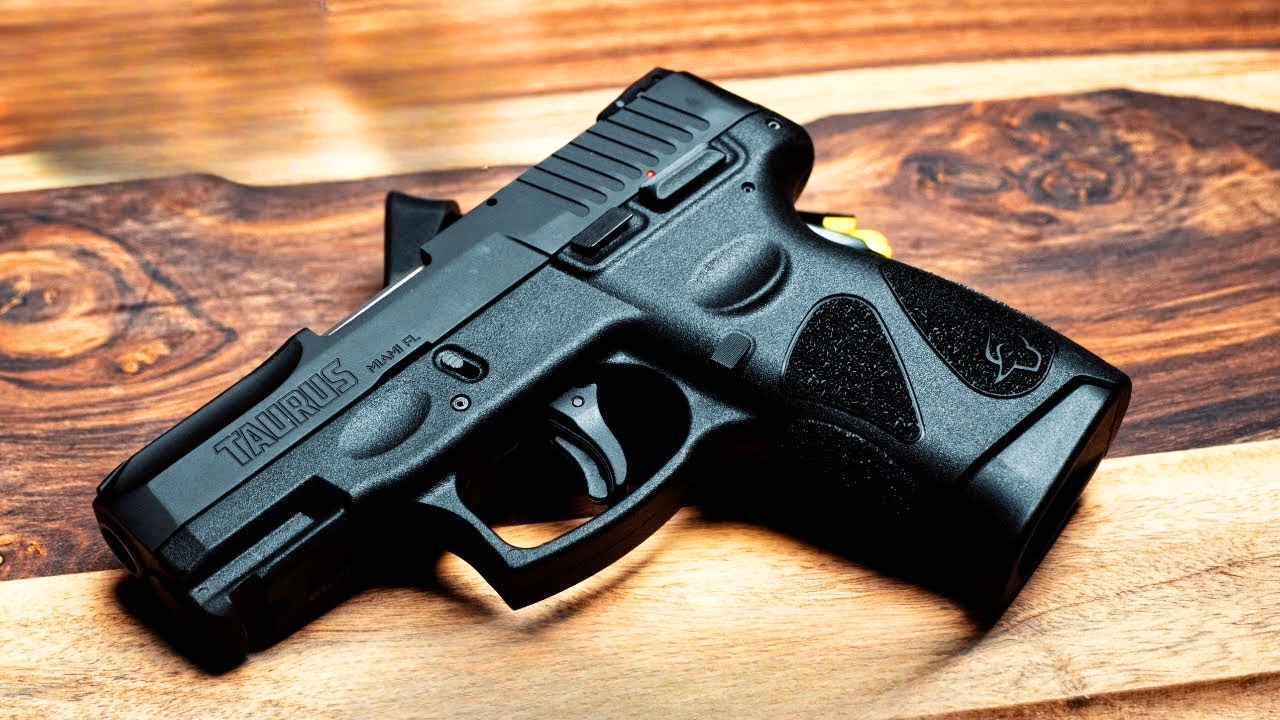
The G2C became popular because it offered a lot of handgun for very little money. It is compact, has useful capacity, and includes features that used to be unusual on pistols in its price range. That makes it look like one of the easiest budget wins available.
It is still a basic pistol, though. The trigger is long, the sights and controls feel inexpensive, and the overall fit is not as refined as what you get by moving only slightly higher in price. The G2C can be perfectly serviceable, but buyers who are already close to the price of a stronger midrange option may regret chasing the final few dollars of savings.
Taurus Spectrum

The Spectrum looks attractive because it combines a very low price with deep-concealment dimensions. The rounded shape, light weight, and soft-touch grip panels make it seem like an inexpensive answer to pocket carry.
At the range, the limitations become much clearer. The trigger is long, the sights are small, and the tiny frame can be difficult to control consistently. It is not necessarily unusable, but the difference between a bargain pocket pistol and a better-developed .380 becomes obvious once you start practicing regularly. That small savings at purchase can feel less important every time you struggle with the trigger.
Diamondback DB9

The DB9 appeals to buyers because it offers 9mm in a remarkably thin and inexpensive package. It disappears easily under clothing and gives you a centerfire cartridge without the price of many premium micro-compacts.
The downside is that the gun is extremely light and unforgiving. Recoil is sharp, the grip is tiny, and the pistol does not offer much margin for weak technique. It can fill a very specific role, but buyers who choose it only because it is one of the cheapest small 9mms may end up wishing they had spent more for something easier to shoot and practice with.
Jimenez Arms JA-9
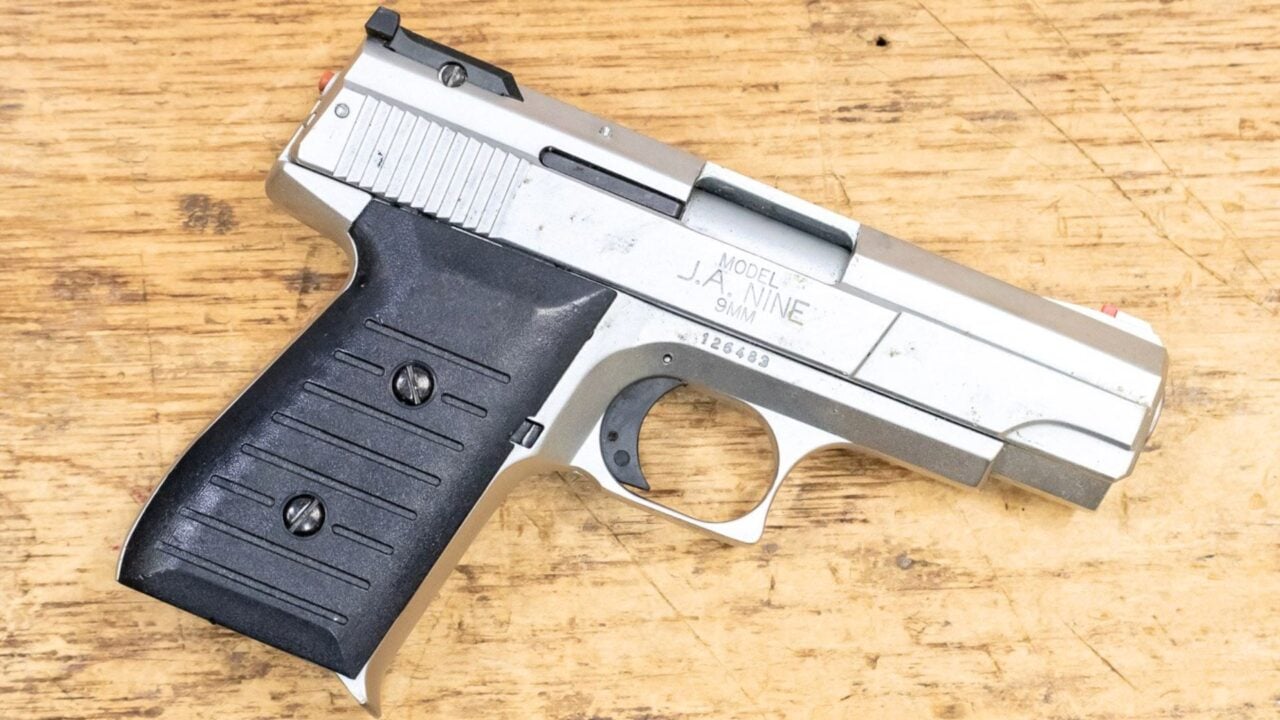
The JA-9 is the kind of gun that catches attention because of price alone. For someone focused entirely on getting the lowest-cost 9mm available, it can seem like a practical shortcut.
The problem is that extremely low-cost construction tends to show up in weight, ergonomics, trigger quality, and long-term durability. The pistol is bulky for what it offers, and the shooting experience does little to disguise its budget origins. Buyers who save money here may soon discover that the difference between cheap and good value is much larger than they expected.
Cobra FS380

The FS380 is another pistol that has historically competed almost entirely on price. It gives buyers a centerfire handgun for very little initial investment, which can be appealing if budget is the only consideration.
Once you start comparing it with better-developed .380s, the tradeoffs become difficult to ignore. The gun is heavy for its size, the controls are basic, and the trigger does not encourage accurate shooting. It may function, but the ownership experience often feels like a reminder that the purchase decision started and ended with the sticker price.
Phoenix Arms HP22A
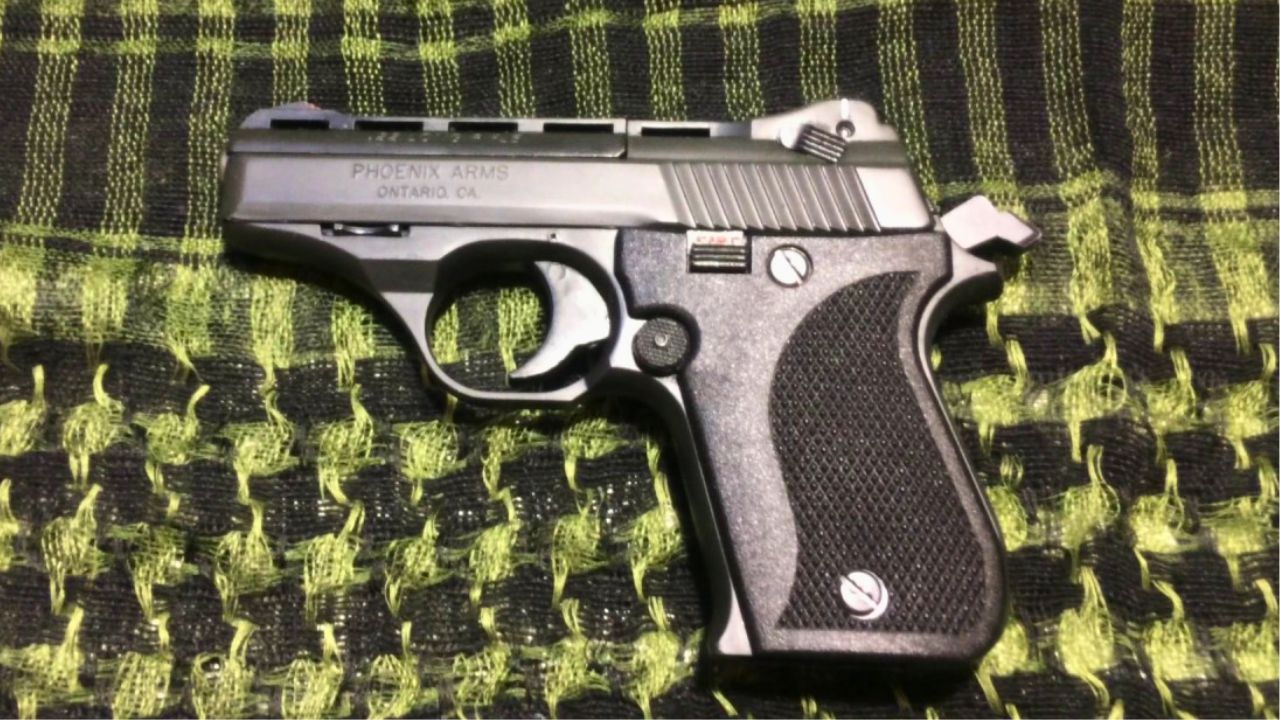
The HP22A is inexpensive, compact, and surprisingly entertaining when everything is working properly. For casual rimfire shooting, it can seem like a tremendous deal.
The unusual safety system and complicated manual of arms are what often frustrate owners over time. The controls can feel needlessly restrictive, and the pistol lacks the refinement of better rimfire options. A buyer who spends slightly more can usually get a .22 that is easier to operate, easier to maintain, and more enjoyable over the long term.
Heritage Rough Rider
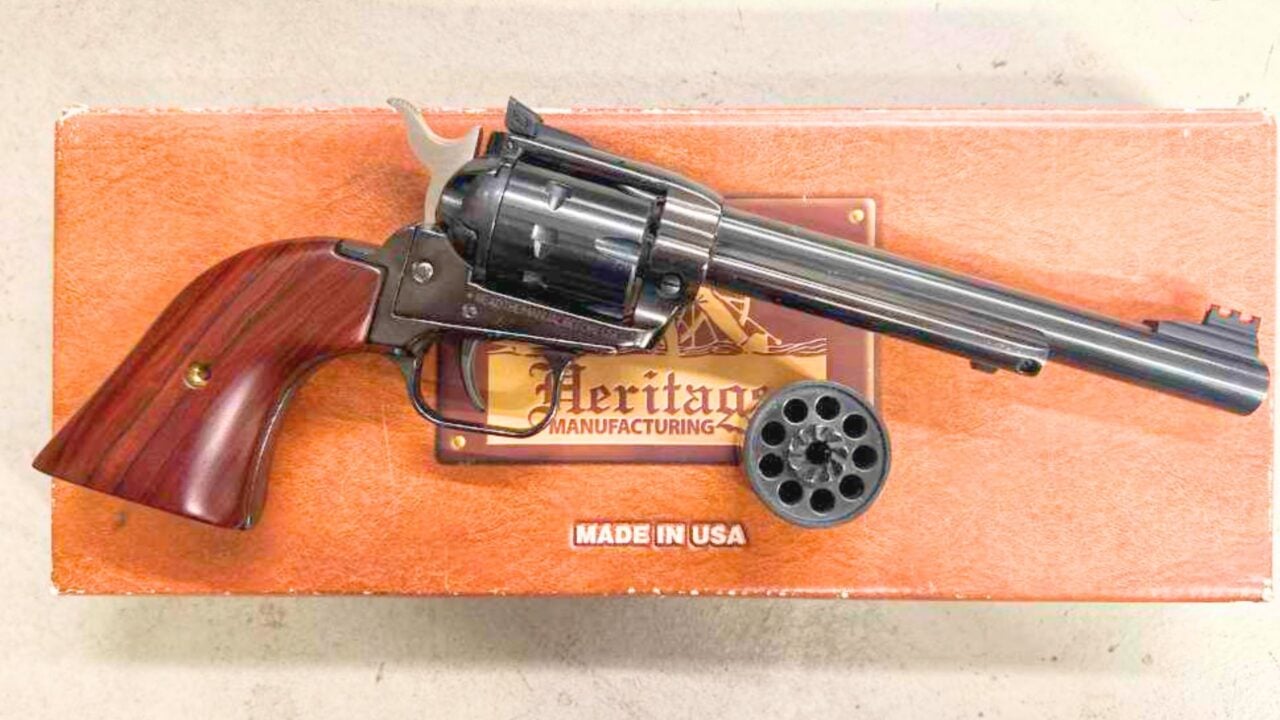
The Rough Rider is one of the cheapest ways to get into a single-action rimfire revolver, and there is genuine fun in that. It looks like an old West revolver, ammunition is inexpensive, and the basic design is simple.
The problem is that budget construction can show up in the finish, sights, screws, and overall feel. Many examples work fine, but buyers expecting the experience of a refined single-action revolver may be disappointed. The Rough Rider can still be a fun plinker, but it is a good reminder that an ultra-low purchase price usually comes with visible compromises.
Rossi RS22
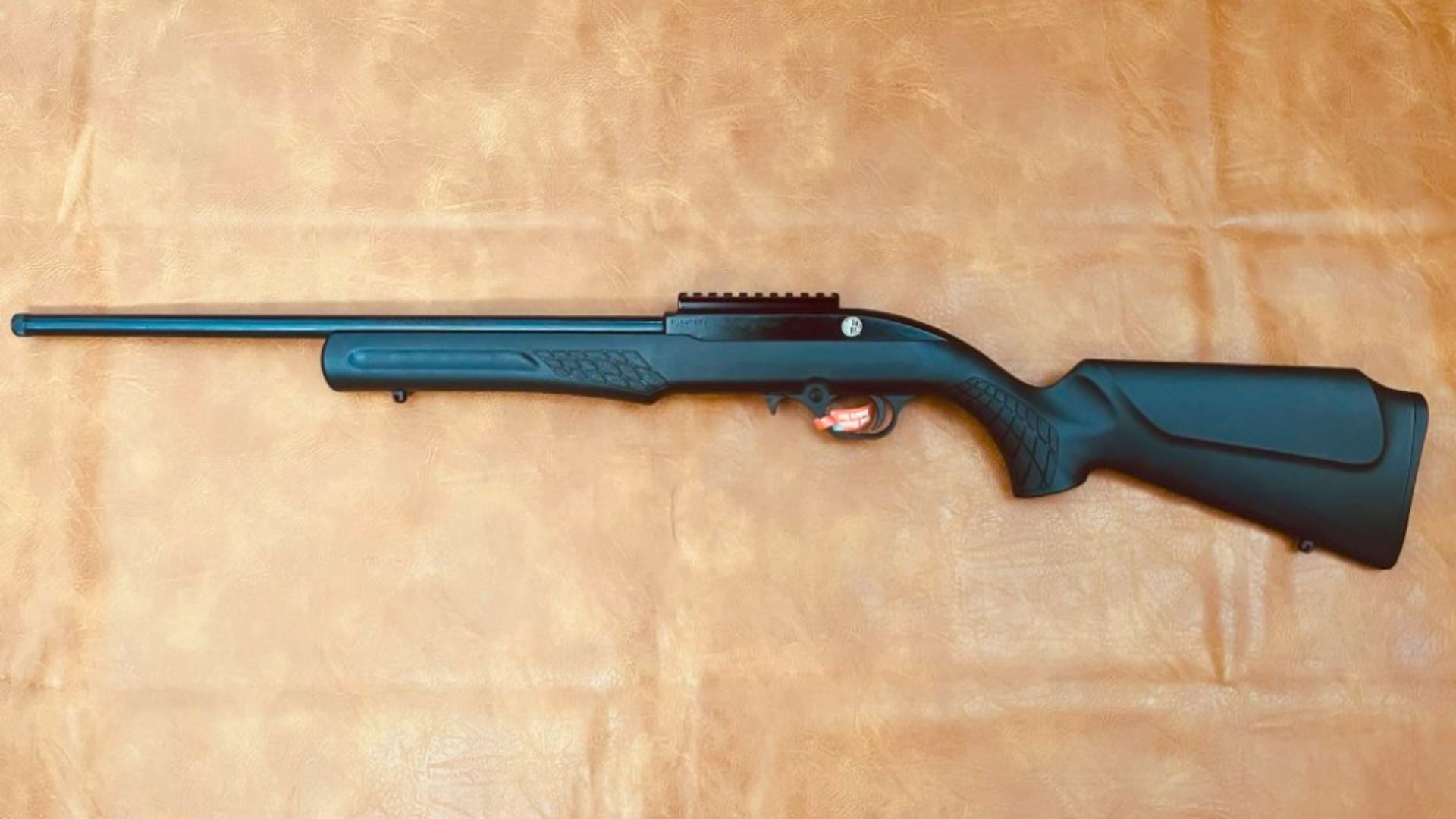
The RS22 gets attention because it is one of the more affordable semiautomatic .22 rifles on the market. It is light, simple, and perfectly suited to casual plinking on paper.
The temptation is to treat it as equivalent to more established rimfire platforms simply because it performs the same basic function. Over time, differences in magazines, aftermarket support, stock quality, and accessory availability become more noticeable. Buyers who want a rifle they can upgrade and keep for decades may wish they had spent a little more for a platform with deeper support.
Savage 64F
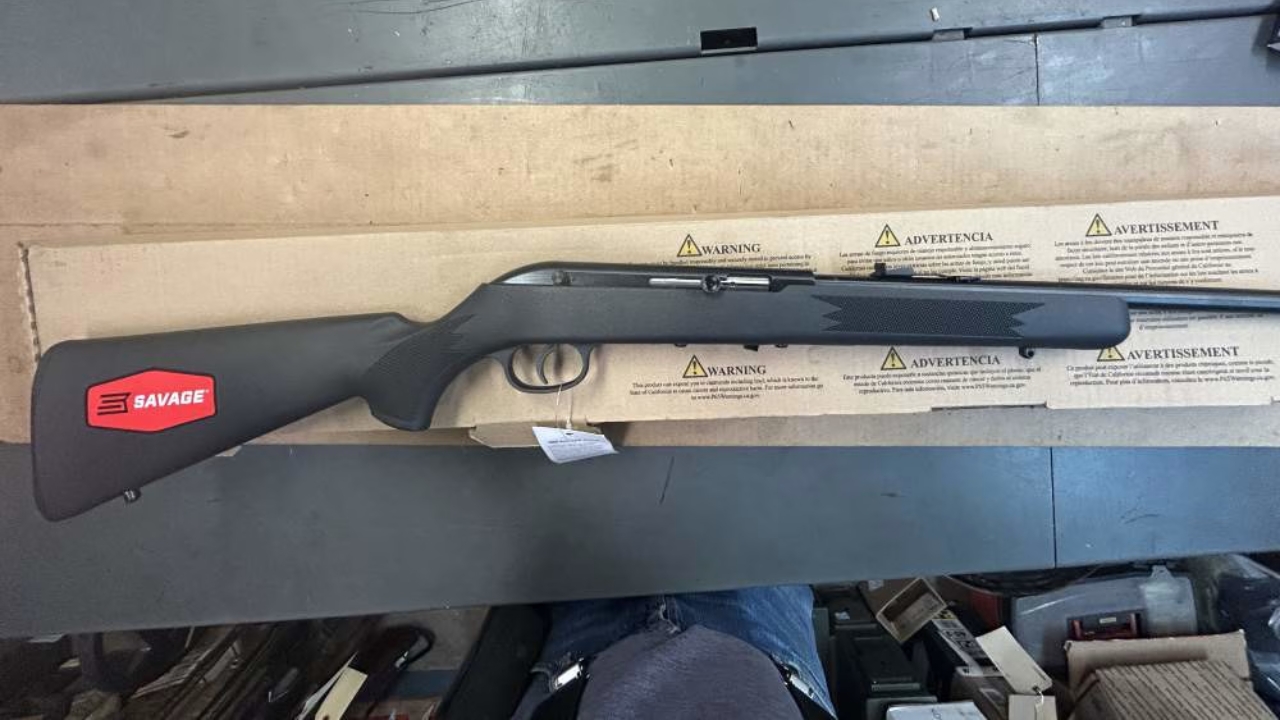
The Model 64F has long been an entry-level .22 that attracts buyers with a very low price. It is light, simple, and often accurate enough for casual shooting.
Where owners sometimes become frustrated is the magazine system and general refinement. Loading and handling can feel more awkward than on competing rimfires, and aftermarket options are limited. It can be a decent basic rifle, but if you plan to shoot thousands of rounds and customize the gun, spending a little more up front may save irritation later.
Mossberg 702 Plinkster
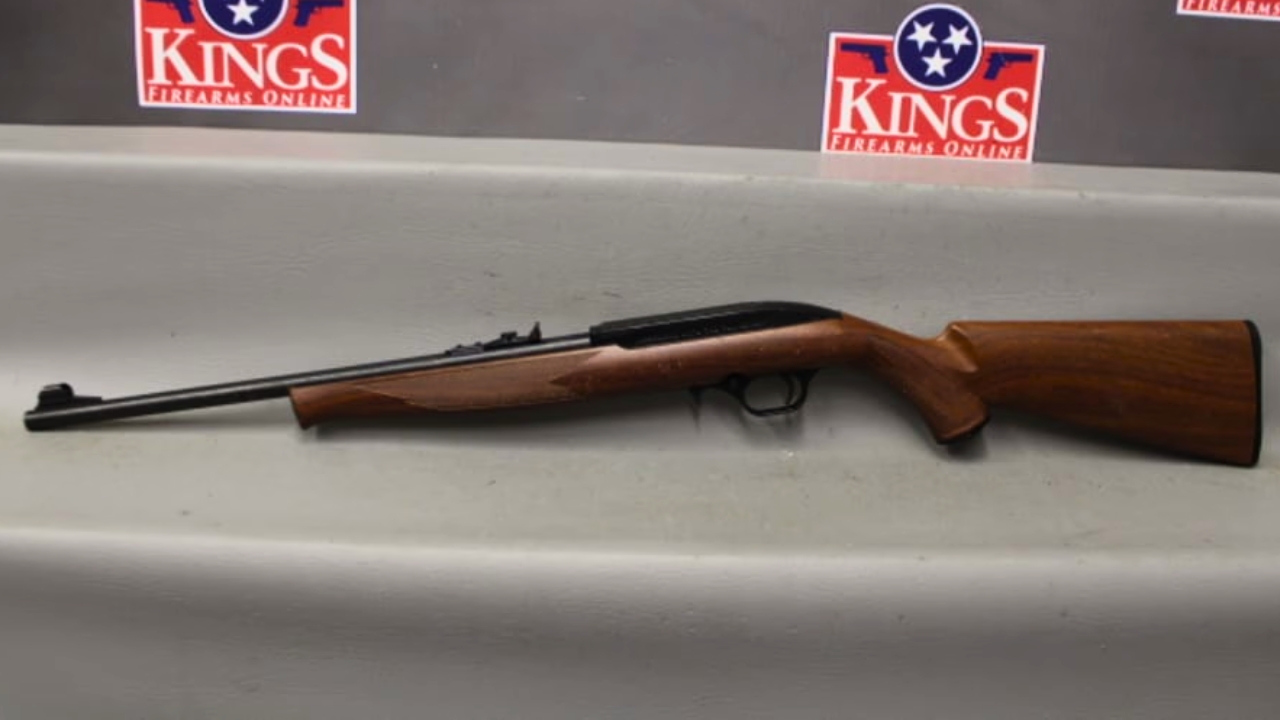
The 702 Plinkster lives up to its name as an inexpensive rifle for casual range use. It is light, easy to carry, and costs far less than many better-known semiautomatic .22s.
The downside is that the rifle can feel disposable compared with more established platforms. The stock, controls, magazines, and accessory ecosystem are all fairly basic. For someone who simply wants a cheap plinker, that may be enough. For a buyer expecting a long-term rimfire platform, the savings can start feeling less impressive.
Savage Axis

The Axis became one of the best-known budget hunting rifles because it offered respectable accuracy at an extremely low price. That remains its biggest strength.
The early rifles also made it obvious where Savage saved money. Stocks could feel flexible, triggers on base models were basic, and the overall finish was utilitarian. If you immediately start replacing the stock, trigger, and magazine system, the cheap rifle is no longer quite so cheap. In many cases, moving up one level from the beginning makes more financial sense.
Mossberg Patriot Synthetic

The Patriot Synthetic is appealing because it gives you a hunting rifle with familiar features at a budget-friendly price. It is available in popular chamberings and looks perfectly adequate for deer season.
The frustration starts when buyers expect the stock, trigger, and action feel of a more expensive rifle. The Patriot can shoot well, but the lightweight stock and overall finish remind you where the money was saved. If you are tempted to start upgrading it immediately, you may have been better off buying a more refined rifle to begin with.
Remington 783

The 783 has always been a function-first hunting rifle. It can be accurate, the trigger is decent, and the design was built to compete directly with the cheapest bolt guns on the market.
That also means the rifle feels built to a price. The stock, magazine, and overall handling are more utilitarian than inspiring. If all you need is a rifle that goes into the woods a few weekends a year, it can work. If you want something you actually enjoy handling and shooting regularly, the savings may not feel worthwhile.
Stevens 320

The Stevens 320 attracts buyers because it offers a pump shotgun for very little money. It can handle basic home-defense or hunting duties without requiring a major investment.
The trouble is that rough actions, basic furniture, and limited refinement can make a slightly more expensive shotgun feel dramatically better. Pumps are guns you manipulate constantly, so every rough edge or awkward control gets noticed over time. A cheap pump that never feels smooth can make you wish you had spent another hundred dollars on a more proven platform.
Hatfield SAS

The Hatfield SAS is tempting because semiautomatic shotguns are usually expensive, and this one has often appeared at prices closer to pump guns.
That low price raises expectations that are difficult to meet. Semiautomatic shotguns depend heavily on reliable cycling, and bargain designs can be more sensitive to ammunition and break-in. If the gun requires constant experimenting with loads to run correctly, the money saved at the counter quickly stops feeling like a bargain.
Citadel Boss-25
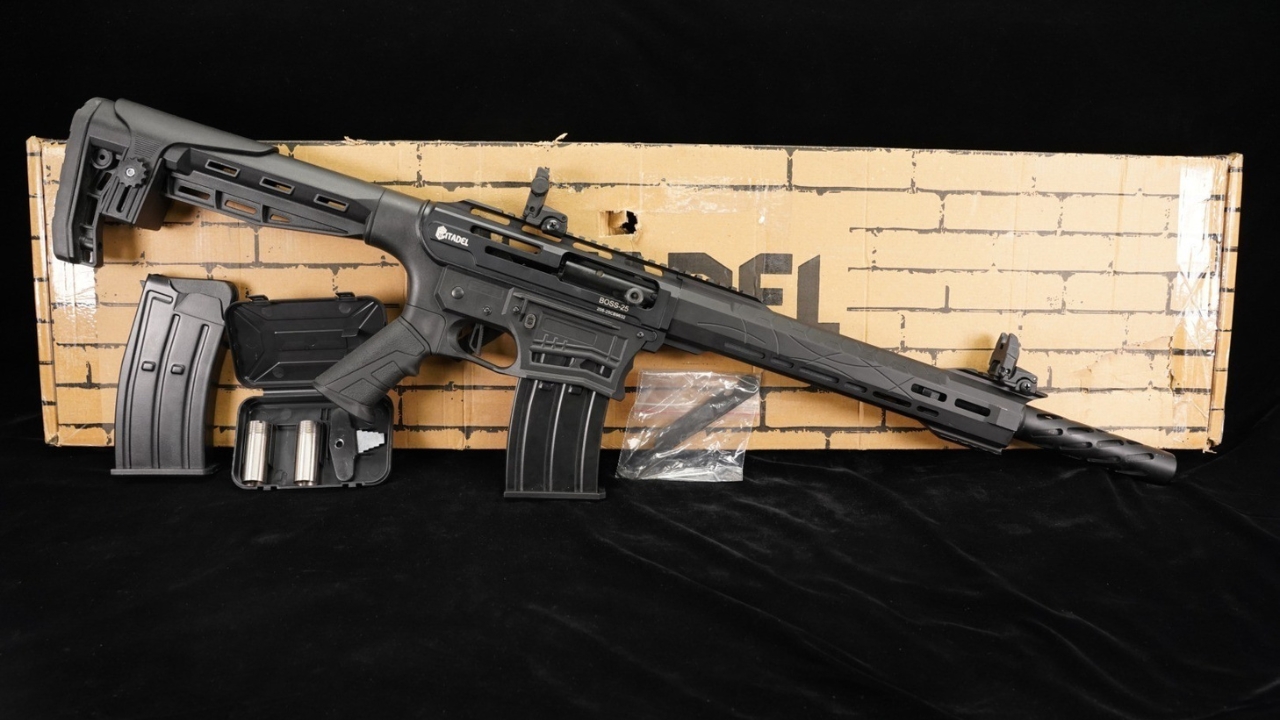
The Boss-25 looks like a tremendous amount of gun for the money. It has aggressive styling, detachable magazines, and a semiautomatic action that gives it enormous visual appeal.
The ownership experience can become less exciting once you start dealing with ammunition sensitivity, bulky magazines, and limited support compared with established shotgun platforms. The gun may be entertaining when everything works, but buyers who choose it primarily because it offers tactical looks at a low price can end up spending more time troubleshooting than shooting.
ATI Bulldog

The Bulldog follows the same general formula: a compact bullpup-style semiautomatic shotgun offered at a price far below premium tactical shotguns. On paper, that sounds like extraordinary value.
The issue is that unconventional layouts and inexpensive semiautomatic systems can create more compromises than the buyer expects. Trigger feel, controls, magazine handling, and ammunition compatibility can all become annoyances. The gun may still be fun, but someone looking for a dependable, refined shotgun can quickly understand why established designs cost more.
Century Arms C308
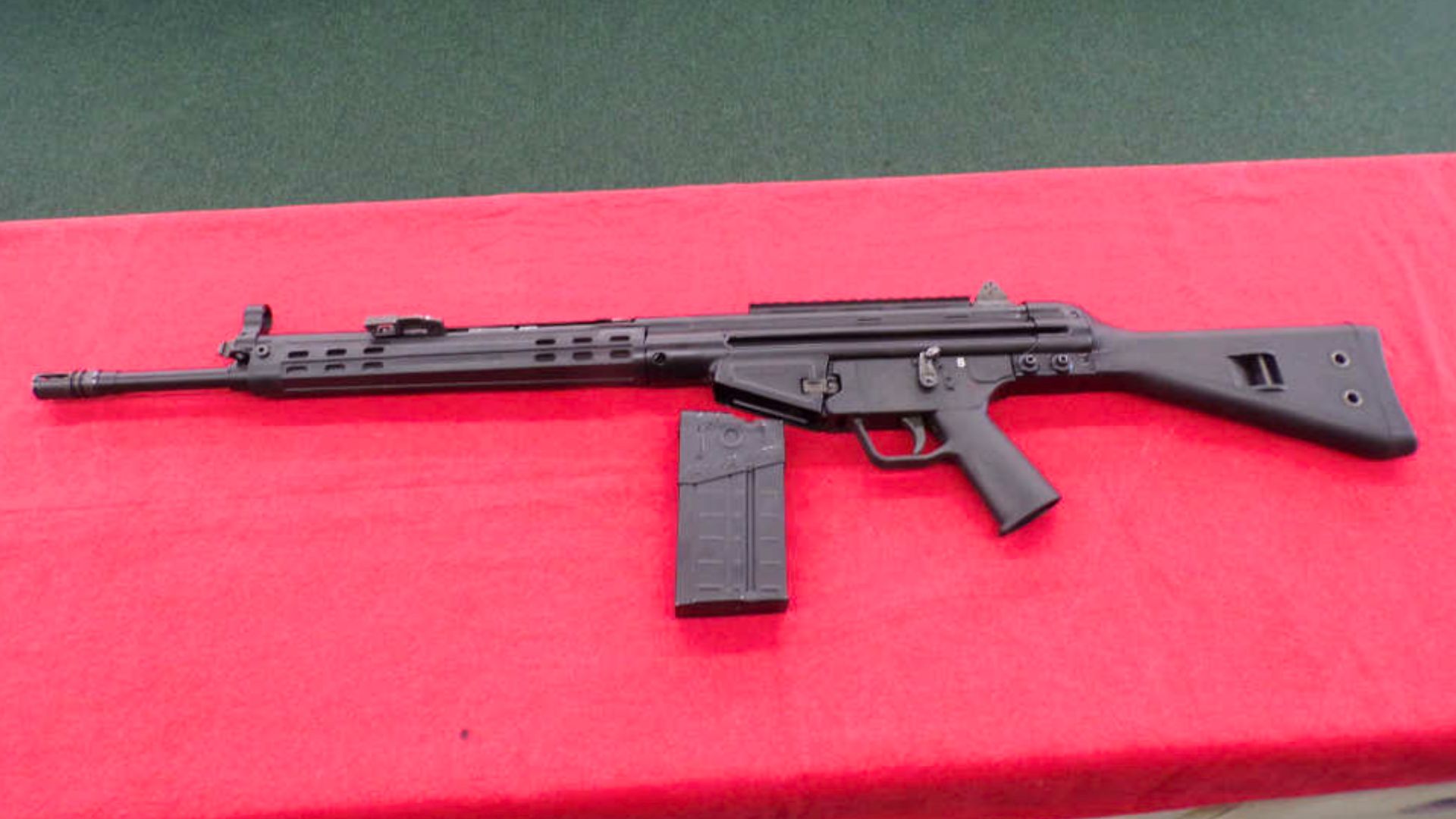
The C308 attracted buyers because it offered access to the roller-delayed .308 rifle experience for far less money than premium HK-pattern options. That alone made it difficult for budget-minded shooters to ignore.
The catch is that rifles assembled from surplus parts can vary more than buyers expect. Fit, finish, sights, furniture, and overall consistency may not match what someone imagines when they picture a classic battle rifle. A good example can be entertaining, but choosing solely on price can leave you dealing with problems that a better-built rifle would have avoided from the start.
Like The Avid Outdoorsman’s content? Subscribe to our newsletter so you never miss an article.
Here’s more from us: