Photo credit: KB32 Tactical/YouTube
When you spend enough hours at the range, you figure out fast which pistols help you improve and which ones drain every bit of patience you walked in with. Some guns fight you from the first magazine. They stovepipe, they fail to feed, they smack you with recoil that feels out of proportion to their size, or they throw rounds so inconsistently that you start doubting your fundamentals. Range time is supposed to be productive and steady, but certain pistols turn it into an exercise in troubleshooting instead of shooting. These are the pistols that make range days frustrating—not because they’re worthless, but because they demand more time, effort, and tinkering than most shooters want to give.
Taurus PT111 G2 (Early Production)
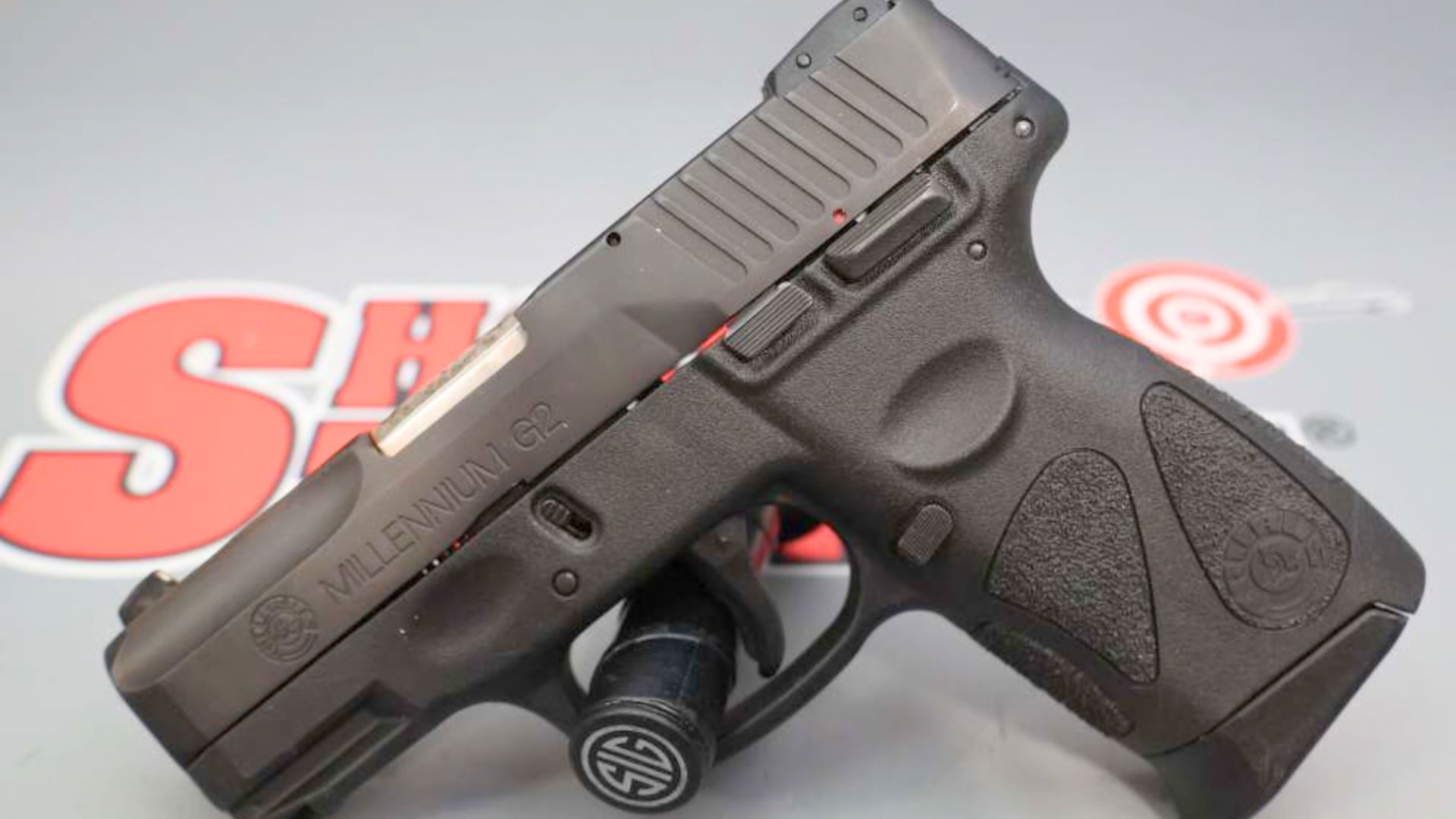
The early-production Taurus PT111 G2 models gained traction because of their price, but the experience wasn’t always smooth. Many shooters ran into feeding issues, light strikes, and inconsistent trigger resets that slowed everything down. On the range, these problems stacked up quickly. You’d get a few clean shots followed by a hang-up that forced you to stop and clear the gun. The ergonomics were decent, but that didn’t erase the performance quirks that came with the earlier versions.
What made it frustrating was the unpredictability. You couldn’t fall into a steady rhythm because you never knew when the gun would stumble. Newer versions improved significantly, but those early runs created a reputation among shooters who spent more time fixing stoppages than refining their shot groups.
KelTec PF-9

The KelTec PF-9 is known for its carry weight, not its range manners. On paper, it’s a slim 9mm that’s easy to conceal. But on the range, it’s one of the harshest-shooting handguns in its class. The light frame, narrow grip, and snappy recoil make it uncomfortable to shoot for extended sessions. Many shooters struggle with hand fatigue or difficulty maintaining a smooth trigger pull after a few magazines.
Compounding the issue, the PF-9 has a reputation for inconsistent feeding with certain ammunition types. You might spend more time diagnosing failures than tightening shot placement. It’s a pistol that fills a specific role well, but when your goal is a productive practice session, the PF-9 quickly turns into a chore instead of a tool.
Kimber Solo

The Kimber Solo looks refined, but range performance—especially with standard-pressure ammo—was never its strength. The gun was engineered around specific defensive loads, and once you deviated from those, malfunctions became common. Failures to feed, failures to eject, and stiff slide operation were regular complaints. Even when you used recommended ammunition, the Solo often felt sensitive to grip pressure and lubrication.
That combination frustrates shooters because the gun demands conditions that aren’t always practical in normal training sessions. You end up spending more time troubleshooting magazines and ammo choices than improving your shooting. It’s a gun that can work, but only within a narrow window that makes range time feel unnecessarily complicated.
Remington R51 (First Release)

The first release of the Remington R51 is one of the most widely criticized modern pistols, and range sessions with it made those flaws impossible to ignore. Early R51s suffered from rough cycling, failures to feed, and extraction issues that slowed everything down. Shooters also reported difficulty racking the slide consistently, which made malfunction clearing even more tedious.
The frustration came from how unpredictable it felt. You’d get a magazine that ran fine followed by one that immediately choked without warning. Even basic drills became stop-and-start exercises. Later revisions improved some of these problems, but the original run left many shooters remembering how aggravating it was to try and get through a single box of ammunition.
SCCY CPX-1

The SCCY CPX-1 offers affordability and simplicity, but range time often reveals its weak points. The heavy, long trigger makes precision work tiring, and many shooters struggle to maintain consistency over multiple magazines. Early models also had issues with the manual safety engaging unintentionally under recoil, bringing everything to a halt mid-string.
Feed reliability depended heavily on ammunition choices, which frustrated shooters who wanted predictable training sessions. The gun wasn’t unusable, but it required more patience than many were willing to give. The CPX-1 is easy to carry and lightweight, yet those same traits create challenges when you’re trying to build technique on the range.
Hi-Point C9

The Hi-Point C9 has its defenders, but long range sessions can be draining. The heavy slide makes recoil feel different than most 9mm pistols, and the blowback system creates more snap than many expect. The bulky ergonomics add fatigue during repeated drills, and the trigger has a spongy feel that makes precision more difficult.
Malfunctions aren’t uncommon when the gun isn’t freshly cleaned or when the ammunition varies from its preferred profiles. You might spend half your time clearing stovepipes or re-seating magazines instead of working on accuracy or fundamentals. The C9 can function, but it turns range sessions into a series of interruptions more often than not.
Walther P22 (Early Generations)
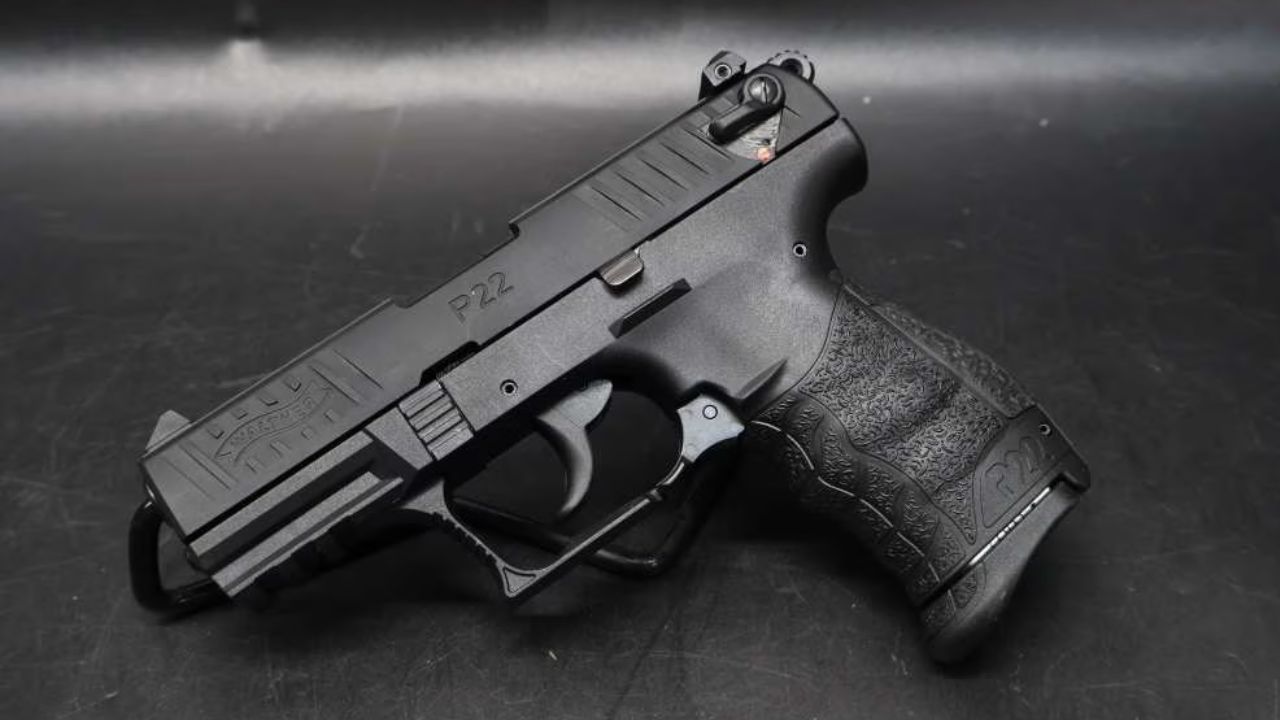
The Walther P22 is a popular rimfire trainer, but early generations frustrated shooters with constant ammunition sensitivity. You’d think a .22 pistol would be relaxing on the range, but the P22 often delivered failures to feed, stovepipes, and failures to extract with anything less than high-velocity ammunition. Even then, reliability wasn’t guaranteed.
The ergonomics are comfortable, so shooters often give it chance after chance, only to deal with stoppages that slow down any productive session. You can work around the issues with careful ammo selection and maintenance, but if you show up expecting a smooth training day, the early P22 can turn into a drawn-out troubleshooting exercise.
Taurus Spectrum

The Taurus Spectrum is small, lightweight, and easy to conceal—but none of those traits make it enjoyable at the range. The short grip and heavy trigger combine to make consistent shooting challenging. The gun has limited real estate for your hands, and the recoil impulse feels sharper than you’d expect from a compact .380. Fatigue sets in quickly.
The pistol also has a reputation for inconsistent feeding with certain hollow points and lower-powered ammunition. Clearing stoppages becomes part of the routine, and once you start fighting the gun, it’s difficult to maintain steady fundamentals. The Spectrum fits a role, but it’s not built for long stretches of range time.
Ruger LC9 (Original Model)

The original Ruger LC9 was well-received for its concealability, but the trigger made range time frustrating. It’s long, heavy, and resets deep into the pull—traits that make smooth, repeatable shooting difficult. Many shooters found themselves yanking shots or struggling to maintain accuracy after a few magazines.
Recoil isn’t excessive, but the narrow grip and light frame increase muzzle movement, making follow-up shots feel slower than they should. The LC9 can run reliably, but it doesn’t give you the kind of feedback that makes training enjoyable. For many, it served as a carry gun rather than something you’d ever want to spend an afternoon shooting.
Kahr CW380
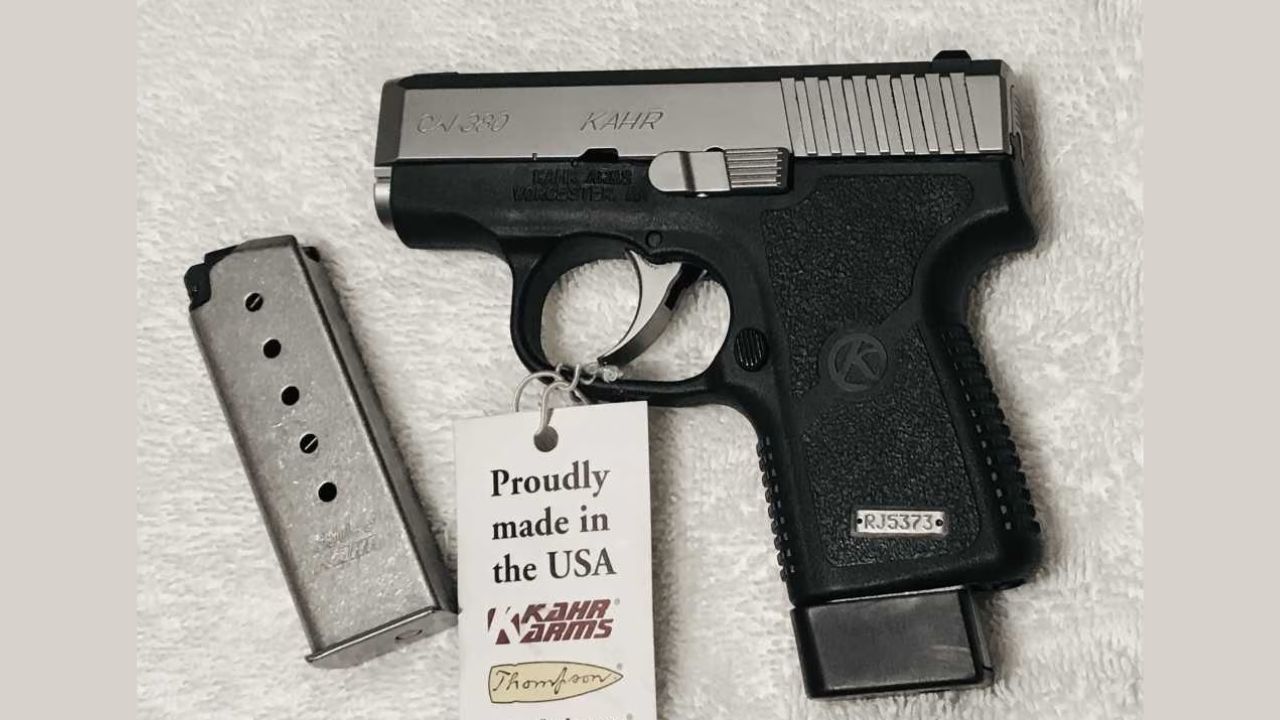
The Kahr CW380 is extremely thin and lightweight, which works great for concealment but creates challenges on the range. The small grip leaves little to hold onto, and the long Kahr-style trigger demands deliberate control. Combined with the snappy recoil typical of tiny .380s, the shooting experience becomes tiring fast.
Feed reliability varies depending on ammunition, and break-in periods can be longer than many shooters expect. You may spend the first few range sessions diagnosing quirks rather than practicing drills. While the CW380 has a useful place as a deep-carry option, it often frustrates shooters who want extended range time without constant stoppages or hand fatigue.
SIG Sauer Mosquito

The Sig Mosquito had all the appeal of a scaled-down duty pistol, but reliability problems made range time difficult. Like many .22 semi-autos, it was sensitive to ammunition, but the Mosquito took that sensitivity to another level. Lower-powered rounds often resulted in short-stroking or extraction failures, and even recommended ammo sometimes struggled to cycle smoothly.
Shooters found themselves clearing malfunctions constantly, which disrupted training and made it hard to build consistent strings of fire. The ergonomics felt good, but the gun rarely rewarded shooters with steady performance. For many, the Mosquito became the definition of a pistol that complicates range time instead of improving it.
Beretta Nano

The Beretta Nano was built for concealment, but range performance left many shooters frustrated. Its small frame and high bore axis create more muzzle rise than expected, and the trigger has a long, somewhat heavy pull that slows everything down. Accuracy can be respectable, but only after you work through the learning curve that the gun demands.
Early models also had issues feeding certain hollow points, which introduced even more interruptions. Clearing malfunctions on such a small pistol adds to the challenge, especially when you’re trying to train efficiently. The Nano isn’t unreliable across the board, but it’s not a gun that makes practice sessions smooth or enjoyable.
KelTec P3AT
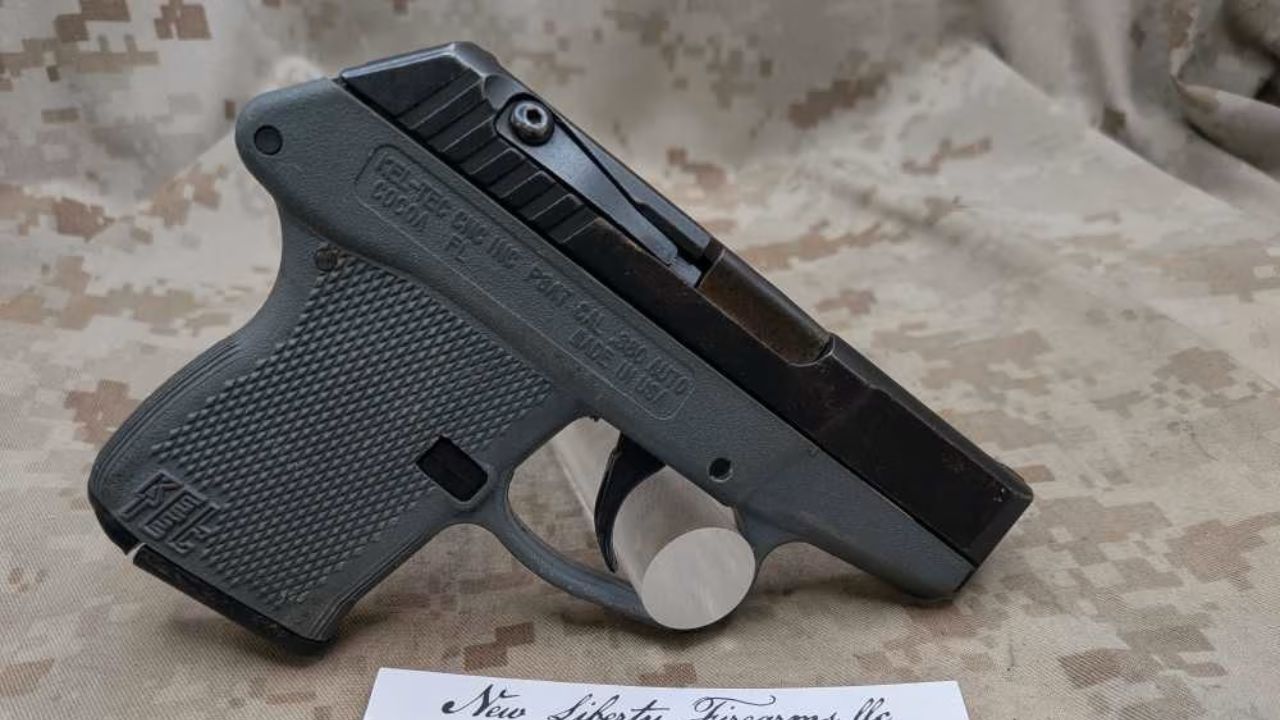
The KelTec P3AT is one of the lightest .380 pistols ever made—and one of the most difficult to enjoy at the range. The extremely small grip, short sights, and sharp recoil combine to make every magazine feel like a chore. Many shooters struggle to maintain proper grip tension, leading to inconsistent accuracy and increased fatigue.
The P3AT also has a reputation for feeding inconsistencies, especially with certain hollow-point loads. When you’re dealing with both recoil discomfort and repeated malfunctions, the frustration adds up fast. It’s a carry tool, not a practice pistol, and the range experience reflects that reality.
Jimenez JA-9
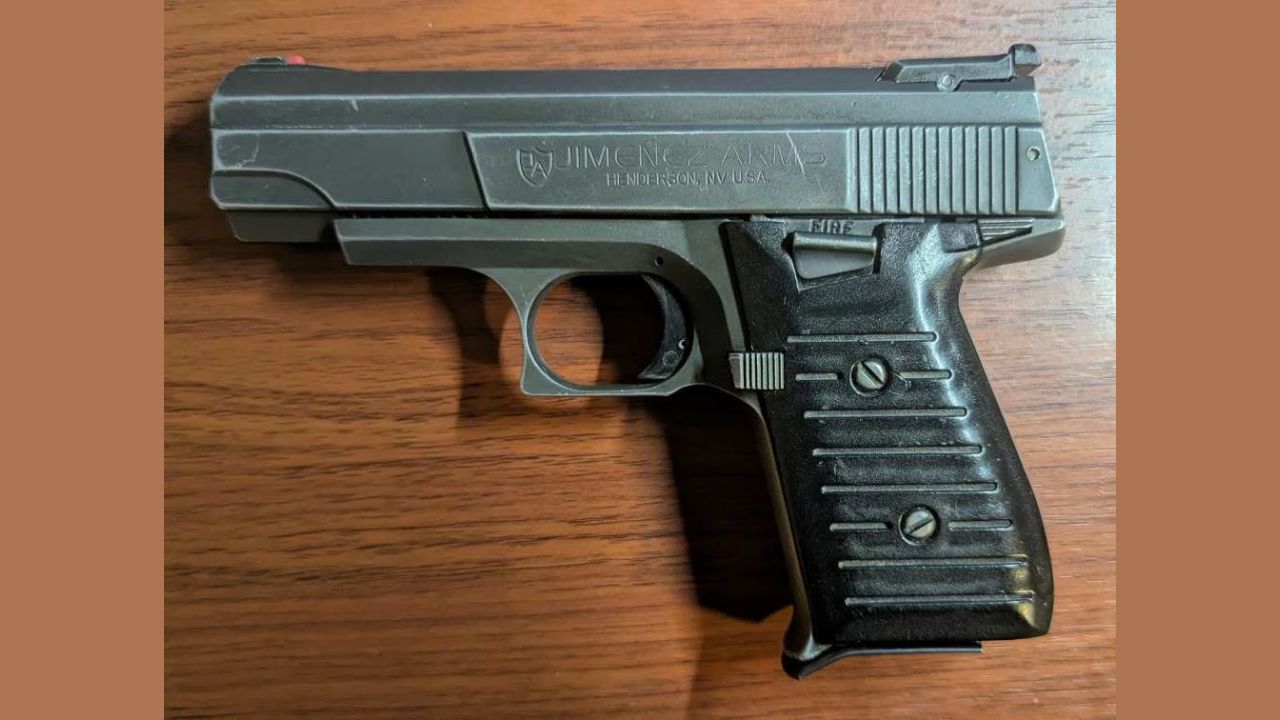
The Jimenez JA-9 is inexpensive, but the trade-offs become obvious the moment you start shooting. The heavy slide combined with loose tolerances leads to frequent stovepipes and feeding issues. The trigger feel varies from gritty to unpredictable, and accuracy suffers as a result. Shooters often find themselves clearing stoppages far more frequently than making steady progress.
Ergonomics are also a challenge. The frame shape and slide bite risk make it hard to shoot comfortably, especially during longer sessions. The gun works well enough for basic use, but anyone looking for productive range time usually finds the JA-9 more frustrating than helpful.
Smith & Wesson Sigma (Early Models)
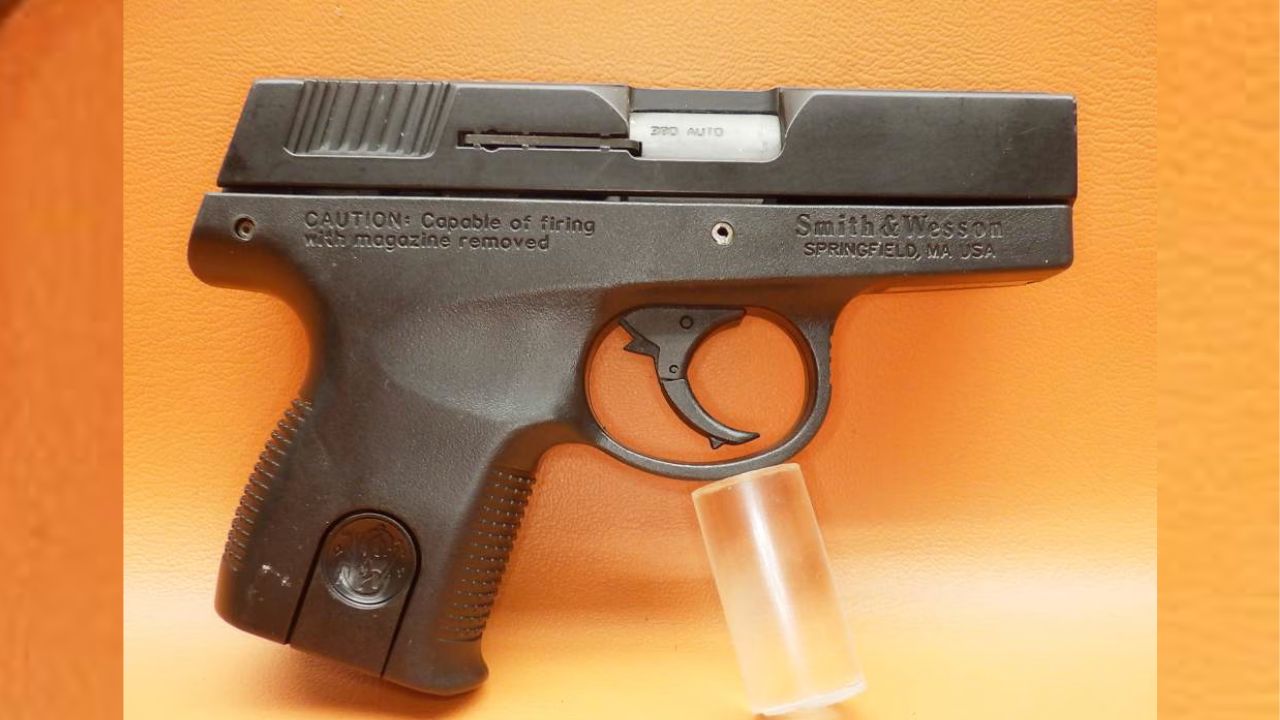
The early S&W Sigma pistols ran reliably in many cases, but the trigger was notoriously heavy. That weight made accuracy harder to manage, especially during long practice sessions. Shooters often described hand fatigue or difficulty maintaining a steady trigger press after multiple magazines.
Although the gun itself was usually mechanically dependable, the user experience made training feel more like work than practice. You could shoot the Sigma well with enough effort, but the heavy trigger slowed everything down and made small mistakes more noticeable. Many shooters walked away feeling frustrated instead of improved.
Like The Avid Outdoorsman’s content? Be sure to follow us.
Here’s more from us:
The worst deer rifles money can buy
Sidearms That Belong in the Safe — Not Your Belt
*This article was developed with AI-powered tools and has been carefully reviewed by our editors.