Photo credit: Samir Behlic/Shutterstock.com
A lot of pistols will print a pretty group when you’re calm, standing square to the target, and taking your time. That’s “paper accurate,” and it matters. But stress doesn’t care about your best slow-fire group. Under pressure, you’re dealing with a rushed grip, imperfect sights, a trigger press that isn’t as clean, and recoil control that gets exposed in a hurry. Some pistols make that worse because their ergonomics, triggers, recoil impulse, or controls punish little mistakes.
The guns below aren’t “bad” pistols. Most of them can be very accurate in the right hands. The issue is that they can get messy when the pace goes up—when you’re shooting from awkward positions, drawing cold, running a timer, or trying to keep hits tight while your heart rate climbs. If you carry one of these, you can absolutely run it well. You’ll just earn it through reps, not wishful thinking.
SIG Sauer P938

The P938 can shoot surprisingly tight groups for a small gun, especially with good ammo and a steady hand. The sights are often decent, the trigger can feel crisp, and it’s easy to convince yourself you’ve found the perfect “accurate little carry gun” after a few slow magazines.
Under stress, the tiny grip and short sight radius start demanding more than you want to give. Your support hand runs out of real estate, recoil feels sharper than the caliber suggests, and you can lose the front sight between shots. Add in the manual safety and the fact that some people ride controls differently under pressure, and you can end up with messy strings even though the gun is capable. If you carry it, your draw, safety sweep, and grip need to be automatic. Otherwise, your hits will show the cracks.
Kimber Micro 9

The Micro 9 often shoots well on paper because the trigger can feel clean and the gun points naturally when you’re relaxed. For slow-fire accuracy at reasonable distances, it can impress you, and that’s why people fall for it as a deep-carry 9mm that still feels “precise.”
When you push speed, the light weight and slim grip turn recoil into a control problem. Your hands have less to lock onto, and the gun can shift in the grip during recoil, which throws off your next sight picture. Under stress, small pistols also punish sloppy trigger prep, and you can end up snatching shots you’d never miss on a slow bullseye. Add the fact that tiny controls can be harder to manage at pace, and your clean paper groups can turn into scattered hits fast.
Ruger LCP Max

The LCP Max is accurate enough to hit what it needs to hit at realistic distances, and with slow fire you can do better than people expect. A lot of shooters are surprised at how well they can place shots on paper once they learn the sights and trigger feel. That’s the hook: it seems more capable than a typical pocket gun.
Under stress, it becomes a grip and recoil management puzzle. The gun is small, the recoil feels snappy, and your hands don’t have much surface to clamp down on. The trigger press can get sloppy when you’re moving fast, and the short sight radius makes any sight misalignment show up immediately. Fast follow-up shots are where things go sideways. If you carry it, you need honest practice—draws, one-handed shooting, and timed strings—because slow-fire groups don’t tell you how it behaves when you’re in a hurry.
Smith & Wesson 642 Airweight

On paper, a 642 can be surprisingly accurate if you take your time and work the trigger properly. The gun doesn’t “wander” on its own. If you control the sights and press straight through, you can land hits that make people rethink what a small revolver can do.
Under stress, the long, heavy trigger and small sights punish you. Most shooters start yanking the trigger when the timer is running, and the gun’s light weight makes recoil feel abrupt. That combination can turn decent slow groups into low-left smears and rushed misses. The revolver also forces you to manage a different rhythm than a semi-auto, and that matters when you’re trying to shoot quickly and accurately. A 642 can be a solid carry tool, but you have to build the trigger skill. If you don’t, stress will expose it fast.
Ruger LCR (.38 Special)
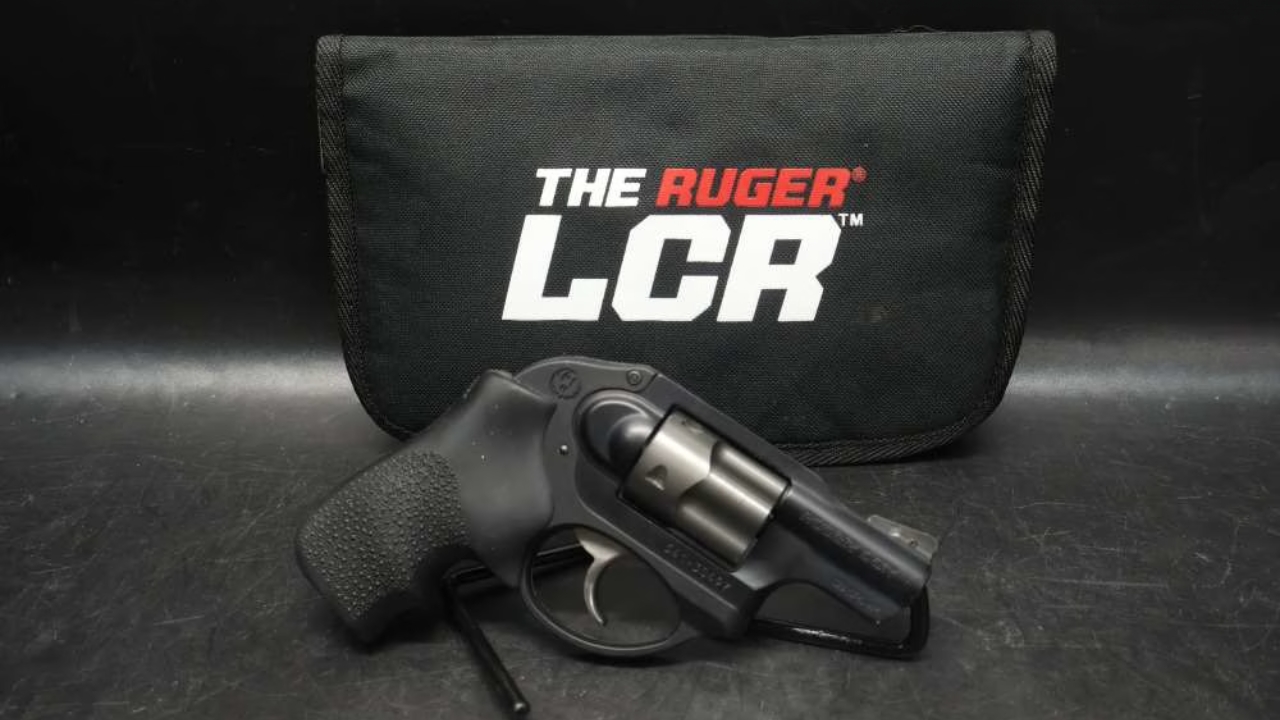
The LCR’s trigger is often smoother than people expect, and that helps it shoot well on paper. With patience, you can keep shots tight at practical distances, and the gun’s simplicity makes it feel like a reliable answer when you want a revolver that carries easily.
Under stress, you’re still dealing with a small, light revolver in a cartridge that can bite. The grip is short, recoil feels sharp, and your trigger press can speed up in ways that ruin accuracy. The sights are also small, and your eyes can lose the front blade when you’re trying to shoot fast. Revolvers don’t give you “free” speed. You earn speed through smooth trigger work and a hard, consistent grip. Without that, your groups open up and your hits get messy, even though the gun is mechanically capable.
SIG Sauer P365 (standard)

The P365 is accurate for its size, and it will show you that on paper. At a calm pace, you can keep a nice group and feel like you’re carrying a pistol that shoots like something bigger. The platform is capable, and that’s part of why it became so popular.
Under stress, the size shows up. The shorter grip gives you less leverage, recoil feels more abrupt than a compact, and your draw has to be consistent to land the same grip every time. When your grip is even slightly off, the gun can start climbing and your follow-ups scatter. The trigger is workable, but small pistols make sloppy prep more obvious. The fix is training, not parts. If you carry a P365, you need to practice from concealment, run timed drills, and build a repeatable grip. Paper groups don’t prove that.
Springfield Hellcat

The Hellcat can shoot very respectable groups when you slow down, especially if the sights work for your eyes. The gun is capable, and a lot of shooters find it accurate enough that it surprises them for a micro. It’s easy to think that means you’re set.
Under stress, the Hellcat behaves like a micro: quick recoil, short grip, and less forgiveness. You have to clamp down harder and manage the trigger without rushing it. If your support hand is late or your grip is shallow, your shots start climbing and drifting. Follow-ups are where it gets messy. The gun will do it, but it demands more attention than a compact. Experienced shooters run micros well because they treat them like serious tools and train accordingly. If you don’t, the Hellcat will look great on paper and sloppy when the timer starts.
Kahr CM9

Kahr pistols can be accurate on paper because the barrels are generally good and the sight picture is usable. If you take your time, the gun will put rounds where you aim, and the smooth, consistent trigger pull can actually help with slow, deliberate shooting.
Under stress, that same trigger becomes a challenge because it’s long. Long triggers demand discipline, and when you speed up, it’s easy to start slapping through the pull instead of managing it. The small grip and light weight don’t help, and the gun can shift in your hand during recoil. You’ll see it in your hits: a tight group becomes a vertical string, then a scattered cluster when you rush. The CM9 isn’t a bad carry gun, but it rewards smoothness. If you try to bully it under stress, it gets messy fast.
Walther PPK / PPK/S

The PPK family can be surprisingly accurate on paper with the right ammo and a calm pace. The fixed barrel helps, and when you’re shooting slow, the gun can feel like a little laser. That’s why people still love them.
Under stress, the ergonomics and recoil feel can work against you. Many shooters get bit by the slide if grip is high, and the recoil impulse in a small blowback .380 can feel sharp and jumpy. The trigger transition can also be a factor, depending on the exact model and condition, and small sights don’t make fast shooting easier. The gun can be accurate, but it’s not forgiving. If you’re trying to run it quickly, you need a firm grip, clean trigger control, and enough reps to keep it from chewing up your hand. Otherwise, it turns stressful drills into scattered hits.
Beretta 3032 Tomcat

A Tomcat can shoot better than its size suggests at close range, and on paper you can keep hits tidy if you do your part. The sights are basic but usable, and at a slow pace the gun can feel like an easy little tool for close work.
Under stress, it’s a small gun with a small grip and limited sight picture. The .32 ACP is mild compared to other carry calibers, but the platform still moves around in your hands because there isn’t much to hold onto. When you try to go fast, your grip consistency becomes the deciding factor, and that’s where shots start wandering. The controls and handling also aren’t what most people train with, so your draw and manipulation can get clumsy when your heart rate is up. It can be accurate, but it’s easy to get messy if you haven’t built real reps with it.
Ruger LCP II

The LCP II can print respectable groups for a tiny pistol when you slow down and pay attention. It’s not a target gun, but it’s accurate enough to do what it’s meant to do, and good shooters can keep it honest on paper inside realistic distances.
Under stress, it becomes a trigger-and-grip challenge. The gun is small, the recoil is quick, and the sights are limited. You have to work harder to keep the gun from shifting during recoil, and if you don’t, follow-up shots turn into guesswork. The short sight radius also makes rushed sight alignment show up immediately. The LCP II is a gun you carry because you’ll actually carry it, not because it’s easy to shoot fast. If you want clean hits under stress with it, you need to practice like you mean it—draws, one-handed shooting, and quick cadence work at close range.
Glock 43

The Glock 43 can be very accurate on paper. Plenty of shooters can print tight groups with it at a calm pace because the trigger is familiar, the barrel is capable, and the gun points naturally once you’re used to the frame. It often feels like a “real 9mm” in a slim package.
Under stress, the short grip and snappy recoil start demanding more grip discipline. You don’t have much room for error in how you build your grip on the draw, and if your support hand is late or weak, the gun climbs and your hits spread. The thin frame can also feel harsher in recoil than a thicker compact, which affects your follow-ups. The fix isn’t complicated, but it’s work: lock your grip in, prep the trigger, and practice timed drills. The 43 will shoot. It simply won’t cover for you.
Glock 42

The Glock 42 is often easier to shoot on paper than other pocket guns because recoil is mild and the gun is generally predictable. If you take your time, you can keep your hits tight and feel like you’ve found an easy carry pistol that doesn’t punish you.
Under stress, it still behaves like a small pistol. The grip is short, the gun can shift in your hand, and your trigger work needs to stay clean. People tend to rush small guns, and that’s when accuracy falls apart. The short sight radius and tiny frame amplify mistakes, especially when you’re trying to shoot quickly. If you carry a 42, you’re best served treating it like a serious tool: run it from concealment, practice fast pairs at close distances, and build a grip that lands the same every time. Calm paper groups don’t prove you can do that.
Sig Sauer P238
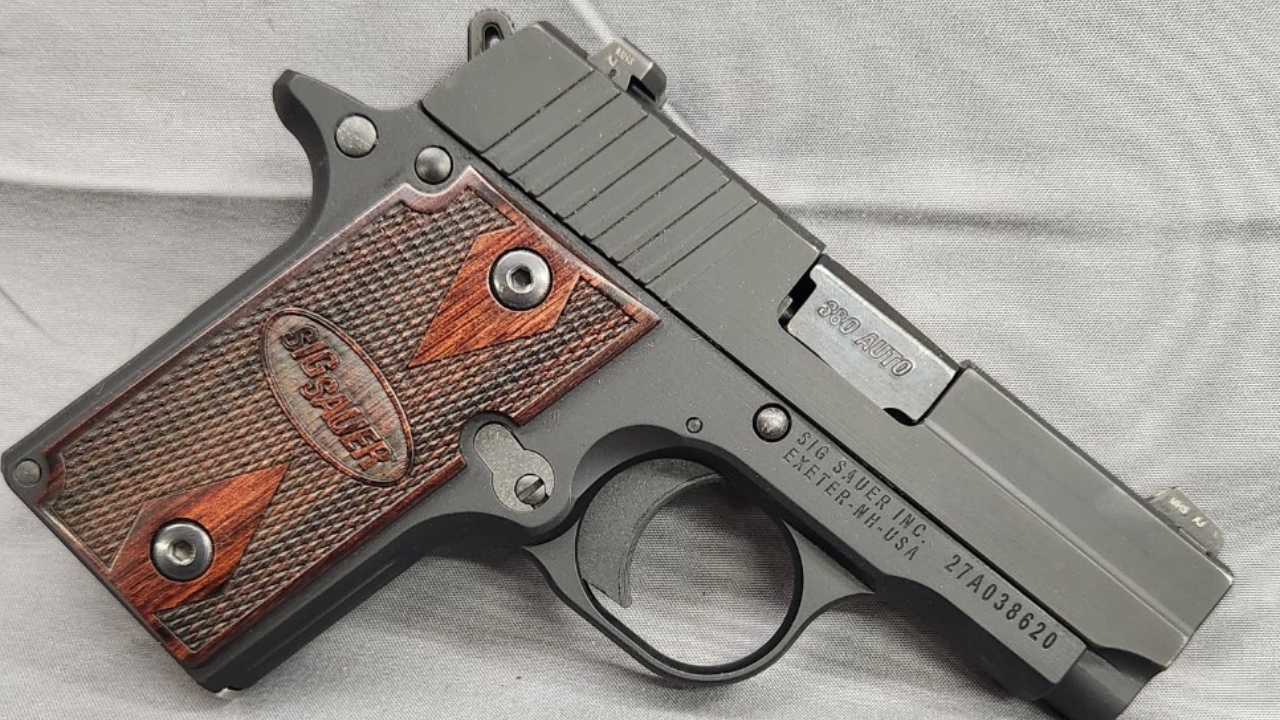
The P238 can be impressively accurate for a small .380. The trigger can feel crisp, the sights are often usable, and slow fire can make you think you’re shooting a much larger pistol. It’s a pleasant gun to shoot when you’re not rushing.
Under stress, the small frame and manual safety add complexity. If your grip isn’t consistent, the gun can move during recoil, and that throws off your next shot. If you haven’t drilled the safety sweep into muscle memory, you can lose time or fumble the first shot. The pistol can run well, but it demands a practiced draw and a confident grip. That’s the pattern with these small “accurate” pistols: they behave on paper, then get messy when you’re cold, moving fast, and trying to shoot on a timer. Skill fixes it, not wishful thinking.
CZ 75 Compact
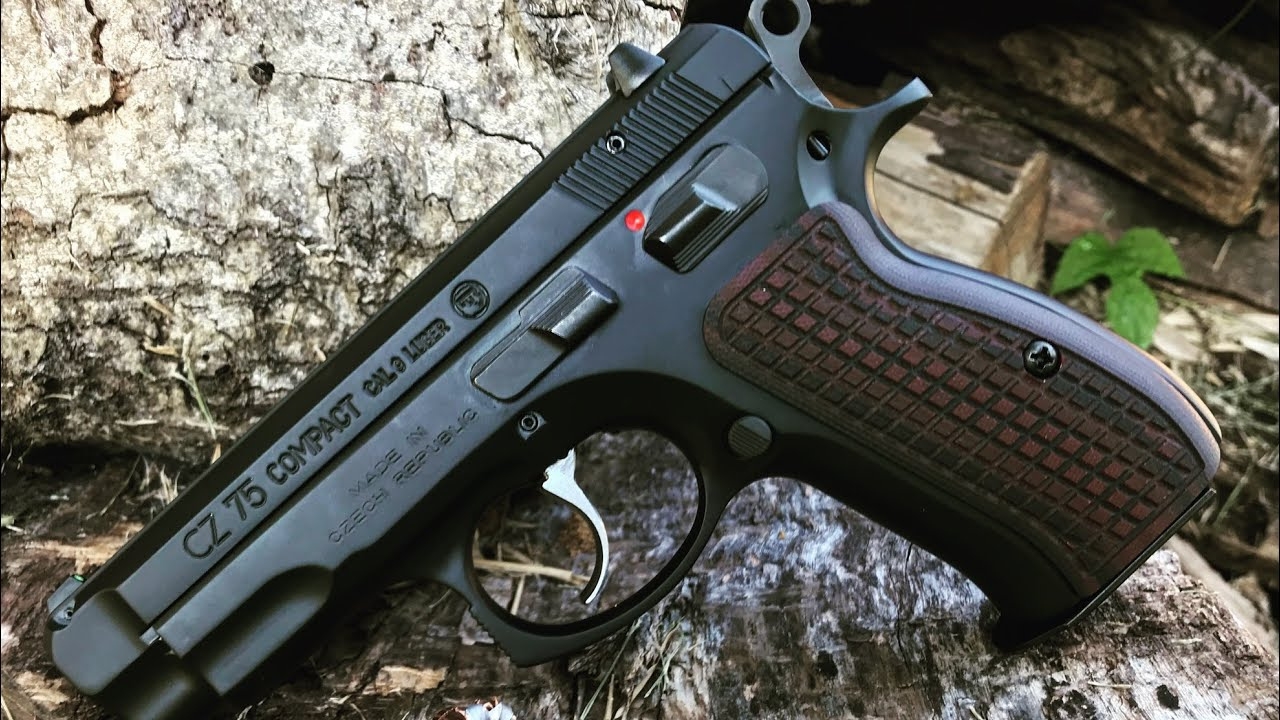
A CZ 75 Compact can be extremely accurate on paper because the platform is stable, the barrel lockup is solid, and the gun tends to track well when you’re shooting deliberately. It’s the kind of pistol that can make you look good when you’re calm and focused on fundamentals.
Under stress, the system can get messy for shooters who haven’t committed to the manual of arms. DA/SA triggers demand real work: that first double-action press is different, and under pressure people often yank it. If you carry cocked-and-locked, you’re managing a safety. If you carry hammer down, you’re managing a long first pull. None of that is wrong, but it’s not forgiving. The compact frame also gives you less grip than a full-size. The pistol will shoot. The question is whether you’ve trained enough to run it fast without falling apart.
1911 Officer-size .45

An officer-size 1911 can be accurate on paper because the trigger is usually clean and the barrel can shoot. Slow fire can look great, and the gun’s natural pointing characteristics can feel familiar and confidence-building.
Under stress, the short grip and .45 recoil can make it harder to keep the gun planted. Small 1911s also demand a consistent grip to avoid shifting during recoil, and when you rush, that shift shows up fast. The manual safety is another layer—easy when you’re practiced, easy to fumble when you’re not. Even if the gun is mechanically sound, your performance can get messy if your draw, safety sweep, and grip aren’t automatic. The officer-size 1911 rewards skill and punishes shortcuts. On paper it can look like a match gun. Under stress it can feel like you’re trying to hang onto a slick fish.
Like The Avid Outdoorsman’s content? Subscribe to our newsletter so you never miss an article.
Here’s more from us: