Photo credit: Gun Talk Media/YouTube
Every shooter eventually runs into a sidearm that looks good on paper but ends up creating more headaches than confidence. Whether it’s unreliable cycling, finicky ammunition preferences, or controls that get in the way when things move fast, some pistols simply get in their own way. A sidearm is supposed to simplify your life, not make you second-guess every press of the trigger.
The handguns below earned their reputations the hard way. They sound appealing at first glance, but once you run them in real conditions—dust, sweat, cold, or quick follow-up shots—you start noticing the problems that show up at the worst moments. These are the sidearms seasoned shooters have learned to avoid.
Kimber Micro 9

The Kimber Micro 9 draws plenty of interest because of its size and appearance, but the platform often struggles once you start putting rounds through it. The small slide mass can make cycling inconsistent, especially with defensive ammo, leading to frequent stoppages. In cold weather or with a less-than-perfect grip, those issues show up even faster.
The gun’s controls are also tiny, which can make them hard to run under stress. Many shooters also find the recoil sharper than expected for its size. While it feels good in the hand, it has a habit of slowing you down when you need clean, predictable performance.
Springfield 911

The Springfield 911 looks like a miniature 1911, but the similarities don’t extend to reliability. With hotter loads, it often struggles to feed smoothly, and the lightweight design amplifies recoil. That combination can make follow-up shots challenging and increases the likelihood of shooter-induced malfunctions.
Its small controls also make things tricky when you’re trying to manipulate the safety or lock the slide quickly. Even with regular maintenance, the gun can feel temperamental in rough conditions. Shooters who want a dependable carry option usually move on after realizing how often the 911 demands perfect technique to run well.
Taurus PT709 Slim
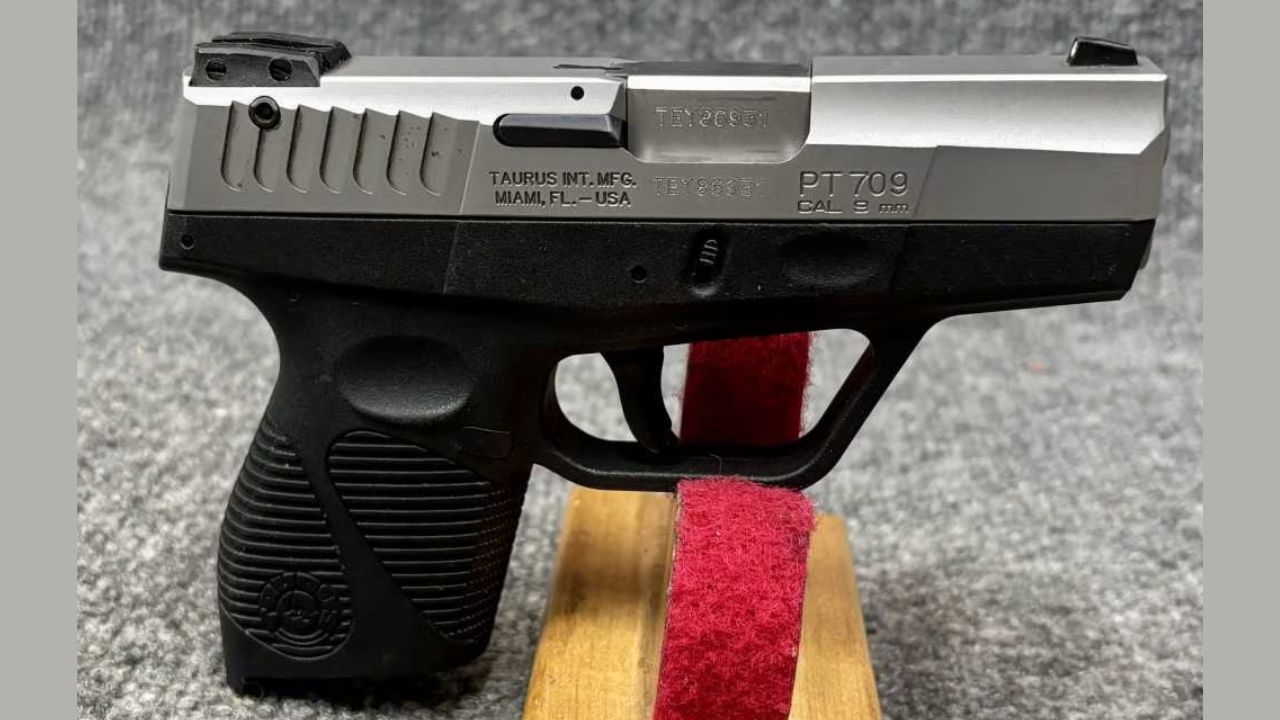
The PT709 Slim gained attention for being affordable and lightweight, but it’s notorious for inconsistent feeding and erratic ejection. Some ammo types run fine, while others seem guaranteed to cause issues. That kind of unpredictability makes it hard to trust in defensive situations.
The trigger is also spongy and long, which makes accurate shooting tougher than it should be for a carry pistol. Even with practice, many shooters find themselves fighting the mechanics rather than focusing on the shot. For a sidearm meant to simplify things, it often adds complications you don’t need.
Beretta Pico

On the surface, the Pico looks ideal for deep concealment, but it has a reputation for being extremely sensitive to ammunition choice. Many loads nose-dive into the feed ramp, and the stiff slide makes it difficult for some shooters to manipulate. Those two issues alone make it less than confidence-inspiring.
The tiny grip and minimal controls add to the challenge when you’re trying to run the gun with cold hands or under stress. While it’s small and sleek, it often trades shootability for size, leaving you with a sidearm that demands too much effort for too little return.
Kahr CW380
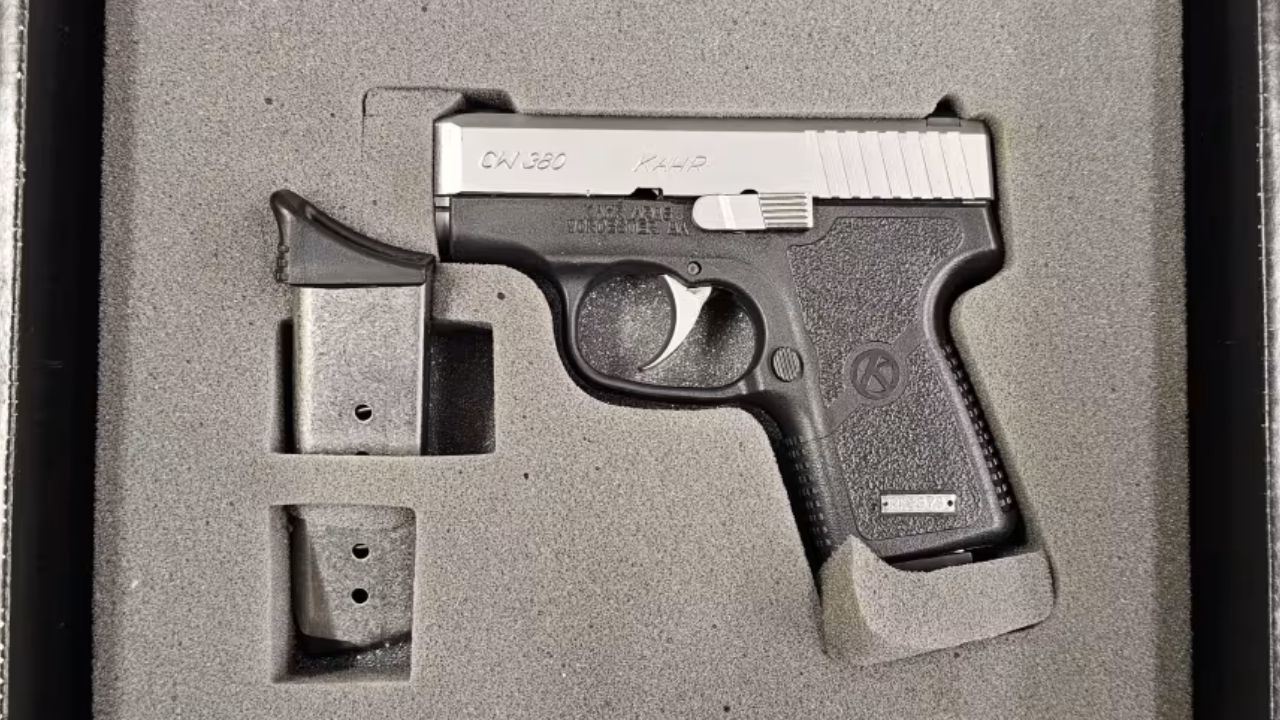
The Kahr CW380 is lightweight and easy to carry, but the reliability record varies wildly from one sample to another. Even after the recommended break-in period, many shooters report stovepipes and failures to return to battery, especially with defensive ammunition.
Its long, heavy trigger pull also makes accurate shooting more difficult than it should be for a pistol this small. When a gun requires that much concentration just to keep running, it quickly stops feeling like a trustworthy tool. Most shooters eventually move toward something more predictable.
SIG Sauer P238 (in harsh conditions)

The P238 can run well in ideal conditions, but once you introduce cold weather, dust, or pocket lint, it becomes noticeably more prone to stoppages. The tight tolerances that make it smooth on the range can work against you in real carry environments.
The tiny manual safety also requires precise thumb movement, which can slow you down under pressure. Many shooters love the way it feels, but in demanding situations it becomes clear that the design isn’t forgiving enough. A defensive pistol shouldn’t require near-perfect conditions to run clean.
Taurus G2C

While the G2C is popular for its price point, long-term reliability has never been its strong suit. Extractor issues, feed problems, and inconsistent triggers show up more often as the round count increases. The gun simply isn’t as tolerant of mixed ammo or harsh handling as a carry pistol should be.
Even when it runs well, the trigger reset is vague, which makes fast, accurate shooting harder. For carry use, that lack of predictability adds unnecessary risk. Many shooters end up moving on to something more stable once they push the gun beyond casual range sessions.
SCCY CPX-2

The CPX-2 is lightweight and inexpensive, but the heavy double-action trigger makes accuracy a real challenge. Even experienced shooters find themselves working overtime to maintain good sight alignment through the long pull.
Mechanical issues also show up frequently. Some models struggle with feeding hollow points, while others develop ejection problems as the round count rises. When a pistol leans heavily on perfect ammo selection and constant tuning, it creates more problems than most shooters want to deal with.
Kimber Solo

The Kimber Solo was marketed as a high-end micro-compact, but it quickly developed a reputation for refusing to run reliably with anything but specific premium ammunition. Even then, many shooters still experienced cycling problems and failures to extract.
The stiff slide and snappy recoil also make it harder to manage, especially for those carrying in colder climates or with gloves. While it looks refined, the Solo has a long history of frustrating owners who expected far better performance from a pistol in this category.
Remington R51 (Gen 1)

The first-generation R51 had one of the roughest launches in handgun history. Feeding problems, out-of-battery issues, and general mechanical unpredictability showed up across early production models. Even after recalls, the platform struggled to regain trust.
The design also has a learning curve that many shooters never felt comfortable with. Unusual recoil characteristics and inconsistent accuracy added to the frustration. The gun’s reputation stuck because it created problems faster than shooters could work around them.
Colt Mustang Pocketlite

The Mustang Pocketlite looks appealing due to its classic design and compact size, but it’s known for being sensitive to limp-wristing and ammunition choice. In real carry conditions, that sensitivity can lead to failures to feed or return to battery.
Its small controls and short sight radius also make it harder to run quickly and accurately. For shooters who want a dependable pocket pistol, the Mustang often feels more like a finicky range novelty than a serious carry option.
Ruger LC380

The LC380 is comfortable to carry, but the light slide and soft recoil spring can lead to failures to eject, especially with hotter loads. Its mild recoil is nice, but performance becomes unpredictable as soon as you introduce varied ammunition.
The trigger isn’t as clean as many competitors, making accurate shooting more effort than it should be. While it’s comfortable and easy to conceal, it often leaves shooters wishing they had something more consistent.
Walther CCP (early models)

Early CCP models struggled with heat issues and reliability problems stemming from their gas-delayed blowback system. After just a few magazines, the gun could become uncomfortably hot, making extended practice difficult.
Feeding problems and erratic slide movement also appeared frequently. While later versions improved some of these issues, the early guns earned a reputation for being more trouble than they were worth. Many shooters simply moved on to more traditional and proven designs.
SIG Sauer Mosquito

The Mosquito promised a scaled-down SIG experience, but it struggled with feeding, cycling, and ignition issues across a wide range of ammunition. Many shooters found it only ran reliably with expensive, high-velocity ammo, which defeated its purpose as a training pistol.
The heavy trigger and inconsistent reliability made it frustrating to shoot. Even with meticulous cleaning, the problems tended to return. For a sidearm meant to be approachable and convenient, it often created the opposite experience.
KelTec PF-9
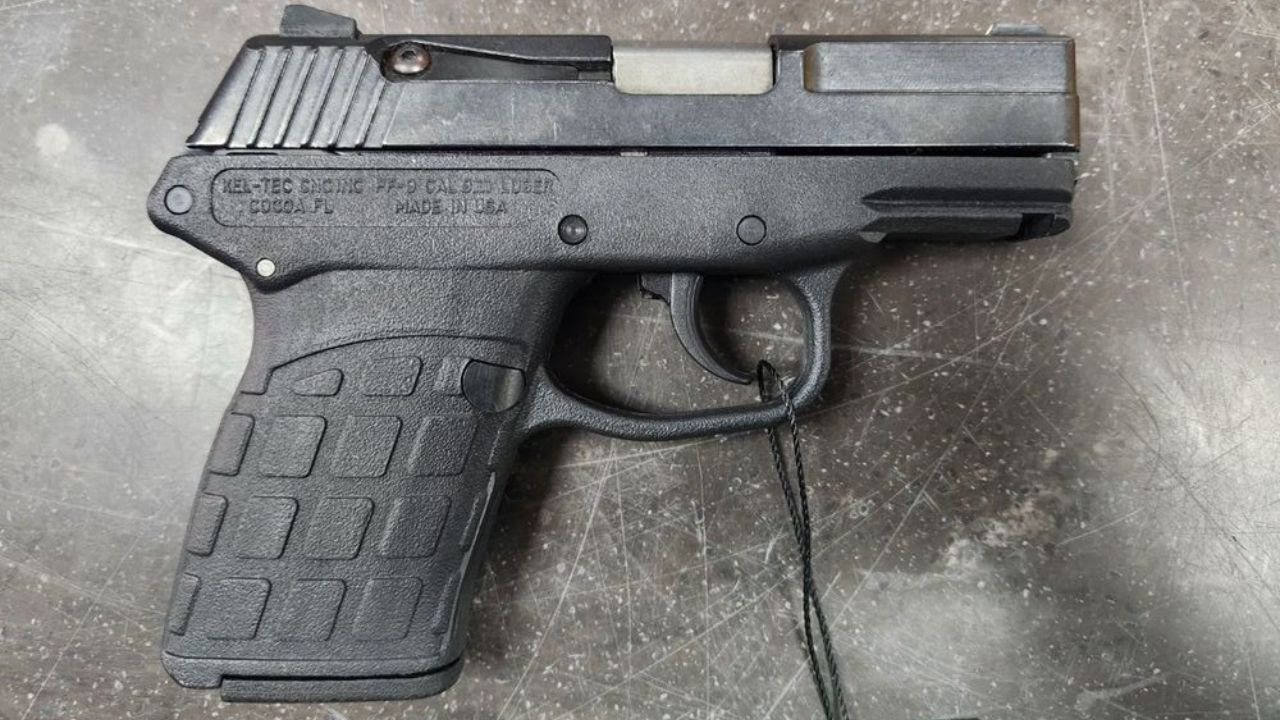
The PF-9 is extremely lightweight, but that trait comes at a cost. Recoil is sharp, making it hard to control during rapid strings, and many shooters experience feeding and extraction problems as the gun wears.
Its long trigger and minimal sights don’t help the accuracy equation. While it fits the role of a deep-concealment pistol, it demands more compromise than most shooters are willing to make. It’s a gun that seems convenient until you actually start working it hard.
Like The Avid Outdoorsman’s content? Be sure to follow us.
Here’s more from us: