Photo credit: hrfunk/YouTube
Every year you see new pistols hit the shelves with strong advertising and big promises. Some of them deserve the attention. Others fall flat the moment shooters get them on the range. Sometimes it’s a design that looked great on paper until the first magazine goes in. Sometimes it’s early-production issues that should’ve been caught before the launch. And sometimes the gun works, but simply doesn’t offer anything meaningful compared to established models.
Shooters aren’t looking for perfection. We’re looking for handguns that run clean, feel right in the hand, and don’t need constant sorting out. When a new pistol stumbles early, it loses trust fast. And once that trust is gone, momentum is almost impossible to recover. These are the models that left shooters disappointed this year—whether due to recalls, quirks, tuning issues, or release timing that didn’t live up to expectations.
SIG Sauer P322
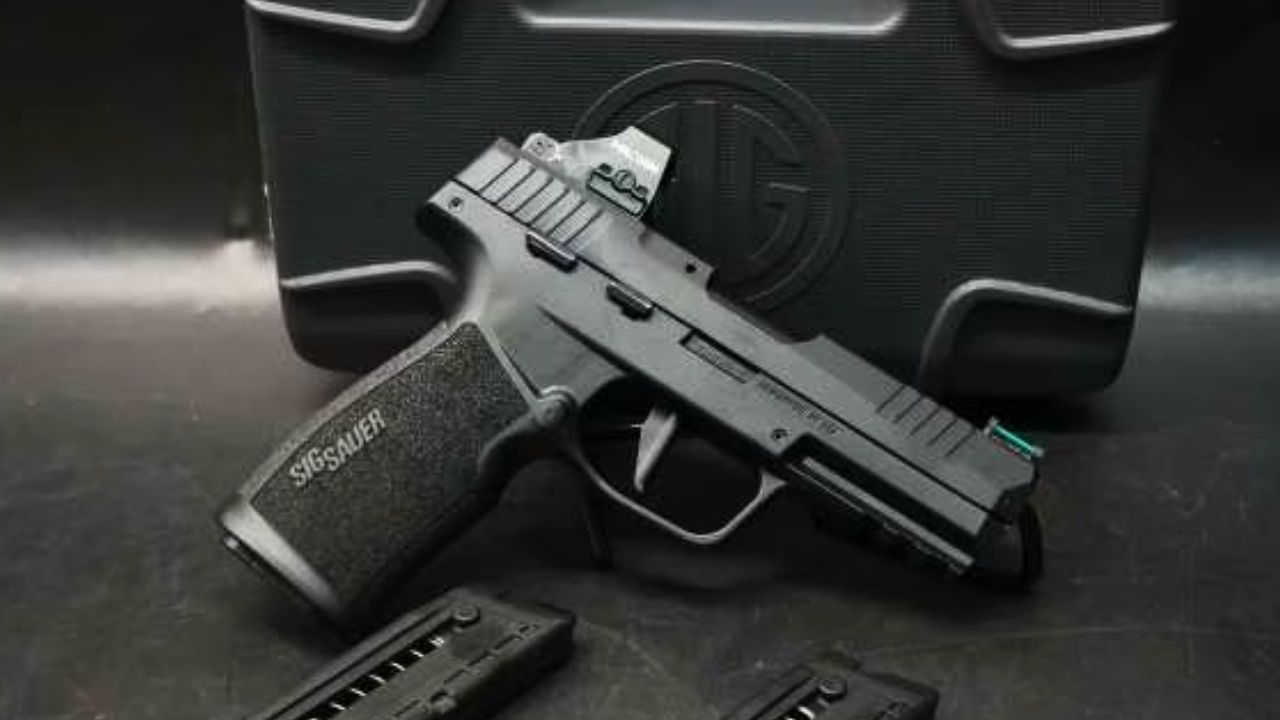
The P322 grabbed attention with its high capacity and friendly ergonomics, but the early-production pistols had issues that caught shooters off guard. Some owners experienced firing pin failures, which led to light strikes and inconsistent ignition. Others ran into the occasional feeding hiccup during longer shooting sessions. SIG eventually updated parts and improved consistency, but early adopters still dealt with problems that dampened the initial buzz.
Rimfire guns can be temperamental, but shooters expected smoother performance from a major release. Many ended up waiting for later production runs or holding off entirely until the platform matured. That hesitation became part of the pistol’s identity, and it turned an exciting launch into something more cautious. Even if later units perform well, the early rollout left a noticeable dent in first-year enthusiasm.
Taurus GX4

The GX4 was shaping up to be one of Taurus’s strongest carry pistols, but the early safety recall slowed everything down. Even though not all pistols were affected, the recall arrived quickly after launch, and many owners found themselves shipping their guns back before they could build confidence in the platform. For a carry pistol, that’s a tough way to start.
Taurus handled the recall professionally and resolved the issue, but first impressions matter. Plenty of shooters who wanted to try the GX4 moved to competitors instead, especially when other micro-compacts were offering similar capacity without any recall baggage. The pistol’s performance has improved over time, but that shaky introduction kept it from becoming the standout success Taurus hoped it would be.
KelTec P15
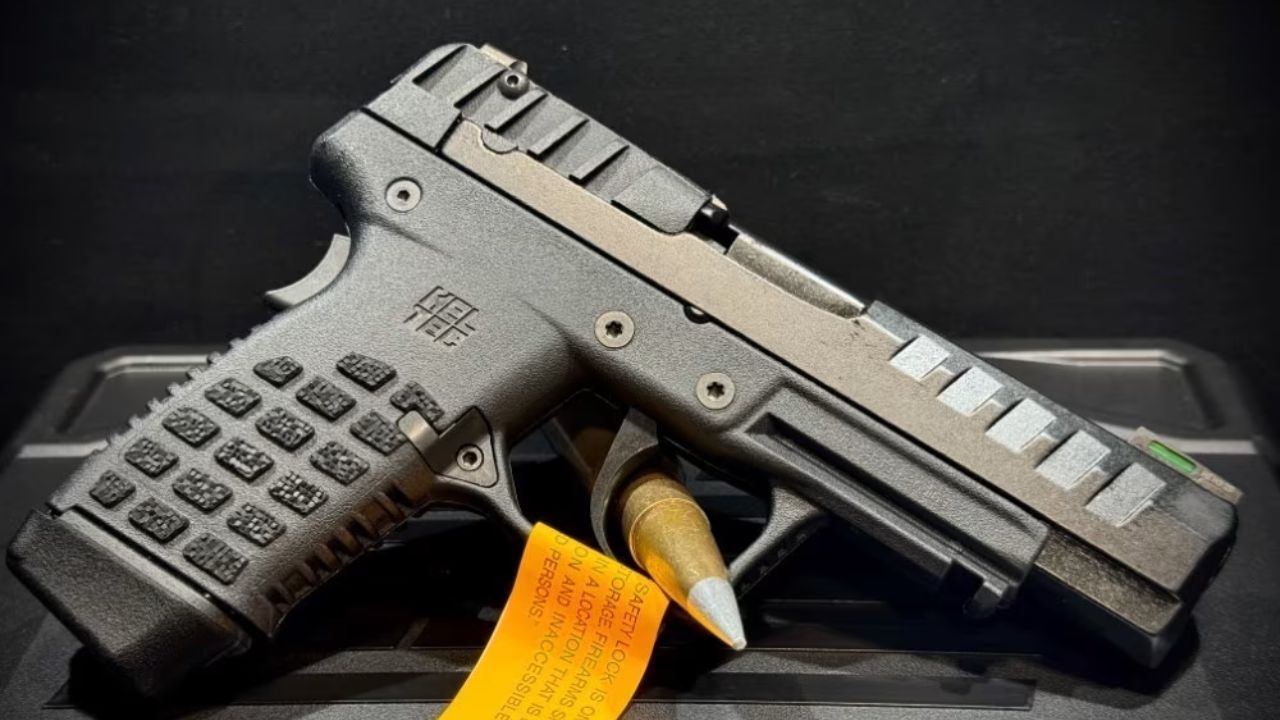
KelTec marketed the P15 as one of the lightest 9mm pistols you could buy, and the concept was appealing. But the early user experience showed the design needed more refinement. Some shooters dealt with feeding issues and stiff triggers, while others saw inconsistent slide lock behavior. Lightweight pistols are always snappy, but the P15’s quirks made that snap feel more unpredictable.
KelTec often takes big swings with design, and this one simply needed more polish before hitting shelves. Some P15s ran fine, but others required break-in or ammo selection to stay consistent. In a year with many well-sorted compact pistols available, the P15 struggled to keep up. Shooters who wanted simple dependability often kept their existing carry guns rather than switching to something still settling in.
Smith & Wesson Equalizer
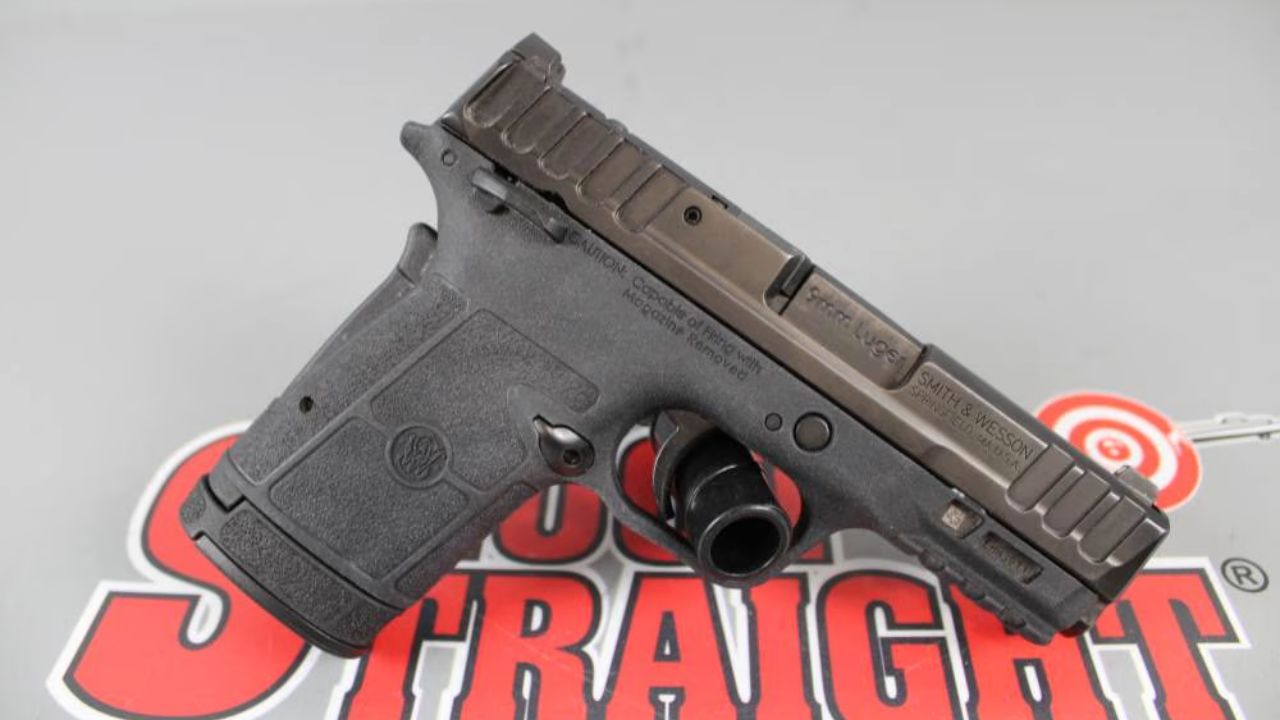
The Equalizer brought a promising mix of capacity and an easy-to-rack slide, but the early feeding complaints were hard to ignore. Some owners ran into rounds nose-diving into the feed ramp, while others saw intermittent failures to return to battery. These weren’t universal issues, but they showed up often enough to affect early adoption.
Smith & Wesson has improved consistency since the first batches, and many shooters now report smooth performance. Still, the Equalizer didn’t feel as polished as the Shield line it builds upon. When buyers expect Shield-level reliability right out of the gate, even occasional hiccups stand out. The Equalizer wasn’t a failure—it just didn’t land with the confidence a new S&W release usually brings.
Ruger Security-380

The Security-380 was designed as an easy-to-handle option for recoil-sensitive shooters, and it does succeed in that role. But experienced handgun owners often walked away underwhelmed. The lightweight slide and reduced recoil system made it sensitive to grip pressure, and some shooters reported sporadic feeding issues when their grip wasn’t perfectly consistent.
The pistol fills a niche, but it didn’t offer anything revolutionary. Ruger’s larger pistols have long been known for reliability, and the Security-380 didn’t carry that same feeling of sturdiness. Instead, it became a model best suited for brand-new shooters rather than a broad audience. Expectations were high, and the final product felt more limited than many Ruger fans hoped.
Shadow Systems CR920P
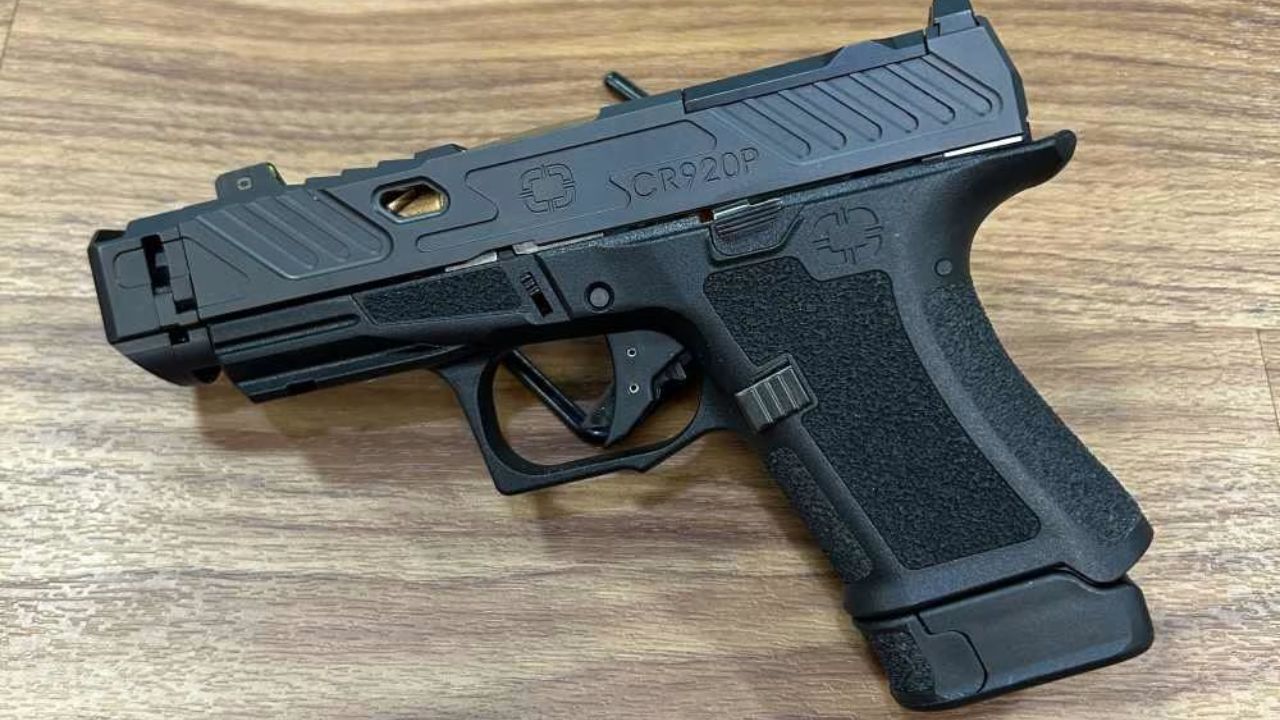
The CR920P entered the market with excitement thanks to its ported barrel and reduced muzzle rise. But early owners reported mixed results. Some pistols ran beautifully, while others showed sensitivity to certain defensive loads. Ported systems often require careful tuning, and that reality showed up fast with this model.
The base CR920 earned strong reliability reviews, which made the ported version’s inconsistency more noticeable. Shooters who expected equal reliability across the line felt let down. When a gun carries a premium price, the expectation is simple: it should run anything you feed it. The CR920P did not always meet that expectation, making it one of the year’s more surprising disappointments.
Rock Island Armory STK100
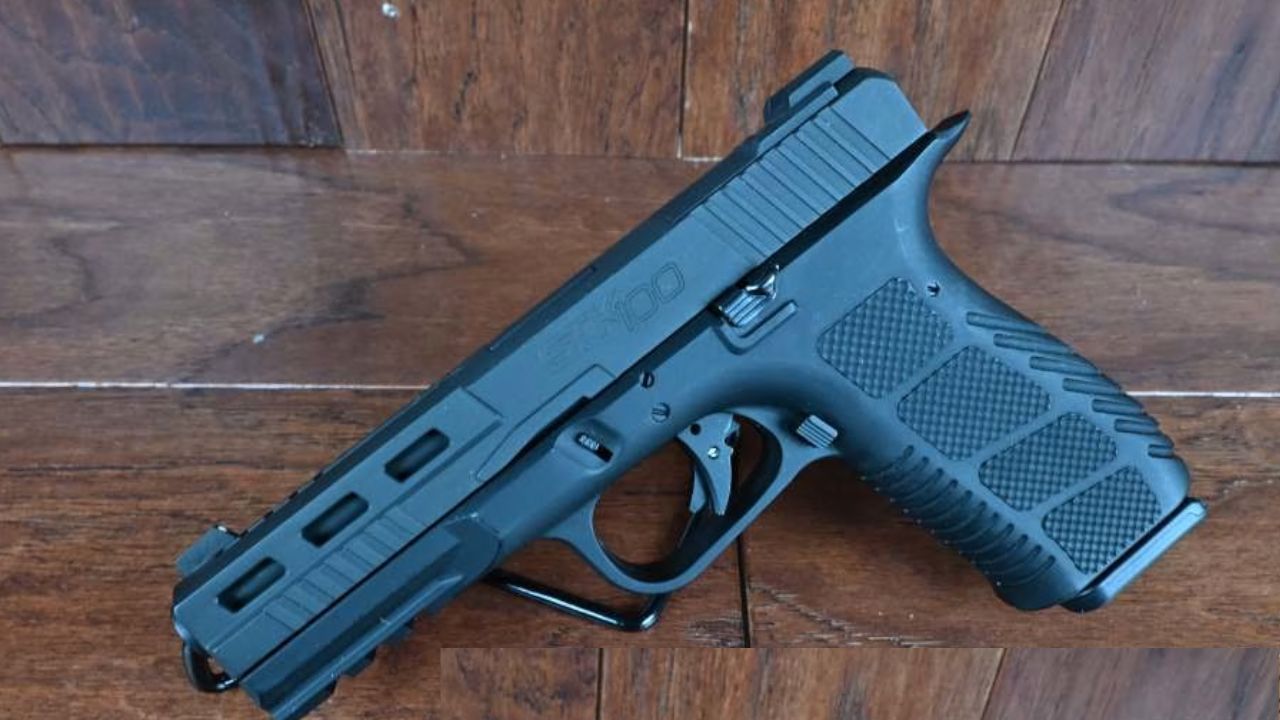
A metal-frame striker pistol at a budget price caught a lot of attention, and the STK100 seemed poised to make a strong debut. But early users reported extractor issues, occasional feeding problems, and even slide bite depending on hand shape. These weren’t universal problems, but they appeared often enough to dampen excitement.
The gun handled nicely when everything worked, but the inconsistency made it feel unfinished. Many shooters liked the concept but wished the execution had been more refined. Instead of pulling buyers away from polymer options, the STK100 reminded them how much work goes into making a smooth, reliable platform. It wasn’t a bad release—but it fell short of expectations.
Springfield 911 9mm

The return of the 911 in 9mm generated quick interest, but the updated model didn’t land the way Springfield hoped. The grip remained narrow and firm, and many owners still felt more recoil than they wanted in such a small pistol. Some also ran into occasional feeding hesitation with certain hollow points.
In a world where the P365, Hellcat, and G43X have raised the bar for micro-9mm performance, the 911 felt dated. It didn’t bring updates that meaningfully changed the experience. Shooters wanted a smoother, more modern evolution of the original. Instead, the pistol felt like a re-release rather than a fresh contender in a crowded field.
Kimber R7 Mako

Kimber’s R7 Mako had the looks, the feature set, and the early excitement needed to make a splash. But early owners reported extractor problems, inconsistent cycling, and occasional stoppages during extended range sessions. Kimber addressed these issues in later batches, but the early inconsistencies overshadowed what could have been a strong debut.
Shooters expected Kimber to bring refinement to the striker-fired world, especially at this price point. Instead, early adopters found themselves diagnosing malfunctions instead of building trust in a new carry gun. Later production runs are steadier, but the launch didn’t build the confidence Kimber needed to make the Mako a breakout hit.
PSA Dagger Micro

The Dagger Micro offered affordability, capacity, and optic-ready features, but the early tolerance variations and occasional feeding problems made the launch feel rushed. Initial owners reported needing to test multiple ammunition types to find reliable performance, which isn’t ideal for a defensive pistol.
PSA tends to improve designs quickly, and later versions have shown progress. But those first reviews lingered. A budget pistol has to win trust fast, and the Dagger Micro didn’t do that consistently. Many shooters decided to stick with proven micro-compacts rather than wait for PSA to iron things out.
Canik Mete MC9
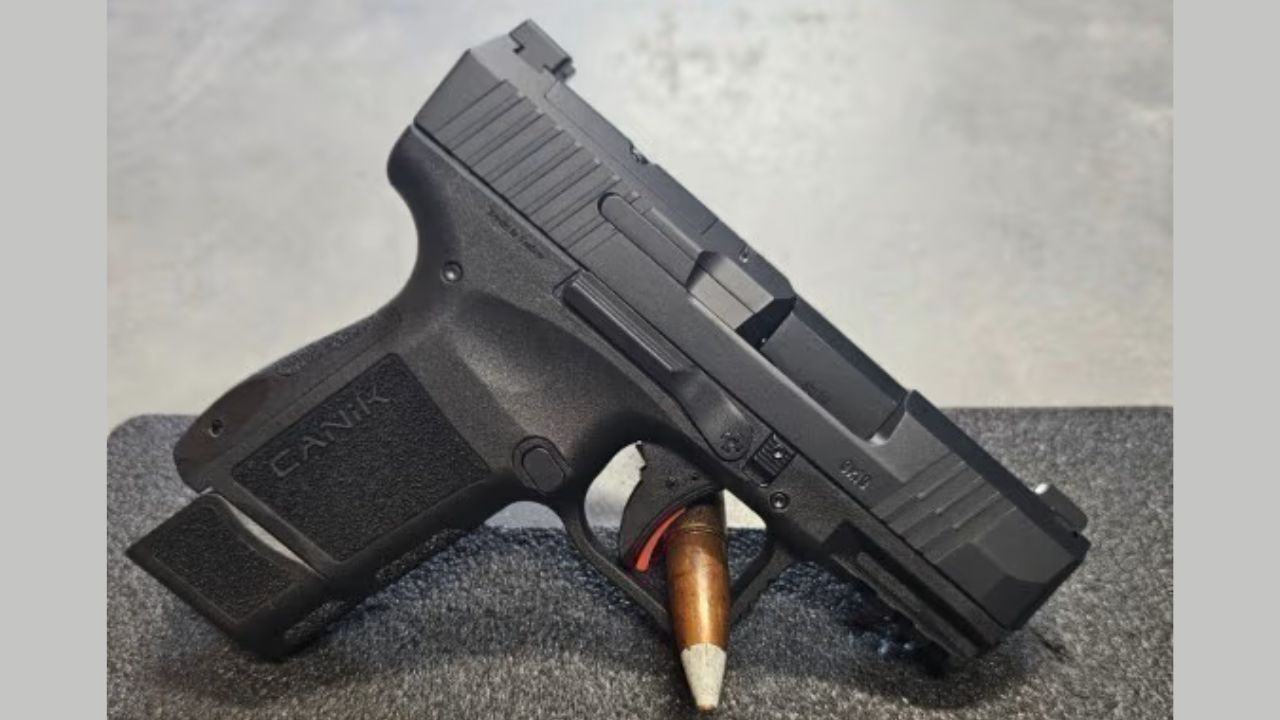
Canik built its reputation on excellent factory triggers, which is why the MC9’s release felt underwhelming to some. The pistol works reliably and handles well, but the trigger lacked the crisp feel buyers expected. That mismatch between expectation and reality drove much of the early disappointment.
Functionally, the MC9 is a capable carry pistol, but it failed to deliver the standout feature that usually defines a Canik release. In a competitive market, that small gap between expectation and delivery can be enough to keep a gun from taking off. The MC9 didn’t stumble—it simply didn’t shine.
Kimber KDS9c

The KDS9c brought premium craftsmanship to a compact double-stack design, but early owners encountered tuning sensitivity and inconsistent break-in behavior. For a pistol at this price level, shooters expected flawless function right from the first magazine.
Some samples ran perfectly, while others needed time and ammunition testing to reach full reliability. When someone is spending premium money on a carry gun, those small inconsistencies matter. The KDS9c performs extremely well once settled in, but the uneven early results left certain buyers disappointed—especially when the competition already offers highly reliable metal-framed options.
Ruger LC Charger
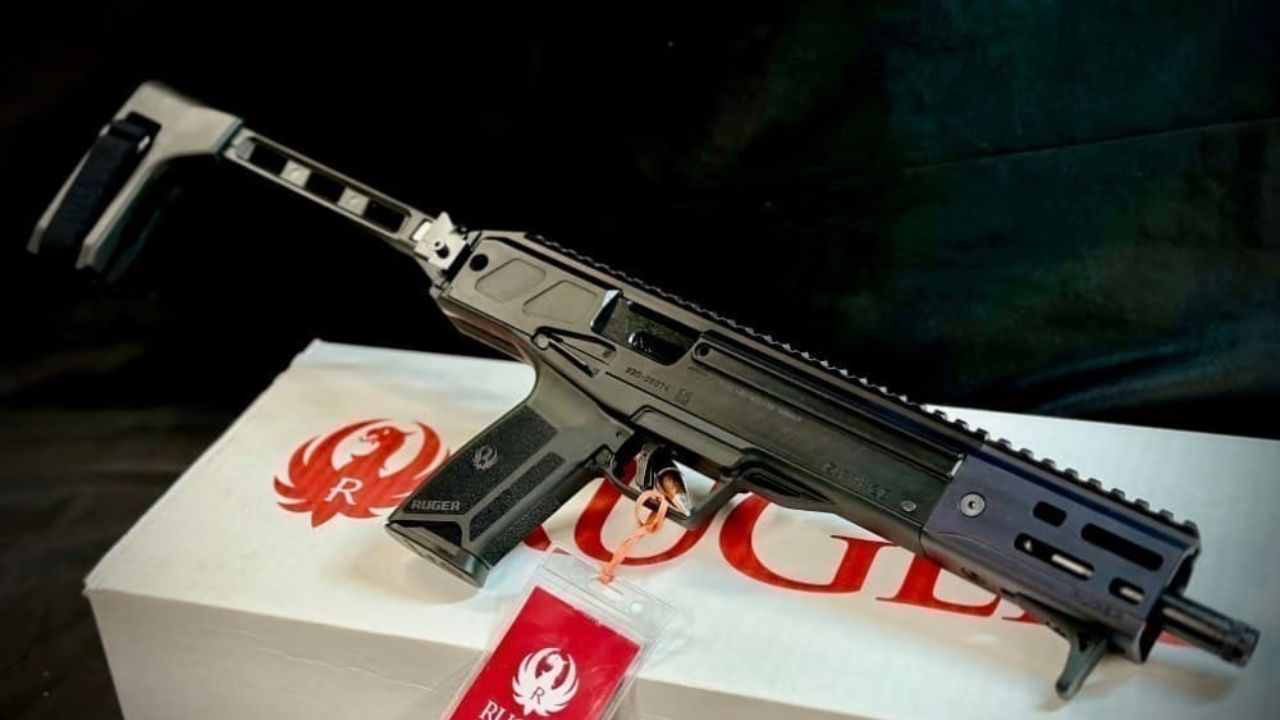
The LC Charger grabbed attention because of its unique PCC-style design in a handgun-legal format. But once shooters actually used it, many realized the ergonomics didn’t translate well without a stock or brace. It wasn’t intuitive as a handgun, and it didn’t offer the stability of a dedicated carbine.
The performance wasn’t the issue—the form factor was. Instead of feeling specialized, it felt stuck between categories. Shooters struggled to find a clear role for it, and interest cooled quickly once the novelty wore off. It’s a fun range piece, but it wasn’t the practical new option many expected.
Diamondback DBX 5.7
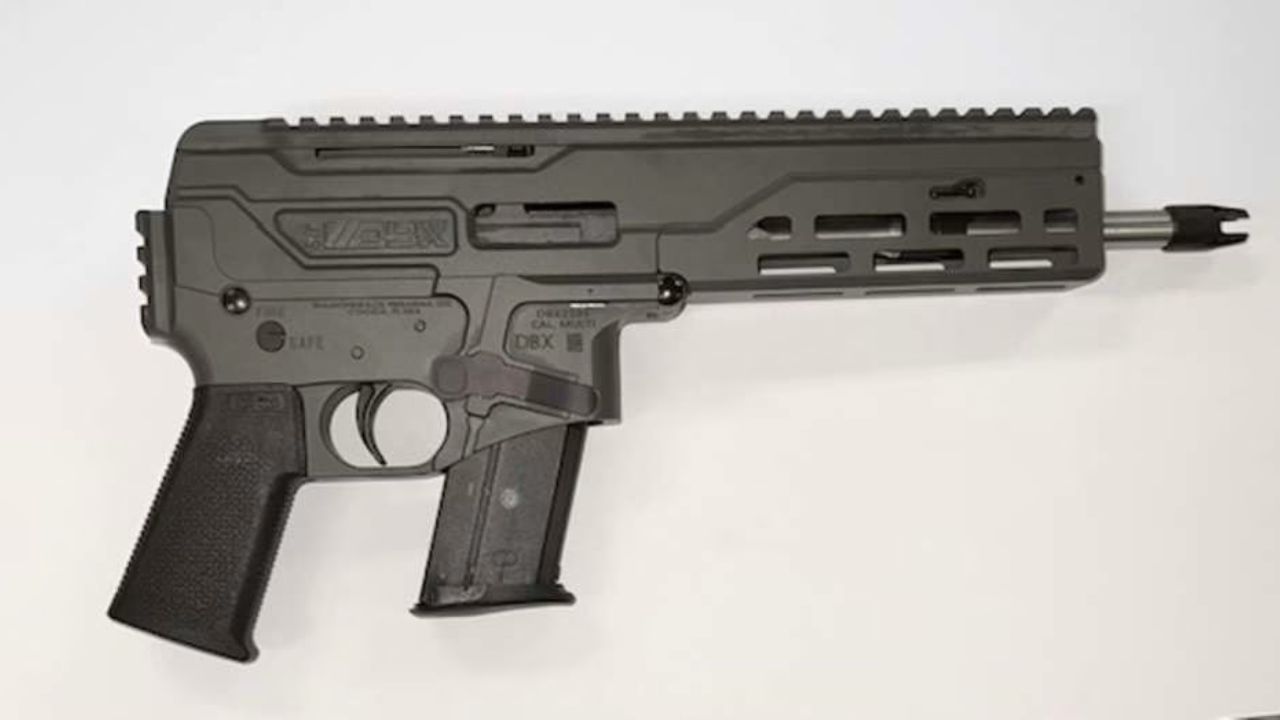
The DBX 5.7 is lightweight, fast-handling, and visually appealing, but its tuning sensitivity kept it from wider success. Owners frequently reported that the gun preferred certain loads and required gas system adjustments to stay consistent. That level of tinkering didn’t sit well with shooters looking for a turnkey 5.7-caliber option.
The platform can run well, but the learning curve is steeper than many expected. When other firearms chambered in 5.7 deliver smoother out-of-box performance, the DBX ends up feeling demanding. It earned a spot on this list not because it’s unreliable—but because the expectations were higher than the final product delivered.
Mossberg MC2sc
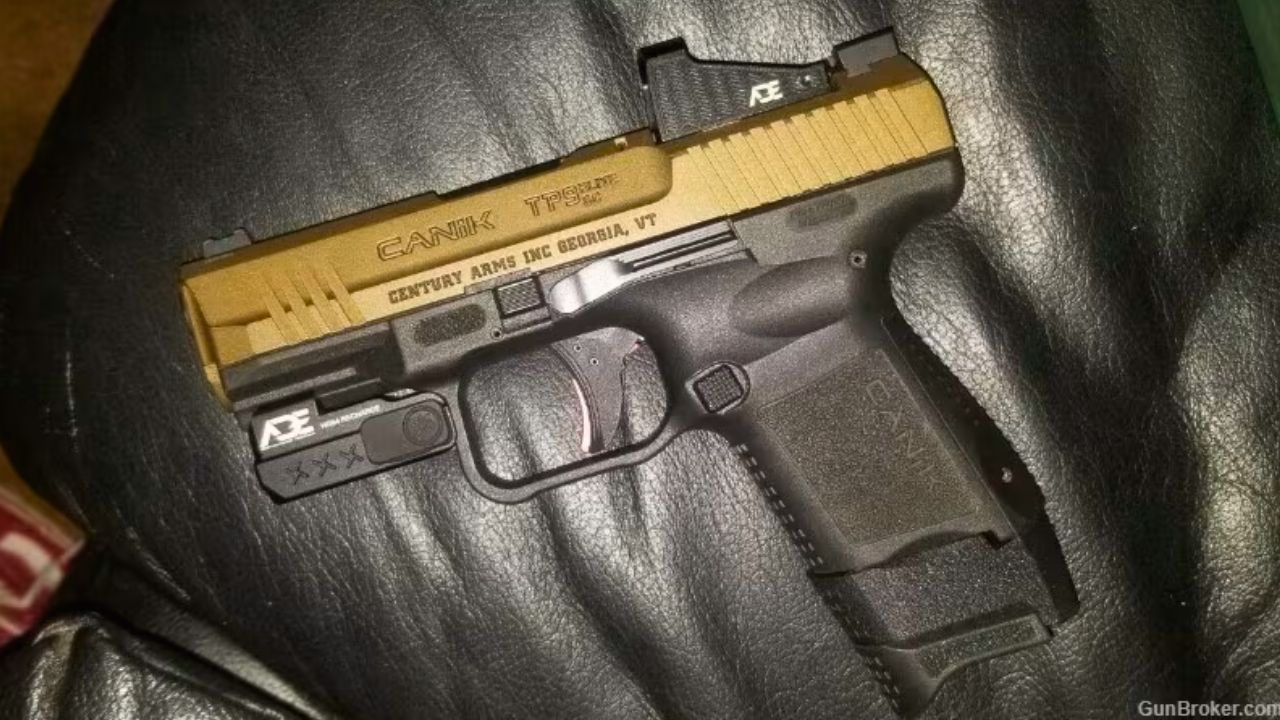
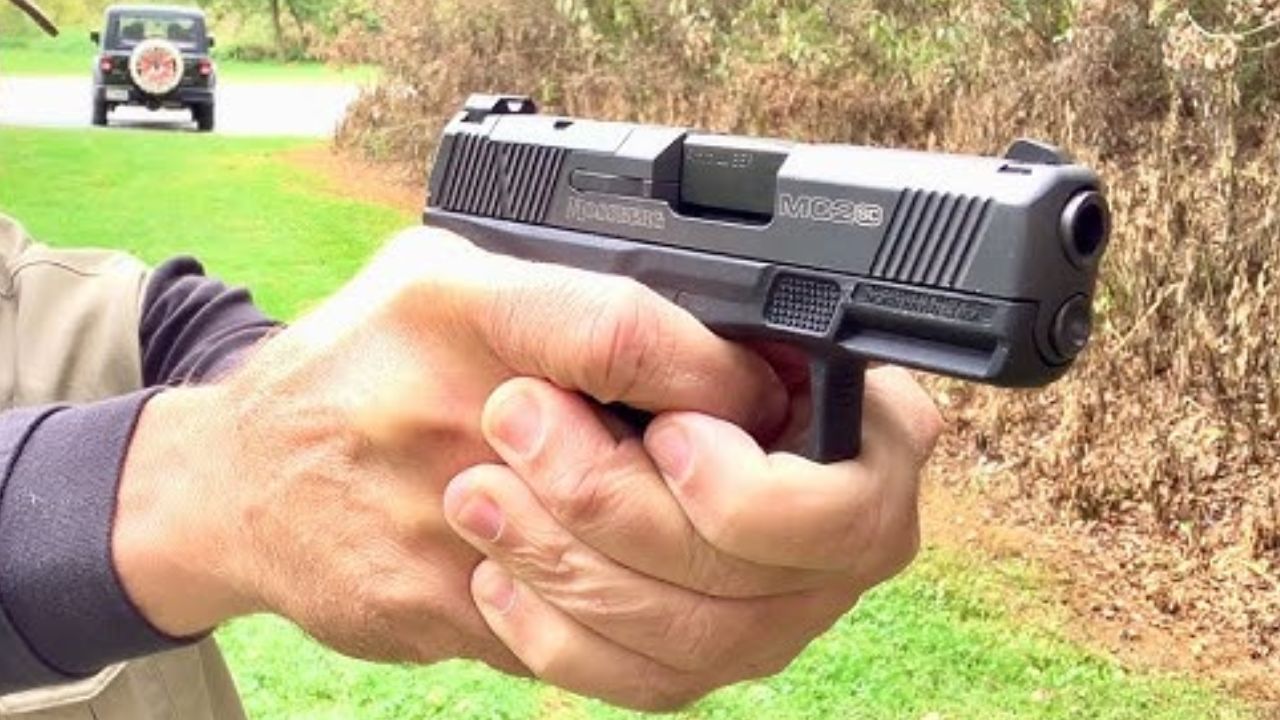
The MC2sc offered good capacity and solid ergonomics, but user experiences varied more than Mossberg needed for a new release. Some shooters had pistols that ran flawlessly, while others reported intermittent feeding issues or sensitivity to certain hollow-point designs. That inconsistency kept the pistol from gaining traction in the carry market.
Mossberg has been making progress in the handgun world, but the MC2sc didn’t break through the way the brand hoped. Shooters who wanted a dependable and polished new carry gun often chose competitors with more consistent early feedback. The MC2sc wasn’t a bad release—but it didn’t feel ready to compete at a high level right out of the gate.
Like The Avid Outdoorsman’s content? Subscribe to our newsletter so you never miss an article.
Here’s more from us: