Photo credit: Tex Mex/YouTube
Revolvers get written off too easily in the carry world. A lot of shooters remember them as heavy, thick, slow to reload, and better suited for a nightstand than a belt. That view usually comes from thinking about full-size duty guns, long barrels, or old service revolvers that were never meant to disappear under a shirt. Once you narrow the field to the right frame sizes and barrel lengths, the story changes fast.
If you have spent real time carrying handguns, you know comfort is usually about shape more than raw numbers. A rounded grip, a snag-free profile, and a short barrel can make a revolver ride better than people expect. These are the wheelguns that still remind you why a good carry revolver never really stopped making sense.
Smith & Wesson 642

The Smith & Wesson 642 is one of those revolvers people forget because it has been around so long. You have probably seen one in an ankle rig, coat pocket, glove box, or tucked into a simple pocket holster. Its enclosed hammer keeps it from snagging, and the aluminum frame keeps weight down enough that you do not feel like you are dragging a boat anchor around all day.
What makes the 642 carry so well is how little it asks from you. It is flat where it needs to be, rounded where it matters, and easy to hide in places larger guns start printing. It is not a range toy, and nobody honest will call it soft-shooting, but for real-world carry comfort, it remains one of the easiest revolvers to live with.
Smith & Wesson 442

The 442 carries a lot like the 642, and that is exactly why it still earns a place in the conversation. You get the same proven J-frame footprint, the same internal hammer, and the same easy concealment, but with the dark finish that many shooters prefer for daily carry. It disappears in a pocket holster and does not demand much wardrobe planning.
If you carry every day, that matters more than people admit. A handgun you can actually keep on you without constant adjustment is worth far more than a larger one left at home. The 442 stays popular because it does the boring part well. It rides light, hides easily, and comes out cleanly when you need it. That is why so many experienced carriers still keep one close.
Smith & Wesson Model 36

The Model 36 still carries better than many shooters expect because steel J-frames are small in all the right ways. Yes, it is heavier than the lightweight Airweights, but it is still compact, rounded, and easy to tuck close to the body. With a short barrel and compact grip, it rides comfortably in a quality inside-the-waistband holster or even a coat pocket.
That extra weight can actually help you if you plan to practice. The little bit of added heft makes standard-pressure .38 Special more manageable, and that often means you shoot it better than the lighter guns. A carry gun that handles well in practice tends to stay in your rotation longer. The Model 36 has stayed relevant because it is small enough to hide and solid enough to keep you honest on the range.
Smith & Wesson Model 60

The Smith & Wesson Model 60 has long been one of the easiest all-steel revolvers to carry without feeling undergunned. In a short-barrel configuration, it keeps the familiar J-frame size that hides well, but it gives you the durability and shootability that come with a stainless steel build. If you carry in humid weather or spend time outdoors, that stainless finish is a practical advantage.
It also carries with less drama than many people remember because the frame stays compact and the lines stay clean. You are not dealing with a big cylinder and oversized grip frame like you would on larger revolvers. The Model 60 works for people who want a little more control than an ultralight snub can offer, without giving up the easy concealment that made small revolvers popular in the first place.
Smith & Wesson 649

The 649 is one of those revolvers experienced carriers appreciate more with time. It gives you the Bodyguard-style shrouded hammer, which means you can still thumb-cock it if you want that option, but it remains far less snag-prone than a fully exposed hammer gun. That small detail matters when you are drawing from a pocket or from under a cover garment in a hurry.
Even though it is an all-steel gun, the 649 stays easy to carry because it still lives in the compact J-frame world. The overall shape is rounded, the barrel stays short, and it hugs close to the body. It feels a little more planted than the featherweight snubs, which many shooters end up liking once practice starts. For a gun with old-school roots, it still hides better than plenty of modern buyers expect.
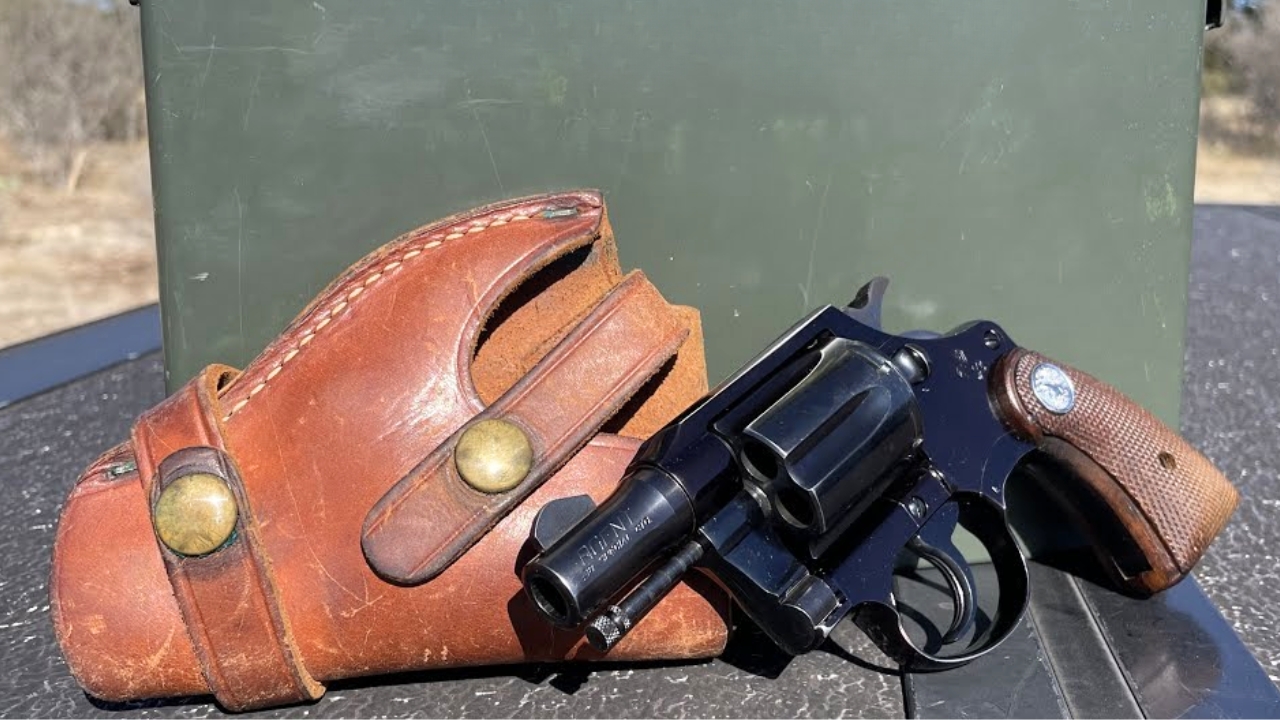
Colt Detective Special

The Colt Detective Special has been proving this point for generations. It was built for concealment long before the modern concealed-carry market turned compact handguns into a full-blown industry. The short barrel, compact frame, and rounded lines make it surprisingly easy to carry inside the waistband or under a light jacket. It does not feel oversized, even by current standards.
A big reason it carries so well is that it was designed as a serious defensive revolver, not a chopped-down range gun. The grip frame and balance still make sense when you are drawing from concealment, and the extra sixth round over many small-frame competitors never hurt its reputation. If you handle one today, you quickly understand why so many old-school carriers trusted it. It still feels trim, purposeful, and easier to pack than many people remember.
Colt Cobra

The modern Colt Cobra fits the carry role better than some shooters give it credit for. It has enough grip to shoot well, enough weight to stay controllable, and a profile that still conceals more easily than many compact semi-autos with boxy slides and extended magazine bases. The frame is not tiny, but it carries cleanly when paired with the right belt and holster.
That is the part people tend to forget. A revolver can be comfortable on the belt because it does not have sharp corners everywhere. The Cobra’s lines are smooth, the barrel options stay practical, and the grip shape settles against the body better than its photos suggest. It gives you a more shootable carry revolver without jumping all the way into bulky belt-gun territory. For many shooters, that middle ground is where comfort actually lives.
Colt Agent

The Colt Agent was built for the kind of carry people now call deep concealment. It took the general Detective Special formula and trimmed weight through its aluminum frame, which made a real difference when the gun spent long days in a pocket or on a belt. That lighter build is exactly why it still deserves attention in any conversation about easy-carry revolvers.
You give up some of the comforting heft of steel, but you gain a revolver that feels far less demanding through a full day of wear. For many carriers, that is the trade that matters. The Agent stays compact, handles like a true defensive snub, and still offers the practical handling that made old Colt carry revolvers so respected. If you want a reminder that lightweight carry revolvers are not a new idea, the Agent makes that point quickly.
Ruger LCR

The Ruger LCR may look unconventional, but it carries exactly the way a modern snub should. It is light, compact, and shaped to come out of a pocket or waistband without hanging up. Ruger also kept the contours friendly, which matters more in daily carry than many people realize. A gun that does not poke, drag, or shift all day gets carried more often.
The LCR also earns its place because it gives you that easy carry without feeling crude. The trigger is better than many shooters expect, and the frame design keeps the weight low without turning the gun into something awkward. It is not trying to be nostalgic, and that actually helps it. If you judge it by how it rides instead of how traditional it looks, the LCR quickly shows why it is one of the easiest revolvers to keep with you.
Ruger SP101

The Ruger SP101 is often remembered as heavy, and compared to an ultralight snub, it is. But that memory can be misleading. In the real world, especially in a short-barrel version, it still carries very well on a belt because it is compact, durable, and not nearly as bulky as many shooters make it out to be. With a proper holster, it rides close and steady.
That weight also buys you something useful: better control. Many carriers find the SP101 easier to practice with than lighter snubs, and a carry gun you shoot well tends to stay in rotation. It is the kind of revolver that feels manageable on the hip while still offering enough substance to handle magnum loads if you choose them. It may not be a pocket-first option for everyone, but on the belt, it carries easier than people remember.
Kimber K6s

The Kimber K6s made a strong impression because it brought a small-frame carry revolver to market with smart dimensions and a very usable profile. It is compact, smooth-sided, and easy to conceal, with a shape that works well under a light cover garment or in an inside-the-waistband setup. It feels purpose-built for modern concealed carry rather than adapted to it.
What helps the K6s carry so well is that it balances shootability with restraint. It is not oversized in the cylinder the way some small revolvers can feel, and the grip shape stays practical for concealment. You can carry it all day without feeling like you made a belt-gun compromise. For shooters who want a revolver that feels current without losing the strengths of the platform, the K6s has earned its reputation as a serious everyday carry option.
Taurus 856

The Taurus 856 deserves more respect in this category than it usually gets. It keeps the compact size that makes small revolvers easy to conceal, and it does so without feeling oversized or clumsy. In a world where carry comfort often comes down to whether a gun stays out of your way, the 856 works because it remains compact, rounded, and easy to place in a pocket or waistband rig.
Its extra round over older five-shot patterns does not ruin the carry profile, which is part of why it works. You still get a revolver that can ride quietly through a long day without demanding constant attention. It is not the fanciest option on the market, but that is not the point here. The 856 carries well because it keeps the dimensions practical and does not burden you with more bulk than you need.
Charter Arms Undercover

The Charter Arms Undercover has always lived in that working-gun lane, and that is part of why people forget how easy it is to carry. It is compact, fairly light, and built around the same basic idea that made small defensive revolvers so enduring: keep the barrel short, keep the shape clean, and keep the gun easy to hide without asking the carrier to dress around it.
That formula still works. The Undercover is not fancy, and it does not need to be. It rides well because it stays close to the body and avoids the long, angular profile that can make larger handguns tedious in daily wear. For people who want a revolver that can disappear in ordinary clothing and still remain straightforward to deploy, it continues to make a lot of practical sense.
Smith & Wesson Model 19 Carry Comp

The Model 19 Carry Comp shows that even a slightly larger revolver can carry better than people expect when it is set up correctly. You are dealing with a K-frame, so it is not a pocket gun, but the round-butt frame and carry-focused features help it ride much more comfortably than a lot of older service-size revolvers. On a strong belt, it settles in better than the size alone would suggest.
This kind of revolver works for carriers who want more shootability without stepping into full-duty bulk. You get better control, a smoother shooting experience, and still enough concealability to make daily carry realistic with the right setup. It is a strong reminder that “easy to carry” does not always mean “smallest gun possible.” Sometimes it means a revolver that balances well, hugs the body, and does not fight you every time you move.
Ruger GP100 Wiley Clapp 3-inch

The Ruger GP100 in the 3-inch Wiley Clapp configuration is another revolver that surprises people once they actually carry it. On paper, a GP100 sounds like too much gun for daily use. In practice, the 3-inch version with carry-friendly grips and a sensible barrel length rides better than many expect, especially in a quality outside-the-waistband or strong-side inside-the-waistband setup.
The short barrel helps more than you might think, and the grip shape keeps the gun from printing as badly as larger target-style stocks do. It is still a belt gun, but it is a very manageable one. If you want a revolver that carries with more authority while staying practical enough for routine use, this one makes a compelling case. It is not tiny, but it wears far easier than the GP100 name leads many shooters to assume.
Colt King Cobra Carry

The Colt King Cobra Carry blends serious carry-friendly design with enough weight and grip to remain useful in practice, and that is why it belongs here. Its bobbed-hammer format keeps the draw clean, and the compact overall profile helps it hide better than older medium-frame revolvers with exposed spurs and bulkier outlines. It feels built for modern concealed carry, not adapted as an afterthought.
That matters once you wear one for real hours, not gun-counter minutes. The revolver stays controllable, the shape stays practical, and the carry experience feels smoother than people often expect from a six-shot revolver. It is not a featherweight pocket piece, but that is not the role it fills. For belt carry, it offers a strong mix of concealment, shootability, and clean handling. That is exactly why revolvers like this still deserve a hard look.
Like The Avid Outdoorsman’s content? Subscribe to our newsletter so you never miss an article.
Here’s more from us: