Photo credit: Phoenix P. Hart/YouTube
Some pistols look like they should shoot well simply because they’re larger, heavier, or built with an aggressive footprint. But once you take them to the range, you quickly learn that shootability isn’t tied to size. Grip angles, trigger quality, slide geometry, and recoil behavior all play a bigger role than raw dimensions. A pistol can be full-sized and still feel unwieldy, or compact yet controllable and smooth.
When you start paying attention to how a gun behaves rather than how big it looks, you realize certain models are great teachers. They show that “big gun equals easy shooting” is a myth shooters cling to long after experience proves otherwise.
Heckler & Koch USP .45
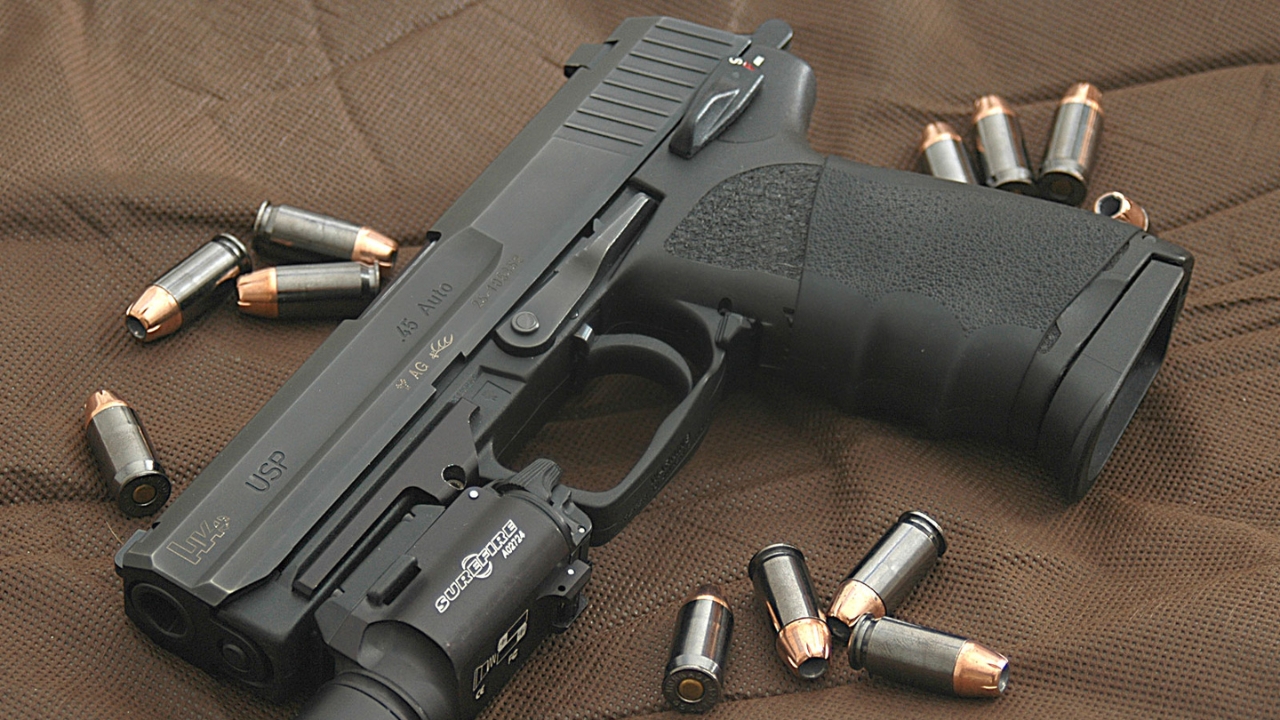
The USP .45 has the presence of a pistol that should be easy to manage, especially with its full-size frame and reputation for durability. But the tall bore axis and blocky grip shape make recoil feel sharper than expected. From a controlled stance, it settles fine, yet during drills or quick transitions, the muzzle flip is more noticeable than many shooters anticipate.
Its weight helps, but not enough to overcome those ergonomics. Plenty of smaller pistols track flatter and recover quicker. The USP is tough and reliable, but it’s a great example of how size doesn’t automatically translate to smooth shooting.
Springfield XD Tactical .40
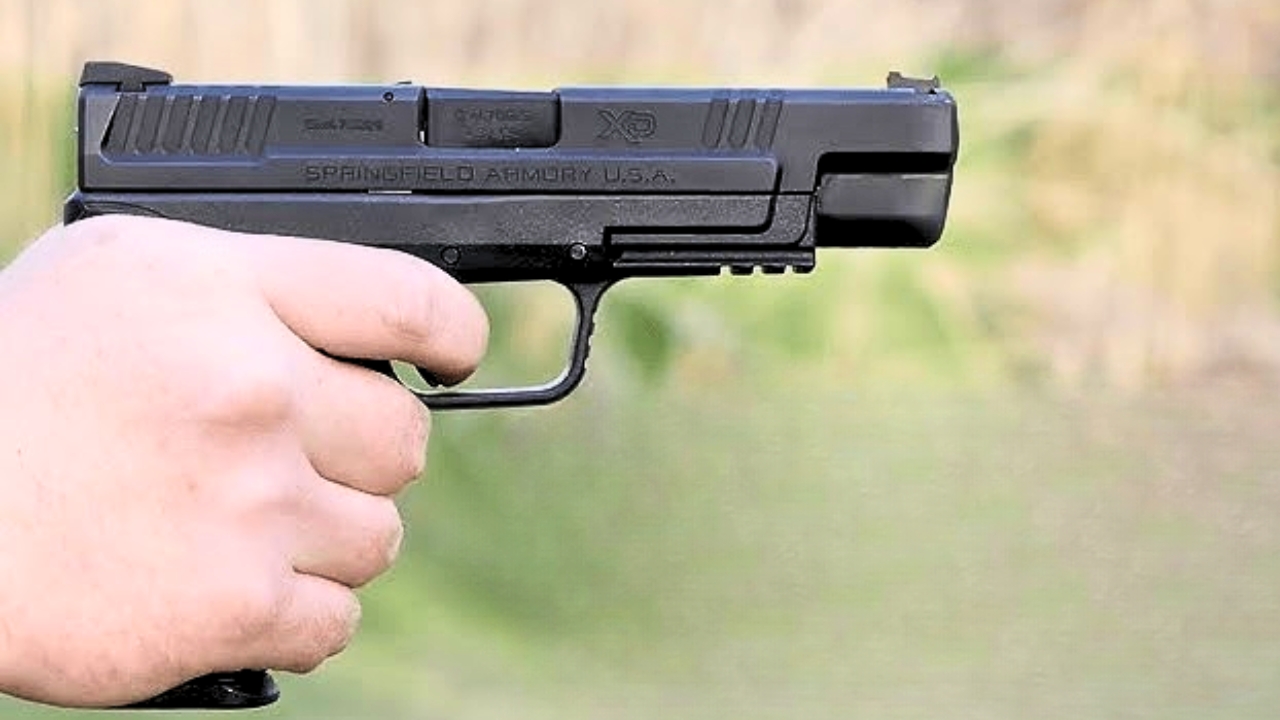
The XD Tactical in .40 looks like a gun built for steady control, thanks to its long slide and extended sight radius. In reality, the .40 S&W snap combined with the grip angle can make the pistol feel less manageable than some compact 9mms. Shooters often describe the recoil impulse as abrupt, especially during rapid strings.
It’s accurate from slow fire, but once you pick up speed, the gun reveals how much effort you’re spending getting it back on target. Its size suggests stability, yet many shooters find smaller-caliber compacts easier to keep in rhythm.
Smith & Wesson 4506

The 4506 is a tank of a pistol, and the stainless-steel frame gives it the appearance of a gun that should shoot effortlessly. But the long reach to the trigger and the heavy double-action first pull create more difficulty than expected. Even though the mass soaks up recoil, the gun demands precise hand placement to maintain consistency.
Shooters with smaller hands really struggle to manage that DA pull cleanly. A pistol this large shouldn’t feel this stubborn, yet many lighter, newer designs outperform it when you’re running drills.
CZ-97B

The CZ-97B is well-built and respected, but its thick grip and overall size can mislead shooters into thinking it will be incredibly forgiving. Instead, the dimensions create challenges for fast, controlled shooting. The grip is simply too big for many hands, causing inconsistencies in trigger reach and recoil management.
It’s accurate when benched or shot slowly, but once the pace increases, that large frame becomes a liability rather than an advantage. Many shooters end up performing better with far smaller pistols that fit the hand more naturally.
Beretta 90-Two
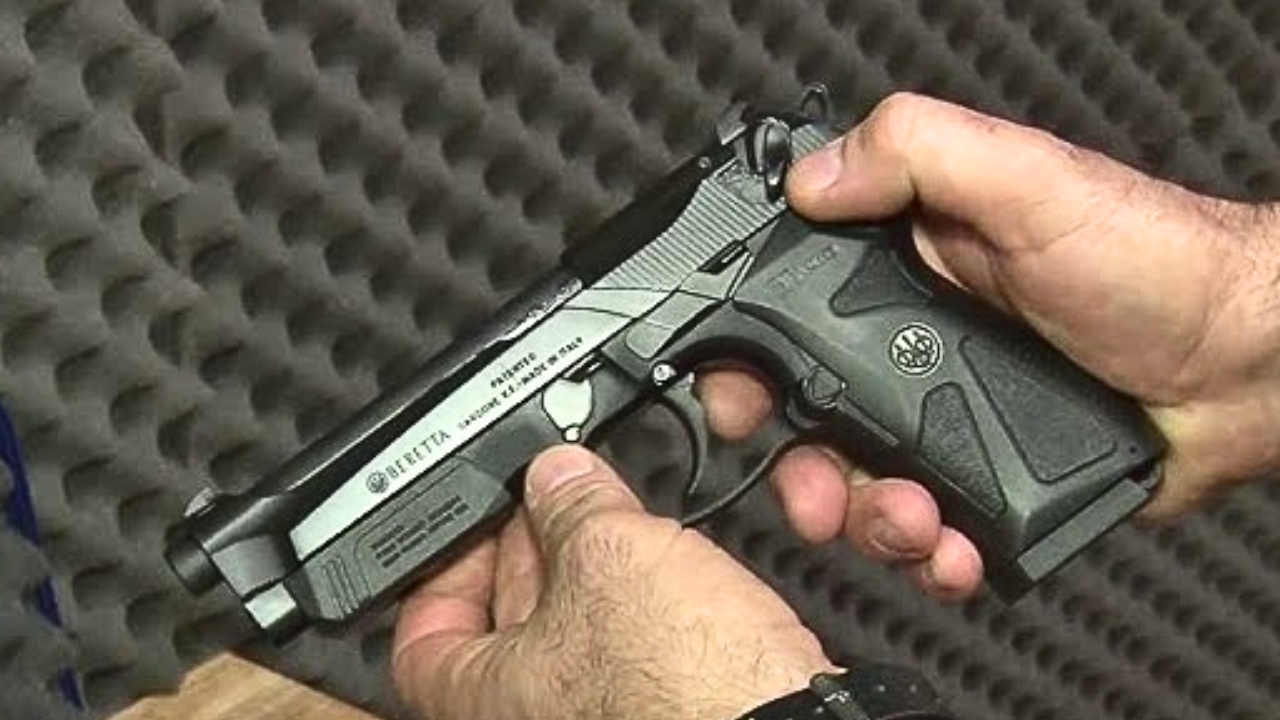
The Beretta 90-Two is noticeably bulkier than the classic 92, and on paper that should make it even more controllable. But the redesigned grip and added frame mass don’t translate to better handling. Some shooters experience more muzzle movement due to the altered ergonomics, and the slide geometry makes the gun feel top-heavy during transitions.
While it’s absolutely reliable, the pistol doesn’t reward its size with better control. Many compact 9mms feel more balanced and intuitive in the hand.
SIG Sauer P220
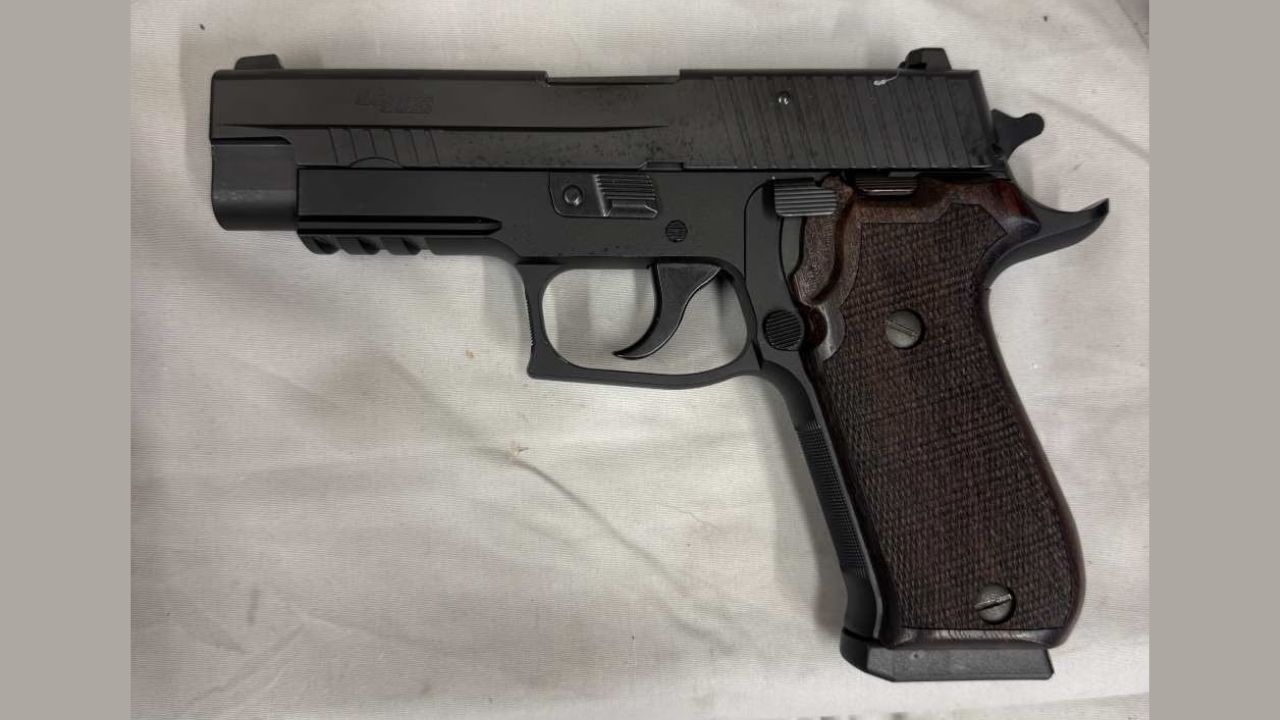
The SIG P220 is a flagship full-size pistol, yet the .45 ACP recoil impulse combined with the tall slide can make it feel less shootable than its footprint implies. The first double-action pull is long, and even though the single-action is crisp, maintaining a consistent grip through recoil requires more effort than expected.
Shooters often assume the substantial frame will tame the .45 entirely, but the gun still climbs noticeably under speed. Many mid-sized 9mms end up outperforming it in controlled pairs and transitions.
Ruger P90

The Ruger P90 is big, heavy, and undeniably rugged, but its girth and grip contour tend to work against shootability. The pistol fills the hand to the point where fine control becomes difficult, especially for those with medium or smaller hands. Recoil isn’t severe, but the gun doesn’t settle back into place as naturally as you’d expect from something this large.
In fast shooting, the slide mass and grip angle create a rhythm that feels slightly out of sync with natural movement. Plenty of compacts feel more predictable shot to shot.
FN FNX-45
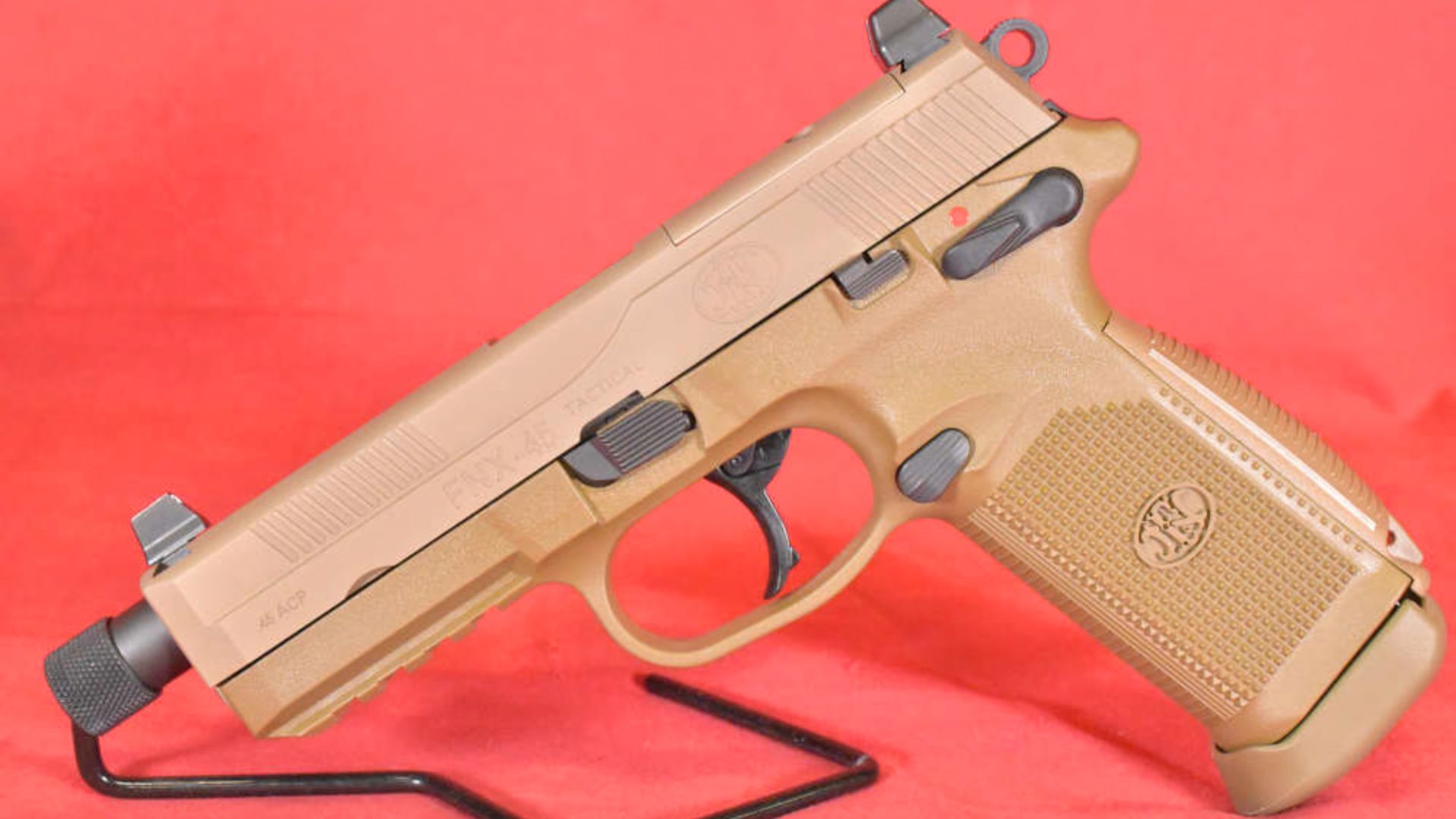
The FNX-45 looks like it was built to handle anything you throw at it, and capacity alone makes it impressive. But the high bore axis and large grip create more muzzle rise than shooters anticipate. Its polymer frame doesn’t dampen recoil the way its size suggests, and the DA/SA system adds complexity for those who aren’t fully practiced.
Once you’re shooting dynamically, you notice the gun’s bulk is more tiring than stabilizing. Many shooters end up shooting tighter groups with pistols half its size.
Glock 21SF
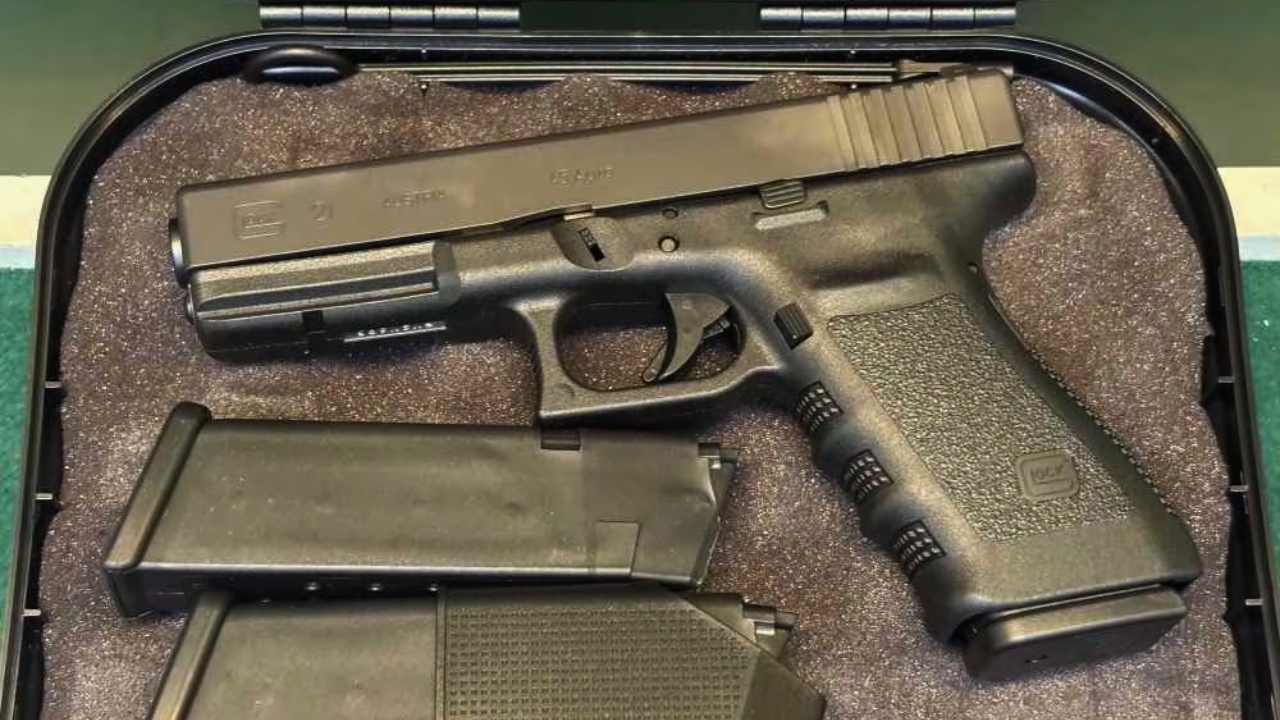
The Glock 21SF is slimmer than the original 21, yet it still presents a challenge for some shooters. The chunky slide and large frame create expectations of steady recoil control, but the grip still feels wide enough that pressure distribution becomes inconsistent under speed.
Even though the recoil is manageable, the recovery between shots doesn’t always match what shooters expect from such a large pistol. Plenty of smaller 9mms and .45s return to target faster despite having less overall mass.
Magnum Research Baby Eagle Full Size

The Baby Eagle Full Size carries a lot of steel and looks like it should glide through recoil. But the grip shape and overall weight distribution make the pistol feel nose-heavy during rapid fire. While single-shot precision is excellent, maintaining rhythm in fast drills can be more difficult than the gun’s size suggests.
Its dimensions don’t automatically translate into intuitive handling, especially for shooters who aren’t used to the CZ-style slide-in-frame design. It’s proof you can have mass without gaining practical control.
Walther P99 AS

The Walther P99 AS is often overlooked, yet its full-size frame can give shooters false confidence. The trigger system is excellent, but the light overall weight and higher slide profile make the gun feel livelier in the hand than many expect.
For slow, deliberate shooting, it shines. But as soon as you push the pace, the pistol behaves more like a compact—quick to move and slow to settle. It’s a reminder that size without weight doesn’t necessarily improve shootability.
SIG Sauer SP2022

The SP2022 is a duty-sized polymer pistol that promises big-gun control, but its grip shape and trigger reach can challenge many shooters. The DA/SA transition requires discipline, and the relatively light frame means the gun moves more in recoil than you’d expect from a full-size model.
Even though the pistol is reliable and accurate, it never feels quite as planted as its dimensions suggest. Shooters often discover they run compact striker-fired guns more smoothly and confidently.
Canik TP9SFx

The TP9SFx is long, tall, and built for competition, which makes it look like an easy gun to shoot well. But the long slide and high sight plane create a pendulum effect that some shooters struggle to manage. The weight distribution can feel slightly off during transitions, and the slide takes longer to settle than compact models.
It’s incredibly accurate, but not everyone finds that accuracy easy to access under speed. Its size helps in some ways but introduces new handling challenges in others.
CZ P-09
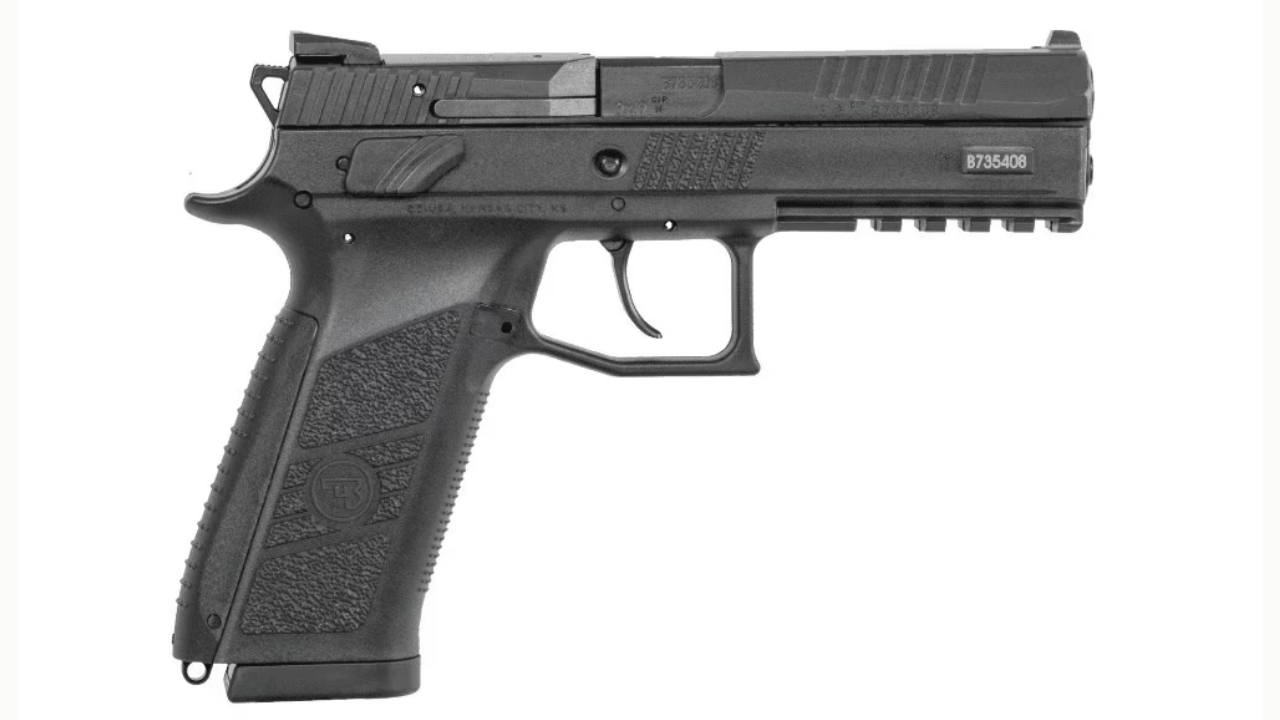
The CZ P-09 is a large-frame DA/SA pistol with strong performance potential, yet its long slide and tall grip frame make it more demanding than it looks. The first DA pull is heavy, and the polymer frame allows more movement than similar all-steel CZs.
The gun shoots well once you’re locked into a rhythm, but getting there takes more effort than its size would imply. Many shooters run the smaller P-07 better simply because it balances more naturally.
Beretta PX4 Full Size

The Beretta PX4 Full Size is often assumed to be exceptionally smooth because of its rotating barrel, and it does soften recoil. But the tall slide and grip shape create an unusual feel that doesn’t always translate into intuitive control. Some shooters struggle to maintain a consistent recoil track, and the gun moves more in the hand than expected.
It shoots well when you’re deliberate, yet under speed the recovery can feel slower than many smaller pistols. Size alone doesn’t rescue the handling quirks.
Like The Avid Outdoorsman’s content? Subscribe to our newsletter so you never miss an article.
Here’s more from us: