Photo credit: Samong Outdoors/YouTube
Some rifles earn a reputation for accuracy only when they’re locked into a benchrest. Take them into the field, and suddenly the groups you were proud of start stretching wider than you’d like. The disconnect usually comes down to ergonomics, weight distribution, or stock geometry that hides problems until you’re shooting from real positions. A rifle can look great on paper yet fall apart when you’re kneeling, leaning against a tree, or taking a hurried shot on uneven ground.
You start to realize certain rifles are built more for range comfort than field practicality. And once you see that pattern, it’s hard to ignore it again.
Remington 770

The Remington 770 is one of those rifles that can turn in a surprisingly tight group from a sandbag, giving new shooters hope that they’ve landed on a bargain. The problem shows up the moment you shoulder it away from the bench. The stock geometry doesn’t support consistent cheek placement, and the rifle tends to torque slightly during unsupported holds.
That makes offhand shots unpredictable and kneeling shots even worse. Accuracy that looked promising on paper suddenly feels unreliable in the woods. It’s a rifle that flatters you on the bench and exposes its limits everywhere else.
Mossberg ATR

The Mossberg ATR can put bullets in respectable clusters when the rifle is completely stabilized, which is why some hunters swear it shoots “just fine.” But that comfort disappears fast once you shoot from field positions. The lightweight, hollow-feeling stock amplifies movement, and the trigger pull can vary slightly depending on how much pressure you’re applying to the grip.
Those small inconsistencies add up. Shots you could call confidently from the bench become harder to predict once you leave controlled conditions. It’s a rifle that rewards stillness—and punishes anything else.
Ruger American Compact
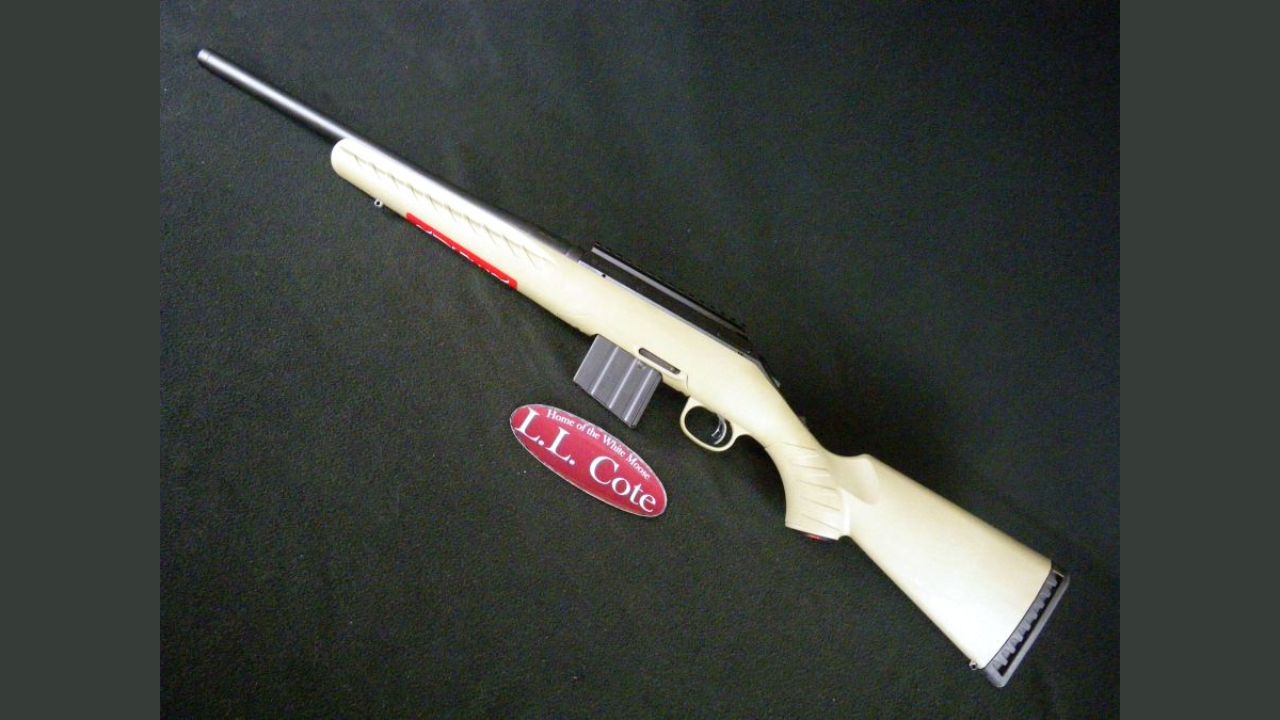
The Ruger American Compact isn’t a bad rifle, but its short length of pull and featherweight feel create instability outside a bench setup. You can get a dialed-in group on a rest, yet the rifle feels twitchy when you’re standing or braced against cover. The compact frame exaggerates minor movements and makes it tough to settle into a repeatable position.
This rifle shines for youth shooters and tight quarters, but for adults trying to shoot steady in the field, it becomes clear the accuracy was heavily influenced by the bench. It’s simply too small to steady well under real pressure.
Savage Axis II XP Compact
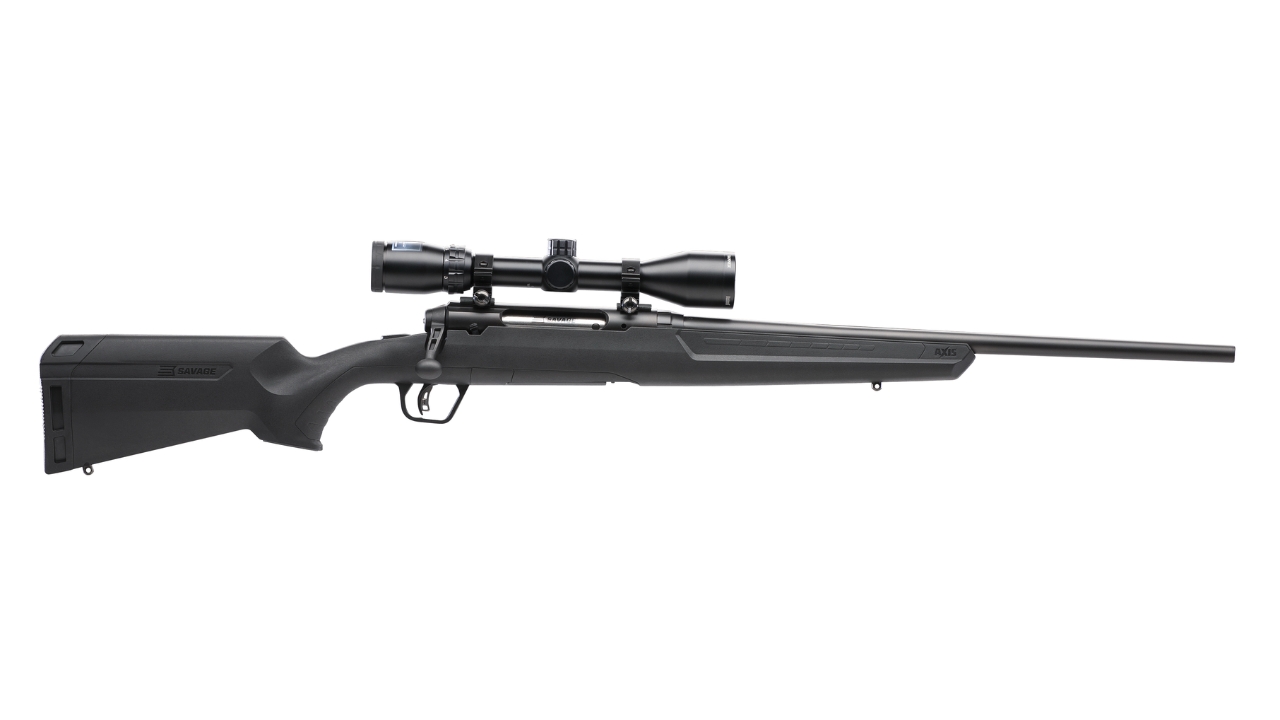
Much like other compact rifles, the Axis II XP Compact shows its limits once you’re off the bench. The short, lightweight design is great for carrying but doesn’t offer enough surface area or stability when you’re trying to anchor a shot. Even with Savage’s solid trigger system, your body movement influences the rifle more than you expect.
It will surprise you during group testing, but loose results appear as soon as you try kneeling or offhand shots. It’s a rifle better suited to supported shooting than real-world field scenarios.
Browning A-Bolt Micro

The Browning A-Bolt Micro is beautifully made and often shoots lights-out from a rest, which makes its field performance somewhat misleading. The shortened stock and light front end shift the rifle’s balance rearward, causing the muzzle to wander when you try to hold steady offhand.
You can fight it, but the rifle never feels like it settles. When you’re shooting from natural positions, you notice how sensitive it is to grip tension and posture. It’s a bench sweetheart that becomes fidgety the second you leave controlled shooting platforms.
Tikka T3 Lite

The Tikka T3 Lite is known for excellent accuracy, but its extremely light build can work against you in realistic conditions. On a bench, that low weight is irrelevant because the gun can’t move. In the field, you feel every heartbeat, every breeze, every shift in footing transmitted through the stock.
It’s not that the rifle is incapable—far from it. But stability becomes a serious challenge without a rest, and lightweight barrels heat quickly, widening groups. Many shooters love it, but even they’ll admit the rifle performs best when it’s not being held by human hands.
Weatherby Vanguard Synthetic
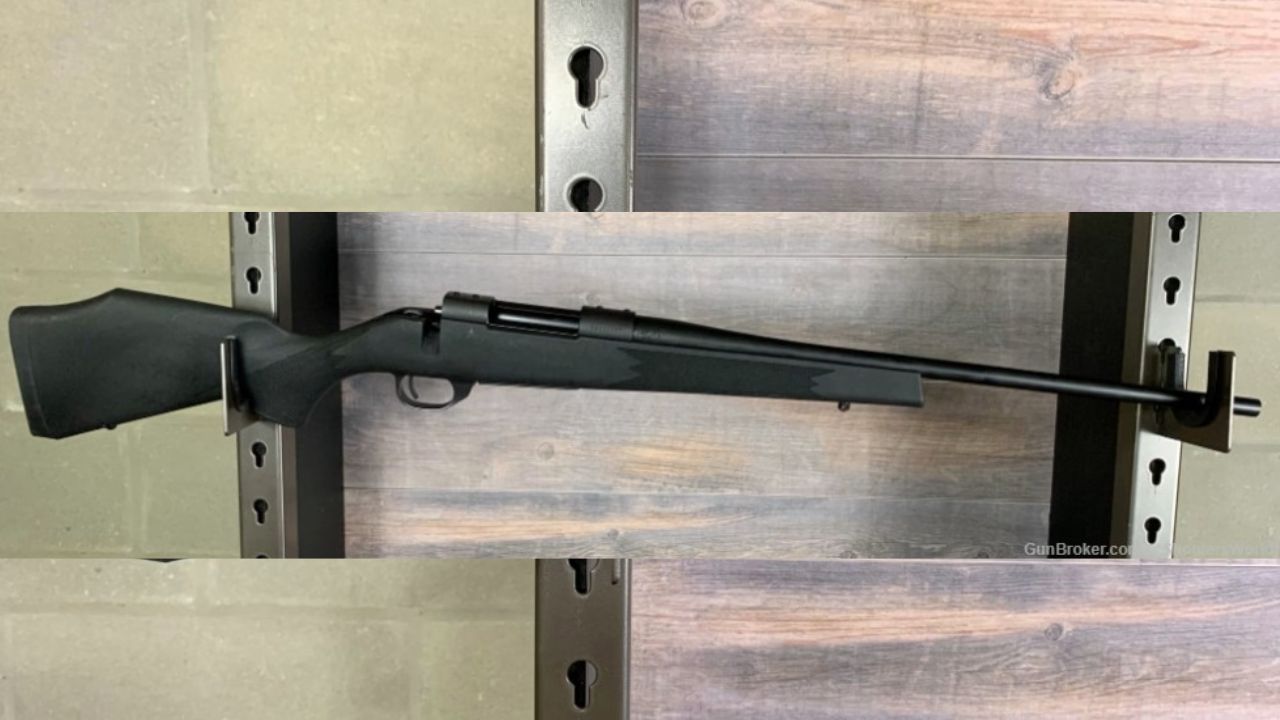
The Weatherby Vanguard Synthetic is capable of impressive precision when locked down, but the basic synthetic stock has a bulkier feel that doesn’t always translate into good field control. The grip angle takes some adapting, and the fore-end geometry isn’t ideal for braced shooting against trees or pack straps.
From natural positions, the rifle feels like it wants a rest to settle properly. You can shoot it well in the field, but it takes noticeably more effort and concentration than something purpose-built for steady offhand handling.
Thompson/Center Venture

The T/C Venture built a reputation as a sleeper for accuracy, but it becomes clear once you leave the bench that its ergonomics aren’t as refined as the group sizes suggest. The stock is stiff but not shaped in a way that supports repeatable placement, and the rifle feels slightly top-heavy when you’re shooting from kneeling or leaning positions.
It rewards slow, steady shooting with support, yet you fight it when you try to settle in naturally. Many rifles hide this until you’re hunting or practicing realistic shots.
Remington 783

The Remington 783 can produce sub-MOA groups with the right ammo, and that performance lures plenty of shooters. But once you take it into the field, the rifle’s stiffness and stock contour make it harder to shoulder consistently and control under movement. The fore-end doesn’t track well against improvised rests, and the recoil pad geometry changes your mount slightly every time.
Those small variations matter. Shots that felt automatic on the bench start drifting, and you realize the rifle was coasting on stability you no longer have.
Marlin X7
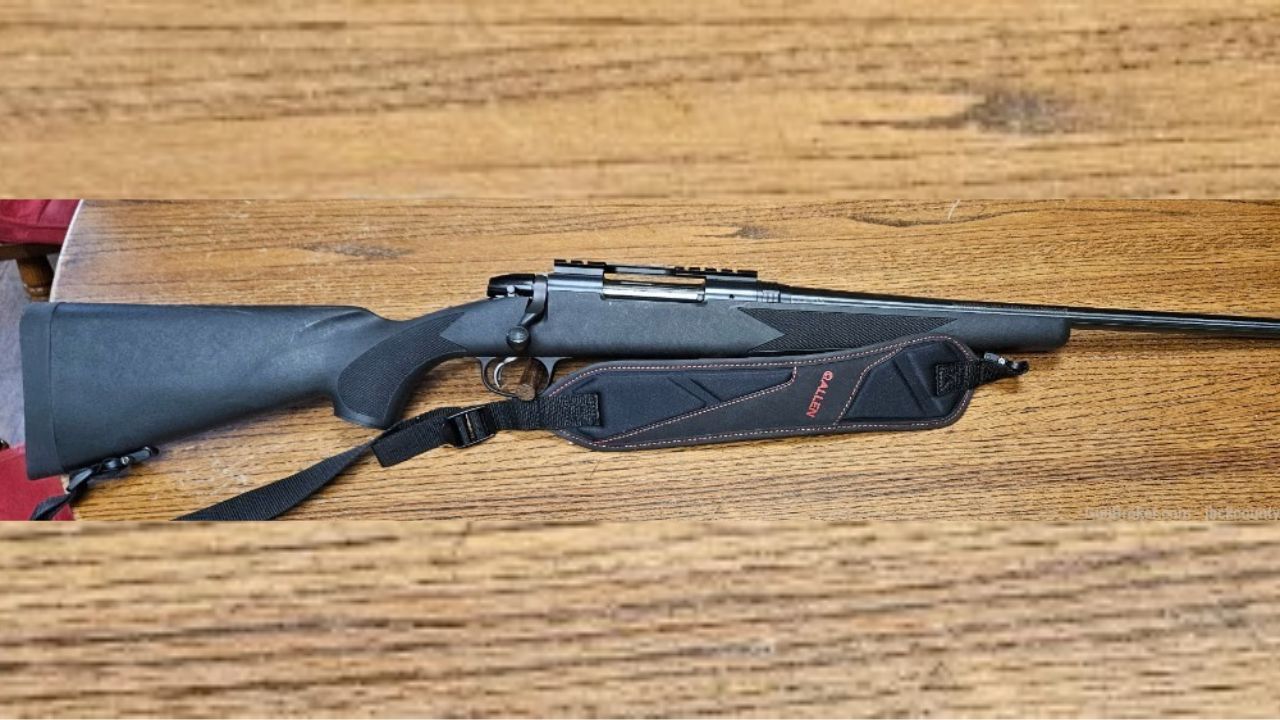
The Marlin X7 often surprises shooters with its range performance, thanks to a smooth trigger and a barrel that generally shoots well. But the stock design doesn’t provide the support or control that field positions demand. It feels thin in the fore-end and lacks the grip definition that helps anchor a rifle during awkward angles or uneven footing.
Accuracy quickly falls off when you’re not perfectly braced, leaving a noticeable difference between bench results and field confidence. It performs well—under the right conditions.
Bergara B14 Hunter

The Bergara B14 Hunter is a strong rifle overall, but the Hunter stock can feel bulky and awkward outside the bench. On a rest, it’s steady and predictable. Off the bench, the fore-end shape spreads your hand wide, reducing fine control. The rifle also balances slightly forward, making extended holds tiring and inconsistent.
For deliberate, supported shooting it’s fantastic. For snap shots or improvised positions, you notice the hesitation as you try to settle the muzzle. It’s a rifle that prefers structure over spontaneity.
Weatherby Mark V Ultra Lightweight
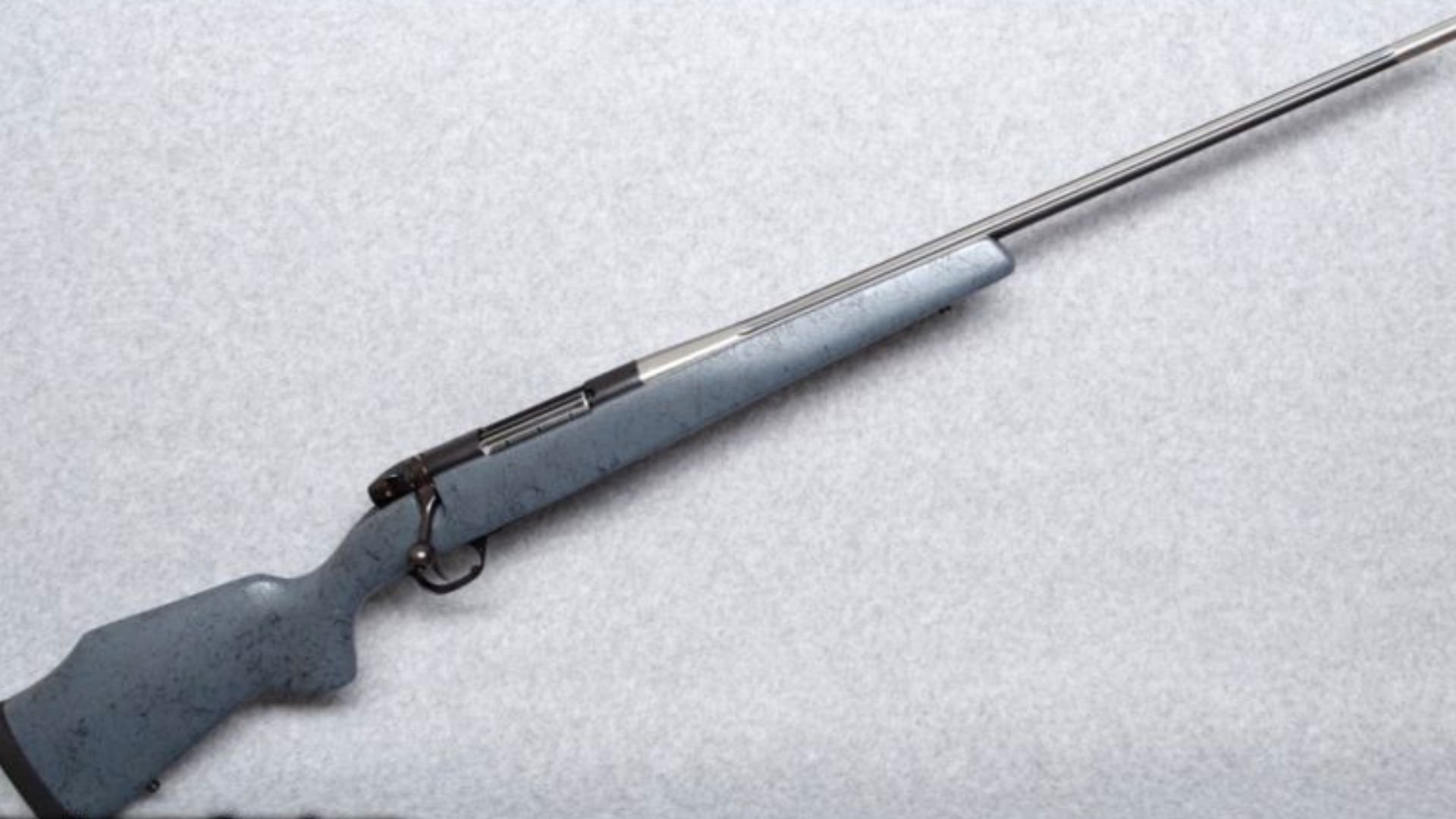
The Mark V Ultra Lightweight is a dream to carry but a challenge to shoot without support. The thin barrel heats quickly, and the ultralight build magnifies every small movement your body makes. On the bench, where everything is stable and cool, the rifle prints impressive groups.
But try holding it steady during a real hunt, and the wandering reticle tells the truth. You have to work twice as hard to control it, and accuracy becomes heavily dependent on getting a rest.
Savage 110 Lightweight Storm

The Lightweight Storm fits its name: light to carry, light to hold, and light to stabilize. It’s accurate under ideal conditions, yet it exposes flaws when you shoot from kneeling or offhand. The slim barrel warms up quickly and starts to drift, and the rifle’s reduced weight makes it difficult to anchor against recoil or movement.
On a bench it’s incredibly predictable, but in the field the gun feels twitchy. Those lightweight perks come with trade-offs many shooters only notice later.
Ruger American Predator

The Predator runs better than its price point suggests, but the molded stock flexes more than most shooters realize. On a bench, that flex is limited because everything is locked in. In the field, the fore-end pressure changes depending on how you support it, influencing barrel contact and shifting point of impact.
Shooters who love the rifle usually adapt to its quirks, but they’ll admit it’s easier to shoot tiny groups off a rest than to keep consistent hits during real hunting situations.
Savage 10 FCM Scout
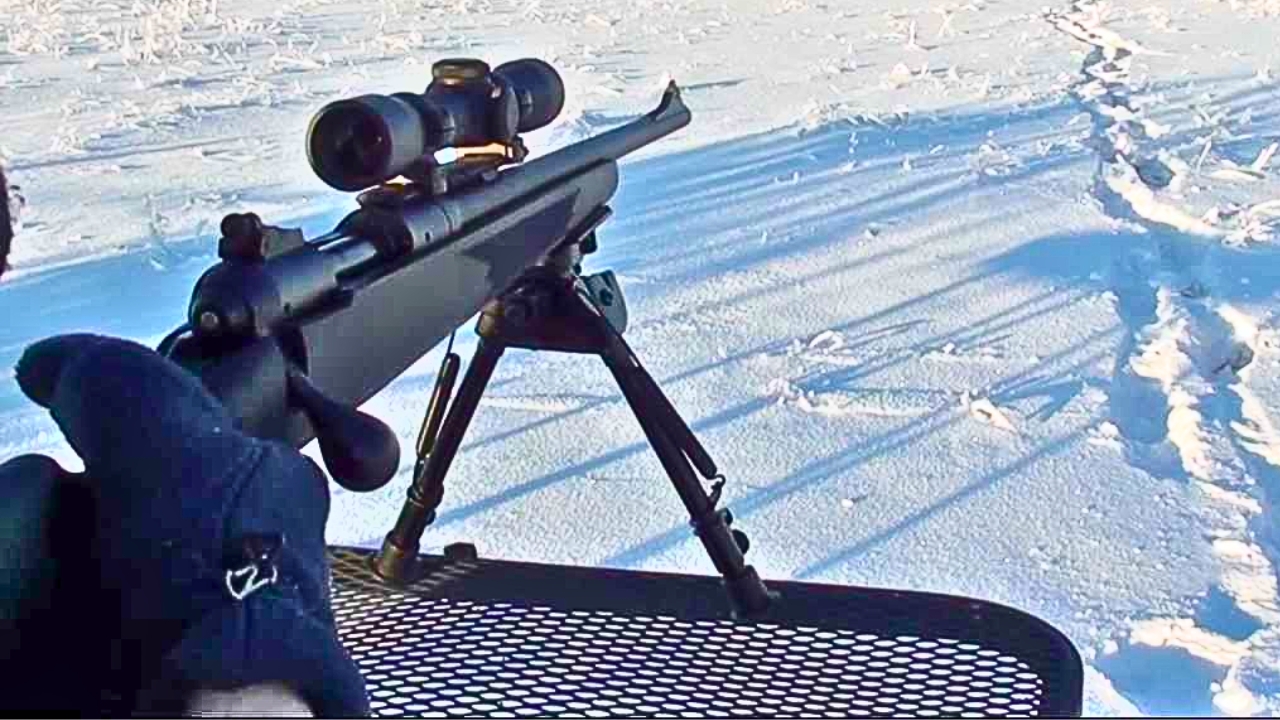
The Savage 10 FCM Scout has an appealing design, but its balance and forward-mounted optic rail change how it handles once you’re off the bench. Locked down, the rifle performs well. But from standing or kneeling positions, that weight distribution causes the muzzle to drift more than expected.
It takes extra effort to maintain control without support, and the rifle’s overall handling feels more specialized than versatile. It’s accurate, but it doesn’t always translate that accuracy into practical field performance.
Like The Avid Outdoorsman’s content? Subscribe to our newsletter so you never miss an article.
Here’s more from us: