Photo credit: GunTimez/YouTube
Carrying a pistol every day forces you to be brutally honest about what actually works. A gun that feels fine on the counter can turn into a headache once you’re relying on it for real protection. Weight, reliability, parts availability, recoil behavior, and how a pistol handles under stress all matter far more than looks or brand recognition.
You learn quickly that some pistols fit into concealed carry holsters far better than they fit into real-world demands. And once a gun shows you its weaknesses, there’s no unlearning that lesson. Here are some models that too many shooters end up regretting once they try to carry them for real.
KelTec PF-9
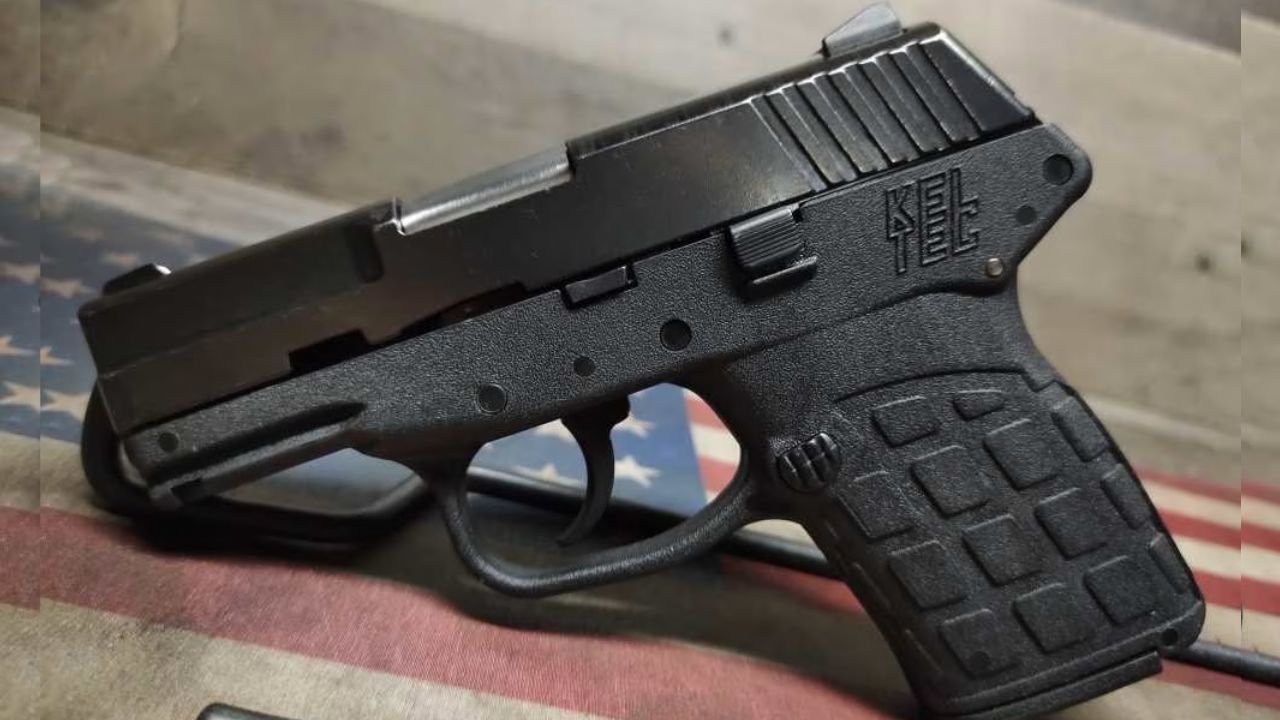
The PF-9 seems appealing because of its size and price, but most shooters struggle with it as a carry gun. The recoil is sharp, the trigger feels inconsistent, and the gun can be tough to run well under pressure. Even experienced shooters sometimes have trouble maintaining control during quick follow-ups. The gun is light, but that lightweight frame works against you when the slide cycles aggressively. Long-term durability has also been hit-or-miss. Plenty of people buy it as a budget carry option and soon realize it takes more work than it’s worth to shoot confidently.
SCCY CPX-1

The CPX-1 looks like a budget-friendly alternative for new carriers, yet it often leaves shooters frustrated. The long, heavy DAO trigger slows down your ability to place shots accurately, and many users report intermittent reliability issues, especially with certain hollow-points. The safety placement also creates problems because it’s easy to activate unintentionally. While the gun’s size makes it easy to conceal, it doesn’t handle like a pistol you’d want to depend on in a serious situation. Most shooters eventually move on to something more predictable.
Taurus PT140 Millennium
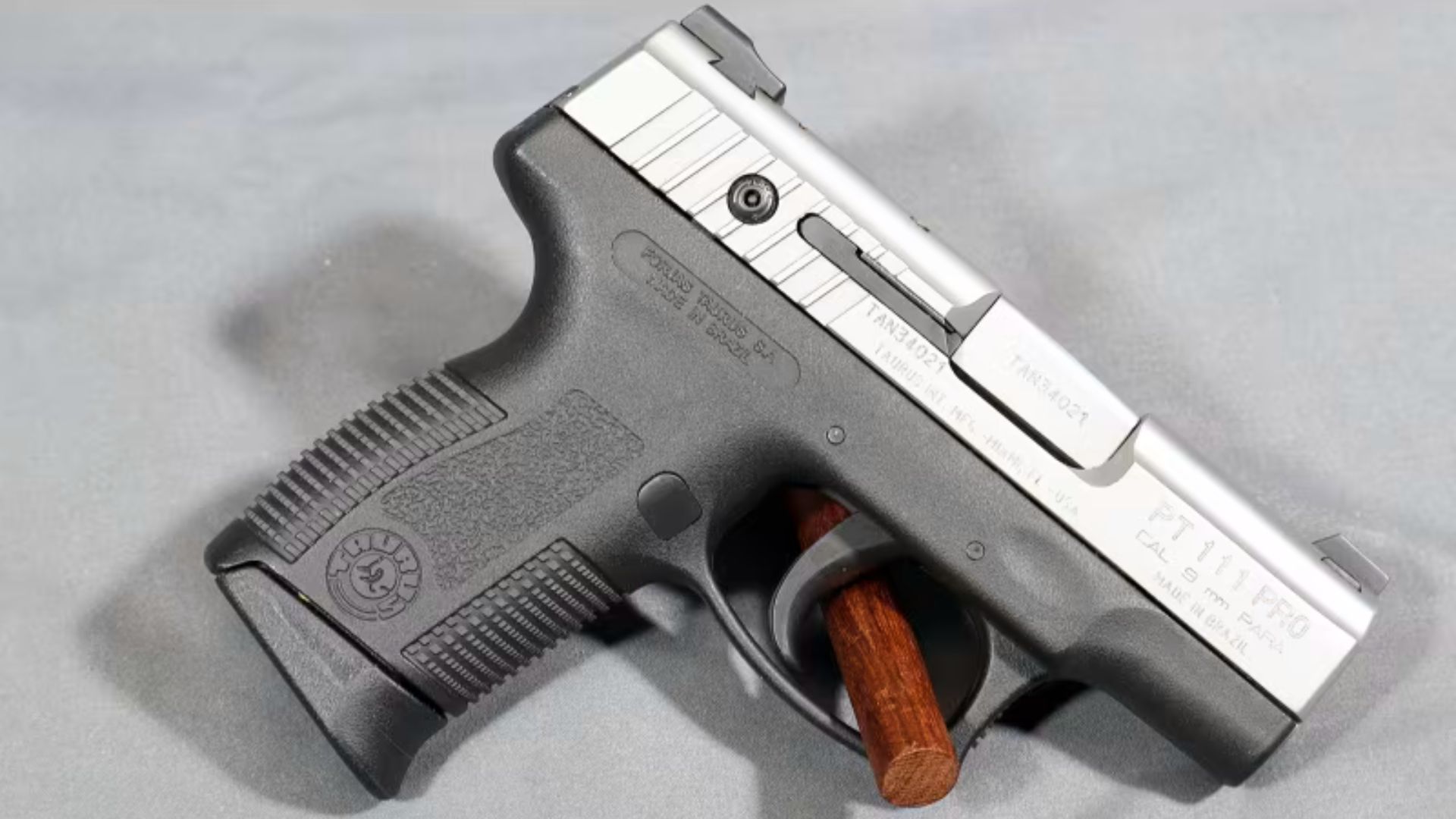
Early versions of the PT140 struggled with feeding issues and inconsistent triggers, making them a poor match for concealed carry. Although the gun is compact, the snappy recoil of the .40 S&W round combined with the older grip design makes it tough to shoot well. Some shooters experienced failures to reset the trigger or erratic extraction. While newer Taurus models have made improvements, the older PT140s earned a reputation that’s hard to ignore. Anyone who carried one for a while often ended up replacing it with something more controllable and trustworthy.
Jimenez Arms JA-Nine

The JA-Nine draws attention because of its low price, but it’s not something you want to trust for concealed carry. Reliability problems are common, especially with defensive ammunition. The pistol is bulky for the size of the round, and the weight distribution feels awkward during recoil. Many shooters report stovepipes and premature parts wear after relatively low round counts. Even with careful maintenance, the gun simply doesn’t deliver the kind of consistency you need if you’re depending on it. It’s the kind of pistol you outgrow fast.
KelTec P3AT

At first glance, the P3AT seems ideal: tiny, lightweight, and easy to hide. But those same traits make it extremely difficult to shoot well. The recoil is surprisingly sharp for a .380, the trigger is long and unpleasant, and follow-through is hard to maintain. Reliability can also vary depending on ammunition. Many people treat it as a “better than nothing” pocket gun, but once they practice with it, they realize how challenging it is to land accurate shots quickly. It’s a common regret purchase among concealed carriers.
Rohrbaugh R9

The Rohrbaugh R9 is beautifully made, but it’s notoriously tough to run. It wasn’t designed for high round counts, and even the manufacturer discouraged heavy practice. That alone makes it problematic as a carry pistol. The recoil is stout for such a small 9mm, and the gun’s dimensions limit your ability to build a stable grip. While it hides extremely well, a carry pistol needs to be something you can train with regularly. Most shooters figure out quickly that the R9 is more of a novelty than a serious tool.
Remington RM380

The RM380 is reliable enough, but its trigger, grip angle, and overall handling leave much to be desired. The pistol feels stiff and sluggish during strings of fire, and the short grip makes it tough to maintain consistent control. Even though it’s a .380, the perceived recoil feels more abrupt than it should. Many shooters buy it because it’s affordable and compact, but it rarely inspires long-term confidence. It’s one of those carry guns that’s “fine” until you compare it to almost anything else.
Kimber Solo

The Kimber Solo earned attention for its looks, but reliability problems with most defensive ammunition hurt its reputation badly. Kimber recommended only a narrow list of premium loads, and even then users experienced failures to feed and inconsistent slide lock behavior. The slide is heavy for the gun’s size, making it tough for some shooters to rack. Recoil is also sharper than expected. For a pistol marketed as a high-end carry option, it simply doesn’t deliver dependable performance—something every concealed carrier eventually realizes.
Taurus TCP 738

The TCP 738 is lightweight and easy to conceal, but the combination of a mushy trigger, strong recoil impulse, and varying reliability makes it a risky choice. The gun often struggles with certain hollow-points, and its small grip makes it tough to anchor firmly in the hand. Many shooters who started with the TCP eventually switched to more modern .380s that offer smoother triggers and better control. While it’s not unusable, it’s far from comforting when stakes are high.
Bersa Thunder .380

The Bersa Thunder has a loyal following, but it’s larger than many competitors in the same caliber while offering less real-world shootability. The double-action pull is long and heavy, and the safety-decocker setup can slow down your response under stress. The pistol can be reliable with ball ammunition, but defensive hollow-points may require more testing. Its size also works against concealment, making many shooters question why they didn’t just carry a compact 9mm instead.
SIG Sauer P290
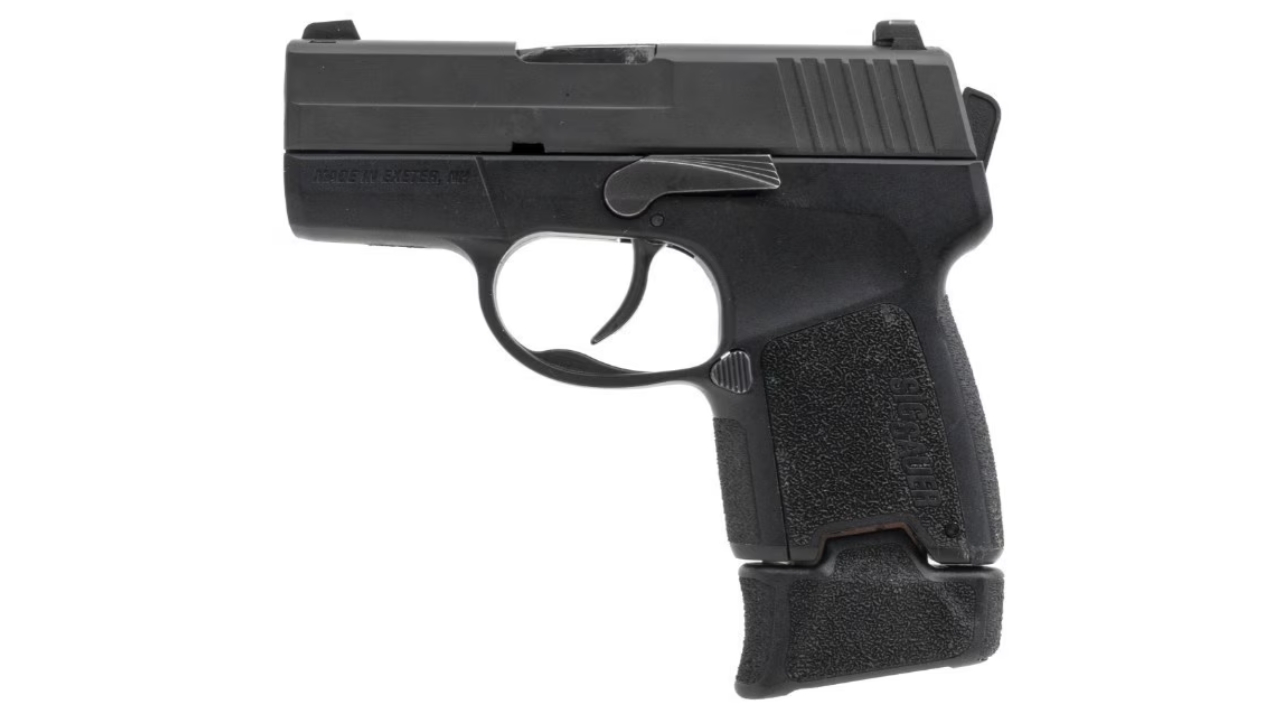
The SIG P290 promised premium performance in a micro-9 format, but the gun’s heavy trigger and substantial recoil surprised many carriers. Because of its weight and slide mass, it doesn’t track as smoothly as newer micros. Some shooters struggled with slide bite due to the gun’s dimensions. Although SIG builds quality firearms, the P290 never really lived up to expectations as a carry gun. Most owners who trained with it quickly saw the advantage of upgrading to the later P365.
Ruger LC9

The original LC9 has a long, gritty trigger pull that makes accurate shooting harder than it should be. While the gun is slim and easy to conceal, the trigger alone causes many shooters to lose confidence in it. The recoil is manageable, but following up quickly is tougher because of the long reset. Ruger eventually replaced it with better designs for a reason. Many shooters who carried the LC9 eventually moved to something more refined.
Kahr CW45
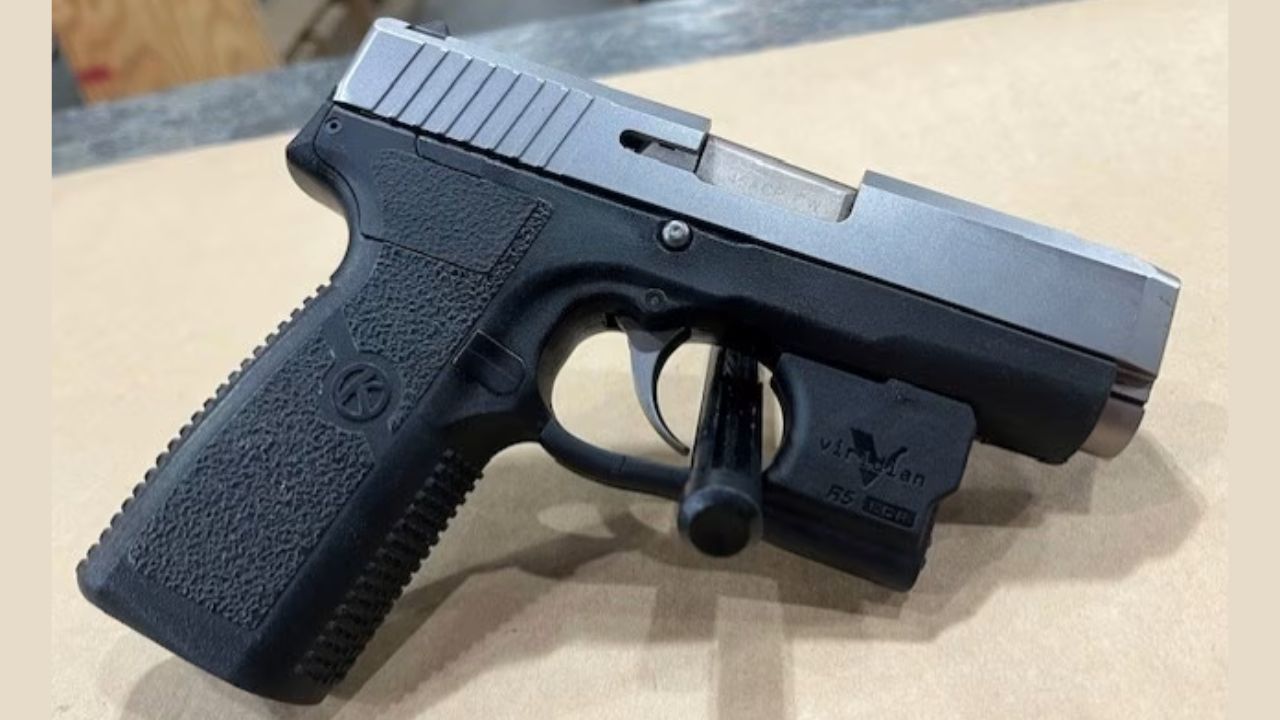
The CW45 is lightweight for a .45 ACP pistol, and that’s part of the problem. The recoil is stout, and maintaining a steady grip through multiple rounds is harder than most people expect. The gun’s slim profile also concentrates recoil into the hand more than a wider frame would. Kahr triggers are smooth, but the recoil characteristics of this model make it a tough choice for concealed carry. Plenty of shooters prefer the 9mm Kahr variants instead.
Charter Arms Pitbull 9mm
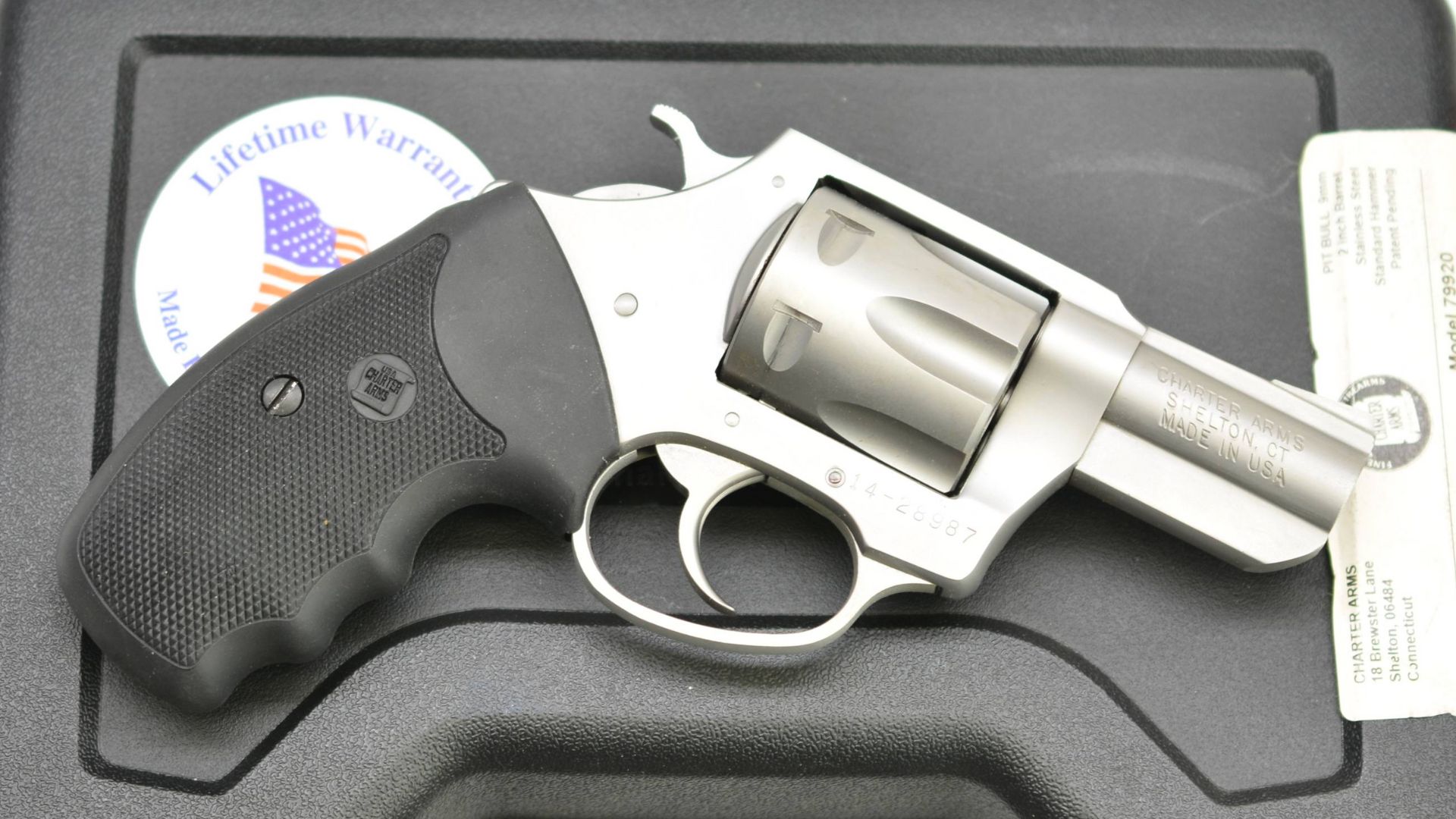
The Pitbull’s concept is great—using rimless 9mm without moon clips—but in practice, extraction can be inconsistent. Some revolvers suffer from sticky extraction or sluggish ejection after only modest shooting. The gun is lightweight, which sounds good for carry, but that also means recoil is sharper than most new shooters expect. For a defensive revolver, you want absolute reliability, and this design has more variables than many carriers are comfortable with.
Walther CCP

The first-gen CCP introduced a gas-delayed system that made recoil soft, but it also brought reliability issues and a takedown process that turned off many shooters. Some users experienced feeding problems, and the trigger had noticeable inconsistency. The ergonomics are outstanding, but a carry pistol needs to go bang every time, and the early CCP didn’t always deliver that level of dependability. The second generation fixed many problems, but the first remains a pistol many regret trusting.
Like The Avid Outdoorsman’s content? Subscribe to our newsletter so you never miss an article.
Here’s more from us: