Photo credit: Lucky Gunner Ammo/YouTube
Confidence is everything when you’re learning to shoot—or when you’re trying to get better. A bad trigger, poor ergonomics, or constant malfunctions will wreck your trust faster than any recoil ever could. You can work with snappy guns if they’re consistent, but when a pistol feels unpredictable or unreliable, your shooting starts to spiral. Before long, you’re flinching, hesitating, or overthinking every press. Some guns are known for building bad habits instead of skill, and they’ve sent more shooters back to square one than any magnum ever did. These are the pistols that make you question your grip, your ammo, and sometimes your whole choice to shoot in the first place.
KelTec PF9

The KelTec PF9 looks appealing on paper—lightweight, thin, and chambered in 9mm. But the second you start shooting it, you realize why so many people shelved it early. The trigger is long and gritty, the grip angle is awkward, and the recoil impulse hits your wrist like it owes you money.
Accuracy feels inconsistent because the gun moves around so much in your hand. Even shooters with experience struggle to keep it steady. Add in reliability issues with certain hollow points, and your confidence takes a quick nosedive. It’s a gun that punishes mistakes instead of teaching you how to correct them.
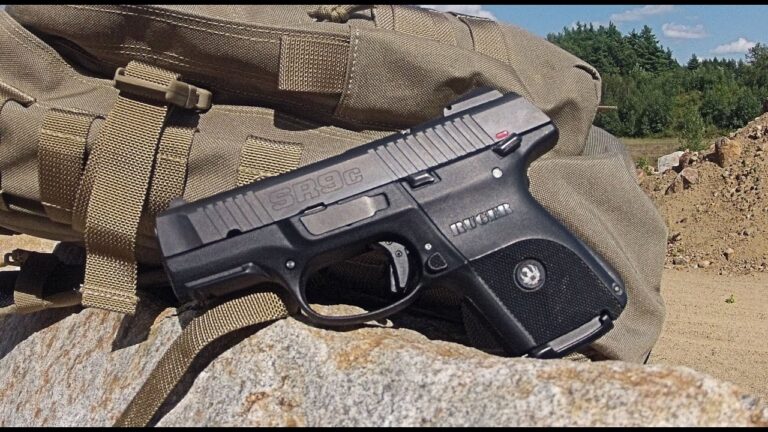
Ruger LC9 (Original)

Before the LC9s came along, the original LC9 was a rough experience. The long, heavy double-action trigger made every shot feel like a chore. You could have a perfect sight picture, and by the time the trigger broke, you’d already pulled the front sight off target.
The recoil isn’t unmanageable, but the shooting experience feels disconnected. It’s the kind of gun that makes you think you’re the problem when, really, it’s the hardware fighting you. Once Ruger switched to the striker-fired LC9s, everything improved—but that first version left a lot of shooters doubting their skills for months.
Taurus PT111 Millennium
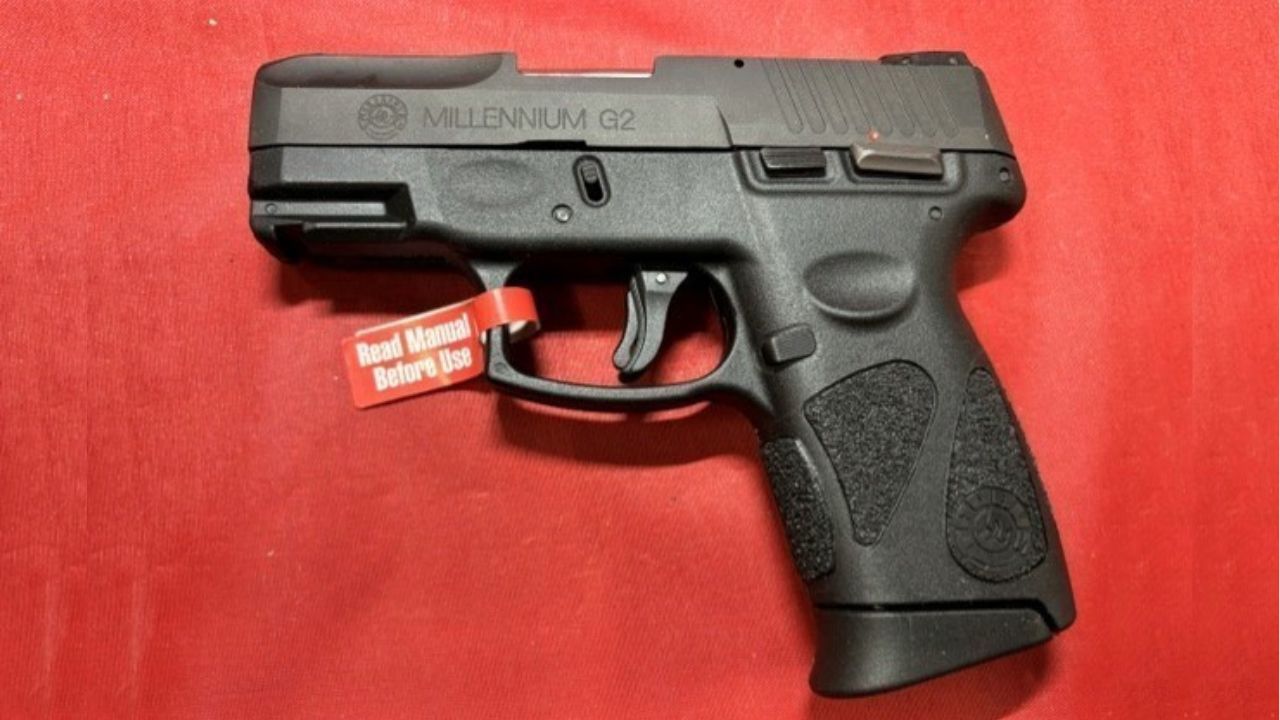
Taurus has come a long way with newer models, but the PT111 Millennium series did some damage to shooter confidence. It had a mushy trigger that broke unpredictably and a tendency to choke on hollow points. That combination meant you were never quite sure what would happen next.
Even when it ran well, the ergonomics weren’t great, and the gun tended to print larger groups than most other compact 9mms. It was marketed as an affordable carry pistol, but it ended up being one that frustrated shooters more than it helped them. Many who started with one moved on fast.
Kimber Solo Carry

The Kimber Solo looked good and felt high-end, but shooting it was another story. It was notoriously picky about ammo, and even when you fed it the exact loads Kimber recommended, it could still jam or fail to return to battery.
When a gun that’s supposed to be premium keeps choking on expensive ammo, it makes you question your fundamentals. The short grip and snappy recoil only made things worse. Many owners said it was one of the few pistols that made them less confident with every trip to the range. The Solo is a reminder that reliability matters more than finish.
SCCY CPX-1

The SCCY CPX-1 is another budget 9mm that can do more harm than good for a new shooter’s confidence. The double-action trigger is long and heavy, the reset is unclear, and the overall feel is inconsistent. Combine that with recoil that feels sharper than it should, and it’s easy to start anticipating every shot.
Malfunctions are hit or miss depending on ammo, but when they happen, they tend to break your rhythm completely. Even experienced shooters find themselves double-checking their grip and stance after a few mags. The gun looks approachable but handles like a handful.
AMT Backup (.380 ACP)
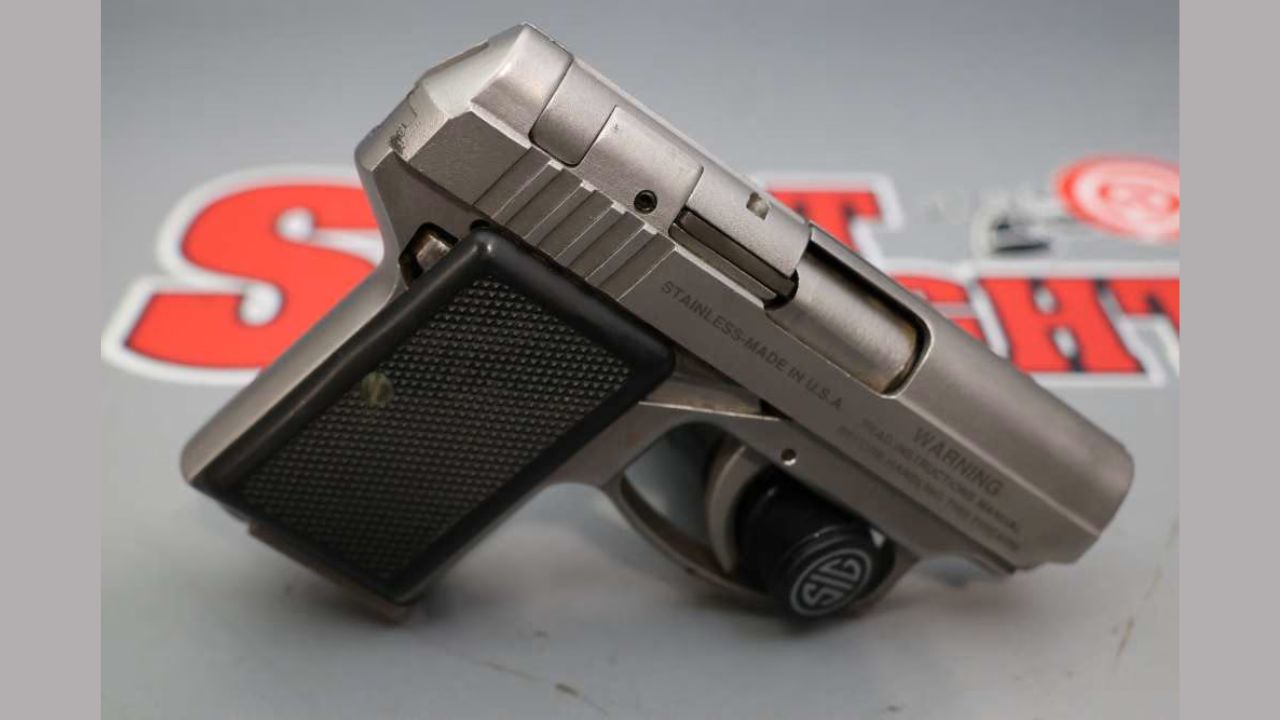
The AMT Backup might win for being the least forgiving pistol in its class. It’s tiny, heavy, and brutal to shoot for its size. The trigger pull feels endless, and the recoil snaps hard enough to throw your sight picture every time.
Most people who try it leave the range wondering if they did something wrong. It’s a gun that inspires flinching faster than any .44 Magnum could. You don’t expect comfort from a pocket pistol, but the Backup takes it a step too far—it feels like it’s actively trying to make you miss.
Beretta Pico

The Pico is one of the few Berettas that disappoint. It’s small, sleek, and well-built, but shooting it feels mechanical and punishing. The trigger is long and vague, and the slide can be tough to rack for new shooters.
The tiny grip doesn’t help either—it’s hard to hold consistently, especially under recoil. The gun’s reliability is fine, but the overall experience leaves you cold. You can shoot it accurately, but it takes more concentration than it should. It’s the kind of pistol that makes beginners think they’re worse than they really are.
Remington R51 (Gen 1)

Remington’s R51 had promise with its retro design and slick lines, but early models were a disaster. The Pedersen action made the slide motion odd, the gun jammed frequently, and recoil felt uneven. Nothing about it inspired trust.
Shooters who picked one up quickly realized the gun couldn’t be counted on for smooth cycling or consistent ejection. Even those who stuck with it ended up second-guessing their technique. The Gen 2 fixed some of those issues, but the damage was done—the first version made a lot of shooters lose faith in both the gun and their own ability.
Walther CCP (Original)

The original CCP used a gas-delayed blowback system that sounded great on paper. In practice, it created a mess of reliability problems. The trigger was mushy, the slide could stick, and disassembly was notoriously frustrating.
It’s a gun that looked ergonomic and easy to handle but made you fight for every good shot. The recoil wasn’t bad, but the unpredictability was. When you can’t trust your pistol to run right, your confidence goes with it. Walther corrected the problems with the CCP M2, but the first model left a bad taste.
Hi-Point C9
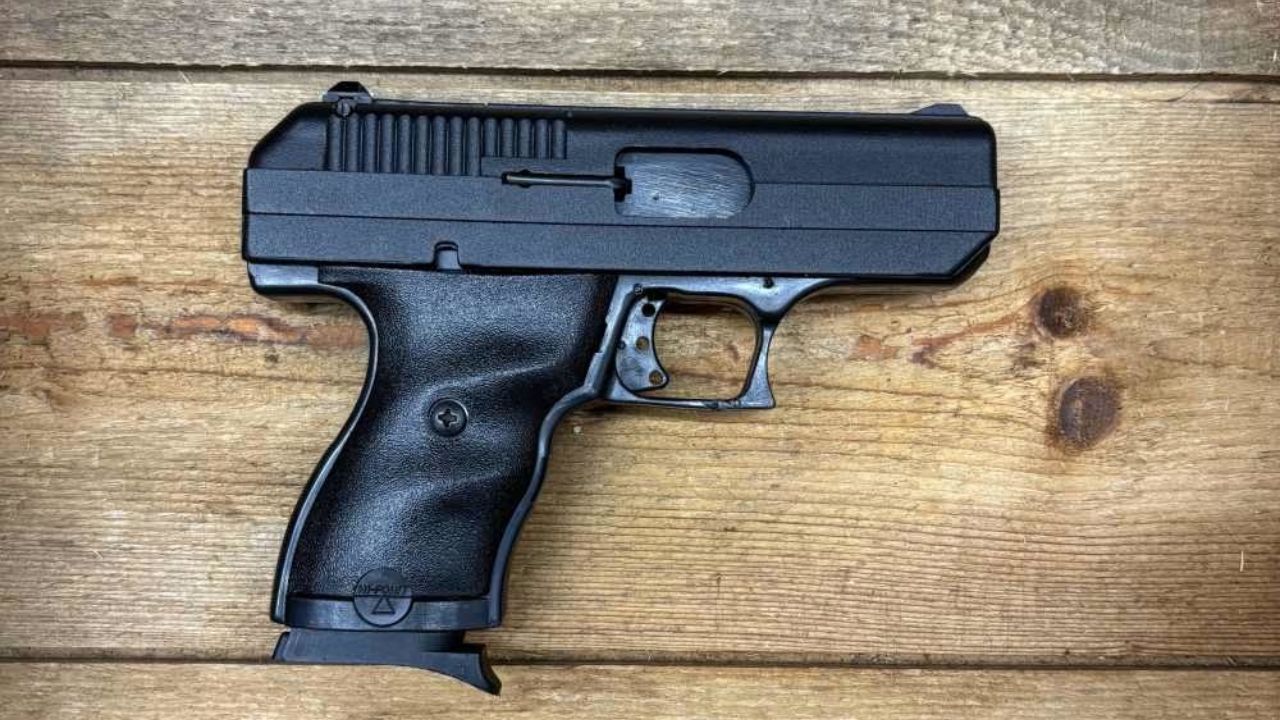
The Hi-Point C9 might be durable in the sense that it’ll still fire after being dropped in mud, but the shooting experience doesn’t do anyone any favors. The trigger is spongy, the sights feel crude, and the recoil is sharper than you’d expect for a blowback 9mm.
Accuracy is serviceable but hard to maintain when the trigger feels like pulling a stick through gravel. The heavy slide helps manage recoil, but it also makes the gun awkward and fatiguing to shoot. It’s one of those pistols that makes you glad you didn’t pay much for it—but not eager to shoot again.
Diamondback DB9

The Diamondback DB9 is one of the smallest 9mm pistols you can buy, and it feels like it. The recoil impulse is snappy, the grip is short, and the slide bite risk is real. You can shoot it accurately for a mag or two, but it starts wearing you down fast.
Failures to feed aren’t rare either, especially with defensive ammo. Combine that with the harsh recoil and stiff slide, and new shooters start to lose rhythm quick. It’s the kind of gun that makes you flinch preemptively because you know it’s going to be unpleasant.
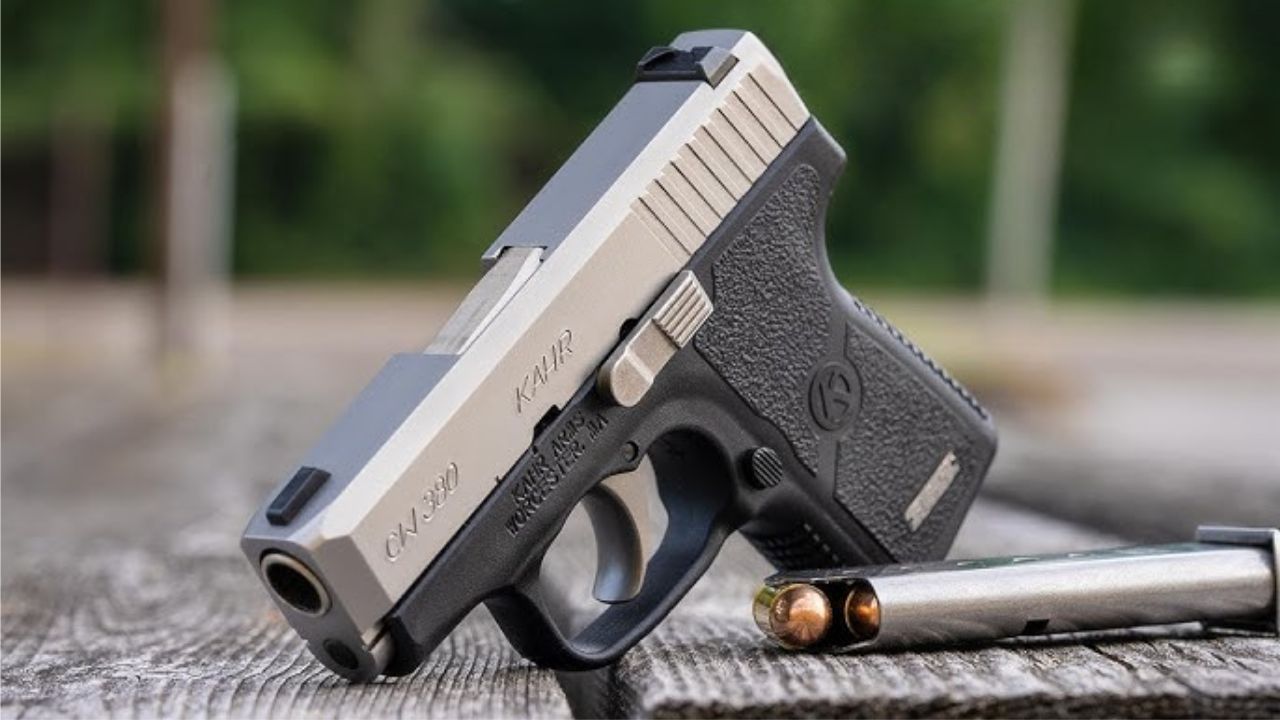
Kahr CW40
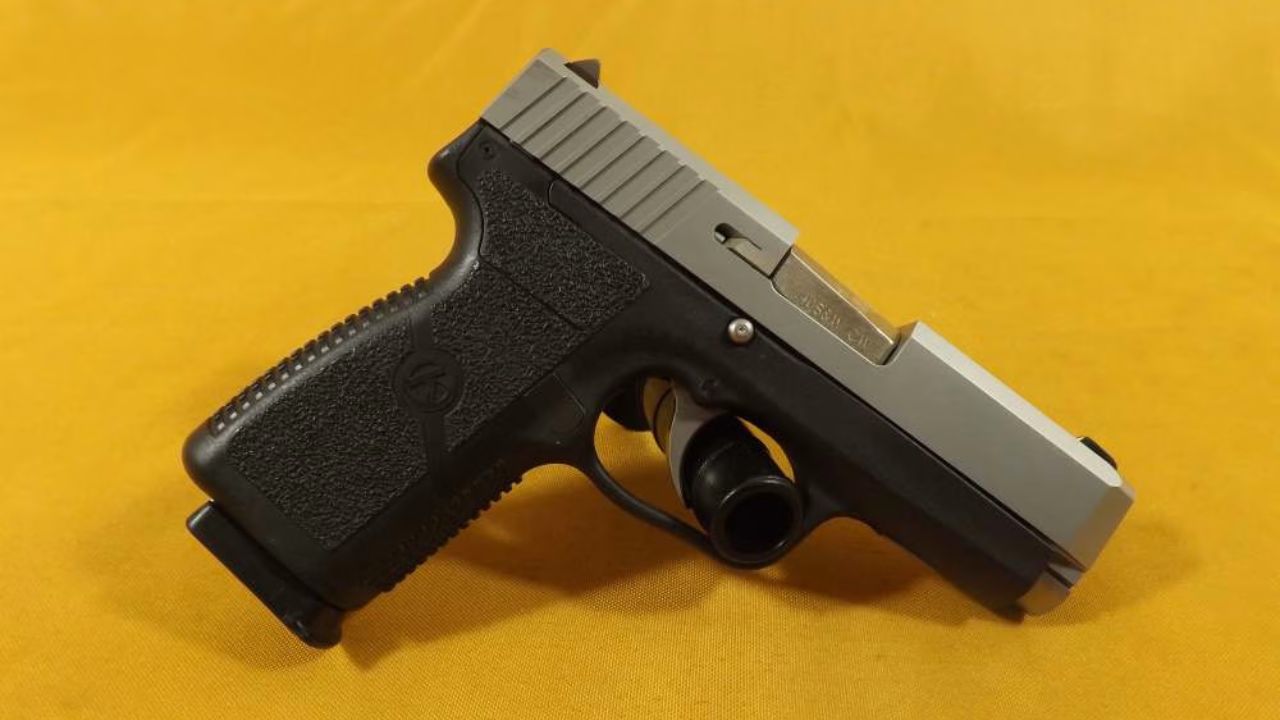
The Kahr CW40 tries to deliver big-caliber punch in a small frame, and it does—but at a cost. The recoil is sharp, and the narrow grip transfers it straight into your palm. The trigger is smooth but long, which makes it tough to stay consistent under pressure.
It’s accurate in theory, but few people shoot it that way for long. After a few magazines, your hands are sore, your groups have spread, and you start dreading the next shot. It’s not unreliable—it’s just uncomfortable in a way that chips away at your shooting confidence one trigger pull at a time.
Like The Avid Outdoorsman’s content? Be sure to follow us.
Here’s more from us:
The worst deer rifles money can buy
Sidearms That Belong in the Safe — Not Your Belt
*This article was developed with AI-powered tools and has been carefully reviewed by our editors.