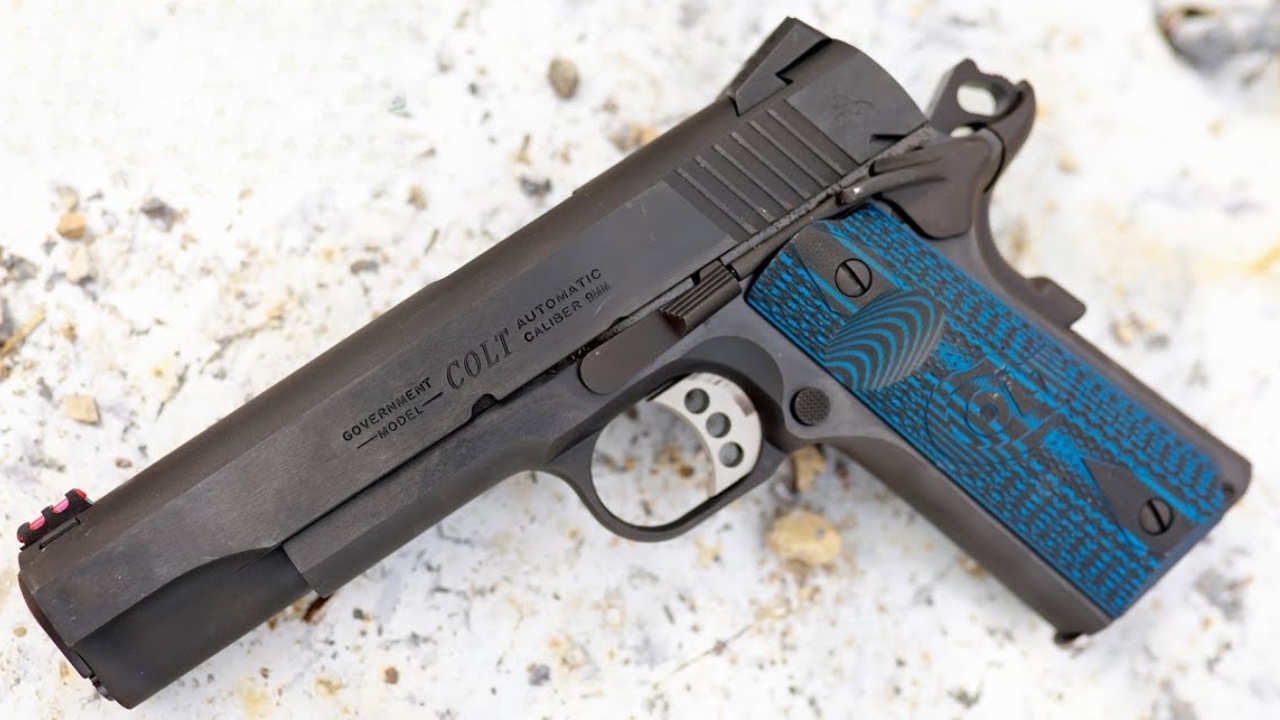
Photo credit: Honest Outlaw/YouTube
The 1911 might be over a hundred years old, but don’t let that fool you—it still shows up strong at the range. A lot of modern designs have come and gone, but the 1911 keeps its seat at the competition table. Whether it’s USPSA, IDPA, or bullseye matches, you’re bound to see someone running one. So what is it about this old-school platform that keeps competitive shooters coming back?
The Trigger Is Just That Good

A big part of the 1911’s staying power is its trigger. It’s light, crisp, and breaks clean. That matters when you’re racing the clock and trying to punch tight groups.
The short, straight-pull design lets shooters reset fast and stay on target. For many folks, once they get used to that 1911 trigger, everything else just feels mushy.
It’s Built for Accuracy
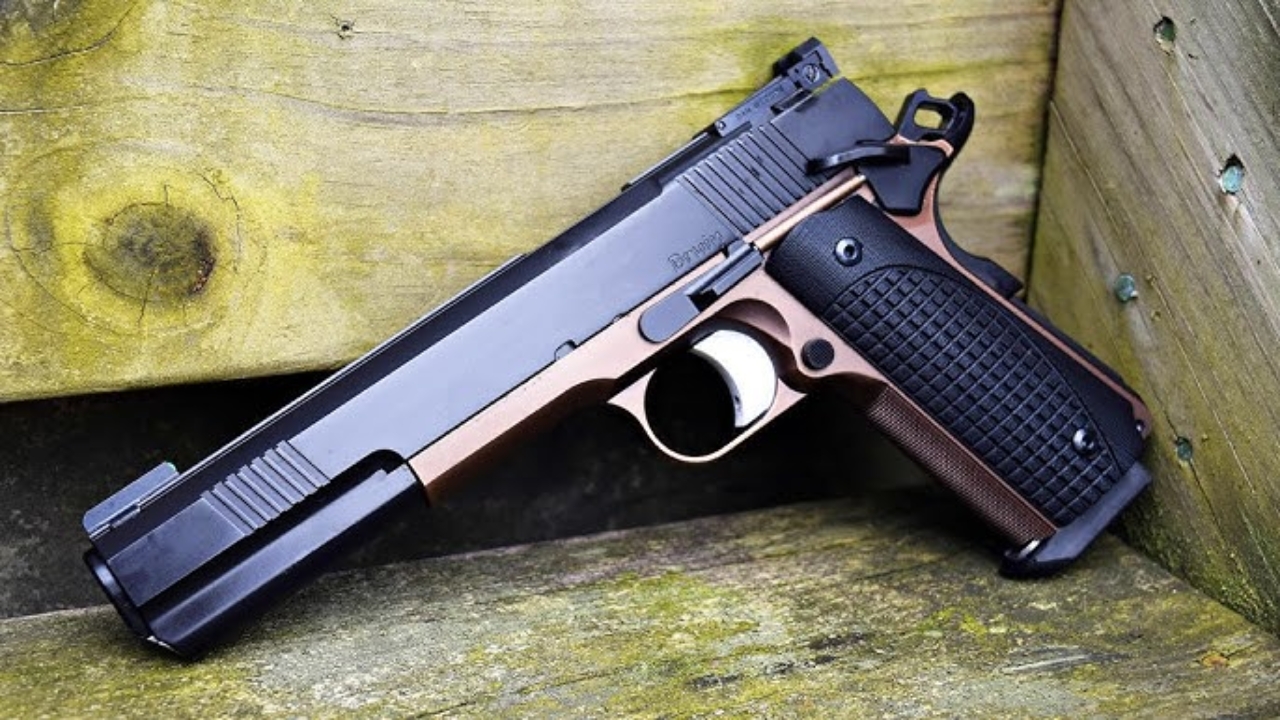
Out of the box, most quality 1911s are more accurate than your average striker-fired pistol. The tight slide-to-frame fit and solid barrel lock-up help tighten up shot placement.
In competition where points matter, that extra bit of precision can make or break a stage. Shooters trust the platform to hit what they’re aiming at—simple as that.
It Has That Natural Pointing Feel

Plenty of shooters say the 1911 just feels “right” in the hand. It points naturally and tracks easily from target to target. That helps with transitions and fast follow-ups.
The slim single-stack frame fits a wide range of hand sizes, and the weight keeps muzzle flip manageable. There’s a reason it’s been around this long—it works.
Tons of Custom Options

One of the biggest perks of running a 1911 in competition is how easy it is to tweak and tune. You can swap out parts, upgrade the sights, fine-tune the trigger—all without needing a gunsmith degree.
That means shooters can build their ideal setup to match their style and stage needs. Whether it’s open, limited, or single stack, there’s a way to run a 1911.
The .45 ACP Still Has Fans—But So Do Other Calibers

While many associate the 1911 with .45 ACP, competition shooters often run them in 9mm for less recoil and cheaper ammo. Either way, the platform handles both well.
Caliber choice gives shooters flexibility depending on the match rules and what they’re comfortable with. The 1911’s versatility is part of what keeps it in the game.
Reliable in the Right Hands

Yes, some folks gripe about reliability. But the truth is, a properly maintained and well-fit 1911 will run all day without a hiccup. Especially the higher-end models built for competition.
When tuned right, the 1911’s track record speaks for itself. Many shooters swear by them because they’ve seen firsthand what the gun can handle under pressure.
Muscle Memory Runs Deep
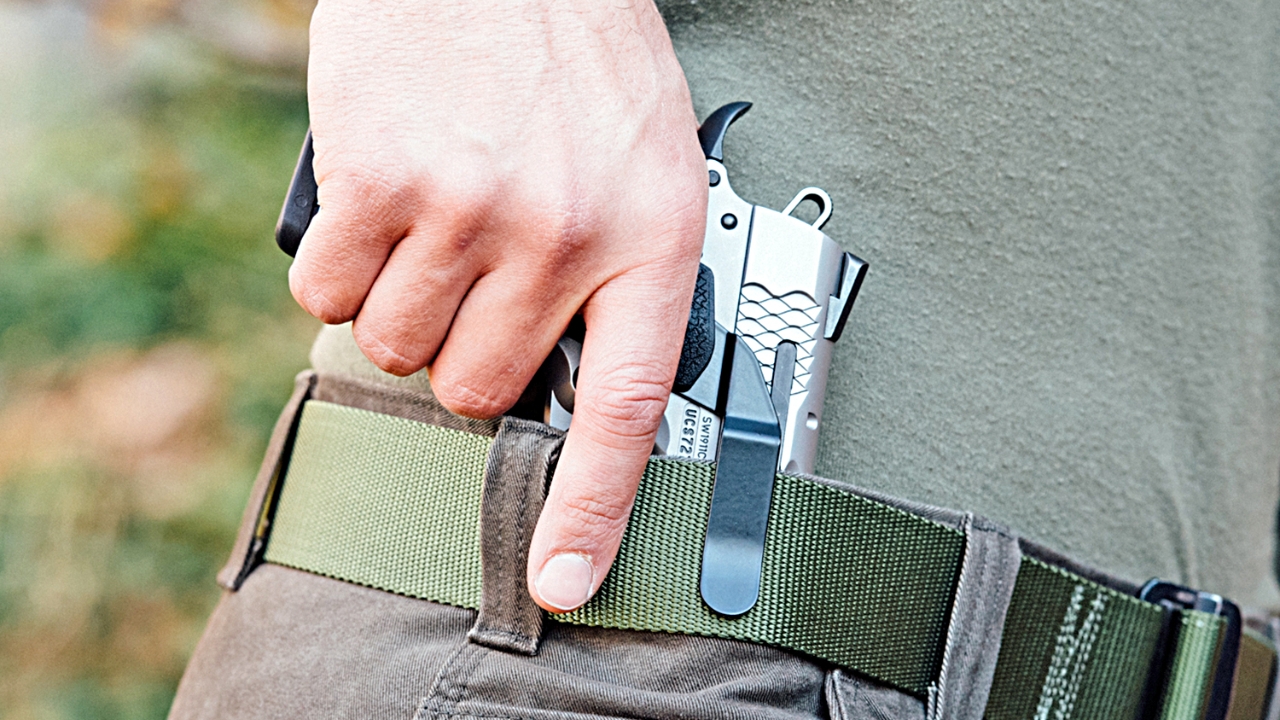
A lot of competitive shooters grew up shooting or carrying a 1911. That familiarity sticks. The manual of arms is second nature, and they’ve trained with it for years.
When things go fast in a match, it helps to run a platform your hands know. For many, that’s still the 1911. They’ve built muscle memory they can count on.
Scoring Style Matches the 1911

In matches like IDPA and USPSA Single Stack, scoring often favors accuracy. That plays right into the strengths of a well-tuned 1911.
The weight, the trigger, the sights—all of it helps land accurate shots under pressure. And that can mean fewer points down and a better score at the end of the day.
It’s Just Plain Fun to Shoot
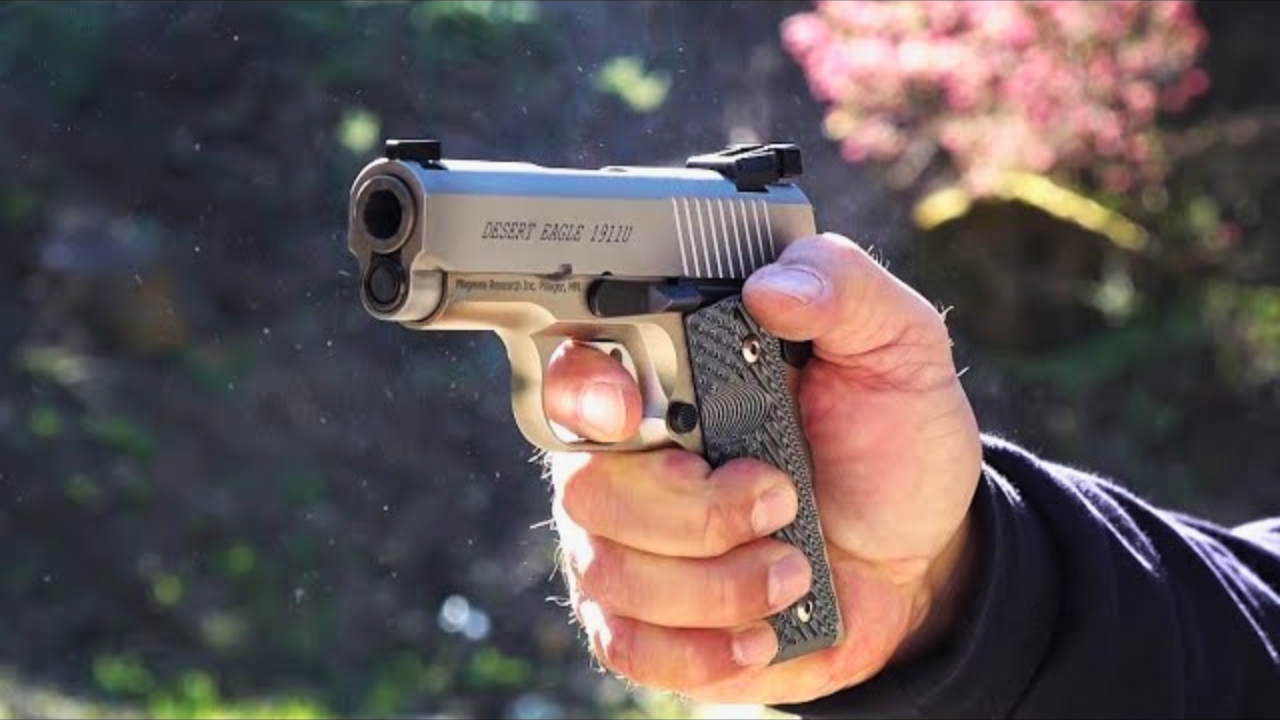
There’s something satisfying about shooting a 1911. The feel of the trigger, the way it recoils, the weight—it just makes for an enjoyable experience on the range.
When a gun is fun to shoot, you’ll practice more. And in competition, that extra time behind the trigger can pay off in a big way.
The Legacy Still Means Something

Some shooters just like running a piece of history. There’s pride in using a platform that’s been trusted by everyone from warfighters to world champs.
The 1911 has earned its stripes over the decades. And in the world of competition, that legacy still matters to a lot of people who want something tried and true.
*This article was developed with AI-powered tools and has been carefully reviewed by our editors.