Photo credit: Mikael Tham – CC BY 3.0/Wiki Commons
Not every rifle round is designed to hold velocity. Some were made for close-range utility, training, or historical rifles that didn’t demand long reach. Once you pass 200 yards, velocity loss can make these calibers inconsistent, inaccurate, or simply ineffective. Lightweight bullets with poor ballistic coefficients tend to lose speed first, while underpowered designs flatten out quickly. If you’re looking for a rifle round that carries energy past mid-range, these are the ones shooters agree fall short.
.22 Long Rifle

The .22 LR is the classic small-game cartridge, but everyone knows it falls flat at distance. Even high-velocity loads are usually subsonic by 200 yards, making bullet drop dramatic and energy negligible. Wind drift only makes things worse.
It’s fantastic inside 100 yards for plinking or varmints, but stretching it farther means dealing with sluggish speeds and erratic performance. While it holds a place for affordable practice, the .22 LR was never designed to maintain velocity past 200 yards.
.17 HMR
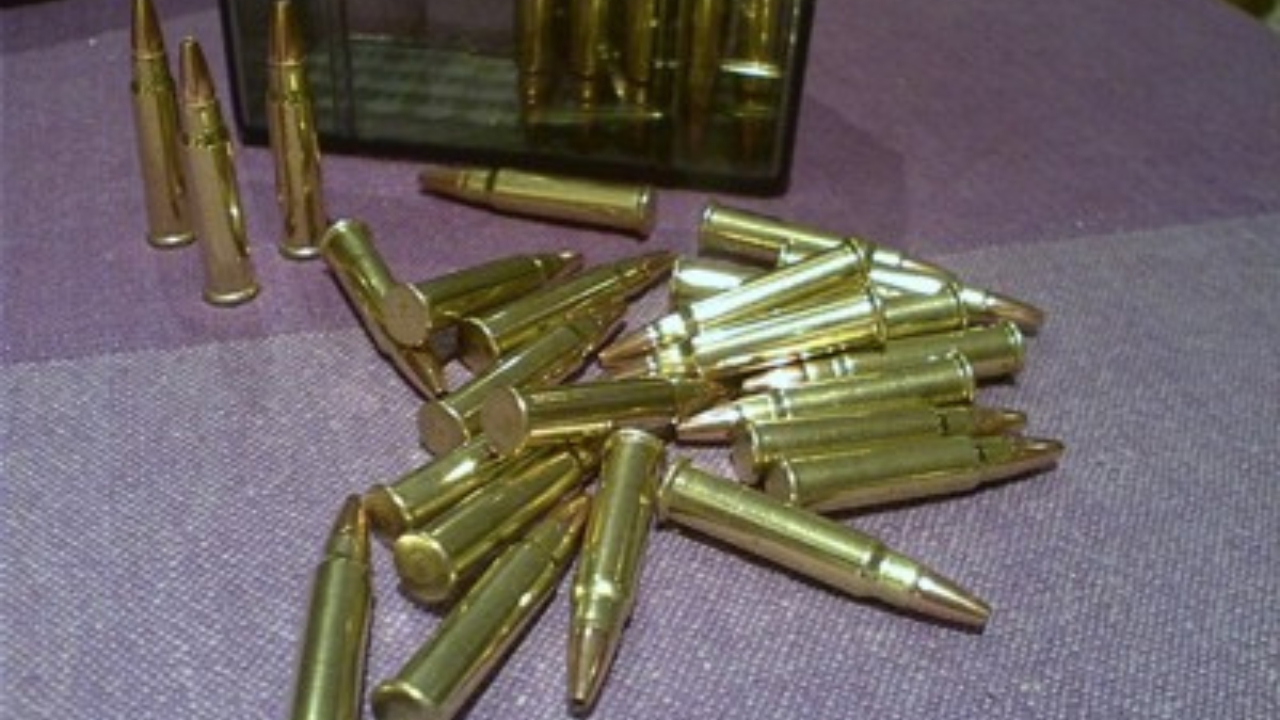
The .17 HMR starts fast but burns out quickly thanks to its light bullet weight. By 200 yards, it’s already slowed to the point where wind has a big influence and accuracy suffers. Despite its speed at the muzzle, it can’t carry energy efficiently.
It’s great for small varmints under 150 yards, but shooters notice the rapid velocity loss when they try to push it farther. The flat trajectory disappears, and consistency drops. The caliber is useful but limited by design once distance increases.
.22 Winchester Magnum Rimfire (WMR)

The .22 WMR delivers more speed than the .22 LR at the start, but it still doesn’t hold velocity past 200 yards. Its lightweight bullets simply can’t maintain momentum, leaving them sluggish and prone to heavy drop by that range.
For coyotes and small game inside moderate distances, it’s effective, but beyond that it becomes unreliable. Energy fades too quickly, and accuracy suffers as velocity bleeds off. While better than .22 LR, it shares the same limitation once you stretch your shots.
.30 Carbine

The .30 Carbine was built for the M1 Carbine during WWII, and while it offered a handy middle-ground cartridge, it’s not a long-range performer. Its velocity bleeds away quickly, and by 200 yards, it loses the punch needed for reliable impact.
Shooters appreciate its history and utility at closer ranges, but ballistically, it’s closer to a hot pistol round than a modern rifle cartridge. That leaves it struggling to stay relevant once distances increase. Speed retention simply isn’t part of its profile.
.35 Remington

The .35 Remington has been a classic woods cartridge for over a century, but it’s built for close-range hunting. Heavy, slow-moving bullets lose speed fast, and by 200 yards, drop and energy loss are significant.
Inside 100 yards on deer or bear, it works well. Beyond 200, it becomes inconsistent. Hunters who’ve used it know that its sweet spot is thick timber and brush, not open terrain. Velocity retention simply wasn’t part of the equation when it was designed.
7.62x39mm

The 7.62x39mm is durable and effective in its intended range, but it’s not built for long-range velocity. Out of an AK or SKS, the round drops off quickly after 200 yards, and wind drift starts to take over.
It delivers reliable performance inside 150 yards, but once past 200, speed and energy fall sharply. Accuracy becomes inconsistent, and its ballistic limitations are clear. It works well for its purpose but doesn’t maintain the velocity that modern intermediate cartridges can.
.44 Magnum (Rifle)

When chambered in carbines or lever guns, the .44 Magnum can extend effective range, but velocity still plummets by 200 yards. Designed as a handgun round, it doesn’t have the speed or bullet shape to carry momentum effectively at distance.
Inside 100 yards, it can handle deer and hogs, but farther out, its energy drops off fast. Shooters who try to stretch it notice sluggish performance quickly. In a rifle, it gains some utility, but it can’t maintain velocity for long.
.45-70 Government (Traditional Loads)

The .45-70 has incredible history and hunting capability, but standard loads shed speed very quickly. Heavy, slow-moving bullets drop hard after 200 yards and carry little velocity compared to modern high-velocity cartridges.
It’s highly effective inside 150 yards on big game, especially with hard-hitting close-range shots. But past 200, traditional loads lose velocity to the point where trajectory is steep and hits require serious adjustment. It’s a powerhouse, but not one that carries speed far.
.300 Blackout (Subsonic Loads)

The .300 Blackout shines in suppressed, subsonic configurations, but subsonic ammo never maintains speed past 200 yards. It starts slow, and by the time it reaches that range, velocity is minimal and bullet drop is extreme.
For close-quarters use, it’s effective and versatile, but long-range shooters will notice its limitations right away. Supersonic loads extend its reach somewhat, but subsonic ammo is the core identity of the caliber, and it was never meant for distance.
.25-20 Winchester
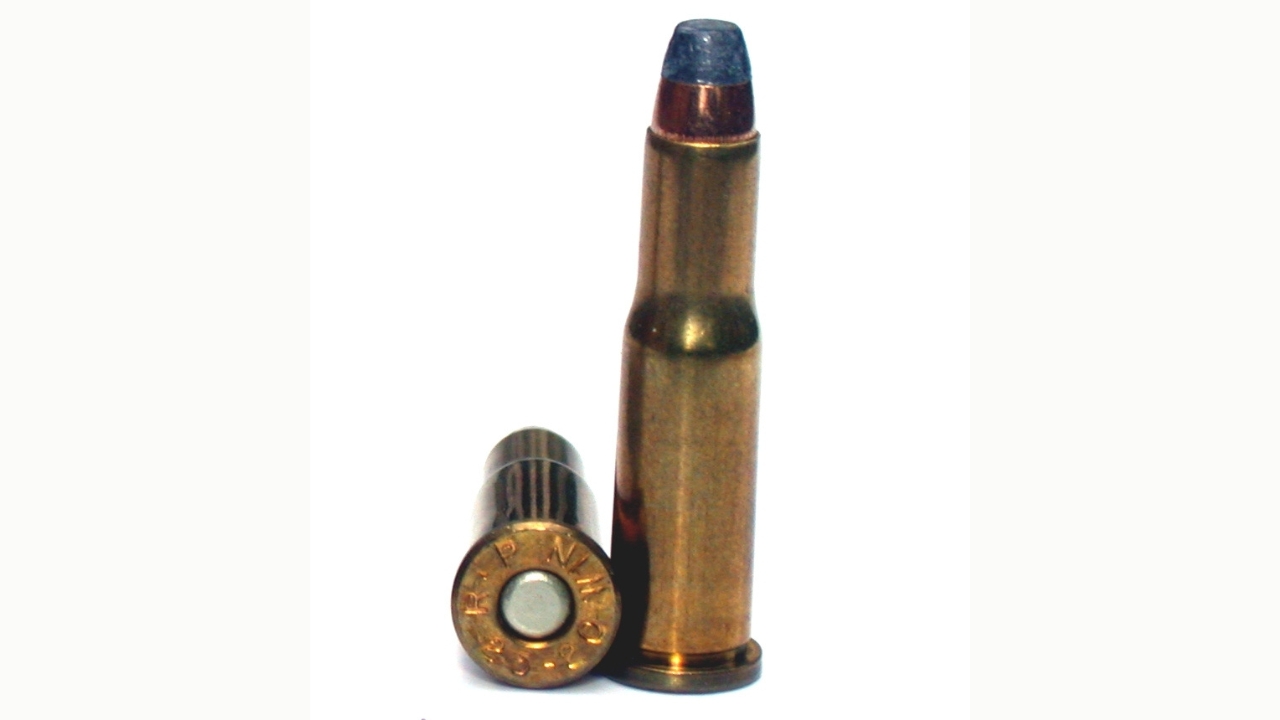
The .25-20 Winchester is a relic from the early smokeless era, and its velocity shows its age. It was designed for small-game hunting at close ranges, and by 200 yards, its light bullet is crawling along with little energy left.
In lever-action rifles, it served its purpose well, but modern shooters recognize how quickly it loses speed. For today’s standards, it simply doesn’t perform at distance. Past 200 yards, velocity loss makes it impractical for anything but nostalgia.
*This article was developed with AI-powered tools and has been carefully reviewed by our editors.