Running a pistol suppressed is a fast way to learn what “dirty” really means. You’re trapping gas, pushing more blowback through the action, and feeding your face and your gun a steady diet of carbon and unburnt powder. Some handguns get cranky fast when you add that extra backpressure. Others surprise you by staying more manageable than they have any right to.
When a pistol “runs cleaner” with a can, what you’re usually noticing is less soot blasting back through the ejection port, less grit migrating into the fire-control parts, and fewer stoppages as the round count climbs. Bigger slides, smart lockup timing, and suppressor-ready setups that don’t need spring voodoo all help. These are pistols that tend to stay on the right side of that line.
HK USP Tactical 45
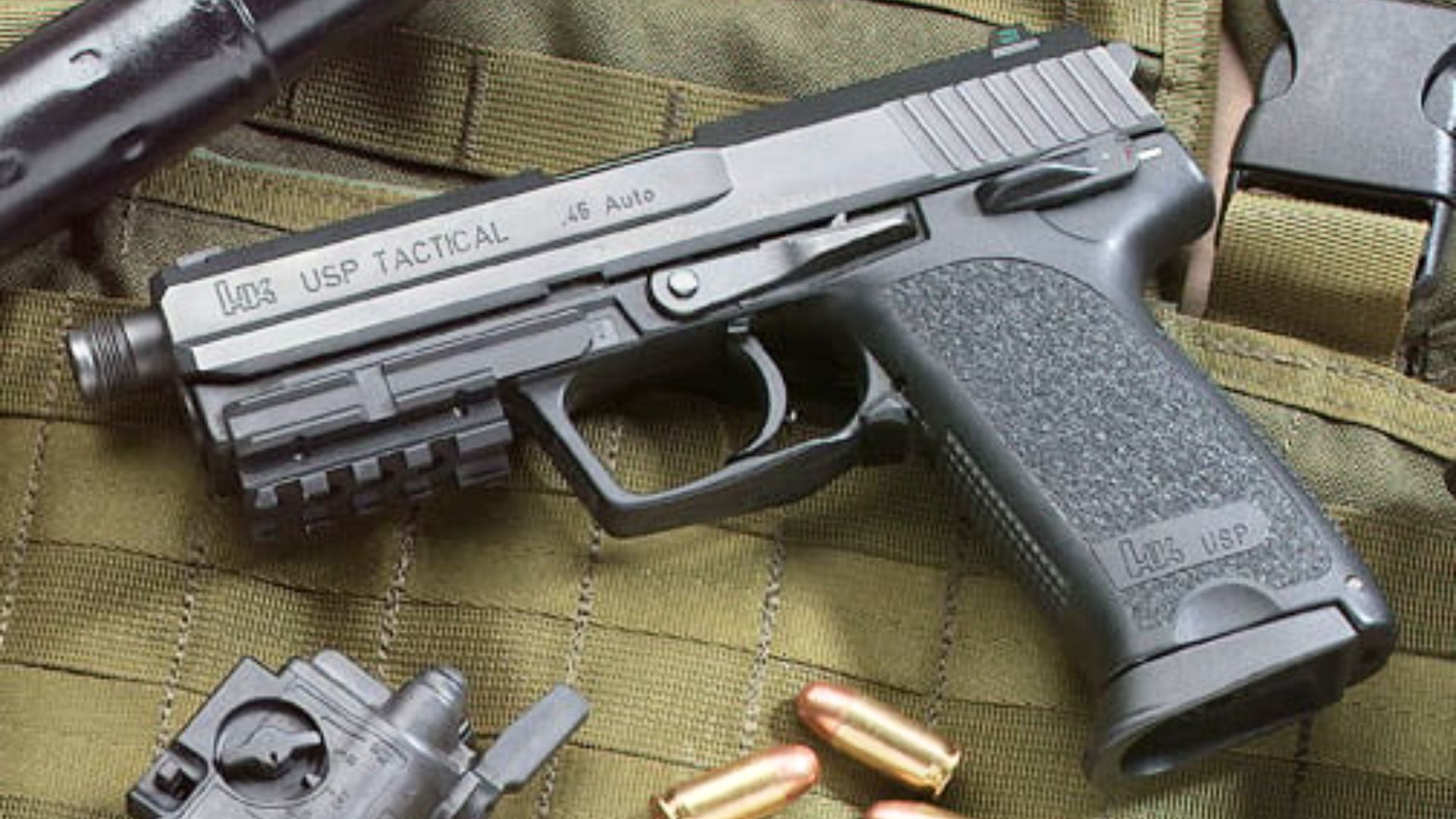
A big part of why the USP Tactical feels less gross than expected is size and timing. The slide has mass, the system is tolerant, and the 45 ACP pressure curve tends to be easier to live with when you add backpressure. You still get carbon, but it often stays where you expect it instead of turning the gun into a gritty mess halfway through a range session.
The other advantage is that the USP family was built with hard use in mind. With a proper booster, good magazines, and a little lube, it tends to keep cycling even when the gun starts looking like it was dragged through a fireplace. Keep an eye on your piston and threads, wipe the feed ramp once in a while, and it’ll usually stay dependable longer than you’d think.
HK45 Tactical
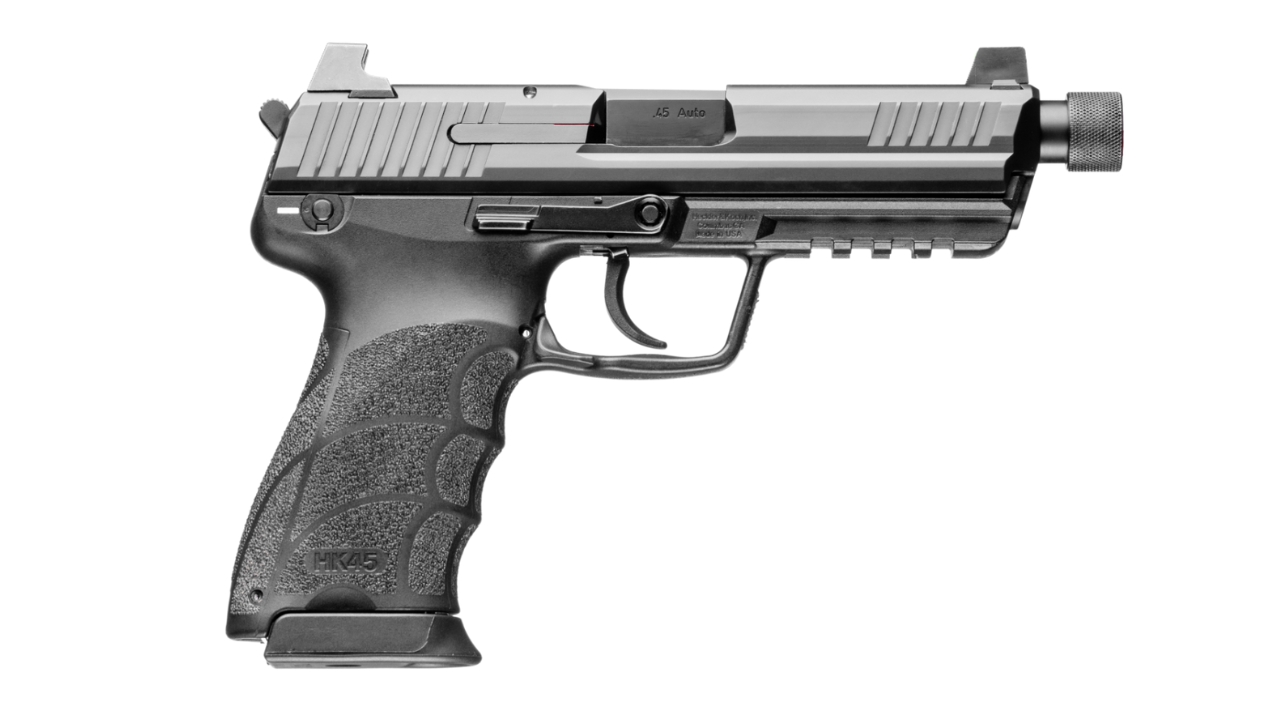
The HK45 Tactical has the same basic strengths as the USP line, but with ergonomics that make it easier to drive well when you’re shooting a dot or working fast strings. Suppressed fouling still happens, but the pistol often doesn’t feel like it’s choking on it. The system runs with a steady, predictable cycle that seems to handle extra backpressure without getting weird.
You’ll notice it most when you’re shooting mixed ammo. A lot of pistols start feeling sluggish, or they throw ejection patterns all over the place once the can goes on. The HK45 Tactical usually stays consistent if your booster is set up correctly. Keep the recoil spring in good shape, stay on top of the can’s piston cleanliness, and you can run a respectable round count before you feel the need to tear the whole gun down.
FNX-45 Tactical

The FNX-45 Tactical is one of the most common “out of the box” suppressor hosts for a reason. The platform is roomy, the magazines are reliable, and the 45 ACP suppression recipe tends to be forgiving. You still get soot, but the gun often keeps running without feeling like it’s grinding itself to death.
Where it surprises people is in sustained shooting. The slide and barrel setup usually tolerates a can without demanding immediate tinkering, and it stays controllable enough that you’re not fighting the gun while it gets dirty. If you want to keep it running smoothly, lube the rails more than you would unsuppressed and pay attention to your optic and light screws if you’re running them. The FNX will still foul, but it tends to foul in a predictable way.
FN 509 Tactical

In 9mm, suppressed pistols can feel like they’re blowing a shop-vac of carbon straight back at you. The 509 Tactical often feels better than you expect because it’s built as a duty pistol first. It has the weight and durability to handle a can without immediately turning finicky, and the factory suppressor-ready setup keeps you from chasing basic reliability fixes.
The “cleaner” impression usually comes from how it keeps cycling as the grime builds. Ejection tends to stay consistent, and the gun doesn’t usually start short-stroking the moment it gets a little dry. A light coat of lube on the rails and barrel hood goes a long way. Also, keep your booster clean and don’t ignore magazine maintenance. Suppressed shooting is hard on everything, and the 509 takes it in stride.
HK VP9 Tactical

The VP9 Tactical is a solid example of a modern 9mm that can run suppressed without feeling like a delicate experiment. It’s not magically clean, but it often stays manageable because the gun cycles smoothly and the platform isn’t easily upset by the extra weight and pressure. When you mount your can correctly, the pistol tends to feel predictable instead of temperamental.
You’ll appreciate it when you start pushing pace. A dot-equipped VP9 Tactical can stay flat and trackable even as the gun gets filthy, which keeps your shooting honest. To keep it running, lube it more than you think you need, especially on the rails and barrel contact points. If your can is gassy, consider ammo that’s known for cleaner burn, but don’t expect miracles. The VP9 stays reliable by being well-balanced, not by defying physics.
Beretta M9A4
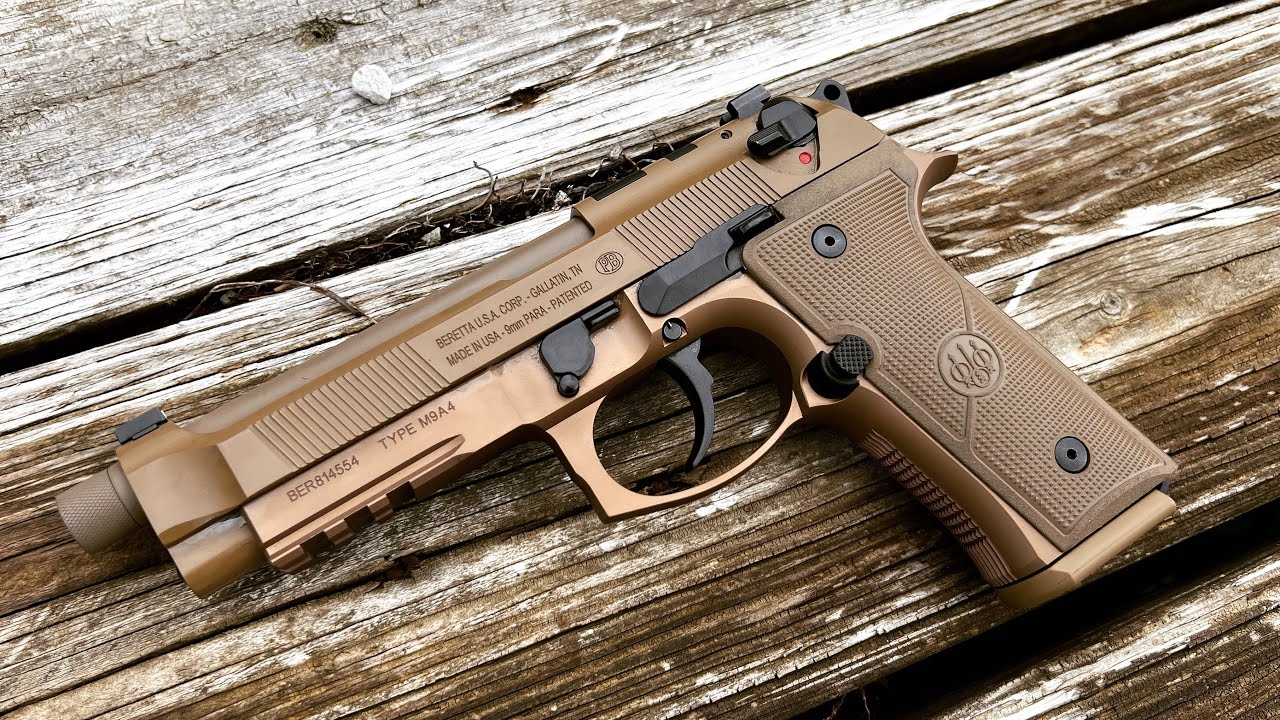
The M9A4’s design gives you a different suppressed feel than many tilting-barrel pistols. That can translate into a setup that stays surprisingly steady and doesn’t feel like it’s instantly choking on carbon. The open-top slide also sheds debris in a way that can help the gun keep moving when things get dirty.
You still need to do the basics. Run the right mounting setup, keep the barrel threads and shoulder clean, and don’t let the gun go bone dry. The Beretta system is also forgiving with a wide range of bullet shapes, which matters when you’re shooting subsonic loads. The “cleaner than expected” part is often that it stays smooth and consistent longer, not that it stays spotless. If you want a suppressor host that feels stable and easy to manage, the M9A4 earns its spot.
Walther PDP Pro SD
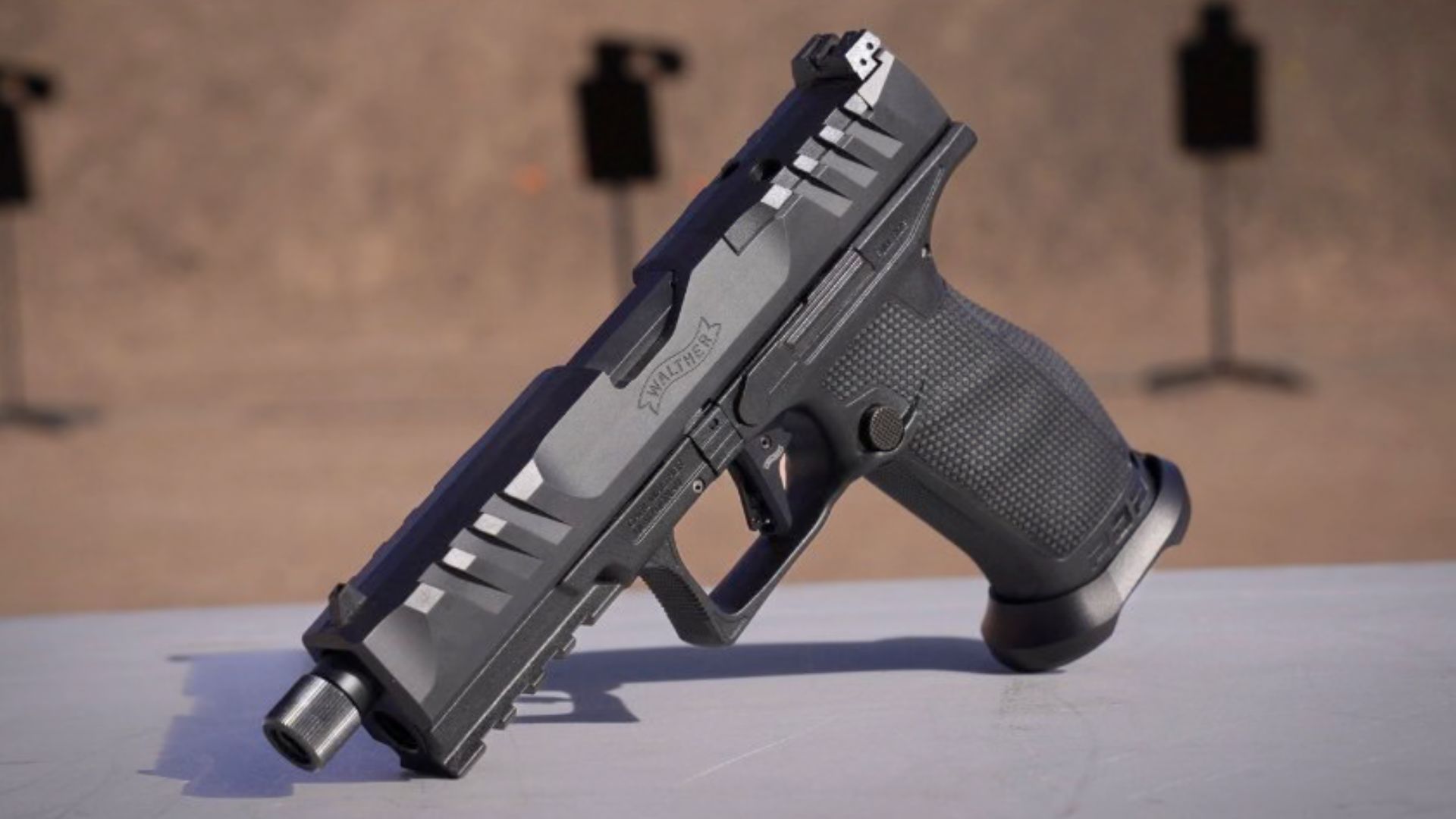
The PDP Pro SD is a pistol that tends to stay shootable as the can adds weight and the grime starts stacking up. The platform has a strong, predictable recoil cycle, and the Pro SD setup is built around real-world use rather than pretending suppressed shooting is a niche hobby. You still get backpressure, but the gun often doesn’t feel like it’s turning into a malfunction machine.
The real advantage is how controllable it remains. If you can keep the dot stable and keep the gun cycling, you’re less likely to blame the pistol for your own shooting errors. Keep it wet on the rails, wipe the breech face when it starts getting crusty, and stay on top of your suppressor piston maintenance. The PDP Pro SD won’t stay clean, but it often stays honest, and that matters more.
CZ P-09 Suppressor-Ready

The P-09 Suppressor-Ready has a reputation for being a low-drama host, and part of that comes from its size and the way it handles recoil with a can installed. A bigger, full-size pistol gives gas and grit more room to exist without immediately causing problems. The P-09 tends to keep cycling and keep shooting predictably even as the carbon starts piling up.
You also get the benefit of a platform that’s easy to maintain. The internals are straightforward, and you can keep it running with basic care rather than exotic parts. Run a proper booster, keep the rails lubricated, and don’t let the gun get bone dry after a few magazines. The P-09 won’t fool you into thinking suppressed pistols stay clean, but it often runs cleaner in the sense that it stays less fussy and less gritty than expected.
CZ P-10 C Suppressor-Ready
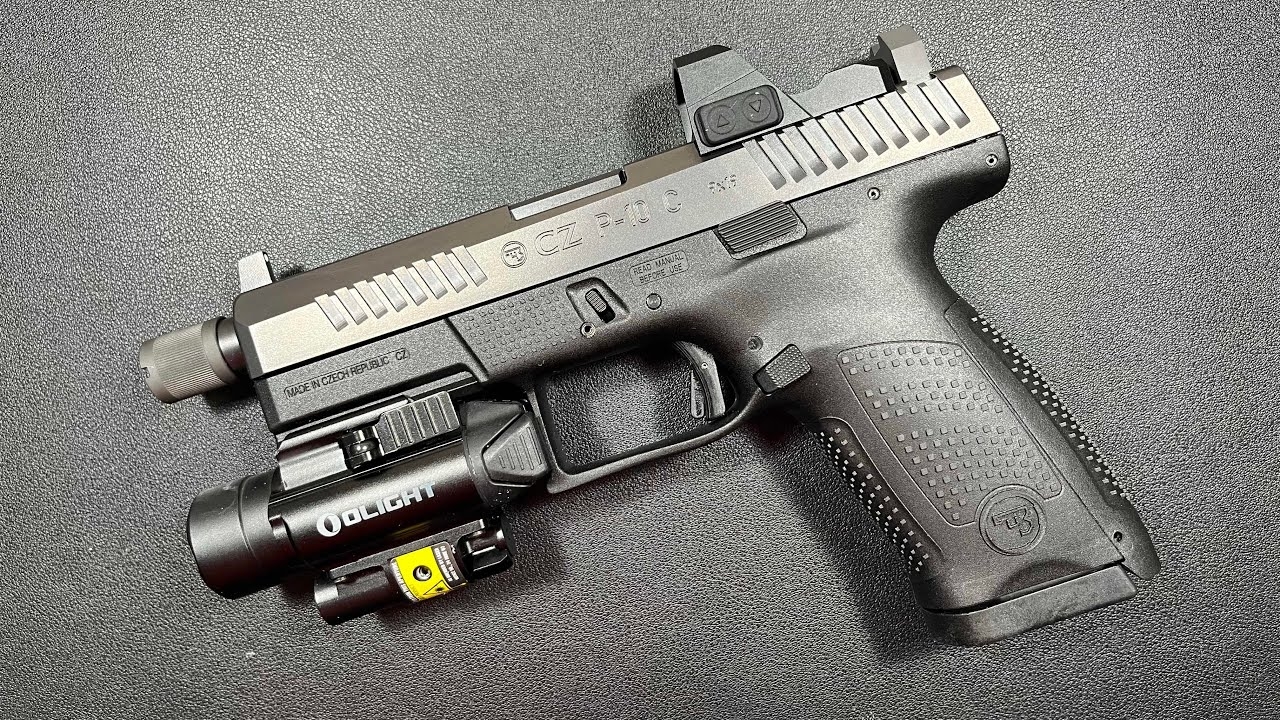
Compact 9mms are where suppressed shooting can get annoying fast. The P-10 C Suppressor-Ready often surprises people because it doesn’t immediately act like it hates the added backpressure. The gun has a solid, duty-minded design, and it tends to keep feeding and extracting reliably even as the breech face and chamber area get sooty.
The “cleaner” feel usually comes from consistency. You’re not chasing random failures every other magazine, and the gun doesn’t suddenly feel sluggish as soon as the lube thins out. Keep a little grease or oil on the slide rails, wipe the barrel hood now and then, and pay attention to magazines. Suppressed shooting magnifies weak links, and a good compact pistol should not demand constant babysitting. The P-10 C SR usually holds together well.
Springfield Armory XD-M Elite OSP

The XD-M Elite OSP shows up on a lot of suppressor benches because it tends to run with a can without needing immediate surgery. The platform is robust, and the larger slide and barrel setup can help it stay reliable as carbon and unburnt powder start collecting in all the usual places. It won’t stay clean, but it often stays functional longer than shooters expect.
It also helps that the gun is easy to get a consistent grip on, which matters when you’re dealing with a heavier muzzle and slower cycling. Keep the rails lubricated, keep the chamber area from getting too crusty, and don’t ignore your suppressor piston. If you shoot long strings, you’ll still want to wipe things down eventually, but the XD-M Elite OSP tends to keep cycling through the mess. That’s the kind of “clean” you actually care about.
Smith and Wesson M&P 2.0 with a factory threaded setup
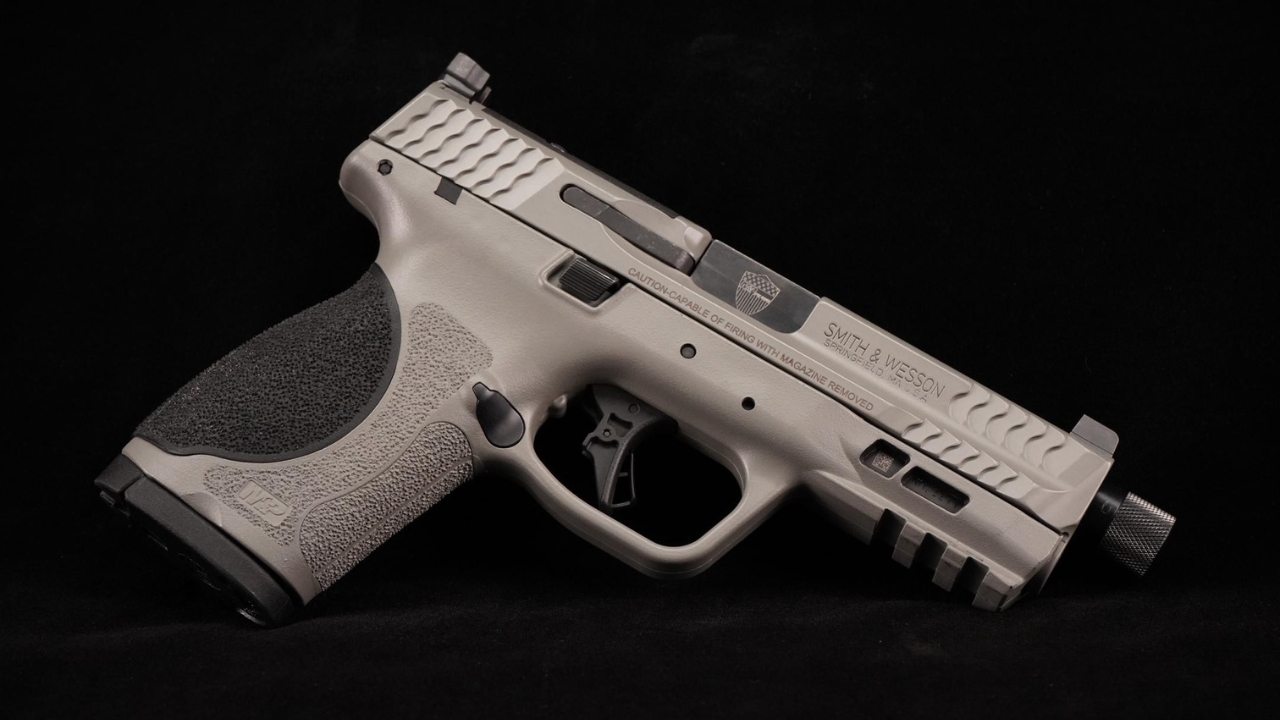
The M&P 2.0 platform is known for being durable and predictable, and that carries over into suppressed use when you’re starting with a proper threaded configuration. The gun still gets filthy, but it often avoids that gritty, draggy feeling that shows up fast in some pistols. The slide runs smoothly, and the platform tends to stay reliable as the fouling builds.
A big part of keeping an M&P happy suppressed is maintenance rhythm. Run it a little wetter than normal, wipe the breech face when it starts caking up, and keep your magazines clean. Suppressed shooting also heats everything up, which can bake carbon into places you don’t want it. The M&P’s advantage is that it keeps working through that as long as you don’t starve it of lubrication. It’s a steady host that doesn’t demand constant excuses.
SIG Sauer P226 Tactical

The P226 Tactical is a classic host because it’s a full-size pistol with a proven track record and enough mass to handle the extra weight and pressure of a suppressor. When a gun is stable and cycles consistently, it often feels “cleaner” because it isn’t choking on its own fouling. The P226 tends to keep running as long as the setup is correct.
You’ll still get carbon in the action, and you’ll still get gas. The difference is that the gun often stays smooth instead of turning gritty and sluggish right away. Keep the rails lubricated, keep the locking surfaces from going dry, and make sure your suppressor piston stays clean. Full-size pistols like this give you more tolerance when the gun starts getting filthy. The P226 Tactical is a good reminder that boring reliability matters more than fancy marketing when you’re shooting suppressed.
Staccato P with a factory threaded barrel option

A well-built 2011 can run suppressed in a way that feels surprisingly controlled and consistent, and the Staccato P is one of the more practical examples. When the gun is fit correctly and the magazines are solid, you often get a host that stays smooth even as carbon builds. The “cleaner” part is that it keeps cycling and stays predictable, which is what most shooters actually mean.
The key is being honest about maintenance. Suppressed shooting will foul a 2011, and you still need lubrication and a clean, functional booster. Where the Staccato tends to shine is that it doesn’t feel like it’s losing its mind as soon as the gun gets dirty. It can keep running through drills without constant stoppages, and that’s a big deal when you’re stacking rounds quickly.
HK Mark 23

The Mark 23 was designed with suppressor use in mind, and it shows. It’s large, stable, and built to run under conditions that would make smaller pistols feel overwhelmed. Suppressed fouling still happens, but the platform often stays remarkably consistent because it has the mass and timing to handle backpressure without feeling fragile.
You’ll notice the advantage in how steady the gun feels after a lot of shooting. The slide keeps cycling, the recoil stays smooth, and the pistol doesn’t usually start acting sluggish the moment carbon shows up. Keep the can and mounting surfaces clean, keep a light film of lube on the rails and contact points, and the Mark 23 tends to keep going. It’s not a carry gun and it’s not for everyone, but as a suppressor host it’s one of the clearest examples of a pistol that was built for the job.
Like The Avid Outdoorsman’s content? Be sure to follow us.
Here’s more from us: