Photo credit: BERETTA9mmUSA/YouTube
A pistol can look like a smart starter gun for all the wrong reasons. Low price, tiny size, light weight, soft-sounding caliber, or a familiar name can make a handgun seem approachable before you ever fire a full session with it. The trouble is, beginner-friendly and beginner-proof are not the same thing. Some pistols feel easy at first because they hide their drawbacks until you start practicing enough for those drawbacks to shape the way you shoot.
That is where bad habits creep in. A pistol that is hard to grip, slow to see, awkward to run, or unpleasant to practice with can teach you to flinch, rush, overgrip, slap the trigger, or avoid training altogether. None of these guns are automatically useless. Some are well-made and fill a real role. But if you are new, the wrong “easy” pistol can teach the wrong lessons fast, and those lessons are harder to unlearn than most people expect.
Ruger LCP
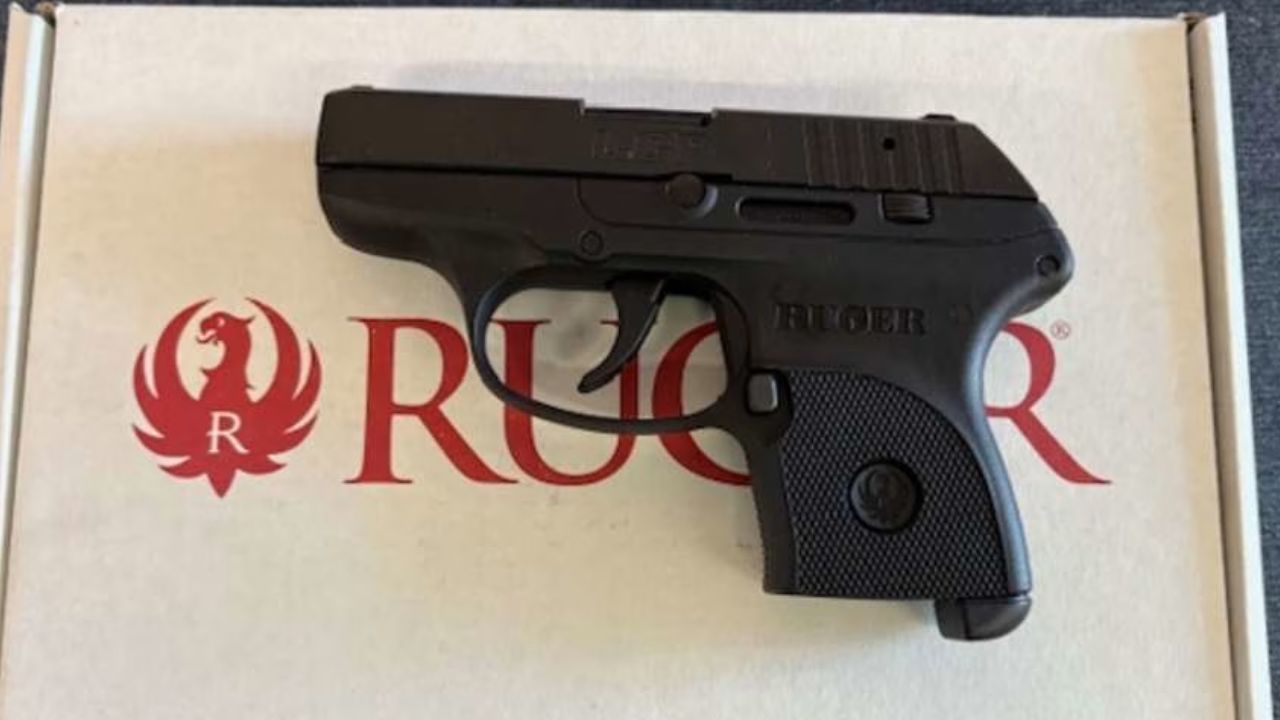
The Ruger LCP seems beginner-friendly because it is small, light, and chambered in .380 ACP. A lot of new shooters assume that means it will be easy to handle. It also disappears in a pocket, which makes it feel practical right away. On the sales floor, that combination is hard to resist. It sounds like a low-commitment way to start carrying and learning at the same time.
At the range, it often teaches the wrong lesson. The tiny grip, minimal sights, and sharp little recoil pulse can make a new shooter start snatching the trigger and anticipating the shot. Because the gun is small, people also tend to accept poor grip quality they would never tolerate on a larger pistol. That can turn into sloppy fundamentals fast. The LCP has a place, but it is one of the quickest ways for a new shooter to confuse “easy to carry” with “easy to learn on.”
Smith & Wesson Bodyguard 380
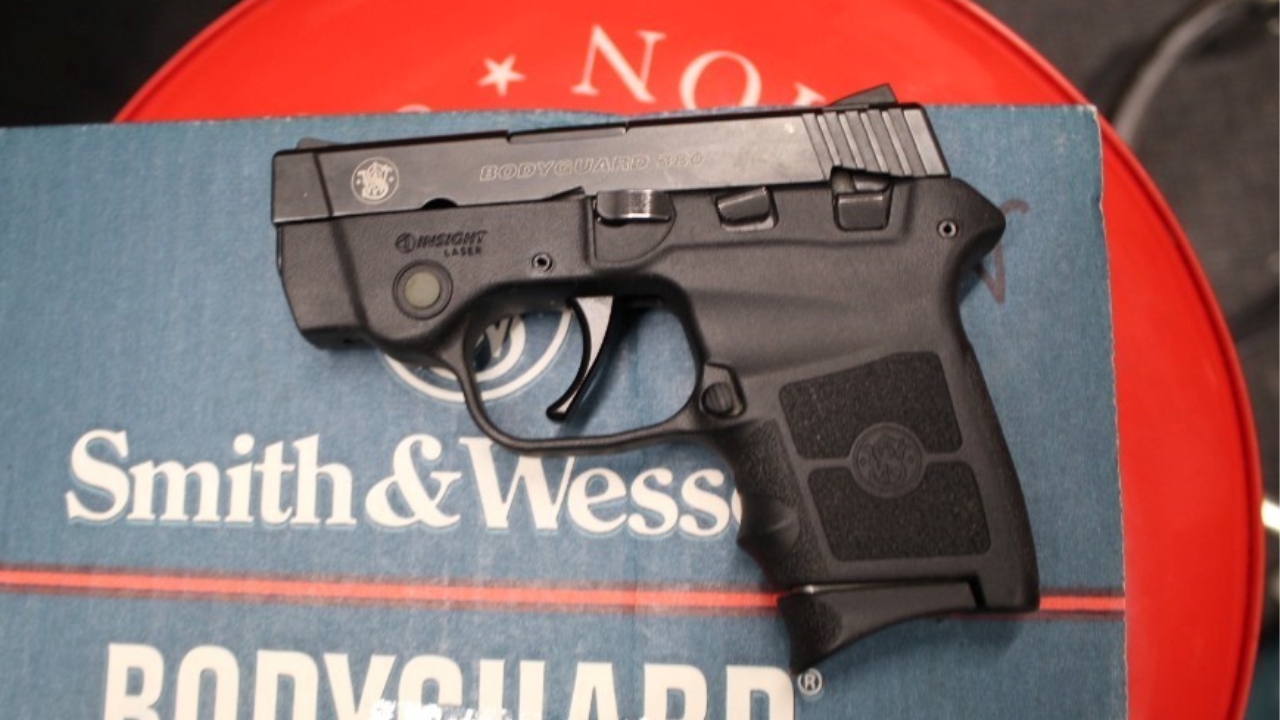
The Smith & Wesson Bodyguard 380 looks like a sensible beginner gun because it is compact, fairly light, and built around a cartridge people often describe as mild. That sales pitch makes sense at first. New shooters see the size and assume less gun means less intimidation. The controls and profile make it look manageable, and it often gets treated like a natural first step into small defensive pistols.
What it can build, though, is a habit of fighting the gun instead of learning from it. Small grips and abbreviated sights leave little room for error, and the long trigger can encourage new shooters to yank through the press instead of learning a smooth trigger stroke. When the gun feels harder to shoot than expected, beginners often start compensating with tension instead of technique. That is a bad foundation. The pistol may be useful in its lane, but it can teach new shooters to work around problems instead of building clean fundamentals.
Glock 43

The Glock 43 seems approachable because it carries the Glock name in a slim, easy-to-conceal package. New shooters often trust it immediately because it feels familiar, simple, and not overly complicated. It also looks like a comfortable middle ground—bigger than a pocket .380, smaller than a duty gun. On paper, that makes it sound like a smart place to begin.
The problem is that the small frame can teach beginners to accept reduced control as normal. The short grip makes it harder to build consistent hand placement, and the lighter frame lets recoil feel sharper than many first-time shooters expect from a 9mm. That often leads to regripping between shots, slapping the trigger to “catch up,” or over-squeezing the gun to keep it still. Those are all habits that get baked in quickly if the pistol is your baseline. The Glock 43 is useful, but it often asks more from a new shooter than the size first suggests.
SIG Sauer P365

The SIG Sauer P365 gets recommended to beginners because it is small, modern, and efficient. It carries well, holds more rounds than older pistols its size, and has a reputation for being capable. That makes it feel like a smart one-and-done buy. A lot of new shooters see it as a shortcut: one pistol that can cover carry, practice, and general ownership without taking up much space.
What it can do instead is rush a beginner into learning on a gun that demands more discipline than they have built yet. The short grip and light frame make mistakes show up quickly, and new shooters often respond by muscling the gun instead of learning proper recoil control. They start choking down on the frame, mashing the trigger, and rushing the sights because the pistol feels busier than expected. That creates habits built around surviving the gun rather than shooting it cleanly. The P365 is capable, but it can push a beginner into compensating before they understand the basics.
Springfield Hellcat
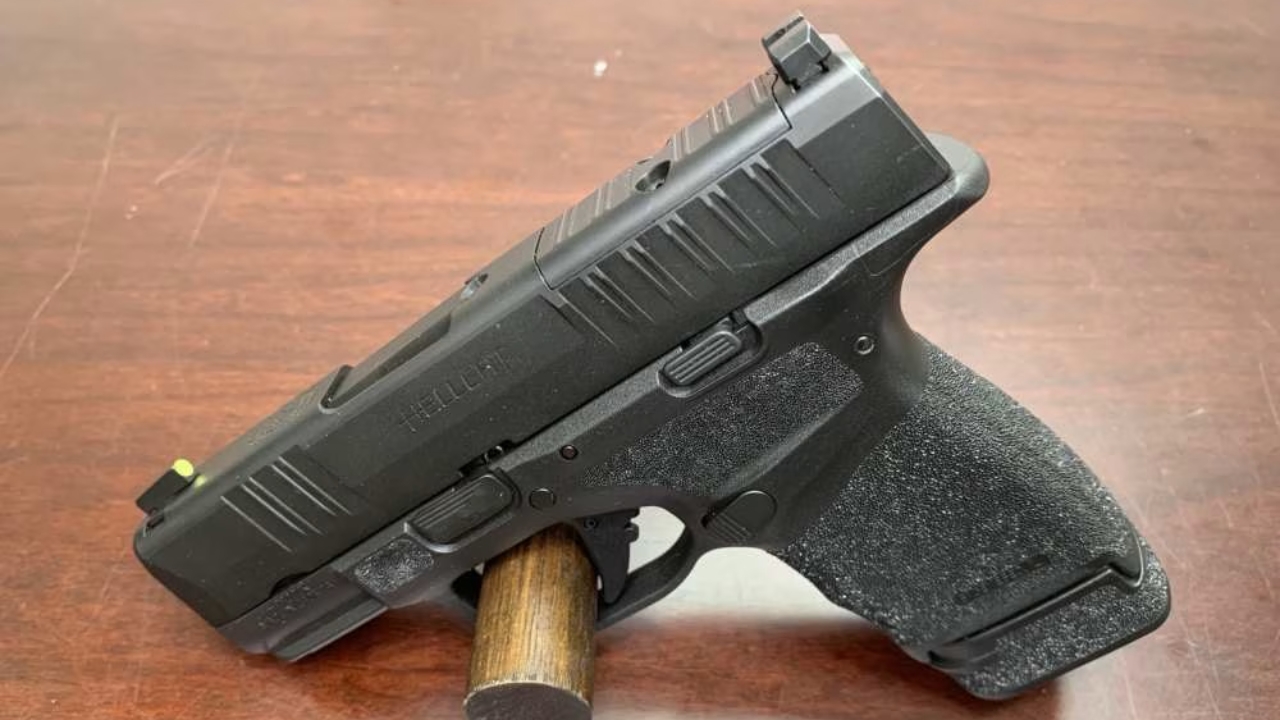
The Springfield Hellcat looks beginner-friendly because it offers a lot of capacity in a small footprint. For a new shooter, that can sound like a safe, practical choice. More rounds, easy concealment, and a compact shape all seem like advantages. It feels modern and efficient, which gives many first-time buyers the sense that they are choosing a smart, up-to-date pistol instead of something outdated or oversized.
The catch is that compact size still comes with compact-gun behavior. The short grip and lively recoil can make the pistol feel more abrupt than a beginner expects, and that often turns into rushed follow-up shots and poor sight discipline. New shooters may start chasing speed too early because the gun looks like it should do everything well. When it gets harder to control, they often build tension and anticipation instead of proper fundamentals. That is how a pistol that seems “advanced” and manageable on paper can quietly teach bad habits in the first few range trips.
Taurus G2C

The Taurus G2C gets treated as beginner-friendly because it is affordable, compact, and easy to find. Price is a big factor for new shooters, and a lower-cost pistol naturally feels like a less risky way to get started. The size also makes it seem flexible enough for both range use and carry. That combination makes the G2C a common first-gun choice for people trying to stay within a budget.
The problem is that cheaper entry points can encourage shortcuts in expectations. A compact pistol like this already asks more of the shooter than a fuller-size gun, and when beginners pair that with low-cost “good enough” thinking, they often accept a lower standard in grip, trigger control, and practice. If the gun feels snappy or inconsistent in their hands, they may blame themselves vaguely and keep reinforcing bad technique instead of learning on something more forgiving. Budget matters, but a first pistol that encourages compromise in every direction can build habits that become expensive to correct later.
SCCY CPX-2

The SCCY CPX-2 seems beginner-friendly for one obvious reason: the price tag. A low-cost 9mm that looks compact and practical can feel like an easy entry point for someone who wants a first handgun without a major financial jump. For a new shooter, that kind of purchase can feel responsible. You get into the game without feeling overcommitted, and the pistol’s size makes it look like it can serve multiple roles.
What often happens, though, is that the beginner starts adapting to the gun’s challenges instead of building sound technique. A heavier, longer trigger and compact dimensions can encourage jerking through the press, tightening the whole hand during the shot, and accepting ugly trigger breaks as normal. Once that becomes your first training rhythm, it is hard to shake. The gun may function well enough for its intended role, but as a first learning tool, it can teach a new shooter to tolerate rough inputs that should never become part of a clean shooting process.
Ruger EC9s
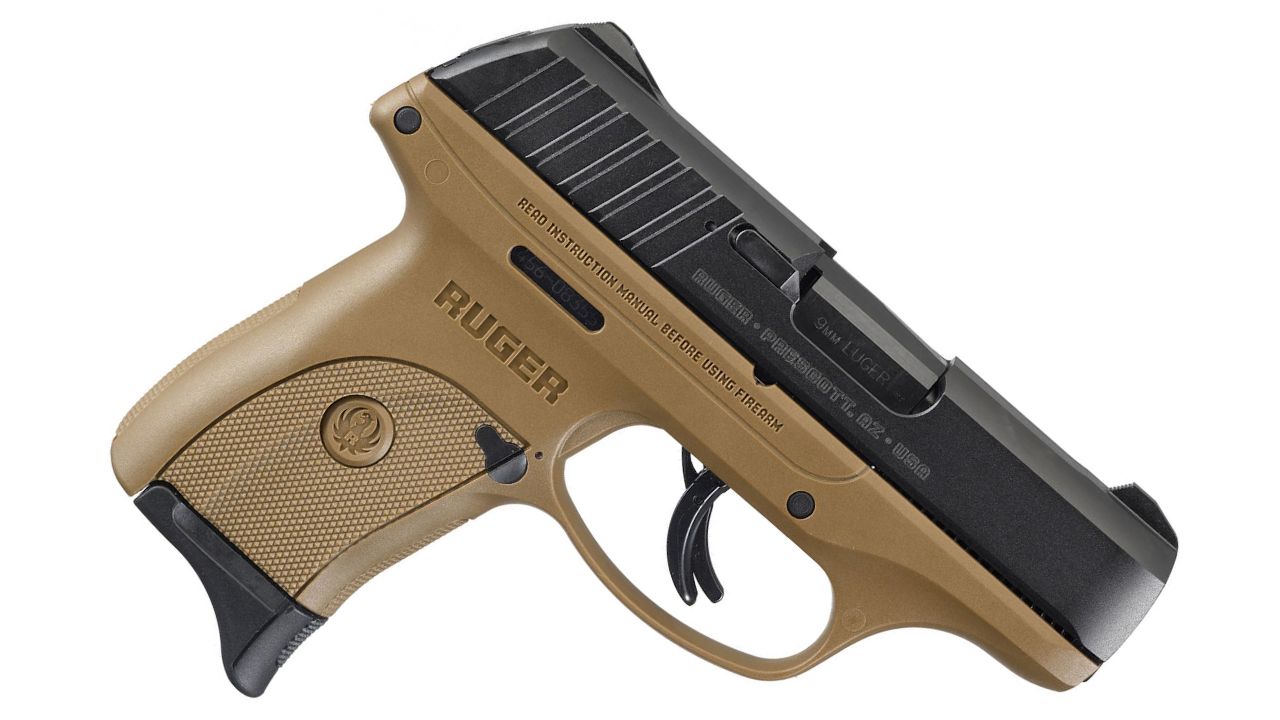
The Ruger EC9s looks like an ideal starter pistol because it is slim, easy to carry, and priced low enough to feel accessible. It gives beginners a recognizable centerfire option without the bulk of a larger compact, and that makes it sound like a smart compromise. A lot of new shooters see it as practical and straightforward. It is not intimidatingly large, and it does not demand a huge budget.
The downside is that it can teach a beginner to normalize struggle. The slim grip and small footprint make the pistol less forgiving than it first appears, and new shooters often respond by tightening too much and trying to overpower the gun. That builds poor recoil habits quickly. When sight tracking gets harder, they may also start firing the next shot based on hope instead of actual visual confirmation. Those are exactly the kinds of shortcuts that get wired in early. The EC9s can work, but it often gives a beginner too little room to make mistakes and correct them cleanly.
Kahr CM9

The Kahr CM9 seems beginner-friendly because it is compact, slim, and mechanically straightforward. Many first-time buyers like how discreet it feels in the hand and how easy it seems to carry compared with larger pistols. The smooth outline and modest size make it look approachable, and the long trigger stroke can even sound reassuring to people who think a heavier pull automatically means safer ownership.
That same trigger can build bad habits fast if it is the first thing a new shooter learns on. A long, rolling press can encourage people to rush the end of the trigger travel instead of learning steady pressure and clean follow-through. Combined with the small grip and compact sight radius, that often leads to dipping shots, tightening fingers, and inconsistent placement. Beginners may think they are simply “not good yet,” when the truth is they are learning on a pistol that hides mistakes until they are already becoming routine. That is a rough way to start.
Ruger LCR in .357 Magnum

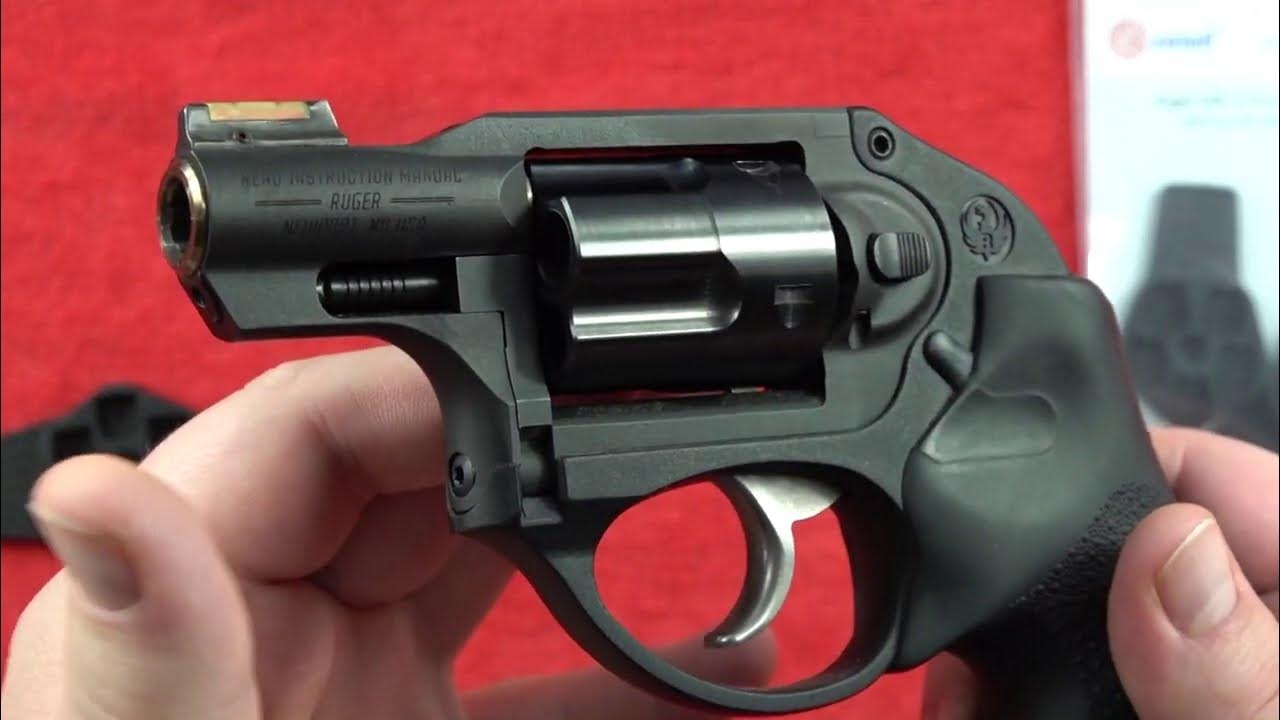
The Ruger LCR in .357 Magnum can fool beginners because revolvers often look simpler than semiautos. New shooters see the basic manual of arms and assume that means easy learning. The LCR also has a good trigger for its class, which makes it seem more approachable than older snub-nose revolvers. Add the .357 chambering, and many buyers convince themselves they are buying room to grow into more power later.
What they often get instead is a revolver that teaches them to fear recoil early. In a lightweight snub, magnum recoil is sharp enough to make many experienced shooters back off, so a new shooter can start flinching almost immediately. Even if they switch to .38 Special later, the anticipation may already be there. The small grip and short sight radius only make that worse. A revolver can be a fine first gun, but a light .357 snub is one of the fastest ways to build tension, flinch, and avoidance instead of confidence.
North American Arms Mini-Revolver
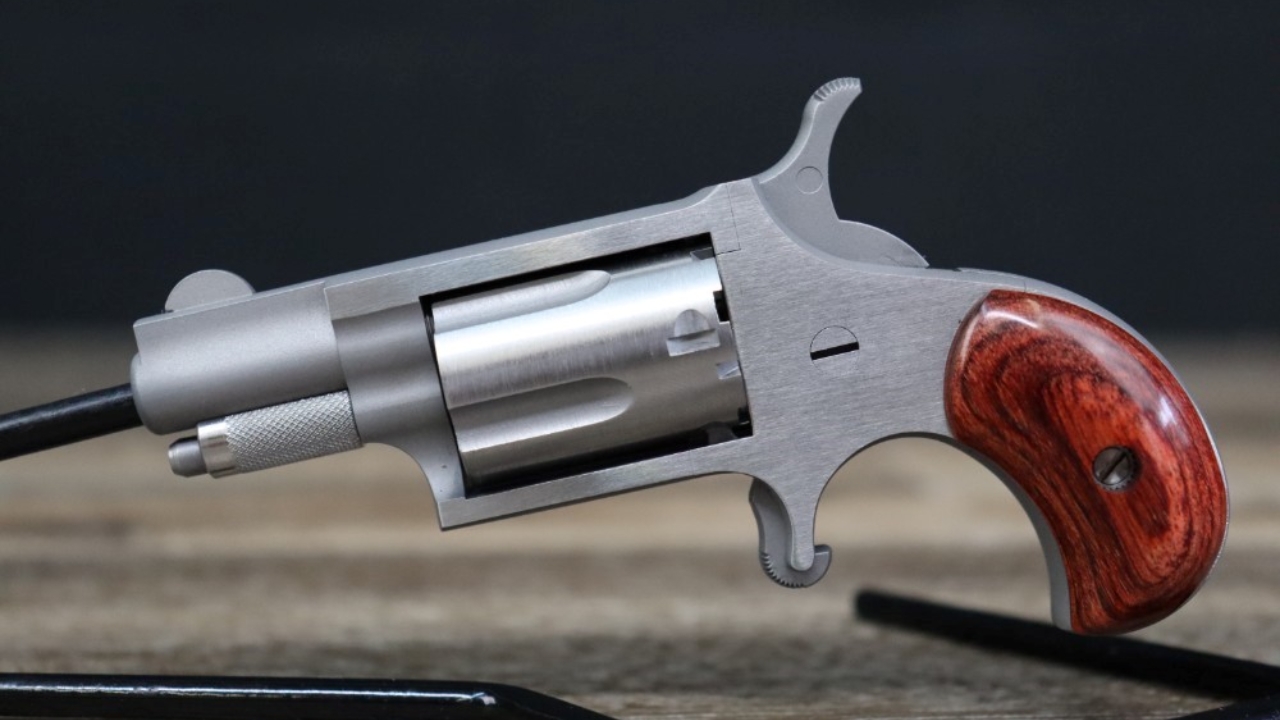
The North American Arms Mini-Revolver can look beginner-friendly because it is tiny, mechanically simple, and seems unintimidating at first glance. A lot of new shooters see the size and assume it must be easy to handle. It looks almost harmless compared with full-size handguns, and that appearance can create a false sense that it is a good place to start learning basic shooting and gun handling.
In reality, it can teach nearly every wrong lesson at once. The grip is so small that a beginner cannot build normal control habits, the sights are minimal, and the loading and handling process is far removed from what most handguns require. That means the shooter is not learning transferable fundamentals. They are learning how to wrestle with a novelty-sized gun. It can also encourage a casual attitude because the gun seems so small. That is a bad road. Tiny size does not make a firearm beginner-friendly. It often makes it much harder to learn correctly.
Beretta 21A Bobcat
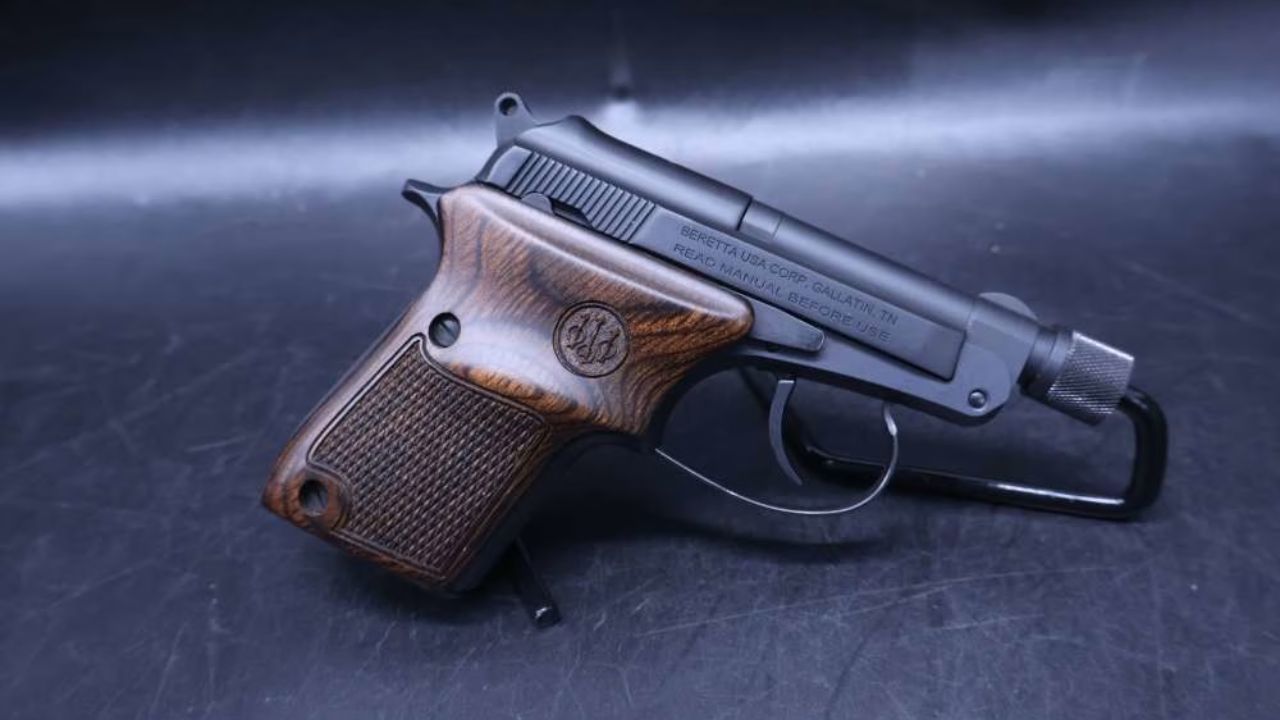
The Beretta 21A Bobcat looks approachable because it is small, chambered in .22 LR or .25 ACP depending on version, and carries a friendly little profile that makes it seem less serious than larger pistols. For a beginner, that can feel comforting. The tip-up barrel also sounds like a convenient feature, which adds to the idea that this is an easy handgun to own and shoot without much fuss.
The problem is that small pistols in tiny calibers still bring small-pistol drawbacks. The short grip, small sights, and tiny controls can make beginners start chasing the gun instead of learning solid handling habits. Because the recoil seems mild, new shooters may also start getting lazy with grip and follow-through, then carry those sloppy habits into larger pistols later. A small rimfire or pocket gun can be fun, but if it is your foundation, it can teach you that loose control and casual technique are acceptable when they really are not.
Walther P22
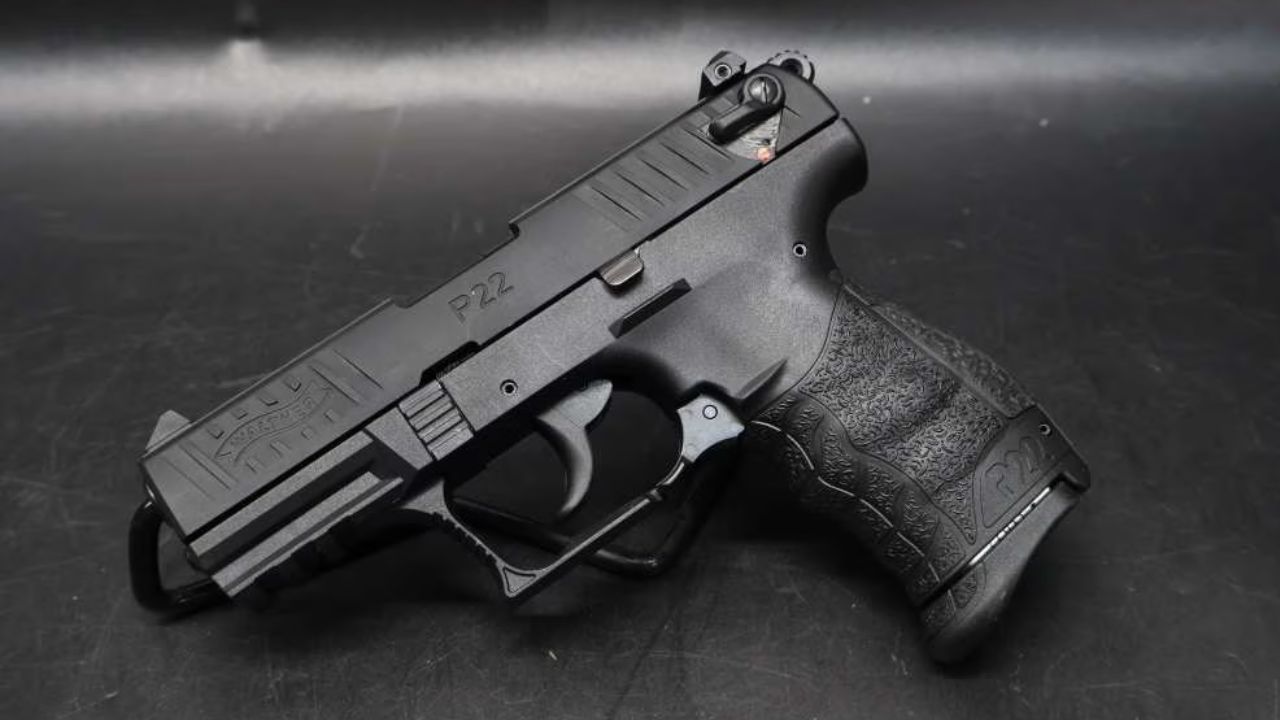
The Walther P22 gets sold as beginner-friendly because it is a rimfire pistol with light recoil, easy handling, and a size that feels less intimidating than a full-size handgun. That sounds ideal for a first range gun. New shooters hear “.22” and assume it will let them build confidence without fear of recoil, and in some ways that is true. A lighter-shooting pistol can be very useful for learning.
The issue is that a small, lightweight rimfire like this can teach poor habits if it becomes your only baseline. Beginners may get used to a tiny grip, minimal recoil, and a very relaxed shooting rhythm that does not translate well when they move to centerfire guns. They can also develop lazy grip pressure and weak follow-through because the pistol does not punish those mistakes much. A .22 has value as a trainer, but a compact rimfire that feels more like a toy than a duty-sized handgun can build habits that fall apart the minute recoil becomes real.
Kel-Tec P-3AT
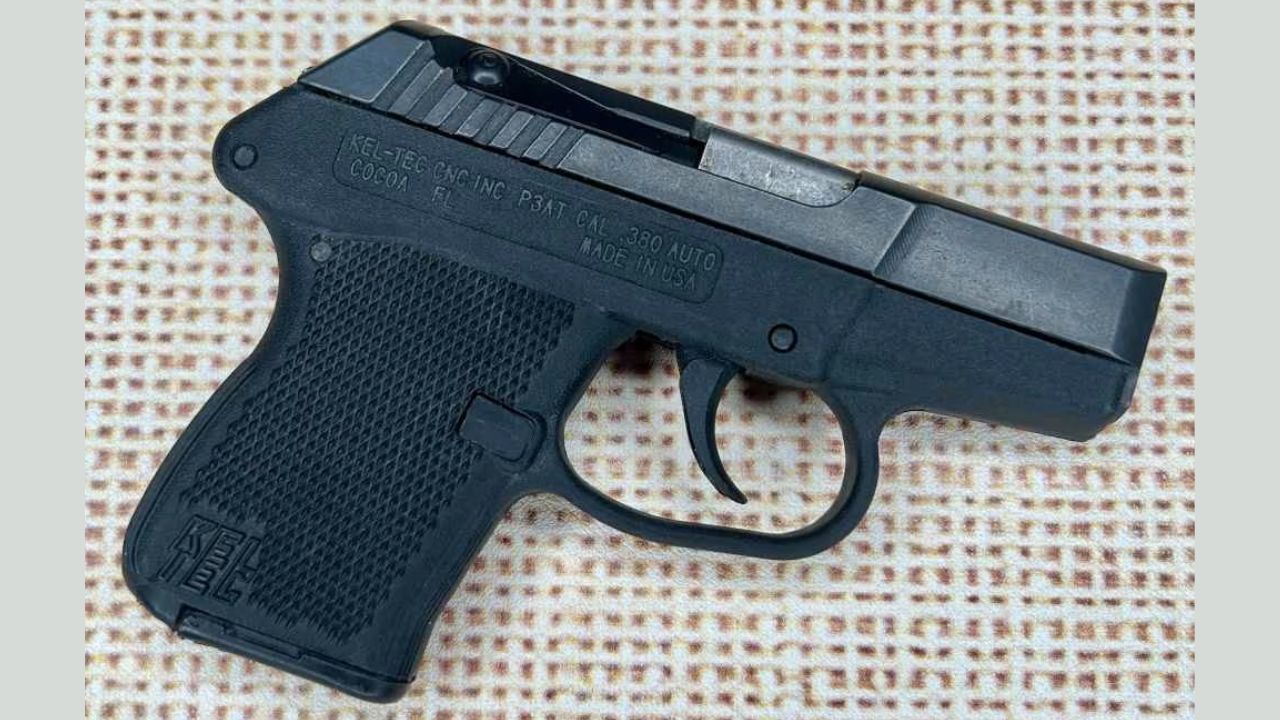
The Kel-Tec P-3AT seems beginner-friendly because it is tiny, light, and chambered in .380 ACP, which many first-time buyers assume means mild shooting. It also tends to be looked at as a “carry-first” answer that can double as a starter pistol. That line of thinking is common with very small handguns. If it is easy to carry and simple enough to understand, it must be a reasonable place to begin.
In practice, it often teaches the exact opposite of what a new shooter needs. Small grip area, sharp recoil for the size, and minimal sights can create a cycle where the shooter braces for the shot, grips too hard, and never develops clean visual patience. They may also begin to think discomfort is simply part of shooting handguns well, which leads them to practice less. That is one of the worst beginner habits of all. A first pistol should encourage reps, not teach you to dread them.
Glock 26

The Glock 26 looks beginner-friendly because it carries the dependable Glock name in a shorter, easier-to-conceal package. It feels sturdy, simple, and more substantial than many slim micros, which gives new shooters confidence. A lot of people assume it is the perfect starter because it seems like a compact version of a proven full-size formula. That is a reasonable thought at first glance.
The issue is that the short grip can teach beginners to accept compromised control too early. Because the frame does not give many hands a full purchase, new shooters often end up shifting their grip during recoil, then unconsciously adjusting between shots. That builds inconsistency fast. They may also learn to rush their trigger press to “keep up” with the gun instead of building a steady cadence. The Glock 26 is a capable pistol, but as a first teacher, it can push a beginner toward adapting around limited grip real estate instead of learning on something that rewards cleaner technique.
Smith & Wesson 642 Airweight

The Smith & Wesson 642 Airweight seems beginner-friendly because it looks uncomplicated. No slide, no magazine, no external hammer to snag, and a lightweight frame all make it appear like an easy handgun to understand. A lot of first-time owners find that appealing. The idea of a simple revolver with no major controls to manage feels less intimidating than learning a semiauto from scratch.
Where it goes wrong is in the actual shooting. The heavy trigger, small sights, and light weight can make the revolver much harder to shoot well than beginners expect. That often leads to staging the trigger badly, yanking through the break, and bracing for the recoil before the shot even goes off. Because the gun is simple mechanically, new shooters may blame themselves instead of recognizing that the platform is demanding. The 642 is a useful tool in the right hands, but it can build flinch and poor trigger habits very quickly when it becomes somebody’s first real handgun teacher.
Like The Avid Outdoorsman’s content? Subscribe to our newsletter so you never miss an article.
Here’s more from us: