Photo credit: 1957Shep/YouTube
A lot of firearms become classics quietly. They do not always show up with a dramatic launch, huge ad push, or instant collector buzz. Some start out as working guns, duty pistols, or plain commercial models that do their jobs well while flashier guns pull the attention. Then time does what time usually does: it strips away trend, rewards durability, and makes the market admit which designs really mattered. That is how a lot of true classics are made.
What usually changes is not the gun itself. It is the way buyers finally see it. A pistol or revolver that once looked ordinary starts getting re-evaluated for reliability, balance, shootability, parts support, or simple staying power. By the time many buyers realize what they are looking at, the firearm has already earned its place. These are the guns that were classic before most people caught up.
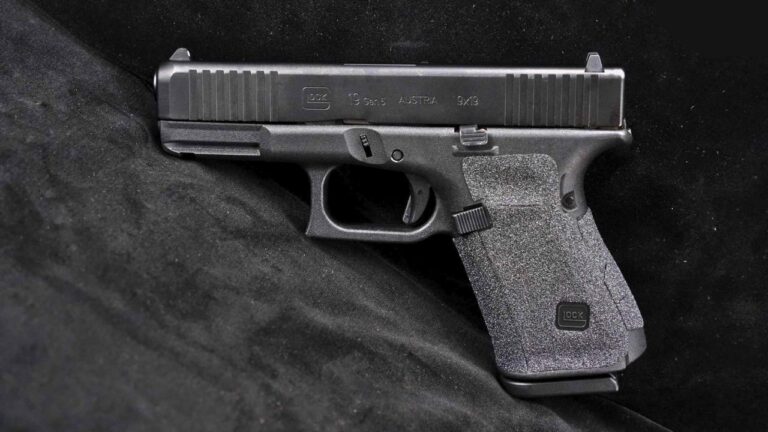
Glock 19

The Glock 19 became a classic the slow, practical way. It did not need mystery or polish to get there. It simply filled one of the hardest roles in the pistol world better than most guns around it. It was compact enough to carry, large enough to shoot well, and simple enough to keep running without much drama. Glock still frames it as the all-around talent, and that description fits because the design kept proving itself in more than one role.
A lot of buyers did not fully appreciate that balance at first because the pistol looked plain beside more eye-catching guns. But the longer the market kept cycling through trends, the more the Glock 19’s middle-ground usefulness stood out. That is usually the sign of a real classic. The gun keeps making sense after newer launches stop feeling new. The Glock 19 did not become important because it was exciting. It became important because it kept being the practical answer.
Beretta 92FS

The Beretta 92FS was already becoming a classic while a lot of buyers still treated it like a large, older-style service pistol that had simply hung around too long. That missed the point. The gun’s size, smooth shooting character, and long service background gave it a kind of staying power that does not depend on fashion. It was built in a form that made sense for serious use, and that foundation kept it relevant long after slimmer and louder pistols came along.
For years, plenty of buyers focused on what it was not. It was not the thinnest carry gun, not the newest action type, and not the trendiest thing in the case. But once the market had enough distance to judge it honestly, the strengths became harder to ignore. The 92FS remained controllable, durable, and mature in a way many “modern” pistols never quite managed. By the time some buyers noticed, the gun had already earned classic status through years of steady proof.
SIG Sauer P226

The SIG Sauer P226 built its reputation in a way classics usually do: it earned trust first and wider admiration later. It came in as a full-size service pistol with real seriousness behind it, and SIG’s own company history ties its rise to the late 1980s, when the P226 entered the market and quickly established itself as more than a side note. It was not a novelty gun. It was a hard-use pistol that got respected by the people who actually ran guns for a living.
That kind of beginning matters. A lot of buyers notice a pistol after the reputation is already built, not while it is being built. The P226 was one of those guns. For a long time, it sat there looking like an expensive metal-frame service pistol while flashier designs pulled the early attention. Then the market looked back and realized the thing had already become one of the benchmark fighting pistols of its era. At that point, “classic” was simply catching up to what the gun had already proven.
CZ 75

The CZ 75 had classic bones from the beginning, even when much of the American buying public had not fully caught on. Introduced in the mid-1970s, it brought a high-capacity all-steel format, strong ergonomics, and a design that would end up influencing generations of later pistols. That kind of platform does not stay relevant for decades by accident. It does it by getting the fundamentals right before the market fully understands what it is looking at.
For years, the CZ 75 lived in that space where serious shooters knew, but the broader market was distracted by louder names. It was respected, but not always fully appreciated. Then time kept doing its work. More shooters got behind one, more clones and descendants showed up, and the original started getting judged by what it actually offered instead of how much ad space it had. By then, the pistol had already crossed the line into classic territory. Most buyers were simply late to the realization.
Browning Hi-Power

The Browning Hi-Power became a classic so early that later buyers sometimes forget how long it had already been earning that title before they ever paid attention. It had military and police use across much of the world, strong magazine capacity for its era, and a grip profile that still feels “right” in a way many newer pistols are still trying to copy. That kind of broad, long service life is one of the clearest markers a pistol can have.
What kept many buyers from noticing right away was that the Hi-Power eventually began to look old-fashioned next to polymer pistols and newer high-capacity service guns. But being visually older and being less important are not the same thing. The design had already done enough, influenced enough, and lasted long enough to earn its place. By the time a lot of commercial buyers started “rediscovering” it, the Hi-Power was not becoming a classic. It had already been one for a very long time.
HK USP

The HK USP was one of those pistols that quietly built a classic reputation while other guns got more immediate attention for being slimmer, prettier, or more aggressively marketed. HK describes the USP as a pistol that quickly found international acclaim as an accurate and ultra-reliable handgun, and that tracks with why it has aged so well. The design was built around durability and longevity, not around looking cutting-edge for a short window.
That matters because classics usually become classics by continuing to make sense after the first wave of excitement dies. The USP did exactly that. It never needed to be the flashiest gun on the shelf. It needed to keep running, keep holding up, and keep earning trust from people who used it hard. By the time many buyers started seeing it as one of the defining pistols of its era, the USP had already spent years proving it in the background.
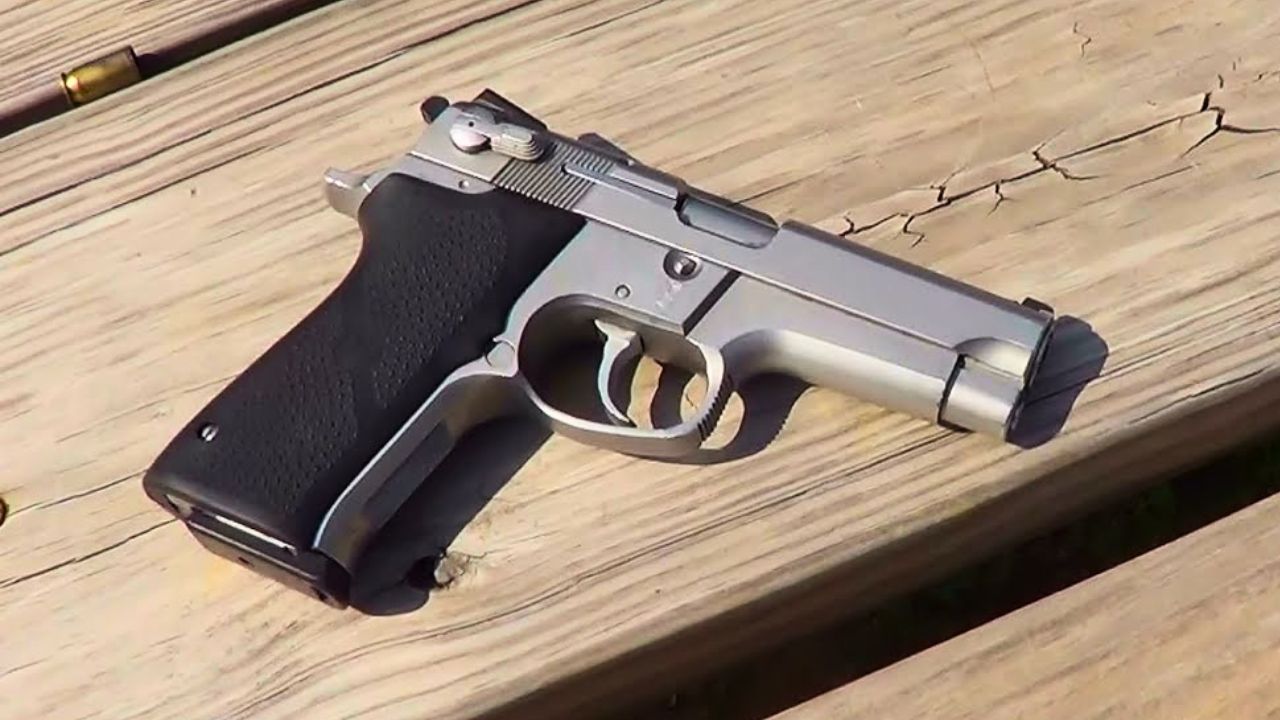
Smith & Wesson 5906

The Smith & Wesson 5906 is a textbook example of a firearm that was a classic long before the broader market treated it like one. It came from Smith’s Third Generation line, and by the late 1980s it was already part of a serious duty-pistol family built around durability, metal-frame heft, and long service life. The 5906 was never subtle about what it was: a working gun built to put in years.
The reason many buyers missed it is simple. For a long stretch, pistols like the 5906 looked too plain and too heavy next to newer polymer guns. They seemed like yesterday’s answer, until people started looking back and realizing how well those “old” guns had actually worn. Once the market began rediscovering solid stainless duty pistols, the 5906 finally got the credit it had earned years earlier. That is classic behavior. The gun did the hard part first, and the admiration came later.
Smith & Wesson 3913

The Smith & Wesson 3913 was ahead of more buyers than it gets credit for. It offered a slim, compact, metal-frame 9mm format that made real sense for carry long before today’s market became obsessed with practical concealed-carry pistols. It was not trying to be flashy. It was trying to be useful, durable, and easy to live with. That usually reads as “underrated” at first and “classic” later.
What kept it from instant broader recognition was that it arrived in a market that often paid more attention to size extremes or new materials than to thoughtful balance. The 3913 was neither oversized nor gimmicky, so a lot of buyers simply overlooked it. Then, as people started revisiting smart carry designs, the gun’s strengths became much easier to see. By then, the 3913 had already spent years proving the same point: a mature design can become a classic in plain clothes while buyers are still looking for something louder.
Beretta PX4 Storm

The Beretta PX4 Storm is one of the clearest modern examples of a gun that was better than its first impression in the market. A lot of buyers looked at the shape, the styling, or the rotating-barrel system and treated it like an oddball. Meanwhile, the actual platform kept building a record for durability and real-world usefulness. Beretta has pointed to exceptionally high round-count endurance in the PX4 line, and that kind of staying power tends to age very well.
That is how quiet classics often happen. The gun gets underestimated because it does not fit the current fashion, but it keeps solving practical problems long enough that shooters circle back and take a second look. The PX4 did exactly that. It spent years being treated like a strange alternative when it was actually a very smart service pistol. By the time many buyers started appreciating it, the platform had already earned more respect than the early conversation gave it.
Ruger P89

The Ruger P89 became a classic in the same way some old trucks do. Nobody bought it because it was pretty. They bought it because it was there, it was rugged, and it kept doing the job. That kind of blue-collar reputation is easy to underestimate when a gun is current, because it can make the firearm seem ordinary. But “ordinary” and “lasting” often overlap more than the market likes to admit.
For years, the P89 was joked about for being bulky and plain. That kept a lot of buyers from understanding what it was really becoming. It was quietly building the kind of reputation that only comes from surviving abuse and staying useful after the more fashionable guns lose their shine. Once people started looking back at the P-series with more honesty, the P89 began getting treated less like a punchline and more like what it had already become: one of those rugged, unglamorous pistols that earned classic status the slow way.
Glock 17

The Glock 17 did not become a classic because people suddenly decided it was one. It became a classic because it changed the direction of the service-pistol market early, then stayed relevant long enough that the industry had to keep reacting to it. Glock’s own history places the birth of the platform in the early 1980s, and that launch set off a shift in how duty pistols were built, sold, and judged. That kind of influence is classic-making material from the start.
What many buyers missed at first was just how foundational it would become. At launch, it looked unconventional. To plenty of traditional shooters, it looked strange, even suspect. But while the early arguments were still happening, the Glock 17 was already rewriting expectations around weight, simplicity, and maintenance. By the time most buyers fully accepted what it was, the gun had already crossed over from “new idea” to “defining design.” It was classic before the argument had even ended.
SIG Sauer P229

The SIG Sauer P229 became a classic by doing something harder than simply being new: it took a respected service-pistol formula and made it more compact without making it feel like a cut-down compromise. That is one of the reasons it has stayed so respected. It carried much of the P226’s seriousness into a smaller package, which gave it a kind of long-term usefulness that does not depend on buzz.
A lot of buyers do not realize how quickly that sort of balanced design earns permanent value. The P229 never needed to be radical to matter. It needed to be durable, credible, and proportioned well enough that it stayed useful after the market moved on to other trends. That is exactly what happened. While flashier compact pistols came and went, the P229 kept holding its ground. By the time many buyers noticed how enduring it was, the pistol had already established itself as a classic service-grade compact.
HK P30
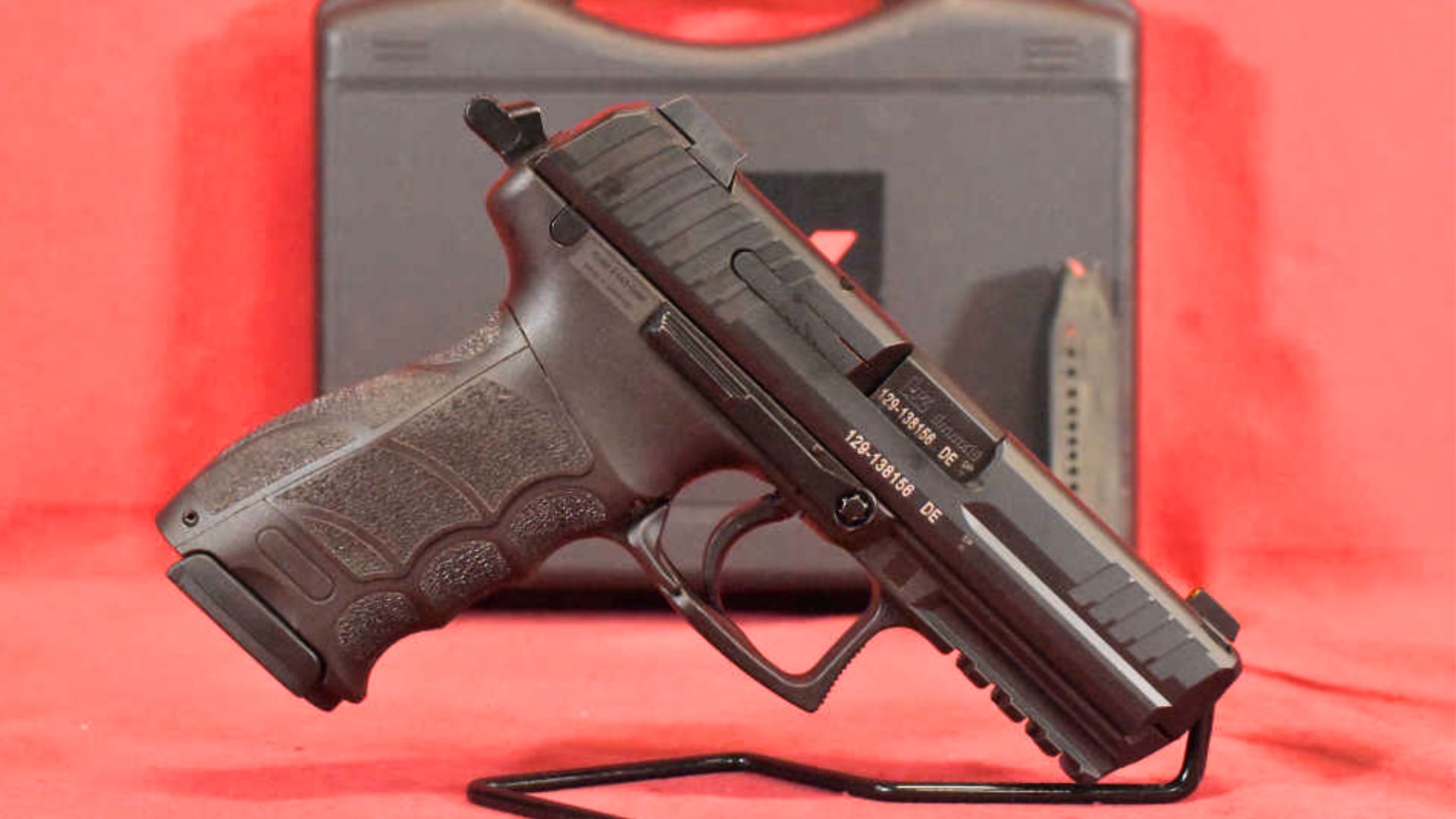
The HK P30 is one of those pistols that can be easy to underrate at first because it does not come across like it is begging for attention. What it actually offers is thoughtful ergonomics, adaptable controls, and a serious hammer-fired service layout that still makes sense years after launch. HK continues to emphasize its options for ergonomics and carry setup, and that kind of design flexibility tends to age much better than surface-level novelty.
For a long time, the P30 lived slightly behind the louder conversations in the handgun market. It was respected, but often not centered. Then the market started thinning out its interest in mature hammer-fired pistols, and the guns that remained began standing out more clearly. The P30 was one of them. By the time more buyers started talking about it as one of the enduring modern hammer guns, it had already spent years quietly becoming exactly that.
Walther P99

The Walther P99 became a classic in a way a lot of transitional designs never do. It arrived at a moment when service pistols were changing fast, and instead of getting lost in that shift, it helped define part of it. It pushed Walther into a more modern era, and even after production eventually ended, the gun’s influence and reputation kept it relevant in conversations about modern duty pistols. That is a strong sign the design mattered beyond its sales moment.
What many buyers missed while it was current was how well it balanced innovation with practicality. The P99 did not need to scream for attention because the design itself carried enough intelligence to last. Then, after newer releases came and went, people started looking back and realizing the pistol had been more important than it got credit for in the moment. That is the sort of re-evaluation real classics tend to survive. The P99 aged into its reputation because the design had substance underneath the timing.
Colt Government Model 1911
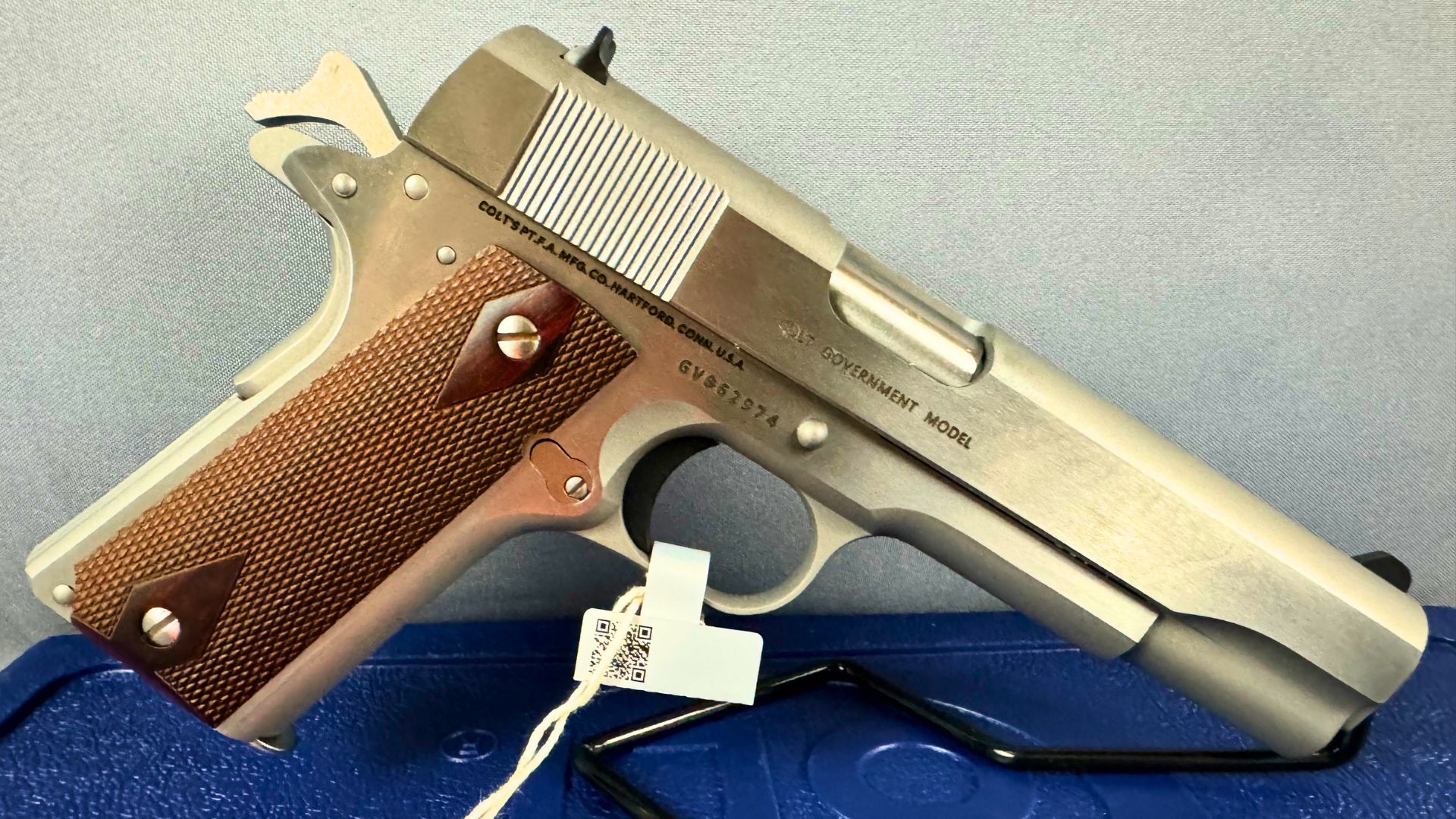
The Colt Government Model is almost the definition of a firearm that became a classic before most buyers noticed, largely because it happened so long ago that the process now feels inevitable. But it was not inevitable at the time. The design became enduring because it worked, kept working, and remained coherent enough that later generations still found reasons to keep it in production and in use. That is how classics are built: through continued relevance, not automatic legend.
What matters here is that the Government Model did not become a classic only because it was old. It became one because the platform kept making sense. The trigger, the slim profile, the shootability, and the overall feel stayed useful through era after era. While newer pistols kept trying to replace it completely, the design kept refusing to become irrelevant. By the time many buyers finally understand why the 1911 remains what it is, they are really just arriving late to a decision the market made generations ago.
Colt Detective Special

The Colt Detective Special is one of those handguns that was smarter than the market fully appreciated at first. It delivered a true concealment-sized revolver with serious defensive purpose long before the modern concealed-carry world turned compact handguns into a huge commercial category. That kind of foresight often goes unnoticed in the moment because buyers tend to understand a design more clearly after the rest of the market catches up to the problem it was solving.
For years, the Detective Special was often treated like “just” an old snub with Colt history attached. That shortchanged what it had already become. It had practical dimensions, real-world purpose, and an influence that outlasted far flashier carry guns. Once more buyers began looking back at older carry revolvers with clearer eyes, the Detective Special started getting recognized for what it had been all along: an early classic that was doing modern-feeling work before most people knew how to value it.
Smith & Wesson Model 10

The Smith & Wesson Model 10 became a classic so gradually that many people missed the exact moment it happened. It was everywhere for so long that its quality became easy to overlook. Police departments used it, security guards carried it, families kept it in drawers and closets, and gun shops treated it like a permanent fixture. That kind of familiarity can hide importance because the gun feels too common to be special.
But common and classic are not opposites. In the Model 10’s case, the very fact that it served so widely and so long is part of why it became one. It was balanced, dependable, and straightforward in a way that defined what a service revolver looked like for generations. By the time buyers started re-evaluating older Smith revolvers as foundational American handguns, the Model 10 had already been a classic for years. Most people were simply too used to seeing it to notice.
Like The Avid Outdoorsman’s content? Subscribe to our newsletter so you never miss an article.
Here’s more from us: