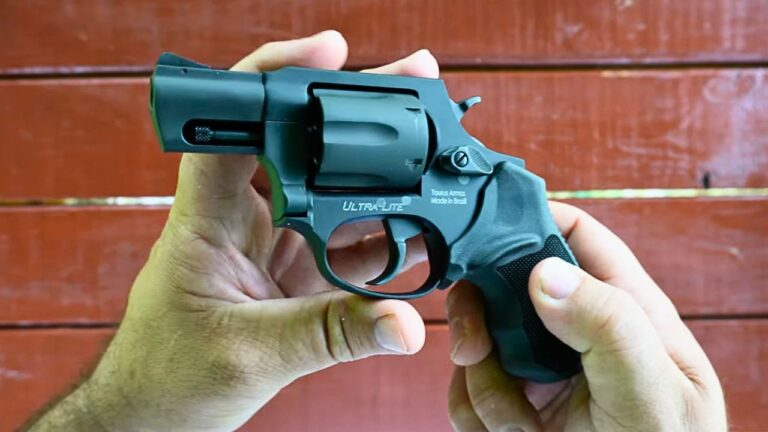
Photo credit: Gun Fanatics/YouTube
When you talk “stopping power” on deer, most folks picture bigger cases and louder muzzle blast. The truth is, meat damage usually comes from the wrong kind of speed and the wrong kind of bullet, not from a cartridge being “too effective.” High-impact velocity with a fragile bullet can turn a clean broadside into soup around the shoulder. On the flip side, a steady cartridge with a controlled-expansion bullet can hit hard, exit reliably, and leave you with a short tracking job and a freezer full of good cuts.
If you want fast kills without wrecking meat, you’re really chasing a balance: enough diameter and weight to punch through, enough energy to disrupt the vitals, and a bullet that expands without grenading. You also want a cartridge that’s easy to shoot well from real field positions, because recoil and bad form can ruin more hunts than any caliber ever will. These are calibers that hit with authority, stay practical, and keep damage reasonable when you pick smart bullets and don’t drive them at silly speeds.
.308 Winchester

The .308 is hard to beat for clean kills without excessive bloodshot meat. It hits with real authority on deer-sized game, and it does it at velocities that play nicely with controlled-expansion bullets. You’re not relying on fireworks. You’re relying on penetration, a wide wound channel, and exits that leave an honest blood trail.
The meat-saver angle with .308 comes down to bullet choice and where you put it. A 150–165 grain bonded soft point or a quality copper bullet tends to open reliably without coming apart. Keep it off the heavy shoulder if you can, and you’ll usually find damage stays tight around the ribs. You get quick results without turning the front quarter into trim.
.30-06 Springfield
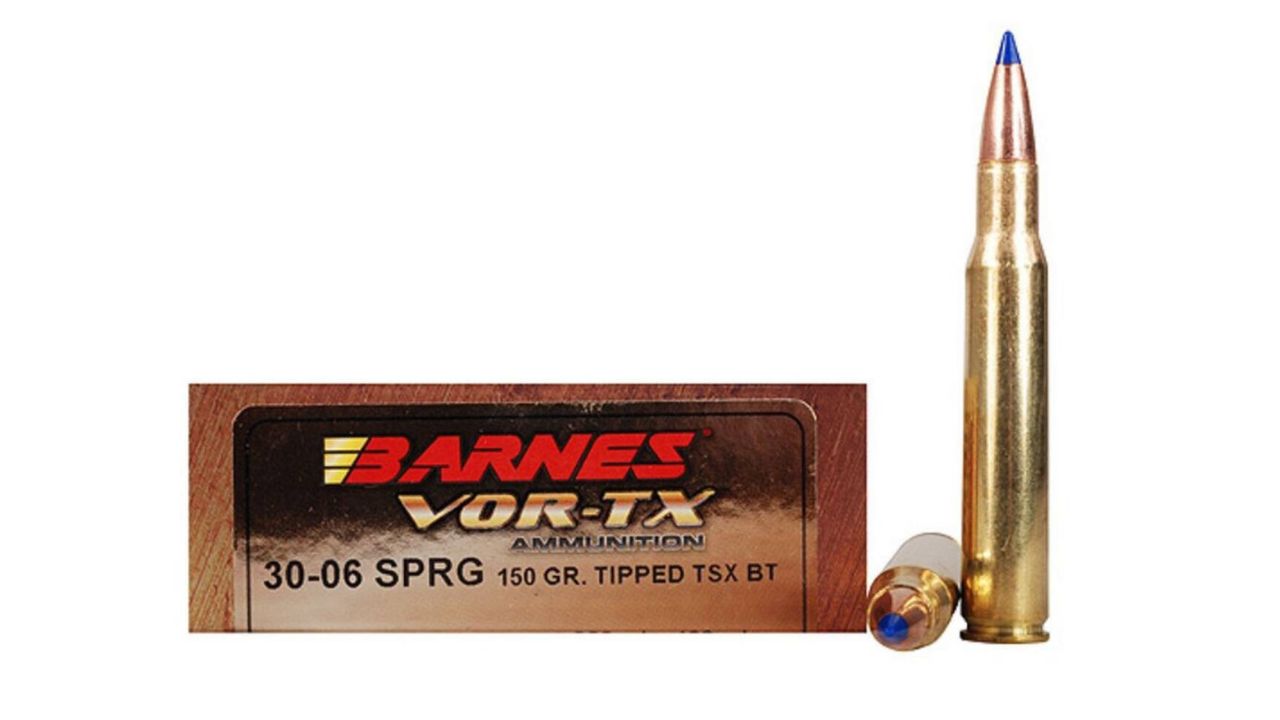
The .30-06 can do everything a deer hunter asks, and it can do it without ruining the animal when you keep it sensible. Yes, it can be loaded hot, but it doesn’t need to be. With common 150–180 grain bullets, it hits hard, penetrates deep, and usually exits.
The reason it stays “meat-friendly” is that you can match bullet construction to the job. A 165 grain bonded bullet is a great middle ground: enough weight to hold together, enough expansion to drop deer fast, and not so violent that it destroys half the shoulder. It’s also widely available, which matters when you want consistent performance year after year.
7mm-08 Remington
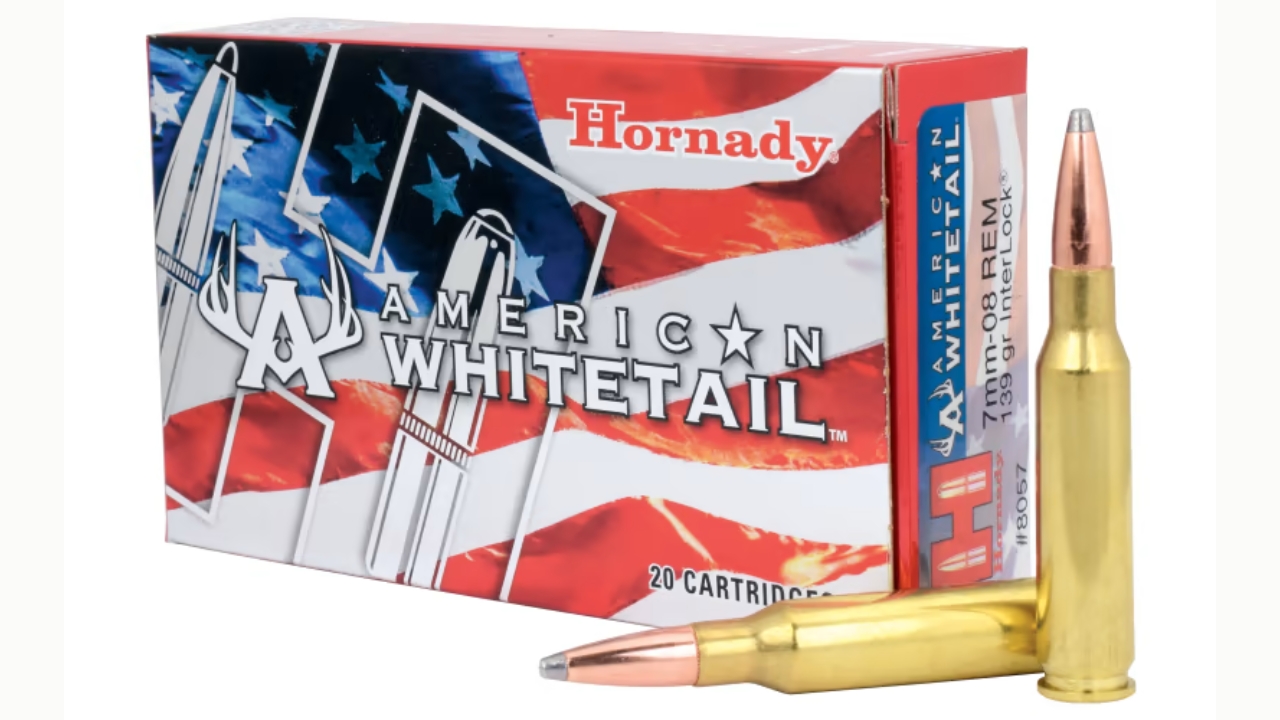
The 7mm-08 is one of the best “easy to shoot well” deer cartridges that still hits like it means it. Recoil stays mild in real hunting rifles, but it drives a streamlined bullet with excellent sectional density. That combination tends to give you deep penetration and reliable exits without dramatic blowup.
For meat preservation, the 7mm-08 shines with 140–150 grain controlled-expansion bullets. You get quick internal damage in the chest cavity, but you usually don’t see the ugly, wide bloodshot zones that can happen with lighter, faster setups. It’s a cartridge that makes field accuracy easier, and that alone saves more meat than any marketing claim about power ever will.
.270 Winchester

The .270 has been dropping deer cleanly for generations, and it can do it without turning shoulders into hamburger—if you avoid fragile varmint-style bullets and lean on proven hunting designs. With 130–150 grain bullets, it carries flat trajectory and hits with more authority than its recoil suggests.
The key is controlling how it expands. A tougher 130 or a bonded 140 is a great place to live. You get fast upset in the ribs, good penetration through the vitals, and an exit more often than not. Keep your shots out of the on-shoulder knuckle, and meat damage usually stays confined to a manageable area around the wound channel.
6.5 Creedmoor

The 6.5 Creedmoor gets called “small” until you’ve watched what a good 140-class hunting bullet does through the lungs. It penetrates extremely well for its diameter, and it tends to produce tidy wound channels with consistent exits on deer. That’s exactly what you want when you care about meat.
With 6.5, bullet choice matters more than raw velocity. A controlled-expansion 120–143 grain bullet gives you reliable opening without the dramatic fragmentation that creates wide bloodshot areas. The recoil is friendly, so you’re more likely to make a clean hit from awkward field positions. A clean hit and a controlled bullet is the recipe for short recoveries and clean quarters.
.260 Remington

The .260 Remington is the quiet achiever in the 6.5 world. It gives you the same basic terminal advantages—high sectional density, straight penetration, and predictable performance—without needing to be pushed hard. On deer, it tends to hit above its paper numbers when bullets are built for hunting.
It’s also a cartridge that helps you avoid overreaction at the trigger. Recoil stays manageable, so you’re less likely to yank a shot or slap a trigger under pressure. Run a 120–140 grain bonded or copper bullet, aim for ribs, and you’ll typically get a neat entrance, a solid internal wound, and an exit that makes tracking simple. The result is dead deer and less waste.
.257 Roberts

The .257 Roberts is a classic deer cartridge that still makes a lot of sense when you want effectiveness without mess. It delivers enough velocity for dependable expansion, but it’s not a high-strung overbore round that blows up light bullets at close range. When you feed it a proper hunting bullet, it kills clean and keeps damage reasonable.
Where the .257 shines is with 110–120 grain controlled bullets. You get a flatter trajectory than many “woods” rounds, recoil that stays pleasant, and terminal performance that doesn’t rely on shock alone. Keep your shot through the ribs and you’ll often find the bloodshot zone is small and predictable. It’s a cartridge that rewards calm shooting and smart bullet choices.
.25-06 Remington

The .25-06 can be either a meat saver or a meat wrecker, depending on how you set it up. It’s fast, and speed is what punishes poor bullet selection. When you use tougher bullets and avoid shoulder impacts, it drops deer quickly while keeping damage from spreading farther than it needs to.
The smarter path is heavier-for-caliber bullets built to hold together—think 115–120 grain bonded or copper designs. That combo gives you reliable expansion while resisting the “splash” effect at close range. You get flat shooting for open country, and you still get enough penetration to exit the far side on broadside hits. Used correctly, it’s a very effective deer round that doesn’t have to ruin meat.
.300 Savage

The .300 Savage is one of the most practical deer cartridges ever made, and it stays overlooked. It hits hard, runs at moderate velocities, and tends to work beautifully with traditional cup-and-core hunting bullets. That moderate speed is part of why meat damage often stays under control.
With 150–180 grain bullets, you get solid penetration and a wide wound channel without the explosive close-range behavior that shows up in faster magnums. It’s especially good for hunters who value quick handling rifles and realistic distances. Put it through the lungs, and you’ll usually see short runs and easy blood trails. It’s proof that you don’t need extreme velocity to get fast, clean kills.
.30-30 Winchester

The .30-30 is still one of the best answers for close-to-midrange deer hunting where meat matters. It doesn’t rely on high velocity. It relies on a larger bullet, steady penetration, and damage that stays honest instead of violent. That’s why it’s filled so many freezers without turning shoulders into trim.
Modern ammo has extended its reach, but the real advantage is how forgiving it is on meat. With quality 150–170 grain soft points—or modern tipped hunting bullets designed for controlled expansion—you get a decisive hit and a wound channel that usually stays centered in the chest cavity. Keep it behind the shoulder, and you’re often cutting clean steaks instead of picking bloodshot fragments out of a front quarter.
.35 Remington

The .35 Remington has a reputation for putting deer down with authority, and it earns it. It throws a wider bullet at moderate speeds, which often means less bloodshot meat than faster, smaller bullets that fragment. You get a big, effective wound channel without a dramatic blast radius.
Loaded with 200 grain soft points or similar controlled bullets, it tends to penetrate straight and exit, even on quartering angles. That exit is your friend when tracking conditions aren’t perfect. It’s also a cartridge that stays comfortable to shoot in many hunting rifles, which helps you keep hits where they belong. You get fast kills, reliable penetration, and damage that usually stays localized around the path of the bullet.
.338 Federal

The .338 Federal is a sleeper for hunters who want more authority without stepping into hard-kicking magnum territory. It hits with real weight and diameter, but it operates at velocities that keep bullets from coming apart violently. That’s a great recipe for “stopping power” that doesn’t trash the whole front end.
With 180–200 grain bullets, it tends to drive deep, expand reliably, and exit often. That combination shortens tracking jobs and keeps the wound channel effective without unnecessary mess. It also performs well on bigger-bodied deer and tough angles where lighter rounds can leave you wanting more. Put it through the ribs and you’ll usually see quick results and manageable trimming, not a ruined quarter.
.45-70 Government (Modern Hunting Loads)
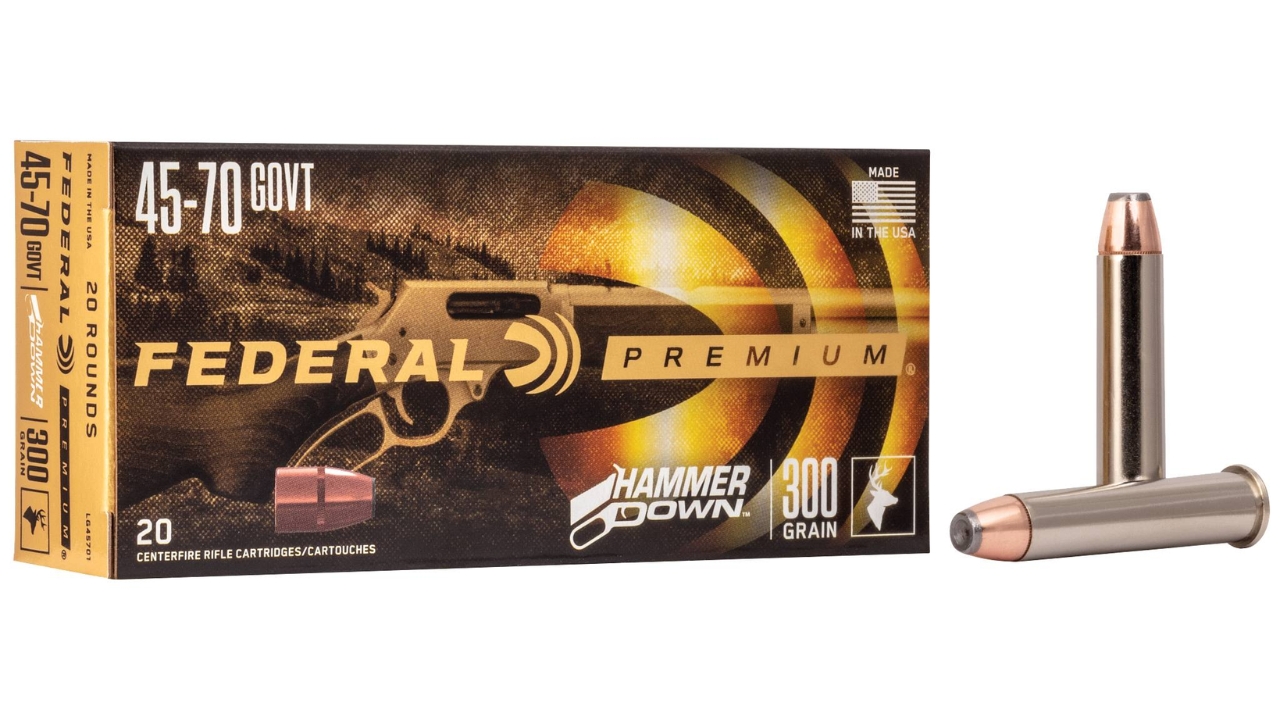
The .45-70 is a hammer, but it doesn’t have to be a meat grinder. In modern lever guns with sane hunting loads, it pushes a big bullet at moderate speed, which often means the damage stays more “crush” than “explosion.” That’s a helpful difference when you care about keeping shoulders intact.
Use a quality 300–405 grain hunting bullet designed to expand without shedding its guts, and you’ll get deep penetration and decisive internal damage. It’s especially effective in thick cover where shots are close and angles aren’t always perfect. The trick is avoiding thin-skinned hollow points meant for dramatic expansion. Keep the bullet controlled and the shot reasonable, and you’ll get quick recoveries with surprisingly clean meat.
6mm Creedmoor

The 6mm Creedmoor isn’t a traditional “stopping power” pick, but with the right hunting bullets it can drop deer quickly while keeping meat damage tight. It’s flat shooting, mild recoiling, and accurate in a wide range of rifles. That helps you place shots precisely from field positions, which is still the biggest meat-saver.
Where hunters go wrong is using thin match bullets or varmint bullets. Stick with purpose-built 90–105 grain controlled-expansion hunting bullets, and you get dependable penetration through the ribs with clean internal damage. On broadside deer, it can be impressively efficient without shredding the shoulder. It’s not the best choice for every angle, but for careful rib shots it’s very effective and often surprisingly clean.
.243 Winchester

The .243 has probably put more beginners onto clean deer kills than any cartridge in America, and it can be very meat-friendly when you feed it the right bullet. It doesn’t need heavy recoil to work. It needs a controlled hunting bullet placed through the ribs, where it can expand in the chest and avoid smashing dense bone.
Use 95–105 grain hunting bullets that are designed to hold together, and you’ll usually see fast kills with limited bloodshot waste. The .243’s big advantage is shootability. When you’re steady and confident behind the rifle, you make better hits—and better hits mean less trimming. It’s not the round you choose for bad angles and heavy shoulders, but for responsible shot selection it remains a clean, effective deer cartridge.
.280 Remington

The .280 Remington lives in that sweet middle ground where you get excellent penetration, good bullet weight, and enough speed for reliable expansion without needing to push into the violent end of the spectrum. It hits harder than many hunters expect, and it does it with recoil that stays manageable.
With 140–160 grain controlled-expansion bullets, it tends to drive through the vitals and exit, which is exactly what keeps tracking jobs short. Meat damage stays reasonable when you avoid the on-shoulder knuckle and let the bullet do its work through ribs and lungs. It’s also flexible: you can run lighter bullets for open country or heavier bullets for bigger deer without changing the character of the cartridge. It’s a practical killer that doesn’t need theatrics.
Like The Avid Outdoorsman’s content? Subscribe to our newsletter so you never miss an article.
Here’s more from us: