Photo credit: 411 Outdoors LLC/YouTube
A lot of gun buyers make the same mistake: they confuse a strong reputation with guaranteed performance. A model gets praised for years, picks up a loyal following, and starts being treated like it cannot fail. Then the real world steps in. Magazines wear, springs weaken, tolerances stack the wrong way, ammo preferences show up, and design shortcuts start mattering more than the sales pitch. Even very good guns can become disappointing once you put enough rounds through them or ask them to do more than casual range duty.
That does not mean every model on this list is junk. It means these are the guns people often buy expecting zero drama, only to learn that “reliable” still has limits. Sometimes the issue is sensitivity to ammo. Sometimes it is parts wear, magazine dependence, or a design that runs well until one small variable changes. If you know that going in, you can work around it. If you do not, the lesson usually comes at the range.
Remington 597

The Remington 597 looked like the kind of rimfire semi-auto that should have been an easy long-term winner. It had a decent feel, respectable accuracy in many examples, and enough aftermarket interest to make buyers assume it was a settled design. The trouble was that the platform often turned magazine quality into the deciding factor. When the magazine was right, the rifle could run well. When it was not, the whole experience could go sideways fast.
That is what caught people off guard. Buyers expected a .22 rifle they could feed cheaply and shoot casually without much thought. Instead, some learned that finicky magazine behavior, inconsistent reliability, and general sensitivity could make the rifle feel less trustworthy than its reputation suggested. The 597 had real potential, but a lot of owners found out the hard way that potential and dependable long-term simplicity are not the same thing.
Winchester 100

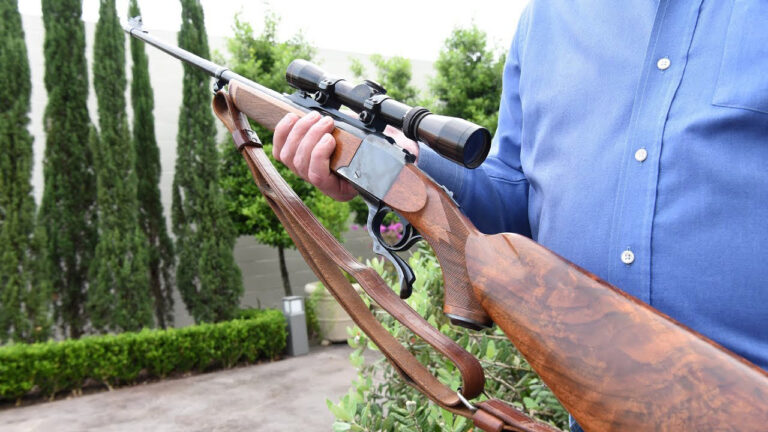
The Winchester 100 still has a following because it is trim, classy, and tied to a certain era of postwar American hunting rifles. A lot of buyers assume a rifle with that Winchester name and that much visual appeal must be a rock-solid old deer gun. The surprise comes when they learn that older autoloading sporting rifles can carry their own set of mechanical concerns, and age does not make those concerns disappear.
The Model 100 has long been associated with a firing pin issue serious enough to lead to a factory recall, which is exactly the kind of thing collectors and shooters need to remember before treating one as a worry-free field rifle. Even beyond that, older autoloaders demand more attention to condition, maintenance, and parts than many buyers expect. A rifle can look durable and still remind you that classic styling does not automatically mean modern reliability standards.
Marlin Model 60
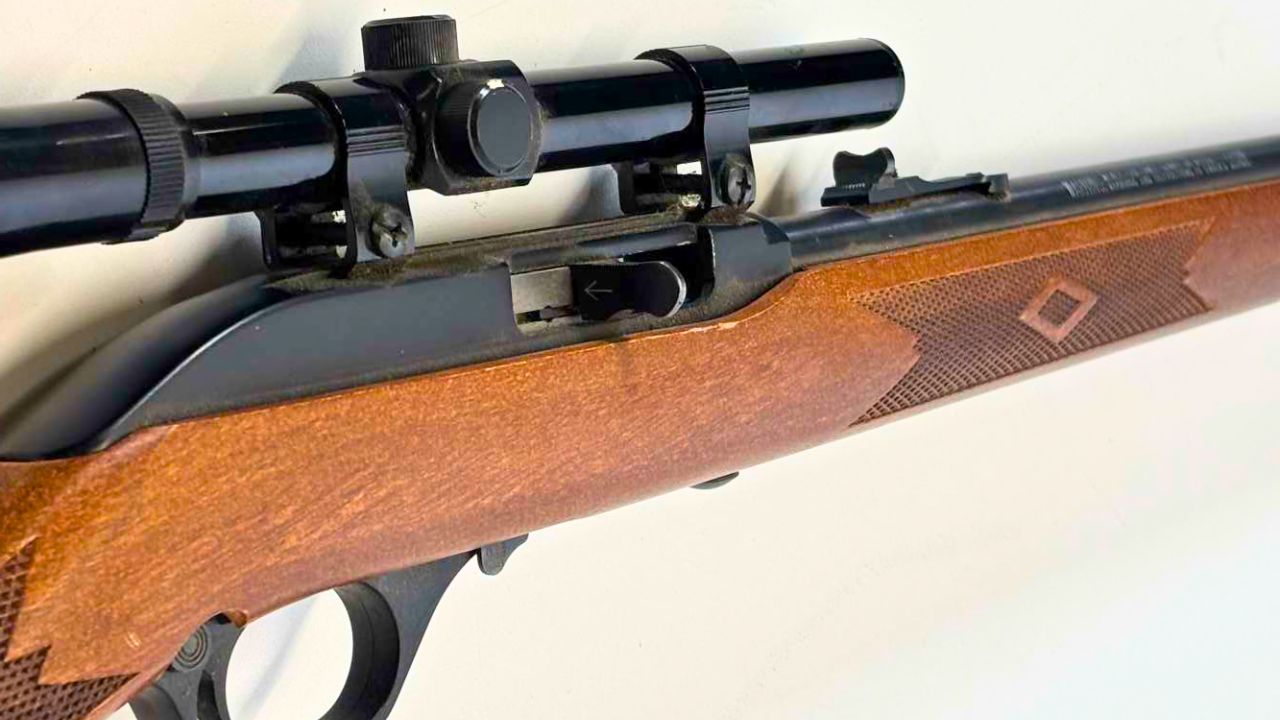
The Marlin Model 60 earned its place as one of the classic American .22 rifles, and plenty of them have given owners years of good service. That history is exactly why new buyers often assume one will run forever with no complaints. Then they buy an older used example, feed it bulk rimfire, and discover that semi-auto .22s still live and die by cleanliness, spring condition, and the quality of what you are stuffing down the tube.
That does not make the Model 60 a bad rifle. It makes it a rimfire autoloader, which means it still carries the same basic weaknesses that define the category. Dirty chambers, tired parts, and inconsistent ammunition can turn a “legendary” plinker into a stoppage lesson fast. The rifle’s good name is deserved overall, but buyers who treat it like a maintenance-free machine often learn that even proven .22s have limits.
Ruger Mini-14

The Ruger Mini-14 has always drawn buyers who want something that looks durable, feels handy, and carries a reputation for rugged simplicity. On the surface, that makes sense. The rifle is compact, proven in many roles, and backed by a long production history. The disappointment usually comes when buyers assume that reputation means every Mini-14 will be effortlessly accurate, magazine-agnostic, and impossible to frustrate.
Older rifles especially built a reputation for uneven accuracy compared with what buyers expected from a centerfire carbine, and that gap between expectation and performance is where a lot of the disappointment starts. Add in the fact that magazine quality matters more than people want to admit, and the Mini can quickly stop feeling “bulletproof” in the mythical sense. It can be a useful rifle, but many owners discover it is more particular, and sometimes less forgiving, than the legend suggests.
Kel-Tec SUB-2000

The Kel-Tec SUB-2000 gets a lot of attention because it folds, takes common pistol magazines, and seems built around practical simplicity. That combination makes buyers think they are getting a clever, dependable backpack gun with no real downside. What they often learn instead is that lightweight, folding pistol-caliber carbines can be more temperamental than their concept suggests, especially once you start mixing magazines, ammo, and extended use.
The SUB-2000 can work well, but it is not the kind of platform you should automatically treat like a duty-grade rifle. Its appeal comes from portability and compatibility, not from being overbuilt. Some buyers find that recoil feel is harsher than expected for the caliber, and reliability can become less impressive if everything in the setup is not in harmony. It is a smart idea in many ways, but it is one of those guns people overtrust because the concept sounds tougher than the execution.
Taurus PT-1911

The Taurus PT-1911 built a following by offering a feature-heavy 1911 at a price that made buyers feel like they were getting a lot of gun for the money. That usually creates high expectations fast, especially when the platform itself carries the 1911’s long-standing reputation as a serious fighting pistol. The reality is that budget 1911s often live or die by fitting, extractor tension, magazine quality, and overall consistency, and that is where the PT-1911 has tripped up owners over the years.
Some examples run well. That is true. The problem is that buyers often assume the model name and the 1911 pattern mean reliability is guaranteed. Then they discover the usual 1911 truths still apply, and lower-cost execution can make those truths more obvious. When the gun is right, it can be satisfying. When it is not, people quickly learn that “1911” and “bulletproof” are never automatic partners.
Kimber Ultra Carry II

The Kimber Ultra Carry II appeals to buyers for obvious reasons. It is compact, attractive, chambered in .45 ACP, and wears a name many people associate with quality. That combination leads a lot of buyers to believe they are getting a premium concealed-carry 1911 that will behave like a full-size gun in a smaller package. Then they find out the hard way that shrinking a 1911 often shrinks its margin for error too.
Short-barreled 1911s can be more sensitive to ammunition, recoil springs, magazines, and maintenance timing than many first-time buyers expect. That does not mean every Ultra Carry is troublesome, but it does mean the model can punish assumptions. A compact 1911 that runs perfectly takes more care and more realistic expectations than buyers sometimes bring to the table. For many owners, the lesson is not that the gun is hopeless. It is that compact 1911s are rarely as foolproof as they look.
Glock 22

The Glock 22 spent years riding on Glock’s broader reputation for reliability, and in many departments and private hands it served well. That is exactly why buyers often assume it is as close to a guaranteed answer as a duty pistol gets. The trouble is that the .40 S&W version of any platform can show stresses and quirks that the 9mm version handles with a little more grace, and the Glock 22 is no exception.
A lot of shooters learned that weapon lights, certain magazine setups, hotter loads, or worn recoil parts could make the gun less forgiving than they expected from the Glock name alone. It is still a capable pistol, but the “it’s a Glock, so nothing matters” mindset is where buyers get burned. The lesson here is simple: platform reputation helps, but caliber, maintenance, and setup still change the real-world reliability picture in ways people often underestimate.
SIG Sauer Mosquito

The SIG Sauer Mosquito looked like it should have been an easy winner. It had the SIG name, a familiar centerfire-style feel, and the appeal of a rimfire trainer that resembled larger service pistols. That combination made buyers assume it would be a dependable, easygoing .22 pistol. Instead, many learned that rimfire training pistols can be much more ammo-sensitive than expected, and branding does not shield them from that.
The Mosquito developed a reputation for being picky about ammunition and less tolerant of weak or inconsistent bulk loads than buyers wanted from a casual range pistol. That made it frustrating in exactly the role people bought it for: affordable practice and fun. Some owners got them running well with the right ammo and setup, but many others discovered that the pistol’s reliability depended on a narrower set of conditions than the name on the slide led them to believe.
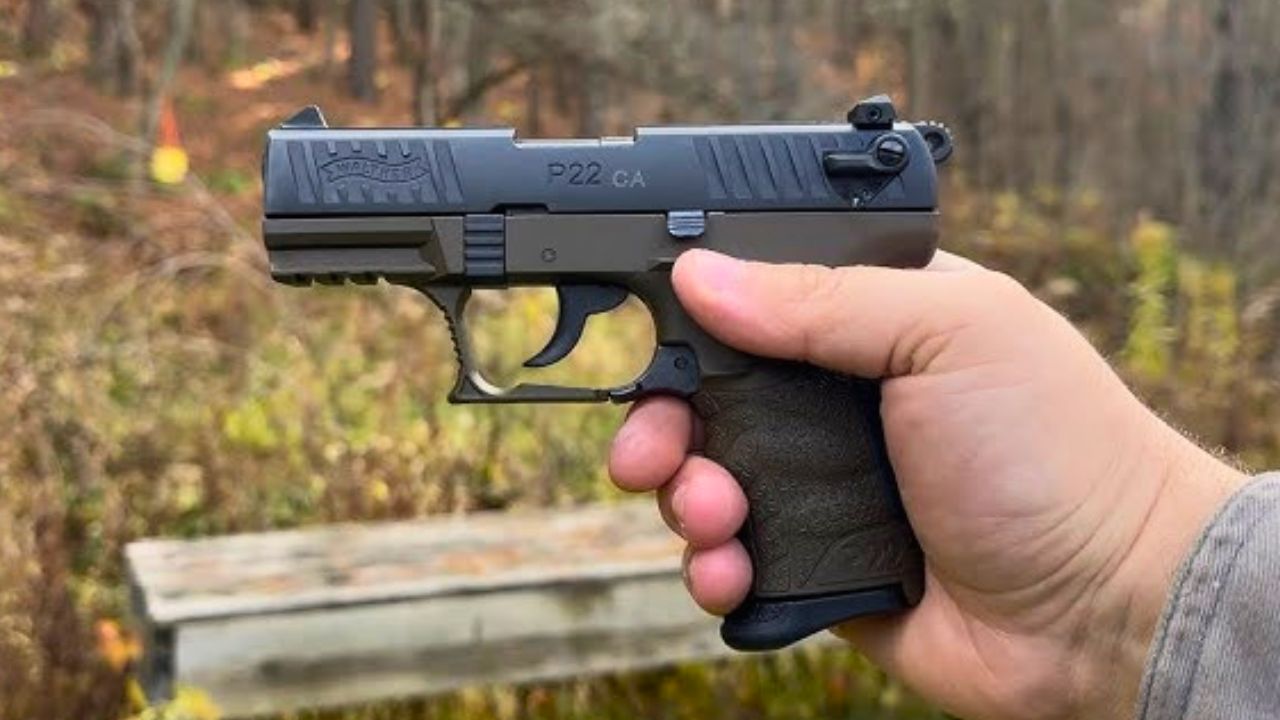
Walther P22
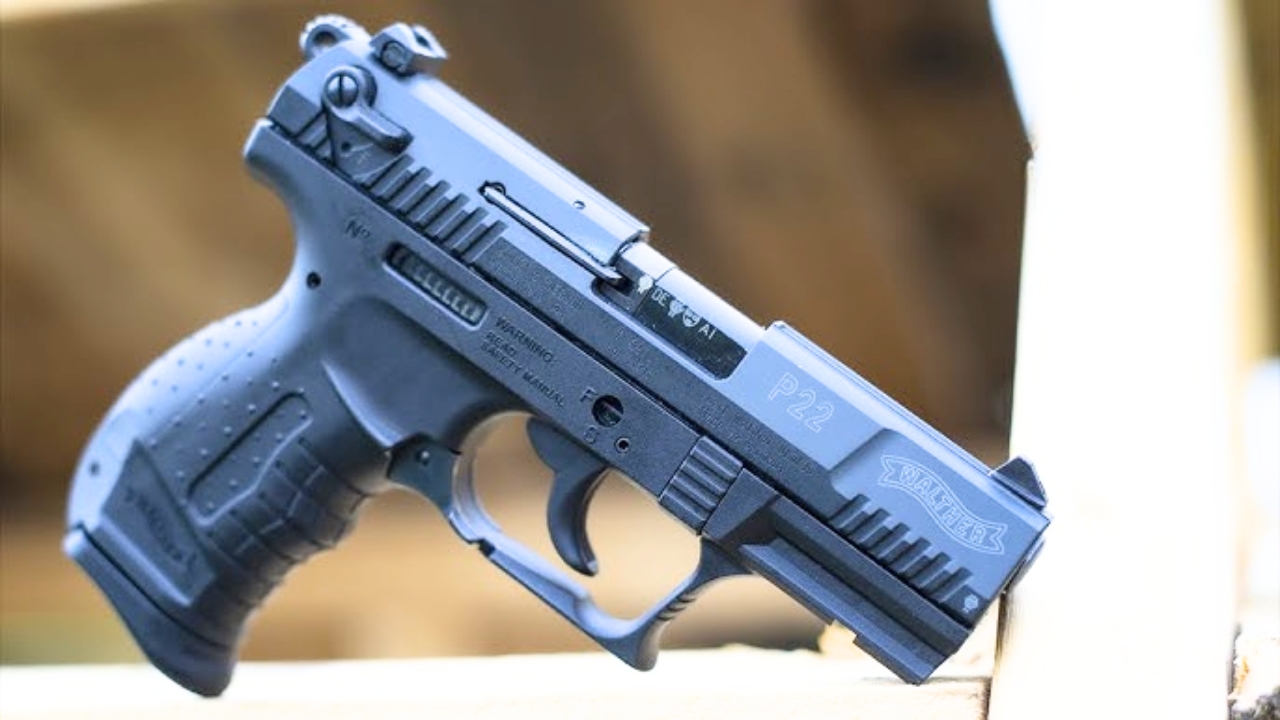
The Walther P22 became popular because it looked modern, felt familiar, and gave shooters a compact rimfire pistol that seemed ideal for training and plinking. Buyers often assumed that a .22 this common and this well-known would be easy to own and easy to trust. What many learned instead is that small rimfire semi-autos can be surprisingly sensitive, and the P22 has long been one of the better-known examples of that reality.
Ammunition choice, cleanliness, and maintenance matter a lot in any .22 semi-auto, but the disappointment comes when buyers assume the pistol will run just as casually as its marketing suggests. In practice, plenty of shooters found it less forgiving than expected. That does not make it unusable. It makes it a reminder that rimfire pistols often demand more attention than centerfires, even when the model’s popularity tempts people to believe otherwise.
Smith & Wesson Sigma
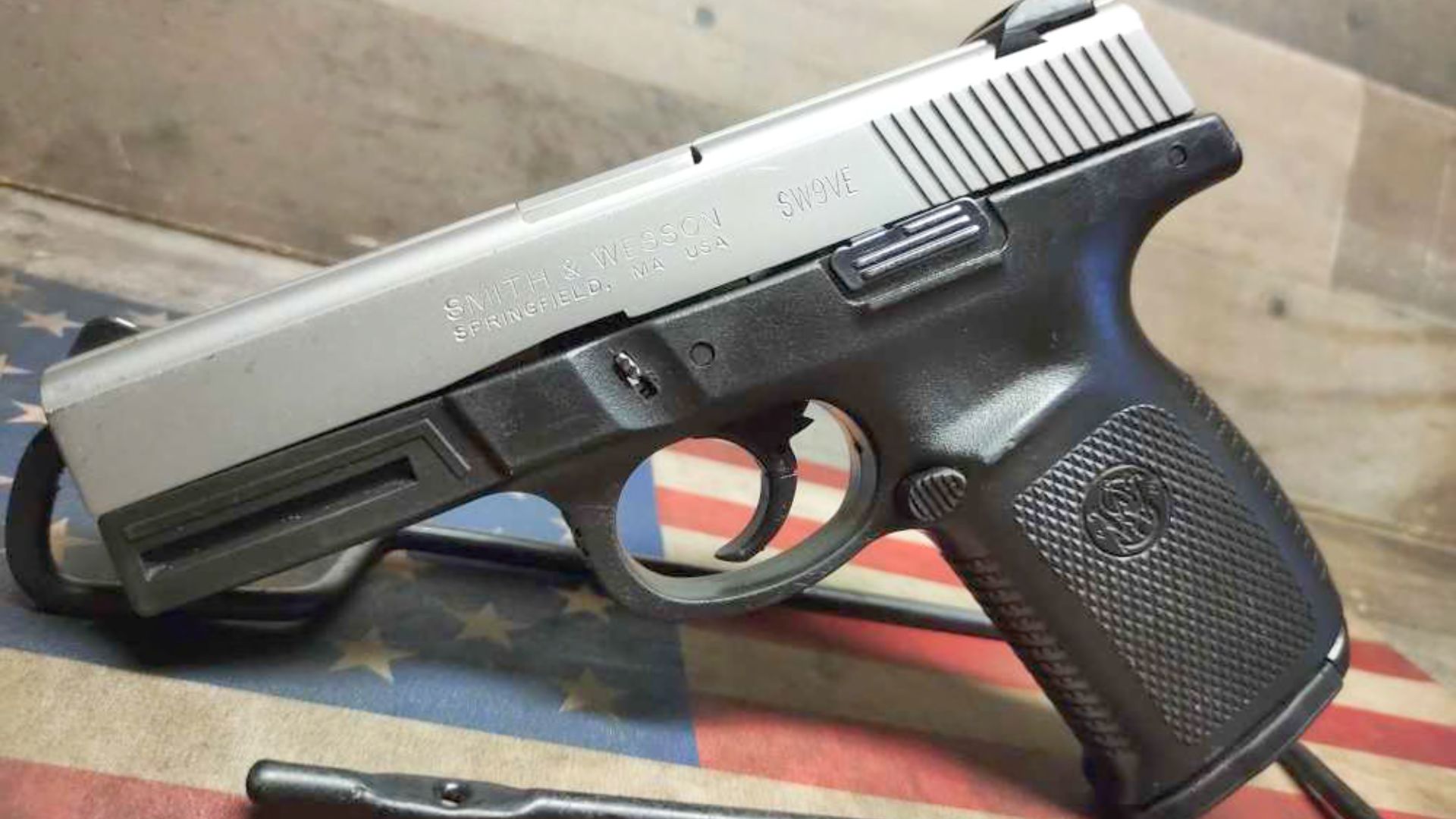
The Smith & Wesson Sigma gets remembered partly because buyers often expected one thing and got another. It wore the look of a modern polymer duty pistol, came from a major manufacturer, and was priced to attract people who wanted a practical defensive handgun without spending top-tier money. That led many buyers to assume they were getting a rough-and-ready workhorse with very few compromises. Then the trigger usually introduced itself.
The Sigma’s long, heavy trigger pull became one of the main reasons some owners cooled on it. Reliability in many examples was acceptable, but buyers expecting a smoother, easier-shooting pistol often found that shootability and practical performance are not the same thing. A gun can function and still disappoint badly once you start asking for speed and consistency. That is what made the Sigma a classic example of a model people assumed would be more sorted out than it often felt.
AMT AutoMag II

The AMT AutoMag II looked like the kind of pistol buyers wanted to love. It had stainless appeal, a distinctive look, and the kind of niche caliber setup that made it feel interesting the moment you picked it up. That visual and mechanical appeal led plenty of people to assume they were buying something tougher and more dependable than most of the oddball semi-autos floating around the market. Reality, as usual, was less generous.
AMT pistols built a reputation for inconsistent quality control, and that broader reputation is part of why so many buyers learned not to treat them as automatically trustworthy just because they looked serious. The AutoMag II could be interesting, but interesting and dependable are separate things. When buyers assume a gun with unusual styling and strong materials must also be ironclad in function, this is exactly the kind of pistol that reminds them otherwise.
Charter Arms Bulldog
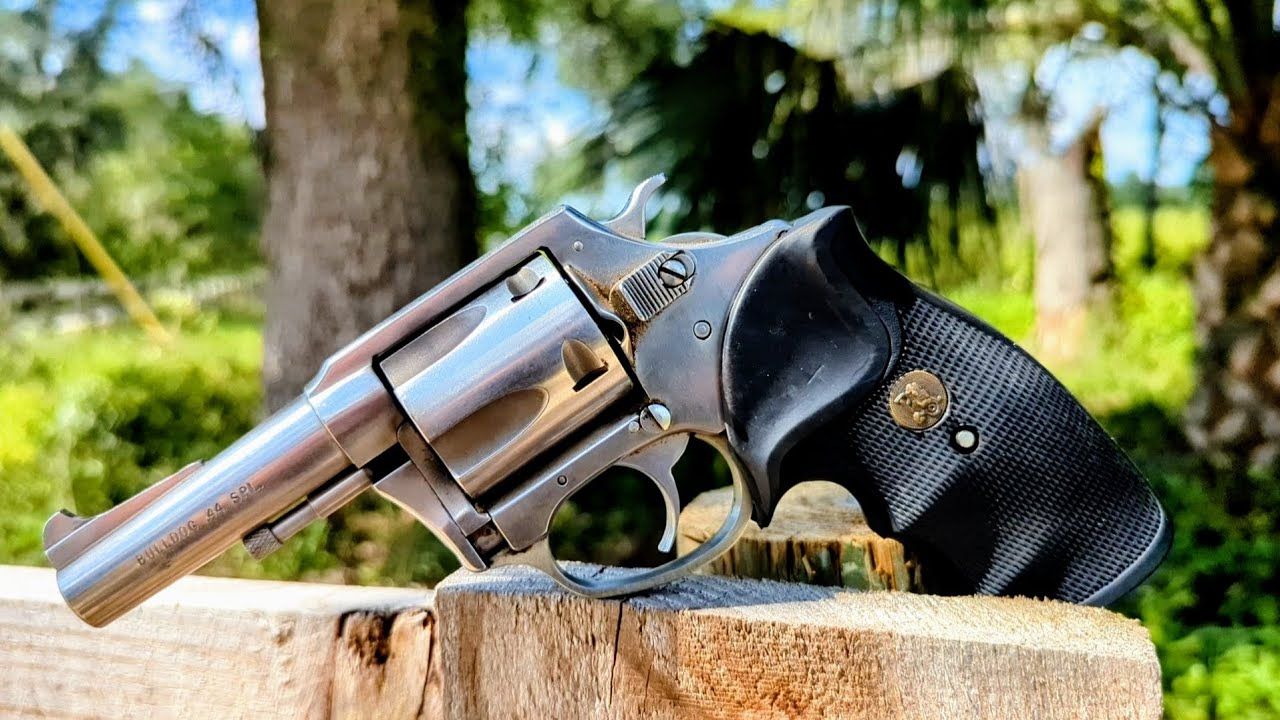
The Charter Arms Bulldog has stayed popular for years because it offers a big-bore carry revolver in a compact, lightweight format that feels easy to understand. A lot of buyers look at a simple revolver chambered in .44 Special and assume they are getting old-school dependability with almost nothing to go wrong. That is exactly the kind of assumption that makes disappointment sting more when the gun does not meet the legend.
The Bulldog’s appeal is real, but so is the fact that lightweight, compact revolvers in larger calibers can show wear, timing concerns, or rougher overall refinement sooner than buyers expect if they assume they are built like heavier-duty service revolvers. It fills a niche, and for some people it fills it well. But it is not the sort of revolver you should treat like an indestructible brick simply because it is a wheelgun with a defensive reputation.
Remington R51

The Remington R51 came back to market with a lot of attention and a built-in story that made buyers think they were getting something both clever and proven. Its styling, compact size, and revived name gave it a stronger aura of confidence than many new carry pistols get. That set expectations high right away. Unfortunately, a lot of buyers quickly found out that reputation and rollout are not the same thing as a polished, ready platform.
The R51 became one of the clearest examples of a pistol that many buyers trusted too early. Reports of reliability issues and uneven performance hurt it badly because the gun had been sold with the kind of confidence usually reserved for established winners. That gap between promise and experience is exactly why it belongs here. Buyers did not expect perfection from thin air. They expected it because the pistol was presented as if the hard part had already been solved.
Mossberg 702 Plinkster

The Mossberg 702 Plinkster built a following because it was cheap, light, and easy to buy as a first rimfire. That naturally led many owners to treat it like a simple .22 they could toss in the truck, run on bulk ammo, and never think much about again. But budget rimfire semi-autos are often where overconfidence meets reality, and the 702 has taught that lesson to more than a few buyers.
Like many rifles in its class, it can be perfectly serviceable when clean and fed what it likes. The disappointment starts when buyers assume “cheap and common” means “unfussy and foolproof.” Rimfire reliability is still tied closely to ammunition quality, magazine condition, and maintenance, and low-cost designs rarely erase those realities. The 702 is a good example of a rifle people buy expecting carefree reliability, only to learn that budget .22 autoloaders still demand more patience than the price tag suggests.
Like The Avid Outdoorsman’s content? Subscribe to our newsletter so you never miss an article.
Here’s more from us: