Photo credit: Howcast/YouTube
A dependable pistol is a boring machine in the best way. You load it, you run it, it feeds and ejects with the same rhythm whether you’re doing slow fire at 25 yards or hammering pairs at 7 yards with your heart rate up. The trouble starts when you decide “reliable” isn’t enough and you begin chasing feel, speed, and internet-approved performance with parts that change timing, friction, or geometry. Most pistols don’t become finicky because the owner did one smart upgrade. They become finicky because the owner stacked three or four “small” changes that each stole a little reliability margin, then expected the gun to keep running like it did when it was stock.
What makes the whole thing deceptive is that a project gun will often run fine for a while. It runs clean. It runs on one ammo. It runs when you’re fresh and gripping like a vise. Then you carry it for a month and it’s full of lint, the lube is gone, the magazines are dusty, and you’re shooting from a compromised grip in cold weather. That’s where the cracks show: failures to return to battery, erratic ejection, the slide outrunning the magazine, dead triggers that don’t reset, or a striker that suddenly starts tapping primers instead of setting them off. If you want to upgrade a pistol without turning it into a fussy science experiment, you have to understand which swaps mess with the engine, not the cosmetics.
Trigger kits that “feel” great but quietly change geometry and reset authority
The fastest path to a finicky pistol is chasing a lighter, shorter trigger by swapping parts that alter sear engagement, striker lug contact, or trigger bar geometry. A good trigger can absolutely help you shoot better, but the reliability margin in many striker-fired guns lives in small relationships: how the trigger bar drags across the connector, how the striker safety is lifted, how much engagement exists at rest, and how much spring energy is available to drive the striker into the primer. When you reduce engagement or change angles to get a cleaner break, you can end up with a trigger that’s more sensitive to friction changes from carbon, dried lube, or grit. On a clean bench gun, it feels amazing. In a carry gun that’s been against skin, under dust, and in and out of holsters for weeks, it can turn inconsistent because the system no longer has the extra mechanical “push” it used to.
Reset problems are where the project shows itself in real shooting. A lighter trigger return spring or altered connector can reduce how aggressively the trigger resets, and that only shows up when you’re shooting fast and not letting the trigger go fully forward under stress. Add cold hands, gloves, or a grip that isn’t perfect, and now you’re short-stroking the trigger without realizing it. The shooter experiences this as “the gun didn’t fire,” when the mechanism is doing exactly what you set it up to do: it needs more return authority than you left it. If you want a carry pistol that stays boring, prioritize a trigger that keeps robust engagement and strong reset, and accept that a slightly heavier break that resets with confidence often outperforms a feather-light setup once real conditions show up.
Spring swaps that narrow the operating window and make ammo choice feel like a gamble
Recoil springs, striker springs, and firing pin springs are where people accidentally tune a pistol for one narrow set of conditions. Reduced-power striker springs and lighter firing pin springs can make the trigger feel nicer, but they also reduce ignition energy, which is why you’ll see light primer strikes that appear “random.” They aren’t random. They’re conditional. They show up with harder primers, cold-soaked ammo, a dirty striker channel, or a gun that’s been carried long enough for oil to thicken with lint and carbon. That’s a mechanical margin problem, not bad luck, and once you’ve created it, you’ll spend months blaming ammo brands and swapping parts back and forth until the gun becomes an ongoing experiment instead of a tool you trust.
Recoil spring changes can be even trickier because they directly affect slide velocity and timing. Too heavy, and the slide may not travel far or fast enough to extract and eject consistently, especially with softer practice loads or when the gun is dry. Too light, and the slide can cycle violently, outrun the magazine’s ability to present the next round, and induce nose-dives or bolt-over-base type feed stoppages. You’ll often see this show up after a couple hundred rounds when fouling builds and friction increases, or when you switch from 124-grain practice ammo to a 147-grain defensive load with a different pressure curve. A stock pistol is usually built to tolerate a range of ammo and a range of cleanliness; spring swaps often turn that wide window into a narrow slot.
Compensators, threaded barrels, and “flat shooting” setups that upset cycling balance
A compensator can make a pistol feel calmer, especially in fast strings at 7 to 15 yards, but it’s also one of the most common ways to create a finicky gun because it changes how the system uses gas and how the barrel unlocks. Adding a comp increases mass at the muzzle and changes the way gas pushes the slide and barrel during the unlocking cycle. That can reduce slide velocity, alter dwell time, and make the gun more dependent on hotter ammo and ideal lubrication. It’s not that comps are bad. It’s that comps are honest: they demand a matching recoil system and an owner who tests the exact ammo they plan to run, not a mixed pile of whatever was cheapest that week. If you install a comp and the gun runs “fine” for 50 rounds, that’s not proof; that’s the honeymoon phase before carbon, heat, and real shooting tempo show you what your timing actually looks like.
Threaded barrels introduce their own set of issues because they invite tolerance stacking. A barrel that locks up slightly differently, a comp that isn’t perfectly aligned, a thread protector that loosens, or a mounting surface that collects carbon can all change return-to-battery behavior. That often shows up as intermittent failures where the slide stops a fraction short, the gun won’t fire, and a tap on the back of the slide finishes the job. Mechanically, you’re seeing friction plus changed lockup geometry plus reduced momentum, and it’s common when the gun is dirty or dry. If you want a compensated pistol that’s still dependable, you have to treat it like a tuned system: keep it lubed appropriately, replace recoil springs on a real interval, and validate it with your carry load and your practice load, not one lucky box.
Aftermarket barrels and “match” chambers that punish dirt, heat, and normal ammo variance
Barrels are marketed like instant accuracy, but the real-world cost is often reduced forgiveness. A tighter chamber and tighter lockup can shoot great groups from a bench at 25 yards, but that same tightness can become a liability when the gun is hot, dirty, or fed slightly out-of-spec ammo. Not every round you buy is dimensionally identical, and not every piece of brass behaves the same, especially with cheaper range ammo or reloaded brass of unknown history. A match-style chamber can increase the chance of failures to fully chamber, which then shows up as failures to return to battery. You can “solve” it by slamming the slide forward or by riding the slide less, but that’s not solving anything; it’s masking a system that no longer has room for normal variance and normal fouling.
Lockup consistency is another quiet issue. If the barrel locks up differently shot to shot, you can see point-of-impact shifts and inconsistent accuracy that you’ll blame on sights or ammo, when the real cause is fit and timing. And once you start mixing a new barrel with a new recoil spring, maybe a comp, maybe a trigger kit, you’ve created a stack of changes that all interact. That’s how dependable pistols turn into finicky projects: the owner can’t identify which change caused which symptom because the symptoms move around with heat, carbon, and ammo. If you want a barrel upgrade for a defensive pistol, pick one that’s known for reliability, not the tightest possible chamber, and prove it by shooting it dirty and fast, not clean and slow.
Optics cuts, plates, and slide work that create new failure points you didn’t have before
Pistol optics are absolutely worth it when they’re done right, but the move from irons to a dot adds mechanical responsibilities that a lot of shooters ignore. The most obvious is screws backing out, which can cause a drifting zero, intermittent loss of dot, or even a failure that ties up the slide if something shears or shifts. The less obvious is that some slide cuts and some plate setups change how debris moves around the slide and how the striker system stays clean. A striker channel that stays reasonably protected in a stock gun can become more exposed to sweat, lint, and solvent intrusion after modifications, and that can affect striker speed and ignition reliability. A dot setup that’s loose or contaminated doesn’t always fail dramatically; it fails in little ways that show up when you’re shooting quickly and need the dot to be where you left it.
Slide lightening and aggressive serration cuts can also alter cycling dynamics by changing reciprocating mass. Less mass can mean higher slide velocity, which can push timing closer to the edge, especially with lighter recoil springs or hotter ammo. That’s where you start seeing erratic ejection and feed timing issues that weren’t there before, particularly as magazines get dusty and springs lose some authority. None of this means “don’t run a dot.” It means treat the dot like part of the operating system. Use the right mounting hardware, torque it correctly, use thread locker appropriately, and verify that the gun runs with the added mass and altered slide dynamics when it’s hot, dirty, and shot at real pace.
Magazine “upgrades” that look harmless but wreck feed angle and spring timing
If there’s one area where people create a project without realizing it, it’s magazines. Basepad extensions, aftermarket followers, and spring kits can turn a proven magazine into a picky magazine by altering how the stack sits, how the follower tilts, and how quickly the top round rises under recoil. Feeding is a timing event. The slide moves back and forward at a certain speed, and the magazine has to present the next round at the right angle at the right time. If the spring is too weak, the slide outruns the round and you get a nose-dive or a bolt-over-base stoppage. If the follower geometry is off, the round presents too low or too steep and you get three-point jams or feedway hang-ups. These issues often show up late in a string, when the spring pressure changes and the magazine gets warmer and dirtier, which is why people swear the gun is “randomly” unreliable.
Extensions can also create reliability problems simply by adding leverage and impact. Dropping extended mags on concrete, carrying them in dusty pouches, or letting them rattle around in a truck introduces grit and deformation faster than people think. And once you’re dealing with questionable mags, shooters start diagnosing the gun instead of the magazine because the failure looks like a gun problem. If you want a dependable pistol, treat magazines like critical components, not accessories. Run factory mags for serious use, replace springs when round counts justify it, and if you add extensions, prove them with the ammo you carry by shooting fast strings that force the system to work under recoil and heat.
“Polish jobs,” reliability kits, and extractor swaps that chase symptoms instead of causes
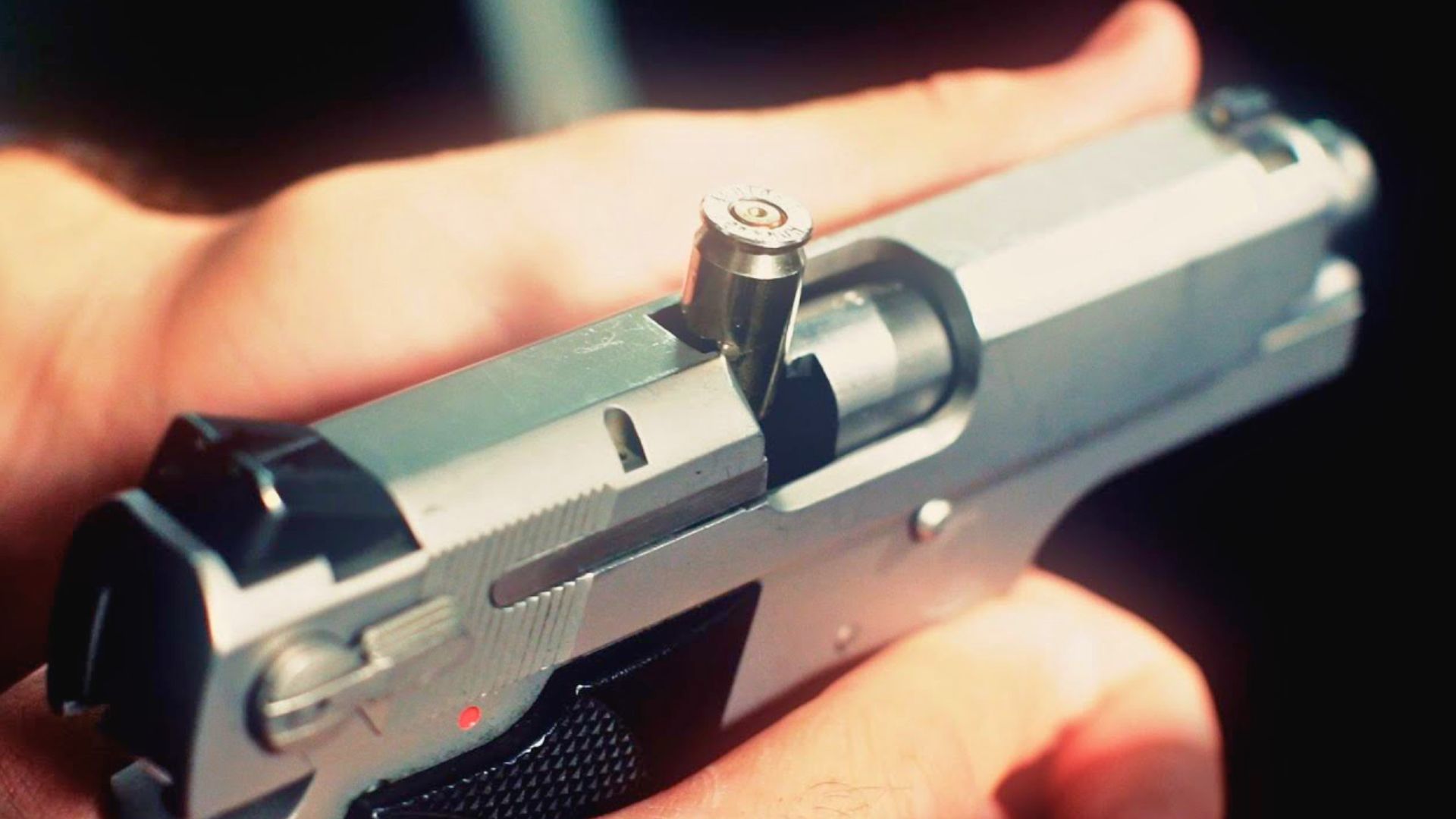
The final trap is the so-called reliability upgrade that’s really a symptom-chaser. People see brass hitting their forehead, occasional stovepipes, or a hiccup feeding hollow points, and they start swapping extractors, ejectors, and springs, or they start polishing feed ramps like they’re trying to buff a bumper. Extraction and ejection depend on extractor tension, claw geometry, chamber cleanliness, slide velocity, and ammunition pressure curves, and changing one part can shift the whole behavior without fixing the root cause. A dirty chamber can grip brass and cause sluggish extraction that looks like an extractor issue. A recoil spring that’s too heavy can reduce slide travel and create weak ejection that looks like an ejector issue. A worn magazine spring can cause a feed malfunction that gets blamed on the feed ramp. When you swap parts without diagnosing the mechanism, you don’t build reliability; you build variables.
Polishing can be especially dangerous because it’s easy to remove material you can’t put back. A little smoothing in the wrong place can change feeding geometry, reduce controlled round movement, or create a slick surface that behaves differently when dry versus lubricated. The better approach is boring and repeatable: keep the gun properly lubricated for its design, keep the striker and extractor areas free of packed carbon and lint, use quality magazines, and replace wear springs on a schedule that matches your round count. If you do change a part, change one thing at a time and test it like you mean it, including shooting the gun when it’s warm, slightly dirty, and fed with the exact defensive load you intend to carry. That’s how you upgrade a pistol without turning it into a finicky project that only runs on perfect days.
Like The Avid Outdoorsman’s content? Subscribe to our newsletter so you never miss an article.
Here’s more from us: