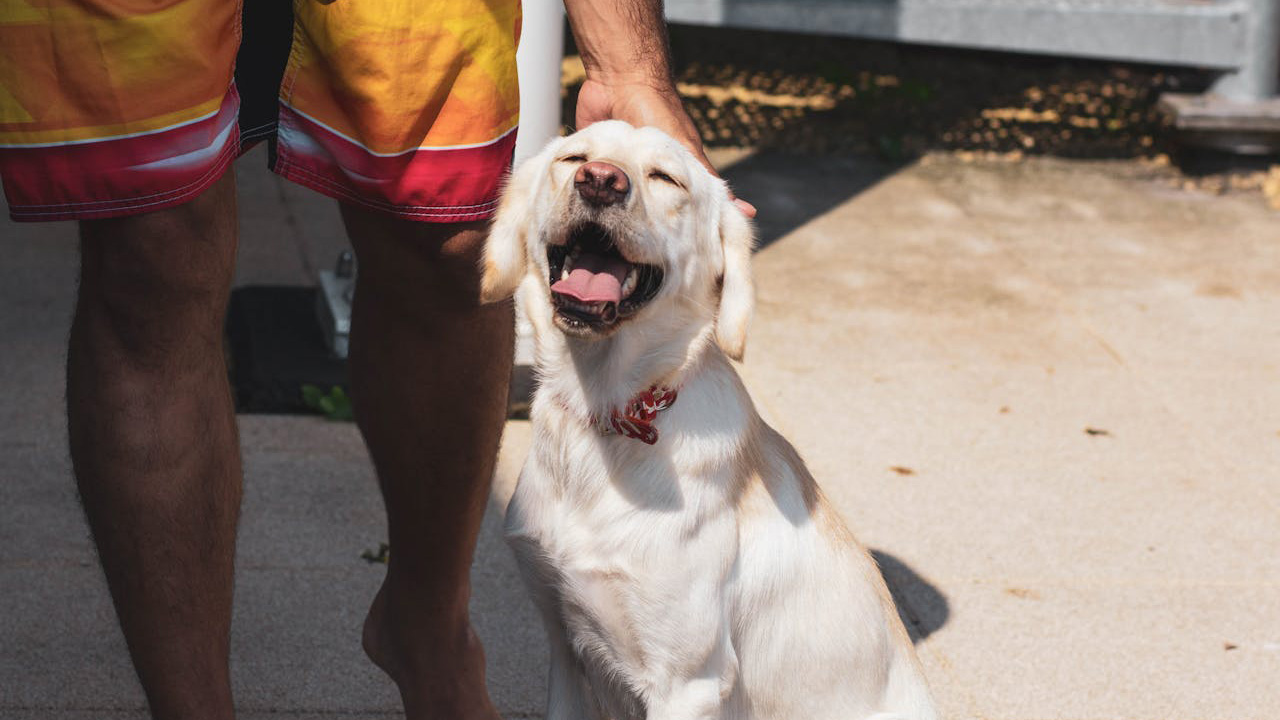
Photo credit: Steshka Croes/Pexels.com
Some dogs flip a switch. Inside the house they’re steady, quiet, and easy to live with. Outside—especially when there’s work to do, trails to run, birds to find, or water to hit—they light up and go to work. The key is matching the dog to the job and being honest about what “intense” really means: drive, endurance, focus, and the need for daily outlet. These breeds are known for being settled indoors when they’re trained and exercised, while still bringing serious energy and purpose outside.
Labrador Retriever
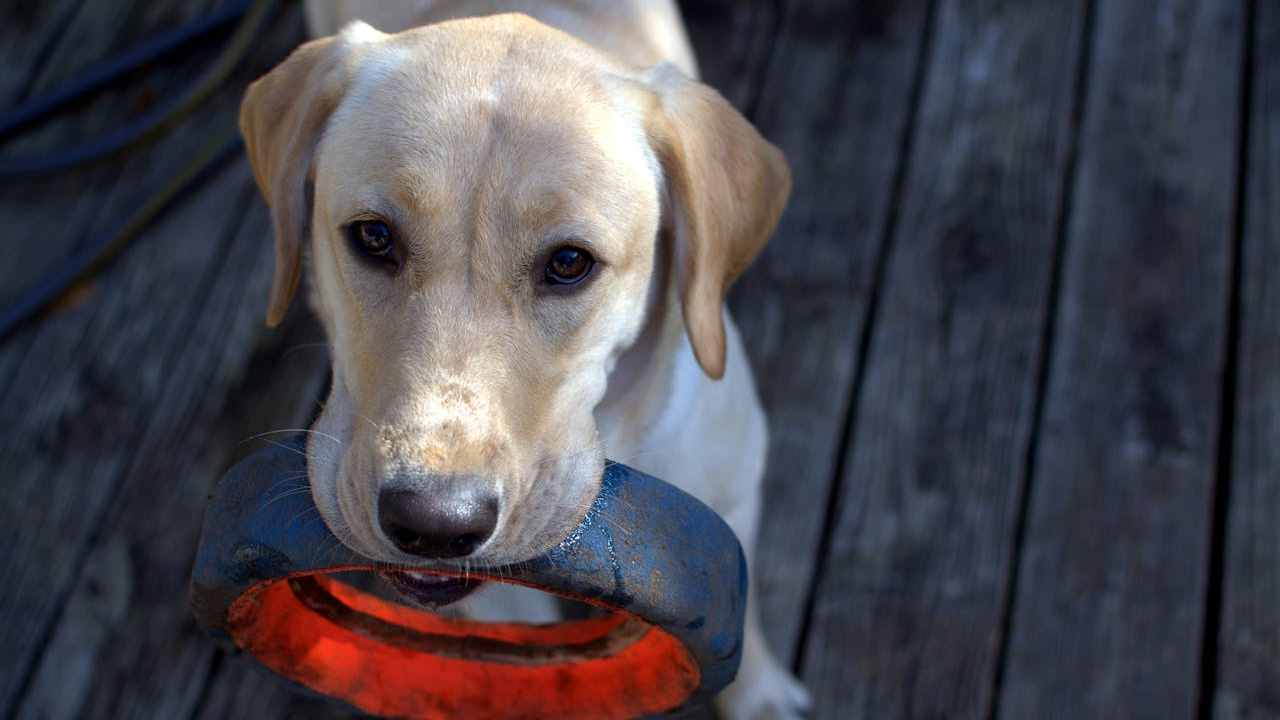
A good Lab is the classic “house dog that turns into a machine outside.” Indoors, they’re typically steady, social, and content to hang out once they’ve had their run. Outdoors, a working-bred Lab can go all day—retrieving, swimming, tracking scent, and handling cold water in a way most dogs can’t. That outside intensity is why they dominate waterfowl and upland setups.
The catch is that “calm at home” only happens if the dog is actually worked. Labs get destructive when they’re bored. But if you’re the type who wants a family dog that can also hunt hard and recover birds in nasty conditions, Labs are hard to beat. The off switch is real—so is the drive.
German Shorthaired Pointer
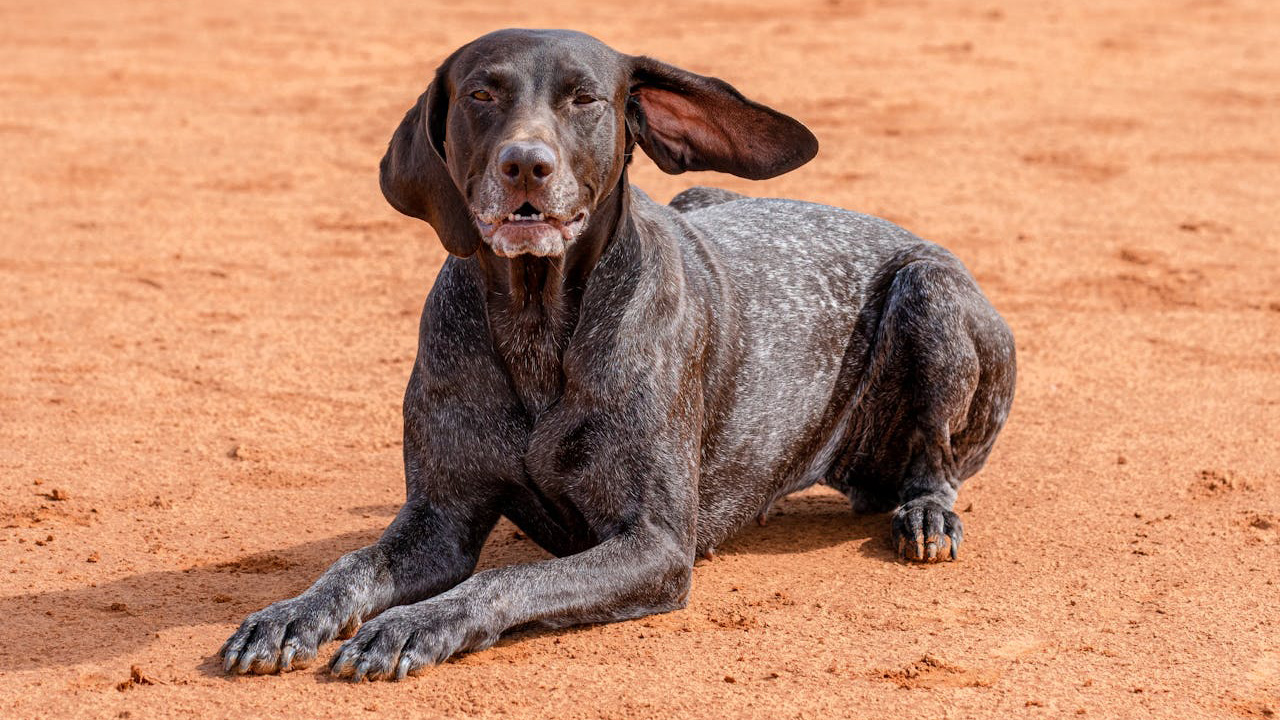
GSPs are famous for being dialed-in outdoors. They cover ground, they hunt with their head up, and they don’t do the “half speed” thing when birds are involved. Indoors, many of them can be pretty relaxed and affectionate—especially once they’re mature and have consistent routines. They’ll crash hard after a real run.
But GSP intensity is not optional. If they don’t get daily outlet, they become restless, loud, and chaotic. If you can give them field time, long runs, and training, they’re one of the best examples of a dog that’s calm in the living room and turned-on in the woods. They’re athletes with an actual job mindset.
Brittany
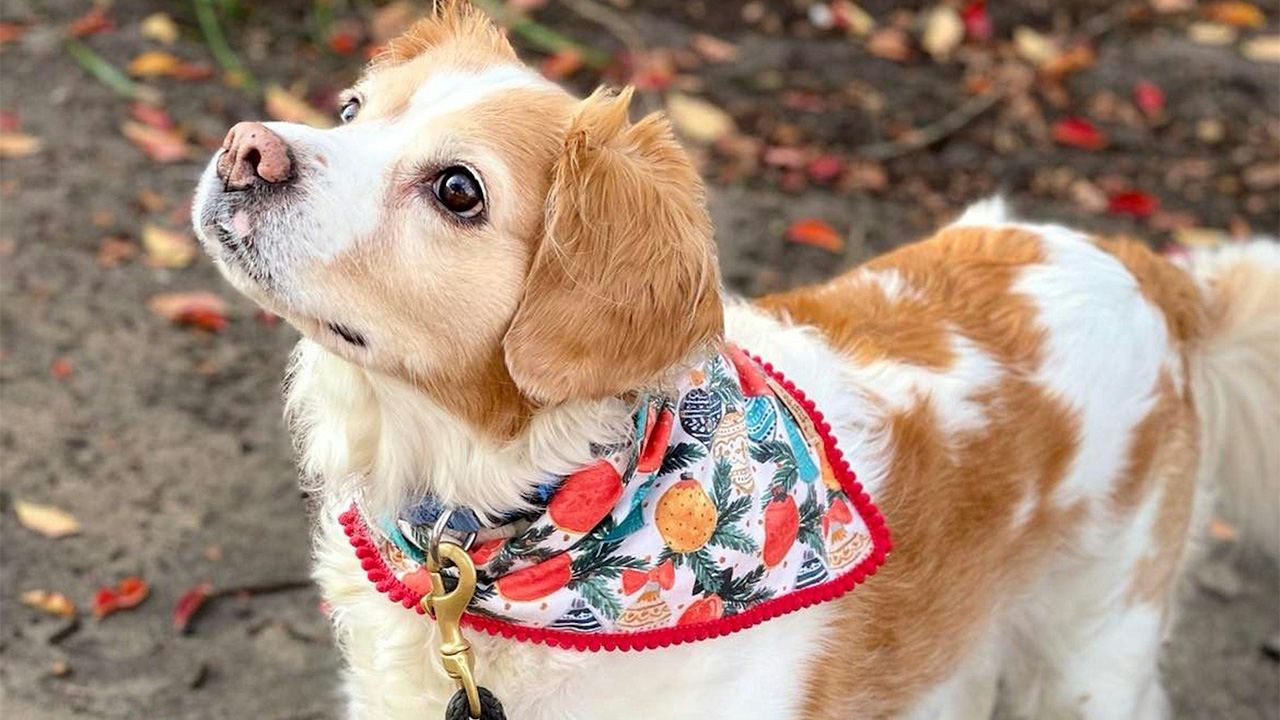
Brittanys tend to be lighter, quicker, and extremely bird-focused outside. They often hunt close enough to handle well but still have serious hustle and a strong nose. Inside, they can be very sweet, fairly quiet, and “couch friendly” once their energy is burned off. They usually want to be near their people, which helps them settle.
Outside intensity shows up as constant motion and a strong desire to hunt. They’re not the kind of dog that’s happy with a short backyard break. If you give them regular field time and training, they’re easy to live with and work hard. If you don’t, they’ll invent their own entertainment.
English Springer Spaniel
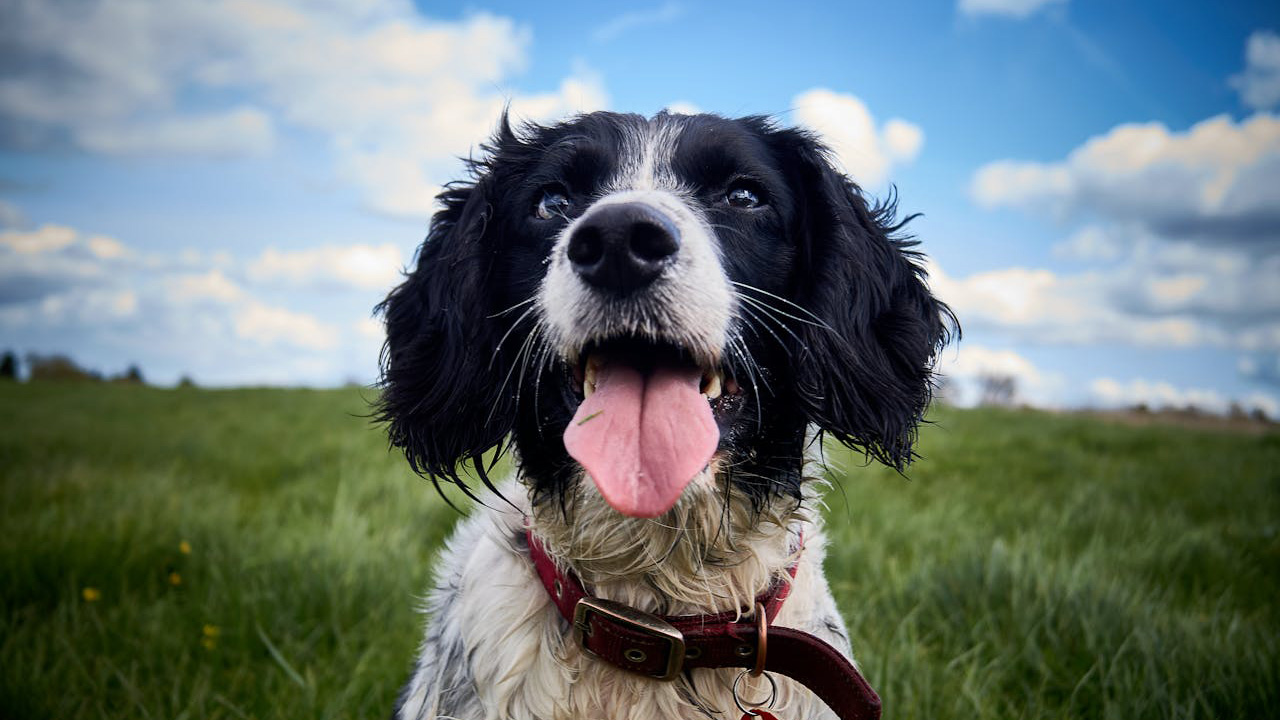
Springers can be great house dogs—friendly, people-oriented, and usually pretty adaptable indoors when they’ve been exercised. Outside, they flip into a different animal: driven in cover, relentless in brush, and often fearless in nasty terrain. A good Springer will push hard through thick stuff where other dogs start hesitating.
That intensity is exactly why they shine as flushing dogs. The tradeoff is they need structure. A Springer without training can turn that outside drive into chaos—bolting, ignoring recall, and creating a mess. But with consistent work, they’re one of the better “calm inside, savage in cover” breeds you’ll run into.
German Wirehaired Pointer
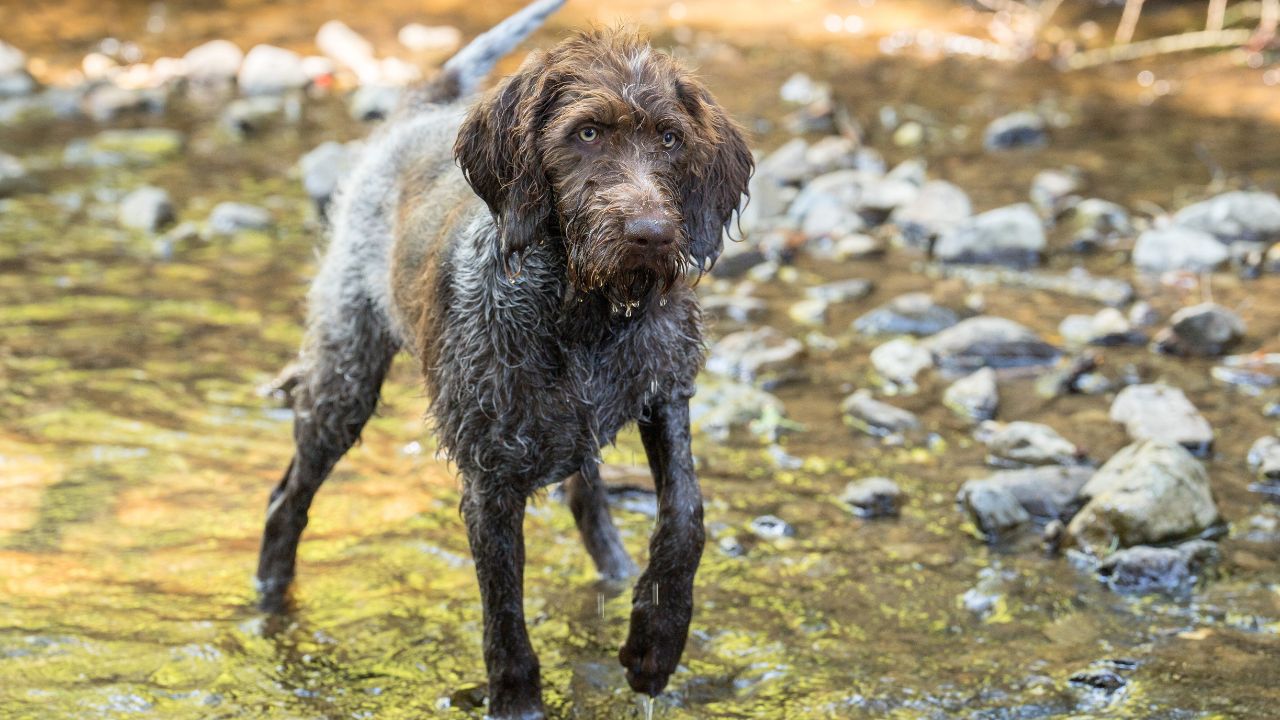
Wirehairs are serious dogs. Indoors, many are steady and watchful—less “goofy” than some breeds—but they can be calm and loyal when they’re part of the family. Outside, their intensity shows up as grit: they hunt hard, they handle rough weather, and they’ll push into cover with a lot of determination.
They’re not always the easiest breed for a first-time owner because they can be stubborn and independent. But if you want a dog that can live in the house and still work hard in rough country, a GWP is the real deal. They tend to have an off switch—after you earn it with real work.
Vizsla

Vizslas are known for being “velcro dogs” indoors—very affectionate, often calm, and happiest when they’re near you. Outside, they can run hot: fast, energetic, and driven, especially in upland situations where they can cover ground and lock onto scent. When they’re trained and exercised, that contrast is exactly what people love about them.
The downside is that they can get anxious if they’re under-exercised or left alone too much. Their intensity is paired with sensitivity. If you want a dog that’s calm at home and intense outside, but also highly connected to the family, a Vizsla fits—provided you can give daily physical outlet and some training time.
Weimaraner

A well-bred, well-trained Weim can be calm and steady indoors, especially once mature. They tend to be devoted and can settle nicely at home after they’ve had their work. Outside, they bring serious drive and stamina. Historically they were used for hunting, and that “go all day” capacity still shows up.
Weims can also be high-maintenance if they’re bored. The intense outside drive doesn’t just disappear. If you want one, plan on real exercise and training. When they’re dialed in, you get a dog that can be mellow on the couch and extremely hard-charging outside, especially in big country.
Belgian Malinois

This is a different category of “intense.” A Malinois can be calm at home if it’s trained properly and given serious daily work. Outside, they’re basically built for high drive tasks: protection work, sport, detection, and any job that requires focus and speed. Their “intensity” is mental as much as physical.
Most people should not get a Malinois because they underestimate how much outlet and structure the dog requires. But in the right hands, they can be very steady indoors and absolutely relentless outside. If you’re the kind of owner who trains daily and likes having a dog with a job, they fit this “switch-flip” description perfectly.
German Shepherd

A solid German Shepherd can be a calm, stable house dog when trained and exercised. They tend to be watchful and composed indoors, not bouncing off the walls. Outside, they have drive and stamina for tracking, protection work, and long days moving through rough terrain. Their intensity often shows up as focus and purpose rather than frantic energy.
The key is picking the right lines and doing the work early. Poor breeding can create anxiety or nerve issues, and poor training creates bad habits fast. But a good Shepherd is one of the best examples of “mellow in the house, serious outside” when the owner gives it structure.
Border Collie
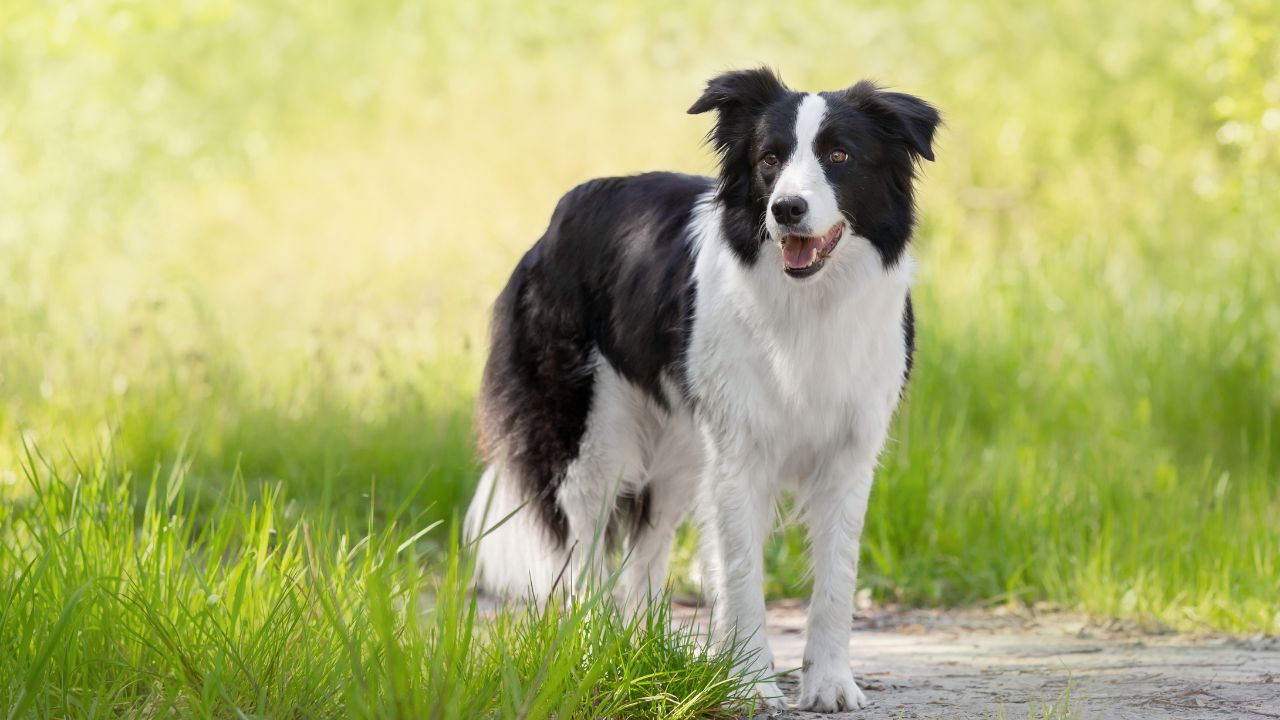
Border Collies can be calm at home once they’ve had real work, but their intensity outdoors is legendary. They’re wired to focus, move, and solve problems. Outside, they don’t just run—they lock in. That’s why they dominate herding and perform insanely well in sport work.
The risk is that a Border Collie without a job will create one, and it won’t be the job you want. They can develop obsessive behaviors if they’re under-stimulated. But if you’re outdoors a lot, you train, and you like a dog that works with its brain, a Border Collie can be quiet indoors and intense outside in the best way.
Australian Shepherd

Aussies often settle well in the home with consistent exercise and a routine. They’re family-oriented and can be content hanging out when their needs are met. Outside, they turn on: high energy, quick movement, and a strong desire to work. They thrive on tasks—hiking, running, training, herding-style games, anything with direction.
They’re not just “active.” They’re work-driven. If you want a dog that’s calm inside but will go hard outside, Aussies can be great—especially for people who like doing something with their dog rather than just letting it roam the yard. They want engagement, not just space.
Boykin Spaniel
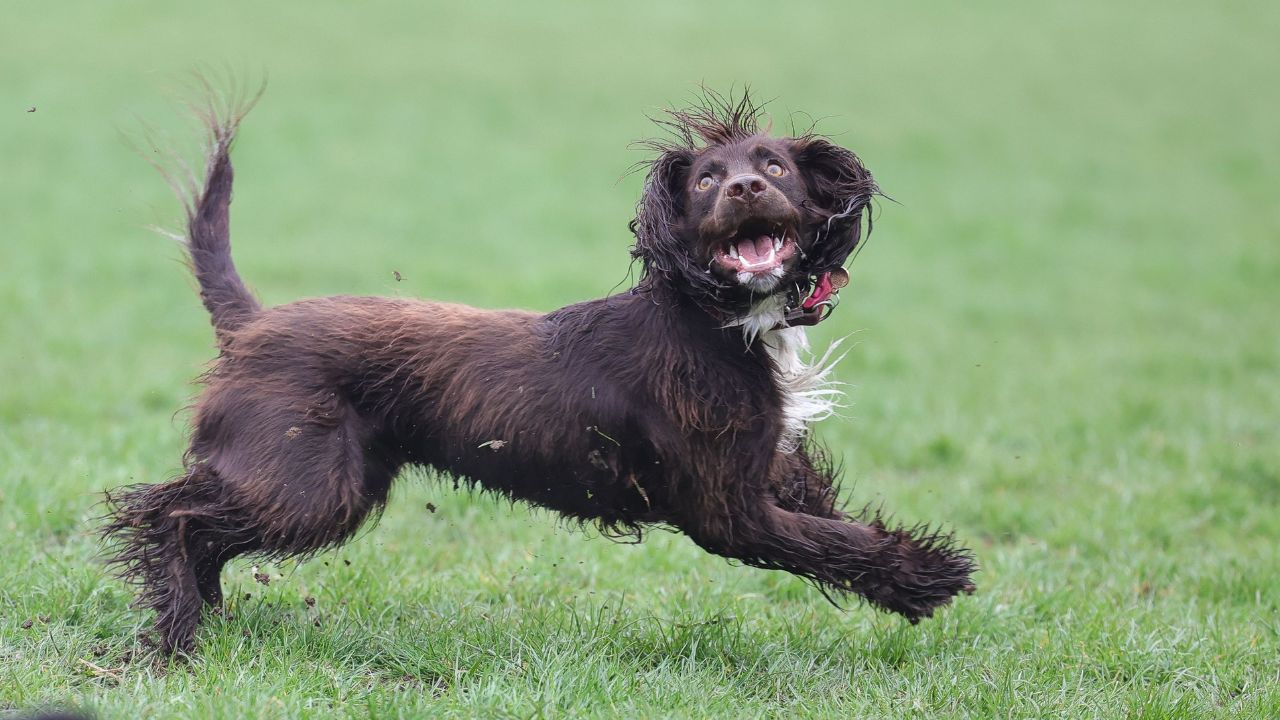
Boykins are often underrated as a “family-friendly but serious outside” dog. Indoors, they can be sweet and fairly calm, especially once they’ve had activity. Outside, they’ve got that spaniel engine: they’ll retrieve, they’ll work in water, and they’ll push through cover with enthusiasm.
They’re a great fit for people who want a smaller hunting-capable dog that still has real drive. The intensity is there, but it tends to come with a friendly temperament that makes them easier to live with than some higher-strung breeds. Like any working spaniel, they need consistent outlet and training.
Chesapeake Bay Retriever
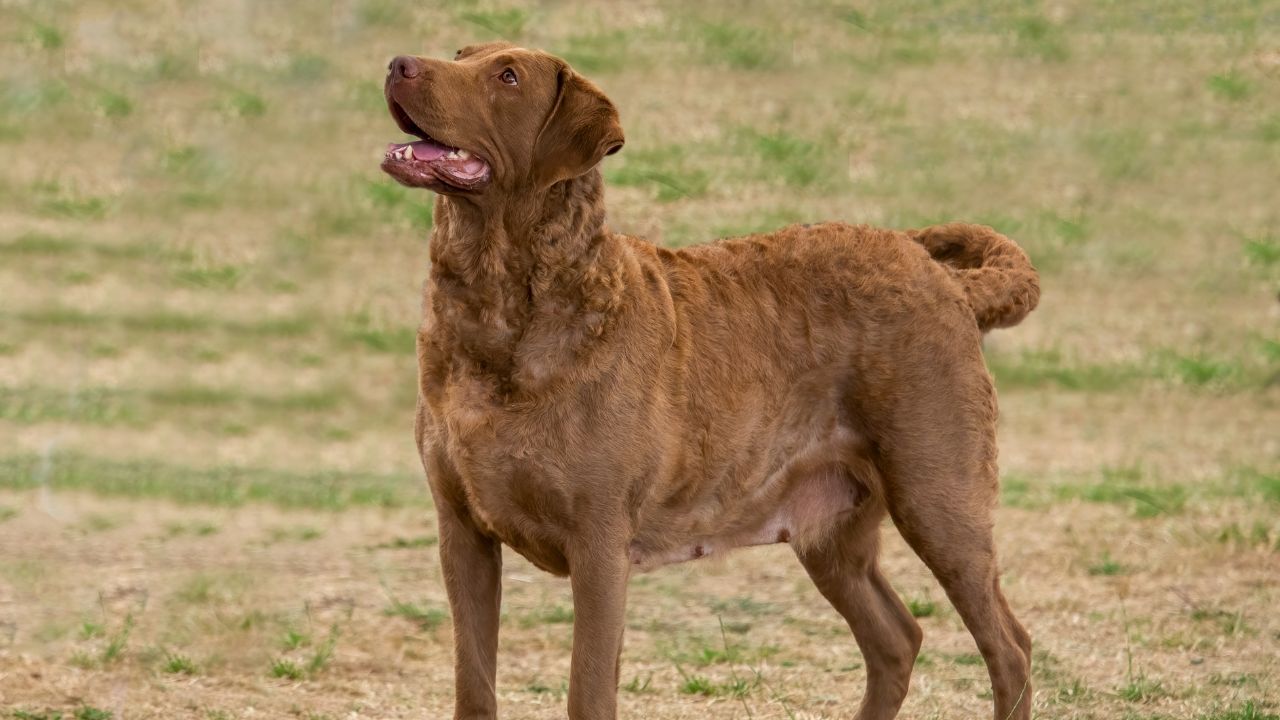
Chessies are famous for being tough outside—cold water, big retrieves, nasty conditions, they don’t care. Indoors, many are calmer and more reserved than Labs, often content to settle as long as their needs are met. Their intensity outside is purposeful, not frantic: they work hard and they don’t quit.
They can be strong-willed, and they bond tightly with their people. You don’t get a Chessie for casual backyard fun. You get one because you want a dog that will work in ugly conditions and still be manageable at home. With training and clear boundaries, they can have a real off switch indoors.
English Setter

English Setters can be surprisingly calm and gentle in the house, especially as adults. They tend to be easy to live with when they’re getting enough activity. Outside, they can be very birdy and driven, working scent and covering ground with that classic setter style.
Setters are often less “wired” than some pointer breeds in the home, but they still need field time and training. If you want a dog that’s relaxed around the family but still gets serious in the uplands, a good English Setter fits the bill. They’re not lazy—they’re just more naturally “house friendly” when exercised.
Catahoula Leopard Dog
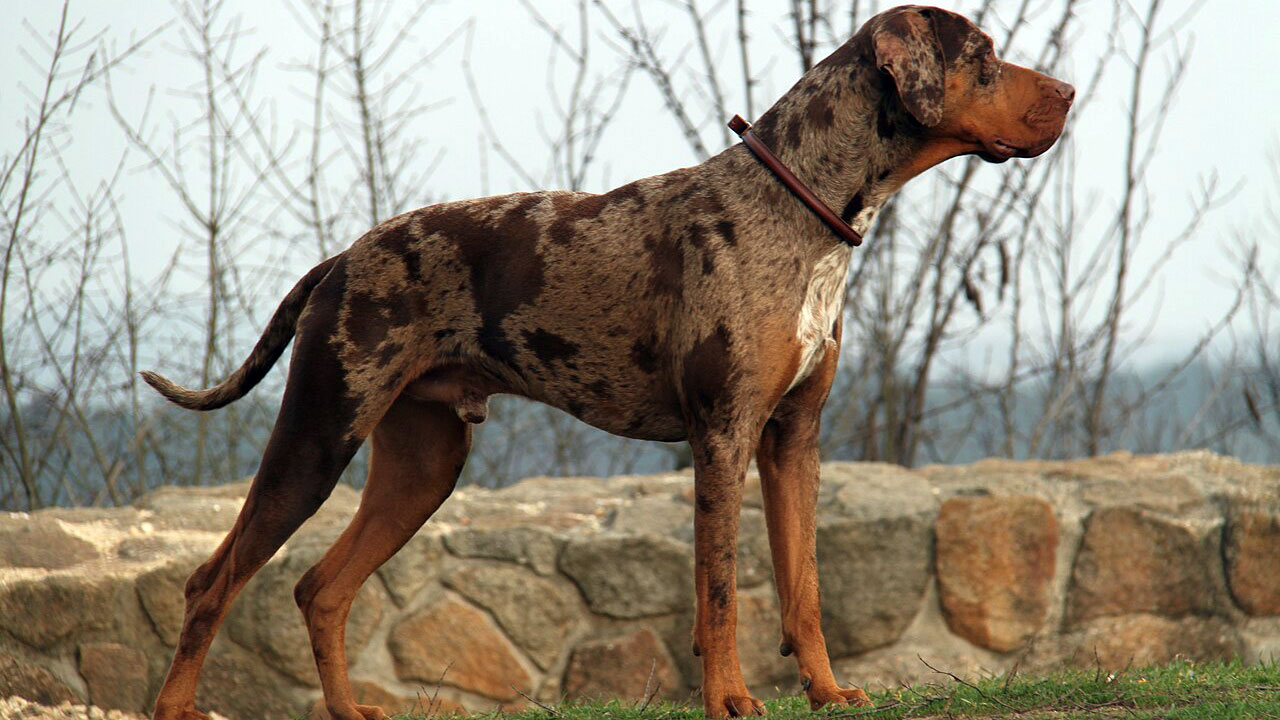
This one can be calm at home in the right setup, but outside intensity is the whole point. Catahoulas are used for hog work and rough country tasks, and they bring grit, drive, and athleticism. Indoors, a well-trained Catahoula can be steady and composed, but they’re not a breed that tolerates boredom.
They also tend to be more independent and can be protective. If you want a dog that flips the switch outside and you’re experienced handling working dogs, a Catahoula belongs on the list. If you want “easy family dog,” this isn’t the first place I’d send you.
Like The Avid Outdoorsman’s content? Subscribe to our newsletter so you never miss an article.
Here’s more from us: