Photo credit: SPN Firearms/YouTube
A pistol that hides well on your belt can make a strong first impression. Thin slide, short grip, easy concealment, less printing under a T-shirt—those are real advantages, and if you carry regularly, they matter. The problem is that the same traits that make a handgun disappear on your body often make it a lot less pleasant once you start putting real rounds through it. What feels smart in the holster can feel a lot less smart by the third or fourth magazine.
That tradeoff is built into the design more often than people want to admit. Smaller grips give you less control. Lighter frames pass more recoil into your hands. Shorter sight radius makes small mistakes show up faster. None of that means these pistols are bad. It means concealment and shooting comfort do not always travel together. These are the pistols that hide nicely, then remind you at the range exactly what you gave up to make them easier to carry.
Glock 43
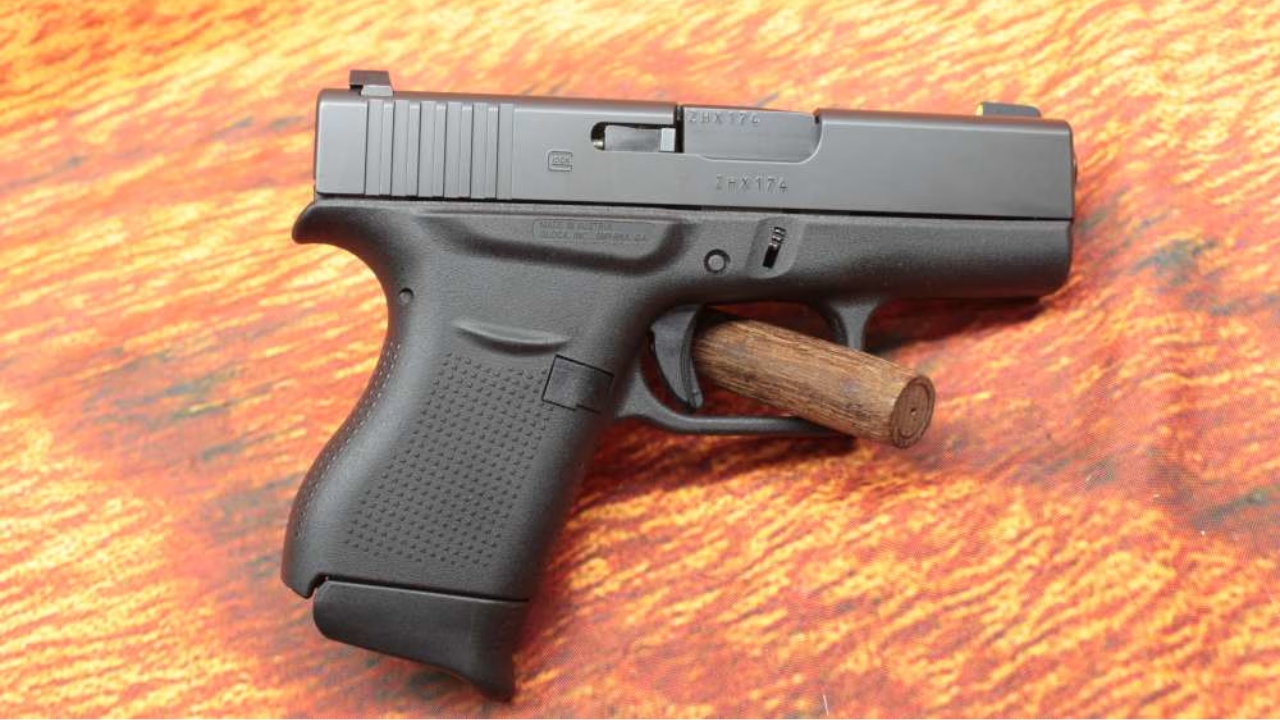
The Glock 43 earned its place because it carries easily and does not ask much from your wardrobe. It is slim, short, and easy to conceal in the kind of daily situations where a bigger pistol starts printing through light clothing. That is why so many shooters gravitated to it. It feels practical, familiar, and straightforward. In the holster, it makes a lot of sense.
On the range, the smaller frame starts collecting payment. The grip is short enough that many shooters lose leverage, and the lighter weight makes the recoil feel sharper than a larger 9mm. The sight radius also gives you less room for error when your pace picks up. None of that makes the 43 unworkable. It means the gun carries better than it shoots, which is the exact compromise many slim pistols make.
Glock 48

The Glock 48 hides well because it stays slim, and that single-stack-like profile is exactly what makes it so appealing to many carriers. It gives you a longer slide than the 43 while still keeping the narrow frame that helps the gun disappear under normal clothing. On the belt, it often feels like the smarter, easier-living option compared with thicker compacts that push against your shirt all day.
The catch is that the thin grip still limits how much control you get when compared with a thicker double-stack pistol. Even though the longer slide helps some, the narrow frame can make the gun feel sharper and less forgiving during longer sessions. You can shoot it well, but it often takes more effort than the size of the pistol first suggests. The 48 is a very practical carry gun, but it still reminds you that slim comfort in the holster can mean more work once the range session starts stretching out.
SIG Sauer P365

The SIG Sauer P365 changed the carry market because it made people rethink how much capacity could fit in a very small package. It is easy to conceal, easy to carry, and undeniably efficient. That efficiency is exactly why it became so popular. For people who wanted a small gun that did not feel severely compromised on paper, it looked like a near-perfect answer.
Then range time starts revealing the other side of the deal. It is still a very small pistol with a short grip, short sight radius, and a light frame that transmits recoil more directly than larger handguns. The gun is capable, but it asks more from your hands than a compact or full-size 9mm does. During longer sessions, that extra snap and reduced control surface start adding up. The P365 carries exceptionally well, but it pays for that carry comfort by being more fatiguing than many buyers first expect.
SIG Sauer P938

The SIG Sauer P938 has a lot of appeal because it is compact, slim, and easy to conceal while still offering a more traditional metal-frame feel than many tiny polymer pistols. It looks refined, it rides light, and it can feel like a more polished answer to deep carry than the usual ultra-small options. In the holster, it wins a lot of people over quickly.
At the range, the tiny size changes the experience. The short grip and small frame make recoil feel sharper than the cartridge might suggest, and the little gun demands more concentration once you stop shooting slow. The smaller controls and abbreviated sight radius do not give you much forgiveness either. It is not that the P938 shoots badly. It is that it reminds you fast that a pistol built around concealment rarely becomes comfortable simply because it is metal-framed. Easy carry and easy shooting are different things.
Springfield Hellcat
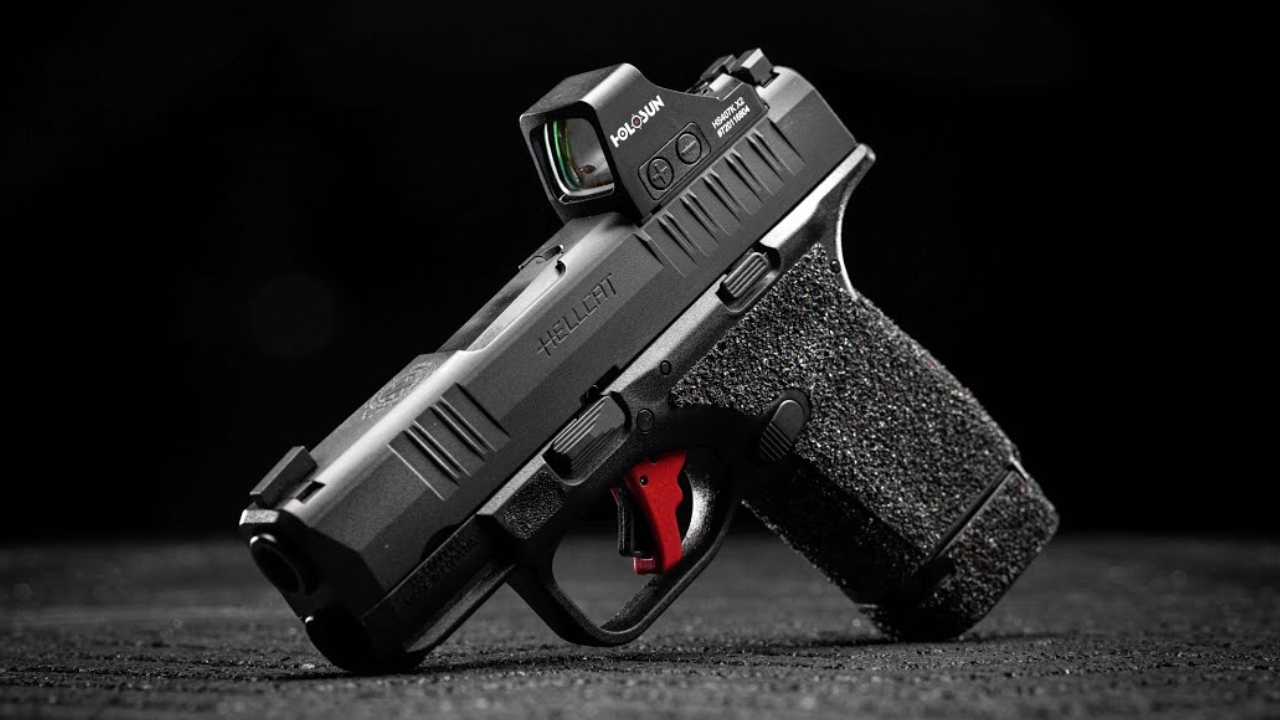
The Springfield Hellcat was built to stay small while still offering strong capacity, and that formula makes it easy to live with on your belt. It conceals well, tucks in tight, and offers more onboard rounds than older slim pistols that gave up capacity to stay discreet. That makes it attractive to shooters who want maximum efficiency in minimum space. As a carry tool, it makes a strong argument.
At the range, though, the same compact dimensions can turn practice into more work than many expect. The short grip and light frame make the gun feel lively in recoil, and over longer strings that lively feel often becomes tiring. It is a capable pistol, but it can be noticeably less pleasant than larger compacts that give you more to hold on to. The Hellcat hides nicely, but it does not hide the fact that very small, high-capacity pistols still ask a lot from the shooter once real repetition begins.
Smith & Wesson M&P Shield Plus

The M&P Shield Plus stays popular because it is slim, easy to conceal, and practical for daily carry in ways thicker pistols are not. It disappears well under ordinary clothing, rides comfortably, and offers better capacity than older single-stack carry guns without becoming bulky. For a lot of people, that balance makes it feel like a very smart purchase the minute they start carrying it.
The price shows up during longer range sessions. The pistol is still narrow, still relatively light, and still a bit more abrupt in recoil than a thicker compact with more grip surface. That narrow frame can make the gun feel less forgiving once the pace increases and your hands start getting tired. It is a useful, sensible carry pistol, but it does not deliver full-compact comfort when the shooting starts. Like many slim carry guns, it makes daily concealment easier by making repeated practice a little more demanding.
Ruger Max-9

The Ruger Max-9 makes a very practical first impression because it is compact, slim, and easy to conceal in the kind of carry setups where a thicker pistol starts becoming noticeable. It is exactly the sort of gun people buy because they want something manageable to wear all day without giving up modern capacity. In that role, the size and shape are doing what they were meant to do.
At the range, the smaller frame starts showing the usual limits. There is less grip to work with, less weight to absorb recoil, and less forgiveness once you start shooting faster or longer. That does not mean it is unpleasant in every sense, but it often feels busier than larger pistols that give your hands more real estate and more leverage. The Max-9 can absolutely serve its purpose, but it is another example of a pistol that stays comfortable on the belt by becoming more tiring in the hand.
Kimber Micro 9

The Kimber Micro 9 has the sort of profile people like for concealment. It is trim, compact, and easy to tuck away in ways larger pistols cannot match. It also carries a certain visual appeal that makes it easy to admire before you have spent serious time behind it. For a lot of buyers, that mix of size and style makes it feel like a very attractive carry option.
The downside becomes clear after a few boxes of ammo. It is still a small pistol, and small pistols do not give you much margin when recoil, grip pressure, and sight tracking start mattering more. The short grip and limited weight can make the gun feel sharper and more tiring than people expect from a 9mm that looks this refined. It can be a useful carry piece, but it reminds you quickly that neat, compact design does not automatically translate into a pleasant or forgiving range experience.
Walther PPS M2

The Walther PPS M2 built a following because it stayed thin, easy to conceal, and more comfortable to wear than many thicker compacts. It fits the role of a discreet carry pistol very well, especially for shooters who care more about comfort and concealment than maximum size or bulk. On the body, that slimness is the feature that sells the gun every day.
On the range, that same slimness can make the pistol feel less comfortable than its clean design suggests. The narrow grip gives you less leverage than a fuller frame, and the light weight means the gun lets you feel more of the recoil impulse than a larger pistol would. It is still controllable, but longer practice sessions tend to remind you that “easy to carry” rarely means “easy to shoot for a long time.” The PPS M2 is honest about what it is, but the range often makes the tradeoff more obvious than the holster does.
Kahr PM9
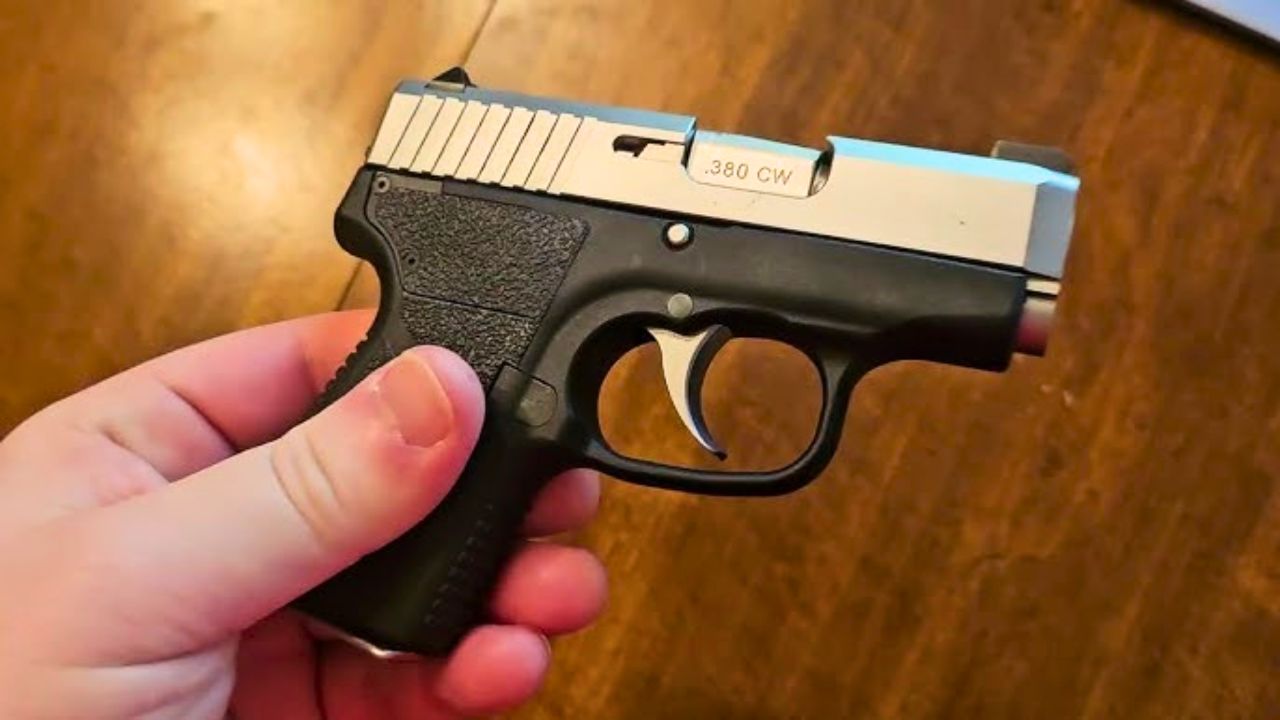
The Kahr PM9 has long appealed to shooters who want a truly small 9mm that is easy to hide and easy to carry without much adjustment to daily life. It is compact enough to disappear in places where larger pistols become a burden, and that kind of convenience gives it obvious value. If your main concern is keeping the gun unobtrusive, the PM9 makes a very solid first case for itself.
The range reminds you why that size comes at a cost. Small grip area, light weight, and short dimensions all make the pistol more demanding than many shooters first expect. Even when the recoil is manageable, the gun can still feel more tiring and less forgiving than slightly larger carry pistols. You usually need more effort to maintain the same pace and accuracy you would get more easily from a bigger frame. The PM9 carries like a small pistol should. It also punishes like one when you start running it harder.
Glock 26

The Glock 26 does a lot to stay easy to conceal. Its short grip helps it print less than larger double-stacks, and that alone has made it a trusted carry choice for years. It still gives you the familiar Glock layout and a chunky little package that hides better than a lot of shooters expect from a double-stack subcompact. On the carry side, it is one of the more proven compromises in the category.
At the range, the short grip changes the tone. Even though the pistol is thicker than many slim carry guns, that abbreviated frame still reduces control compared with a larger compact. Many shooters find the recoil more abrupt than they expect from a gun this stout, especially over longer sessions when the lack of full grip starts to wear on them. The 26 is still a very capable pistol, but it reminds you that chopping the grip for concealment usually means giving up a measure of comfort and ease in practice.
Glock 27

The Glock 27 hides well for the same reason the Glock 26 does: short grip, compact size, and a profile that keeps the gun from printing like a service pistol. That made it a strong option for shooters who wanted a smaller carry gun with a cartridge they trusted. In the holster, it can feel like a serious compact package that gives up little except length.
On the range, it can feel like a much harsher deal. The short grip and snappier recoil combine in a way that many shooters find noticeably more fatiguing than softer-shooting alternatives. During short practice, it may seem manageable enough. During longer sessions, the sharper recoil impulse and reduced control surface often make the gun feel like more work than its carry convenience seems worth. The Glock 27 conceals well, but it is one of the clearer examples of a pistol that reminds you quickly what you traded away to make it easier to hide.
SIG Sauer P290RS

The SIG Sauer P290RS was built to stay compact and concealable, and in terms of footprint, it succeeds. It is small enough to carry discreetly and sturdy enough to feel serious in the hand, which made it appealing to buyers who wanted a deep-carry pistol with a little more substance than some featherweight pocket guns. In the holster, it does the small-gun job well.
At the range, the experience tends to feel heavier in effort than the size suggests. The compact frame still limits how much control you get, and the pistol’s small dimensions make recoil feel more abrupt over time than many shooters prefer. The short sight radius and compact grip also mean small errors show up faster once you begin shooting with speed. It is not a useless pistol by any stretch, but it is a very good example of how a gun can be easy to hide and still demand more patience than many people want to spend at the range.
Ruger LCP Max

The Ruger LCP Max conceals extremely well because it is tiny, light, and shaped to disappear where larger pistols simply will not. That makes it a very attractive option for deep concealment, pocket carry, or days when you want the smallest practical handgun possible. In terms of printing less, it does exactly what people buy it to do. It is built around carry convenience first.
At the range, that convenience turns into effort almost immediately. The very small grip, the minimal weight, and the abbreviated dimensions make the pistol much more demanding than larger handguns in the same general category of use. The recoil is not brutal in the abstract, but the size makes every bit of it more noticeable and less enjoyable over repeated strings. The LCP Max carries beautifully. It also makes it clear that the pistols easiest to hide are often the ones least pleasant to shoot for very long.
Smith & Wesson CSX

The Smith & Wesson CSX has the kind of compact profile that appeals to people who want a small pistol that stays easy to conceal without looking or feeling like a pure pocket gun. Its trimmed dimensions help it print less than larger compacts, and that is the sort of detail you notice quickly once you start carrying it daily. It feels like a pistol built around staying out of sight.
Once you get it on the range, the smaller size starts asking for more attention. Even with its metal-frame feel, it still gives you less grip, less sight radius, and less forgiveness than a larger handgun. That can make repeated practice feel more demanding than buyers expect when they first handle it. It is not a miserable gun to shoot, but it is another example of a pistol that earns its carry credentials by giving up a measure of range comfort. Concealment stays easy. Long sessions still make you work for it.
Springfield XD-S Mod.2

The Springfield XD-S Mod.2 was designed to stay slim and discreet, and that is exactly what makes it attractive to carry-minded shooters. It tucks away more easily than thicker pistols, feels flatter against the body, and offers a carry profile that works well in ordinary clothing. From a concealment standpoint, it does what it was intended to do without much argument.
On the range, the tradeoff becomes clearer. The narrow frame and compact dimensions make the pistol feel sharper than larger guns that spread recoil out over more grip area and more mass. Over time, that extra snap and reduced leverage can make it feel more tiring than the clean, slim profile first suggests. It remains a workable carry pistol, but it is very much part of the group of handguns that reward you in the holster and charge you back in comfort once you start spending real time shooting them.
Like The Avid Outdoorsman’s content? Subscribe to our newsletter so you never miss an article.
Here’s more from us: