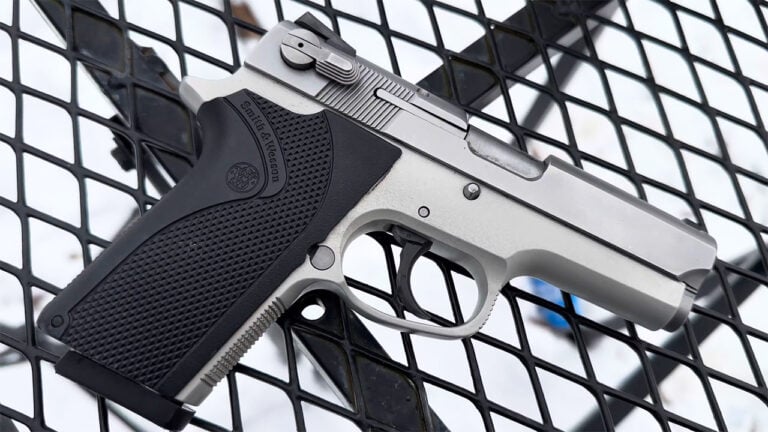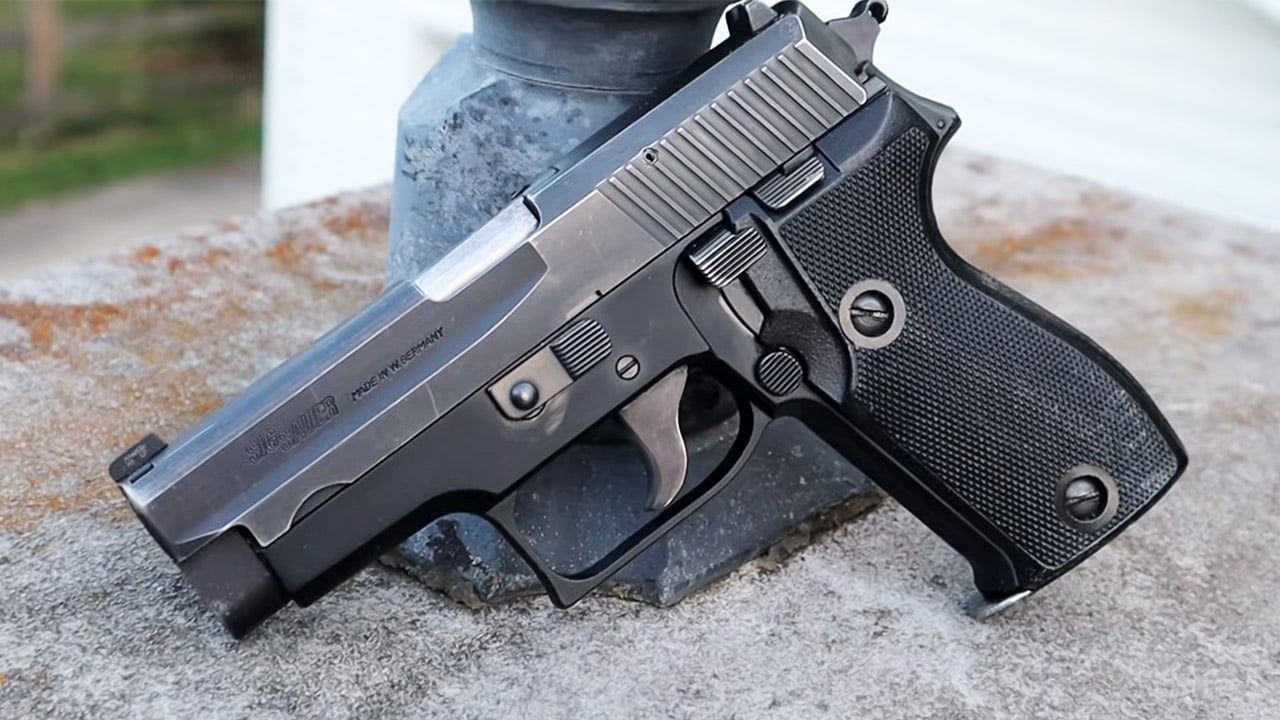
Photo credit: Hipster Tactical/Youtube
If you hang around small-town gun counters long enough, you start noticing a pattern. Certain pistols sit in the used case forever because they aren’t trendy, they aren’t “optic ready,” and the guy behind the counter doesn’t feel like explaining why a plain-looking older handgun is actually a smart buy. Then, one day, collectors and internet chatter catch up, and suddenly the same pistol is priced like it’s made of gold.
This isn’t about panic buying or “investment guns.” It’s about the sleepers—handguns that were easy to overlook because they were police trade-ins, odd calibers, import guns with confusing markings, or just plain unfashionable. Here are 20 pistols I’ve watched get cleared out cheap before the wider crowd figured out what they really were.
1. Smith & Wesson Model 3913
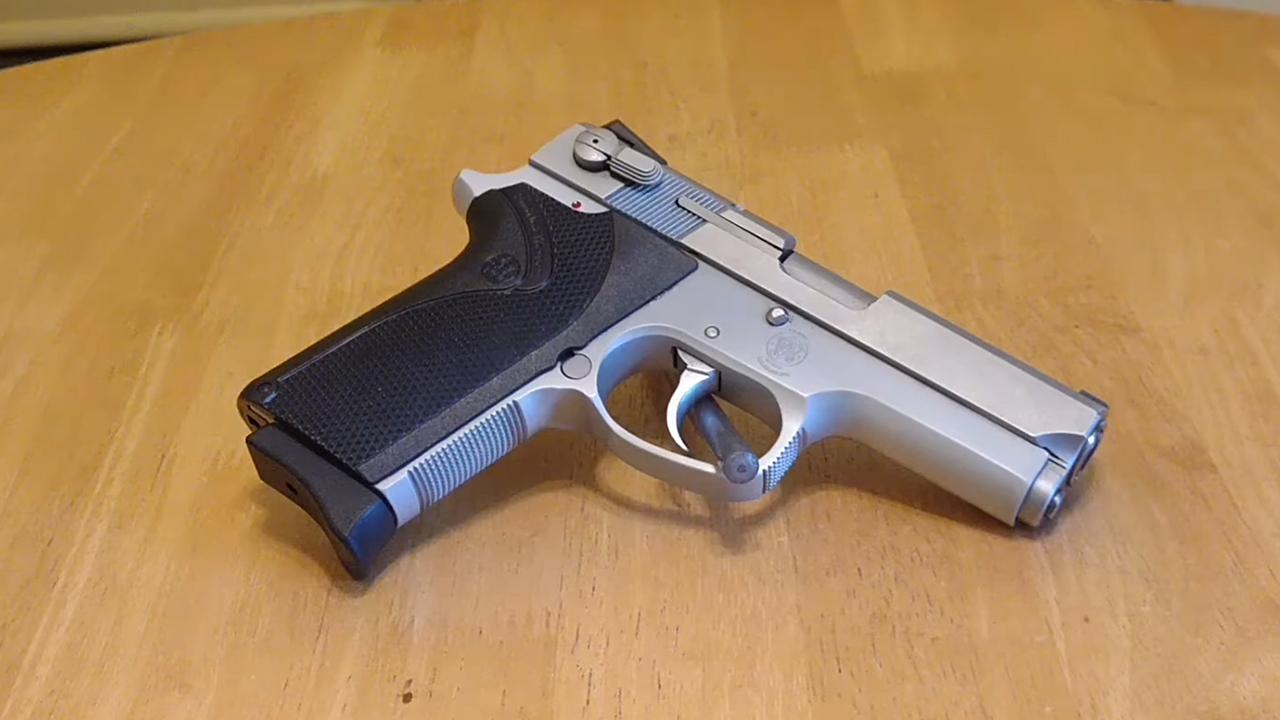
The 3913 is one of those pistols that looks boring in the case until you pick it up. Slim, single-stack 9mm, metal frame, and it carries like it was designed by someone who actually had to wear it all day. A lot of them came through as trade-ins, and small shops priced them like “old lady gun” material.
They’re not perfect—older sights, older manual of arms, and you either like the traditional DA/SA setup or you don’t. But the fit and finish is usually better than folks expect, and they run. When someone wants a real carry pistol that isn’t a polymer brick, the 3913 keeps making sense.
2. Smith & Wesson Model 5906
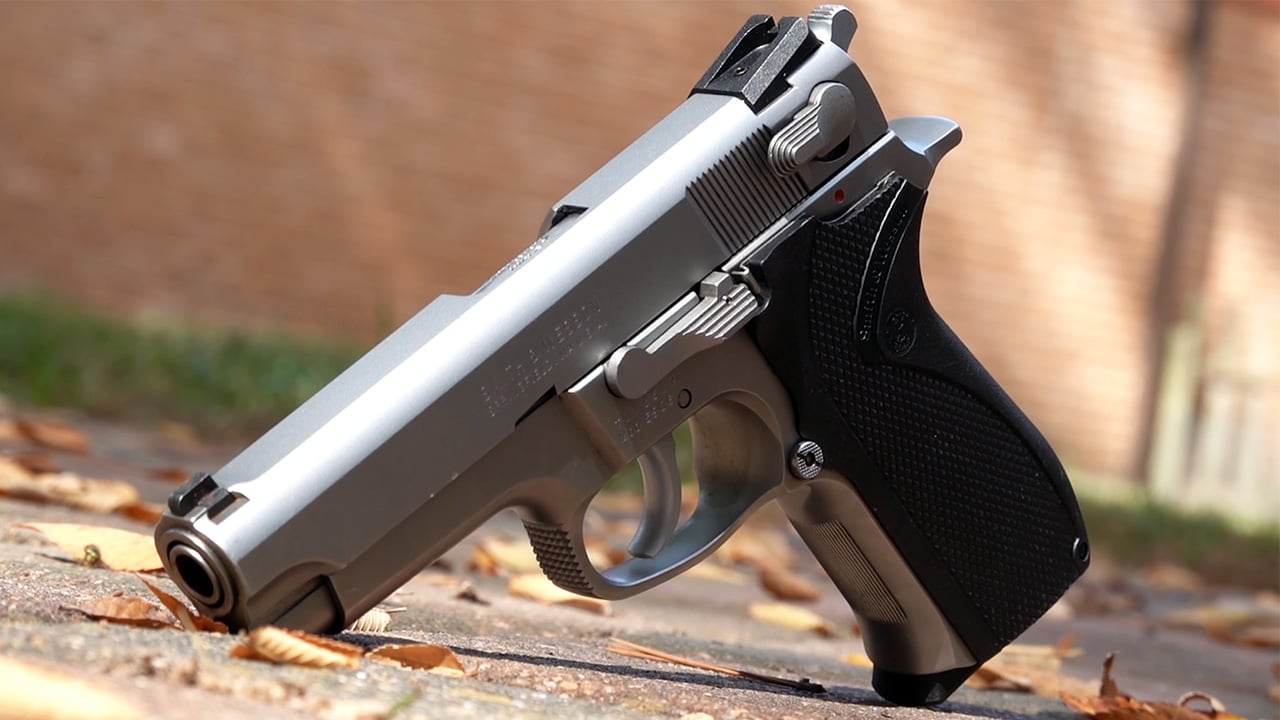
All stainless, built like a boat anchor, and that’s exactly why they got ignored. The 5906 was a duty pistol in the days when “lighter” wasn’t the main selling point. You’d see them in a used case with honest holster wear and a price tag that said “just take it.”
Then people started realizing these things last. Magazines are around, parts aren’t a nightmare, and the weight makes them easy to shoot well. It’s not what I’d call fun to carry, but as a range gun or nightstand pistol, it’s hard to argue with.
3. SIG Sauer P6 (West German police P225)
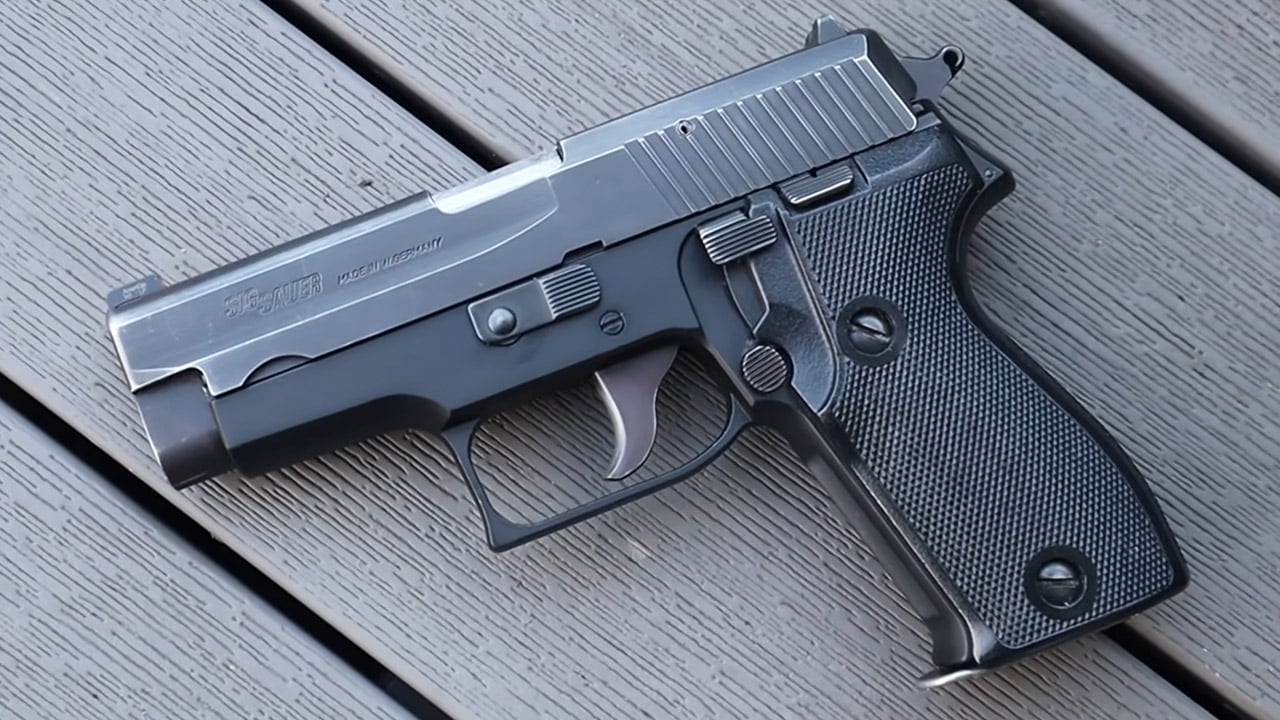
The P6 imports used to be the classic “I’ll take a chance on it” buy. West German markings, single-stack 9mm, and a reputation for being more accurate than the average shooter. Dealers would move them quick because the boxes were plain and the guns looked like “old SIGs.”
Some had heavier triggers and some didn’t love modern hollowpoints without trying a few loads first. Still, the balance is right, the build quality is there, and collectors eventually started chasing the police guns. Once that happened, the cheap pile dried up.
4. SIG Sauer P239
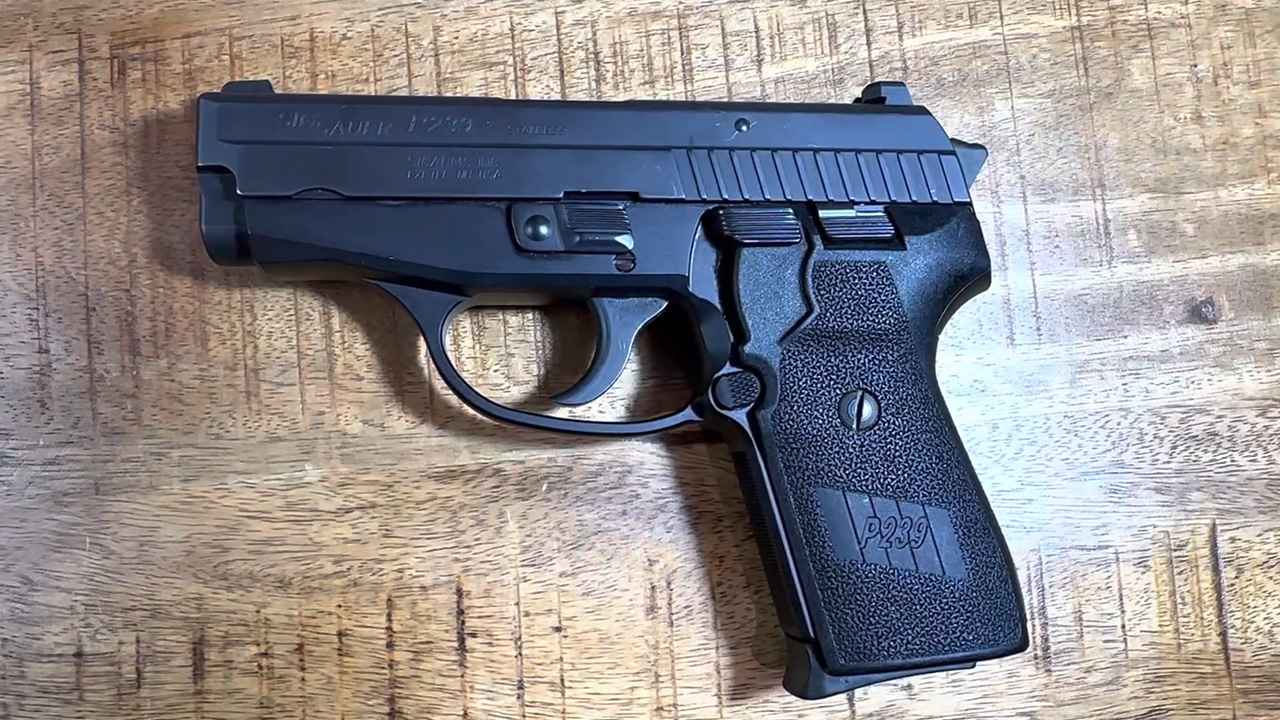
The P239 lived in a weird space. Too heavy compared to the micro-compacts, too small compared to a duty pistol, and not “cool” like a classic P226. That’s exactly why you’d see them priced soft in smaller shops.
Here’s what matters: it shoots like a real pistol. The grip shape works, recoil is tame, and it points naturally for a lot of hands. If you find one with extra mags and the right night sights, it’s the kind of carry gun you keep instead of cycling through.
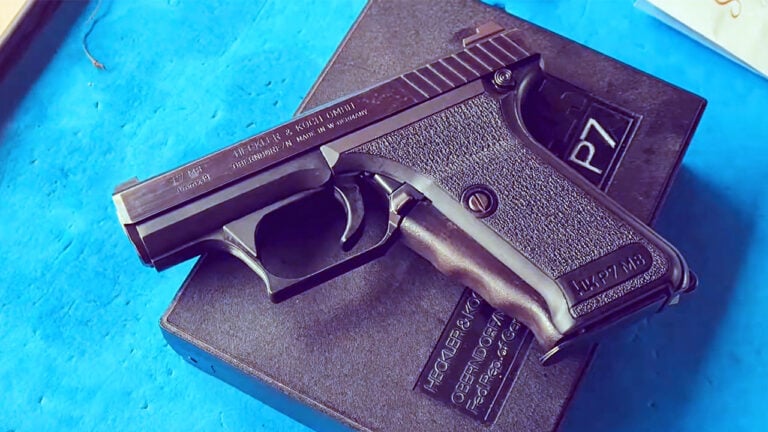
5. Heckler & Koch P7 PSP

The first time you handle a P7, you either fall in love or you set it down and say, “Nope.” The squeeze-cocker system feels strange until it clicks, and then you realize why some folks swear by it. For years, they were “odd German pistols” that shops didn’t want to explain.
They also heat up fast when you run them hard, and the manual of arms isn’t for everyone. But the accuracy is real, the engineering is real, and the supply is not getting bigger. When collectors got serious, the days of cheap P7s ended in a hurry.
6. Heckler & Koch USP Compact (9mm)
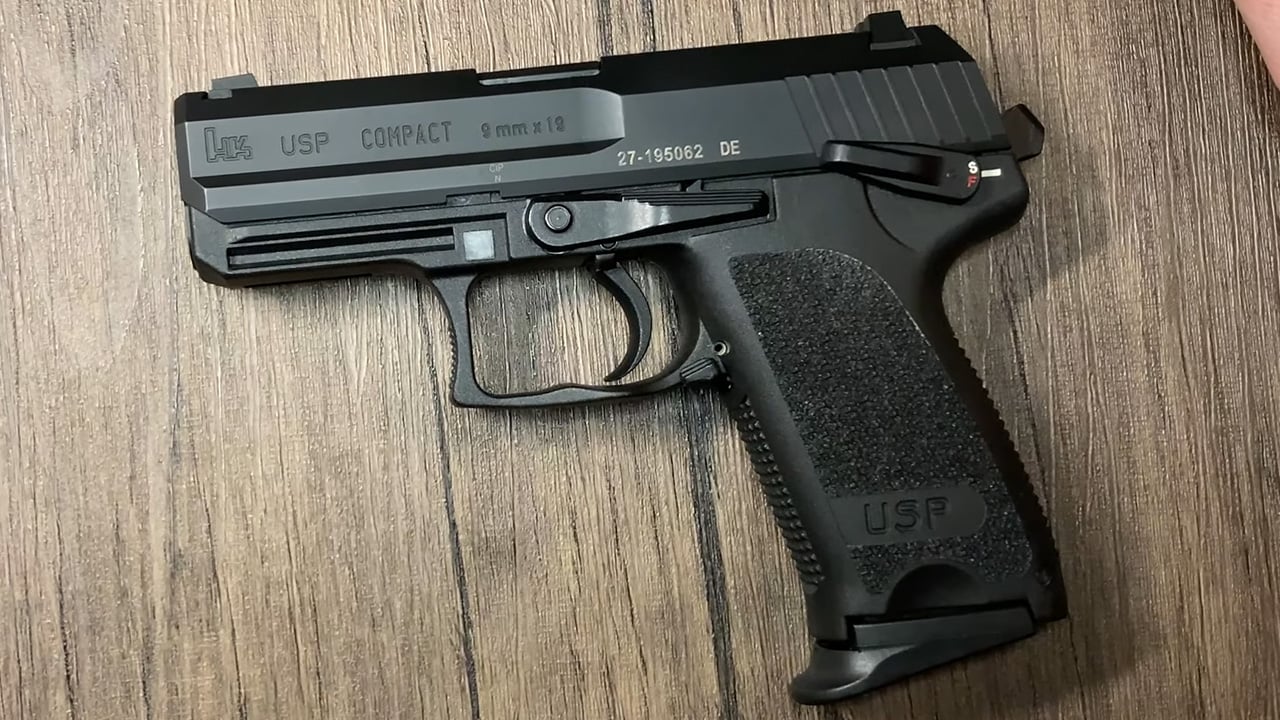
Before everybody wanted red dots and flat triggers, the USP Compact was just a chunky, tough carry gun. It’s not thin, it’s not light, and it doesn’t try to impress you in the display case. That’s why it would sit.
Then you shoot one. Reliability is usually boringly good, the recoil impulse is soft for its size, and they hold up to abuse. Magazines aren’t bargain-bin cheap, but they exist, and the pistols keep chugging. If you stumble on one that hasn’t been “customized,” it’s worth a closer look.
7. Walther P1 (post-war P38 alloy-frame)
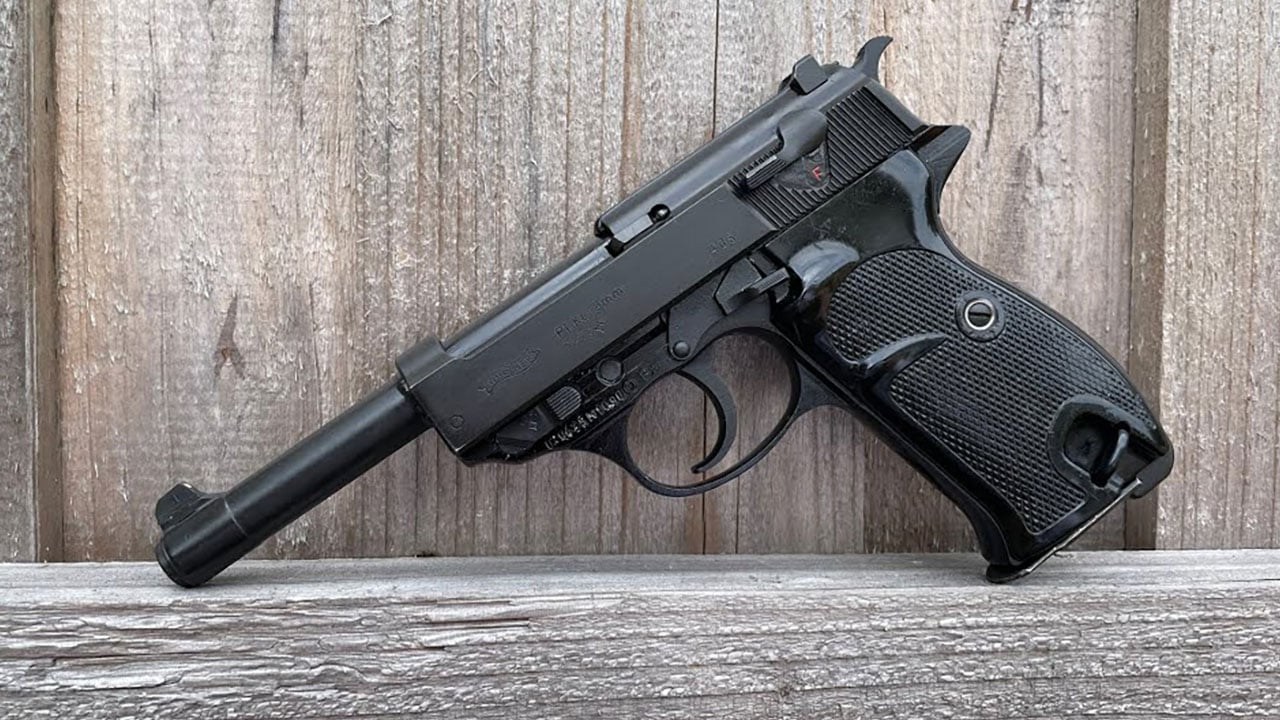
These got treated like surplus junk for a long time. Skinny grips, heel mag release on some variants, and that classic open-top slide that looks like it belongs in a museum. Small dealers moved them because they weren’t modern defensive pistols.
Collectors started paying attention to markings, dates, and condition, and suddenly the “cheap old Walther” became something people actually hunted down. They’re still not a high-round-count range blaster in my book, but as a slice of handgun history you can shoot, they’re hard not to respect.
8. CZ 75B (early import guns)
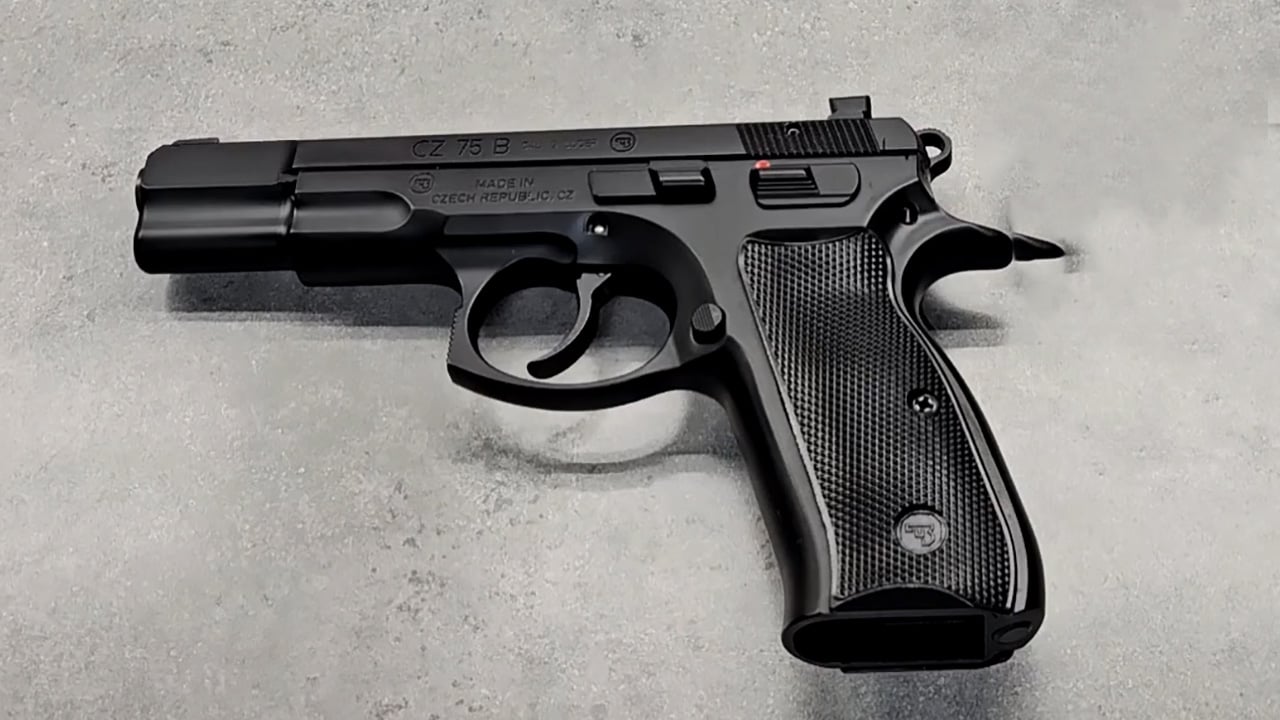
The CZ 75 has been “known” for a while, but early import guns and clean pre-owned examples used to be sleepers in rural shops. A lot of folks didn’t know why the slide rides inside the frame rails or why the grip felt so good. They just saw another steel 9mm.
Accuracy is usually better than the price suggests, and they’re forgiving guns to shoot well. The downside is they can be heavier than people want for carry, and some variants have quirks with controls. Still, they’re the kind of pistols that make you wonder why you ever bothered with something snappier.
9. CZ 82 (9×18 Makarov)

When crates of these were floating around, small-town shops treated them like cheap surplus plinkers. The caliber turned people off, and “9×18” made casual buyers nervous because they didn’t want another ammo type to chase.
What got missed is how well they’re put together. Ergonomics are excellent, triggers are often surprisingly decent, and they’re accurate little pistols. Ammo is more available now than it used to be, and clean mags are the main thing to secure if you buy one.
10. Makarov PM (Bulgarian and East German)
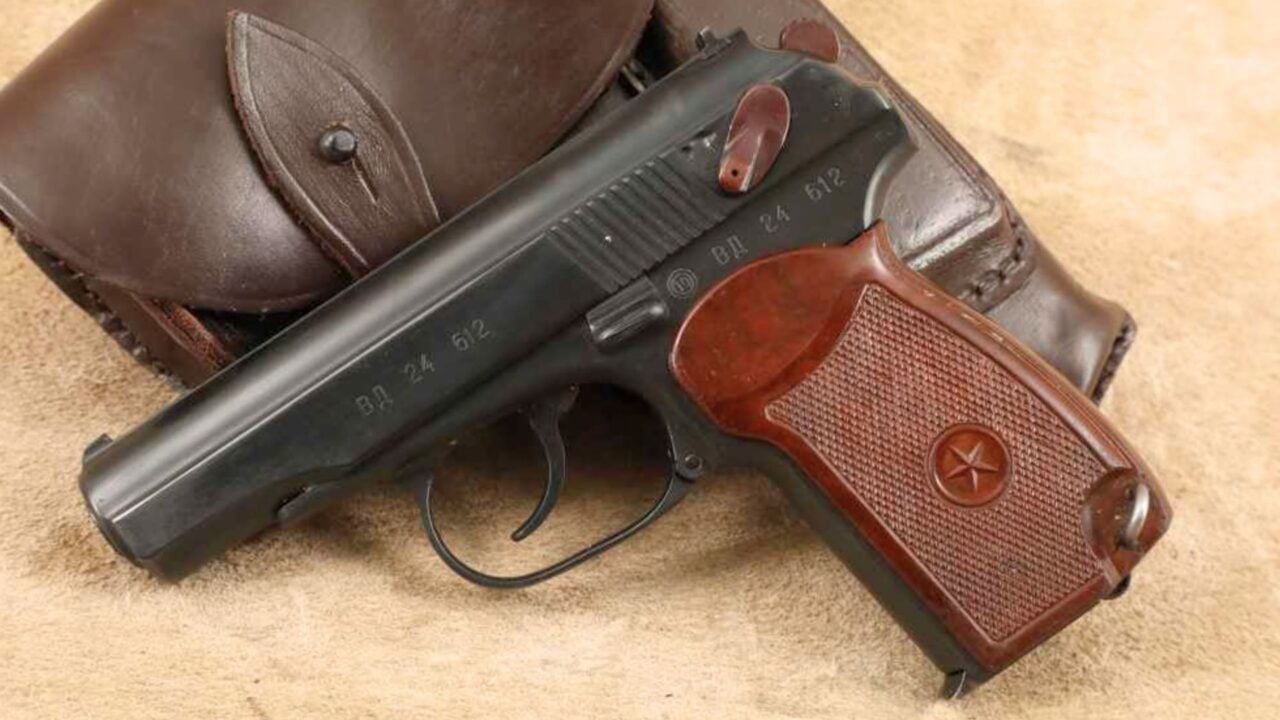
The Makarov is plain, reliable, and about as glamorous as a shovel. For a long time, that meant they were easy to move cheap. The East German ones in particular were sometimes sitting right next to cheaper variants with zero explanation of why they mattered.
The design is simple and it usually runs even when it’s dirty. Recoil is snappy for the size, and the sights are not what I’d call generous. But for a tough little pistol with real history and a loyal following, it’s one that disappeared from bargain shelves faster than expected.
11. Beretta 84 (Cheetah series)
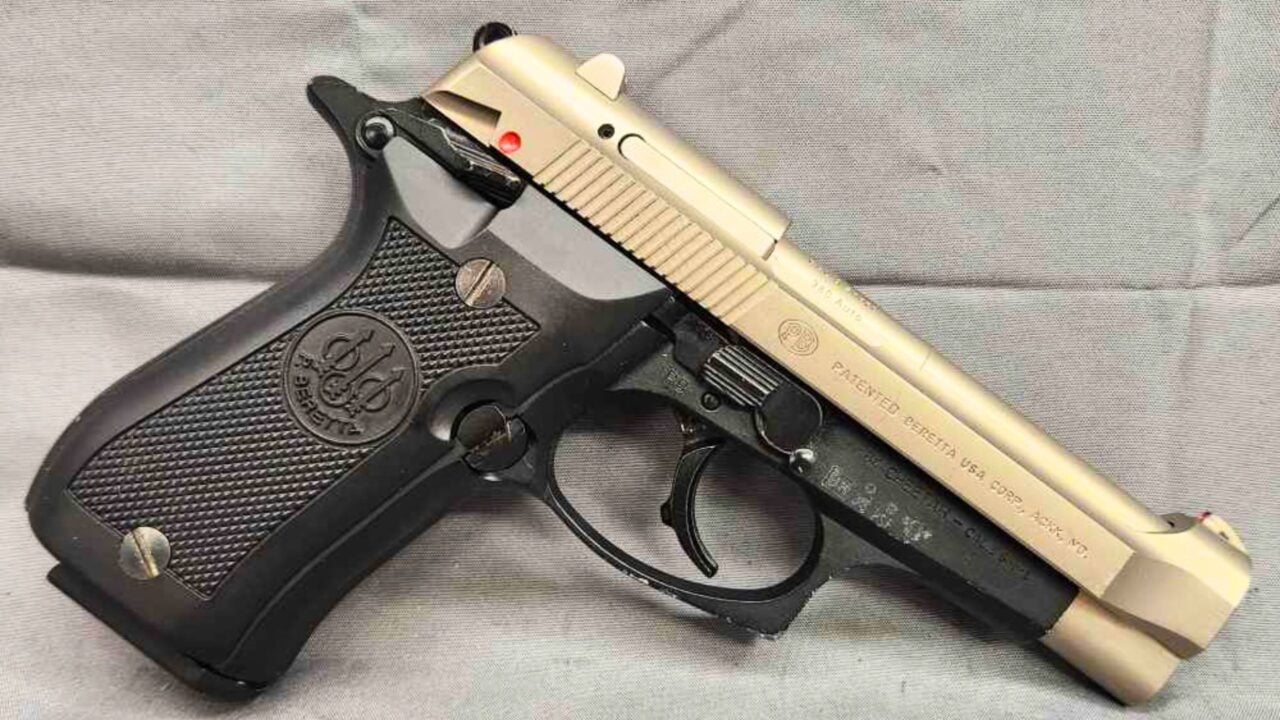
.380 doesn’t always get respect, and the Beretta 84 suffered for that for years. It’s bigger than modern .380 pocket pistols, so folks would look at it and ask why they shouldn’t just buy a compact 9mm instead. That question kept prices reasonable in a lot of small shops.
Then people started carrying them and realizing the truth: it’s easy to shoot well, it points naturally, and it’s built like a real pistol. Magazines can be expensive depending on the variant, but the gun itself is a sweet shooter and the collector crowd noticed.
12. Beretta 92FS (police trade-ins and Italian-made)

There was a stretch where used 92FS pistols were everywhere and nobody cared. “Too big,” “too old,” and “the military moved on.” Shops priced them to move because they took up space and the new polymer stuff was hot.
Still, a good 92FS is a smooth-running machine. They’re soft shooting, magazines are everywhere, and you can find holsters in any decent gun shop. The Italian-made guns and certain markings started pulling attention, and now the clean ones don’t sit around like they used to.
13. Beretta PX4 Storm Compact
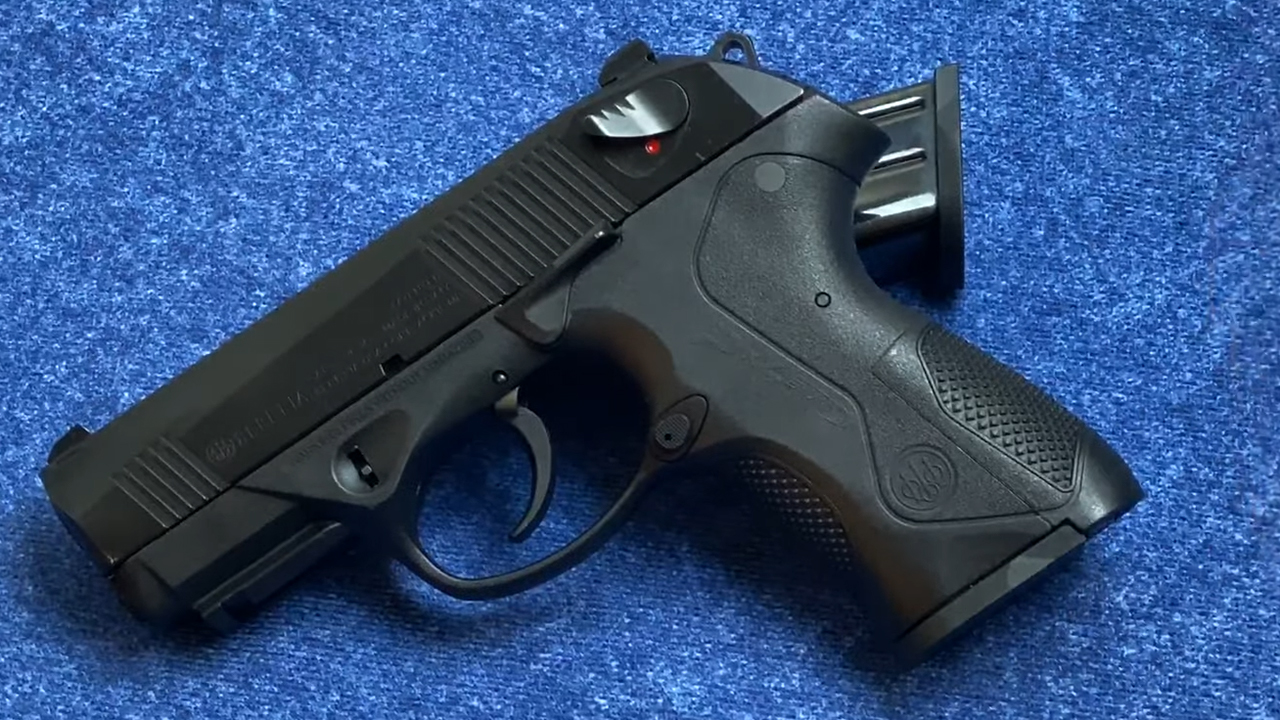
The PX4 got clowned online for the looks. The rotating barrel system didn’t help, because anything different gets labeled “weird.” In smaller stores, you’d see them traded in by someone who bought it on a whim and didn’t bond with it.
Here’s the part that matters: they shoot flatter than you’d expect, and they’re reliable if you don’t get cute with questionable magazines. They’re not the slimmest carry guns, but they carry fine with the right belt. When people finally started giving them range time, prices firmed up.
14. Browning Hi-Power (FN and licensed clones)
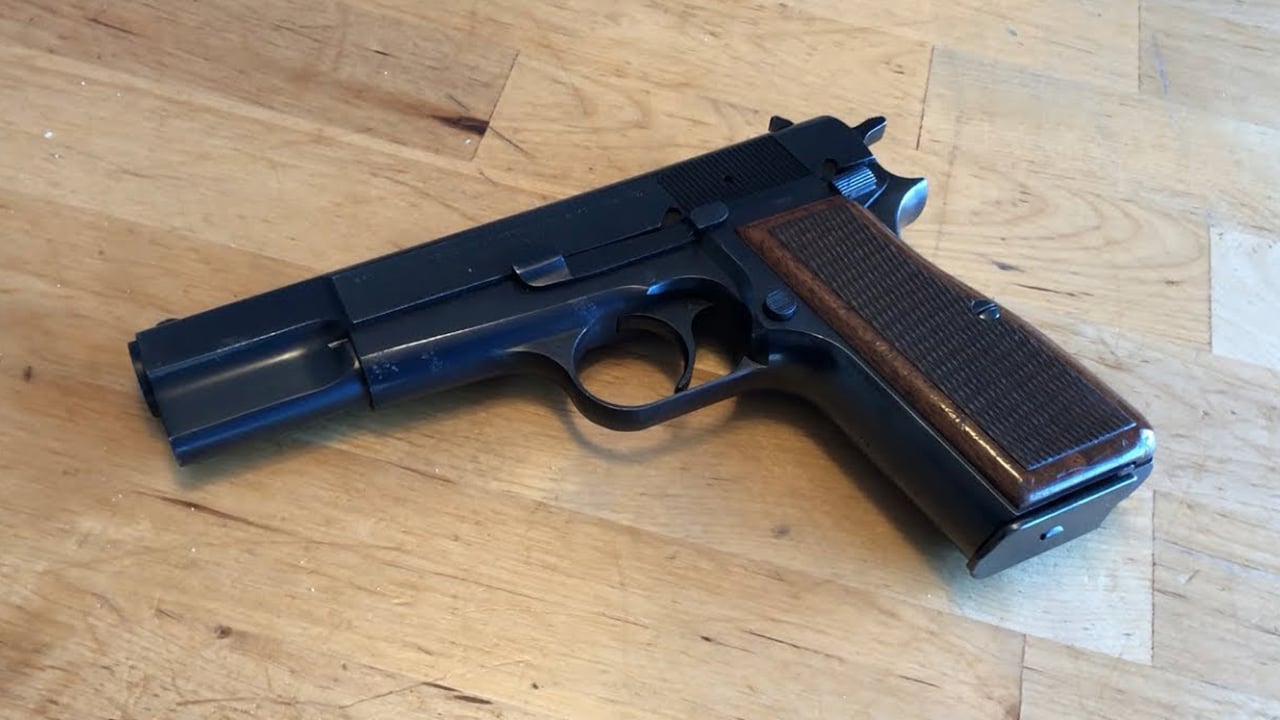
The Hi-Power was “Grandpa’s 9mm” for a while, which is the kind of reputation that gets a pistol cleared out cheap. I’ve watched more than one walk out the door because somebody wanted the cash for a new striker-fired gun with a light.
Then production stopped, and folks remembered why the Hi-Power has a following. The grip is excellent, it points fast, and it just feels right in the hand. Not every example has a great trigger out of the box, and some older ones need a little attention, but collector interest is not slowing down.
15. Ruger P89
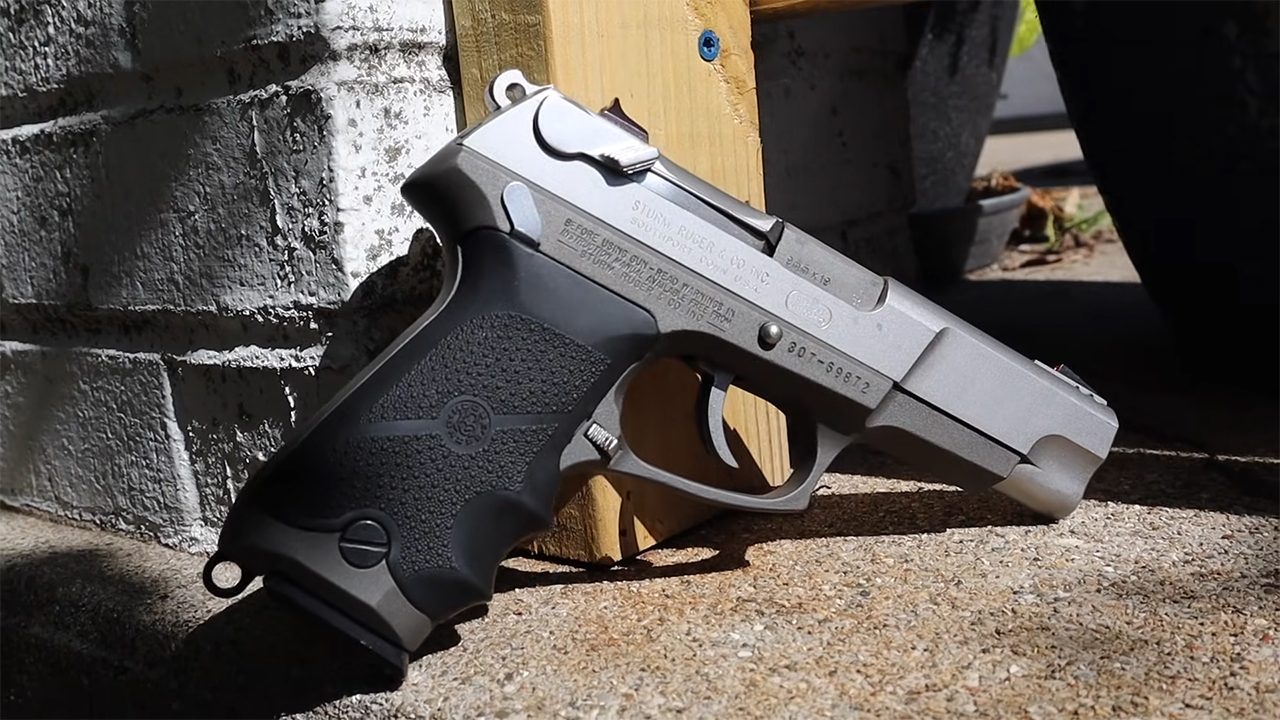
If you want “pretty,” the P89 is not your gun. Big, blocky, and unapologetically Ruger from the era when they built things to survive. That made them easy for small dealers to discount because they weren’t exciting.
But they work. They’re usually reliable, magazines aren’t impossible, and they’ll digest a lot of ammo. They’re not refined, and the trigger can feel like you’re dragging a piano through gravel, but as a glovebox or cabin pistol, they’re hard to kill.
16. Ruger Security-9 (original model)

The Security-9 got overshadowed by Ruger’s own lineup. When the market is flooded with compact 9mms, a “budget” gun is easy for buyers to dismiss, and it’s easy for dealers to mark down to keep inventory moving.
I’ve seen plenty that just run, and that’s the main point. The trigger is serviceable, recoil is manageable, and it’s light enough to carry without complaining about it all day. It’s not a collector’s gem in the traditional sense, but it’s one that disappears when folks realize it’s better than the price suggests.
17. Springfield Armory XD-S (first generation)
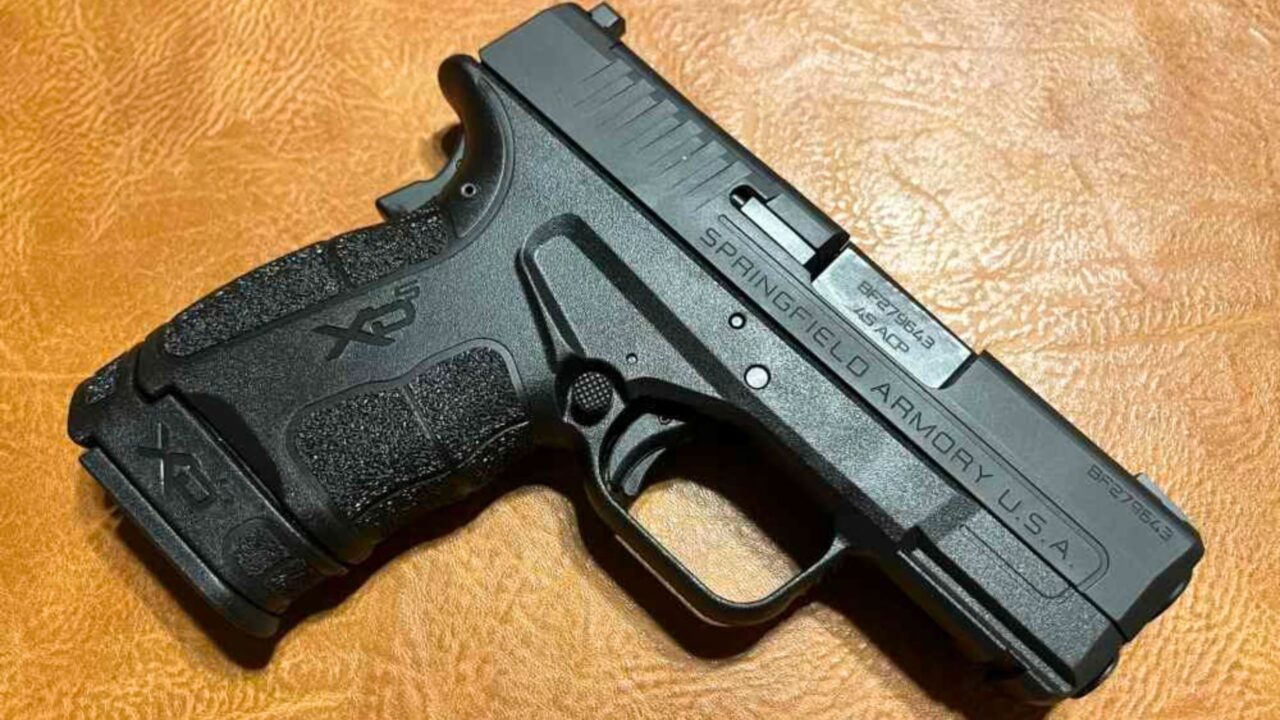
When the micro-9 wave hit, early single-stacks like the XD-S got traded in hard. Small dealers ended up with stacks of them because everybody “needed” the newest tiny 9mm that held a couple more rounds.
The XD-S isn’t perfect, and you want to make sure any used one is in good shape and properly maintained. But as a thin carry pistol that shoots better than many true pocket guns, it still has a place. It’s also a reminder that not every “older carry gun” is obsolete.
18. Colt Police Positive (older .38 revolver)
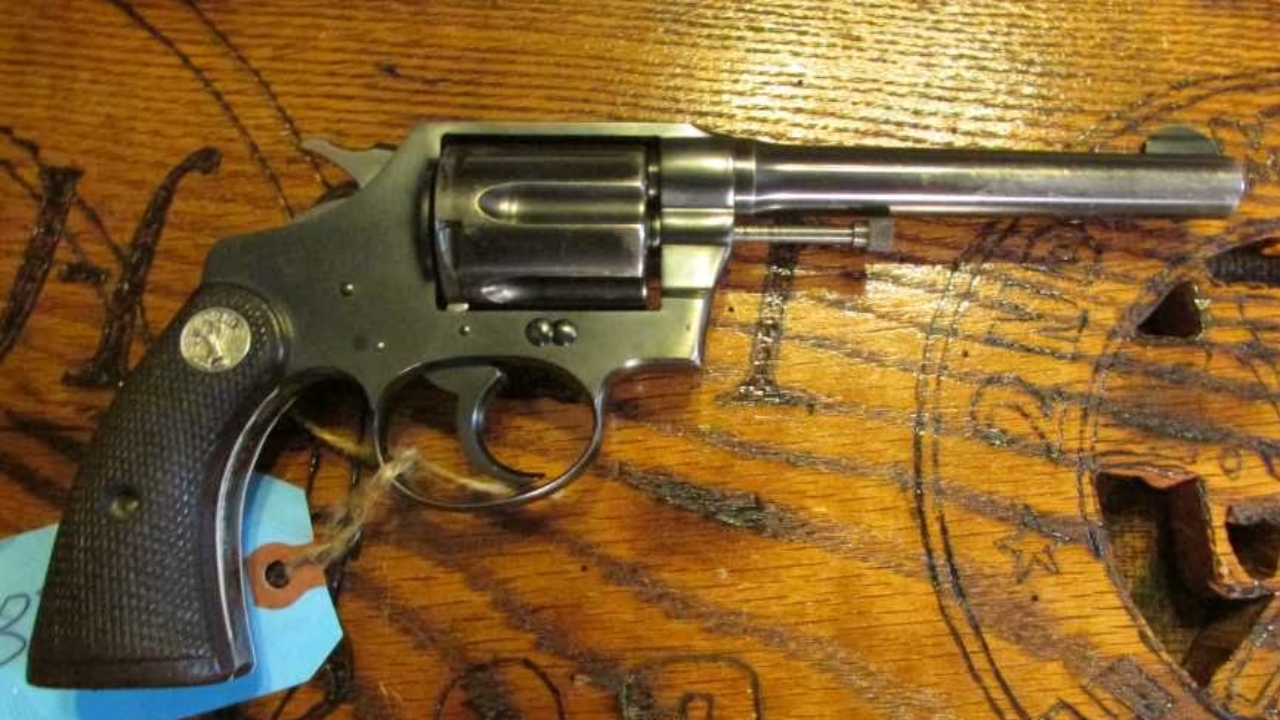
Old Colt revolvers used to be the stuff that sat in the corner because everyone was chasing modern semi-autos. A Police Positive with worn bluing would get a “that’s neat” from most buyers and then go back in the case.
Collectors eventually figured out condition, timing, and original parts matter a lot with these. A tight, honest Police Positive is a slick little revolver, and the Colt action has a feel to it when it’s right. If you ever handle one that locks up properly, you’ll understand why they don’t stay cheap.
19. Smith & Wesson Model 39-2
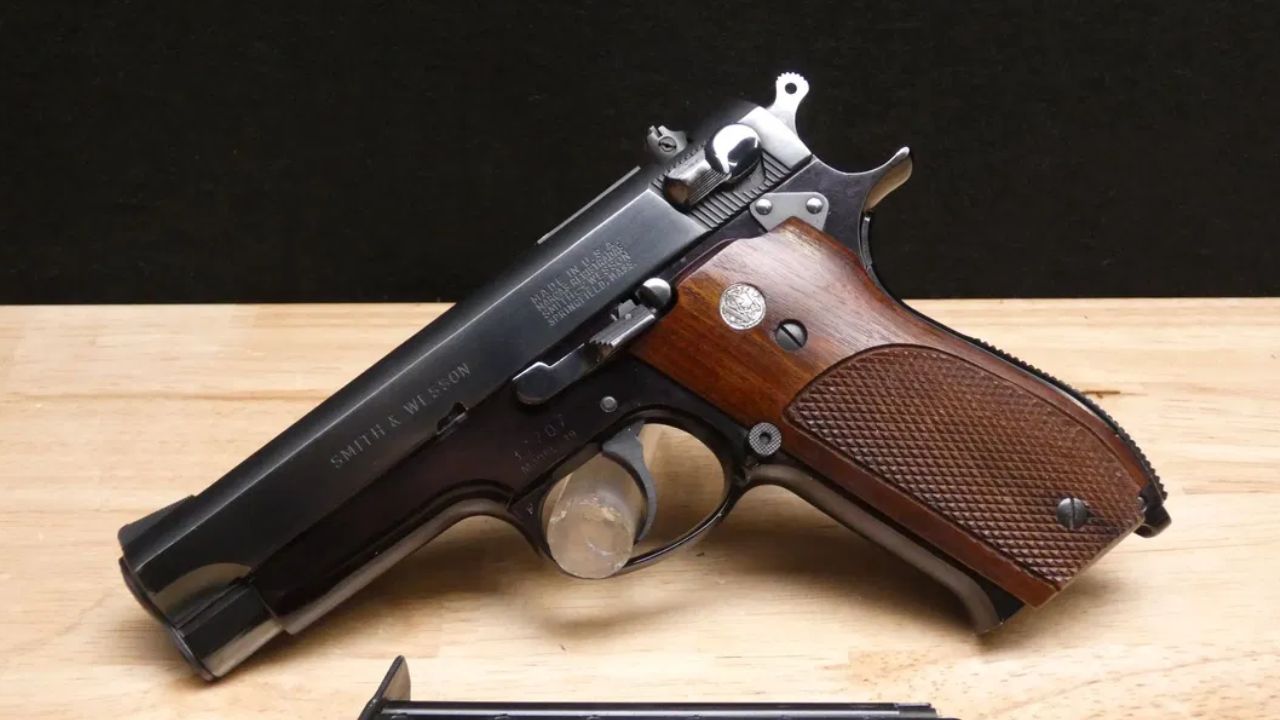
The Model 39-2 doesn’t look like a modern fighting pistol, and that’s why it got undervalued. It’s an early American double-stack era gun’s cousin—single-stack, sleek, and very “of its time.” For years it was treated like an outdated 9mm with limited appeal.
Now it’s appreciated as a real milestone pistol with classic lines. It’s also just pleasant to shoot in a way some modern guns aren’t. If you’re buying one to use, check springs and magazines, but don’t be surprised when the price is higher than you remember.
20. Star Model B (Spanish 9mm)

Star pistols were the definition of “mystery gun” at small dealers. They look like a 1911 had a cousin raised overseas, and the brand name didn’t mean much to the average buyer. That kept them in the bargain zone for a long time.
Parts can be the sticking point, so I’m not going to pretend they’re the best choice for somebody who needs easy support. But as a well-made steel pistol with solid machining and a lot of history, clean examples got noticed. Once collectors started hunting specific variants and import marks, the cheap ones started vanishing.
If you’ve got one of these sitting in the safe, this isn’t me telling you to treat it like a retirement plan. It’s me saying you might want to think twice before trading it off for the newest hotness. The older “boring” pistols are often the ones that still run when you’re tired, it’s cold, and you just want the gun to do its job.
Like The Avid Outdoorsman’s content? Subscribe to our newsletter so you never miss an article.
Here’s more from us: