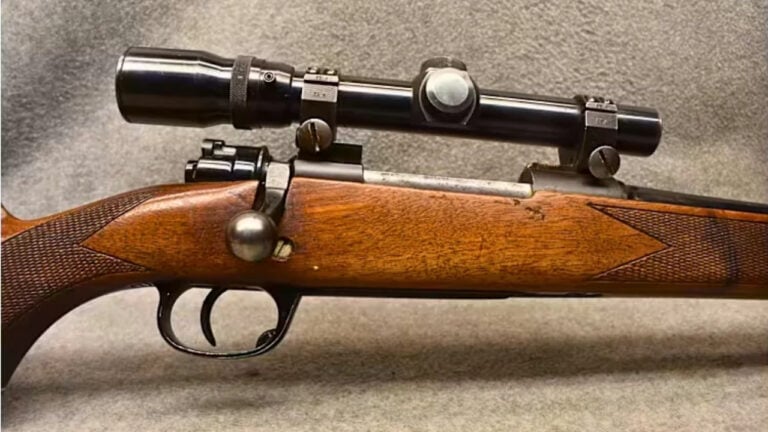
Photo credit: D4 Guns/Youtube
If you grew up around gun counters and gravel roads, you’ve heard some version of it: a guy needed quick cash in the 1990s, traded off a revolver for the kind of money that disappears by Monday, and has been kicking himself ever since. Back then, used wheelguns were just “old pistols.” Polymer was the future, high-cap mags were cool, and a lot of folks thought they’d always be able to buy the same revolver again.
Turns out, “I’ll find another one” is one of the biggest lies we tell ourselves. Not because every revolver is a museum piece, but because the good ones had a feel that isn’t easy to replace: slick actions, honest steel, sensible sights, and a kind of reliability you learn to appreciate once you’ve carried a gun in rain, dust, and cold. Here are twenty revolvers that got dumped cheap back then and have been missed ever since.
1. Colt Python (blued, 4-inch and 6-inch)
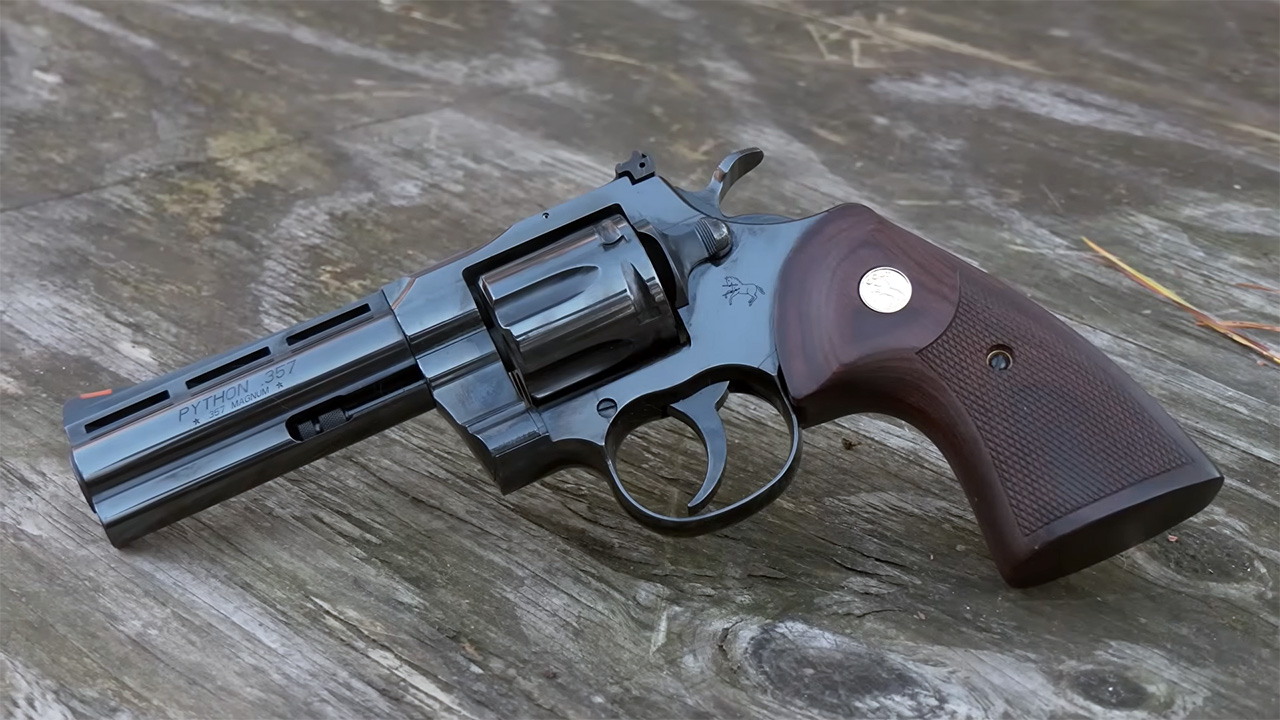
This is the king of “I sold it for nothing.” In the 1990s, you’d see Pythons sitting in cases with price tags that now look like typos. The action was what hooked people—smooth, stacked just right, and it made a good shooter feel even better.
They’re not fragile, but they’re not a beater gun either. Once you let one go, replacing it hurts because you’re not just buying a .357 anymore—you’re buying the feel, the finish, and the name, and those don’t come cheap.
2. Smith & Wesson Model 27 (N-frame .357)
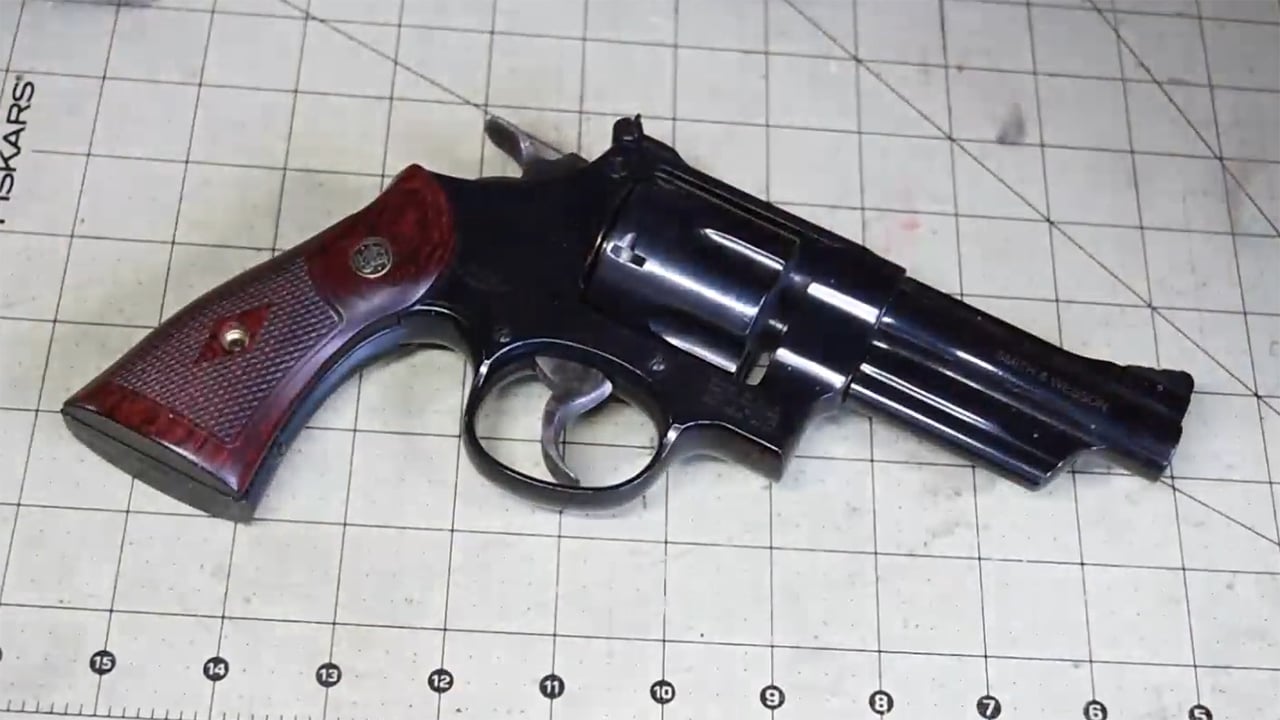
Big, shiny, and unapologetically heavy. A lot of folks ditched the Model 27 because it wasn’t “practical” compared to lighter carry guns. Then they shot lightweight .357s and learned what recoil is.
The 27 soaks up magnum loads like it was built for it—because it was. It’s a range revolver that also makes sense on a trapline, in a truck, or on the belt when you’re checking fence and don’t want to wonder if your gun can handle hard use.
3. Smith & Wesson Model 29 (blued .44 Magnum)
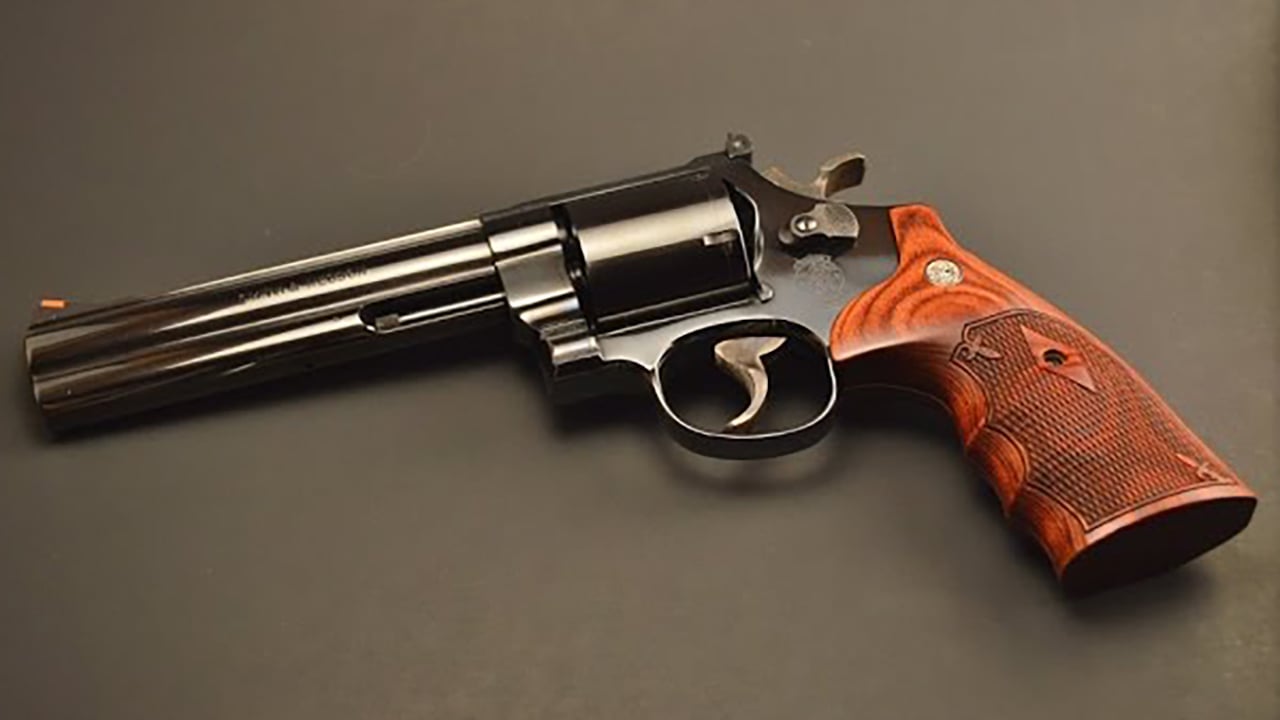
Plenty of Model 29s got traded away when the novelty wore off. The .44 Magnum is fun right up until you realize full-house loads aren’t an all-day affair, especially with factory grips.
But as soon as you get older and start thinking about bear country, hogs, or just having a serious woods revolver, the regret shows up. A good 29 is more than a movie prop—it’s a real tool, and a classy one.
4. Smith & Wesson Model 19 (K-frame .357)
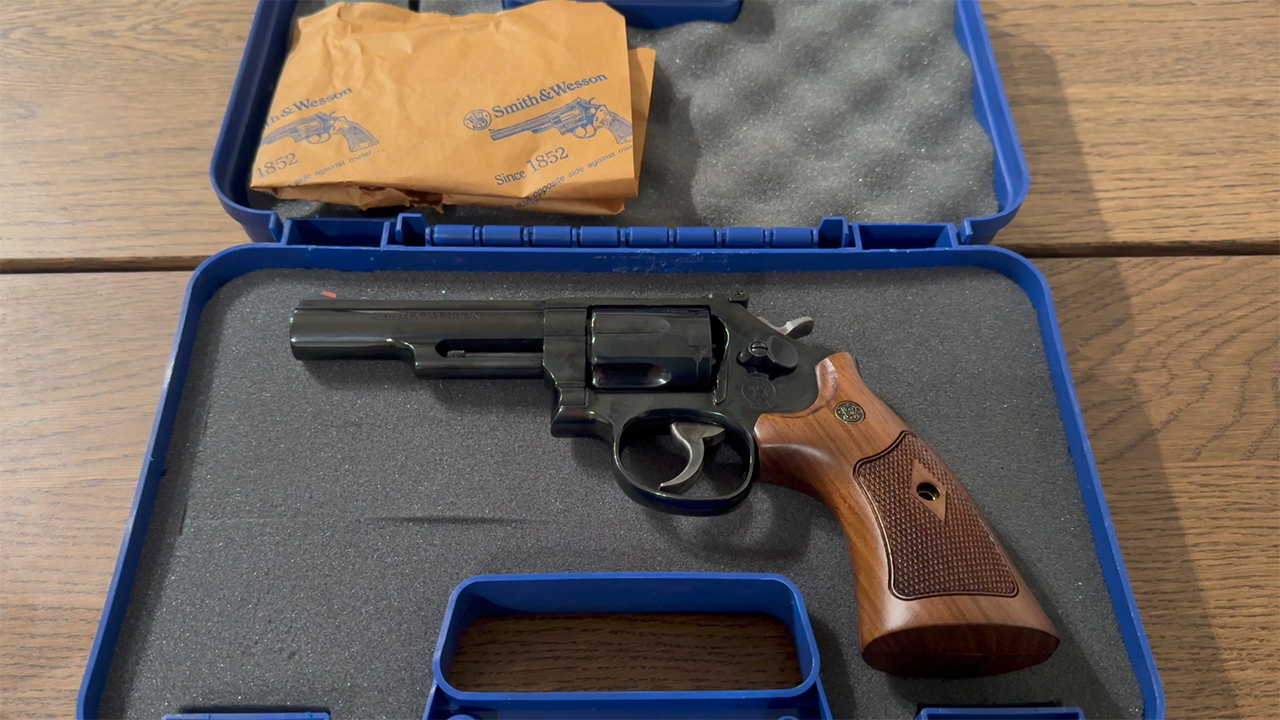
If I had to pick one revolver that feels “right” in the hand, it’s a Model 19. The balance is hard to explain until you’ve carried one. It points naturally, the trigger is usually excellent, and it’s the kind of gun you can actually shoot well.
Back then, some got sold because guys heard K-frames shouldn’t live on hot magnums. That’s fair—feed it smart. Still, as an all-around .38/.357 that carries well and shoots even better, it’s a heartbreak to replace.
5. Smith & Wesson Model 66 (stainless Model 19)
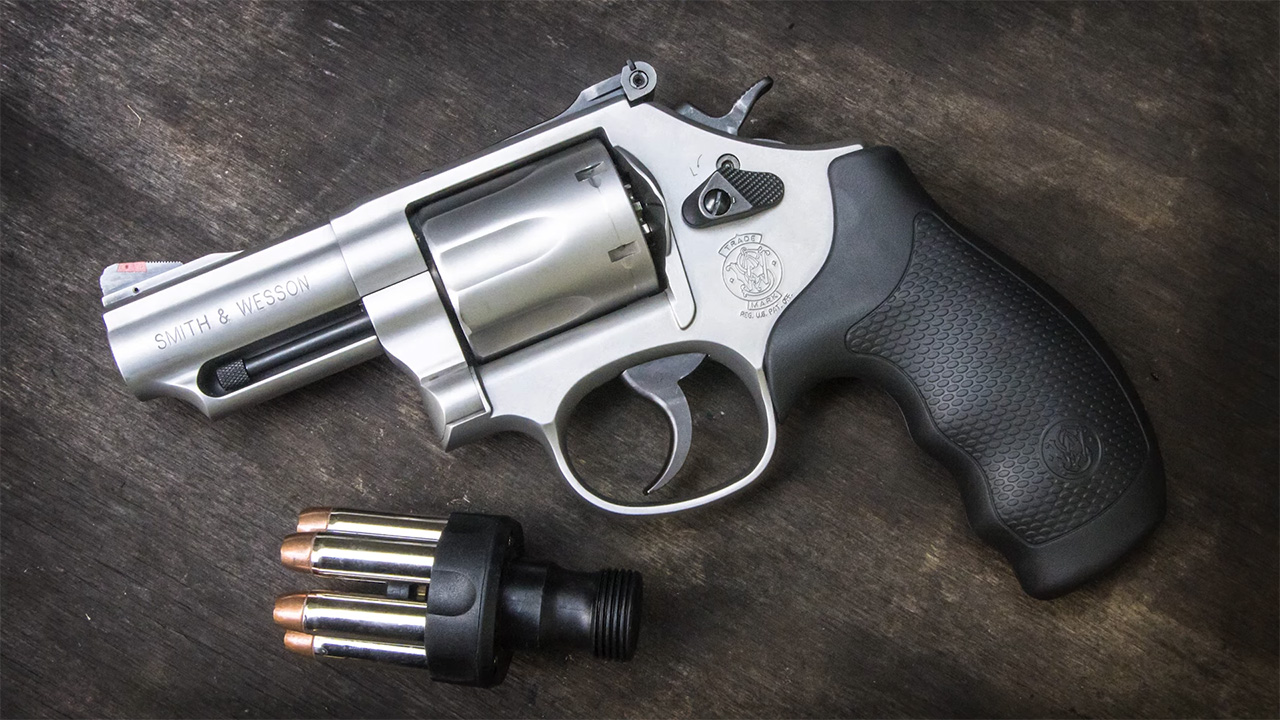
The 66 is the same idea as the 19, but stainless, and that matters if you’re actually outdoors. Sweat, rain, and a damp holster don’t care about your bluing. Stainless forgives a lot.
These were “just police trade-ins” for a long time. Then everyone decided they wanted a classic K-frame again. That one hurts, especially for the guys who sold a clean 66 to fund something trendy that’s already forgotten.
6. Smith & Wesson Model 10 (Military & Police)
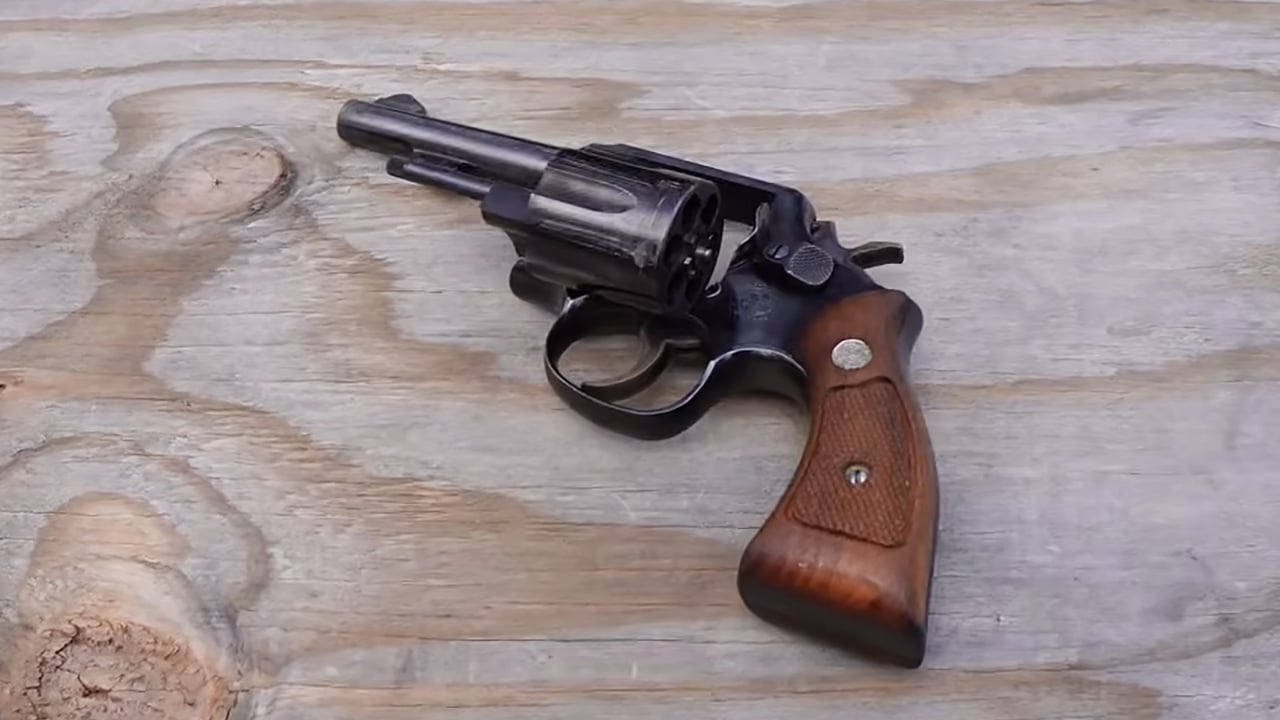
There is nothing fancy about it, and that is kind of the point. Model 10s ran in holsters for decades, got tossed in gloveboxes, rode in nightstands, and still went bang when asked.
In the 90s, they were common and cheap, so they got treated like spare tires. Now people miss them because they were simple, accurate, and easy to keep running—plus they shoot .38 Special like they were born for it.
7. Smith & Wesson Model 36 (Chief’s Special)
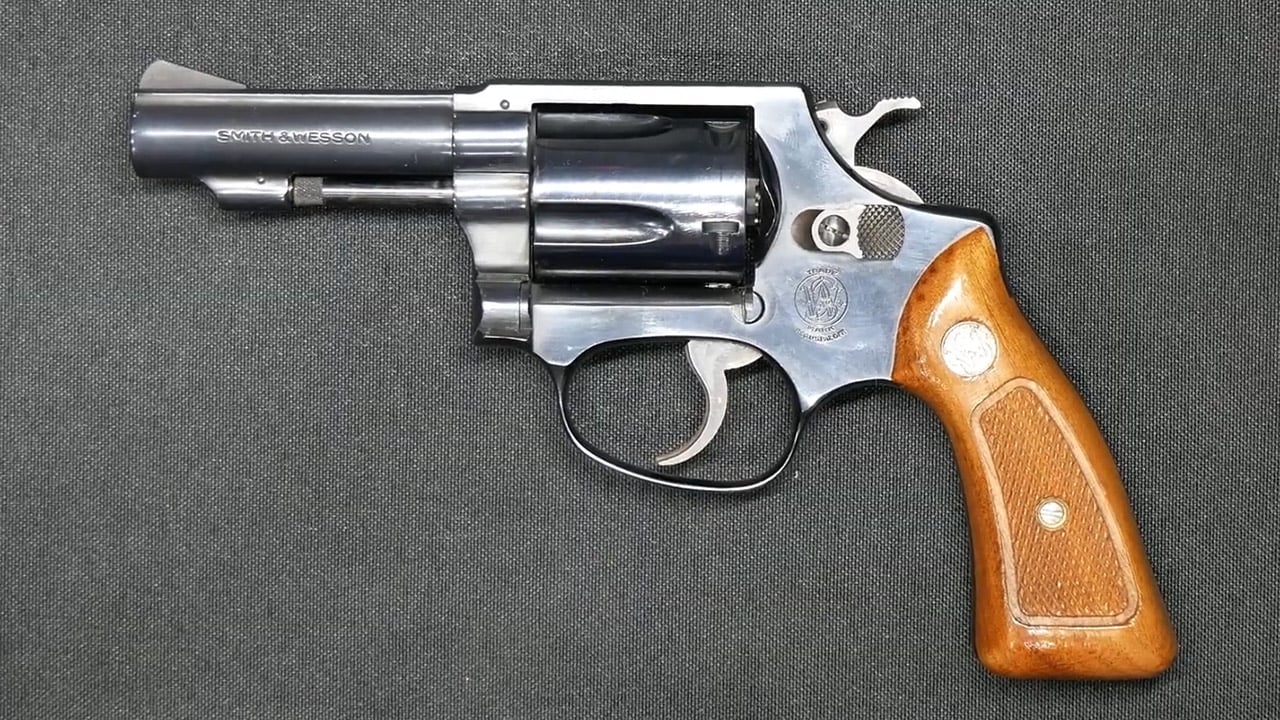
The Model 36 is the revolver that disappeared into pockets and coat jackets long before “micro-compact” was a marketing term. Five shots, steel frame, real sights, and a trigger that tends to smooth out with use.
Plenty got sold when lightweight alloys and tiny autos started taking over. Then folks learned that small autos can be picky and snappy, while a steel J-frame is just steady and honest.
8. Smith & Wesson Model 60 (stainless J-frame)
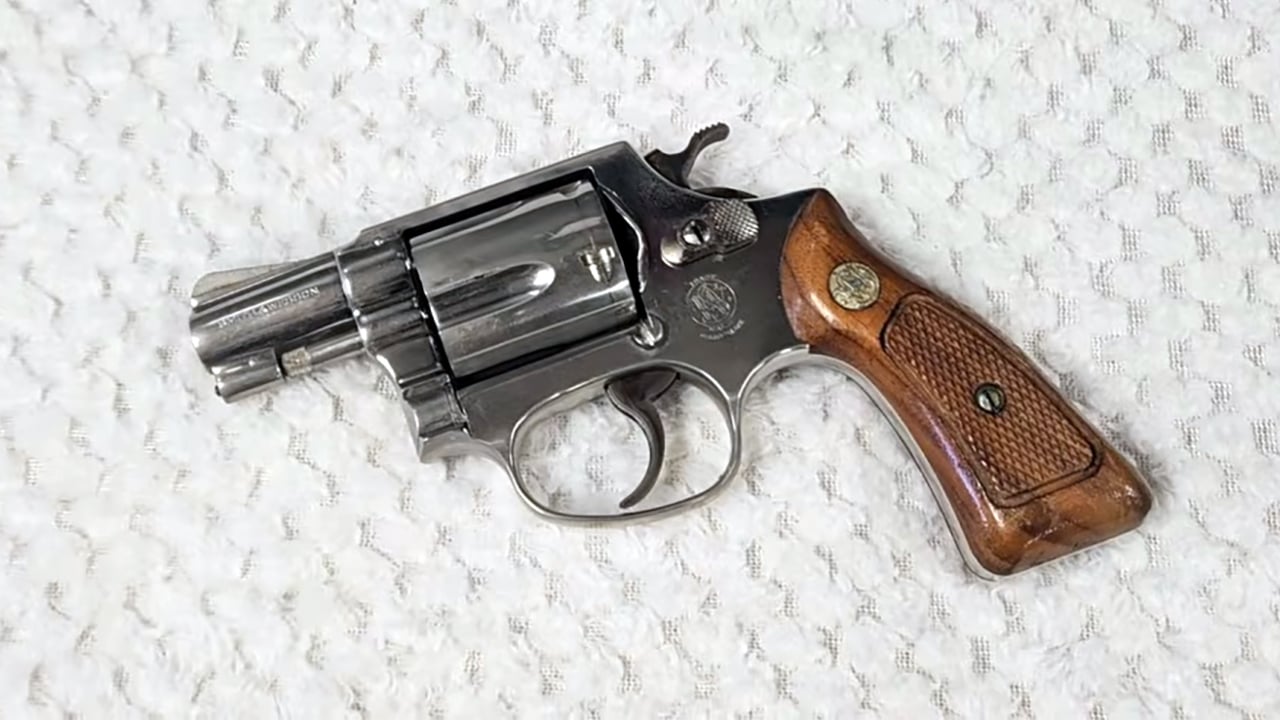
This was the stainless answer for people who actually sweat, fish, or work outside. The Model 60 is a carry gun you can live with, not just own.
Some were ditched because they’re heavier than aluminum guns. True. But heavier is also why you can practice with it without hating life, and why it doesn’t feel like a toy when it’s on your belt.
9. Ruger GP100 (4-inch .357)
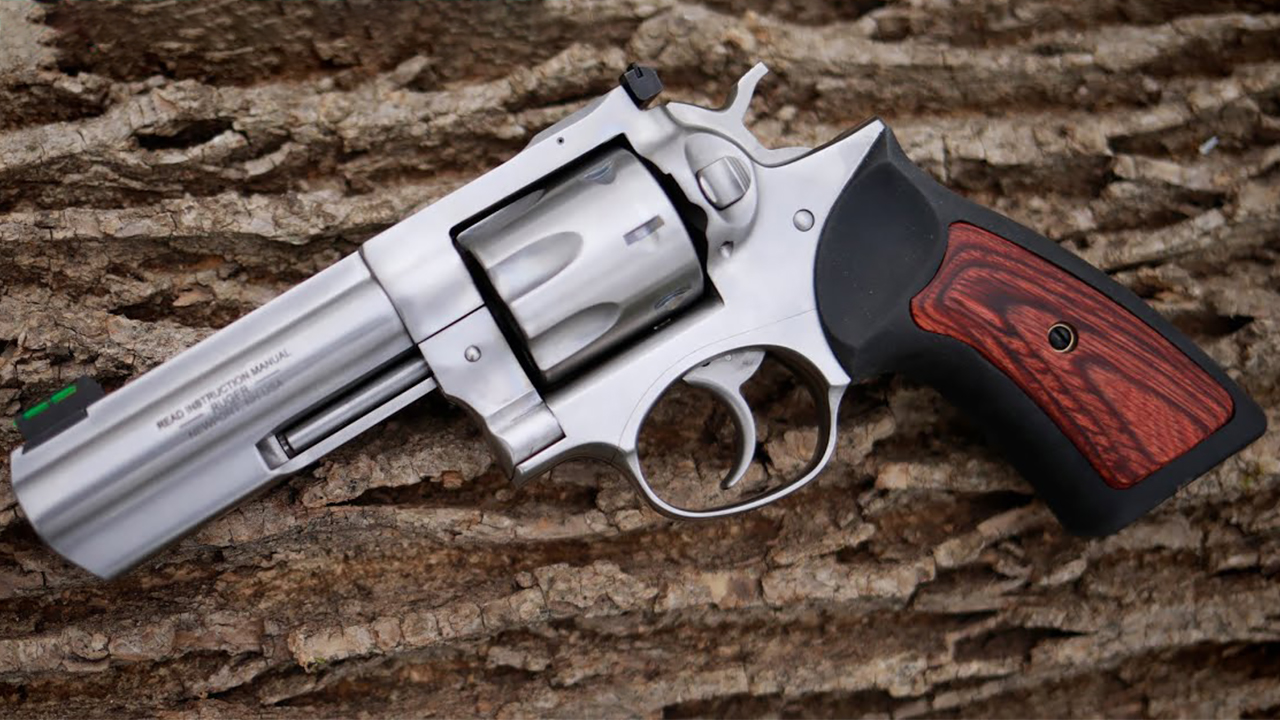
The GP100 wasn’t always “cool.” It was the tank revolver—the one you bought when you couldn’t afford the fancy stuff or didn’t care about polish. Then you shot it, and the truth showed up.
It’s strong, straightforward, and built to digest .357 without drama. People regret selling these because they’re one of the best do-everything revolvers ever made, and they’re still one of the smartest buys when you find a good one.
10. Ruger Security-Six (and Speed-Six)
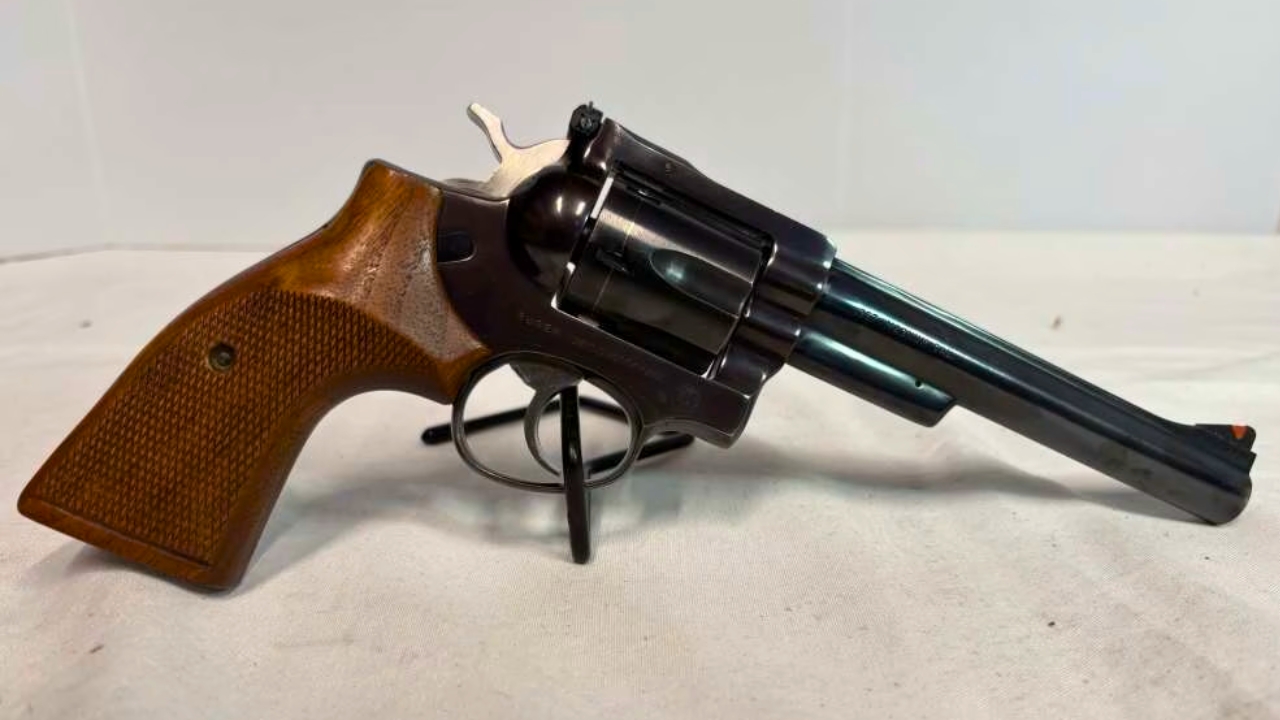
These got traded away constantly when the GP100 arrived and everyone thought the older “Six” series was obsolete. Bad move. They’re slimmer, lighter, and carry better than a GP100 while still being plenty tough.
Ask anyone who has tried to find a clean Speed-Six at a reasonable price lately. The market finally caught up to what shooters already knew: Ruger built these right.
11. Ruger Blackhawk (convertible models especially)
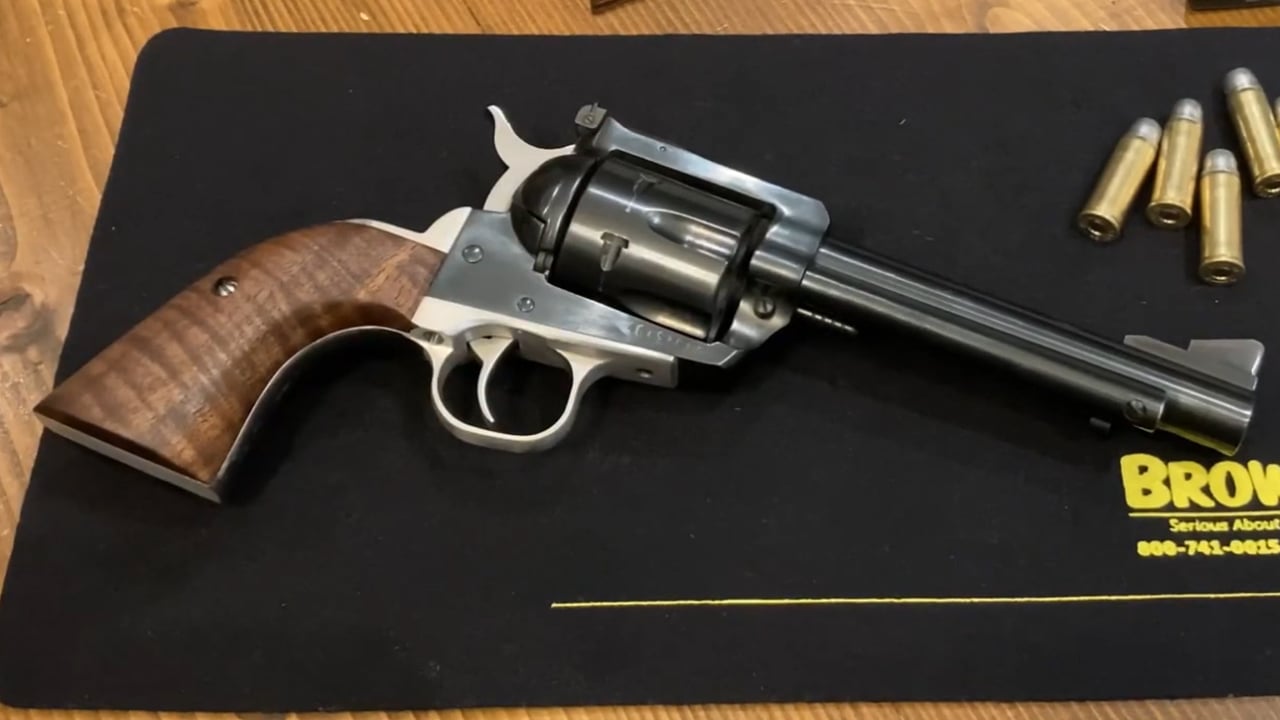
Single-actions got sold because they weren’t “modern.” Then hunting season came around, or a guy got a lease with hogs, or he started loading his own ammo and realized a Blackhawk is a handloader’s best friend.
The convertible models—like .357/9mm or .45 Colt/.45 ACP—were especially easy to underestimate. Simple, accurate, and almost impossible to wear out in normal use. Letting one go for quick cash is a long-term annoyance.
12. Ruger Super Blackhawk (.44 Magnum)
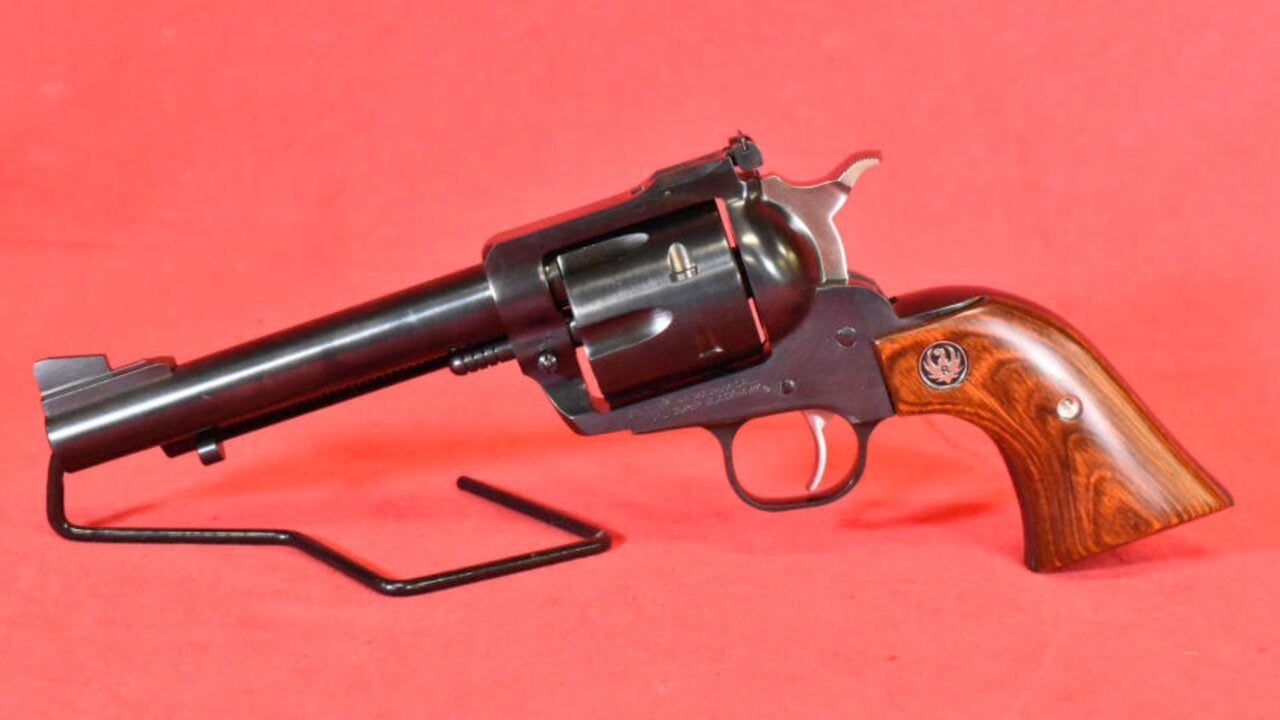
Not everybody enjoys a .44 in a single-action, but the ones who do tend to keep them. The Super Blackhawk is built for serious loads, and it has that no-nonsense ranch-gun vibe that never really goes out of style.
In the 90s, a lot of guys decided it was “too much gun” and moved it along. Later, they realized it was one of the most dependable hunting handguns you can own, and it didn’t need batteries, magazines, or excuses.
13. Colt Detective Special (2-inch .38)
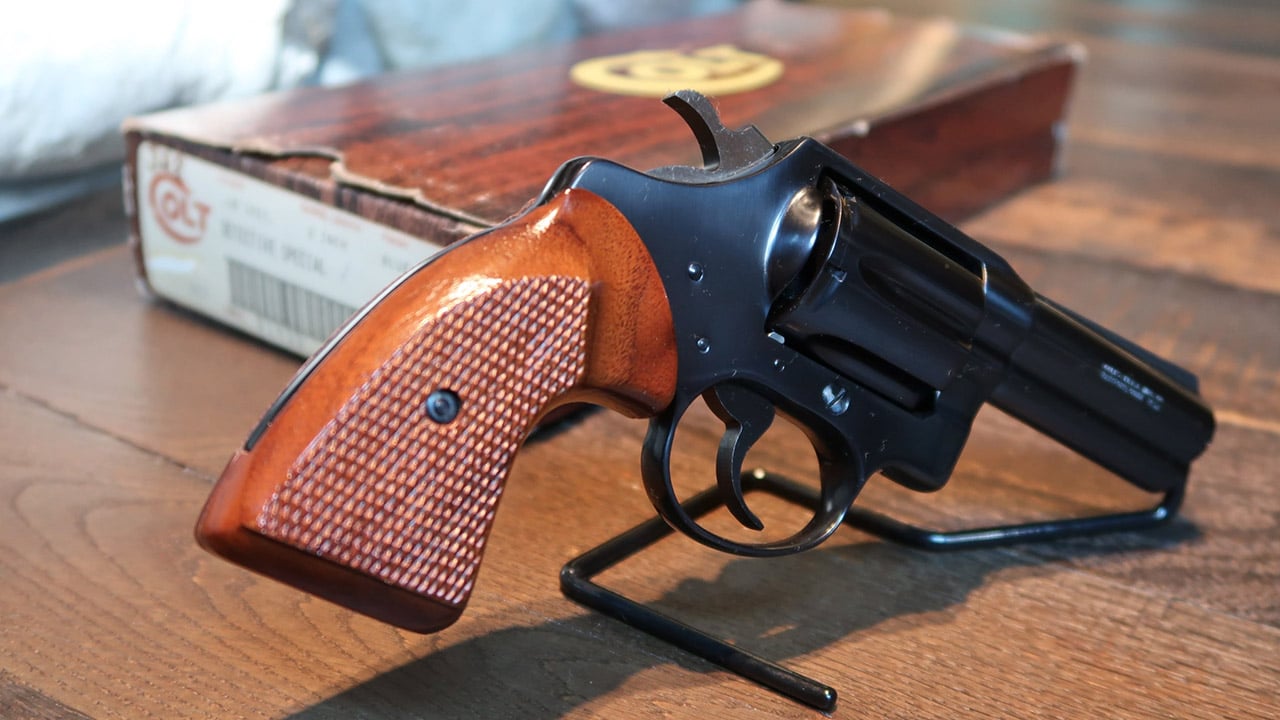
This was the smarter snubnose for a long time: six shots instead of five, good steel, and a trigger that can be excellent if it’s been treated right. In the 90s, plenty got dumped because they weren’t lightweight and they weren’t new.
Now, try to find one that isn’t beat to death or priced like a collector piece. They carry well, shoot well, and they have a feel you don’t get out of most modern small-frame revolvers.
14. Colt Diamondback (.38/.357)
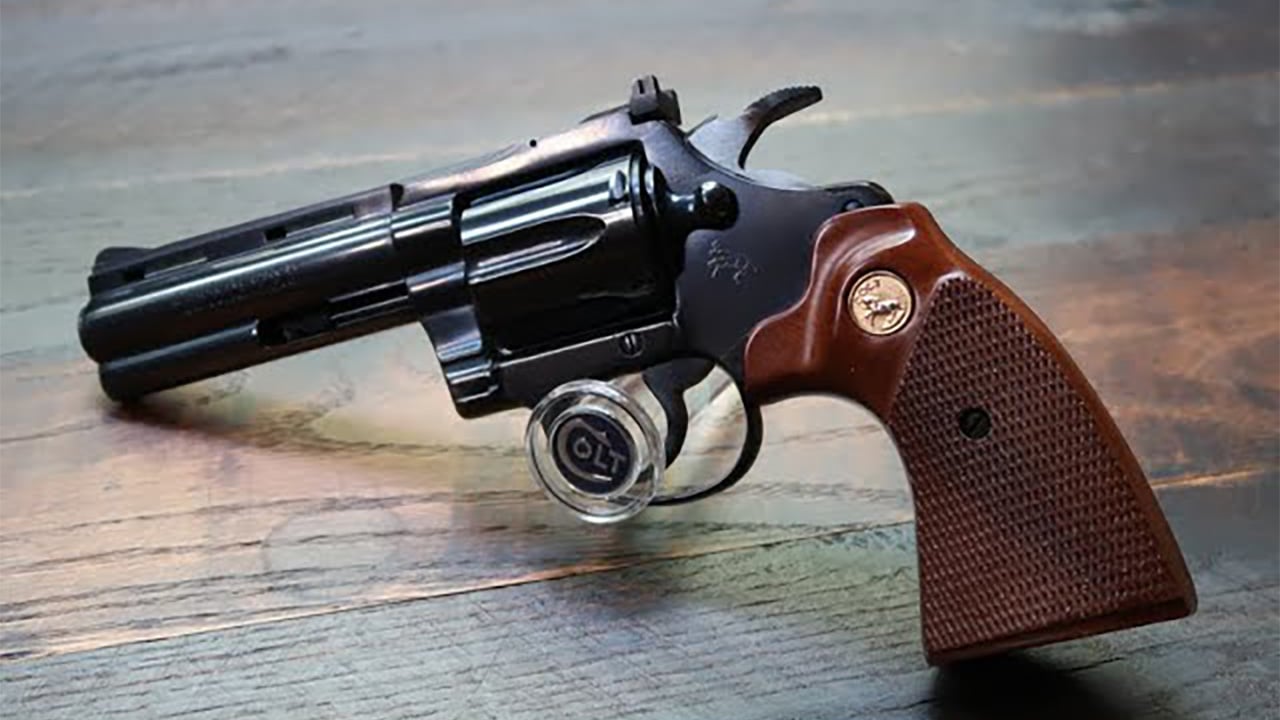
The Diamondback sat in a weird space for years—kind of like a “Python-lite” in a smaller package. That meant they sometimes got ignored, and ignored guns are the ones that get traded away cheap.
Then the collector market woke up, and shooters remembered they’re not just pretty. They balance nicely, and a good one has that classic Colt action feel that makes you slow down and actually enjoy shooting.
15. Smith & Wesson Model 586 (L-frame, blued)
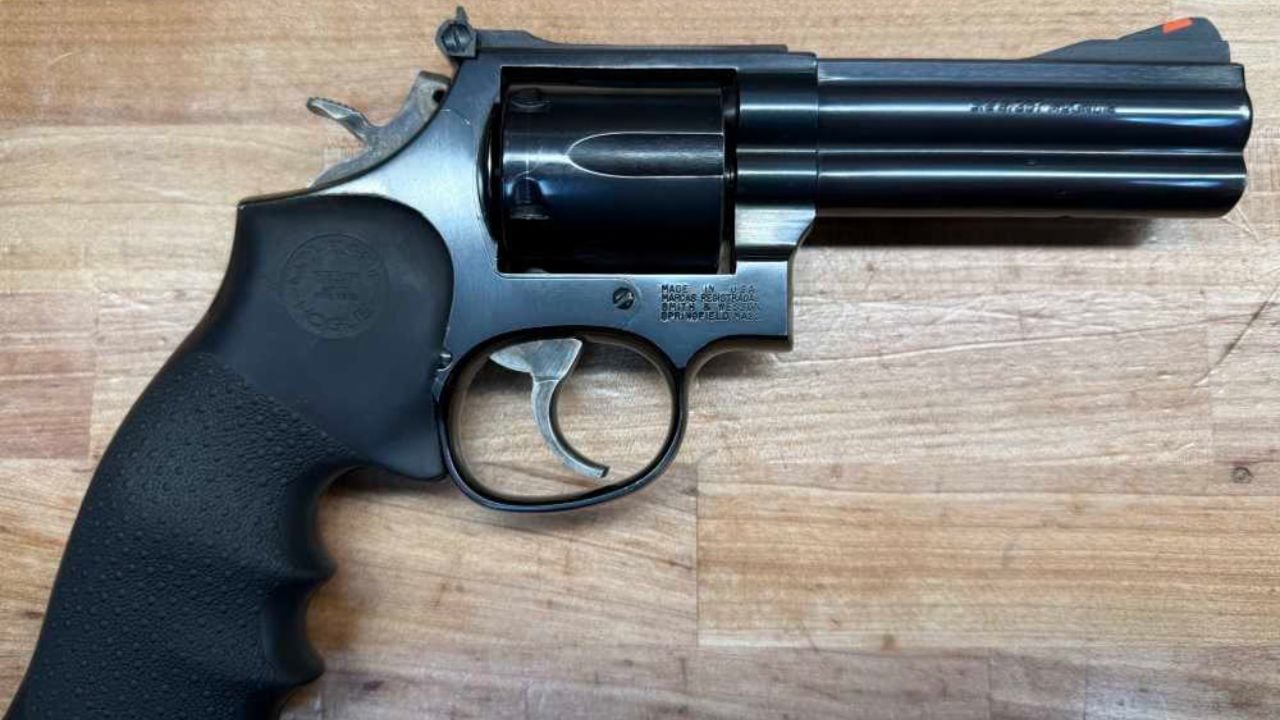
The L-frame is what happens when you want K-frame handling but with a little more meat for steady magnum use. The 586 is a workhorse that still feels refined.
These got sold because they weren’t as famous as the 19 or as beefy-looking as the 27. But as a shooter’s revolver, they’re hard to fault. A clean 586 with a good trigger is one of those “why did I ever let it go” guns.
16. Smith & Wesson Model 686 (L-frame, stainless)
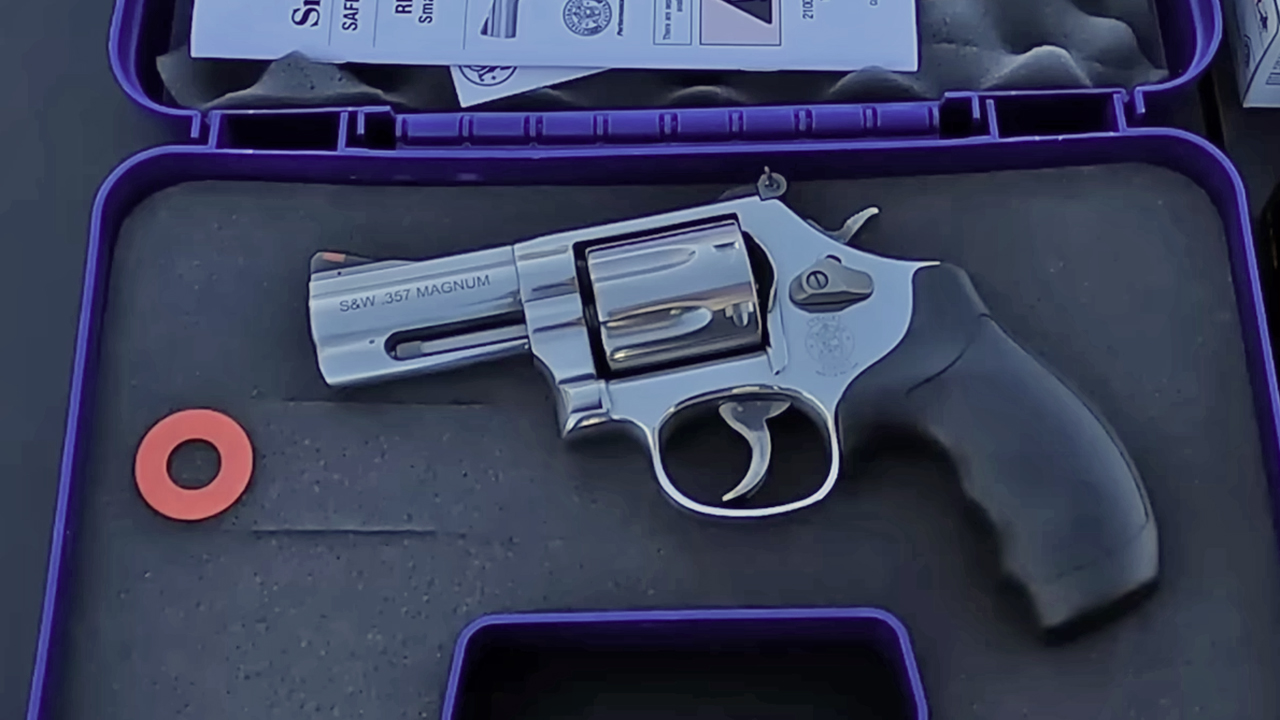
If there’s a “do it all” .357, it’s hard not to point at the 686. It handles real magnum shooting without beating itself up, it’s easy to maintain, and it doesn’t panic in bad weather.
In the 90s, some folks swapped these for the newest semi-auto and never looked back—until they started teaching a kid to shoot, or wanted a nightstand gun that doesn’t care if it sits for a year.
17. Dan Wesson Model 15-2 (.357 with interchangeable barrels)

Dan Wesson revolvers were a classic case of “not flashy enough for the crowd.” The barrel system looked odd to some buyers, and odd usually means it gets undervalued at a pawn shop.
The joke is on the guy who sold it. These can be extremely accurate, the actions can be very good, and the ability to change barrel lengths makes them more useful than people gave them credit for. Finding a complete setup now can be a chore.
18. Smith & Wesson Model 41 (yes, it’s a rimfire revolver-style regret cousin: Model 17 instead)
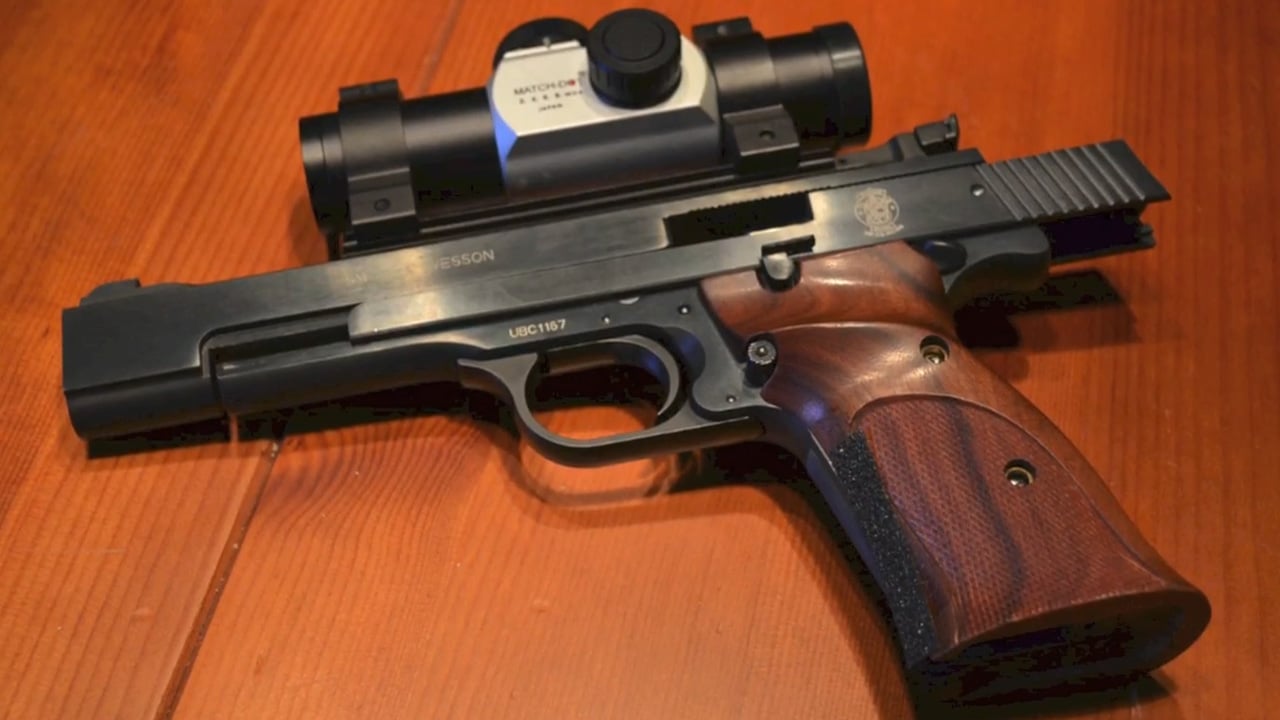
Let’s keep it honest: the Model 41 is a pistol, not a revolver, but the real “regret” slot for wheelgun guys is the Smith & Wesson Model 17 K-22. That’s the .22 revolver many folks sold because “it’s just a .22.”
Then ammo got expensive, new shooters came along, and everyone remembered that a good .22 revolver teaches trigger control better than almost anything. A nice K-22 is the kind of heirloom you don’t appreciate until it’s gone.
19. H&R 999 Sportsman (top-break .22)
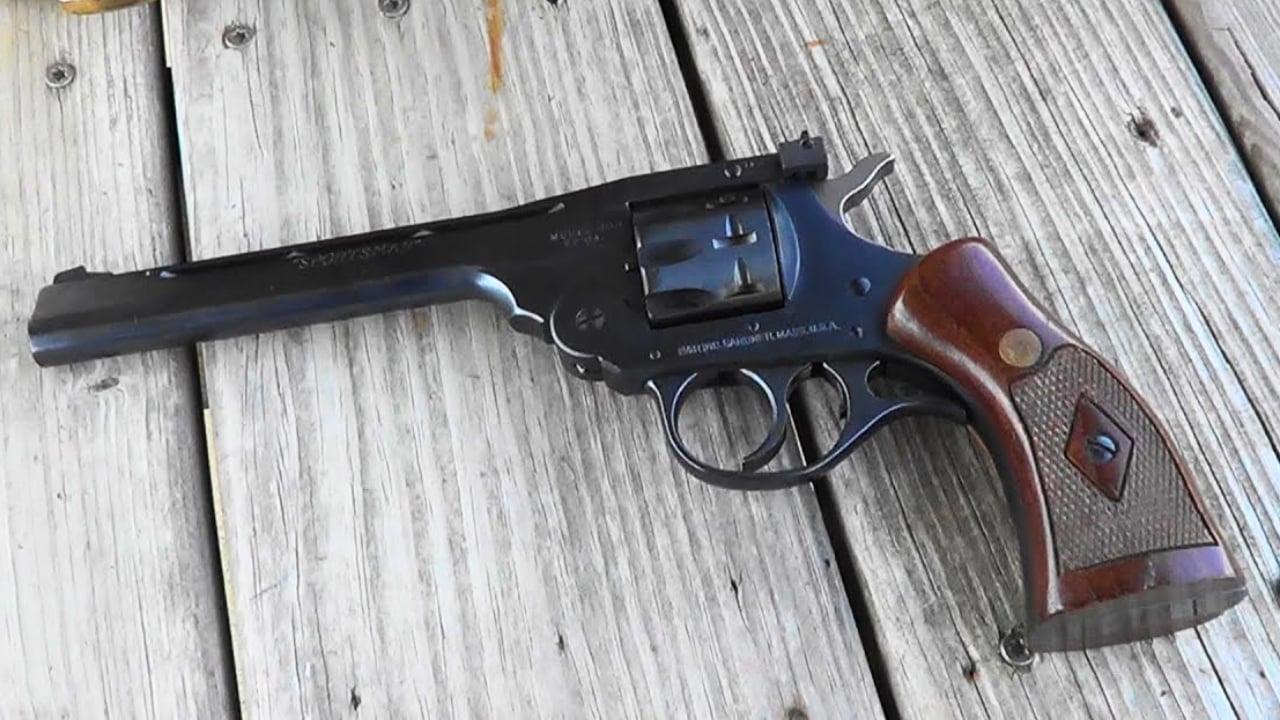
This one isn’t fancy, and it’s not trying to be. It’s an old-school .22 that’s just fun. The top-break design makes it a conversation piece at the range, and they tend to shoot better than people expect.
In the 90s, these were the definition of “pawn shop special.” Now they’re harder to find in good shape, and they scratch that itch for a simple plinker that doesn’t rely on finicky rimfire semi-auto cycling.
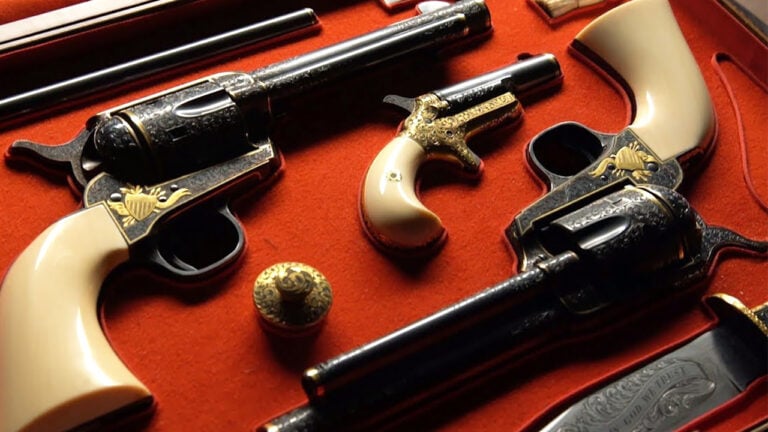
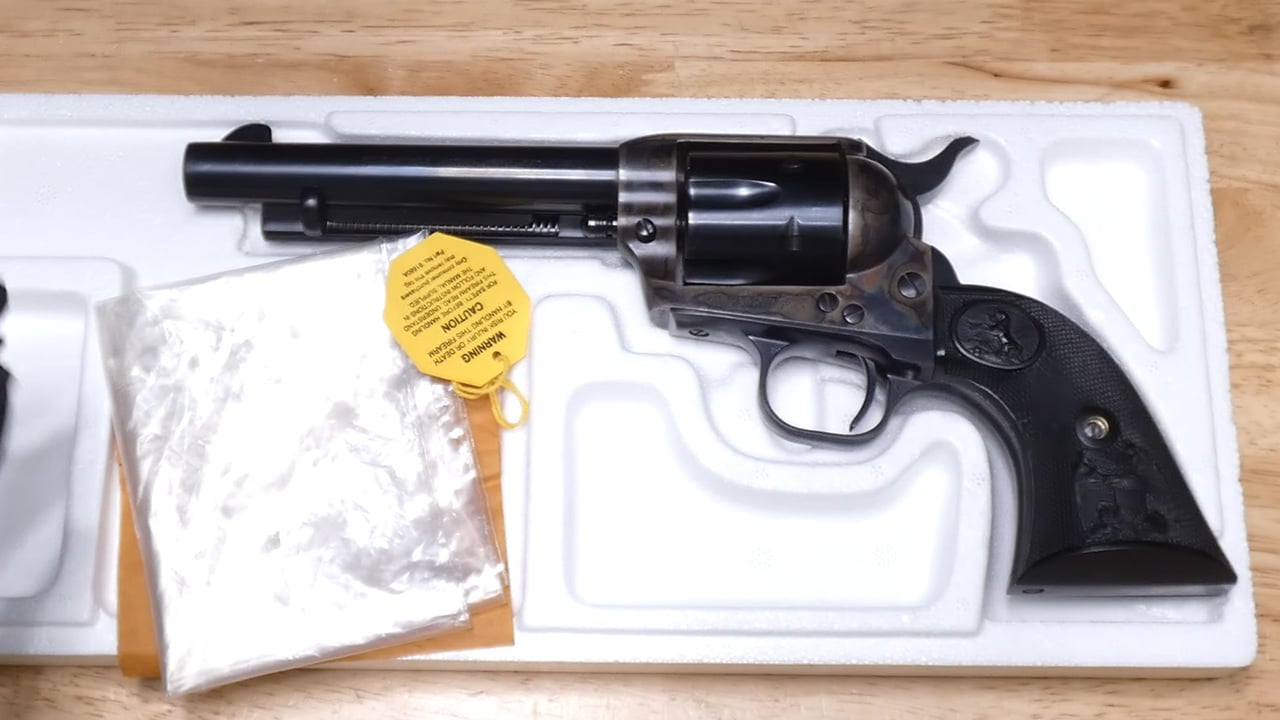
20. Colt Single Action Army (and 2nd/3rd Gen variants)
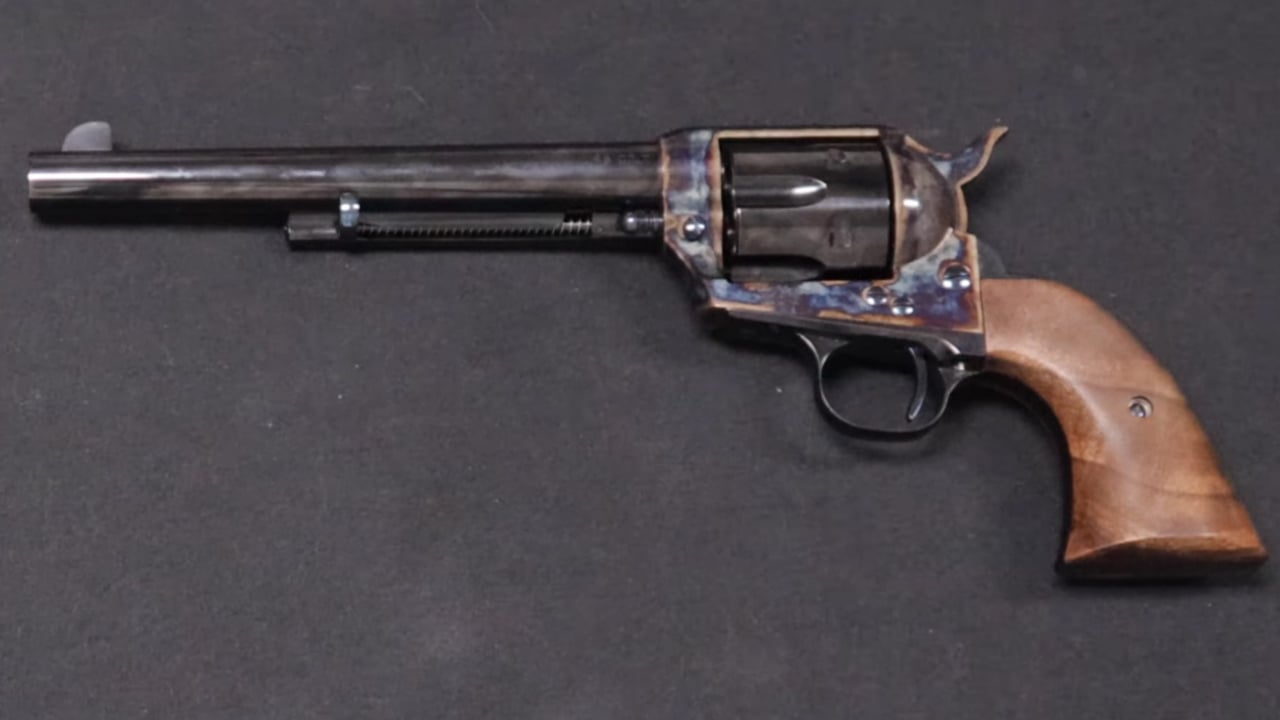
Not everybody needs a Single Action Army, but the guys who sold one cheap usually remember it forever. They’re not just cowboy props—there’s real craftsmanship there, and they carry a certain weight in the hand that feels like history.
In the 90s, some were traded because they didn’t “fit” with modern defensive thinking. Fair enough. But as a trail gun, a ranch gun, or a plain old pride-of-ownership piece, it’s one of the hardest regrets to shake once it’s out of your safe.
If you’ve got one of these sitting in the back of the safe, the lesson isn’t “never sell anything.” It’s “don’t sell the ones you can’t replace.” Revolvers aren’t magic, and they aren’t perfect, but the good ones have a way of staying useful long after the latest trend fades. And if you’re staring at a wheelgun you haven’t shot in a while, go put a box through it before you decide it’s just extra weight. Ask me how I know.
Like The Avid Outdoorsman’s content? Subscribe to our newsletter so you never miss an article.
Here’s more from us: