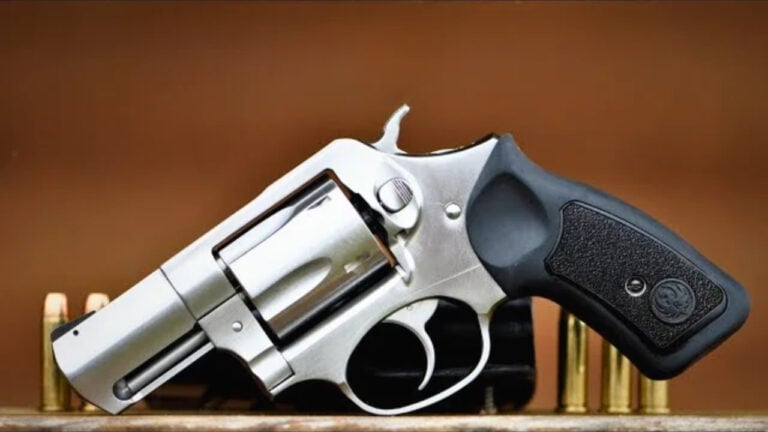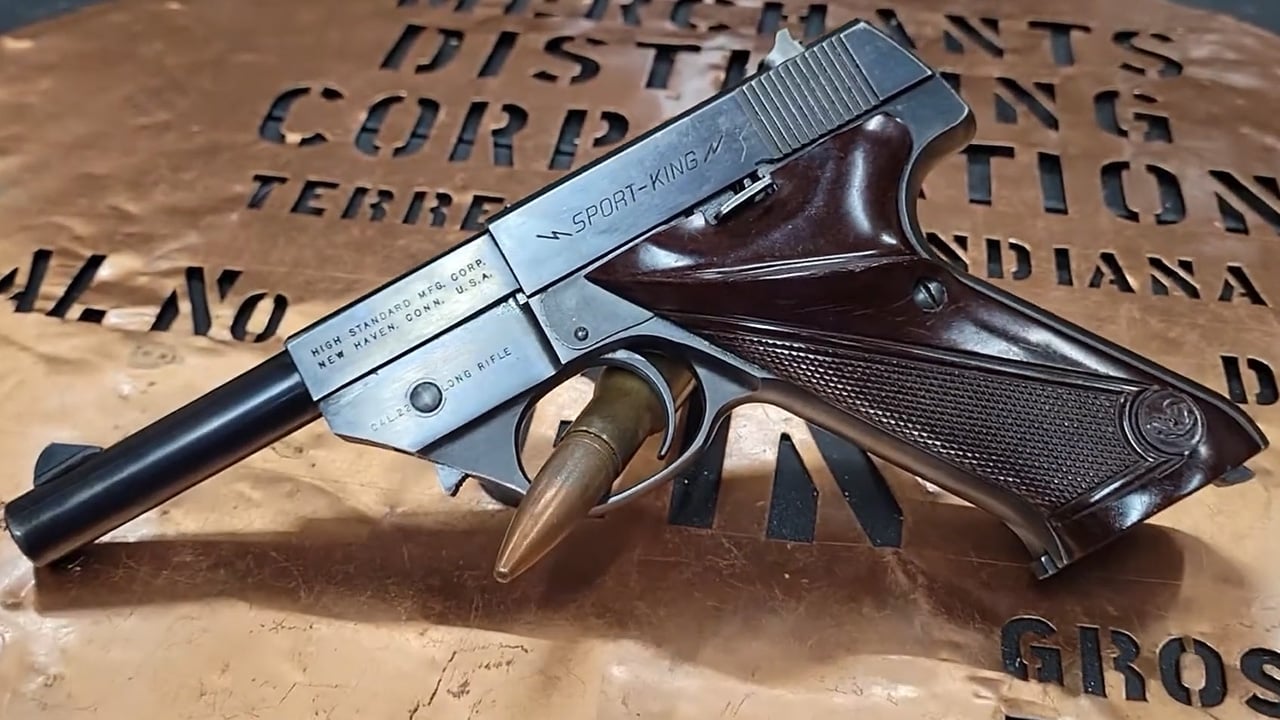
Photo credit: The Bucket Shall Not Be Infringed/Youtube
There was a time when the “handgun drawer” wasn’t a flex, and it sure wasn’t curated. It was just rural life: a revolver that lived in the tackle box, an old auto that rode under a truck seat, and something in a nightstand because coyotes, stray dogs, and odd strangers don’t send a calendar invite before they show up.
Back then, nobody called it a collection. It was standard equipment. Some of these were bought new with paychecks, some were traded for hay, and some just sort of appeared after a relative passed and everyone agreed, “You should have that.” Here are 20 handguns that kept showing up in country households long before anybody started taking safe photos for the internet.
1. Smith & Wesson Model 10
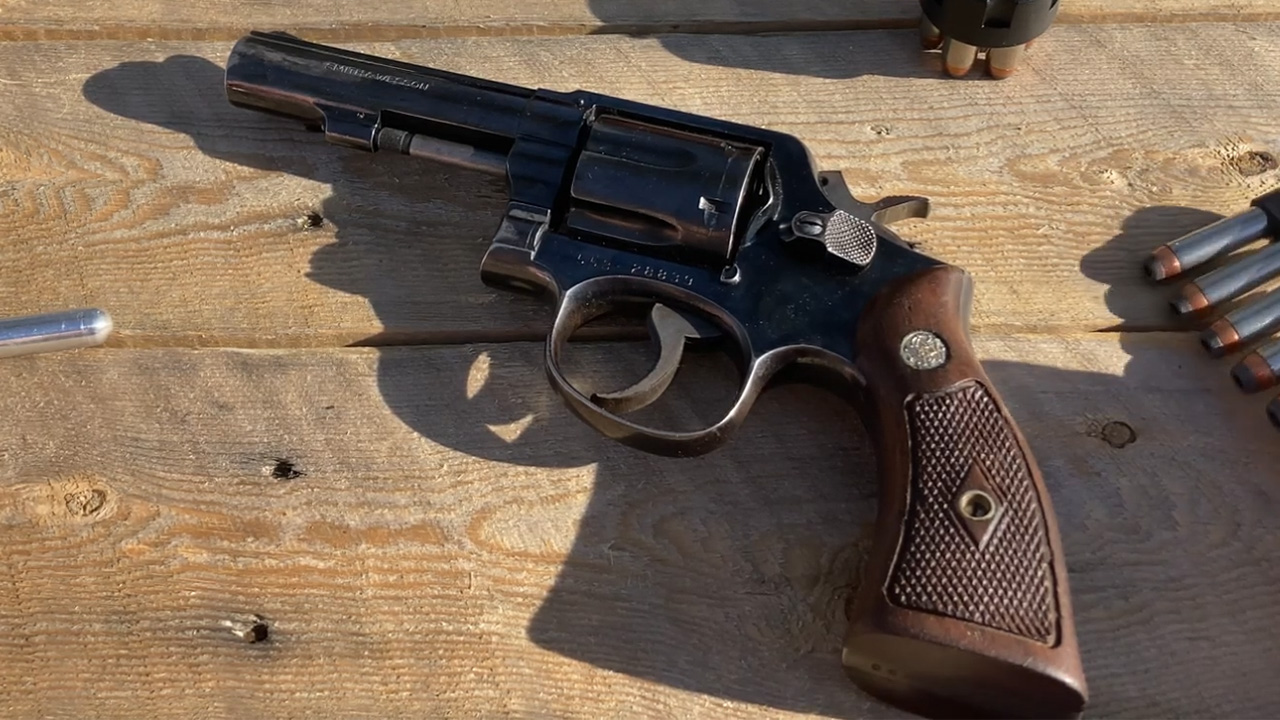
If you grew up around older farmers, you saw one of these sooner or later. A Model 10 is not exciting. That’s the point. It’s a straight-shooting .38 that’s easy to live with, easy to shoot well, and hard to truly wear out.
A lot of them were former police guns, which meant they were priced right and already proven. The trigger on a used one that’s been shot but not abused can feel better than plenty of new revolvers. Stick with standard-pressure .38s, keep it clean, and it’ll still do exactly what you need.
2. Ruger Blackhawk
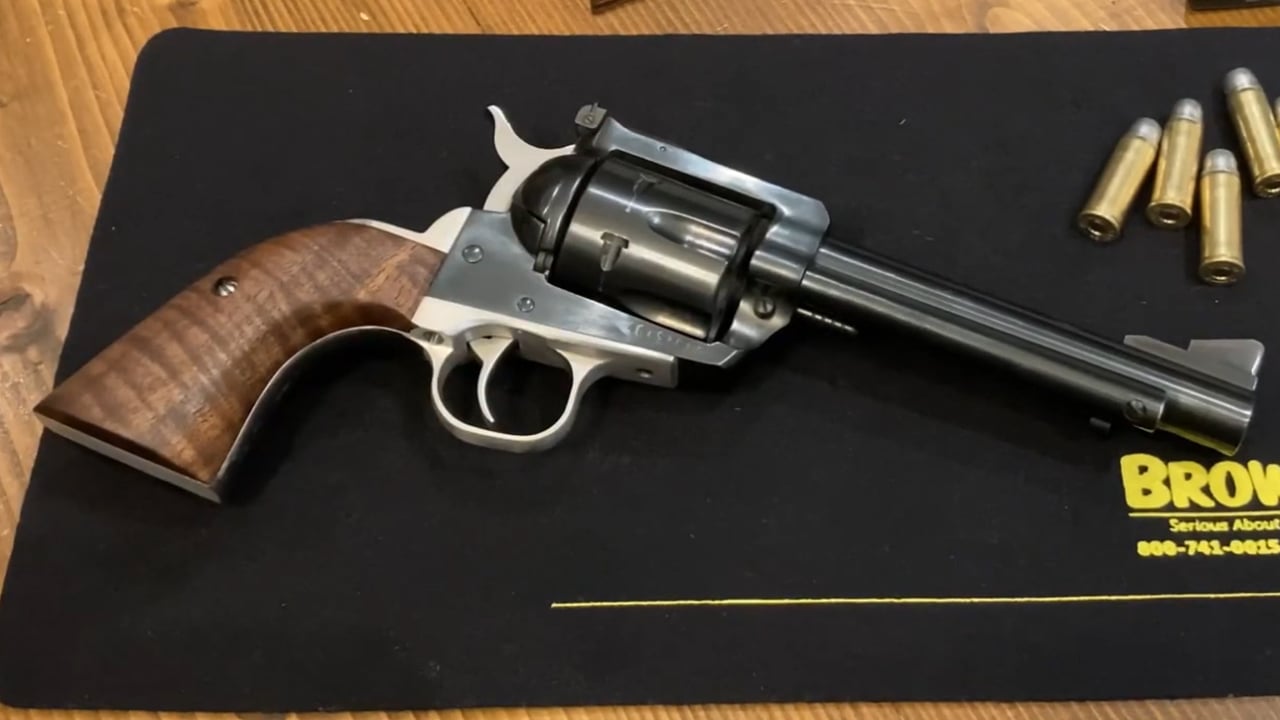
This is the “I’m going to the back forty” handgun. The Blackhawk got bought because it was tough, accurate, and it didn’t mind dust, sweat, or riding in a truck. Plenty of them lived on fence posts while someone fixed wire.
They’re not fast to reload and they’re not small, but they point well and hit hard in the common chamberings. There’s also something about that single-action click-click-click that just feels like rural America.
3. Ruger Security-Six
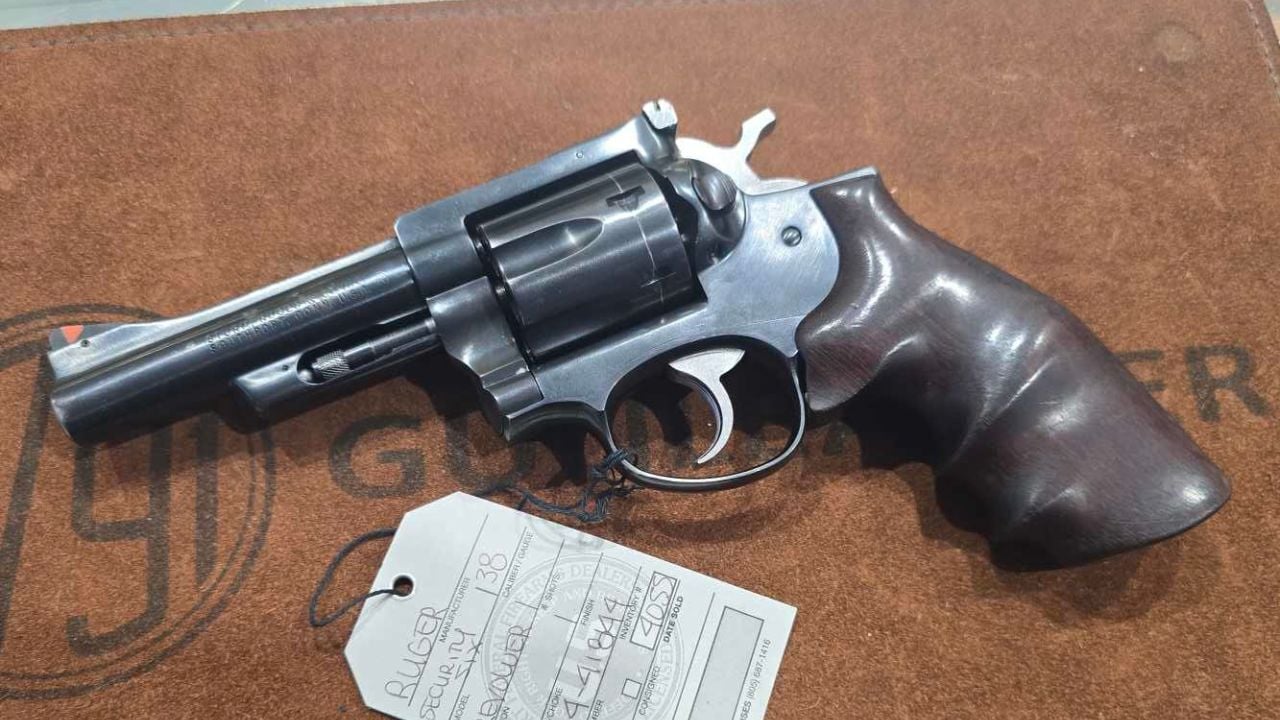
The Security-Six was the working man’s .357 for a long time. It’s not as polished as some Smiths, but it’s a tank, and it has the kind of simple reliability that matters when a gun spends time in a glovebox or a barn.
They carry a little bulky, and the sights aren’t fancy, but they shoot where you look and hold up. If you find one that hasn’t been bubba’d, it’s a keeper.
4. Colt Detective Special
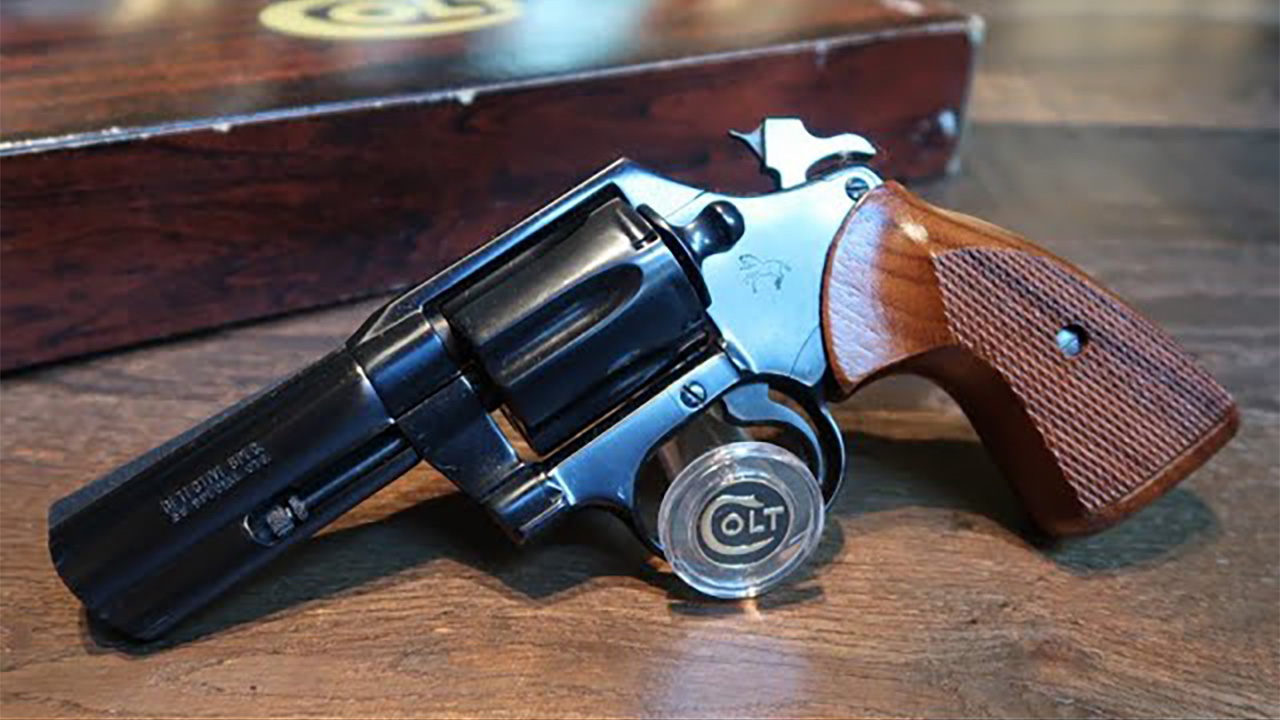
Before “micro compact” meant a polymer 9mm, a snub-nose .38 did the job. The Detective Special showed up in coat pockets, tackle bags, and nightstands because it was compact and it worked.
The downside is parts and service aren’t what they used to be, and prices have gone up. Still, that old Colt double-action feel is real. If you’ve got one that runs right, I would not be quick to let it go.
5. Smith & Wesson Model 36 (Chiefs Special)
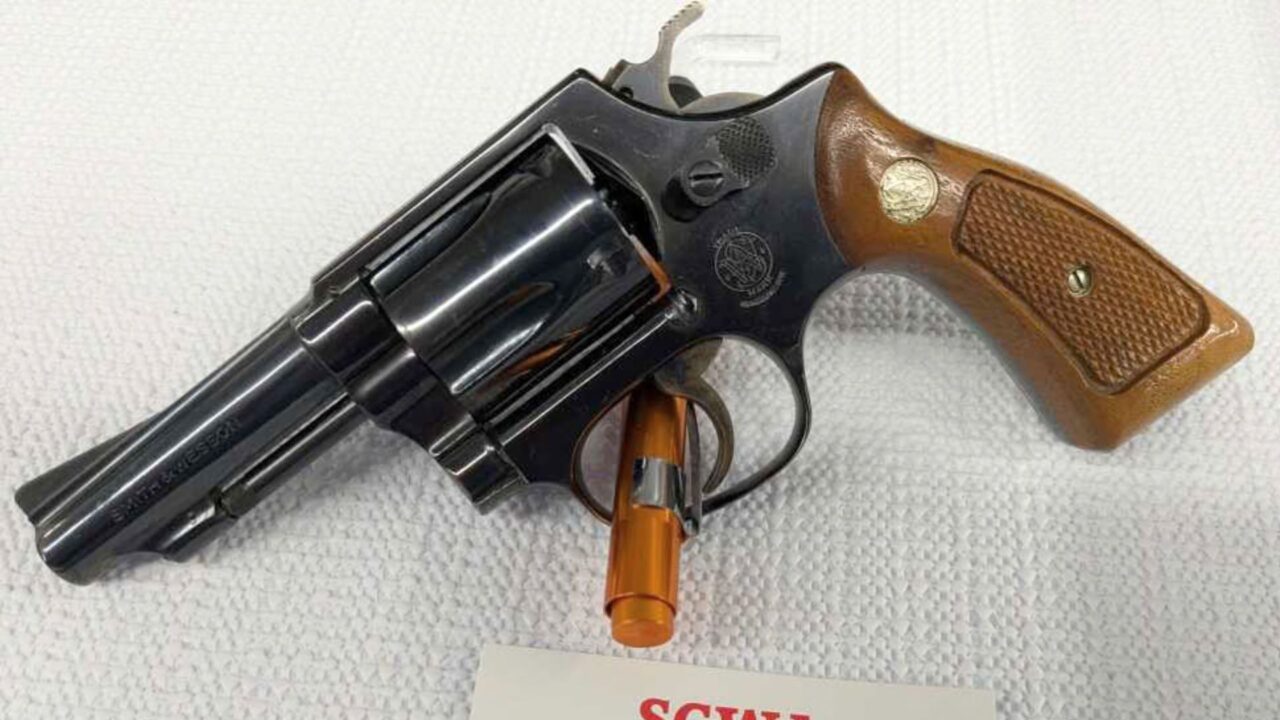
This is the classic small-frame revolver that got carried because it was easy. A Model 36 disappears in a pocket better than most people expect, and it doesn’t require you to be a handgun nerd to run it.
Lightweight? Not really, unless you’re talking an Airweight variant. But the steel guns shoot nicely for their size. They also have that “hand-me-down” vibe—because many of them literally were.
6. Ruger SP101
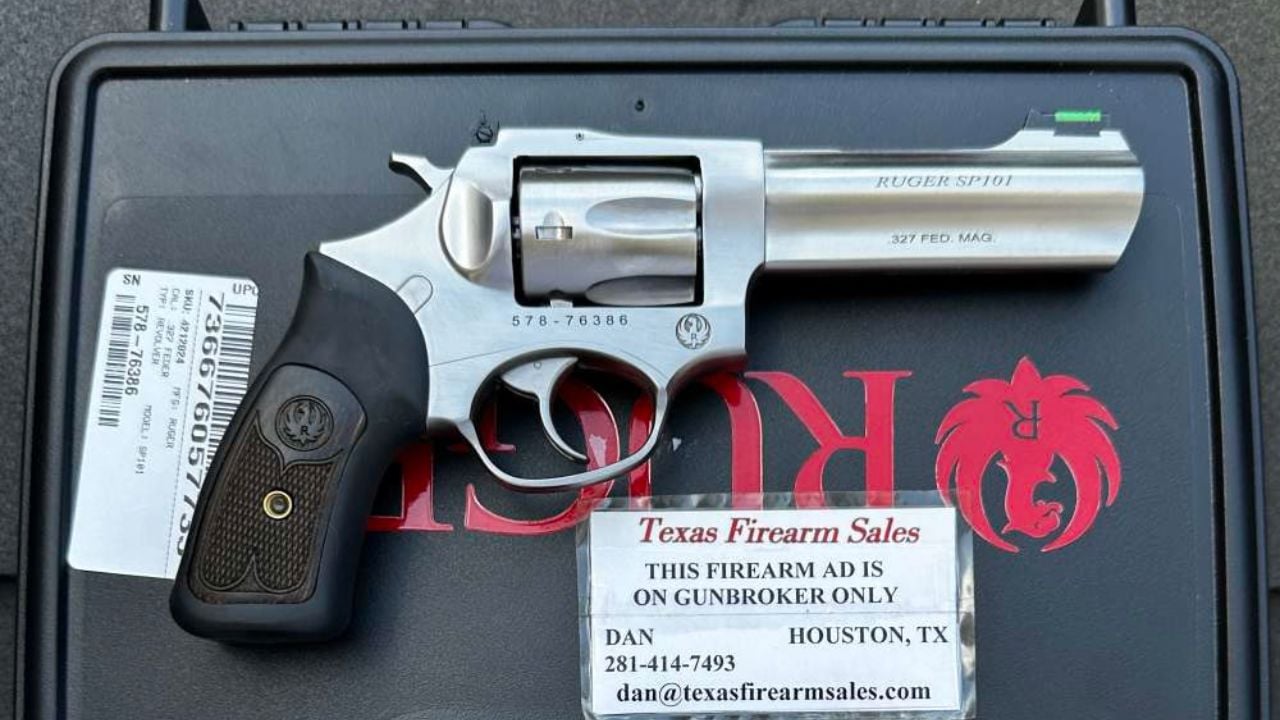
The SP101 is what happens when Ruger decides a small revolver should still be built like a shovel. It’s heavier than the featherweight snubs, but that weight is why it’s shootable with .357 and comfortable with .38s.
It’s a practical tool, not a showpiece. The trigger can be a little stiff out of the box, but it smooths with use. In a rural setting, it’s the kind of gun that ends up “borrowed” by family and never really comes back.
7. Taurus Model 85
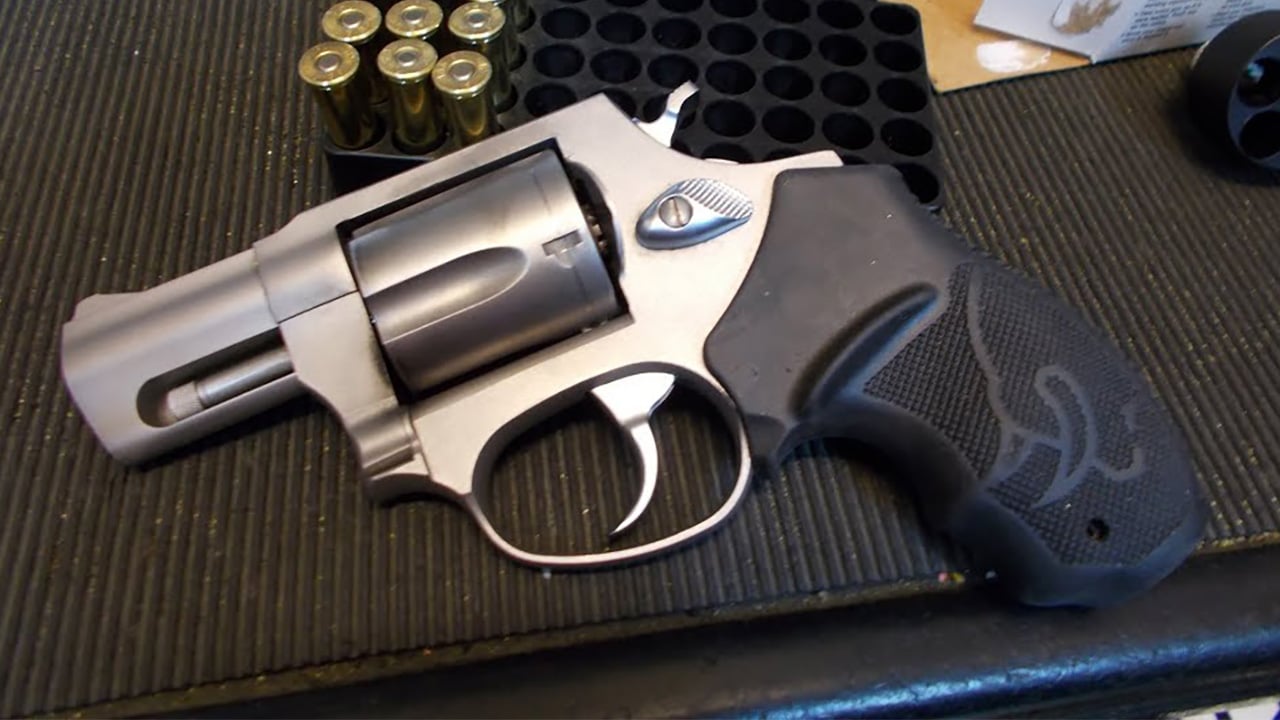
Not every rural household was buying premium anything. The Taurus 85 showed up because it was affordable, available, and small enough to actually carry while doing chores.
Quality can be all over the map depending on era, and that’s the truth. But plenty of them ran fine for decades on a steady diet of .38. If you’ve got a good one, it’s hard to argue with the role it filled.
8. Smith & Wesson Model 29

The .44 Magnum wasn’t just a movie gun out in the country. Some folks bought one because they hunted with handguns, some bought one because they ran traplines, and some bought one because they wanted one gun that could handle “whatever.”
It’s heavy, it’s loud, and full-power loads will remind you of your decisions. But a Model 29 is also accurate and serious. Loaded sensibly, it’s more useful than people give it credit for.
9. Ruger Super Redhawk

This one screams “handgun hunting” and “bear country” even if it never sees a bear. The Super Redhawk is big, strong, and built to digest hot loads without beating itself loose.
It’s not a casual carry gun unless your belt is serious and your expectations are realistic. But from a stand, a blind, or a side-by-side, it makes sense. It’s also the revolver a lot of guys bought once and never sold, because nothing else did that exact job as well.
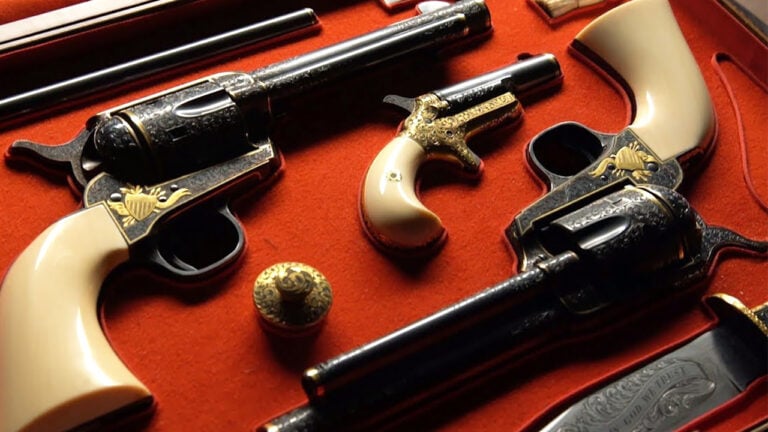
10. Colt Single Action Army (and faithful clones)
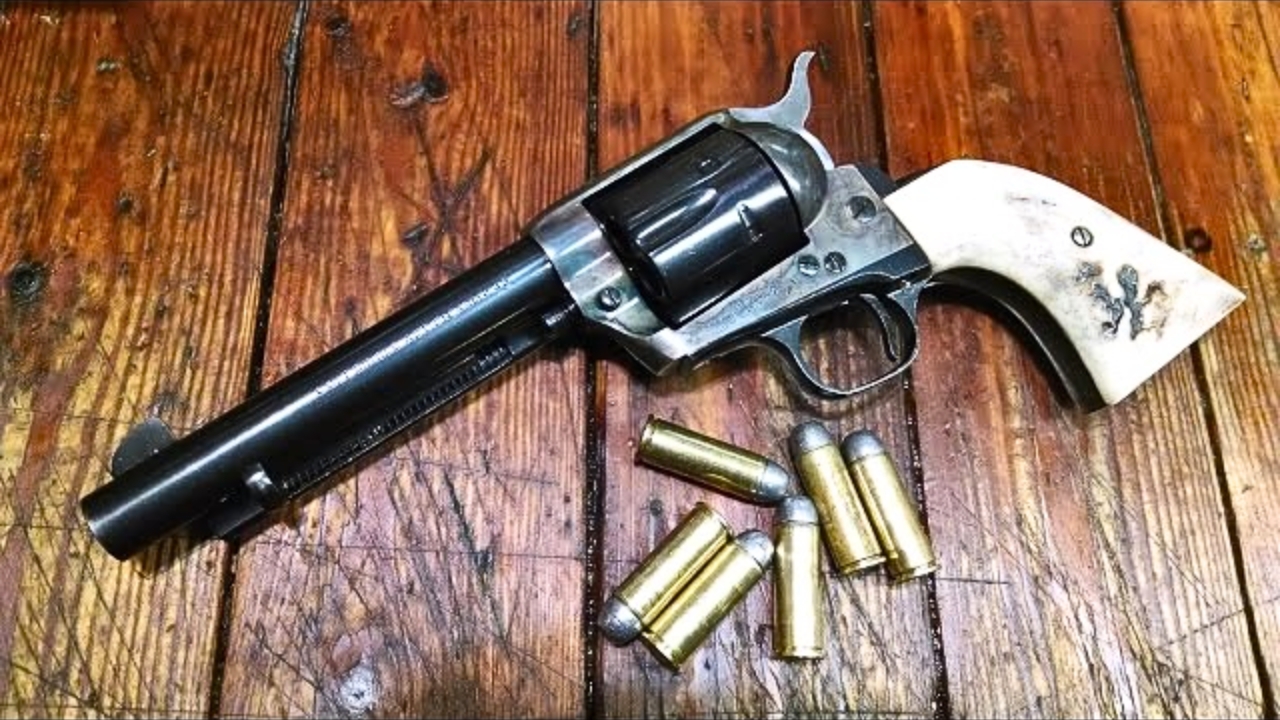
In some families, there’s a Peacemaker story. Sometimes it’s a real Colt, sometimes it’s a well-worn clone that rode in a saddle scabbard or lived in a drawer wrapped in an oily rag.
Are they modern defensive pistols? No. But they’re simple, rugged, and surprisingly shootable. And if you grew up around one, you probably learned early that old guns deserve respect and careful handling.
11. Smith & Wesson Model 19
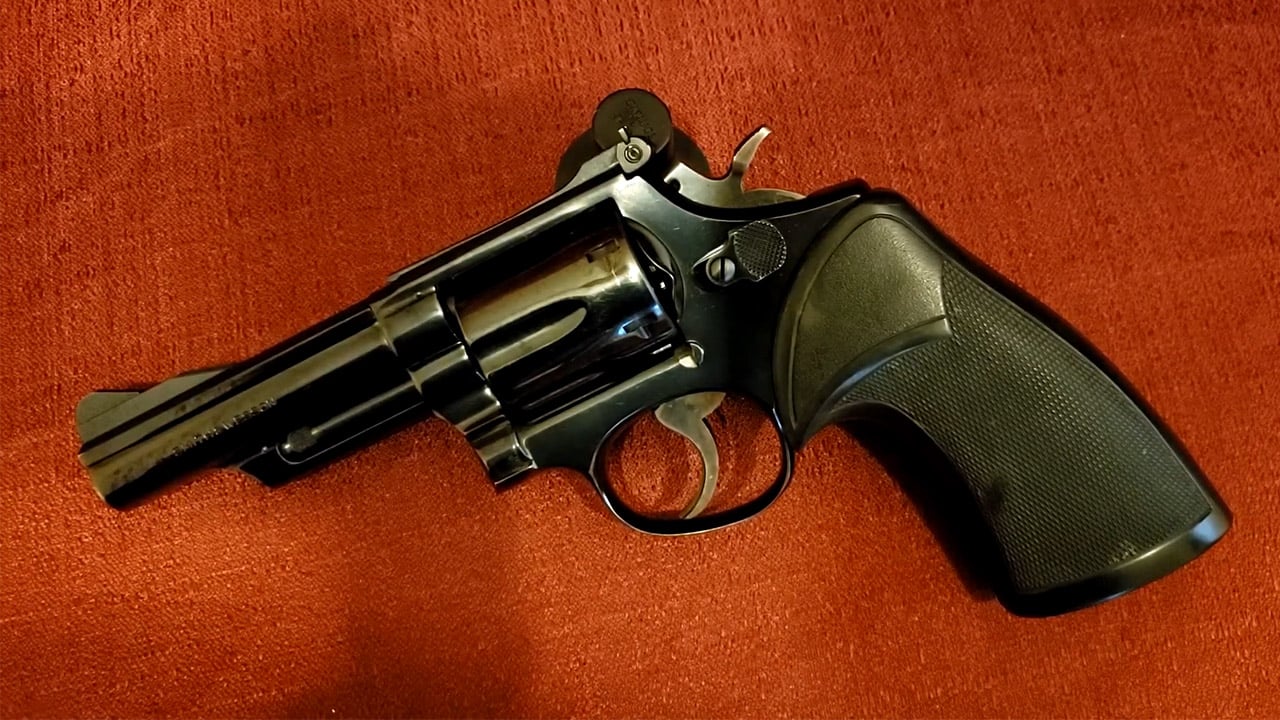
The Model 19 is what happens when a .357 is sized like a .38. It carries well, balances nicely, and points like it was made for real hands instead of a spec sheet.
They’re not meant to live on a steady diet of the hottest magnum loads forever, and most rural folks figured that out just by shooting them. With .38s for practice and sensible .357s when needed, it’s one of the best “do most things” revolvers ever made.
12. Ruger GP100
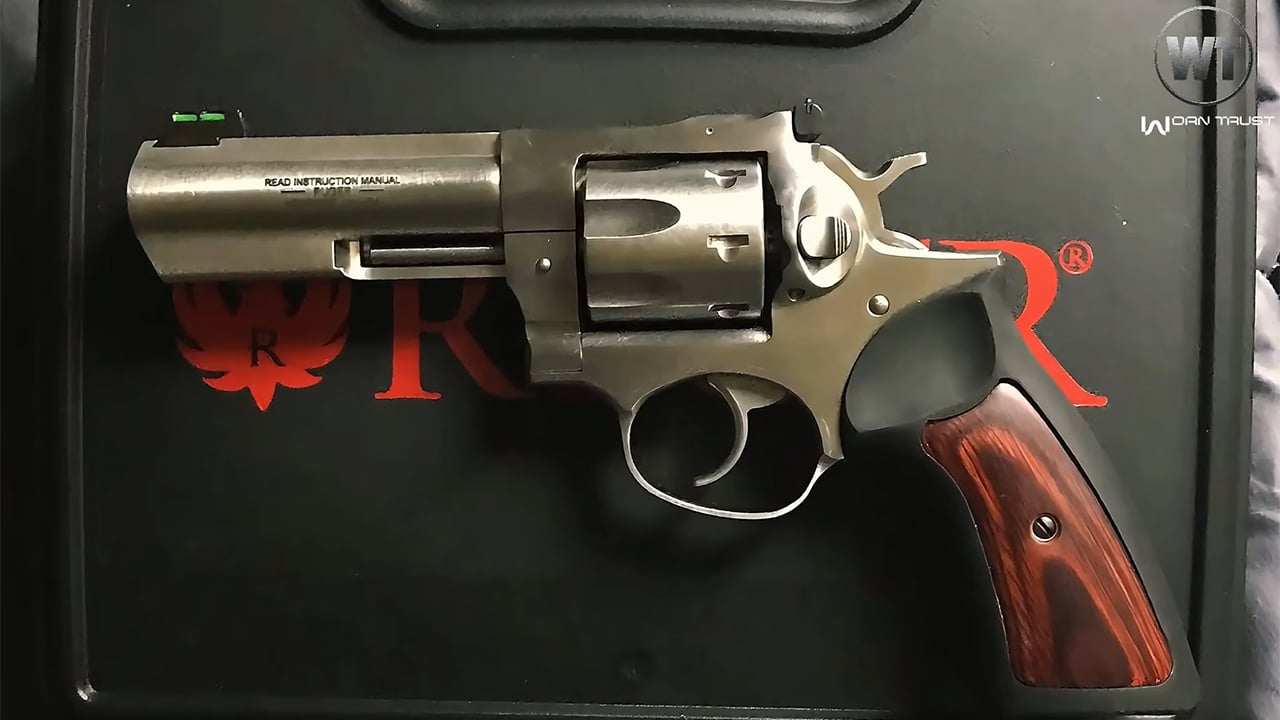
If the Model 19 is the sports car, the GP100 is the farm truck. It’s heavier, chunkier, and not nearly as romantic. But it’ll take abuse and keep timing like it’s mad at you.
A GP100 is the revolver you buy when you want to stop thinking about revolvers. It works in the rain, it works in the dust, and it doesn’t care if you forgot to clean it for a while. That’s pretty rural, honestly.
13. Browning Buck Mark
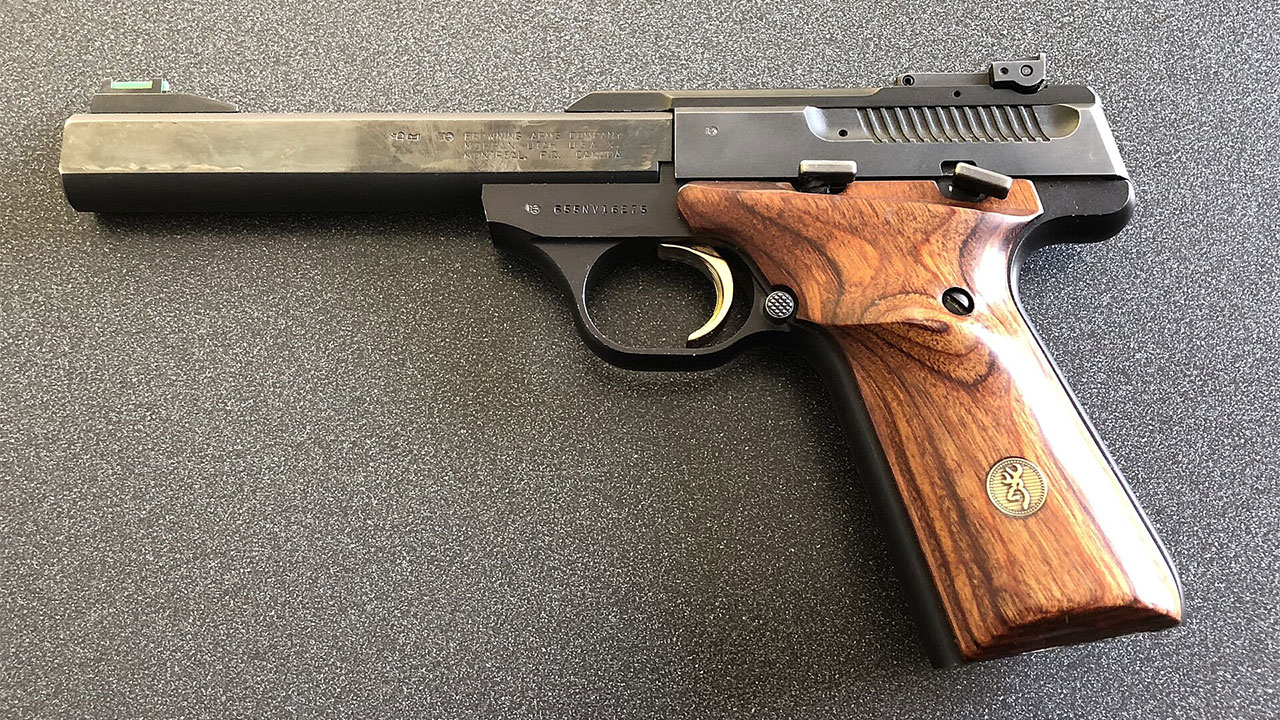
The .22 pistol that actually gets shot is worth more than three centerfire pistols that never leave the safe. The Buck Mark earned its place because it’s accurate, reliable with decent ammo, and fun.
It’s the kind of handgun that taught teenagers sight picture and trigger press without beating them up. It also pulls farm duty—dispatching pests, riding along on trap checks, and living by the back door.
14. Ruger Mark II
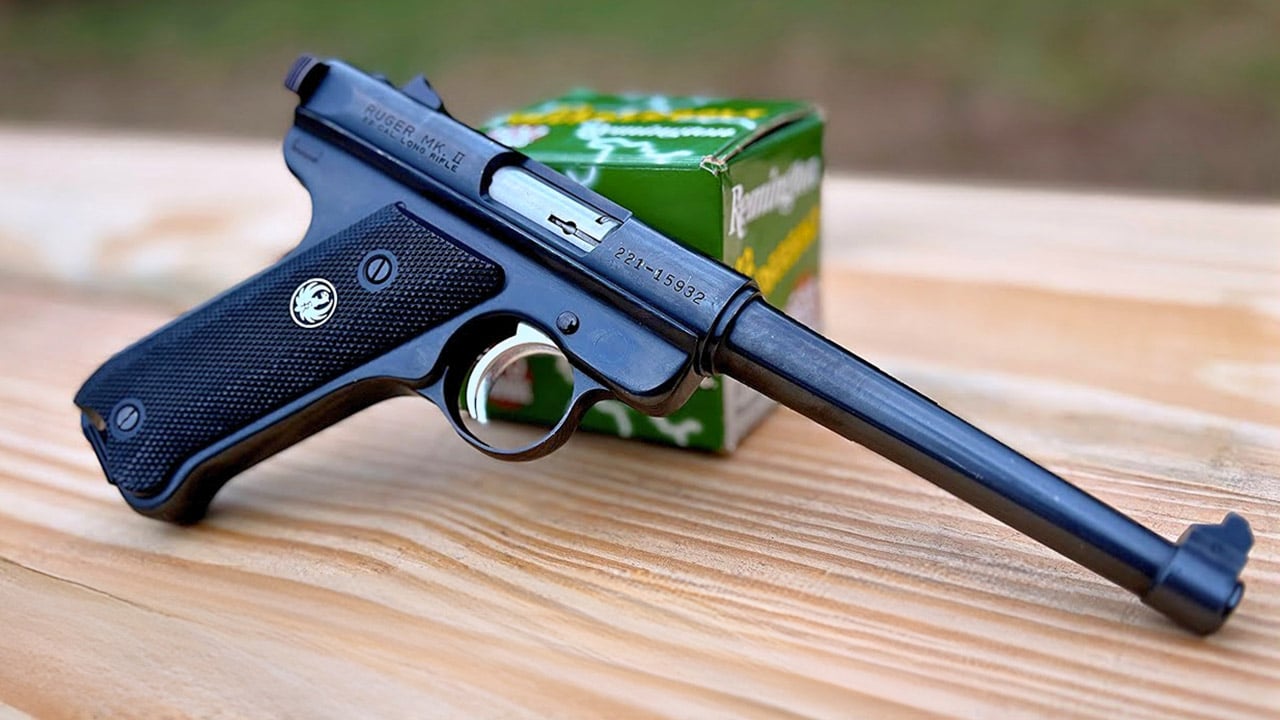
The Ruger Mark II is legendary for a reason. It runs dirty, shoots straight, and just keeps going. Plenty of them lived hard lives and still won informal plinking competitions behind the barn.
Yes, takedown can be a pain if you didn’t grow up doing it. Ask me how I know. Once you’ve got the hang of it, though, you’ve got a .22 that’s hard to replace with anything better in the same “works forever” category.
15. High Standard Sport King
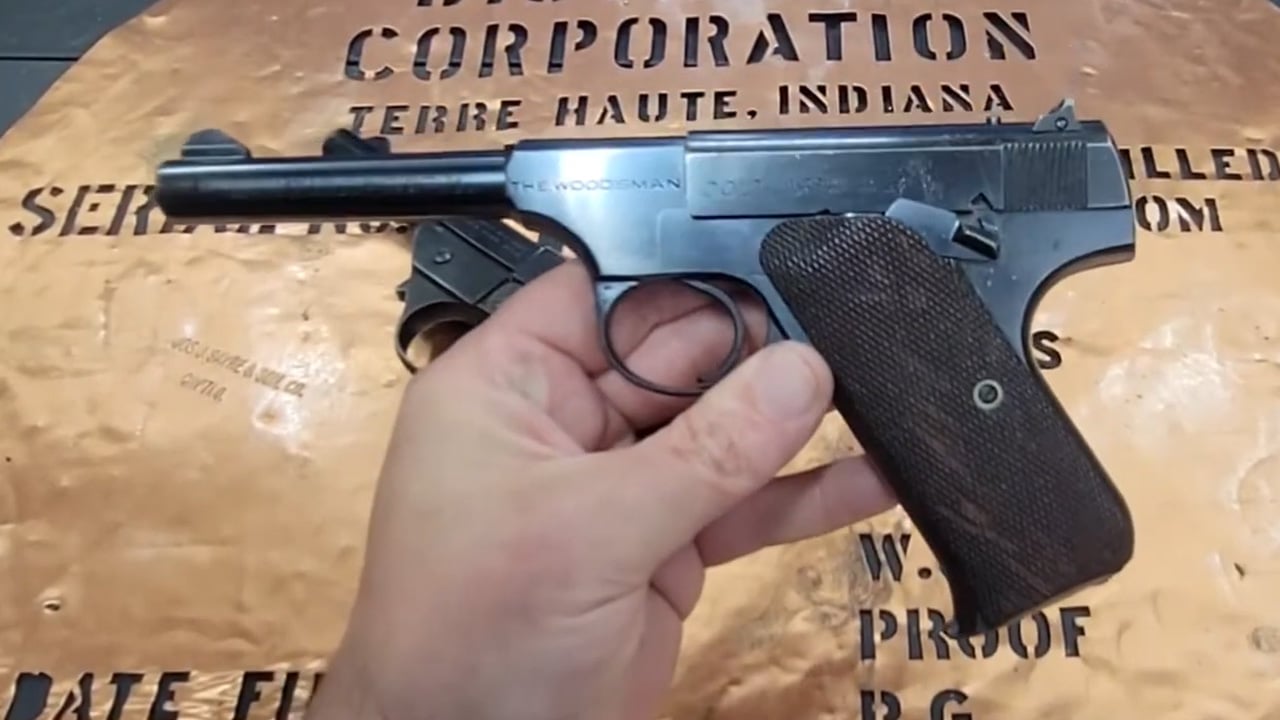
These older .22s were common in rural America, and they were often surprisingly accurate. You’d see them with worn bluing, a little bit of surface rust that never quite got handled, and a grip screw that didn’t match.
Mags can be the hang-up now, and you don’t want to bend one up because replacements aren’t always cheap. But if you’ve got one that runs, it’s a sweet-shooting piece of practical history.
16. Colt Woodsman
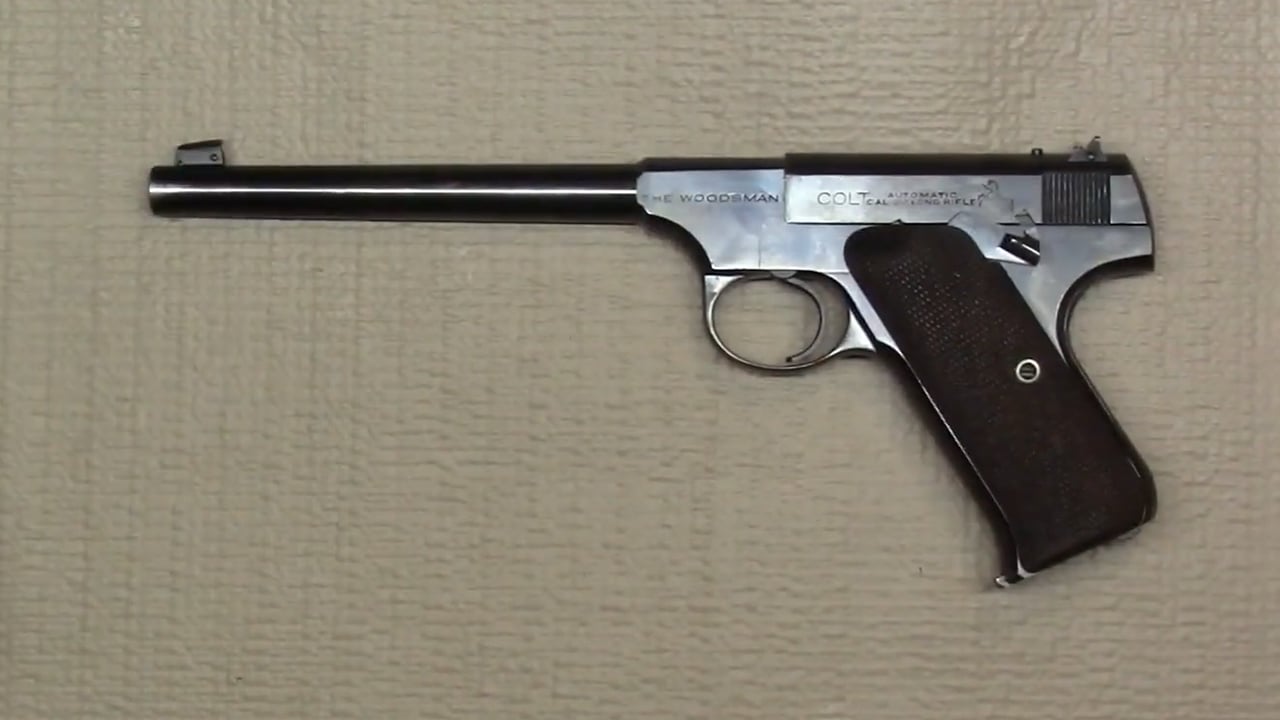
The Woodsman is the classy cousin that still knows how to work. It’s a .22, yes, but it feels like a “real” gun in the hand—natural angle, good balance, and typically a crisp trigger.
These got used for everything from camp meat to tin-can duty. They’re not cheap anymore, which is why so many families wish they’d never sold Grandpa’s. That one hurts.
17. Colt 1911 Government Model
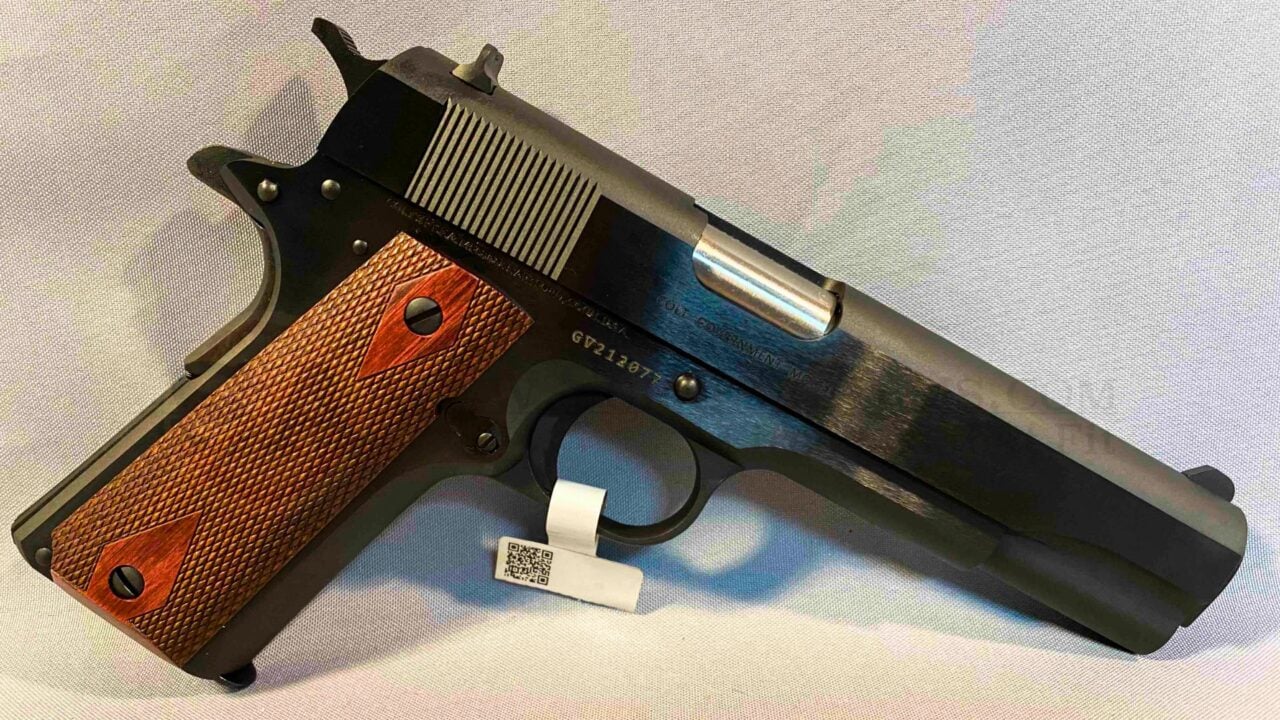
The 1911 showed up in rural houses the same way cast-iron skillets did: it just worked, and it stayed. Some were military bring-backs, some were bought because that’s what was available, and some were passed down with a box of half-rusted magazines.
It’s heavy for what it is, and not every 1911 is reliable. But a good Government Model points naturally and shoots well. If you grew up shooting one, a lot of modern pistols feel a little soulless afterward.
18. Browning Hi-Power
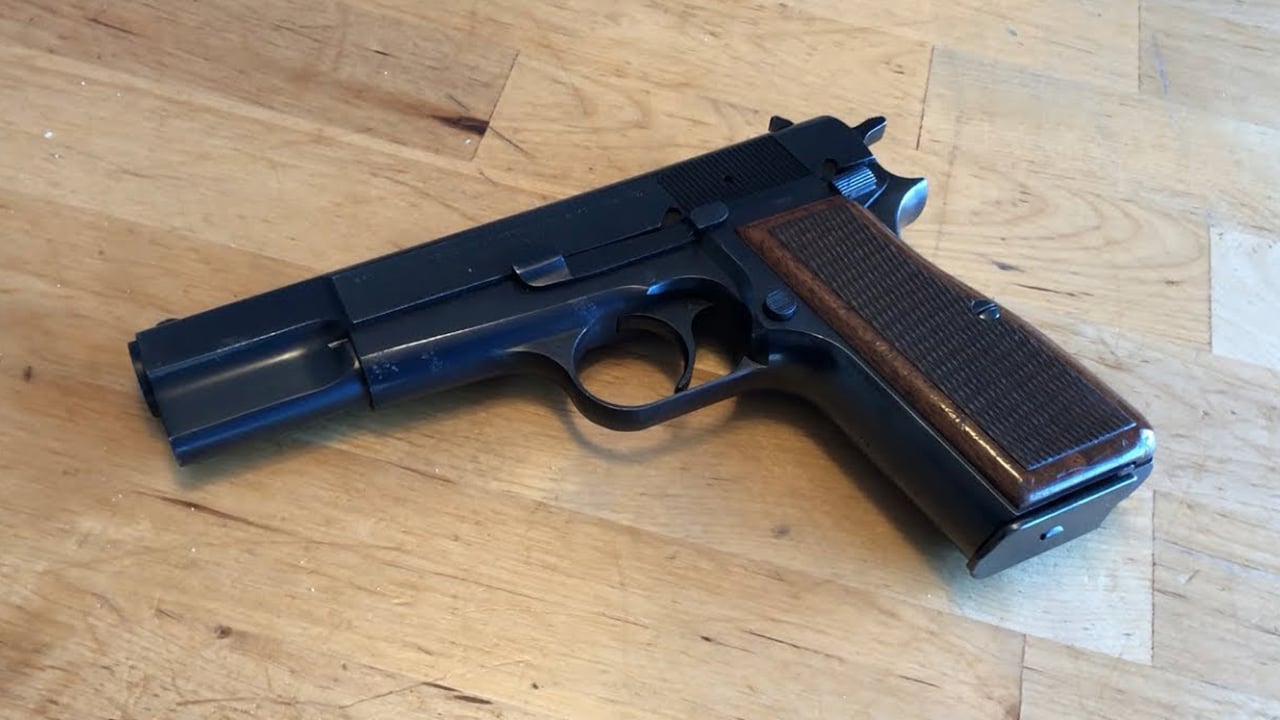
The Hi-Power was never the most common rural handgun, but when one showed up, it stayed. It’s slim, it carries well, and it holds plenty of 9mm without feeling like a brick.
Triggers vary, and some older examples benefit from a little attention, but the design flat-out works. It’s also one of those pistols that feels “right” when you bring it up on target, which matters more than internet arguments.
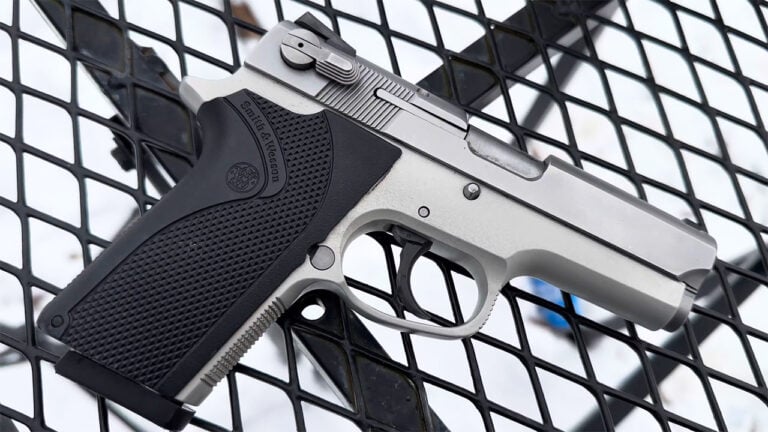
19. Smith & Wesson Model 59
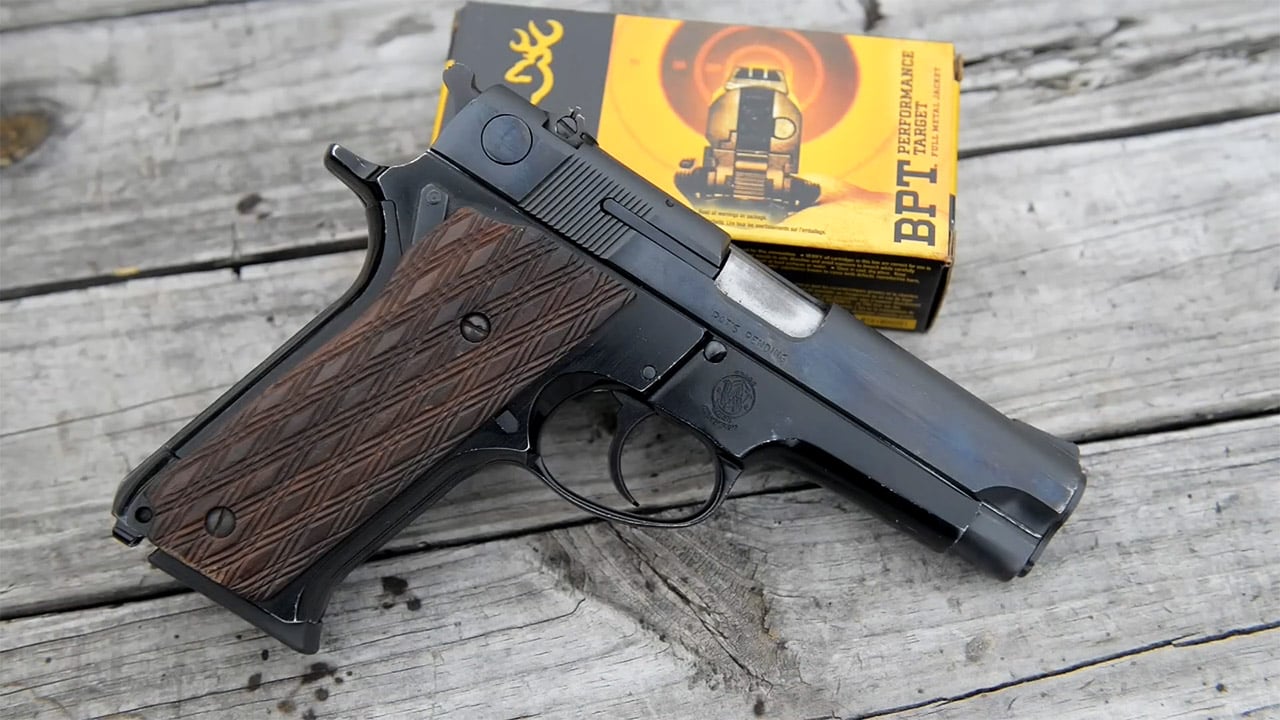
Before polymer striker guns took over every shelf, the Model 59 and its descendants were the “modern” 9mm for a lot of working folks. Double-stack capacity was a selling point, and the gun felt like a serious step up from six-shot revolvers for some families.
They can be chunky in the grip, especially for smaller hands, and the older metal guns don’t forgive neglect like a revolver might. Still, they ran, magazines existed, and they lived in plenty of rural nightstands for good reason.
20. Glock 19
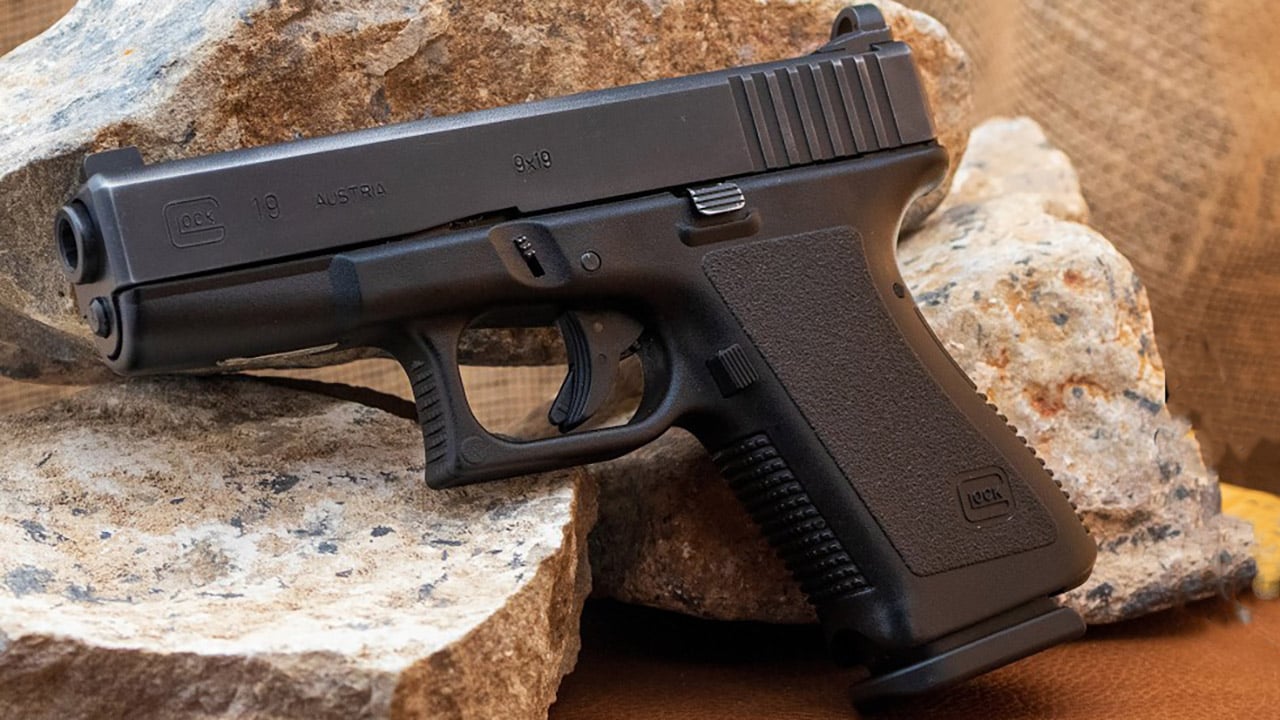
Eventually, the “old stuff” got joined by something plain, durable, and boring in the best way. The Glock 19 became the new standard because it’s easy to maintain, easy to shoot, and it tends to work even when life gets busy.
It’s not the gun your granddad taught you on, and it won’t win any beauty contests. But if you’ve ever needed a handgun that just shows up and does its job, you get it. There is nothing fancy about it, and that is kind of the point.
If you’re looking at your own safe and realizing half your handguns are basically “rural standard issue,” you’re not alone. The common thread isn’t caliber wars or collector status. It’s usefulness. Keep them maintained, store them responsibly, and don’t be too quick to sell the boring ones—those are usually the ones that kept earning their spot without ever asking for attention.
Like The Avid Outdoorsman’s content? Subscribe to our newsletter so you never miss an article.
Here’s more from us: