Photo credit: Olde English Outfitters/YouTube
A famous logo can carry a handgun a long way. Buyers see names like Colt, SIG Sauer, Smith & Wesson, Beretta, Glock, Ruger, Walther, or Heckler & Koch and assume the gun underneath automatically deserves the same reputation as the company’s best products. Sometimes that is true. Other times, the brand name does more work than the pistol itself.
That is what makes these guns difficult to recommend. Some are perfectly functional but badly outclassed by newer alternatives. Others are expensive for what they deliver, awkward to shoot, too dependent on outdated features, or simply weaker entries from manufacturers capable of much better work. None of that means every owner should dump one. It means I would hesitate before telling a new buyer to spend his money on one today when the same famous companies often offer better choices.
SIG Sauer P224
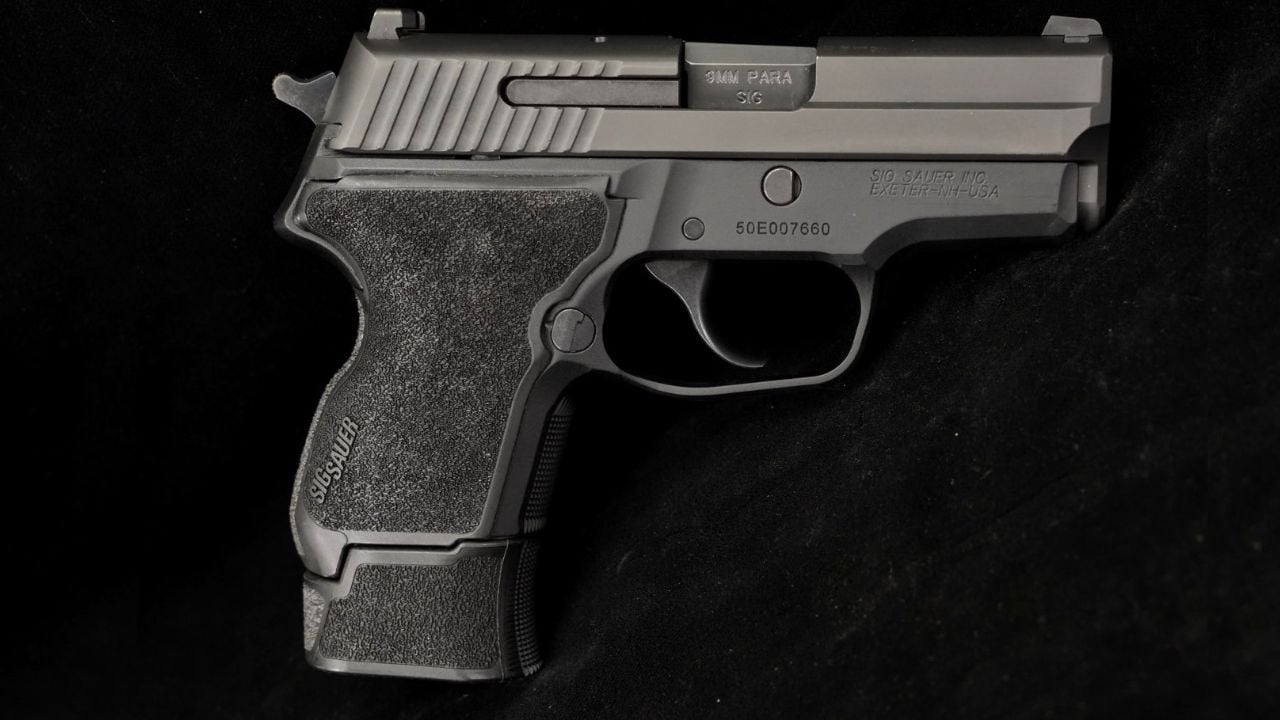
The P224 had an obvious idea behind it: shrink the proven P229-style DA/SA platform into something genuinely compact. On paper, that gave shooters a familiar SIG trigger system, metal frame, and serious defensive chamberings in a pistol small enough for concealed carry.
The problem is that the proportions became awkward. The short grip gives you less leverage, the pistol is still fairly thick and heavy, and the chopped frame does not take full advantage of the metal construction. Modern compact and micro-compact pistols are lighter, hold more ammunition for their size, and are easier to conceal. The P224 is interesting for SIG collectors and people who specifically want a tiny classic-style SIG, but as a practical carry recommendation, it is hard to justify over the company’s newer designs.
Glock 36

The Glock 36 was built around a concept that made much more sense before high-capacity slim pistols became common. It gave shooters a relatively narrow .45 ACP Glock with a six-round magazine and a grip that was easier to conceal than the larger double-stack .45s.
Today, six rounds in a pistol that is still fairly substantial feels difficult to defend. The gun also has less magazine and accessory support than the more popular Glock models, and recoil can be brisk because of the relatively compact package. If someone already owns one and shoots it well, there is no reason to panic. But buying one now means accepting low capacity, dated proportions, and a niche platform when smaller 9mms and even higher-capacity .45s exist. The Glock name does not erase those compromises.
Colt Defender

The Defender has a lot of appeal because it gives you genuine Colt 1911 character in a short-barreled carry format. The aluminum frame keeps weight reasonable, the single-action trigger remains excellent, and the pistol looks far more refined than most polymer carry guns.
The difficulty is that compact 1911s demand more from the design than full-size guns do. Short slides reduce timing margin, recoil springs work harder, and magazines and ammunition can matter more. That does not mean every Defender is unreliable, but it does mean the platform deserves more testing than a simpler modern carry pistol. Add the limited capacity and premium Colt pricing, and the recommendation becomes even harder. I like the Defender as an enthusiast’s carry gun. For someone who simply wants the easiest dependable concealed-carry pistol to own, there are less demanding choices.
Smith & Wesson CSX

The CSX should have been one of the most interesting carry guns Smith & Wesson released in years. It combined an aluminum frame, compact dimensions, decent capacity, and a single-action trigger in a market dominated by polymer striker-fired pistols.
The execution never fully matched the concept. The trigger system has generated criticism for its unusual reset feel, and the controls require a different manual of arms than the Shield Plus sitting right beside it in the same company’s lineup. That makes the CSX difficult to recommend to a buyer who simply wants a straightforward carry pistol. The gun is not bad, and some shooters genuinely like the metal frame and hammer-fired setup. The problem is that Smith & Wesson already sells easier, better-supported options. The CSX asks you to specifically want its quirks.
Walther CCP M2

The CCP M2 deserves credit for trying something different. Its gas-delayed operating system was designed partly to reduce slide-racking effort and recoil, making it appealing to shooters who struggle with conventional compact pistols.
The downside is that the system adds complexity without producing a clear enough advantage for everyone. The gun can become hot during extended shooting, disassembly is different from more familiar service pistols, and the capacity looks modest beside newer carry guns. Walther also makes pistols with stronger triggers and broader reputations for duty-style use. The CCP fills a legitimate niche, but that niche is narrow. If easy slide manipulation is the priority, it deserves consideration. If you simply want the best Walther carry pistol, I would look elsewhere first.
Beretta Pico

The Pico came from a company with enormous experience building compact handguns, and its thin profile made it look like a serious competitor in the pocket-pistol market. It was extremely small, easy to conceal, and chambered in the familiar .380 ACP.
The problem was shootability. The controls were tiny, the trigger was heavy, and the overall experience could feel more like operating an emergency tool than a handgun you wanted to practice with. Pocket pistols are always compromises, but other designs managed to make small guns more pleasant without becoming significantly larger. Beretta has built some of the finest defensive pistols in the world. The Pico simply never felt like one of them. The famous name may have reassured buyers, but the pistol itself gave them fewer reasons to remain enthusiastic.
Ruger American Pistol Compact
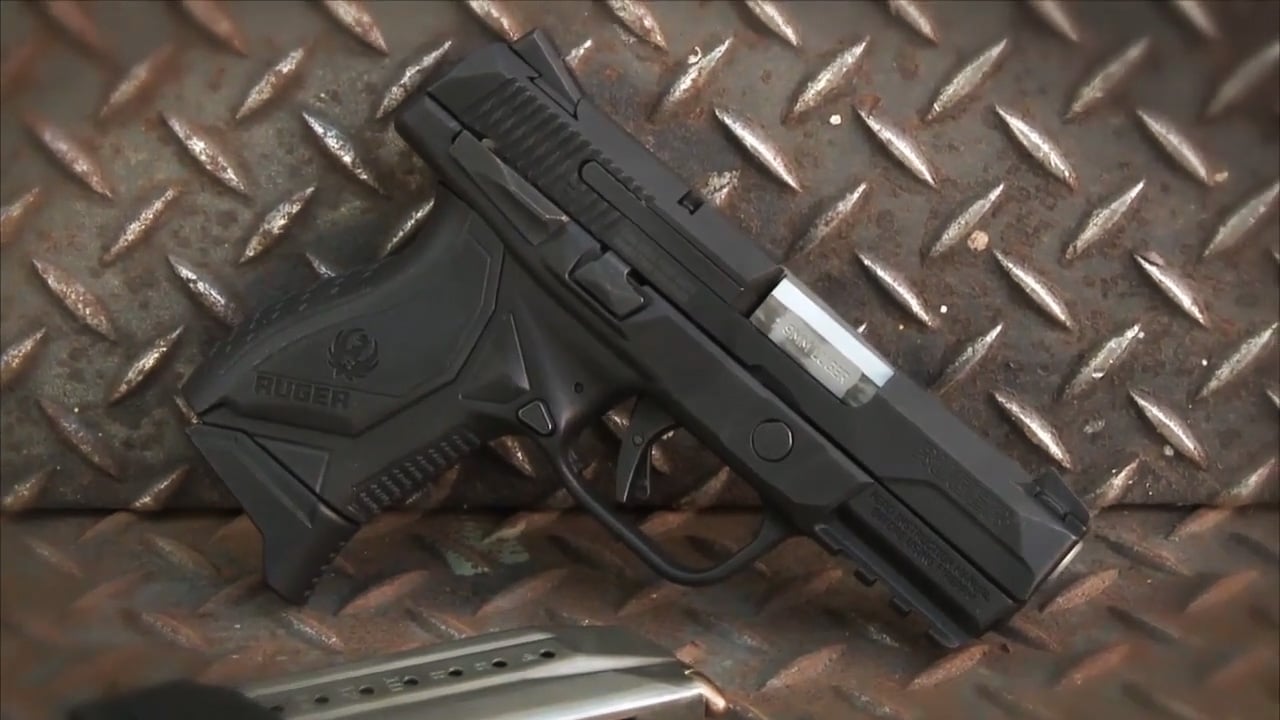
The American Pistol arrived with Ruger’s reputation for tough, practical firearms and was clearly aimed at serious defensive use. The Compact version gave buyers a shorter package while retaining the basic chassis-style construction and robust feel of the full-size gun.
The issue is that the pistol feels bulky for the capacity and role it fills. The slide is substantial, the grip is not especially trim, and the platform never developed the enormous support network enjoyed by Glock, M&P, or even Ruger’s own later carry pistols. It can be dependable and pleasant enough to shoot, but that is not a strong enough argument in a crowded market. Ruger has since produced designs that feel more current and better matched to what buyers actually want. The American Compact is tough to recommend because it was quickly overshadowed.
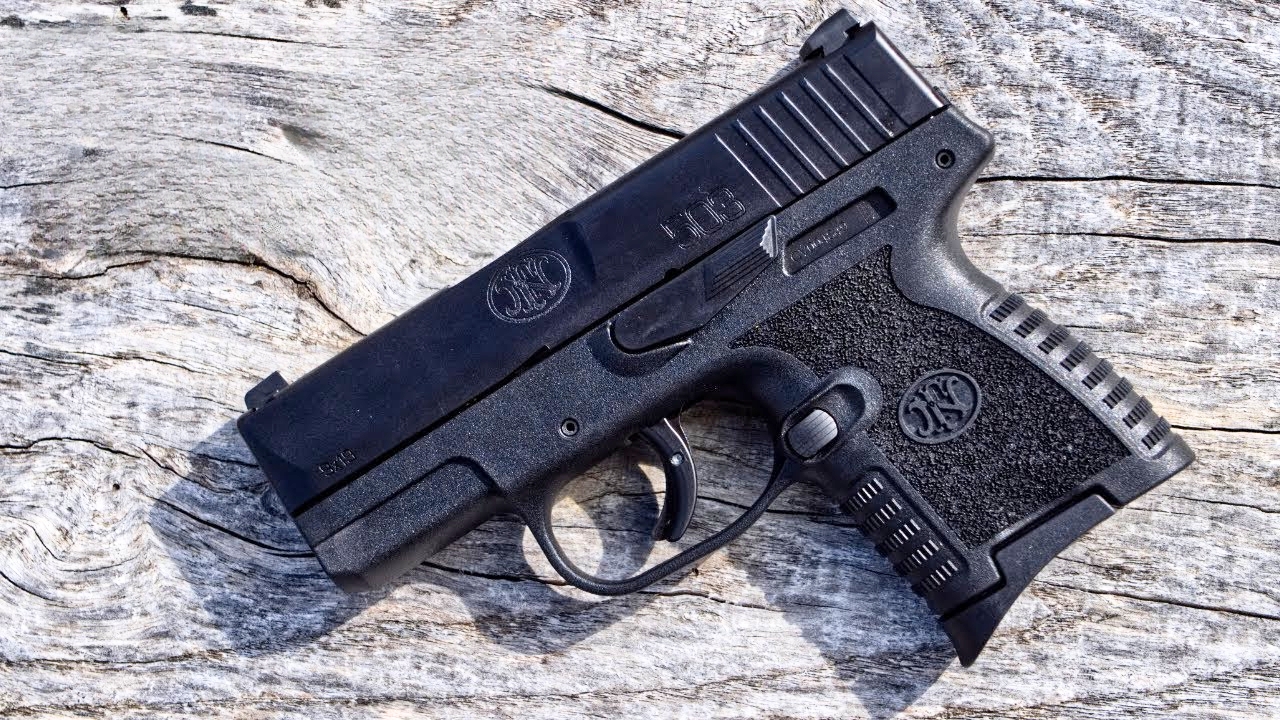
FN 503

The FN 503 came from a company with a strong reputation for serious military and defensive firearms, so expectations were naturally high. It was slim, straightforward, and clearly intended to compete in the concealed-carry market.
The problem was timing. By the time the 503 arrived, high-capacity micro-compacts had already changed what buyers expected from a small 9mm. A six- or eight-round pistol suddenly looked dated before it had a chance to establish itself. FN quality was not enough to overcome the capacity disadvantage, especially when the pistol did not offer some dramatic improvement in trigger or shootability to compensate. The 503 was not necessarily a poor handgun. It was simply launched into a market that had already moved beyond the concept.
Kimber Micro 9

The Micro 9 has enormous appeal on the gun counter. It looks like a miniature 1911, comes in numerous attractive finishes, and gives shooters a metal-framed carry pistol with a single-action trigger rather than another plastic striker gun.
The problem is that tiny 1911-style pistols ask a lot from the shooter and the design. Recoil is sharp, the grip is short, controls are small, and reliability needs to be confirmed carefully with the exact magazines and ammunition being carried. Kimber’s reputation also creates high expectations at a price point where buyers have many excellent alternatives. A good Micro 9 can be satisfying, but I would not recommend one casually to a new carrier. It makes more sense for someone who specifically values the format and is willing to test it thoroughly.
Heckler & Koch P2000SK
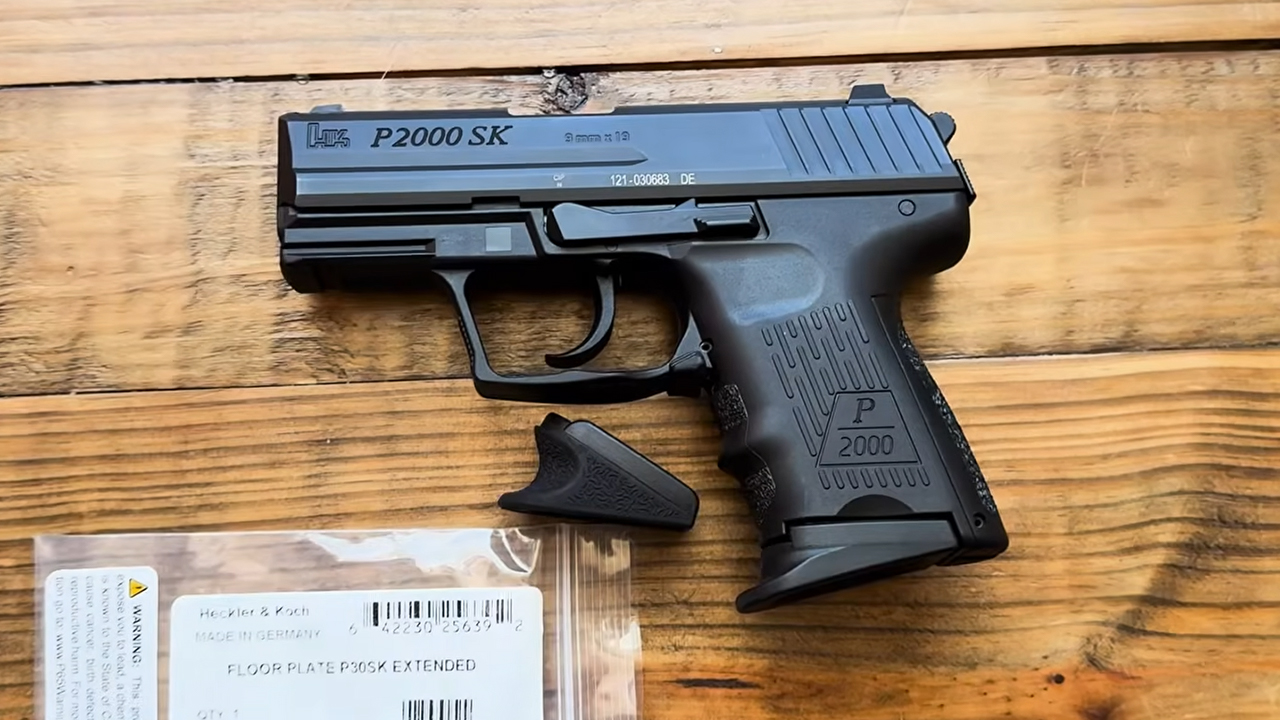
The P2000SK is built with the kind of durability and engineering people expect from HK. The compact size, hammer-fired operation, and available LEM trigger make it an interesting alternative to conventional striker-fired carry guns.
The problem is that time has moved around it. Capacity is modest, the grip and slide proportions feel thick compared with modern compact pistols, and optics-ready support is not the platform’s strong suit. HK’s own newer offerings provide more contemporary ergonomics, while competitors deliver better capacity for the same footprint. The P2000SK still works, and that matters. But reliability alone does not make a pistol the best recommendation forever. Today, you have to specifically want the old-school HK experience to overlook how dated the package has become.
Browning 1911-380 Black Label
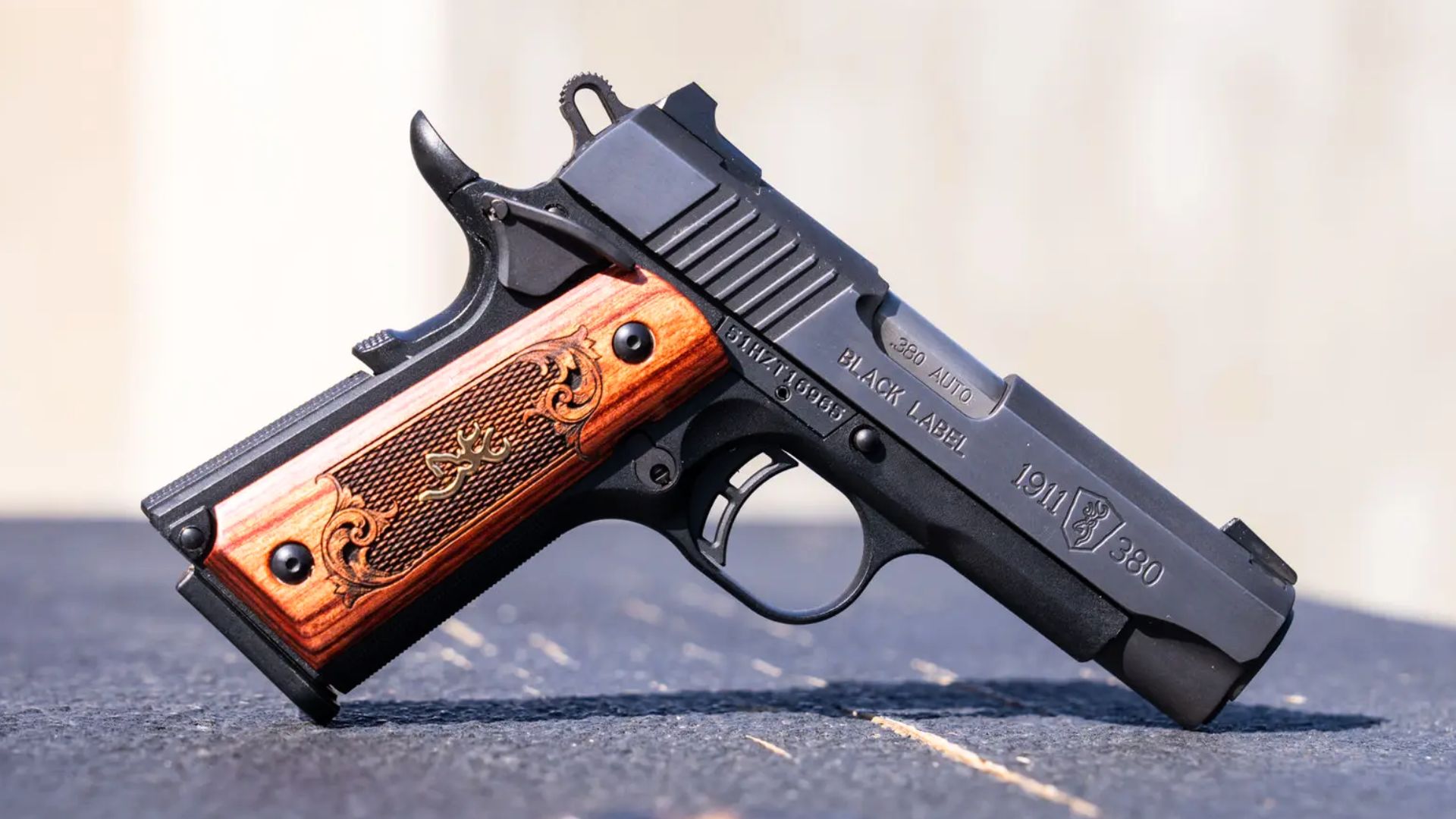
The 1911-380 Black Label is charming because it shrinks the classic 1911 concept into a lighter pistol chambered for .380 ACP. The controls feel familiar, the gun looks great, and the reduced dimensions make it easier to handle than a full-size 1911.
The challenge is value and purpose. It is larger than many .380 carry guns while offering less power than similarly sized 9mms, and the capacity is nothing remarkable. The pistol makes sense as a fun range gun or for someone who strongly prefers the 1911 manual of arms but needs low recoil. As a general defensive recommendation, though, it becomes difficult. You are paying Browning money for a specialized combination of nostalgia and mild recoil when more capable carry guns exist at similar sizes.
SIG Sauer P239
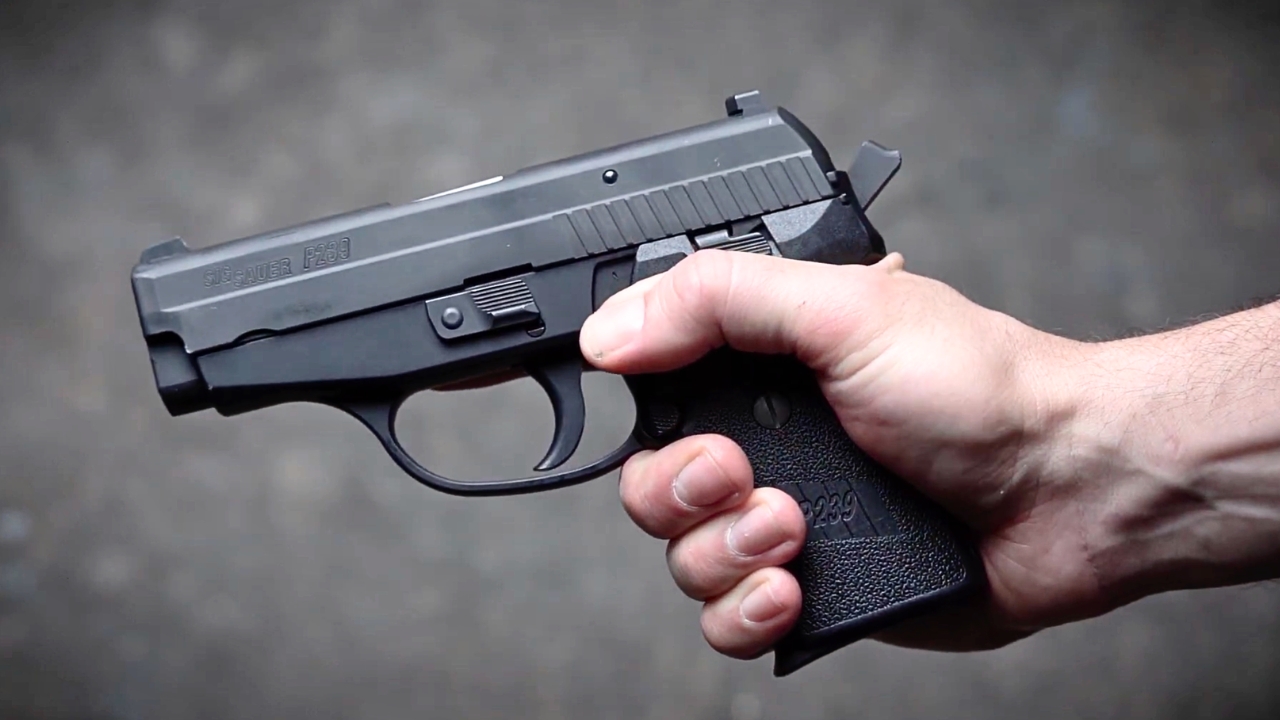
The P239 earned a loyal following because it was slim, well made, and carried the classic SIG DA/SA system into a single-stack format. For years, that made it one of the better choices for someone who wanted a narrow metal-framed carry pistol.
The modern market makes its weaknesses much more obvious. Capacity is low, the gun is heavy relative to what it holds, and replacement parts and magazines are not as convenient as they once were. A P239 can still be an excellent shooter, and I understand why owners love them. The problem is recommending one to a new buyer today. Modern carry pistols offer double the capacity at lower weight and similar dimensions. The P239 deserves respect, but nostalgia now carries a large part of its appeal.
Remington R51

The R51 carried one of the most famous names in American firearms and was built around an unusual delayed operating system derived from the old Pedersen design. The low bore axis and sleek profile made it look genuinely different from the sea of polymer carry guns.
The launch problems badly damaged that promise. Early guns developed enough reliability and quality-control issues to trigger a major recall, and although the pistol returned, the reputation never recovered. That is especially damaging for a carry gun, where confidence matters as much as specifications. The R51 is mechanically interesting, but a defensive pistol should not require a history lesson before you can explain why the current example might be fine. Remington had enormous brand recognition. The R51 never converted that recognition into the kind of trust it needed.
Walther PK380

The PK380 was one of the few .380 pistols designed around easy operation rather than maximum compactness. The larger grip and relatively light slide made it easier for some shooters to manipulate than tiny pocket pistols.
The problem is that the design now feels awkward compared with newer easy-rack options. The controls are unconventional, the magazine release requires adaptation, and the lack of some modern features makes the gun feel older than it really is. The larger size also means it gives up the pocket-carry advantage normally associated with .380. If someone specifically struggles with recoil and slide effort, the PK380 can still make sense. But Walther’s name alone is not enough to overcome how much better this niche has become.
Colt Mustang XSP
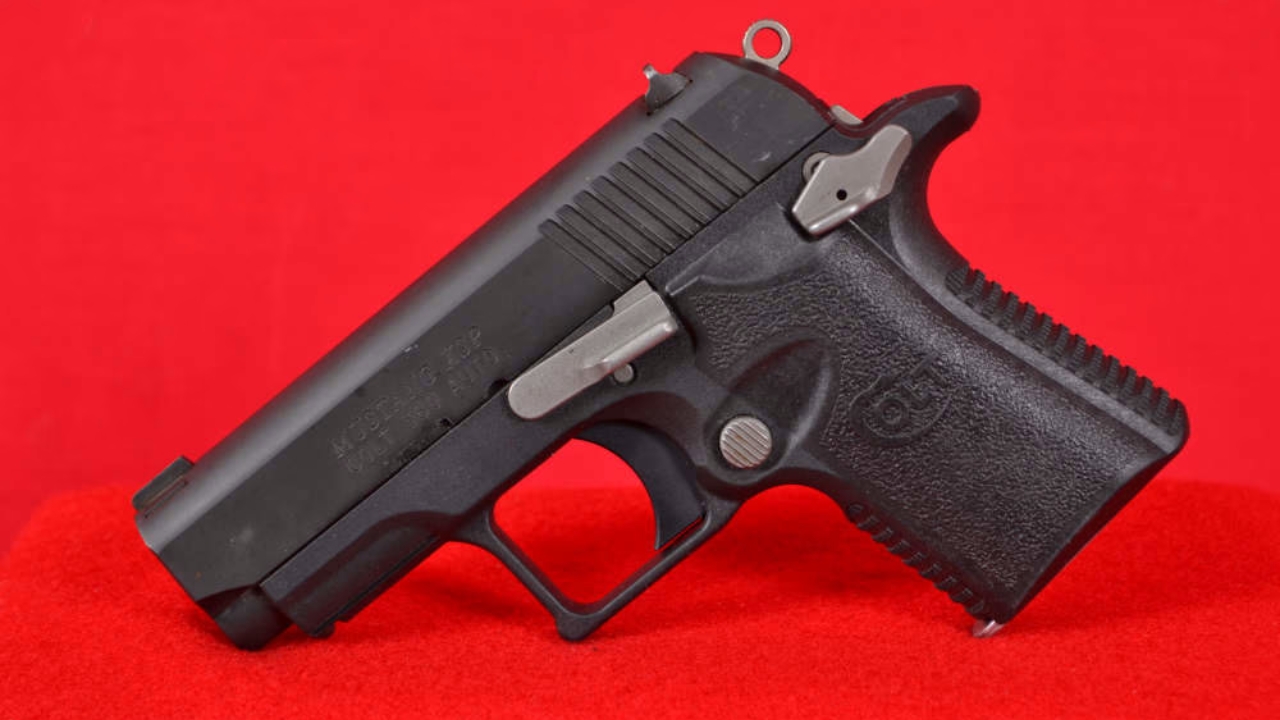
The Mustang XSP tried to modernize Colt’s classic little .380 by using polymer construction and updated features. It retained much of the familiar Mustang handling while shaving weight and making the platform more contemporary.
The trouble is that the market was already filling with lighter, simpler, and often higher-capacity pocket pistols. The Mustang’s single-action manual safety also appeals to a narrower audience than straightforward DAO or striker-style micro guns. Add Colt pricing and limited production support, and the practical case becomes weak. The XSP is interesting as a Colt oddity, but I would have a hard time recommending one over newer .380 pistols that are easier to support, easier to replace, and generally less expensive.
Glock 42
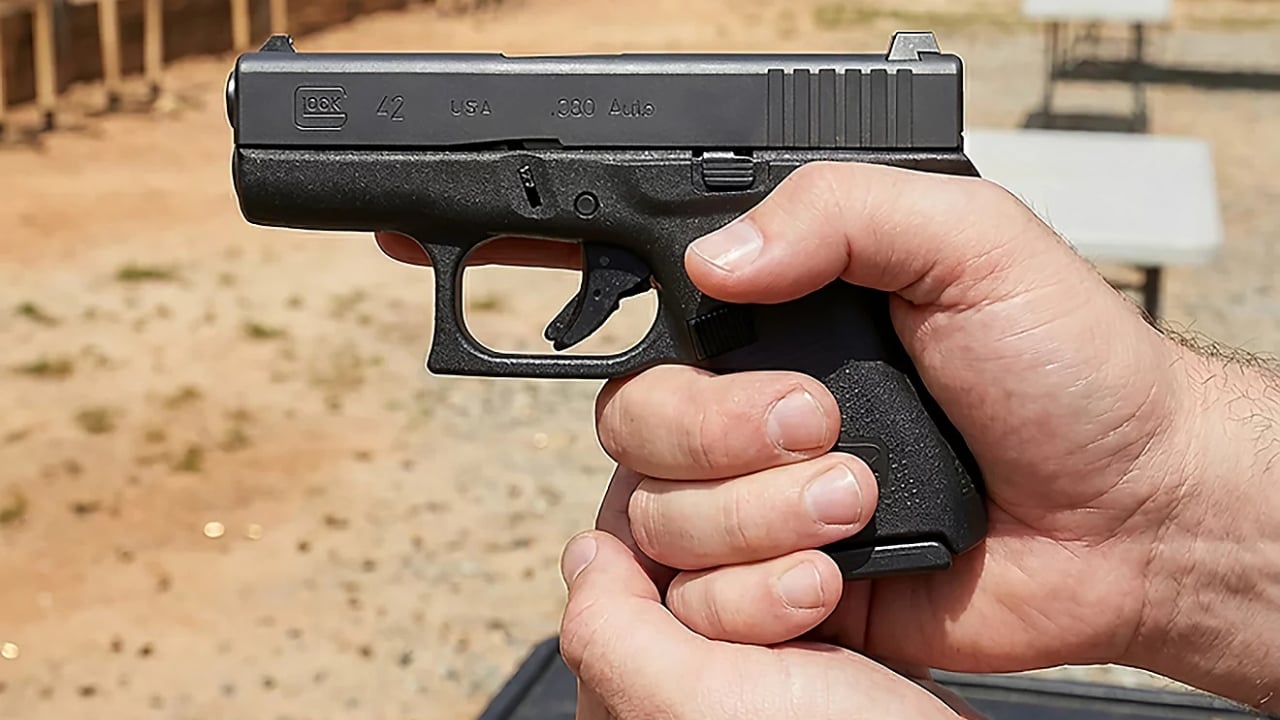
The Glock 42 is one of the easiest .380s to shoot well because it is larger than the tiniest pocket guns. The grip is usable, recoil is mild, and the controls are instantly familiar to anyone who already shoots Glock pistols.
The problem is that its size-to-capacity equation has aged badly. Six rounds in a pistol this large is difficult to defend when newer .380s hold substantially more ammunition in similar or smaller packages. The 42 remains reliable, comfortable, and easy to conceal, so I understand why people still like it. But recommending a new buyer choose one today requires prioritizing Glock familiarity over capacity and efficiency. It is a good gun trapped in a market that improved dramatically around it.
Springfield Armory XD-S Mod.2
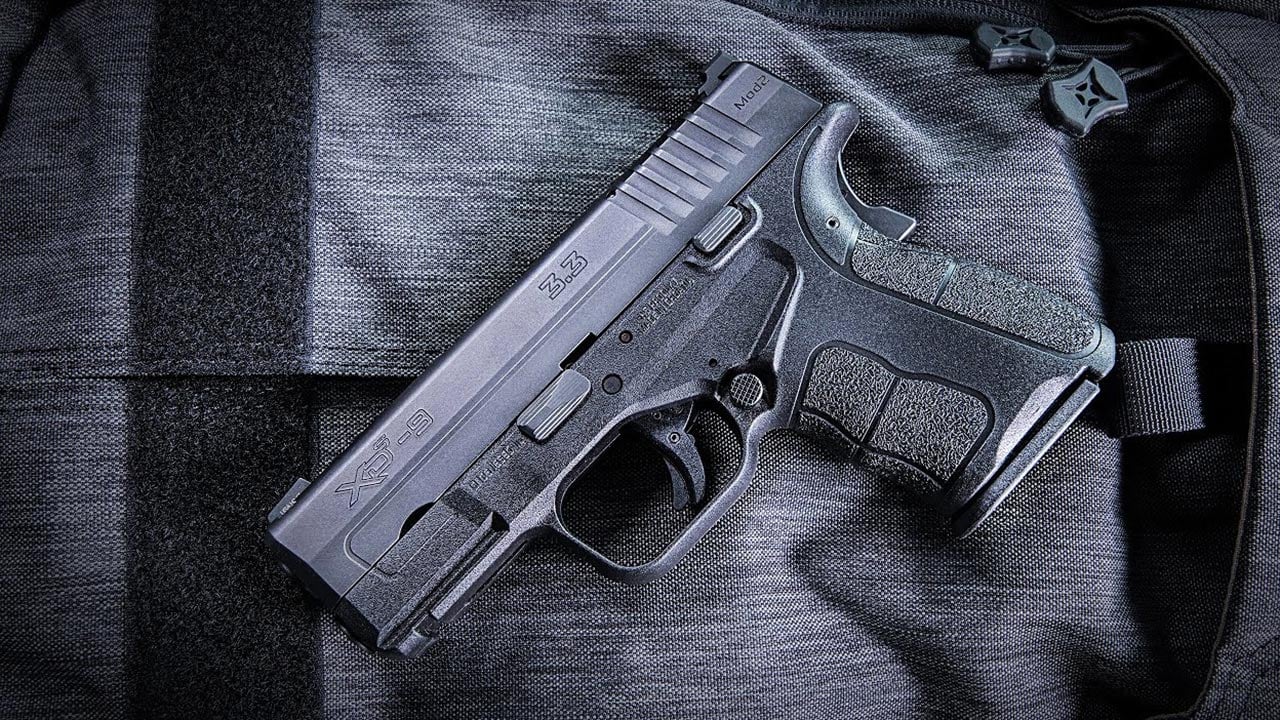
The XD-S Mod.2 was a logical evolution of Springfield’s slim single-stack carry pistol. It brought updated grip treatment, improved sights, and familiar XD features into a narrow defensive package.
The problem is that high-capacity micro-compacts made the entire single-stack category much harder to justify. The XD-S still carries well, but it does not give you enough of a size advantage to offset the lower capacity. The grip safety also remains a feature shooters either appreciate or tolerate rather than universally want. Springfield’s own Hellcat family moved the market forward so decisively that the XD-S now feels like the older solution. It can still serve perfectly well, but I would have difficulty recommending it first to someone buying a carry pistol today.
Smith & Wesson Bodyguard .380 Original
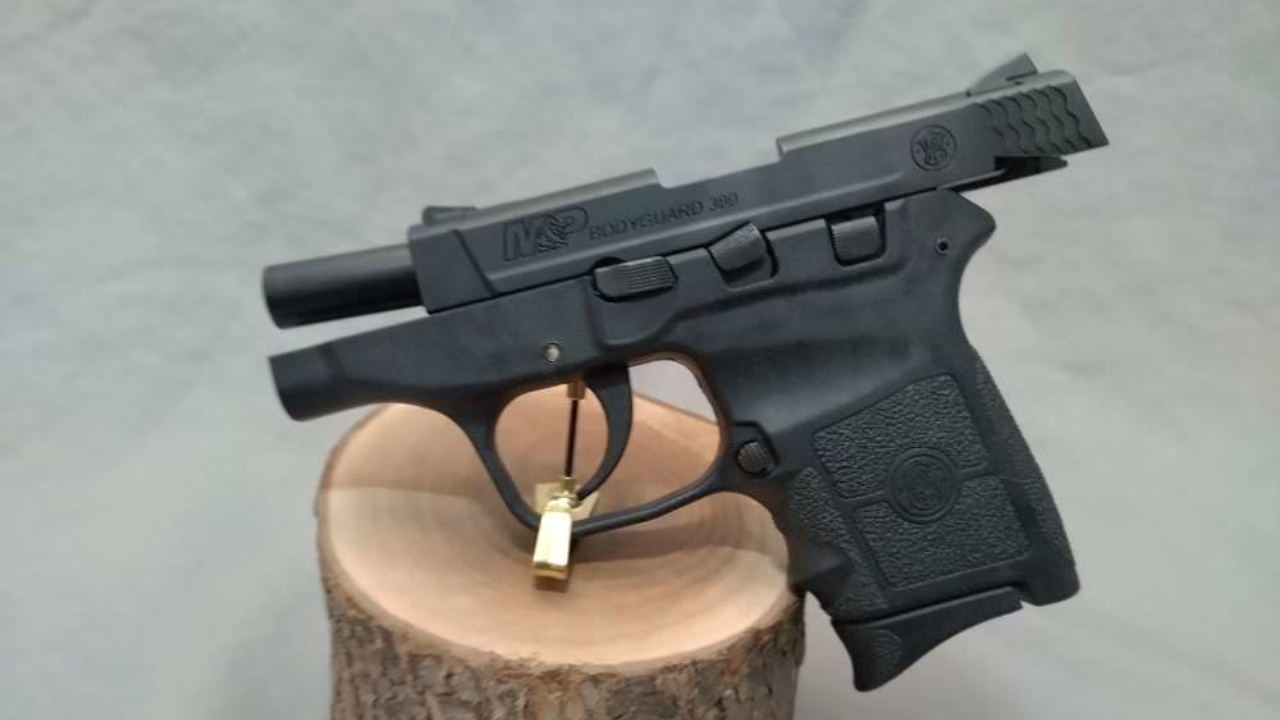
The original Bodyguard .380 was one of Smith & Wesson’s early serious entries into the modern pocket-pistol market. It was extremely compact, easy to conceal, and offered features that looked impressive when the model was introduced.
The trigger was the biggest compromise. It is long and heavy, which makes precise shooting more difficult than it needs to be, especially in a pistol with a short sight radius. The tiny controls and modest capacity add to the challenge. Smith & Wesson’s newer Bodyguard 2.0 makes the comparison particularly brutal because it demonstrates how much better a small .380 can be. The original can still function as a deep-concealment gun, but there is little reason to recommend it when its own successor improved nearly everything that mattered.
Ruger LC9
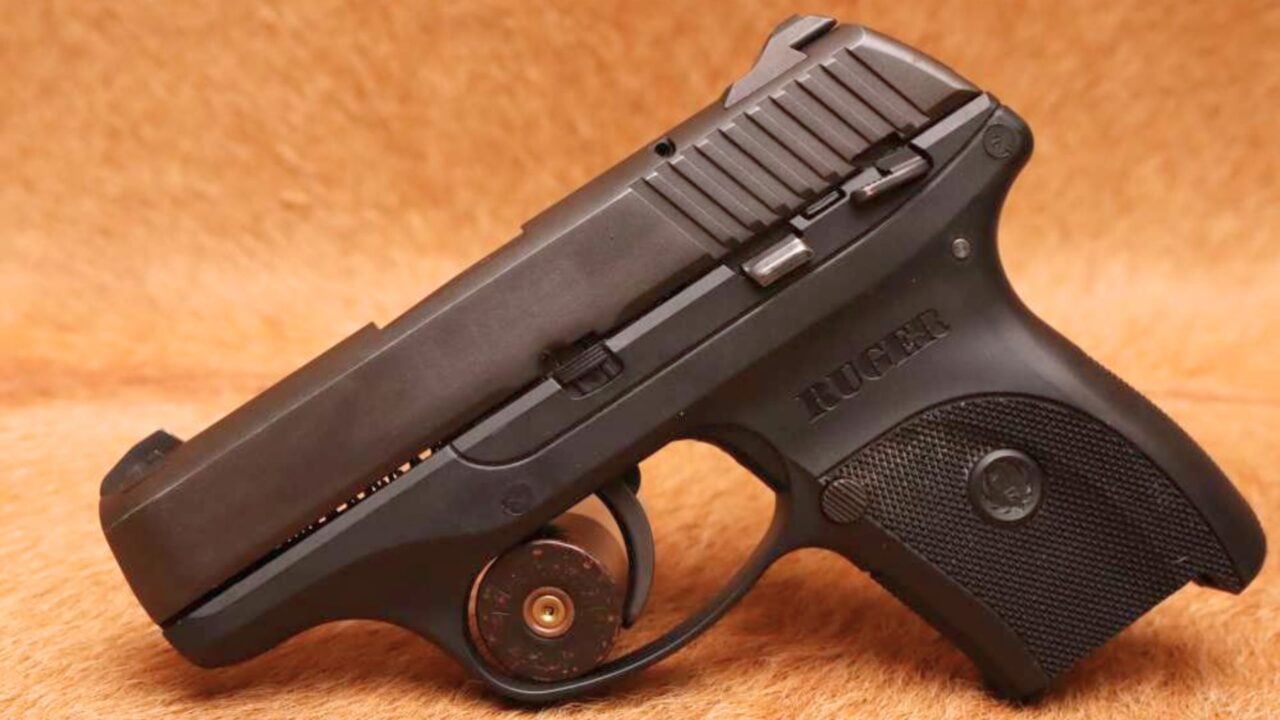
The original LC9 helped establish the slim 9mm carry category and deserves credit for arriving before the market became flooded with compact single-stack pistols. It was thin, light, and inexpensive enough to put a 9mm into a very concealable package.
The problem is that the trigger and controls were compromises even when the gun was new. The long double-action-style pull made accurate shooting more difficult, while later LC9s and competing designs proved the pistol could be much easier to shoot without becoming larger. Then high-capacity micro-compacts made its seven-round magazine look even less appealing. The original LC9 was important historically, but importance does not equal a current recommendation. Ruger itself built better versions afterward, and the market has moved far beyond it.
Beretta Nano

The Nano had excellent brand backing and a clever snag-free profile aimed directly at concealed carry. The pistol was smooth, compact, and designed to avoid external controls that could catch on clothing.
That minimalist approach also made the gun less enjoyable to shoot and operate. The trigger was not particularly refined, the sights and controls were basic, and early owners sometimes encountered ammunition sensitivity or extraction complaints. Beretta eventually moved on to more competitive compact designs, leaving the Nano feeling like an experiment that never fully developed into a long-term platform. A good example can still be serviceable, but the carry market has improved too much for me to recommend one just because Beretta’s name is molded into the frame.
Like The Avid Outdoorsman’s content? Subscribe to our newsletter so you never miss an article.
Here’s more from us: