Photo credit: Patrakit Komolkiti (ป้อง)/Youtube
Every gun guy I know has at least one “one-day carry” pistol. It got bought on a good week, holstered once, carried to the gas station, and then it lived in the safe like a jar of old bolts. Sometimes it’s because it printed too much, sometimes it bit the hand, sometimes it just didn’t inspire trust.
The funny part is the market doesn’t care about your carry comfort. Certain pistols that seemed “just okay” at the time have climbed hard in value, especially the oddball calibers, early runs, discontinued classics, and anything with the box, papers, and factory mags. Here are 20 that routinely fit that story: bought, carried once, put away… and now they’re a lot harder to replace without wincing.
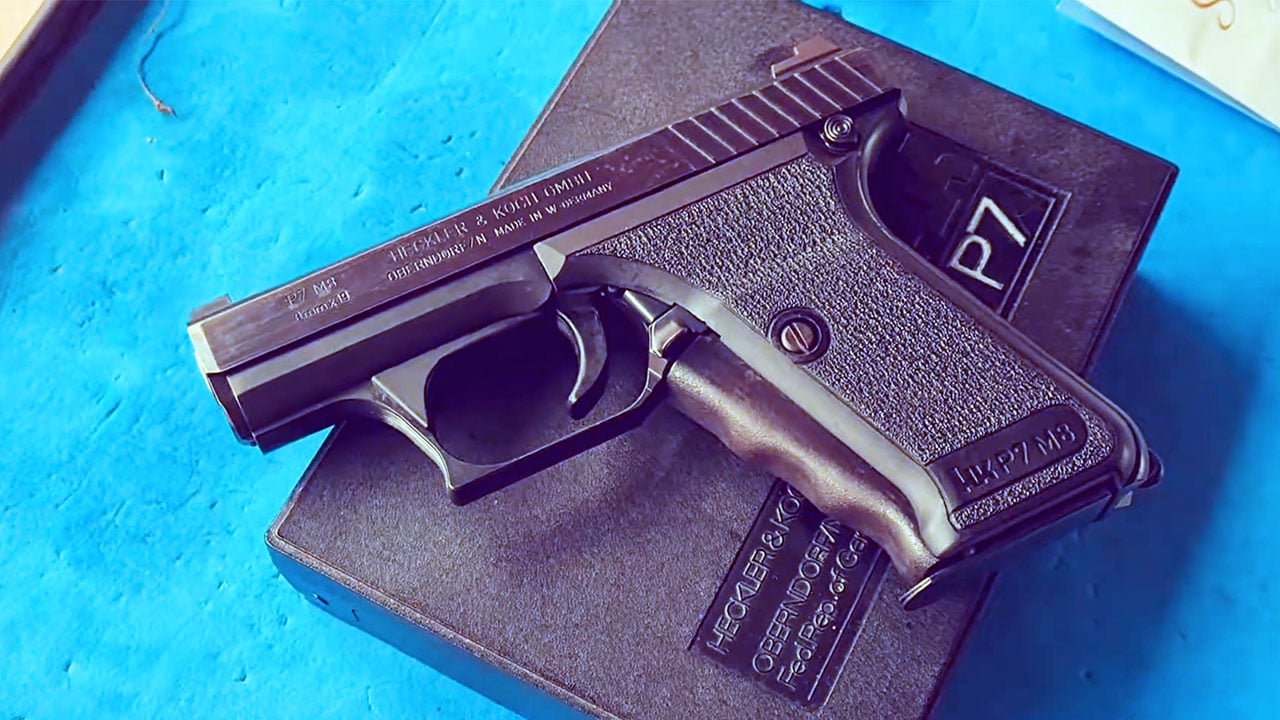
1. Heckler & Koch P7M8
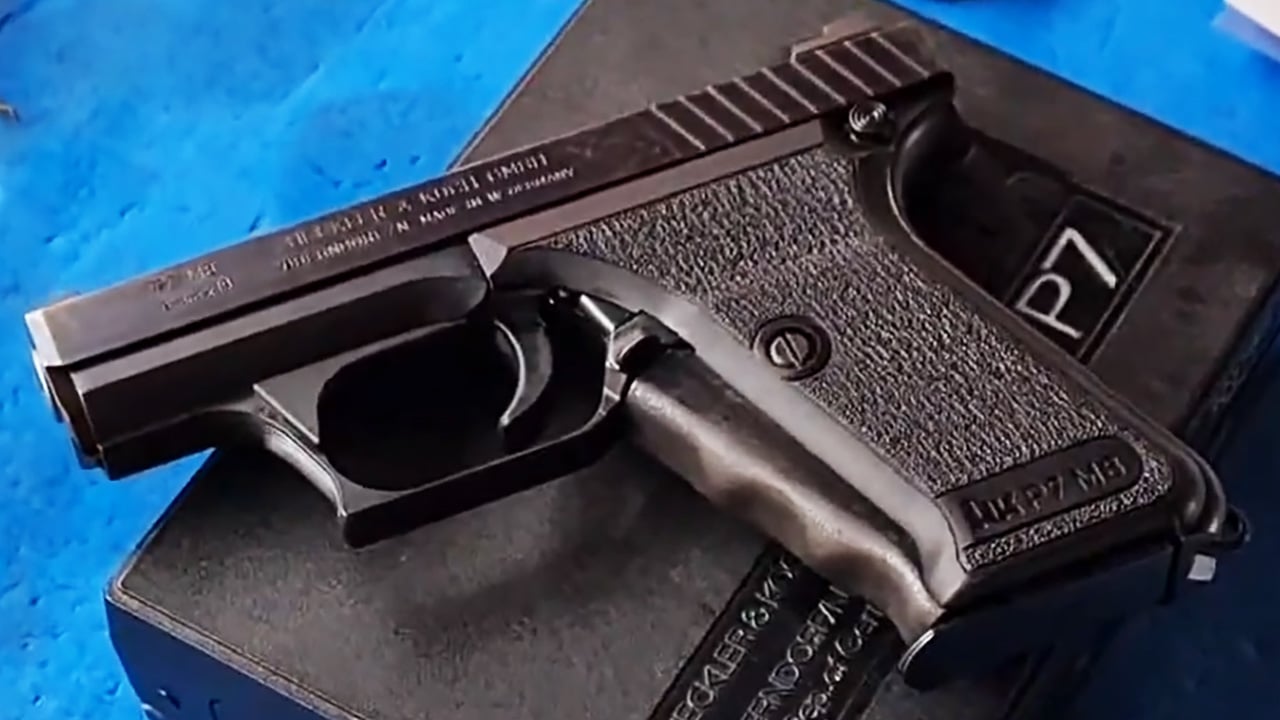
The P7 is one of those pistols that makes perfect sense in your head until you spend a day with it. It’s slim, accurate, and built like a bank vault. Then you realize it’s heavier than it looks, it carries “dense,” and it runs hot if you shoot more than a magazine or two.
Plenty of owners stuck it back in the safe and defaulted to a lighter polymer gun. Problem is, HK quit making them and the collector crowd never stopped chasing clean examples. If you’ve got one with the original box, scraper tool, and magazines, it’s not just a neat old carry gun anymore.
2. Colt Python (pre-2020 production)
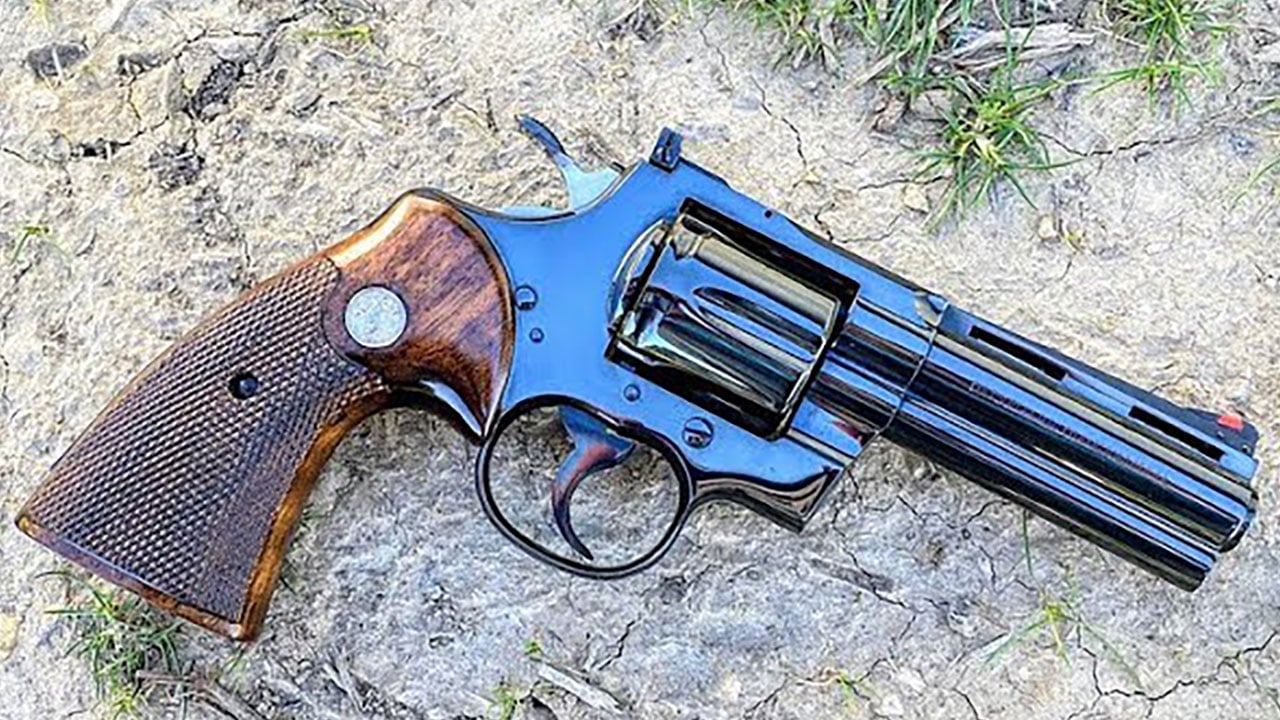
A Python carried on a belt for one afternoon will make you appreciate a good holster and a strong back. They’re not subtle, and they’re not light. A lot of folks bought one thinking it would be a classy woods sidearm and then realized it’s a “special occasion” revolver more than an everyday tool.
Older Pythons, especially clean blued guns with correct grips, have been the kind of revolver you don’t accidentally stumble into for a fair price anymore. The new production guns are fine, but they didn’t put the older ones back on shelves.
3. Colt Detective Special (early generations)
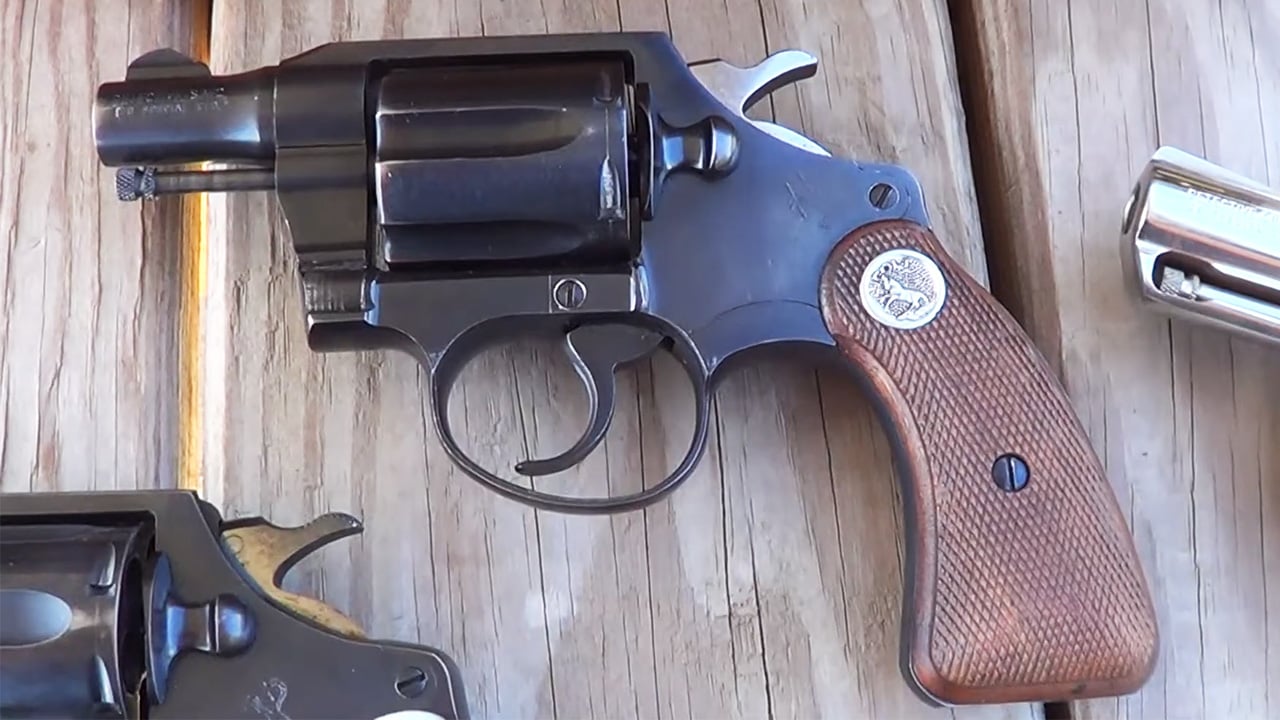
On paper, a six-shot snub sounds like the perfect compromise. In the waistband, the Detective Special has more cylinder bulk than folks expect, and the older ones can be a little slick in the hand with small factory grips.
Still, it’s a Colt wheelgun from an era when they made a lot fewer “oops” choices. Nice examples keep drifting upward, and finding one that hasn’t been rode hard with a bad trigger job is getting tougher.
4. SIG Sauer P210 (Swiss/German production)
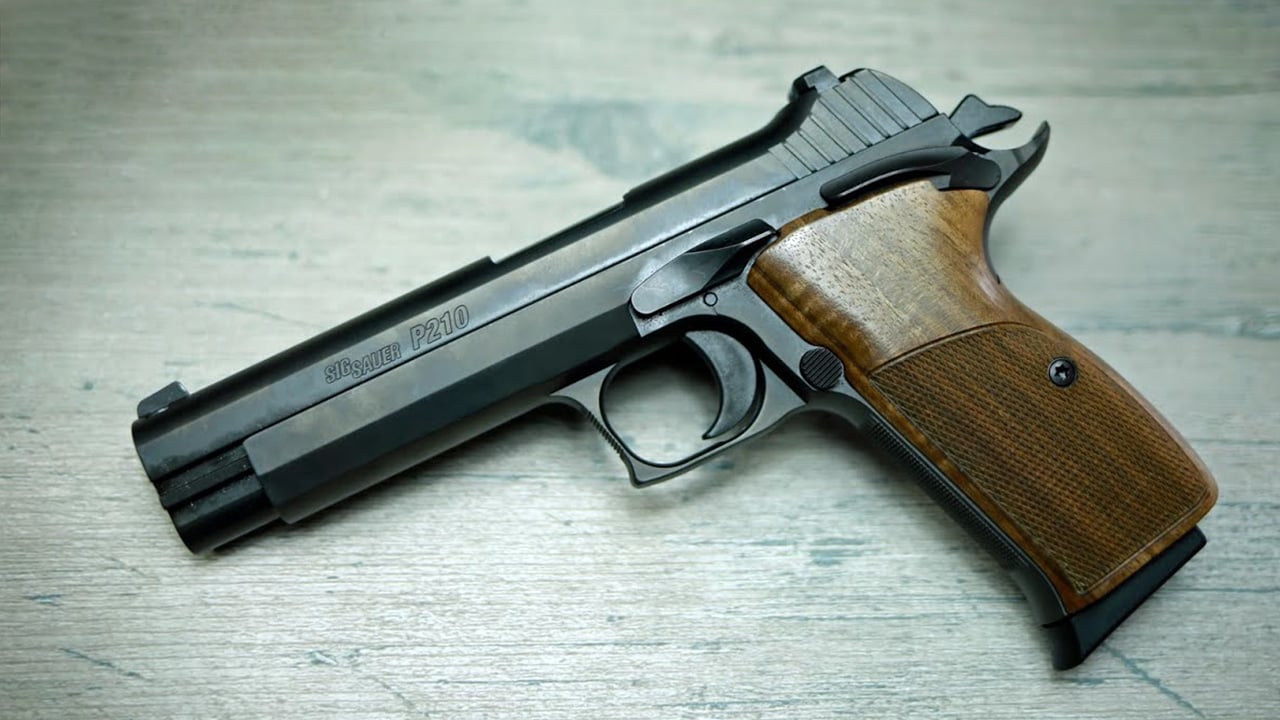
The P210 is the pistol you buy because you appreciate machining and you like one-hole groups. Then you carry it once and realize it’s a little too nice, a little too heavy, and a little too “I don’t want to ding this” for daily life.
Collectors absolutely do want to ding your wallet for one, though. Original European P210s with matching numbers and clean finish tend to live in that “investment-grade shooter” category now.
5. Browning Hi-Power (FN production)
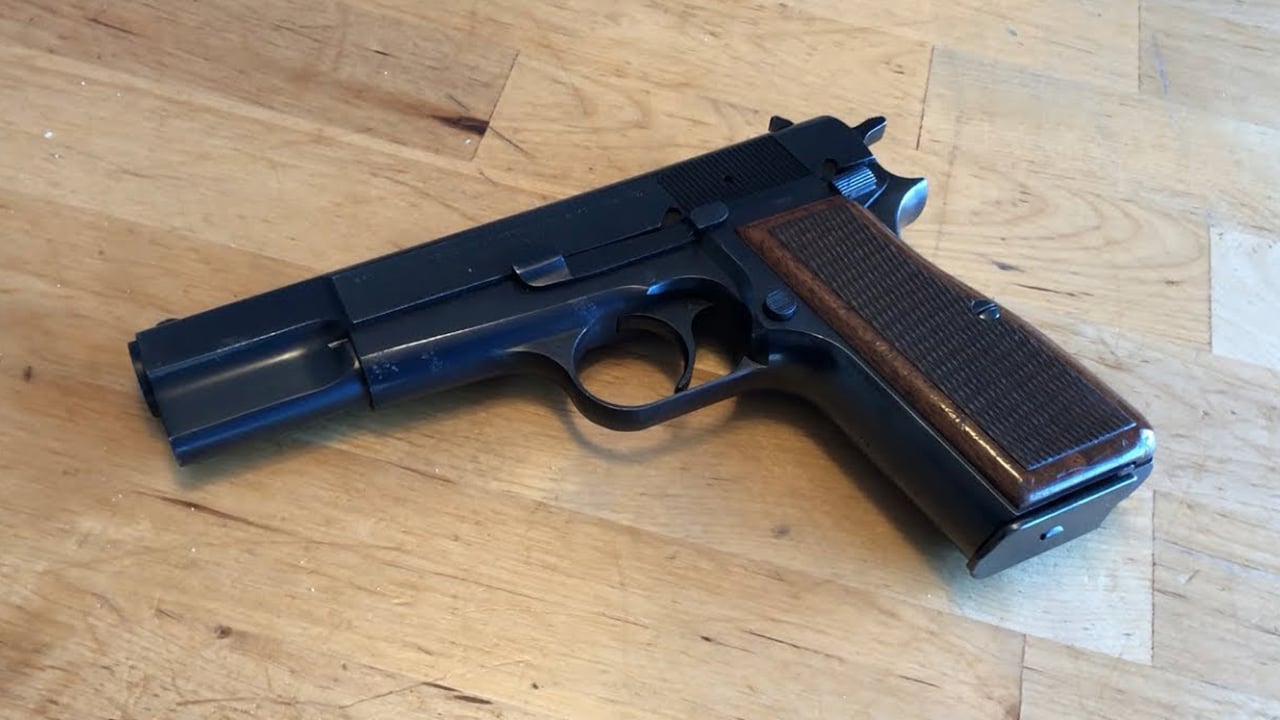
The Hi-Power points like it was built off your hand. It also has that classic thin profile that makes you think it’ll carry like a dream. Then you run into the old realities: some examples need modern feed-ramp work for certain hollow points, and the factory safety/trigger setup can feel dated.
FN stopping regular production turned a whole lot of “just another 9mm” Hi-Powers into guns folks hunt for. If you’ve got an unmolested one with original sights and finish, it’s more than nostalgia now.
6. Smith & Wesson Model 19 (pinned and recessed)
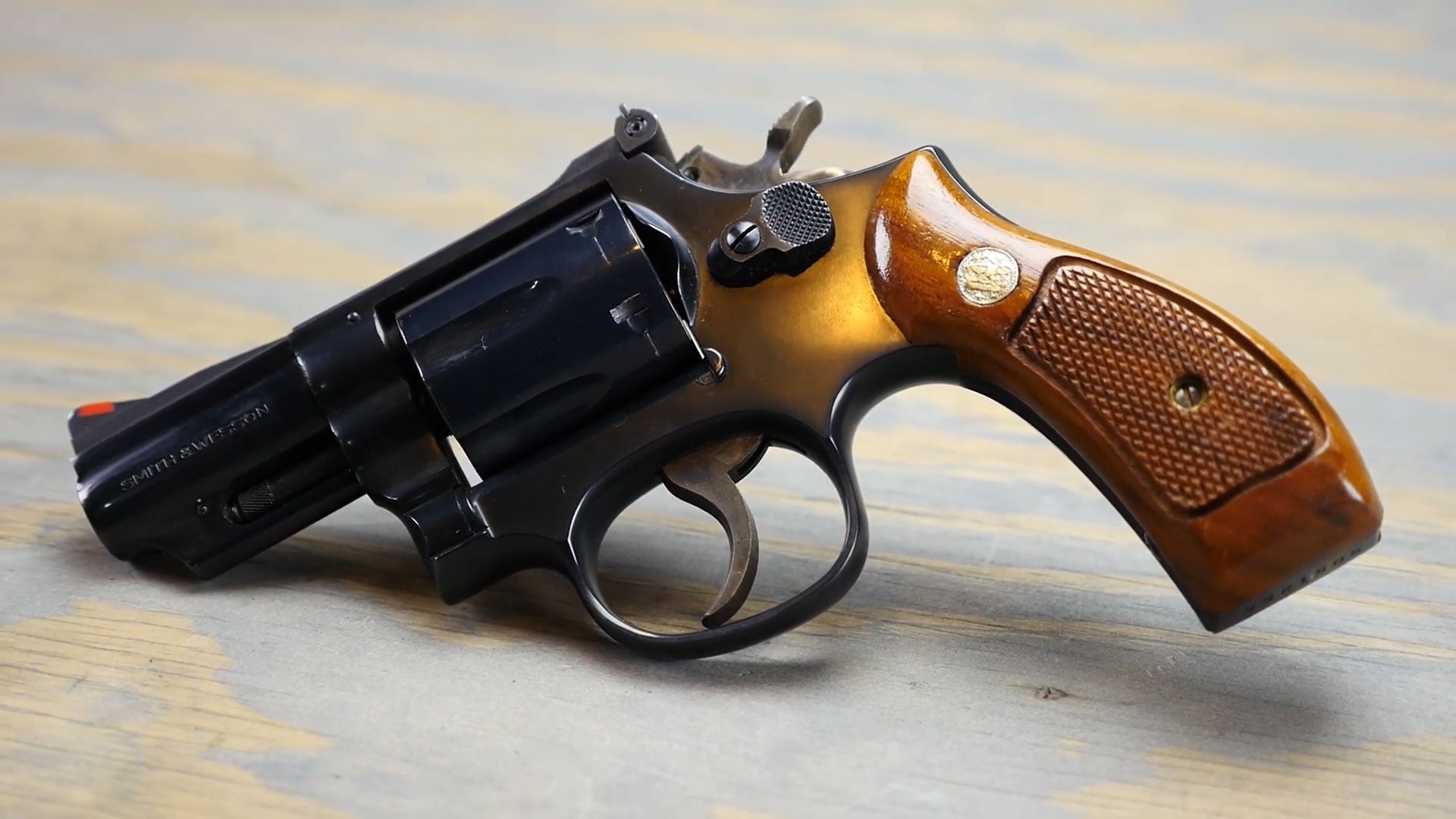
The Model 19 is the revolver plenty of us grew up admiring. Carrying one reminds you it’s still a K-frame .357 with real steel and real weight. It’s easy to love at the range and easy to leave at home when you’re running errands.
The older pinned-and-recessed guns, especially with the right barrel length and clean timing, have become a sweet spot for both shooters and collectors. They’re not making any more of that era.
7. Smith & Wesson Model 66 (no-dash and early variants)
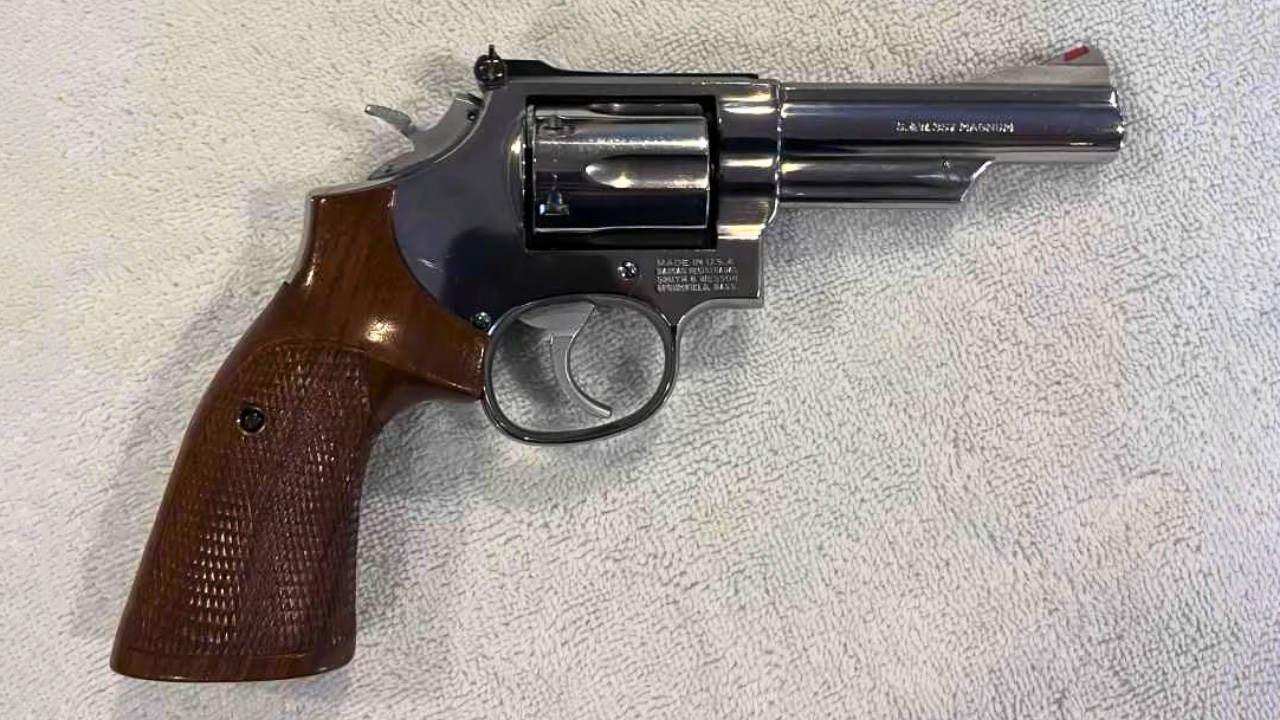
Stainless feels like the practical choice for a “do everything” woods revolver. The first time you carry a Model 66 on a hot day, you remember it’s still a chunk of metal on your belt.
Early 66s in good shape don’t sit around long. A clean one with original stocks and sharp markings brings money now, especially as more folks want a classic revolver that isn’t beat up.
8. Ruger Security-Six (early production)
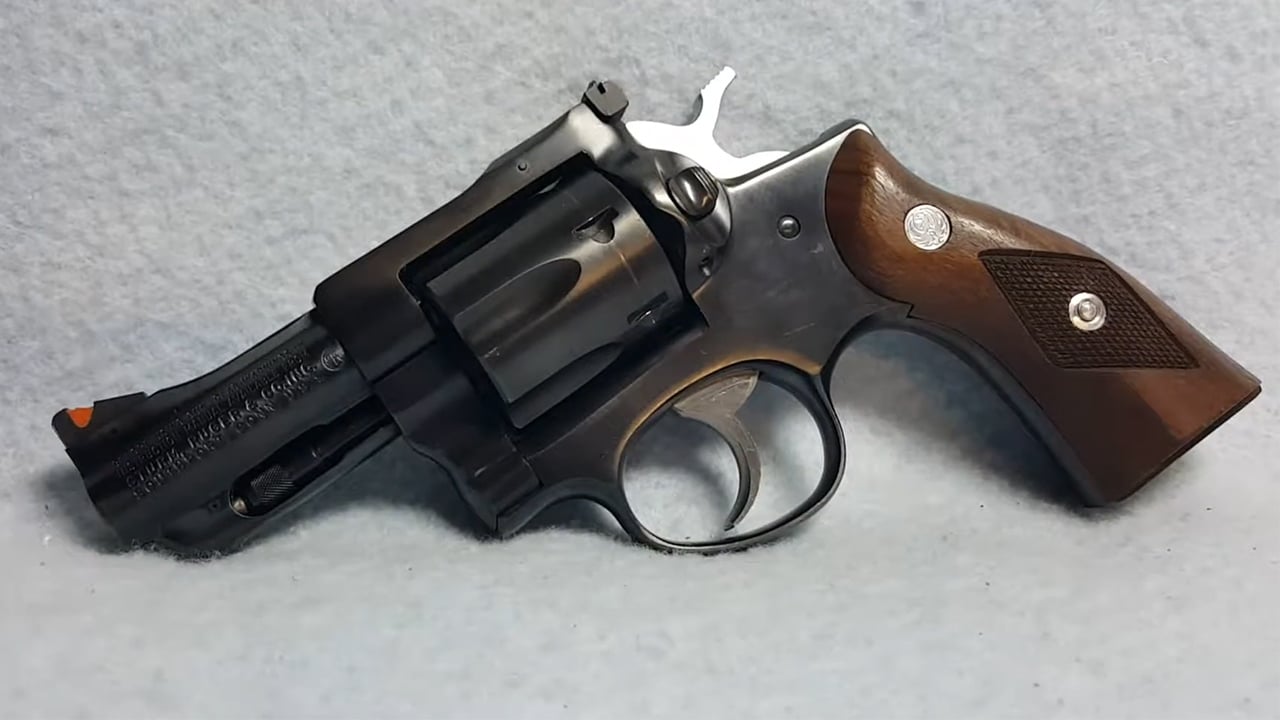
The Security-Six doesn’t get the same romance as some other .357s, but it’s a working revolver. The downside is it can feel blocky compared to newer designs, and some folks decide one carry is enough and switch to a slimmer auto.
Ruger discontinued the line a long time ago, and the “built-like-a-tool” reputation is catching up in pricing. Finding one that hasn’t been refinished or rattled loose is where the value is.
9. Colt Delta Elite (10mm Auto)
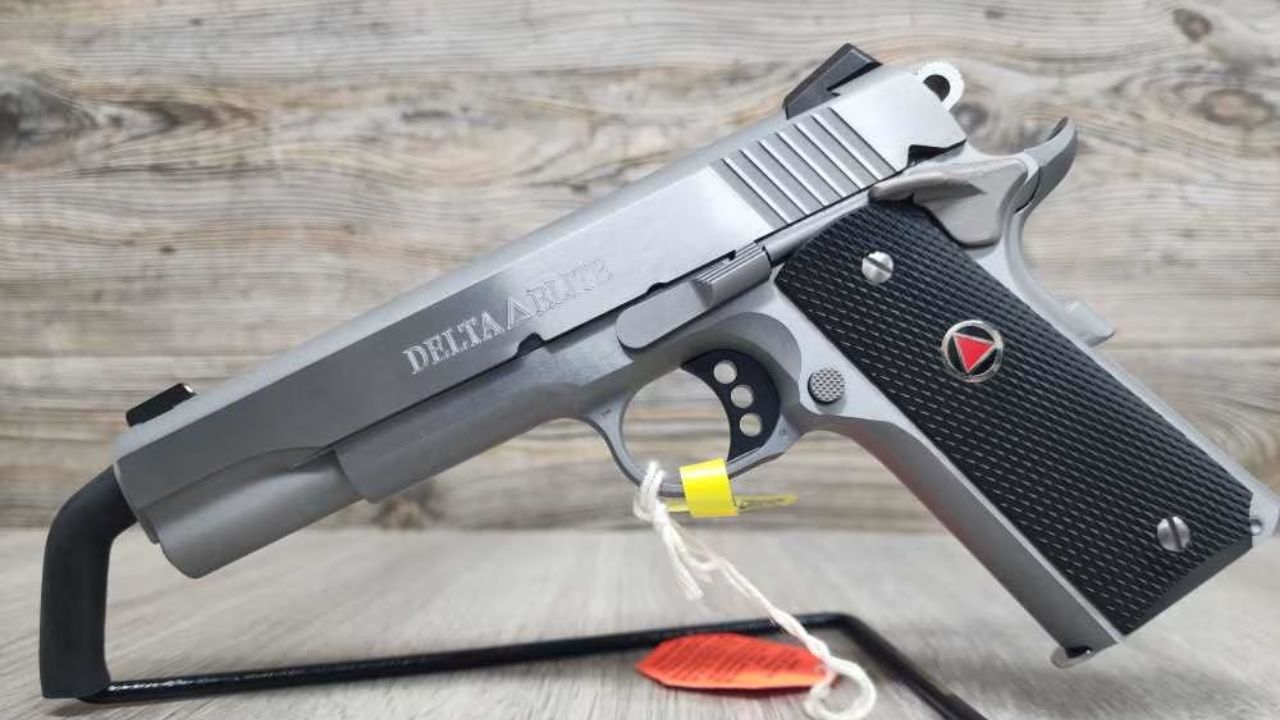
Buying a 10mm 1911 makes you feel ready for anything from two-legged trouble to a surprise hog in the creek bottom. Carrying it all day is where reality kicks in. Full-size 1911 weight plus 10mm recoil isn’t everybody’s idea of “easy.”
Delta Elites have a dedicated following, and early guns in nice condition have gotten expensive. Ten millimeter isn’t a fad anymore, and the older Colt rollmarks still pull people in.
10. Smith & Wesson 1076 (10mm)
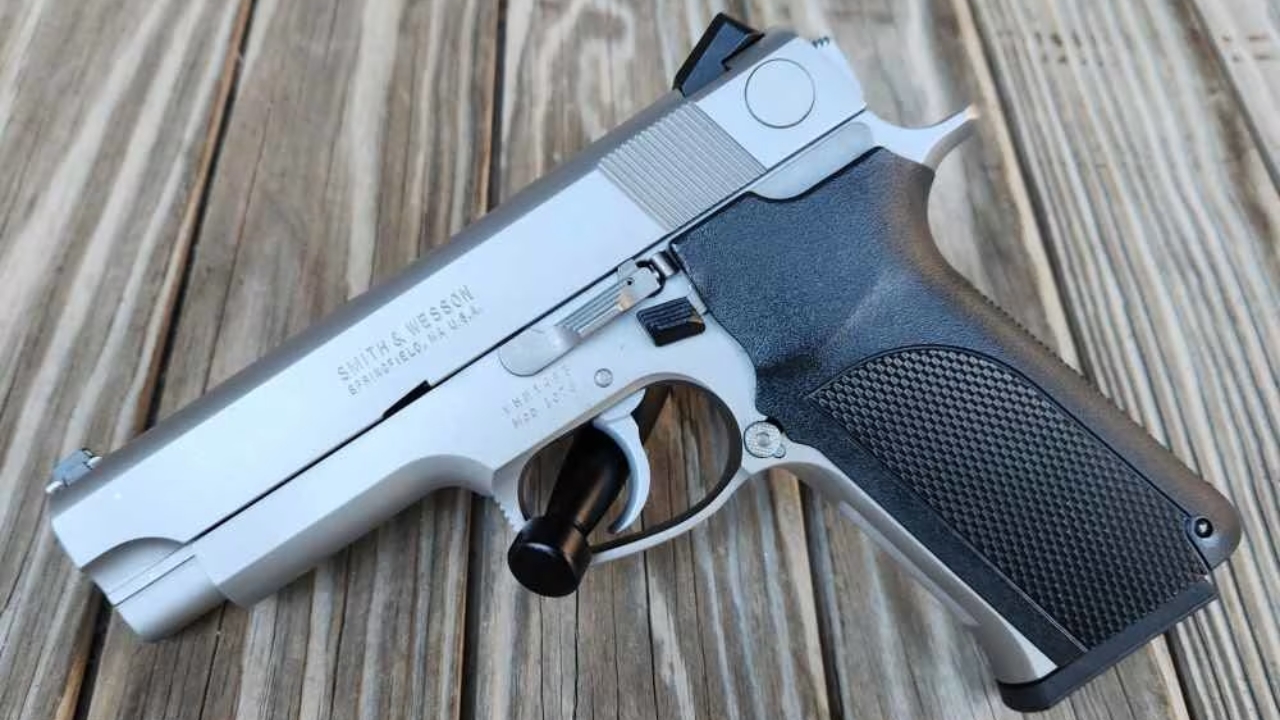
The 1076 is one of those pistols that screams “duty gun from another time.” It’s solid, reliable when it’s right, and also big enough that concealment feels like a chore. Many owners tried it once, felt the weight, and went back to a compact 9mm.
Now it’s a collectible Smith auto from the 10mm era, and those don’t get cheaper. Mags and parts aren’t as casual as Glock stuff either, which makes complete packages more valuable.
11. Glock 17 (Gen 1 “Pencil Barrel” / early import guns)

A Glock 17 is the definition of boringly useful. But early G17s with the original texture and markings are a different deal. A lot of owners treated them like any other Glock, carried one, didn’t love the grip feel, and traded it off for the newest generation.
Those early guns have collector interest now, especially in clean condition with correct mags and box. It’s not because they’re better fighting pistols than a modern one. It’s because the early history matters to certain buyers.
12. Glock 19 (Gen 2, Austrian proofed examples)
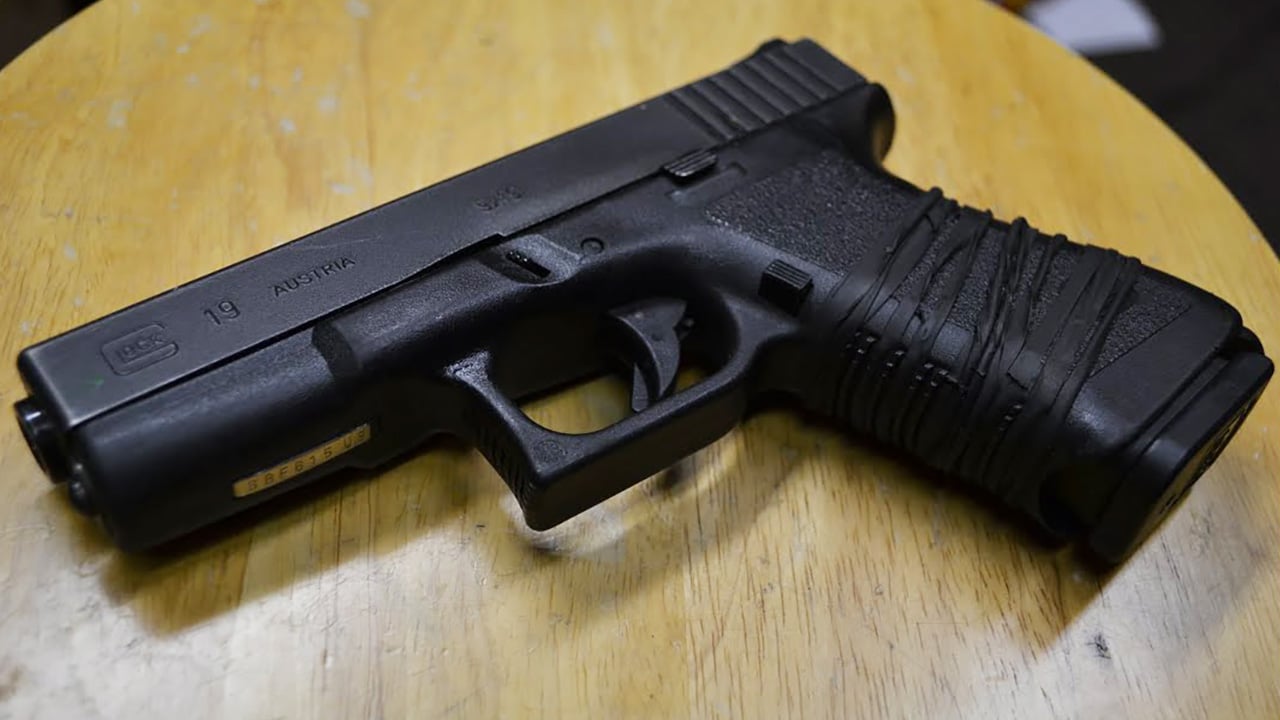
The Gen 2 Glock 19 is a sweet carry size, but the checkering and grip feel is not for everyone. Some folks carry it once and decide they want finger grooves, or no finger grooves, or a different texture, and off it goes.
Gen 2s have a following, and nice ones bring more than they used to. The weird thing with “common” guns is the clean originals dry up first because they got used hard.
13. Walther PPK (German or early Interarms variants)
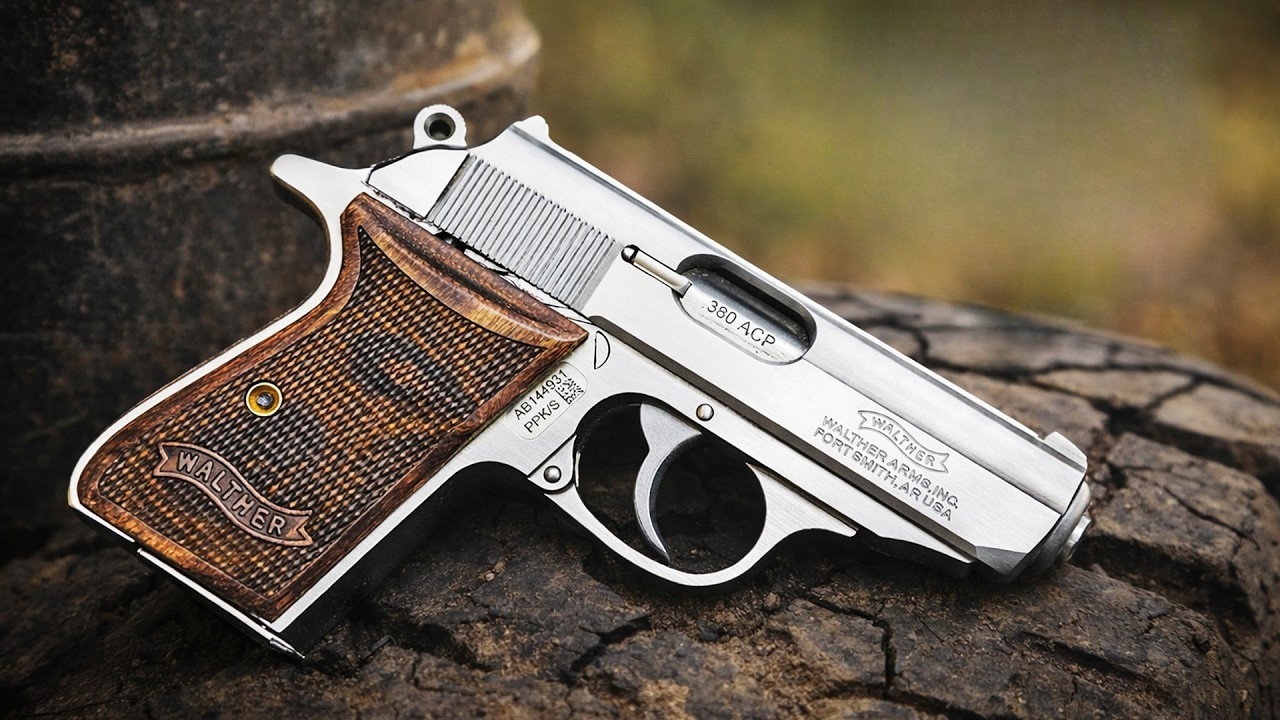
The PPK is iconic until it bites you. That slide can get personal if your grip and hand size don’t match the gun. Plenty of folks carried it once, got nipped, and decided a modern .380 was a better plan.
Older PPKs with the right markings and finish have become legitimate collector pieces. Even if you never shoot it much, a clean one holds value in a way a lot of pocket pistols never will.
14. SIG Sauer P225 (West German / early German production)
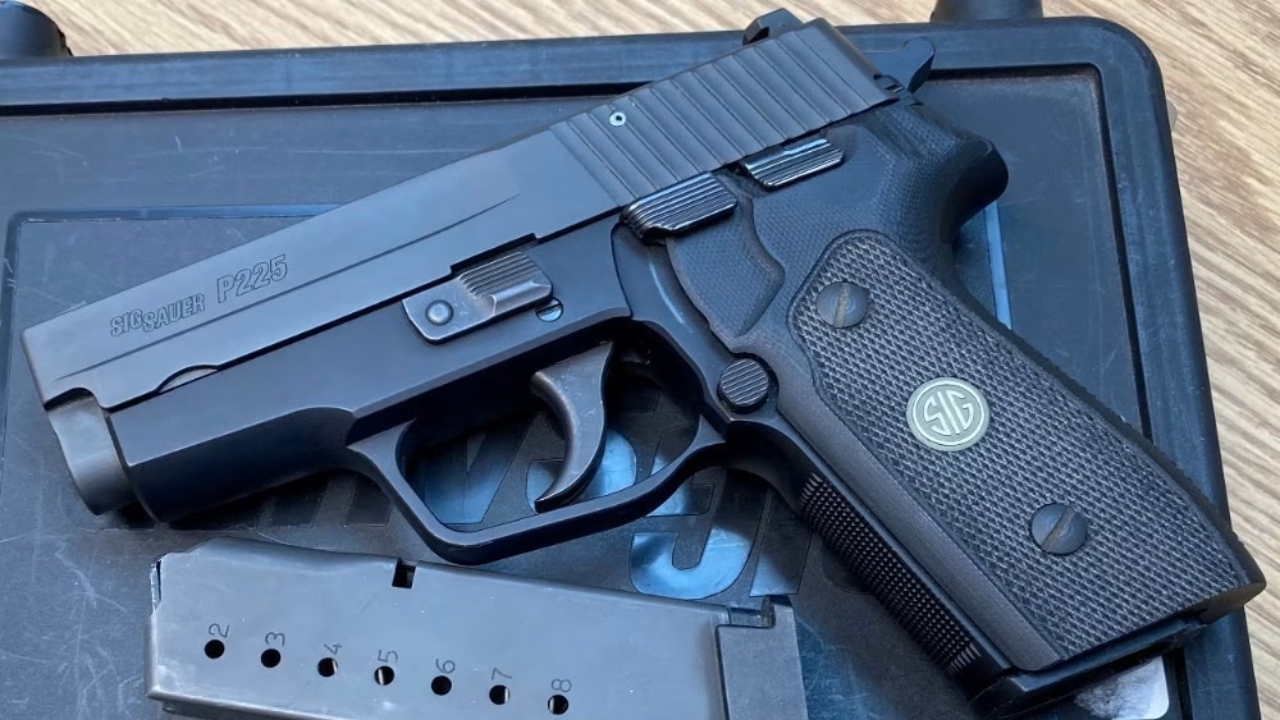
The P225 carries flatter than a lot of double-stacks, and it points naturally. The complaint I hear is capacity and the “older SIG” weight compared to today’s micro-compacts. One carry and some folks decide they’d rather have 10–15 rounds in something lighter.
But the P225 has that classic stamped-slide SIG feel, and they’re not flooding the market anymore. Good mags are worth having, and a clean pistol with original grips and night sights (if still present) is money now.
15. SIG Sauer P239 (9mm/.40/.357 SIG)
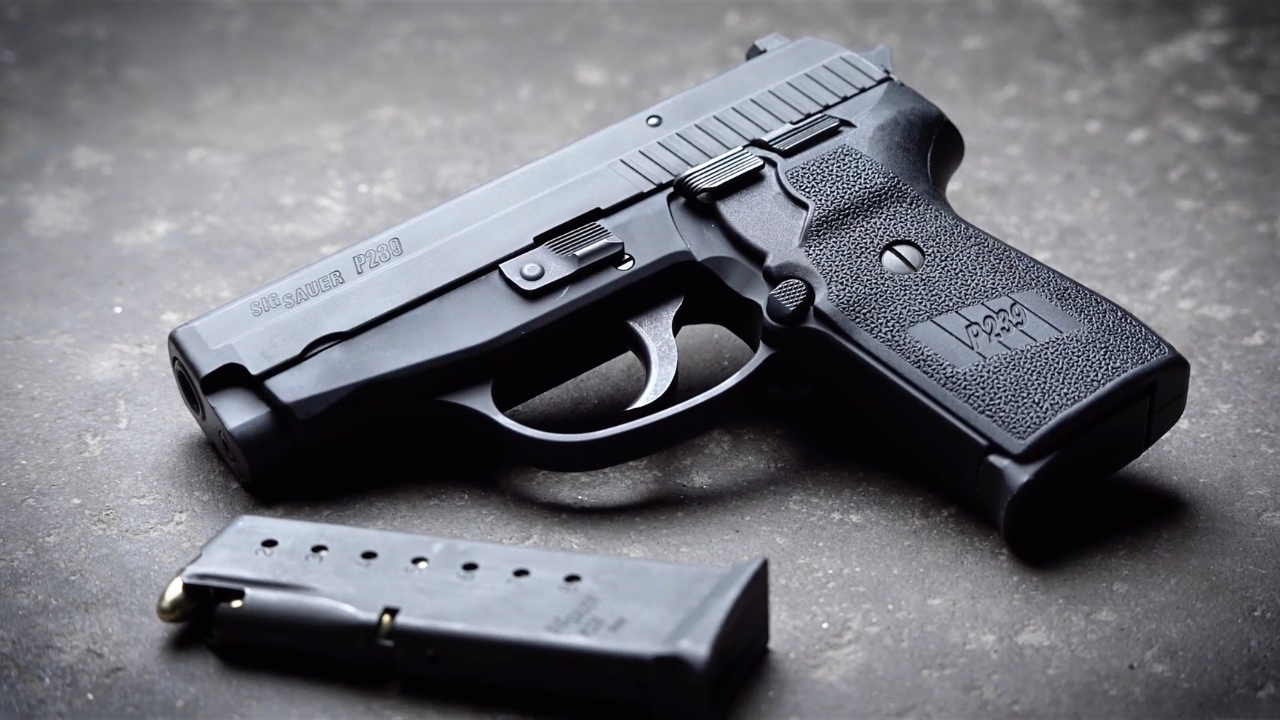
The P239 was made for concealment back when single-stacks were the answer. It’s reliable, soft-shooting in 9mm, and also heavier than most people remember. When you’re used to a tiny polymer gun, that first day carrying a P239 feels like you’ve got a boat anchor.
SIG discontinued it, and the folks who love them really love them. Prices on nice examples, especially 9mm guns with extra mags, have crept up because there isn’t a perfect replacement with the same feel.
16. Beretta 92FS (Italian production, early runs)

Carrying a 92FS concealed is an education. It’s long, it’s wide, and it demands a real belt and holster. Plenty of owners buy one because it runs great and shoots flat, then they carry it once and go right back to a compact.
Italian-made guns and early variations tend to hold a little more interest, and the Beretta fan base is steady. A clean 92 with original mags and minimal wear is worth more than most folks expect for a “common” service pistol.
17. CZ 75 Pre-B (Czechoslovakia-era guns)
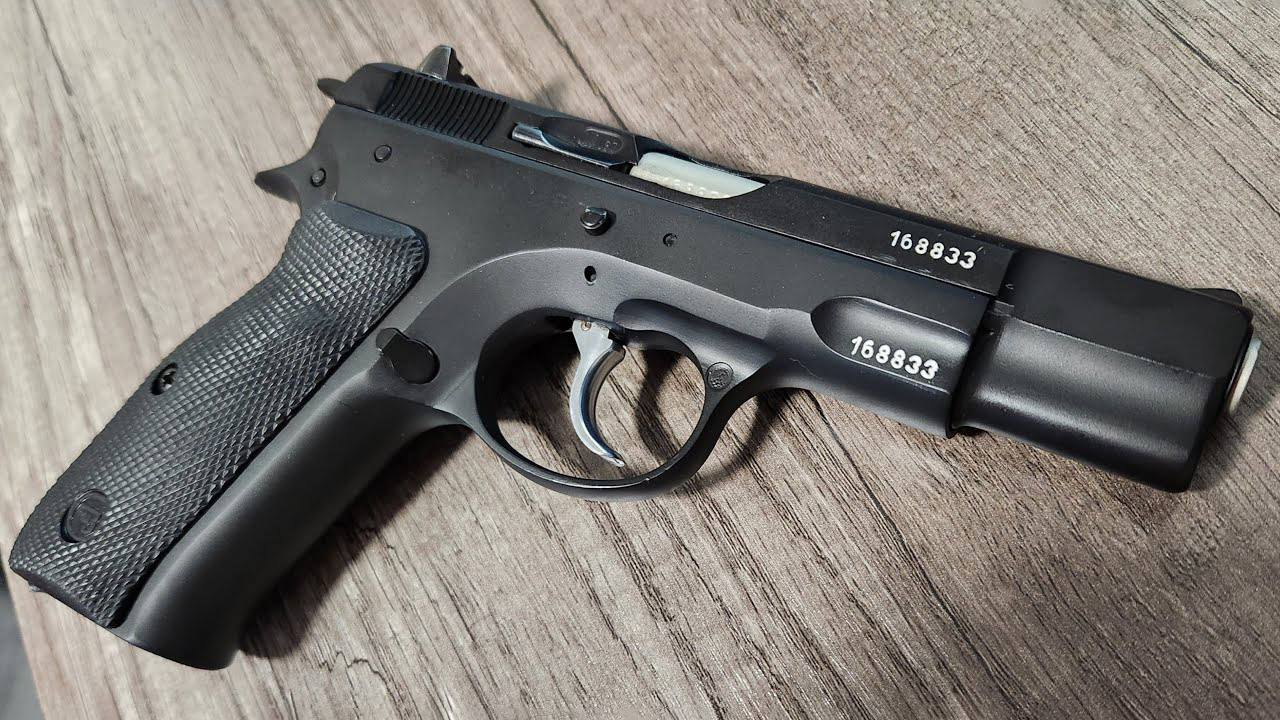
The CZ 75 fits the hand like it was custom. It also has that all-steel heft that feels great on the range and a little less great at the grocery store. One carry is enough for some people to decide the juice isn’t worth the squeeze.
Pre-B guns, especially true Czechoslovakia-marked examples, aren’t getting easier to find. The CZ cult is real, and the older ones have a different kind of pull for collectors.
18. Kimber Series I Compact (early production)
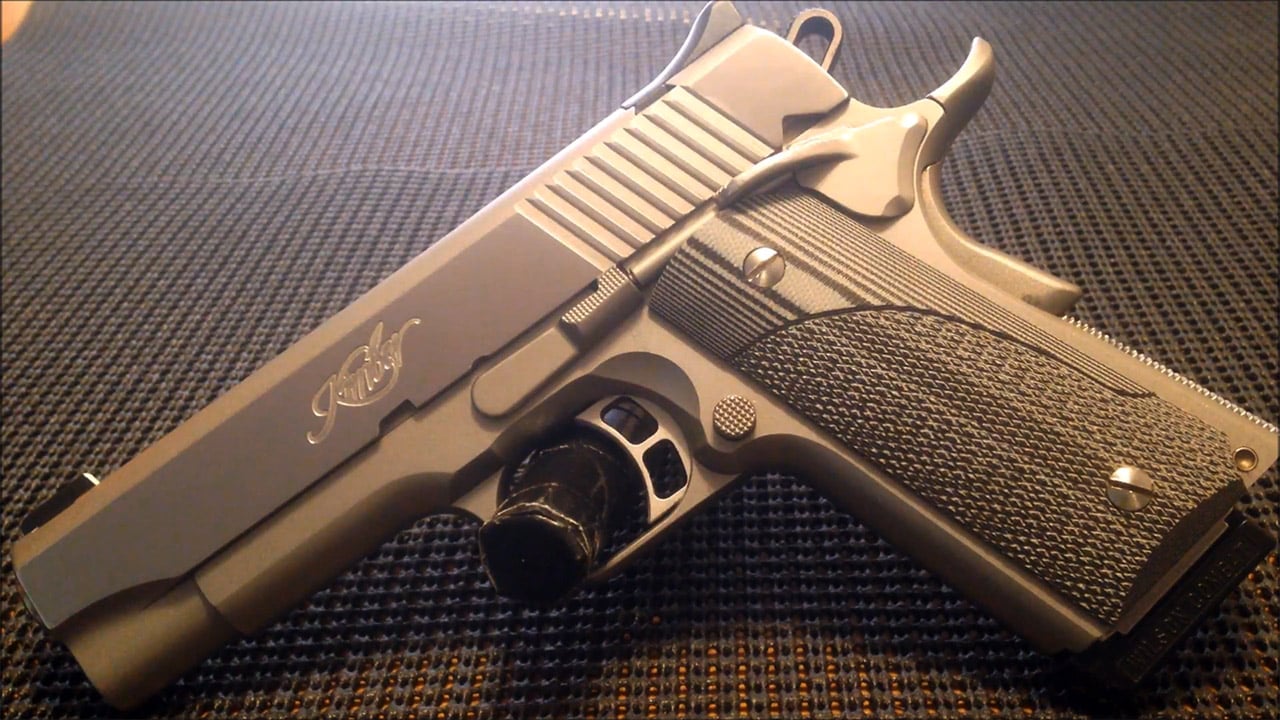
Kimber’s early reputation was built on those first guns that ran and shot well. The compact models, in particular, got bought as a carry 1911, carried once, and then benched when owners realized small 1911s can be pickier and less forgiving than the full-size guns.
Not every Kimber is a collector item, but clean Series I guns bring more attention than later “just another used 1911” examples. If it’s a known good runner with the box, it tends to move fast.
19. Springfield Armory EMP (original 9mm models)

The EMP is one of those pistols that feels almost perfect in the hand—until you start dealing with short-1911 maintenance realities and the fact that some guns are magazine-sensitive. I’ve watched guys carry one for a day, get nervous about reliability, and go back to a striker gun they trust more.
Springfield has done different versions over time, but the earlier EMPs still have a following. When you find a clean one with multiple factory mags, it’s usually priced higher than you remember because the market knows they’re not everywhere.
20. Kahr PM9 (early production, all-original)
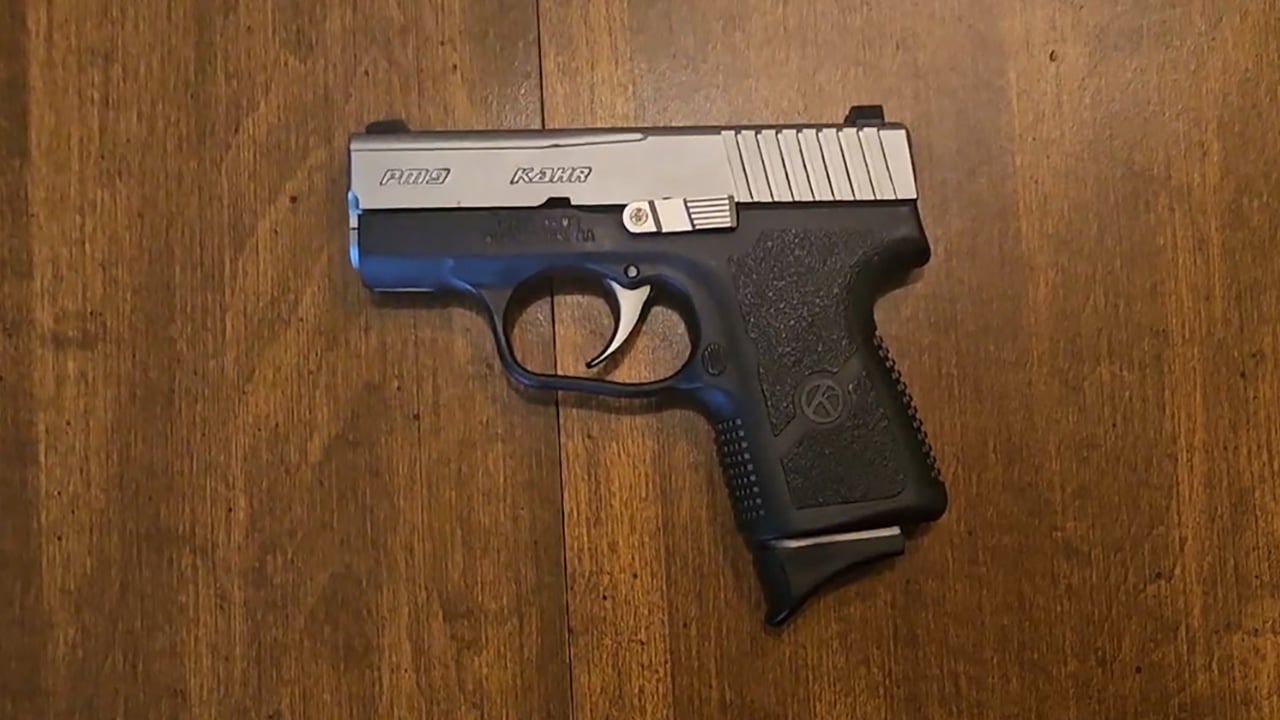
The PM9 was a big deal when “small 9mm” wasn’t a crowded category. It disappears in a pocket or IWB, but it’s snappy, and the long smooth trigger isn’t everyone’s favorite under stress. Carry it once, shoot it, and some owners decide it’s not fun enough to practice with.
Early PM9s that are clean and unmodified have become more desirable, especially for folks who appreciate the size-to-power ratio without going to a micro with a harsher recoil impulse. Extra mags matter here, because they’re not always cheap.
If you’ve got one of these sitting in the safe with one day of honest carry wear and a box full of factory stuff, don’t be in a rush to dump it just because it didn’t fit your routine. You don’t have to carry a gun to appreciate what it is. Sometimes the smarter move is keeping it clean, keeping it documented, and letting your “boring daily” pistol do the daily work.
Like The Avid Outdoorsman’s content? Subscribe to our newsletter so you never miss an article.
Here’s more from us: