Photo credit: Dmitri T/Shutterstock.com
Cold does weird things to your shooting. When your fingers feel thick and your grip strength fades, the pistols that felt “fine” on a warm range day can turn into fumble machines. You short-stroke controls, you slap the trigger, and you start losing the gun during recoil because you can’t clamp down like normal. The fix isn’t tougher-guy willpower—it’s running a pistol that gives you more to hold onto and less to fight.
In the cold, controllable usually means a full grip you can index fast, texture that still bites through numb hands, controls you can run without perfect dexterity, and recoil that returns to target without needing a death grip. These are pistols that tend to stay manageable when your hands don’t feel like your hands.
HK VP9

The VP9 is easy to control in the cold because the grip shape does a lot of the work for you. Even when your hands feel clumsy, the contours guide you into a repeatable hold, and the texture helps keep the gun from squirting around during recoil. The slide is also easy to grasp, which matters when you’re trying to rack it with stiff fingers.
On the firing line, the VP9’s recoil impulse is smooth and predictable. That predictability keeps you from over-correcting when you can’t feel your support-hand pressure well. The trigger press is consistent enough that you’re less likely to yank shots when your fingertip feels numb. It’s a pistol that stays manageable when fine motor skills aren’t showing up.
Walther PDP (Full Size or Compact)

The PDP earns its keep in cold weather because you can hang onto it and run it hard without perfect grip strength. Walther’s grip texture and shape give you a locked-in feel, and the slide serrations are aggressive enough that racking the gun doesn’t turn into a comedy sketch when your fingers are stiff.
When you start shooting faster, the PDP tracks in a way you can read. That matters when you can’t feel recoil the same way you do in summer. Your sights tend to return consistently, and you can keep the gun flat with a solid support-hand clamp instead of a death grip. If you’re wearing thin gloves, the PDP also tends to play nice with them.
Smith & Wesson M&P9 M2.0
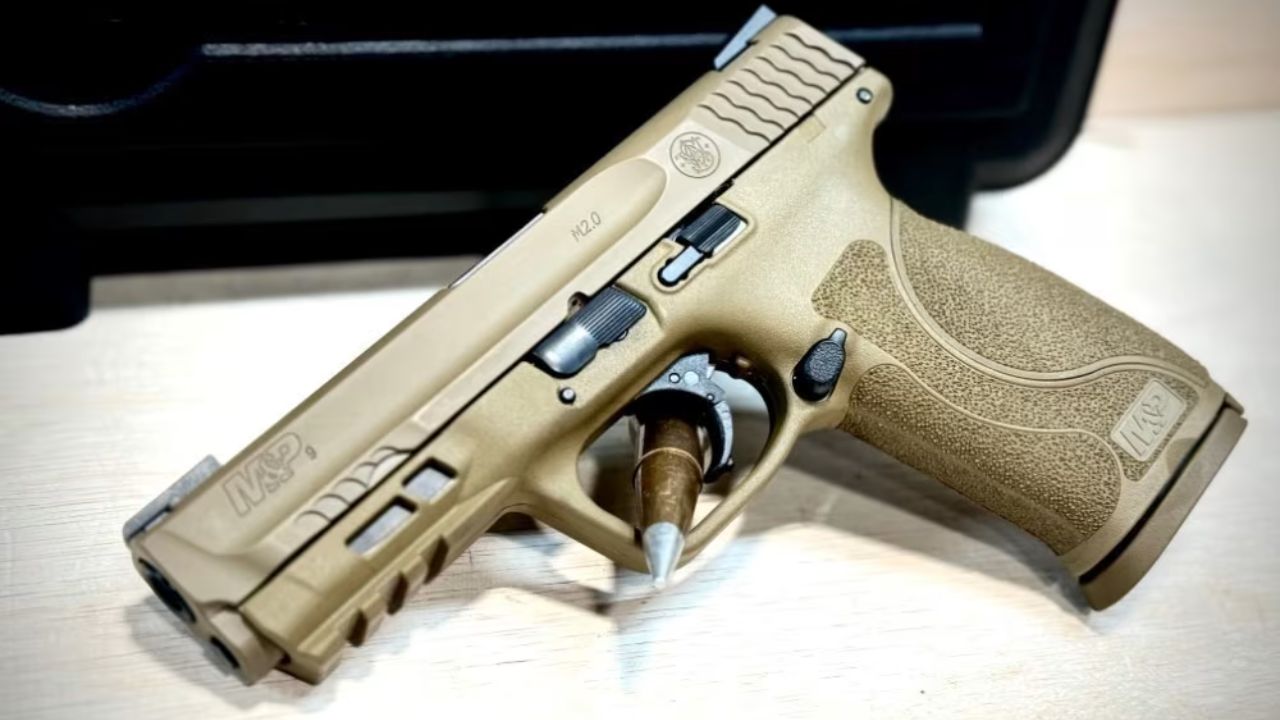
The M&P 2.0 is a cold-weather friendly pistol because the grip texture and grip angle help you keep control even when your hands aren’t cooperating. The frame offers a full, stable purchase, and the gun doesn’t feel “slippery” once recoil starts stacking up. That stability buys you time when your reloads and manipulations slow down.
The recoil impulse is also very manageable in 9mm, especially in the compact and full-size versions. You can shoot it fast without feeling like the gun is trying to climb out of your hands. The controls are practical and easy to reach, and the trigger is consistent enough that you’re less likely to mash it sideways when you can’t feel your fingertip well.
Springfield Armory Echelon

The Echelon tends to stay controllable in the cold because the grip geometry helps you get high on the gun and keep it there. Even with reduced dexterity, it’s easy to build a repeatable grip, and the texture keeps the frame from shifting during recoil. You spend less effort re-gripping after each string, which matters when your hands feel wooden.
On the shot, the Echelon tracks predictably, and that’s the real advantage in winter. When you can’t “feel” the recoil as well, you need a pistol that behaves the same way every time. The Echelon’s recoil impulse and sight return make it easier to keep pace without spraying shots. It’s the kind of pistol that lets you focus on the front sight or dot instead of fighting the frame.
SIG Sauer P320 XCarry
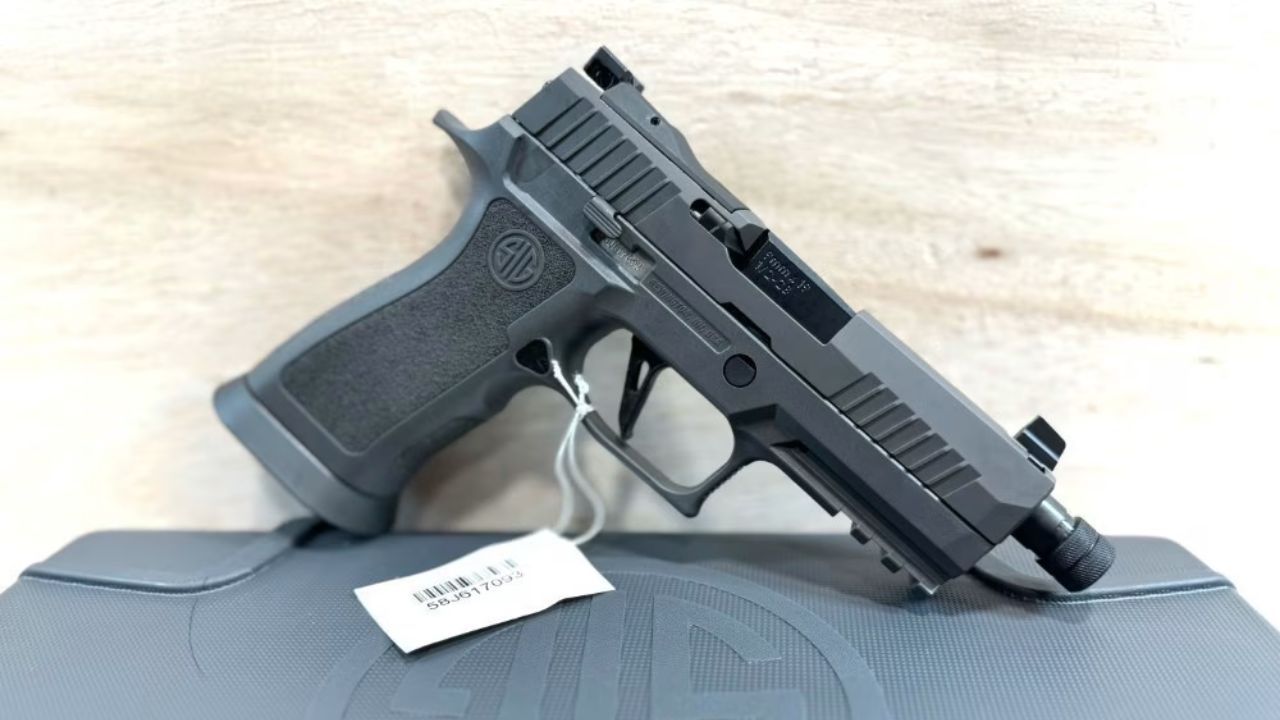
The P320 XCarry format works well in the cold because the grip module gives you a full, supportive hold, and the beavertail lets you ride high without getting chewed up. With numb hands, that extra leverage helps keep the muzzle from rising and keeps the gun from rotating in your palm.
The XCarry also tends to be forgiving when your trigger press isn’t perfect. The pistol’s weight and balance help it track in a straight line, so your sights come back where you expect. Controls are easy to reach, and the platform has enough aftermarket support that you can tailor sights and grip size without turning the gun into a science experiment. In cold-weather drills, the XCarry feels like a pistol that gives you room to be imperfect.
Beretta 92X
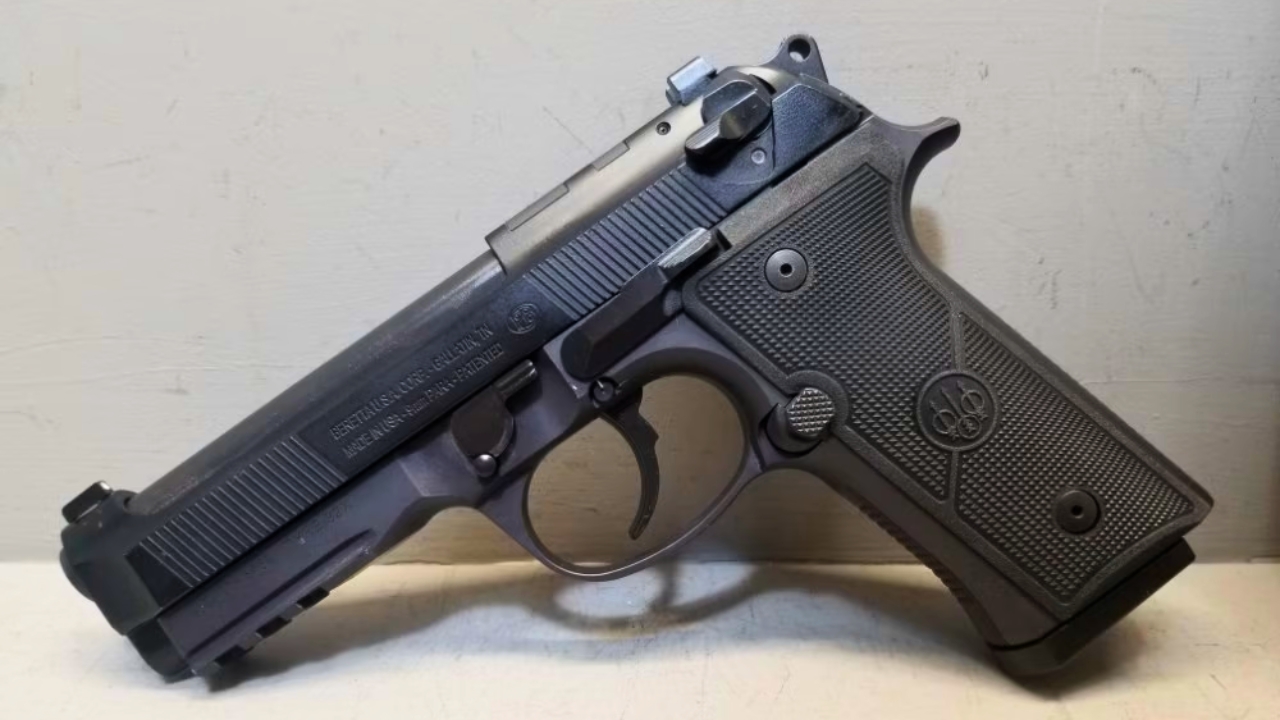
A heavier metal pistol can be a real advantage when your hands are numb, and the 92X is a good example. The added weight soaks up recoil and slows down the gun’s movement, so it doesn’t snap or hop as much during fast strings. When your grip strength is down, that “calmer” recoil behavior makes hits easier.
The 92X also gives you a big, stable frame to grab, and the slide is easy to manipulate. You can run the gun without needing perfect fingertip control, especially if you’re working with gloves. The long sight radius helps too, because your sight picture looks cleaner even when your focus is lagging. If you want a pistol that feels steady in ugly conditions, the 92X brings that steady feel.
CZ P-10 C
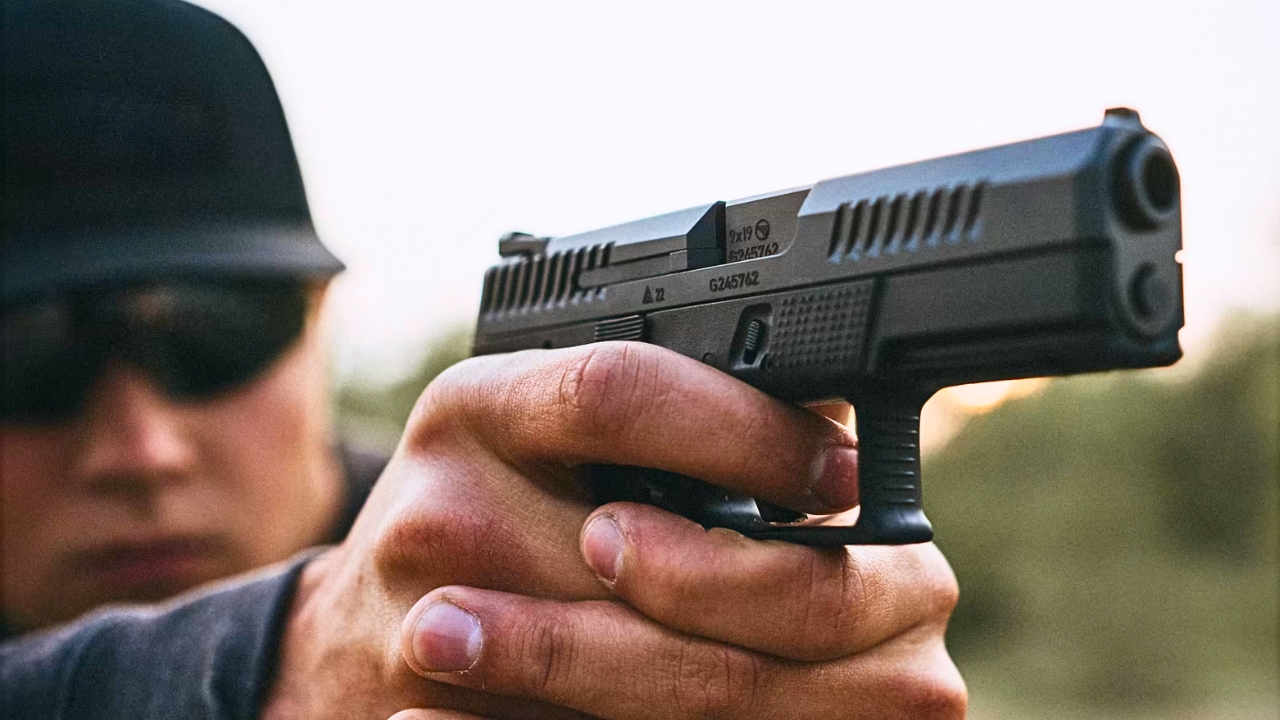
The P-10 C stays controllable in the cold because it’s easy to lock into and easy to track. The grip angle and low bore axis help keep the muzzle from climbing, and the texture gives you traction when your hands can’t generate much squeeze. When your palms feel numb, traction matters more than you think.
The P-10 C also shoots very predictably during fast pairs and transitions. That predictability helps you avoid over-gripping and jerking the gun around. The trigger tends to be clean enough that you’re less likely to slap it and throw shots wide when you can’t feel the wall well. It’s a practical size too—big enough to grip fully, small enough to carry under winter layers.
FN 509 (Mid or Full)

The FN 509 has a duty-gun feel that works in cold conditions. The grip texture is assertive, the frame feels secure, and the pistol doesn’t shift much when recoil starts stacking up. When your hands are numb, a pistol that stays planted keeps your shooting from turning into a fight.
The 509’s recoil impulse is consistent, and consistency is what you need when your feedback loop is dulled by cold. Your sights tend to return the same way shot to shot, which makes it easier to call hits and keep pace. The controls are also sized like a service pistol, not a micro-compact, so you can run the gun with gloves without constantly missing levers and buttons.
IWI Masada

The Masada is a solid cold-weather pistol because it’s straightforward to grip and forgiving to shoot. The grip shape works for a lot of hands, and the frame doesn’t feel like it’s trying to twist out of your palm when recoil hits. That matters when your hands can’t “feel” pressure the way they normally do.
On the range, the Masada tends to track in a predictable line, which makes fast follow-ups easier when your dexterity is reduced. The trigger is consistent enough that you’re less likely to over-press and yank shots. The slide and controls are also usable with stiff fingers, especially compared to smaller pistols with tiny surfaces. If you want a pistol that stays manageable without demanding perfect technique, the Masada fits that role well.
Beretta APX A1

The APX A1 is underrated for cold-weather controllability. The grip texture and shape give you real traction, and the pistol tends to stay locked into your hands even when recoil and numb fingers are working against you. The slide profile also gives you plenty to grab when you’re racking it with cold hands.
The APX A1’s recoil impulse often feels like a firm push rather than a sharp snap, and that helps when you’re trying to keep the gun flat with reduced grip strength. Your sight picture settles quickly enough to keep shooting at a useful pace without chasing the front sight. It’s also a pistol that doesn’t require tiny, precise control inputs, which is exactly what you want when your hands feel slow.
Ruger American Pistol

The Ruger American Pistol doesn’t get a lot of spotlight, but it’s built like a service pistol and it behaves like one—especially in less-than-ideal conditions. The grip gives you plenty of surface area, and the controls are sized to be used without needing delicate fingertip work. When your hands are numb, that “big and usable” layout helps.
It’s also a pistol that tends to be controllable because of its weight and recoil behavior. In 9mm, it doesn’t feel overly snappy, and the gun returns to target without needing a crushing grip. The texture and grip shape help you keep the frame stable during strings. If you’re thinking about cold-weather practicality instead of trendiness, this one checks a lot of boxes.
Canik METE SFT

A slightly larger striker pistol can be a real advantage in the cold, and the METE SFT fits that lane well. The grip shape supports your hands, the texture helps keep traction, and the trigger makes it easier to shoot accurately when your finger feels clumsy. When you can’t feel the press perfectly, a consistent break helps you stay honest.
The METE SFT also tends to track smoothly during fast strings, which keeps you from fighting the gun when your grip strength fades. The slide and controls are usable with gloves, and the overall size gives you room for a full support-hand grip. In winter practice, pistols that are easy to run tend to get carried more. The METE SFT feels like one you’ll actually want to train with when it’s miserable outside.
Staccato P

The Staccato P stays controllable in the cold because it’s heavy enough to settle and stable enough to track. The recoil impulse is smooth, and the gun doesn’t bounce around as much as lighter pistols when you’re shooting fast. When your hands are numb, less bounce means fewer grip corrections between shots.
The other advantage is how easy it is to shoot accurately when your inputs aren’t perfect. A clean trigger press helps you avoid the “cold finger slap” that throws rounds off target. The grip shape also supports a high, locked-in hold, which keeps the pistol from rotating in your hands. It’s not a budget option, but if you’re talking about controllability when conditions get ugly, the Staccato P is built for hard shooting.
SIG Sauer P365 XMacro

Micro-compacts can be tricky in the cold because you don’t have much to hold onto, but the XMacro stands out because it gives you a full grip and a more controllable recoil impulse than most small guns. That extra grip length matters when your hands are numb and your support hand can’t clamp down like normal.
The XMacro is also easier to manipulate than many smaller pistols. The controls and slide surfaces are more usable, and the pistol tends to track predictably for its size. You can run it at a practical pace without feeling like the gun is beating up your grip. If you need a carry gun that still behaves when winter takes your dexterity away, the XMacro is one of the better-balanced options.
Glock 19

The Glock 19 has stayed popular for a lot of reasons, and cold-weather controllability is one of them. The size hits a sweet spot: big enough to grip and run with gloves, small enough to carry under a jacket. The recoil impulse is predictable, and the gun tends to return to the same sight picture without demanding a perfect hold.
The other reason it works is consistency. When your hands are numb, you need a pistol that behaves the same way every time you press the trigger. The Glock 19’s controls are straightforward to operate, and the platform has enough support that you can set it up with sights and grip texture that match winter use. It isn’t fancy, but it’s easy to keep on target when your hands feel slow.
Glock 17

If cold weather is the focus, a full-size pistol gives you advantages you can feel immediately. The Glock 17 offers more grip, more sight radius, and a steadier recoil impulse than smaller guns. When your hands are numb, that extra real estate helps you build a consistent hold and keep the gun from shifting during recoil.
The G17 also tends to be easier to run with gloves because everything is slightly larger—more slide to grab, more grip to clamp, more forgiveness when your trigger finger feels clumsy. You’re also less likely to induce malfunctions tied to a weak grip because the pistol has a little more mass working in your favor. In winter training, that forgiveness can be the difference between a clean run and a sloppy one.
Like The Avid Outdoorsman’s content? Subscribe to our newsletter so you never miss an article.
Here’s more from us: