Photo credit: The Bucket Shall Not Be Infringed/YouTube
Some gun purchases are less about the gun and more about the imagined audience. The buyer wants the right rollmark, the right era, the right old-school story, or the right “serious collector” energy. He is not always thinking about function, condition, or what truly makes a piece stand out. He is thinking about what he hopes the gun says about him when he opens the case.
That is usually where things go sideways. Real collectors are rarely impressed by a famous name alone. They care about originality, scarcity, condition, variation, and whether the specific example in front of them actually matters. These are the firearms people often buy hoping to earn collector approval, only to find out the people they wanted to impress have already seen better, rarer, cleaner, or simply smarter buys many times before.
Remington Model 8
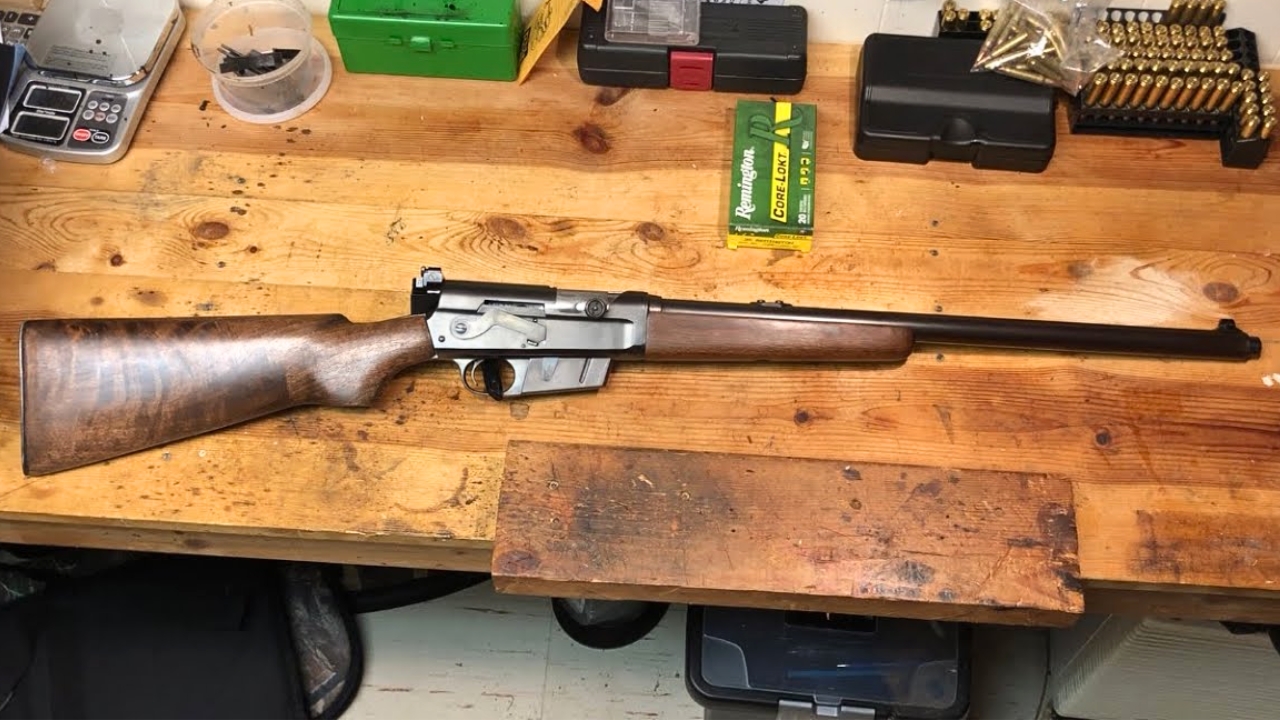
The Remington Model 8 attracts buyers who want instant historical weight. It looks old, distinctive, and mechanically important, which makes it very easy for someone to buy one and assume the room will respond like he brought out a museum piece. A lot of that confidence comes from the fact that the rifle feels significant before anybody says a word.
Collectors usually need more than that. They want to know condition, chambering, originality, and whether the rifle has anything beyond “early autoloader” appeal. A buyer who thinks the shape and age alone should do the job is often disappointed. Serious collectors have already moved past “that looks historic” and into “is this one actually special?”
Smith & Wesson 586

A lot of buyers pick up a 586 thinking the model name alone will land harder with collectors than it really does. It is a respected revolver, sure, and it has plenty of real appeal. But some owners act like simply owning one puts them into a more serious class of revolver buyer, especially if they can toss in a few words about pinned-era nostalgia or old Smith quality.
Collectors are usually not swayed by that alone. They know the difference between a good revolver and a genuinely interesting one. A standard 586 in ordinary condition is still a standard 586 in ordinary condition. It may be worth having, but buyers who bring one out expecting automatic collector admiration are often performing a lot more confidence than the gun itself supports.
Browning Auto-5

The Auto-5 gets bought by plenty of people who want the humpback profile to do all the talking. They know the shape is iconic, they know the model carries long history, and they assume a collector will respond to that outline the way casual buyers usually do. That makes it very tempting as a “look what I brought” shotgun.
Collectors tend to be less dazzled by the silhouette than the owner is. They want to know grade, condition, originality, gauge, and whether the gun is actually a noteworthy example or simply another older field shotgun with a famous back. The buyer wanted instant reverence. The collector usually wants details before he gives up any of that.
Beretta Model 81

The Model 81 attracts buyers who want to seem more informed than average. It is European, metal-framed, older, and just uncommon enough in the right circles to make the owner feel like he found something with collector taste built into it. That sort of pistol makes buyers feel clever before they have really proven the gun deserves the attitude.
Collectors are not always buying the act. They know a neat compact Beretta is not the same thing as a deeply impressive collector piece. The owner may love the idea that he brought out a subtle choice. The collector is often still wondering whether the pistol is anything beyond a likable older Beretta with ordinary scarcity and ordinary appeal.
Winchester 100

The Winchester 100 gets bought by people who think “older Winchester sporting rifle” should be enough to impress anyone who knows guns. It looks right, sounds right, and lets the owner feel like he found a more refined answer than the usual old lever-gun or bolt-gun choices. That is exactly why it makes such a tempting collector-performance purchase.
The collector usually wants much more than the brand and the era. He wants to know if the rifle is truly desirable in this exact form, or if the owner is mostly leaning on Winchester aura to fill in the blanks. Plenty of Winchester 100s are interesting. Far fewer are the sort of rifles serious collectors get excited over just because someone walked in carrying one.
Dan Wesson 15-2

The Dan Wesson 15-2 gets bought by people who want to sound like revolver insiders. They know it is not the most obvious prestige choice, and that is part of the appeal. Owning one lets them feel like they appreciate something beyond the usual Colt and Smith conversation. That underdog sophistication is a big part of why buyers show them off.
Collectors are often less moved by the performance. They know the revolver can be good without being the sort of thing that automatically raises eyebrows. The owner is trying to impress with selectiveness. The collector is still deciding whether the gun itself deserves the tone being used around it. Those are very different conversations.
Remington 81 Woodsmaster

The Remington 81 gets bought by people who want a rifle that looks historical enough to command respect before anyone asks a hard question. It has the right sort of old-gun gravity, and buyers often assume that is enough to make serious collectors react strongly. The rifle feels important, which makes it easy to oversell.
Collectors usually separate “interesting old rifle” from “genuinely impressive example” much faster than the buyer expects. They want to know whether this particular 81 has the condition, originality, or rarity to matter beyond its basic type. A lot of buyers show up with one thinking they brought a collector knockout. What they often brought was simply a recognizable old autoloader with more aura than actual punch.
Ruger Red Label
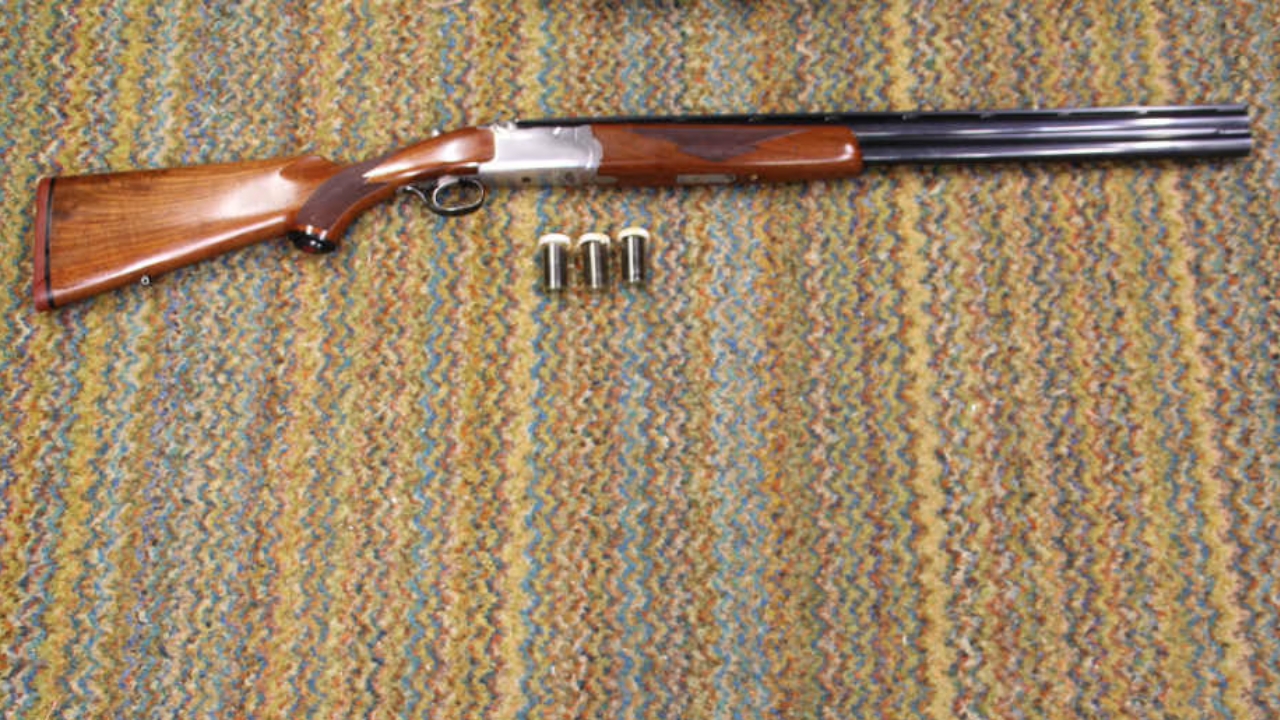
The Red Label gets bought by people who want to imply they appreciate classic shotguns without stepping into truly expensive collector territory. It feels like a shortcut to respectability. American over-under, Ruger name, enough old-school credibility to sound serious. Buyers often expect that combination to land harder with collectors than it really does.
Collectors usually judge them much more calmly. They know the difference between an over-under people like and an over-under that actually commands strong collector excitement. The buyer wants the Red Label to serve as proof of elevated taste. The collector is often still waiting to hear why this specific gun should matter that much.
Star Model B
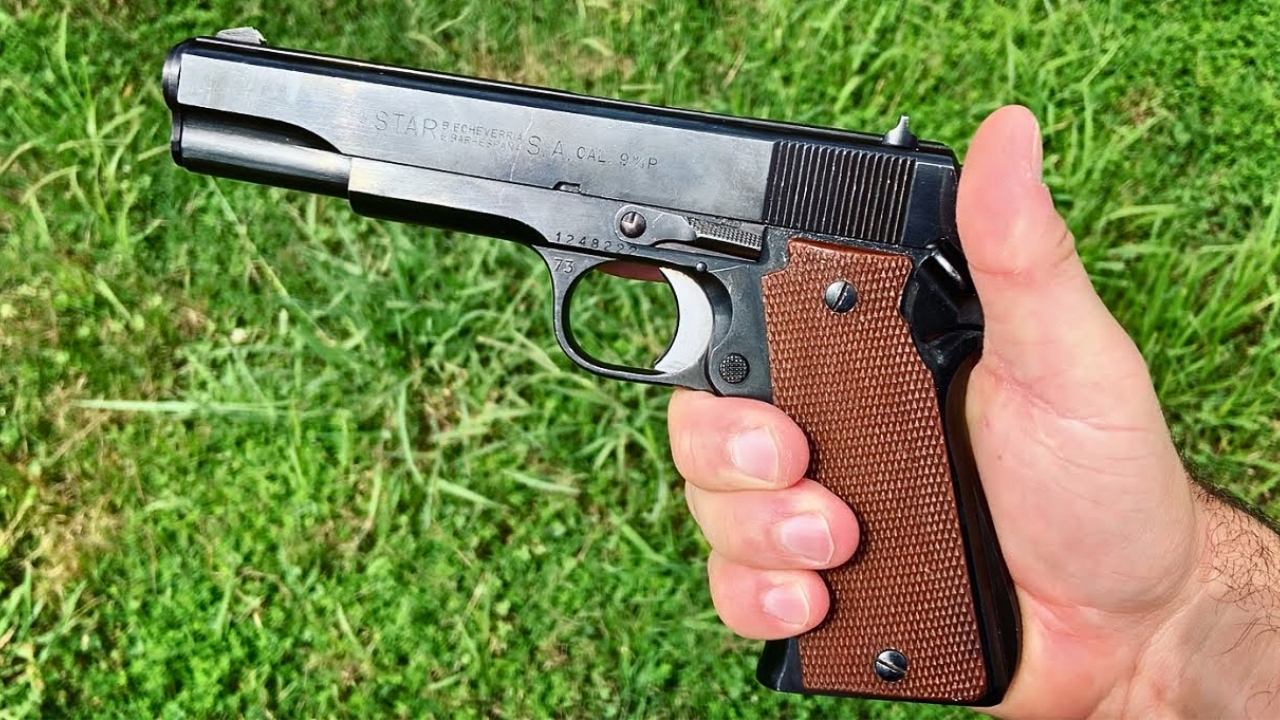
The Star Model B is a favorite of buyers who want to sound like they discovered something clever. It looks familiar enough to feel significant, has military-adjacent appeal, and lets the owner talk like he found a smart old pistol outside the usual Colt and Browning shadow. That gives the gun a lot of “collector taste on a budget” energy.
Real collectors are rarely impressed by the performance alone. They know the model, know the lane it occupies, and know that a buyer leaning hard on “people don’t appreciate these enough” is often trying to create extra gravity where the market has stayed much more measured. It can be a neat pistol. That is not the same thing as bringing out something that actually stuns knowledgeable people.
Savage 340

The Savage 340 gets bought by a very specific kind of buyer who wants to sound like he sees value where others don’t. He brings it out like it proves he appreciates practical old rifles more deeply than the crowd chasing prettier names. That tone is part of the appeal. He is not only showing the rifle. He is showing off his supposed ability to see through the market.
Collectors usually do not bite the way he hopes. They know the 340 has utility and history, but that is not the same thing as deep collector drama. A buyer who thinks a Savage 340 automatically makes him look sharper than everyone else is often trying to force admiration the rifle does not naturally command.
Browning Double Auto
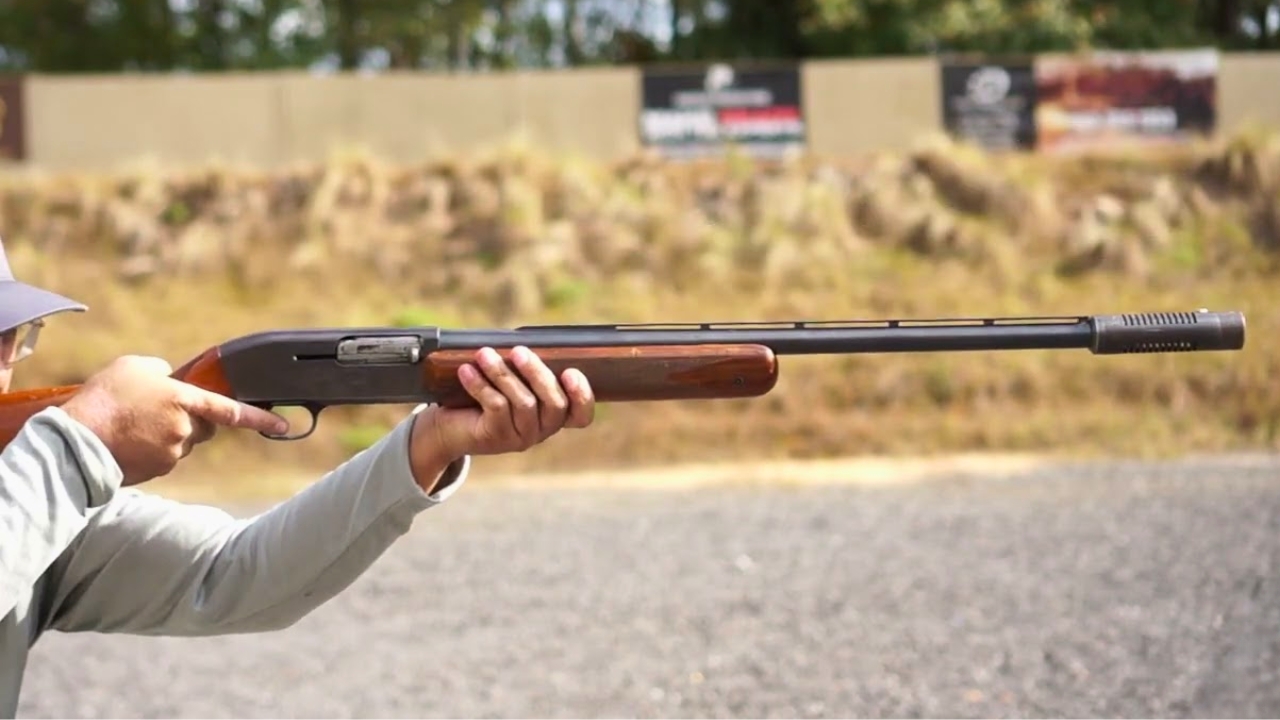
The Browning Double Auto gets bought by people who like the idea of owning an unusual Browning and then presenting it as if uniqueness alone should make collectors light up. The model is different enough to feel special, and that makes it attractive to buyers who want a little extra collector theater without having to chase the most obvious expensive names.
Collectors tend to be tougher than that. They usually know the difference between unusual and truly important. The owner is often hoping the novelty factor will carry the whole interaction. The collector is still asking the boring but essential questions that actually separate a cool old Browning from a genuinely impressive one.
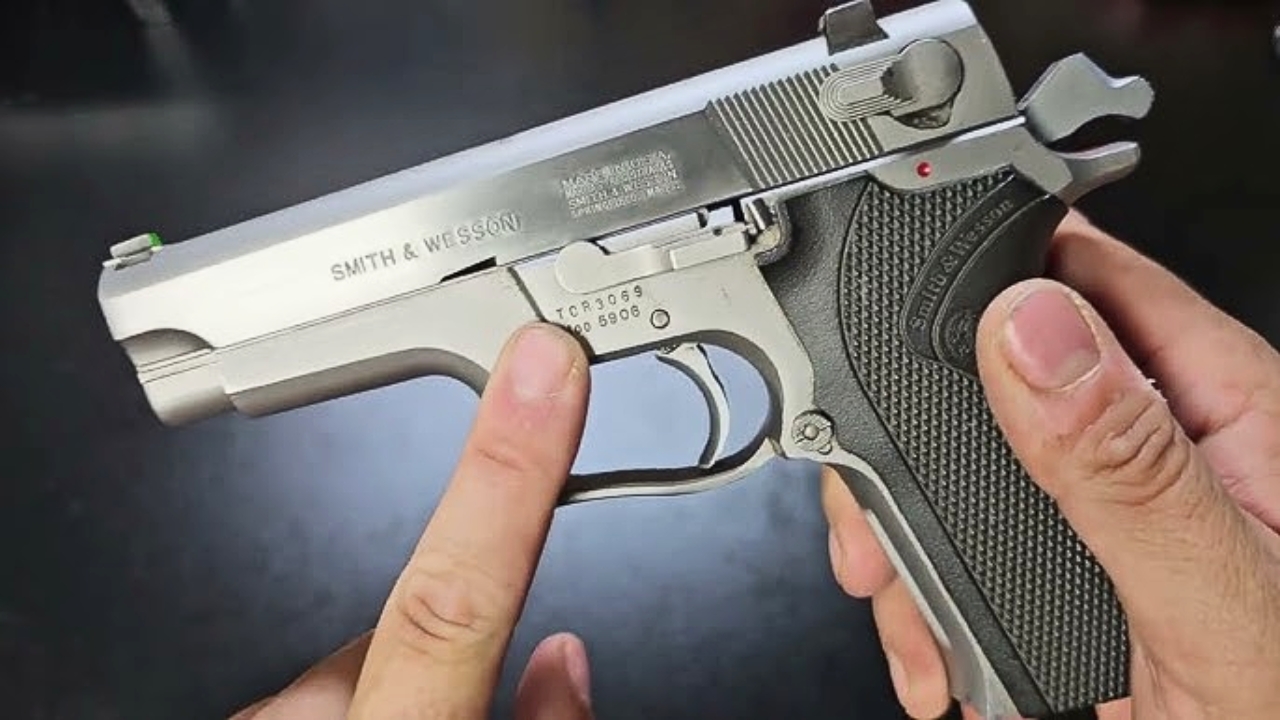
Smith & Wesson 4516

The 4516 gets bought by buyers who want to act like they appreciate serious old-school compact autos at a level the average buyer can’t understand. It is metal-framed, substantial, and tied to a part of Smith’s history that gives the owner some easy language about durability and “when pistols were built right.” That can sound impressive if the room is not paying close attention.
Collectors usually are paying close attention. They know an older, sturdy Smith auto can still be just an older, sturdy Smith auto. The owner often wants more credit than the gun itself can naturally earn. He is presenting the model like a deep-cut collector pick. The collector is often just seeing a respectable old service-style pistol without much reason to act stunned.
Remington 788

The 788 attracts buyers who want to show that they know the “real” sleepers. That is a huge part of the rifle’s performance appeal. The owner brings one out with the air of someone who cracked a code while everyone else wasted time on prettier rifles. He is not just showing a bolt gun. He is showing how much smarter he thinks he was than the market.
Collectors are often less impressed than he hoped. They know the 788 story already. They know it can be a useful, accurate old rifle without being an automatic collector flex. A buyer trying to impress with “you know these were the good ones” is often delivering a speech collectors have heard too many times to reward.
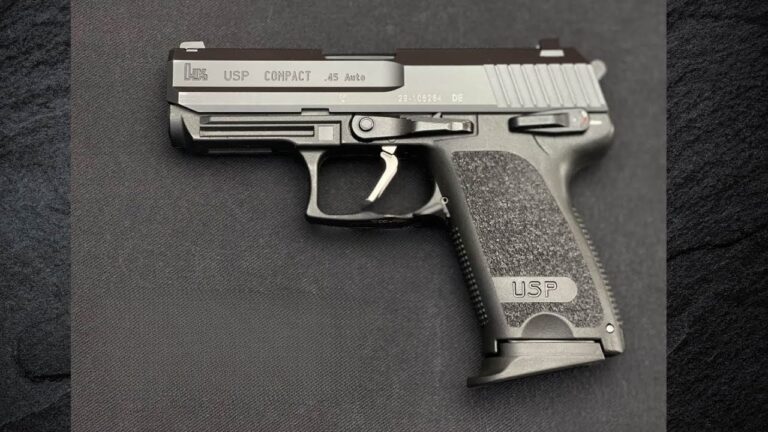
HK P2000

The P2000 gets bought by people who want to signal a more serious kind of handgun taste. It is not flashy, not too obvious, and carries just enough HK credibility to make the owner feel like he chose the practical connoisseur’s pistol instead of something common. That subtlety is exactly why some buyers use it as a status object.
Collectors and serious enthusiasts are not usually impressed by that alone. They know it is a good working pistol. They also know a good working pistol is not automatically a collector showpiece. The buyer wanted quiet credibility from the name and the choice. The collector often just sees a solid HK that does not need the extra performance around it.
Winchester 1200
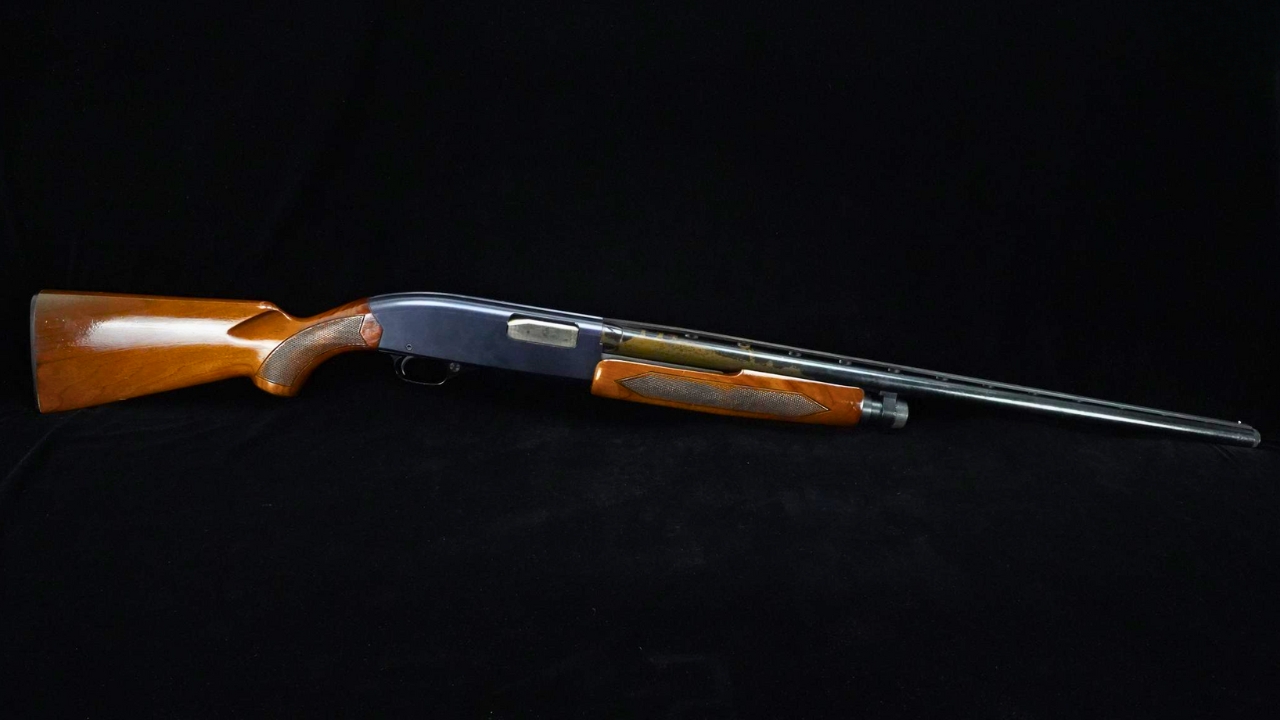
The Winchester 1200 gets bought by people who want to show up with an old pump and imply that they know something about underappreciated American shotguns. It is not the most obvious choice, and that is a big part of the appeal. The owner wants the rifle-or-shotgun version of “real heads know.”
Collectors usually stay much more grounded. They know the 1200 can be a perfectly decent old field shotgun, but that does not mean it commands admiration on sight. Buyers often use the model to perform discernment. Collectors are usually too familiar with the category to give out extra points just because the owner avoided the more obvious names.
Like The Avid Outdoorsman’s content? Subscribe to our newsletter so you never miss an article.
Here’s more from us: