Photo credit: All Outdoors/Youtube
Nothing will sour a morning in the deer woods faster than a rifle that turns into a single-shot because the magazine decided it was done cooperating. It is easy to blame the ammo or the cold or your gloves, but a lot of the time the real culprit is a magazine that was never that great to begin with.
I’m not talking about every detachable magazine ever made. Plenty of them run for decades. I’m talking about specific hunting guns where the factory mag design (or the common aftermarket replacements) has a reputation for feeding issues, latch problems, cracked lips, or just being hard to source when you need one the week before season. If your rifle is the kind you only shoot a handful of times a year, you might not notice until the one moment you absolutely do.
1. Remington 742 Woodsmaster
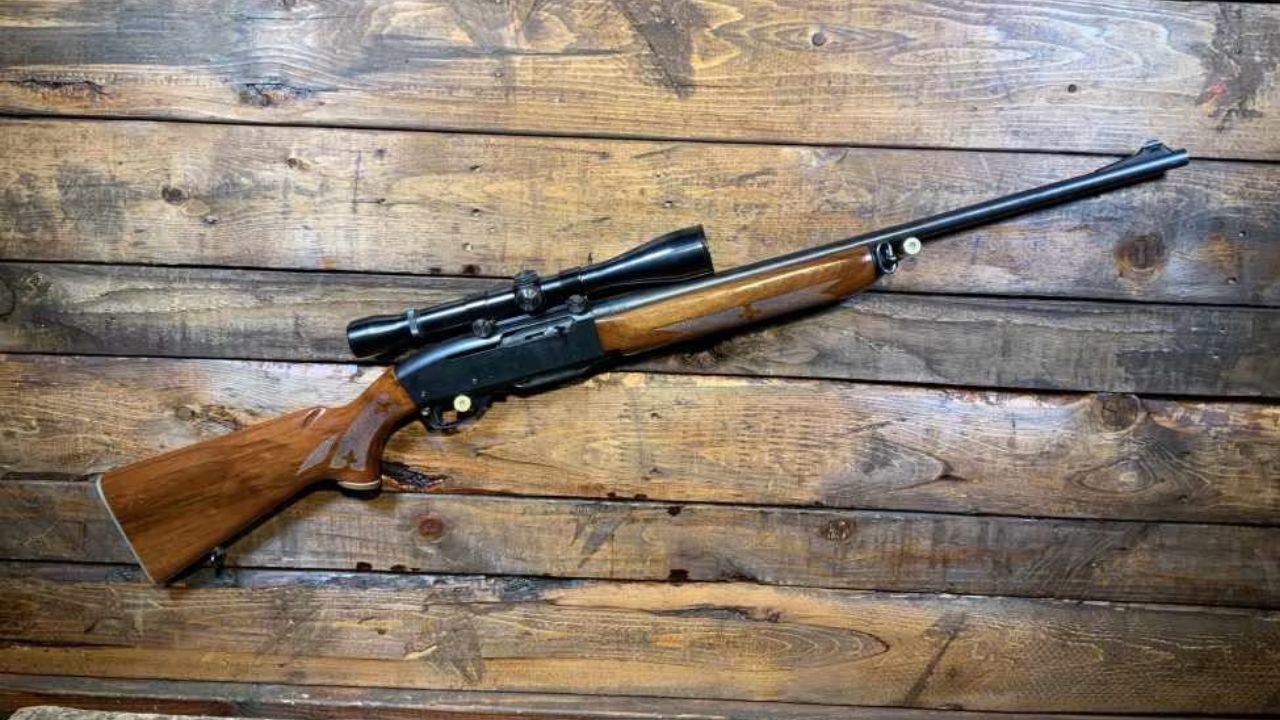
The 742 has put a pile of venison in freezers, but its magazine situation is a known stress point. Worn feed lips and tired springs show up as nose-dives, bolt-over-base jams, and that ugly “almost fed” hiccup that makes you want to throw the whole rig in the creek.
What makes it worse is that a lot of these rifles are older and have been “kept running” with whatever used magazines a guy could find at a gun show. If you’ve got one that runs, great. If you’re trusting mystery mags with it, I’d slow down and test them hard before you carry it.
2. Remington 7400

The 7400 is the younger cousin to the 742, and you’ll hear the same kinds of magazine complaints—especially with older, well-used mags that don’t lock up with the same authority they used to. A mag that sits just a hair low can turn a perfectly good rifle into a jam-o-matic.
There are good 7400 magazines out there, but the trap is thinking they’re all the same. They’re not. If the mag rocks, rattles, or doesn’t click in clean, don’t tell yourself it’ll be fine “just for hunting.” That one hurts when it doesn’t feed.
3. Ruger American Rifle (AR-magazine models)

The Ruger American is a solid working rifle, but the versions that take AR-style magazines can be picky depending on caliber and mag geometry. It’s not that AR mags are bad—they’re usually excellent. It’s that not every AR mag is designed around feeding certain hunting cartridges smoothly in a bolt gun.
In the real world, you see issues like the first round popping loose under recoil, rough stripping on the top round, or the magazine sitting slightly off in the well. If you’re going this route, stick with proven mags for your cartridge and test them from field positions, not just a bench.
4. Mossberg MVP Patrol
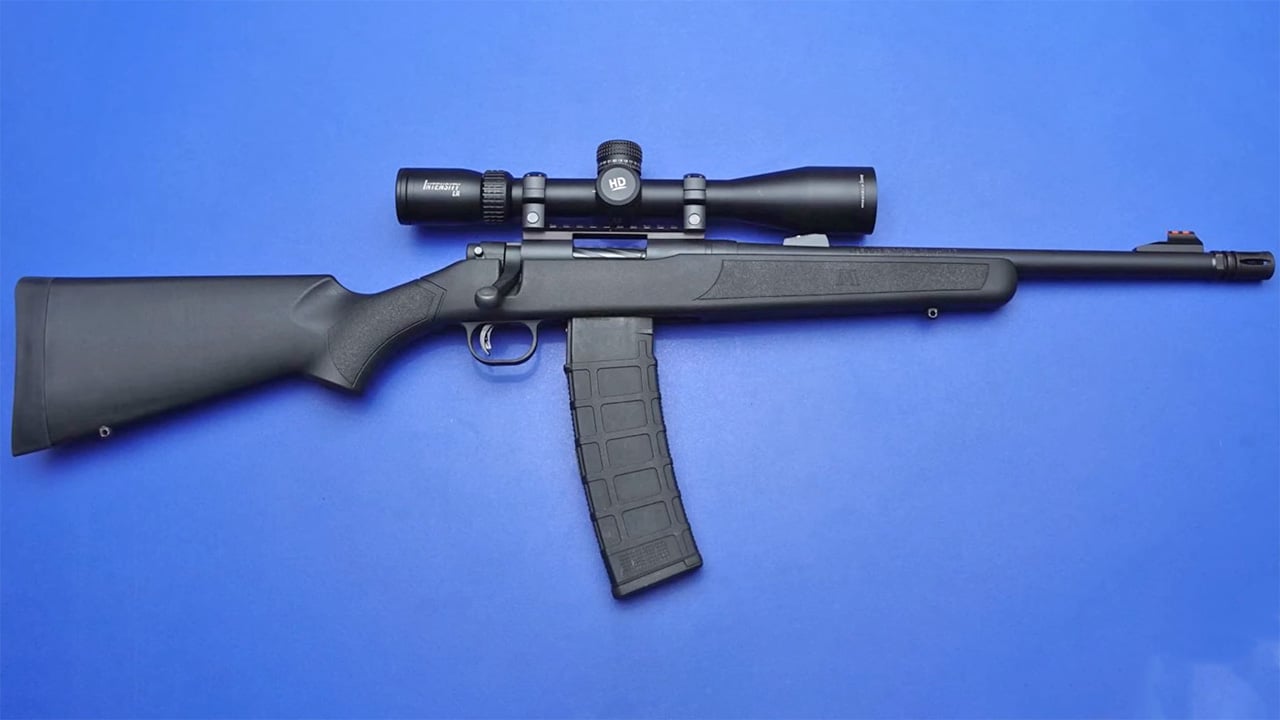
The MVP idea is clever: a bolt gun that uses AR mags. In practice, a lot of the reliability complaints center around feeding, and the magazine interface is a big part of that story. Some rifles run like sewing machines, others get finicky with certain mags, and it can change depending on bullet profile.
You’ll also notice the “feel” of the bolt when it’s stripping a round can be rougher than you expect. That’s not a dealbreaker on its own, but paired with an iffy magazine, it’s a recipe for a follow-up shot that doesn’t happen when it should.
5. Browning BAR Mk II (hunting BAR)
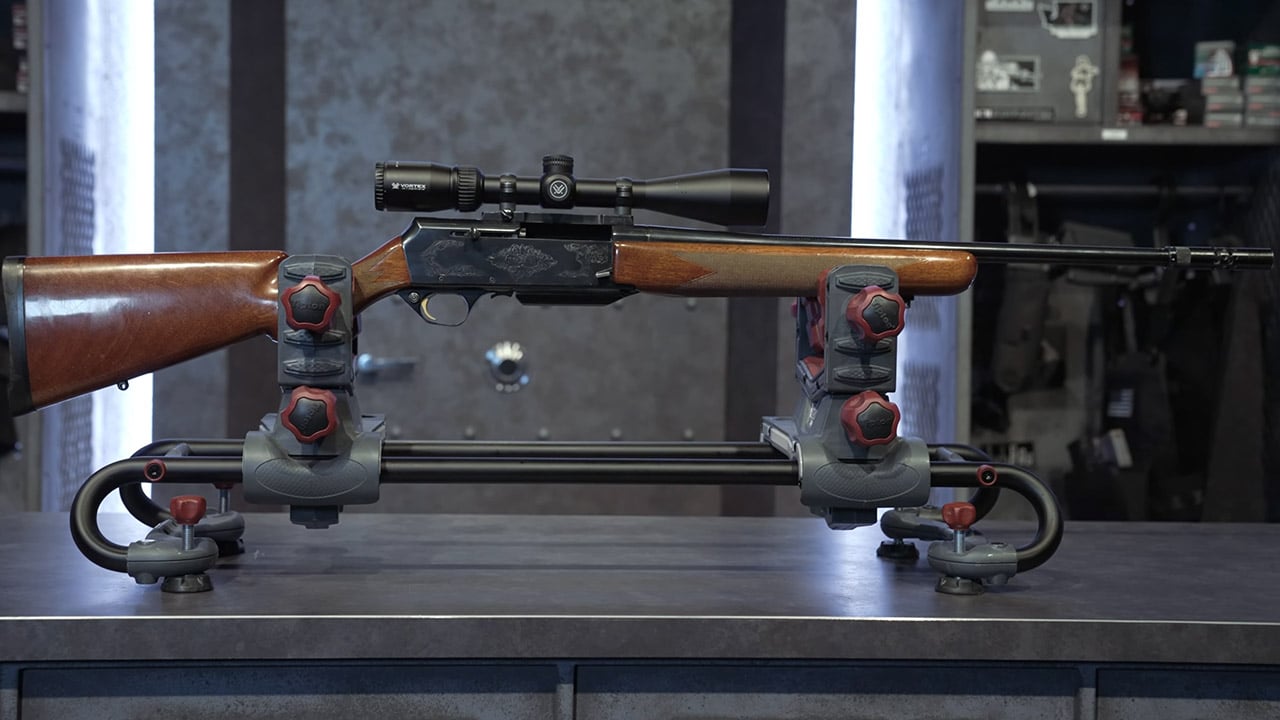
The hunting BAR is a beautiful rifle that carries better than a lot of semi-autos, and it shoots. The downside is magazines are expensive, and they’re not something you casually replace when one starts acting up. When the mag body gets tweaked or the feed lips wear, you’ll feel it in inconsistent feeding.
Another problem is “mix-ups.” BAR mags are not universal across all BAR variants and calibers, and people buy the wrong one or buy a used one that’s been forced. If you’re going to hunt with a BAR, the smart play is to mark your mags, keep them clean, and don’t drop them in the gravel like they’re AR mags.
6. Savage Axis (detachable magazine versions)

The Axis is one of those rifles that sells because it’s affordable and it usually shoots better than it has any right to. But the detachable magazine setup, especially on older Axis rifles, can feel a little flimsy. Flex in the stock and magazine latch area can show up as feeding weirdness.
This is one of those guns where a bad mag can masquerade as “cheap rifle problems.” The truth is, a good Axis magazine can work fine, but you don’t want to learn the hard way that your spare mag doesn’t lock in tight when you’re bundled up and moving fast.
7. Ruger Mini-14 (especially with aftermarket mags)

The Mini-14 itself can be a dependable ranch rifle. The magazine story is where folks get burned, mostly because they chase cheap aftermarket magazines. A Mini that runs perfectly on factory mags can turn into a headache the moment you start stuffing bargain mags in your pocket.
Feed angle and lockup matter on these. If the mag isn’t right, you’ll see failures to feed and rounds popping loose. Factory Ruger mags cost more for a reason, and this is one of those places where saving money can cost you a hunt.
8. Ruger Mini-30 (aftermarket mags are even worse)
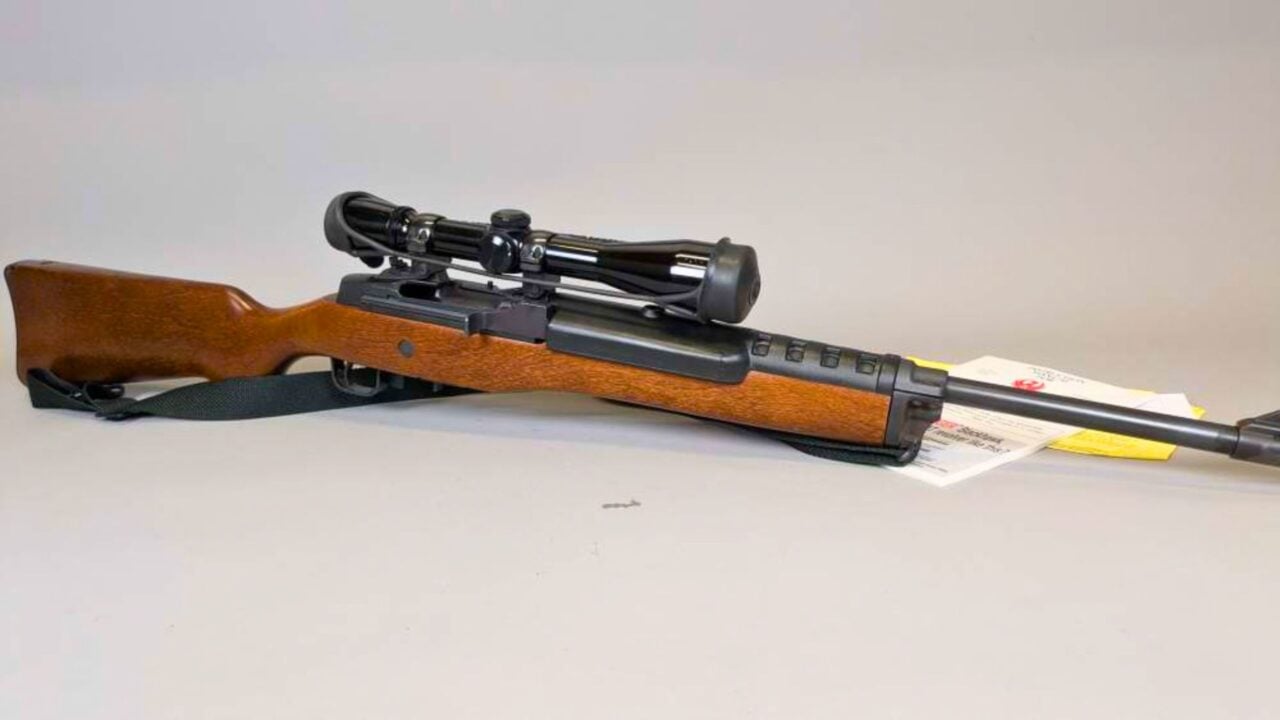
The Mini-30 has the same basic issue as the Mini-14, but it can be more sensitive because of the cartridge it’s feeding. A lot of the aftermarket mags that “sort of work” for a few rounds will start acting up once springs take a set or the lips get a little wear.
If you want a Mini-30 for hogs or woods walking, I get it. Just don’t build your whole setup around bargain magazines and then act surprised when it short-feeds on the second shot.
9. CZ 527 (7.62×39 and other variants)

The CZ 527 is a sweet little rifle that points naturally and carries like it belongs in the woods. The detachable magazine is also one of the most complained-about parts of the system. It sticks down, it can be awkward in the hand, and if you get dirt or a slight bend involved, feeding can suffer.
It’s not that the magazines are junk. It’s that they’re specialized and not as forgiving as a lot of modern designs. When a mag is hard to find and pricey, people baby them—until the day they don’t, and then they’re hunting with one mag that’s “mostly fine.”
10. Howa Mini Action (detachable mag models)
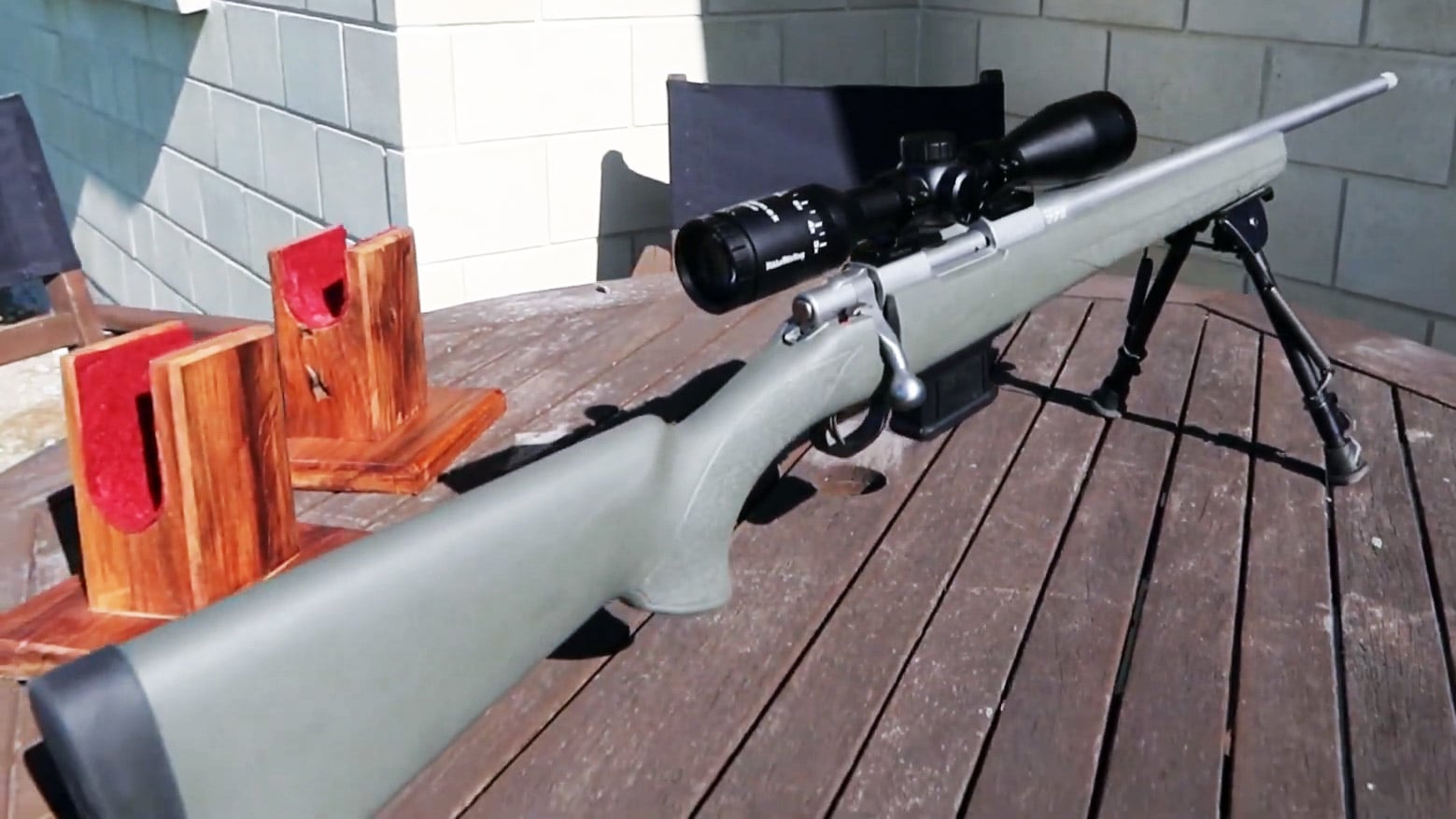
Howa’s Mini Action rifles are handy little rigs for cartridges like .223 and 6.5 Grendel, and they’re accurate. The magazine system, depending on the bottom metal and mag version, can be the weak link. Some lock up great, some feel like they take just a little too much fiddling to seat.
If you’ve ever tried to quietly top off a mag in the dark and it doesn’t want to click in, you know why this matters. This isn’t a “never buy one” situation. It’s a “confirm your mags are solid and buy spares while you can” situation.
11. Kimber 8400 (WSM/WUM and certain configurations)
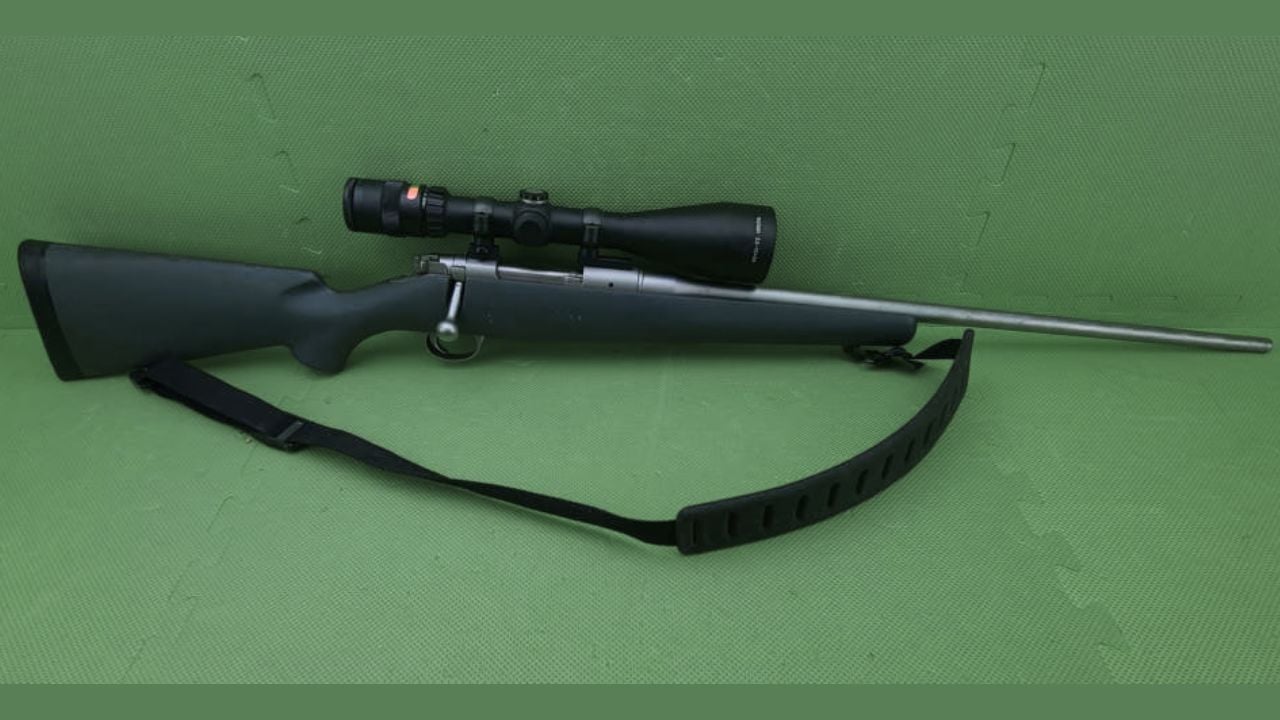
Kimber makes rifles that carry nice in the mountains, and the controlled-round feed style is a selling point for a lot of hunters. But some Kimber detachable magazine setups and feeding geometry combinations have been known to be picky, particularly when tolerances stack up the wrong way.
The frustrating part is that the rifle feels like a premium tool, so you expect it to behave like one. If your Kimber has a detachable mag, run it hard at the range with the ammo you’ll hunt. Don’t let the first real test be a steep shot with your heart in your throat.
12. Winchester Model 100

The Model 100 is a classic deer rifle, and you still see them every season in thick timber. The magazines are a pain point because they’re old, they’re not cheap, and a lot of them have lived a rough life in glove boxes and coat pockets.
When a Model 100 mag starts acting up, it’s not always obvious until it matters. The fit can feel okay, but feeding can be inconsistent. If you’re hunting with one, treat magazines like gold, and don’t assume that “another old mag” will run just because it looks similar.
13. Benelli R1

The R1 is a fast, modern hunting semi-auto, and when it’s running right it’s impressive. But the magazines are proprietary and expensive, and that creates a temptation: guys try to stretch one magazine forever, or they buy a used spare and assume it’s good.
The issue isn’t that the design is doomed. It’s that the cost and availability make it harder to keep known-good mags in rotation. If you’re going to depend on an R1 for hogs or quick follow-ups, you need at least one spare mag you’ve verified, not just “a spare.”
14. Tikka T3/T3x (aftermarket bottom metal and mags)
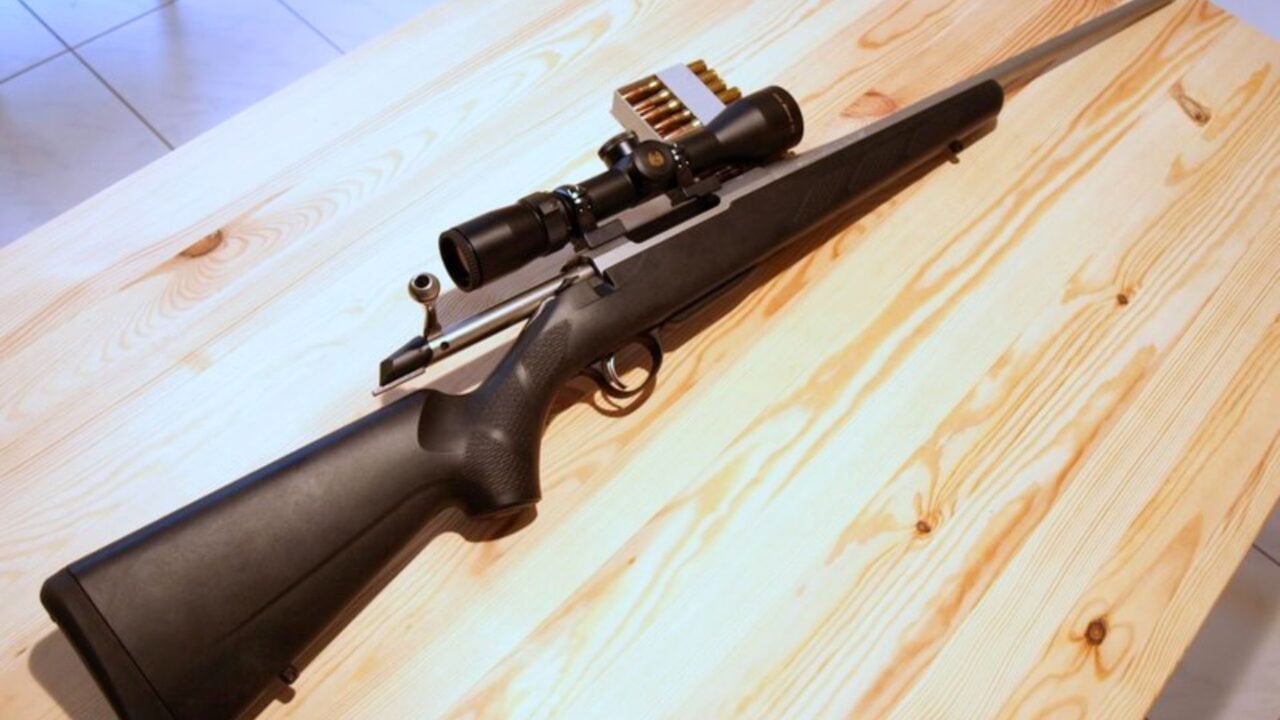
Tikka factory magazines are generally reliable. The trouble starts when folks chase a different bottom metal, want AICS compatibility, or go down the aftermarket rabbit hole. Suddenly you’ve got a rifle that used to feed slick, now it’s picky about seating, and you’re getting bolt drag or inconsistent presentation.
I’m not anti-aftermarket. I just don’t trust a hunting rifle that’s been converted and never tested beyond a couple of range trips. If you change the mag system, you need to prove it like your tag depends on it, because it does.
15. Remington Model 750 Woodsmaster
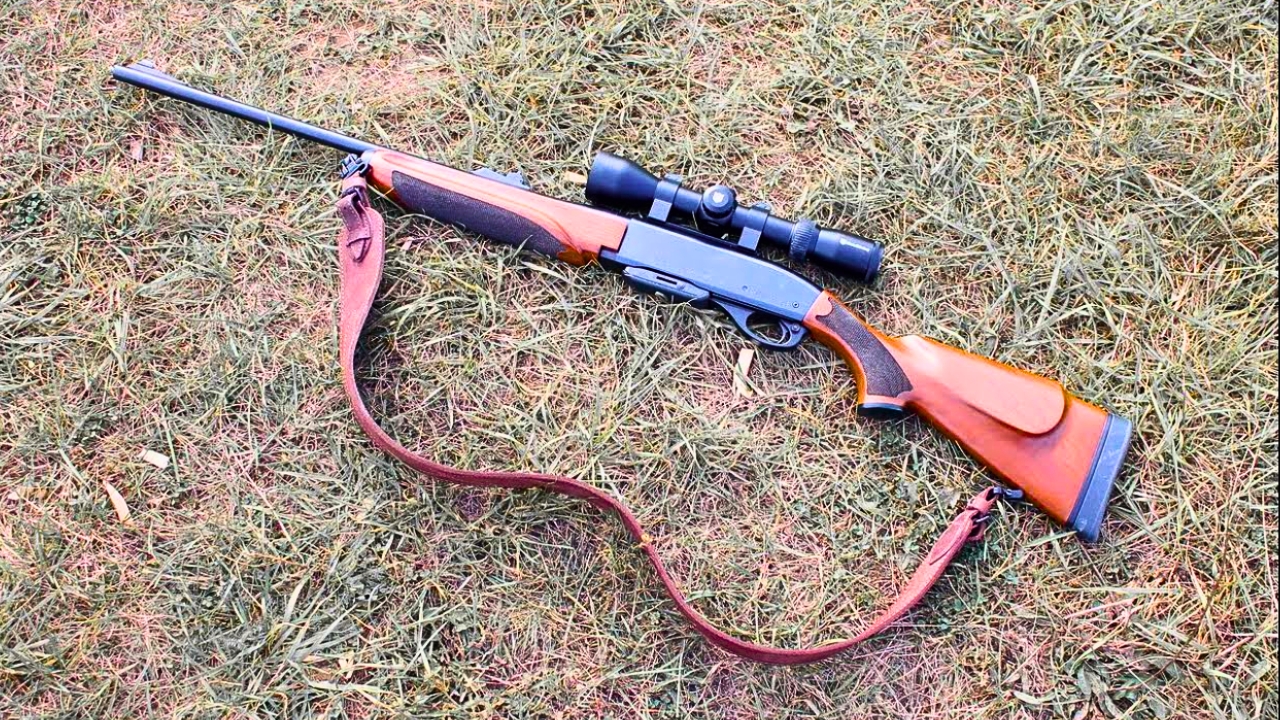
The 750 came along with the same general theme: handy semi-auto deer rifle, detachable magazine, and a lot of rifles that live a hard life with minimal maintenance. Magazines can get finicky as they age, and latch wear can show up as the mag not staying fully seated.
That’s the kind of malfunction that makes you feel crazy. You swear you inserted it right. You probably did. But if the mag or catch is worn, recoil can do the rest. This is a “check your gear now, not later” rifle.
16. AR-10 pattern hunting rifles (DPMS-style compatibility headaches)

AR-10 is not one single standard, and that matters when you’re buying magazines for a .308 hunting setup. Some rifles are happiest with specific mag brands, some won’t lock back reliably with others, and some will feed ball ammo all day but get weird with certain hunting bullets.
If you’re using an AR-10 as a hunting rifle, you don’t get to be casual about magazine selection. Pick a quality mag that your rifle likes, buy a few, mark them, and stop experimenting the night before you leave camp.
17. Springfield Armory M1A (magazine quality varies wildly)
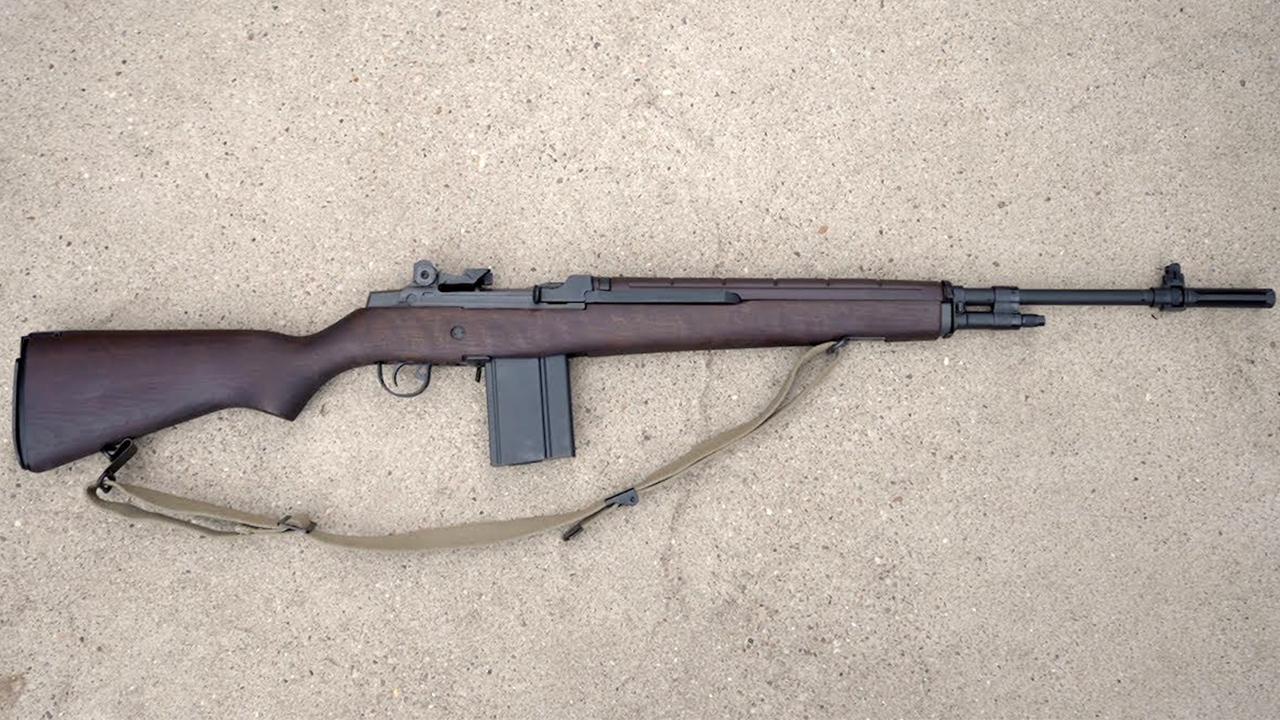
The M1A is a classic that a lot of guys still hunt with, especially in states that don’t allow certain modern setups. The rifle itself can be reliable, but M1A magazines are a world of their own. Good ones are good. Bad ones will make you question the rifle.
Cheap mags can cause feeding problems and bolt-over-base failures, and they can be tough to diagnose if you don’t have a known-good magazine to compare. For a hunting gun, I’d rather own fewer magazines and have them be the right ones than a pile of questionable spares.
18. Ruger Gunsite Scout Rifle (AICS-mag fed, but not always happy)

The Gunsite Scout is a handy field rifle and a decent concept for hunters who like a short .308. It uses AICS-pattern mags, which should be simple. Still, not every AICS-style mag plays perfectly with every rifle, and some of the early or off-brand mags can be stiff, rough, or inconsistent in feeding.
Also, AICS mags encourage you to treat them like “rugged tactical gear,” and then they get dropped, stepped on, and tossed around. A dented mag body or tweaked feed lip will ruin your day just the same as any other rifle.
19. Marlin Camp 9 / Camp 45
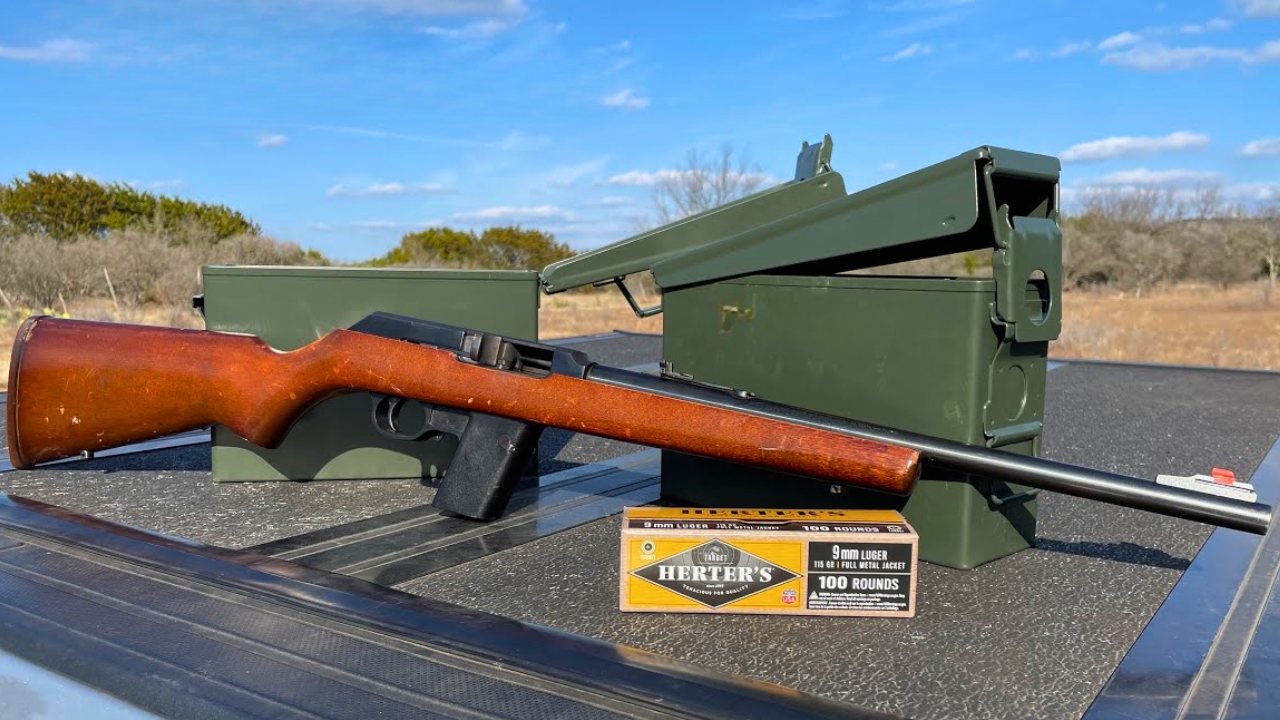
These old Camp carbines are fun, handy, and they carry great behind a truck seat. The magazine situation depends on the version, but in general you’re dealing with older patterns and a lot of used magazines floating around. Springs get weak. Lips get worn. And the guns get blamed.
If you’re using one for woods bumming or close-range pest work, you can live with quirks. If you’re actually relying on it, you need to sort your magazines out and set the junk ones aside. Ask me how I know.
20. Browning BLR (detachable box magazine models)

The BLR is one of the best “do everything” lever guns ever made, especially if you want modern cartridges in a lever action. The detachable magazine is also the part you’re most likely to have trouble replacing quickly, and it’s the part most likely to get lost in leaves or snow.
They usually feed well when everything is right, but because mags are proprietary and not cheap, folks run them forever. If the feed lips get tweaked or the latch engagement changes, you can get intermittent feeding that will drive you nuts because it won’t always show up on the bench.
If your hunting rifle runs on a detachable magazine, treat those mags like part of the rifle, not an accessory. Number them, test them with your hunting ammo, and don’t mix mystery used mags into the pile right before season. A rifle that “usually” feeds isn’t a reliable rifle. It’s a problem waiting for a cold morning and a quick shot.
Like The Avid Outdoorsman’s content? Be sure to follow us.
Here’s more from us: