Photo credit: Lucky Gunner Ammo/YouTube
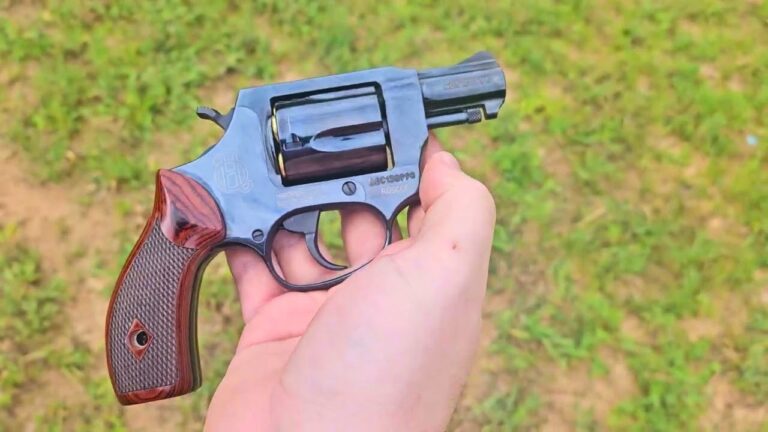
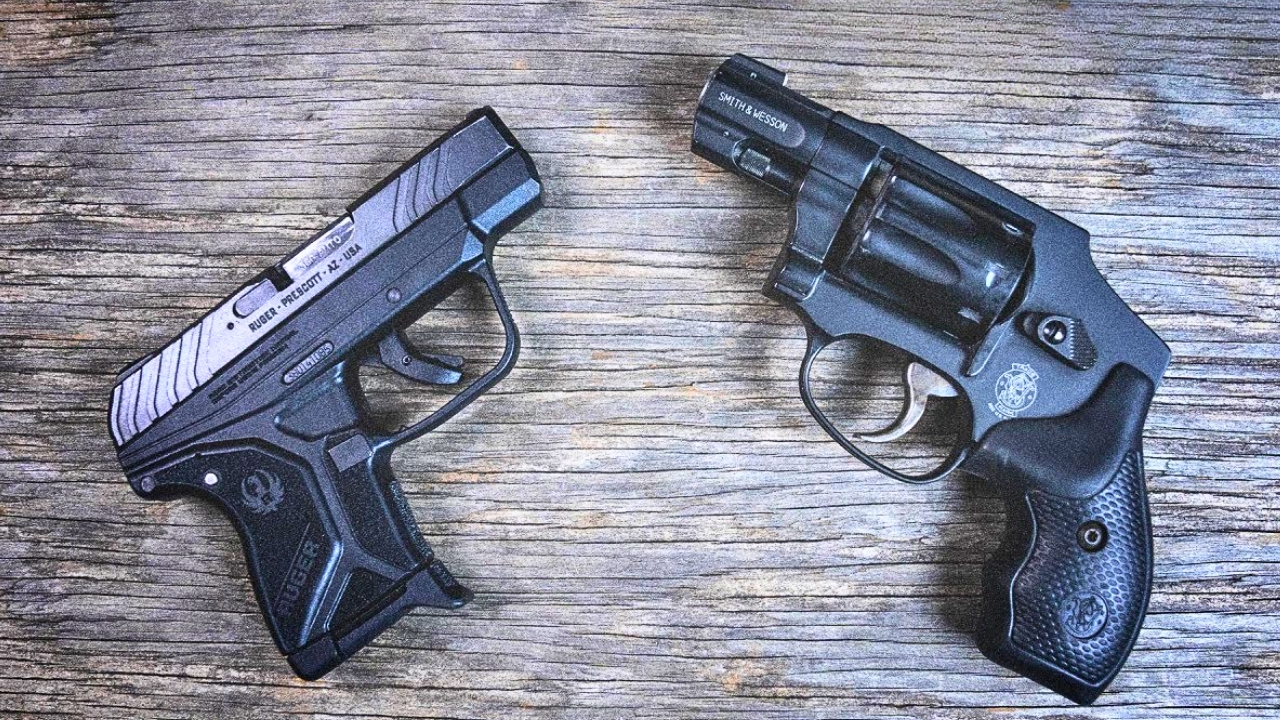
An “always gun” isn’t the pistol you brag about. It’s the one you actually carry when you’re running to the hardware store, walking the dog, or wearing gym shorts and a hoodie. That’s why the snubnose revolver and the pocket pistol keep surviving every trend cycle. They both fit the role, but they do it in very different ways—and the differences show up fast once you stop talking theory and start talking real carry.
The honest answer is that neither one wins every category. The better choice depends on what you’ll truly carry, what you’ll truly practice with, and what you can run when your hands are cold, sweaty, shaky, or all three. If you want a gun that’s there every day, pick the one that matches your real life.
What “always gun” actually means

An always gun is the firearm you carry when carrying is inconvenient. It’s light enough to disappear, small enough to work with normal clothes, and uncomplicated enough that you don’t talk yourself out of strapping it on. The whole point is consistency.
The trap is pretending your ideal setup is your real setup. If your carry gun is so big you “sometimes” leave it at home, it’s not an always gun. The best always gun is the one that stays on your body through errands, yard work, and weird in-between days—not the one that wins arguments online.
Pocket carry reality check

Pocket carry is brutally honest. A pocket pistol can actually work here because it’s flat, light, and shaped to come out clean. A snub can pocket carry too, but the cylinder bulge and weight make it harder in lighter pants, and it prints in ways you don’t notice until you catch a reflection.
The other side is the draw. Pocket carry demands a good pocket holster and clean pockets, every time. Keys, coins, and lint aren’t harmless. If you want pocket carry to be your main plan, the pocket pistol usually fits the job with fewer compromises.
Draw speed and getting a grip fast

In real life, your draw is rarely perfect. You’re sitting, bending, carrying groceries, or half turned. Pocket pistols can be quick if they’re truly pocket-friendly and you can get a full firing grip before the gun clears the pocket.
A snubnose can be slower to get a clean grip on because the grip shape varies and the cylinder can hang up. But once it’s in your hand, it tends to index naturally. The real winner is the one you can draw without snags, with a repeatable grip, from your actual clothes.
Contact-distance problems and “standoff” issues

If you’re thinking about the worst-case, up-close fight, snubs have an advantage: they can fire from inside a coat pocket or pressed into an assailant without going out of battery. A small semi-auto can get pushed out of battery if the slide is shoved rearward even a little.
That doesn’t mean pocket pistols are useless up close. It means you need to understand the limitation and train around it. If you’re choosing an always gun for the kind of ugly, hands-on distance nobody wants, the snubnose earns points for being harder to stop mechanically.
Malfunctions: different failures, different fixes

Pocket pistols can be very reliable, but small semi-autos are more sensitive to limp-wristing, weak ammo, and grip mistakes—especially with tiny frames. When they hiccup, you need to clear it fast, and that takes reps.
A snubnose has its own failure modes. A high primer, debris under the extractor star, or a bound-up cylinder can stop the show, and you’re not “tap-racking” your way out of it. In exchange, a properly functioning snub will often keep firing through less-than-perfect grips and awkward angles.
Trigger work and what you can actually hit

Snubnose triggers are usually heavier and longer, and that’s not a knock—it’s reality. Shooting them well takes practice, especially at speed. A pocket pistol often gives you a lighter trigger and a shorter press, which can help your hits if you’re disciplined.
The downside is that small sights and short grips make both guns harder than people admit. You don’t get to “cheat” with size. If you can’t keep rounds in a fist-sized group at defensive distance with your always gun, you’re carrying a comfort item, not a tool.
Recoil and follow-up shots in small guns
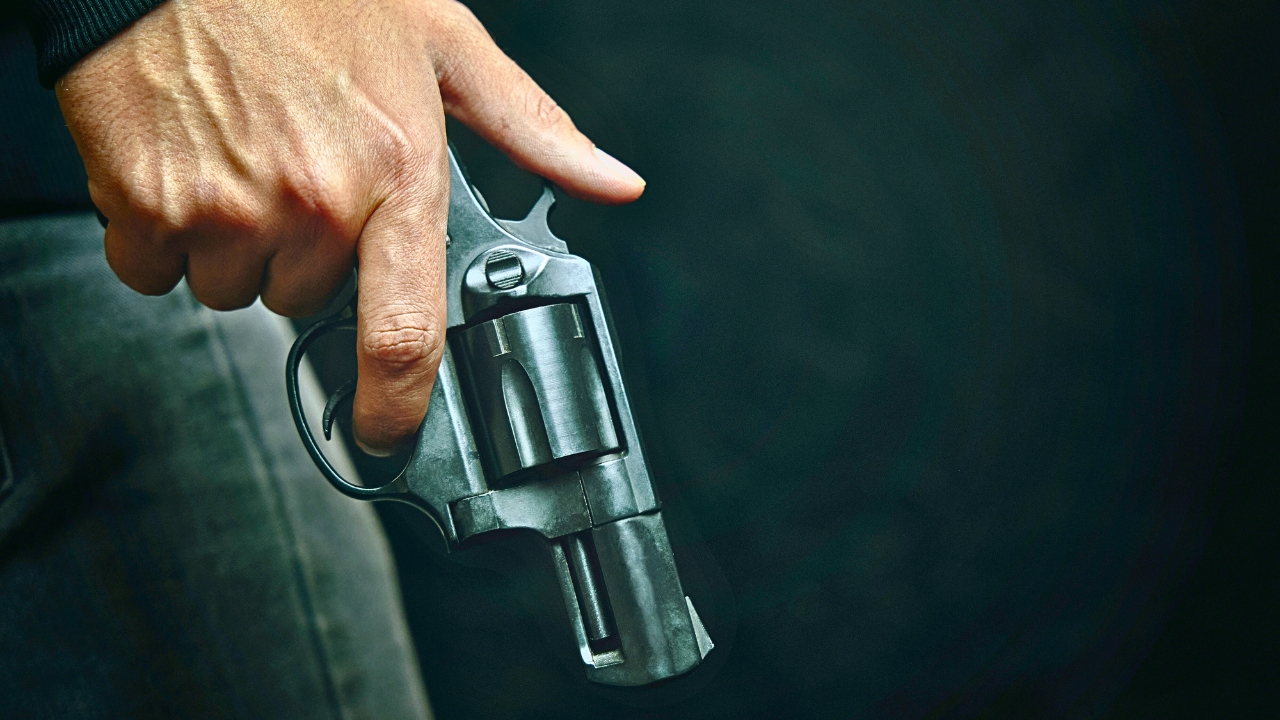
Tiny guns recoil. Period. A snub in .38 Special can be sharp, and a snub in .357 Magnum can be downright unpleasant for most people in a lightweight frame. Pocket pistols in .380 can be snappy too, especially the really small ones.
Follow-up speed is where this matters. If recoil makes you flinch or makes you stop practicing, your always gun becomes a “never train” gun. The better choice is the one you can shoot often without dreading it. The gun that gets range time is the gun that performs.
Capacity and the reality of five rounds

Most snubs give you five rounds. Most pocket pistols give you six to ten, depending on the model and magazine. More rounds doesn’t make you safer automatically, but it can buy you options when you’re moving, missing, or dealing with more than one threat.
The snub’s counterpoint is reliability of the next trigger press. No feeding cycle required. Still, five rounds disappears fast if you’re stressed and shooting fast. If you want a little more margin without changing your carry footprint much, pocket pistols often win this category.
Reloads: speed, complexity, and what you’ll carry

Reloading a pocket pistol can be quick if you carry a spare magazine, and spare mags are easy to stash. Reloading a snub can be fast with speed strips or speedloaders, but those items are bulkier and people often leave them behind.
The uncomfortable truth is that most always-gun carriers don’t reload on the street. They carry the gun and call it good. If you’re honest about your habits, a pocket pistol plus one spare mag is easier to keep consistent. A snub can be reloaded well, but you have to commit.
Pocket lint, sweat, and real-world carry grime

Pocket pistols live in lint if you pocket carry. That’s not theory—it’s guaranteed. Lint can migrate into openings, and sweat can get into places you don’t notice. You can still run a pocket pistol reliably, but it requires periodic cleaning and inspection.
Snubs are not immune to grime either. Lint and pocket debris can work into the cylinder window and under the extractor star. The difference is that a semi-auto may keep running right until it doesn’t, while a revolver can get sluggish and you might feel it sooner. Either way, “always” carry demands “always” maintenance.
Shooting from awkward positions
In awkward positions—seated in a car, pressed against a wall, half twisted—both platforms get harder. Pocket pistols benefit from lighter triggers and usually better sights than most snubs, which can help you make hits when you’re not in a perfect stance.
Snubs benefit from simplicity of operation. If you can get the muzzle where it needs to be, the gun fires. There’s no slide to worry about and no concern about your grip being perfect. If your lifestyle includes a lot of seated time or tight spaces, this category matters more than most people think.
One-handed operation and weak-hand reality
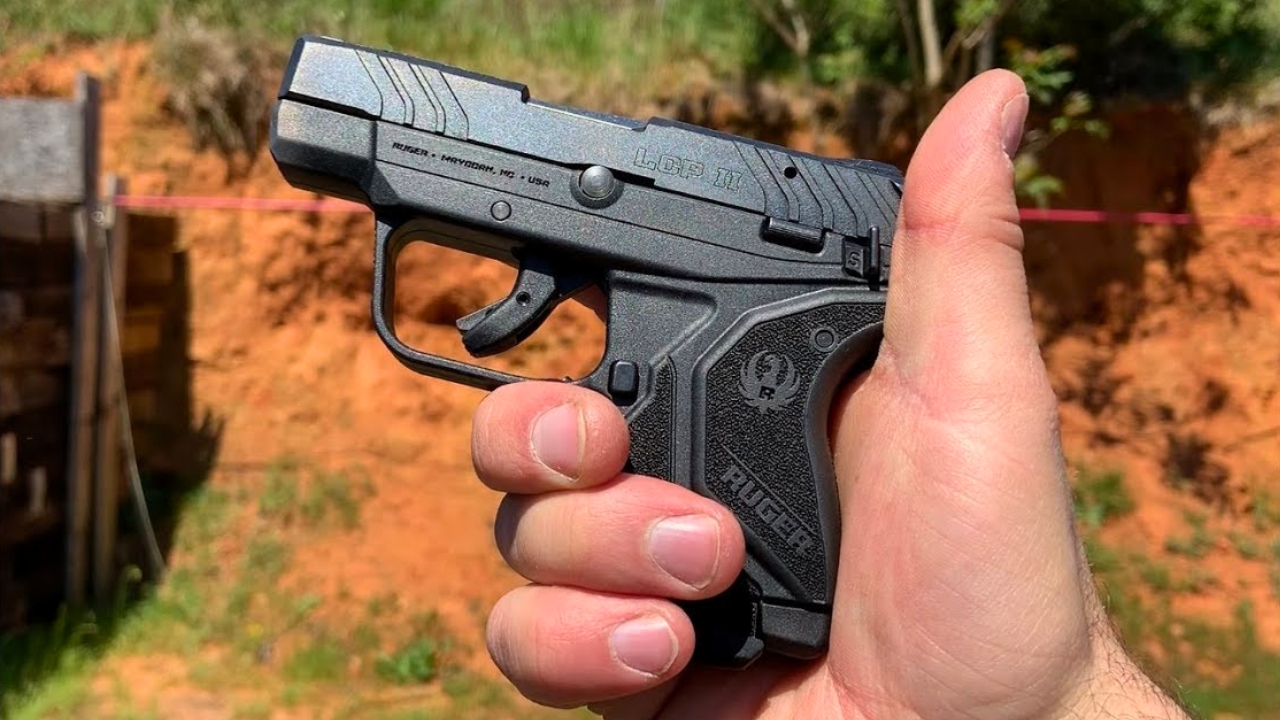
One-handed shooting isn’t a “tactical” fantasy. It’s a normal possibility if you’re holding a kid, using a flashlight, or injured. Snubs can be very good here because you’re not relying on slide velocity or a perfect grip to cycle the action.
Pocket pistols can still do fine one-handed, but they’re more dependent on proper technique. Also, clearing a malfunction one-handed is harder than most people practice. If you want the most forgiving option for imperfect conditions, the snub has an edge—assuming you can manage the trigger well.
Accuracy potential vs. practical accuracy

Pocket pistols often have better mechanical accuracy than people assume, but practical accuracy is what matters. Short grips and small sights make it easy to shoot low, slap the trigger, or lose the sight picture under recoil.
Snubs have short sight radiuses and heavy triggers, which also punish sloppy shooting. The difference is that a pocket pistol can reward you more quickly once you get your grip and trigger control dialed. If you’ll practice enough to take advantage of that, the pocket pistol can be very effective. If you won’t, the snub’s consistency may matter more.
Ammunition choices and performance expectations

You’re not carrying a duty pistol here. Both platforms are compromises, which means ammo choice matters. Pocket pistols in .380 can work, but you’re leaning on proper shot placement and decent ammo. Snubs in .38 Special can perform well, but recoil and muzzle blast vary a lot by load, and light guns punish hot ammo.
The important part is matching ammo to what you can control. If the load makes you miss, it doesn’t matter what it does in gel. The best defensive ammo for your always gun is the one you can shoot accurately and fast, every time, from that small platform.
Comfort, concealment, and the gun you won’t leave behind

This is the category that decides most people’s outcomes. Pocket pistols win on comfort note-for-note. They’re flatter, lighter, and easier to carry in more clothes. That means they get carried more.
Snubs can be extremely comfortable in a proper holster, but they’re harder to hide in light clothing and harder to pocket without printing. If you already know you’re the type who skips carry when it’s inconvenient, a pocket pistol may save you from yourself. Carry beats theory every time.
So which is the better always gun?

If you want the most forgiving gun at contact distance, with a manual of arms that doesn’t depend on slide movement or magazine quality, the snubnose is hard to beat. It asks more of you on the trigger, but it can deliver consistency when conditions are messy and close.
If you want a gun you’ll truly carry every day, with more capacity, easier reloads, and generally easier shooting for most people, the pocket pistol often makes more sense. The better always gun is the one you’ll practice with and keep on you. Pick the platform that matches your carry habits, then train until it feels automatic.
Like The Avid Outdoorsman’s content? Subscribe to our newsletter so you never miss an article.
Here’s more from us: