Photo credit: BATJAC J.W/Youtube
Walk into any gun shop and you’ll see a wall of brand-new polymer pistols priced to move. Nothing wrong with that. But I’ve watched more than one guy trade in Grandpa’s old wheelgun to “upgrade,” then realize later that the old revolver wasn’t just a sentimental piece—it was a whole different category of firearm, and the market knows it.
Old revolvers can be expensive for a bunch of reasons: they were built by hand in ways that are hard to justify today, they’re tied to historic eras, they have limited production runs, or they’re simply the kind of steel-and-walnut quality you don’t stumble into anymore. Below are 20 classic revolvers that, in clean condition, routinely bring more money than most folks’ brand-new pistols—and a few of them will surprise you.
1. Colt Python (1950s–1970s)
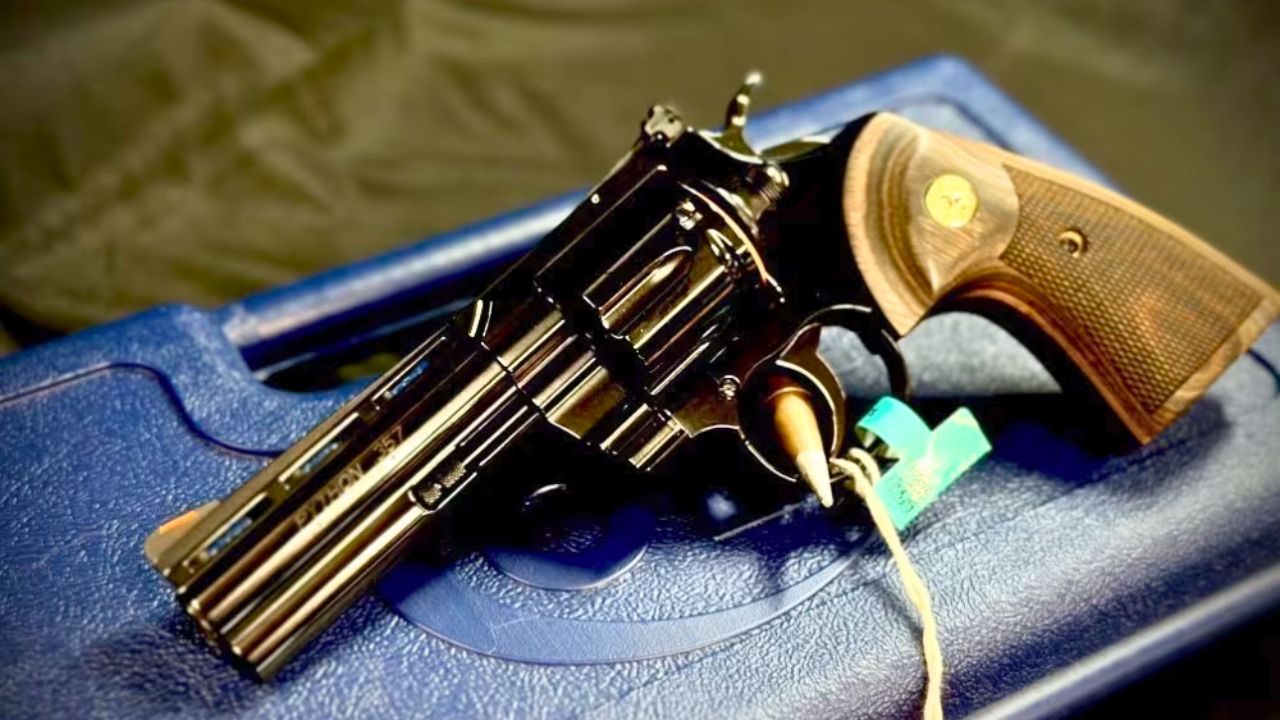
The Python is the one everyone knows, and for good reason. The old ones have that “bank vault” feel when the cylinder closes, and the double-action pull has a smooth stack you can actually learn and use. They point naturally, and the ribbed barrel just looks right.
They’re also a headache to replace if you let one go. Original finish, correct grips, and no timing issues are what separate a “nice” Python from a money pit. The modern reissues are solid shooters, but the old ones are what collectors chase.
2. Colt Diamondback
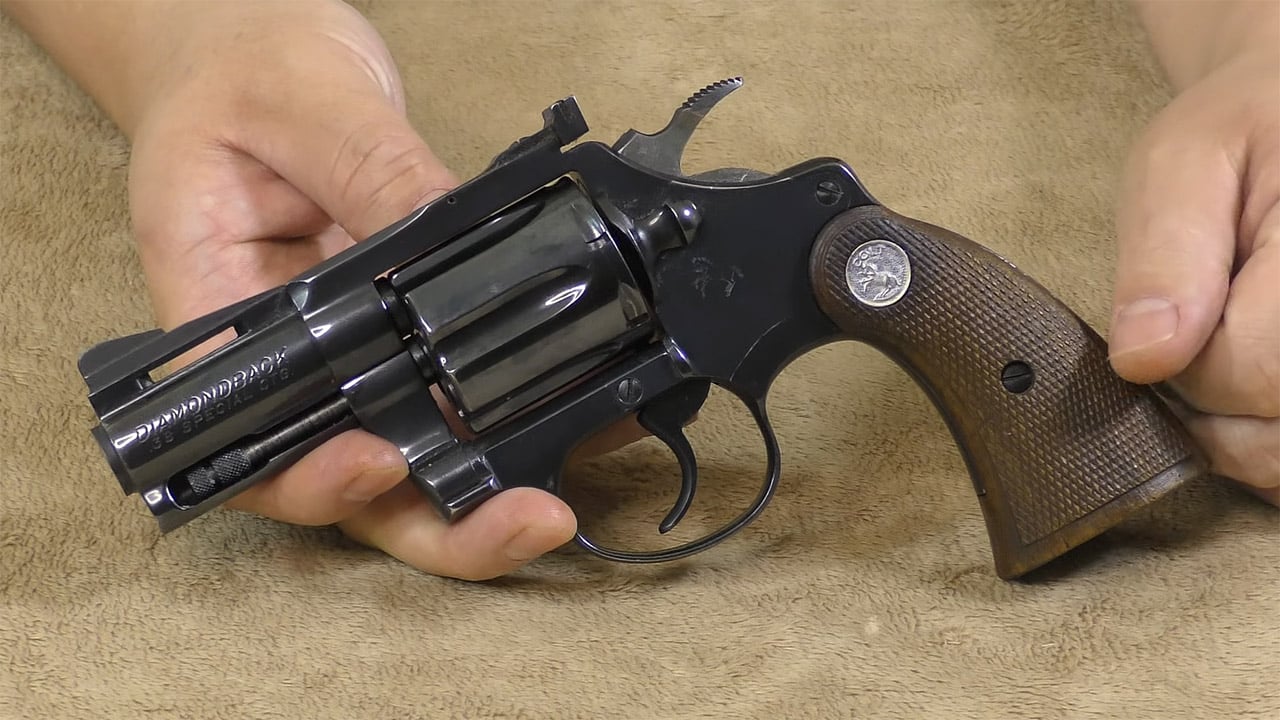
This is basically the Python’s little brother with a similar vibe—sleek lines, great balance, and that Colt lockwork feel. Most Diamondbacks you see are .38 Special, though .22 LR versions exist and are especially sought after.
They carry a little better than a Python, and they make an excellent “woods walk” revolver if you’re not trying to fight bears. Clean examples don’t sit long on a shelf anymore.
3. Colt Detective Special (pre-1973)
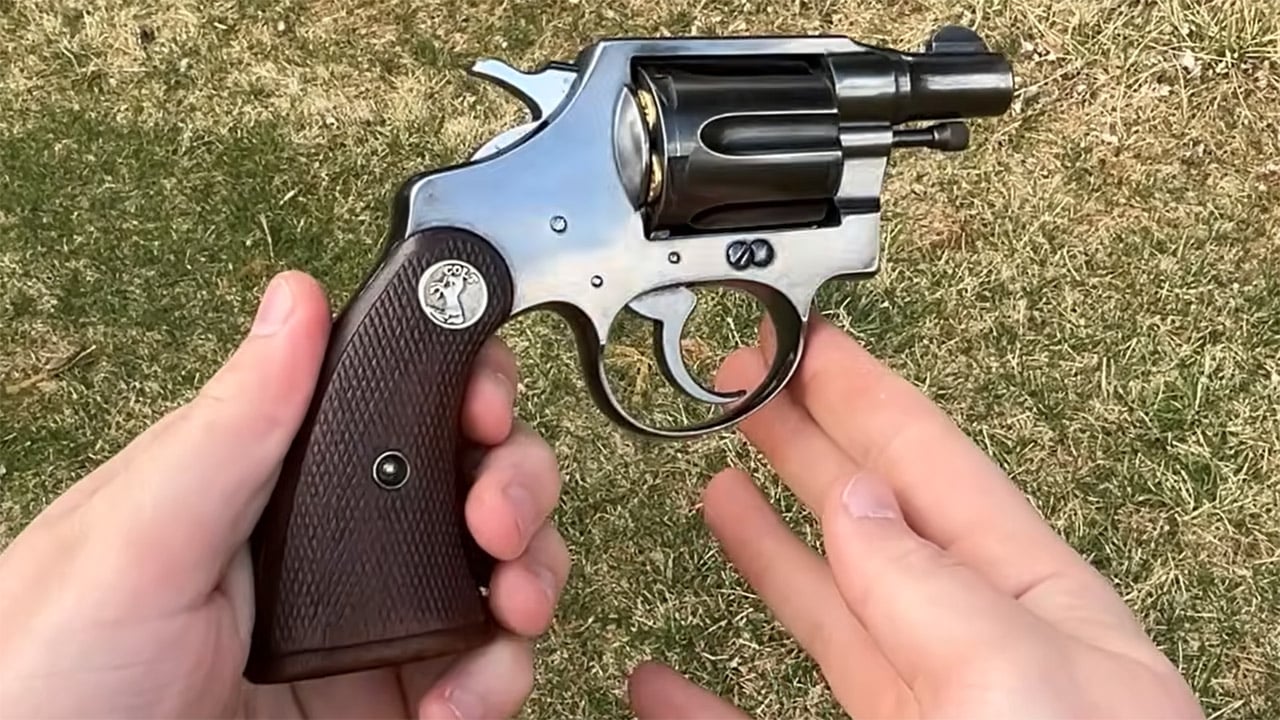
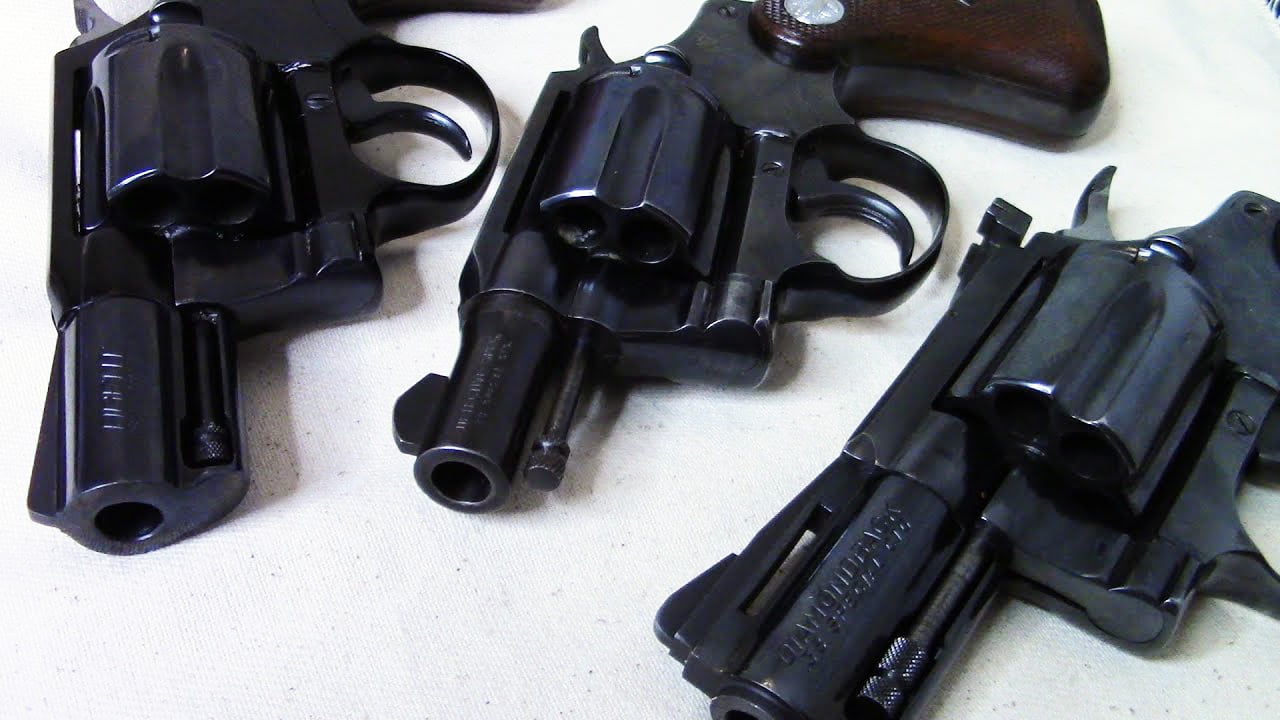
The Detective Special is what a lot of snub-nose revolvers wanted to be. Six shots in a small frame, good sights for the size, and a trigger that can be surprisingly nice if it hasn’t been abused.
These are easy to underestimate because they look like “just another old snub.” But collectors love early guns in good shape, and the market loves that classic Colt name on a practical, carry-sized revolver.
4. Colt Police Positive Special
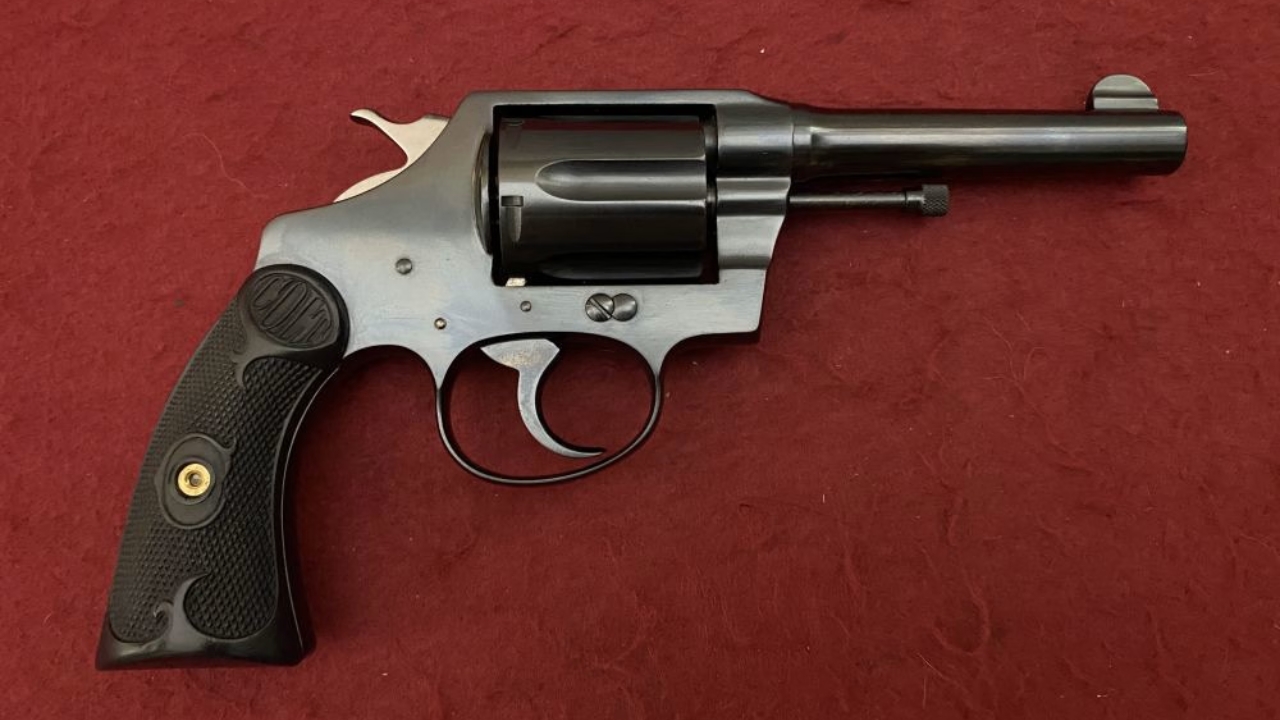
Here’s a working-man’s Colt that turned into a collector’s Colt. It’s not fancy, and that’s kind of the point. A lot of them rode in holsters for decades and still lock up tight.
Original grips, intact bluing, and matching numbers matter. When you find a truly clean one, you’re not buying a “cheap old revolver” anymore—you’re buying a piece of American police history.
5. Smith & Wesson Registered Magnum (pre-Model 27)
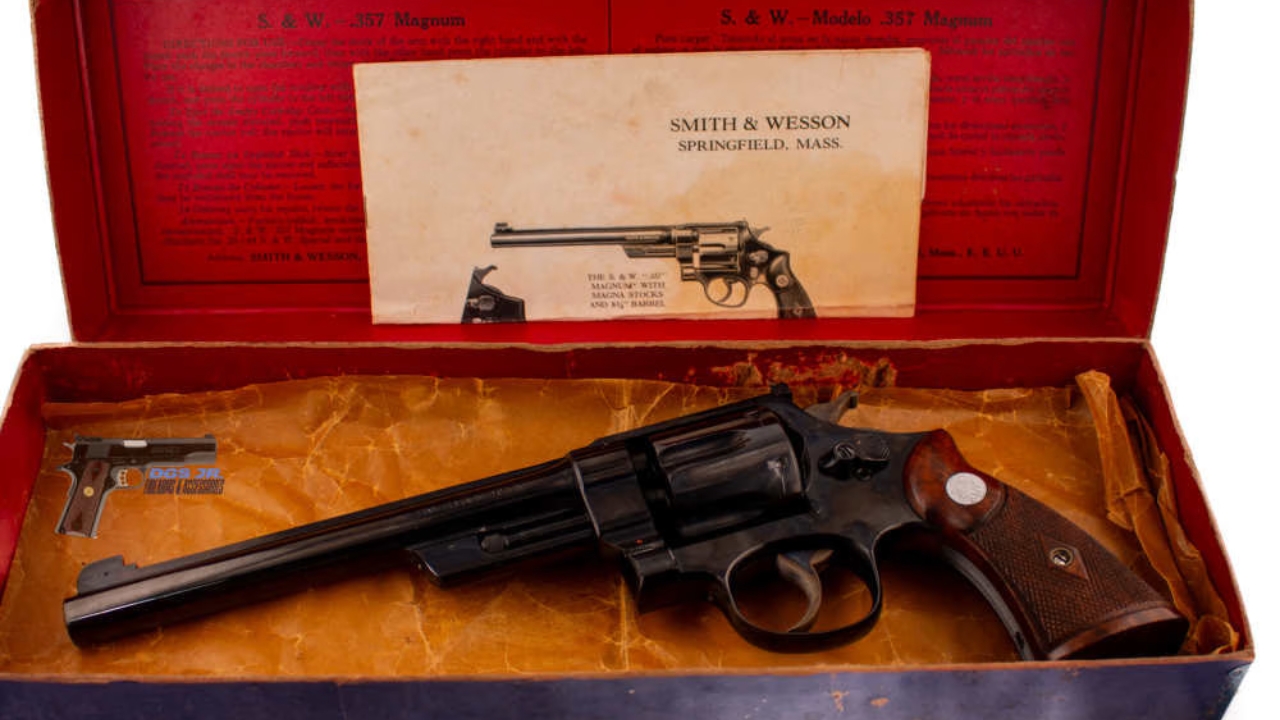
If you know, you know. These were the early deluxe .357 Magnums, and they weren’t mass-produced the way later revolvers were. Fit and finish on the good ones is almost unfair compared to modern production guns.
They’re not something you toss in a truck console. They’re also not something you replace casually when you decide you want one again. Condition and documentation can swing values hard, but even average examples are well beyond “new pistol” money.
6. Smith & Wesson Model 27 (pinned & recessed era)
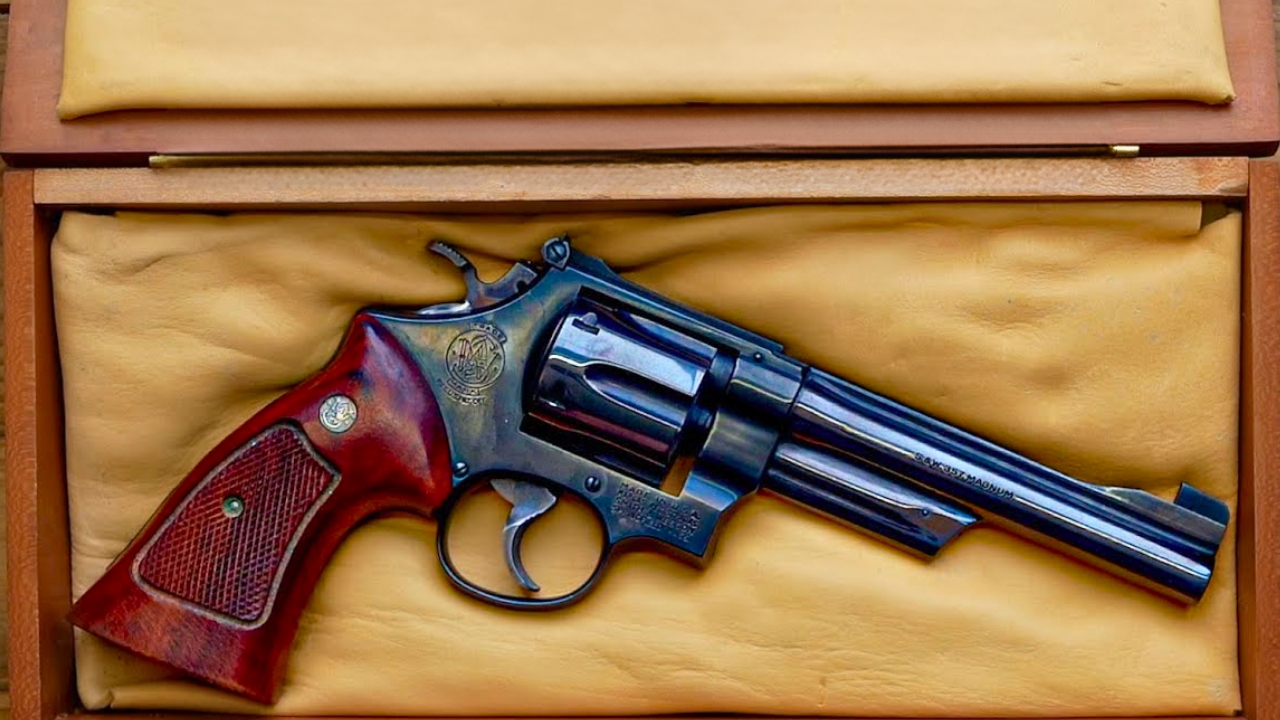
The Model 27 is a big, handsome N-frame that feels like it was built for a lifetime of full-house .357. It’s not light. It’s not discreet. It’s also the kind of revolver you hand to a new shooter and watch them grin when the recoil comes back as a firm push instead of a slap.
Collectors chase the older “pinned and recessed” guns, especially with original stocks and a clean top strap. They’re pricey because they’re good—and because the market has decided they’re important.
7. Smith & Wesson Model 19 Combat Magnum (early, pinned barrel)
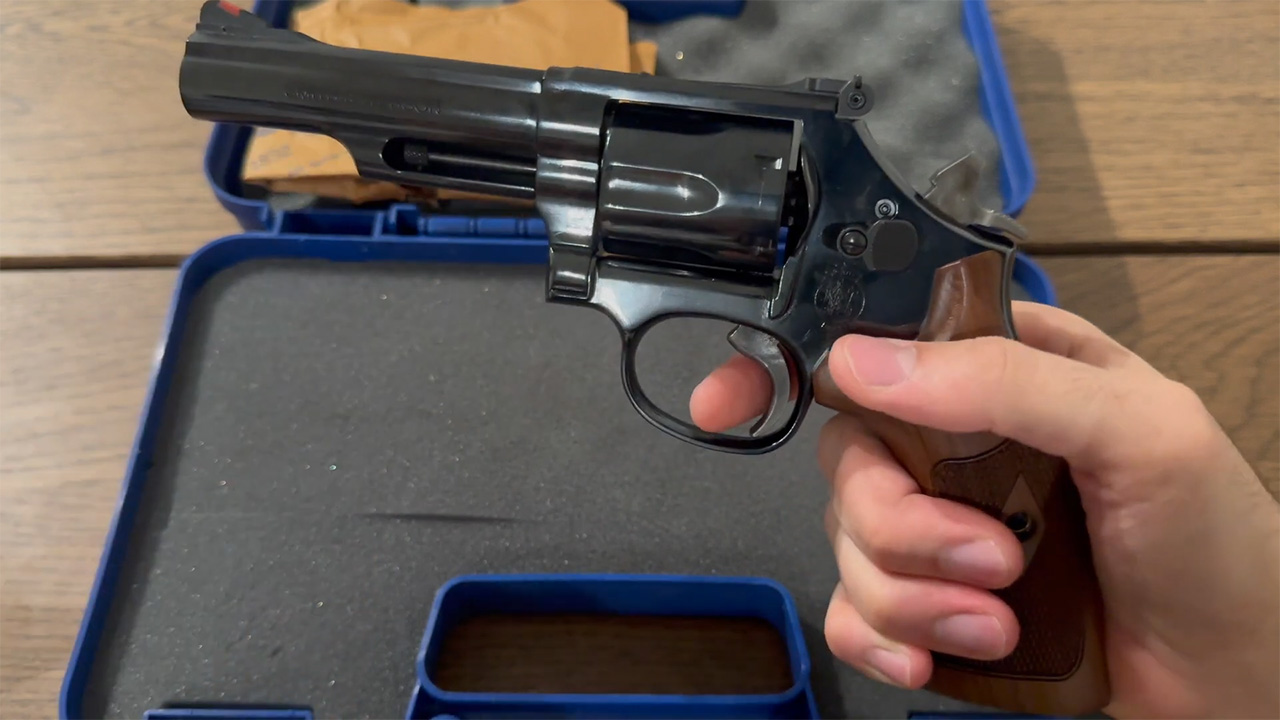
Bill Jordan’s influence is all over this revolver. It carries like a service gun but shoots like something nicer, and the balance is just plain friendly. A good Model 19 points fast, which matters if it’s a trail gun or a home gun.
They’re not rare, but nice ones are getting harder to find because so many were carried hard. A clean early gun with correct parts is worth real money now.
8. Smith & Wesson Model 66 (no-dash and early variants)
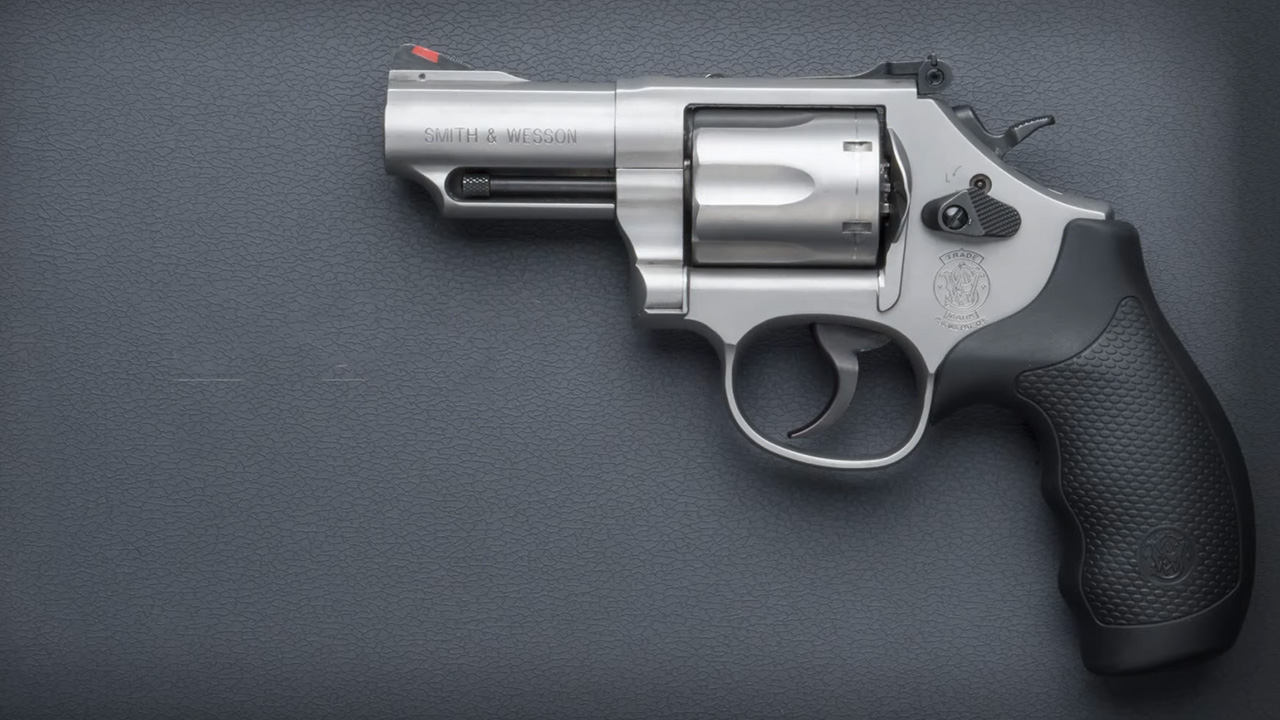
Stainless steel changed the game for duty guns, and the Model 66 is one of the best examples of why. It’s basically a stainless Model 19, and it’s about as practical as an “old classic” gets for an outdoorsman.
Early no-dash guns in nice shape get attention, especially if they haven’t been messed with. It’s also one of those revolvers that makes you wonder why you ever thought you needed five different striker-fired 9mms.
9. Smith & Wesson Model 29 (classic .44 Magnum)
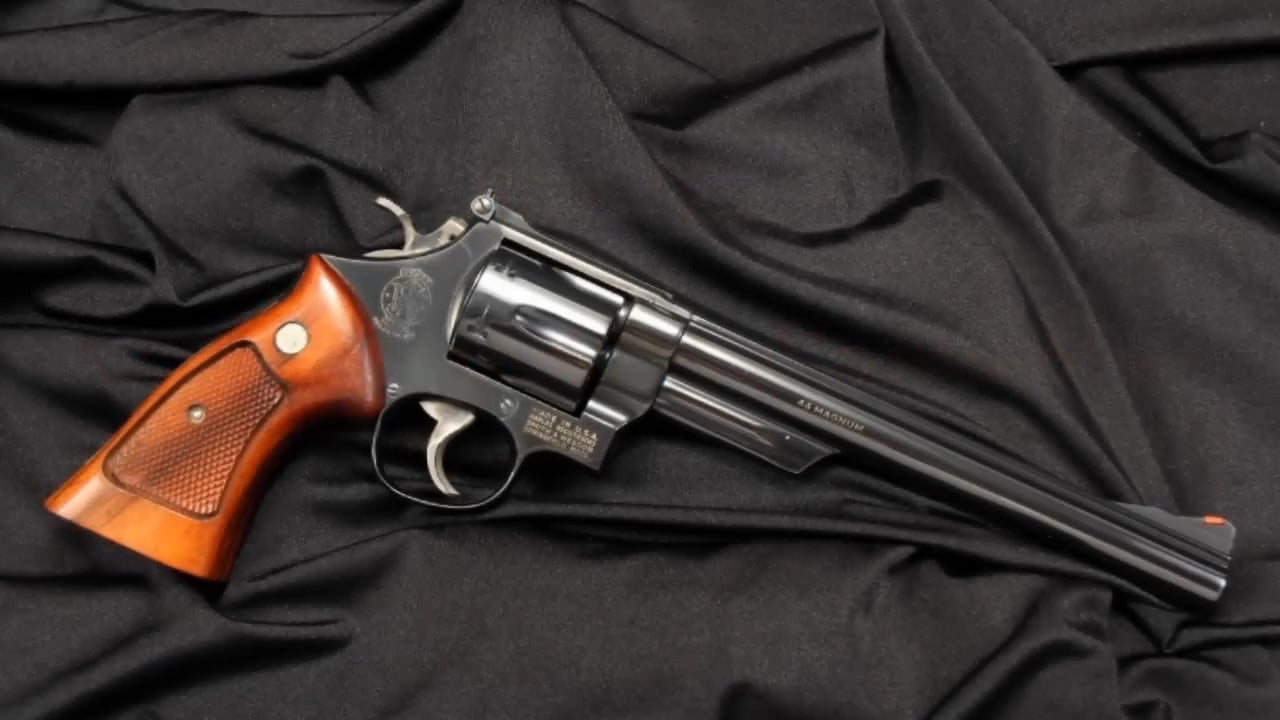
Everybody wants to say they don’t care about the Dirty Harry factor, but they do. Beyond that, the Model 29 is a serious revolver for serious loads, and an old one has a feel that newer guns don’t always match.
Some are safe queens, some are hunting guns, and some are a little bit of both. Early examples and desirable barrel lengths bring strong prices, especially if the finish is honest and not reworked.
10. Smith & Wesson Model 57 (.41 Magnum)
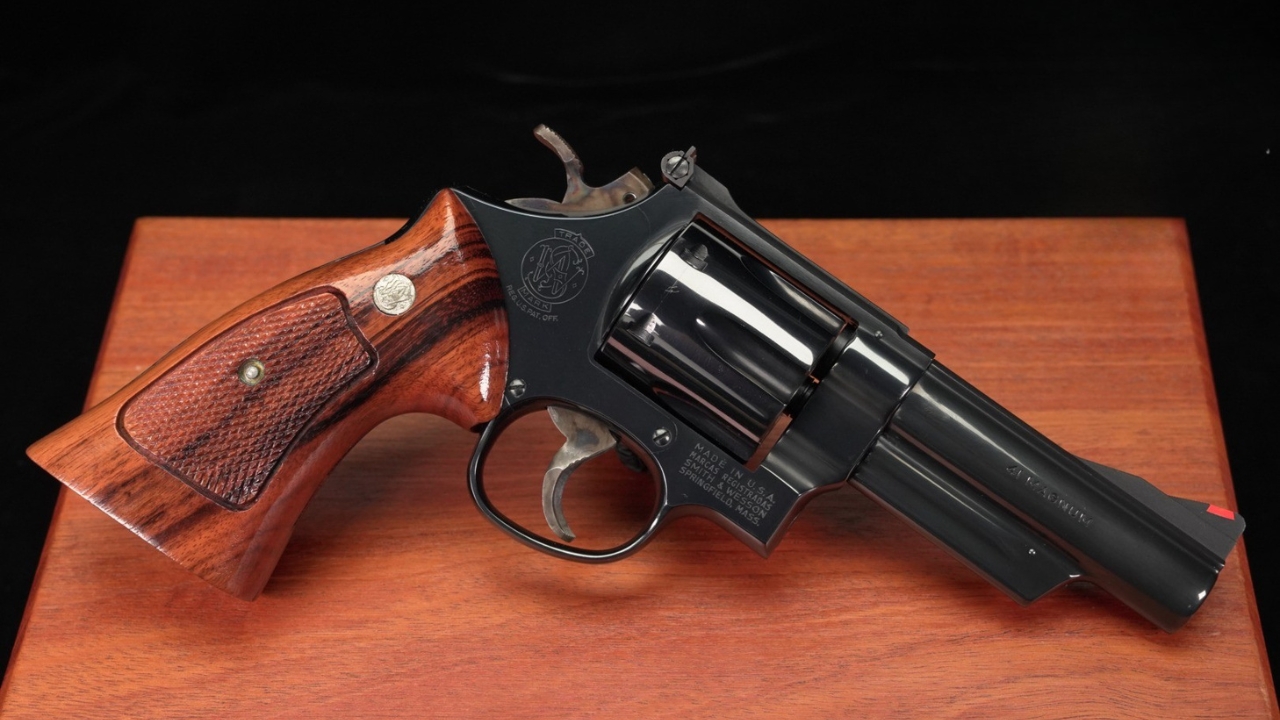
The .41 Magnum is one of those cartridges that never got the love it deserved from the wider world, but the people who like it really like it. The Model 57 is a handsome revolver with the kind of finish work you don’t see much now.
If you hunt with a revolver or just appreciate a powerful field gun that’s a little different, this one makes sense. The scarcity of clean examples pushes prices up, even though it’s not as famous as the 29.
11. Smith & Wesson Model 24 / Model 624 (.44 Special)
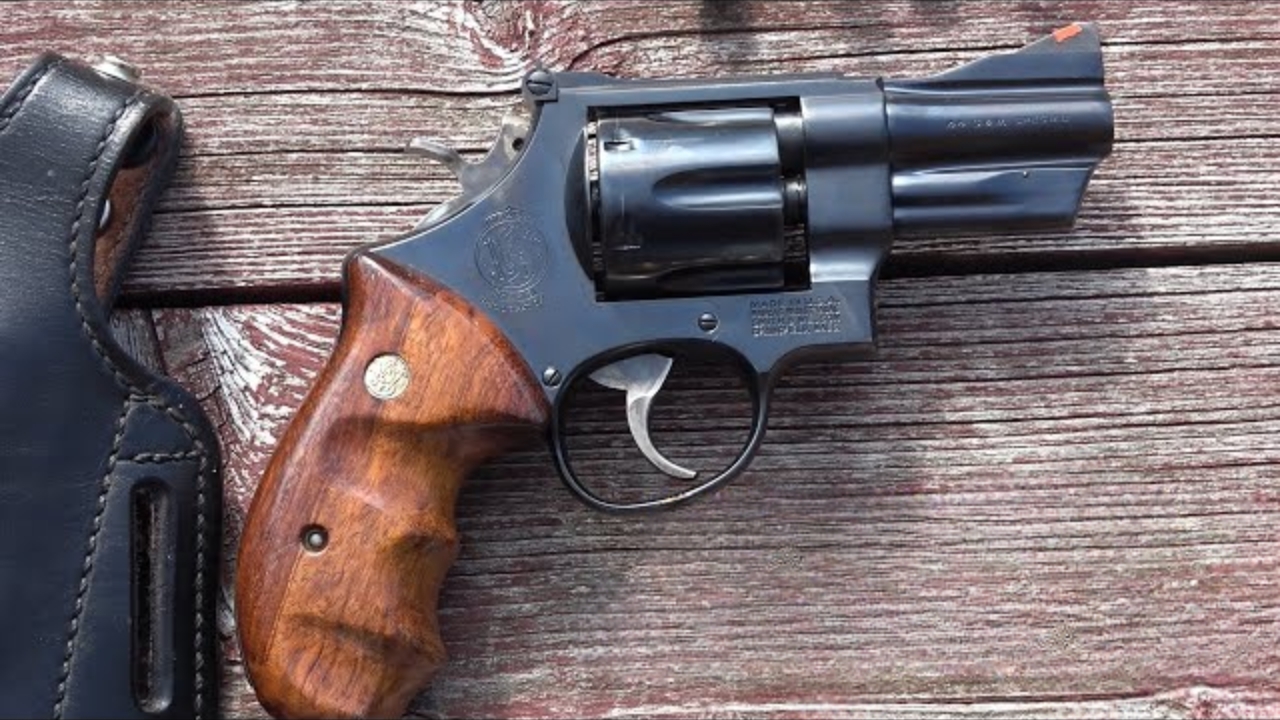
The .44 Special crowd is a specific crowd. They like big-bore comfort, accuracy, and classic cartridge history without the full .44 Magnum blast. The Model 24 in blued steel is a beaut, and the stainless 624 is a practical shooter.
These tend to get snapped up because they’re both collectible and genuinely enjoyable at the range. A good .44 Special revolver has a way of making you shoot better than you deserve.
12. Smith & Wesson Model 15 (K-38 Combat Masterpiece)
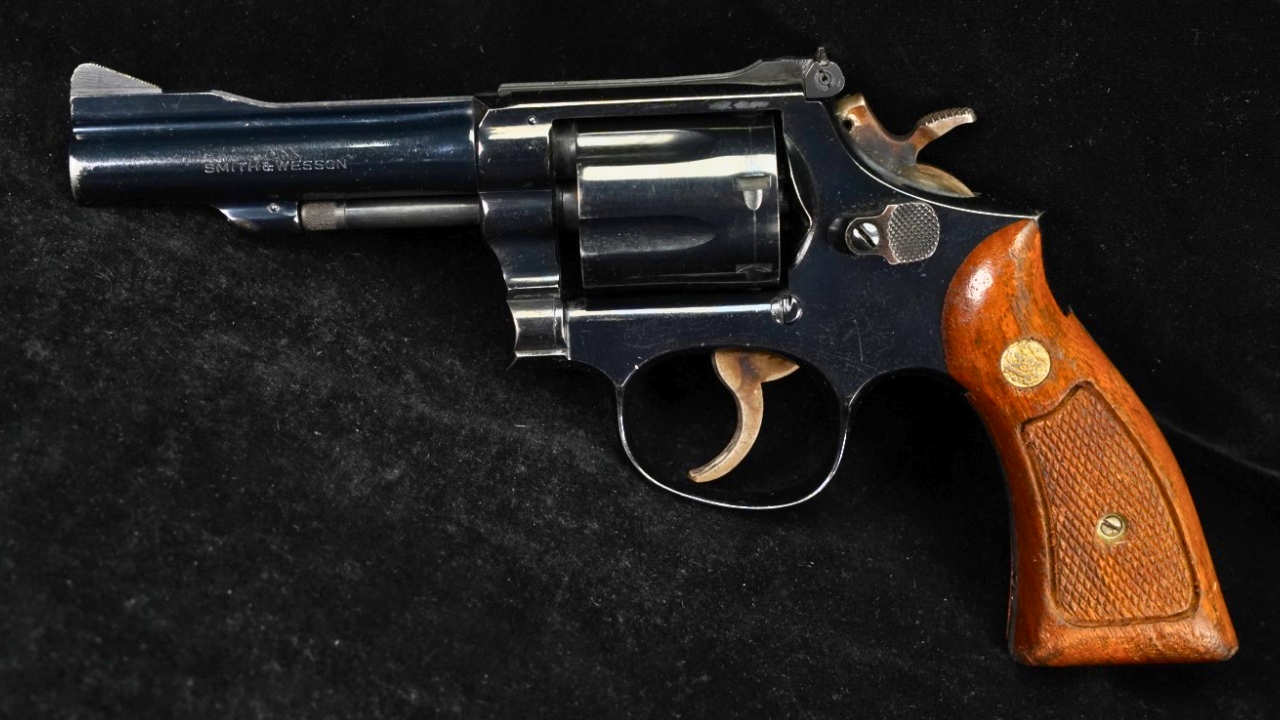
This one doesn’t look like a high-dollar collector gun until you shoot a good one. The Model 15 has a reputation for accuracy and manners, and it’s easy to see why police departments and instructors loved them.
The best examples have crisp checkering on the stocks and a trigger that feels like it’s riding on oiled glass. Prices climb because clean ones don’t show up as often as the “rode hard” service guns.
13. Smith & Wesson Model 10 (pre-Model, early variations)
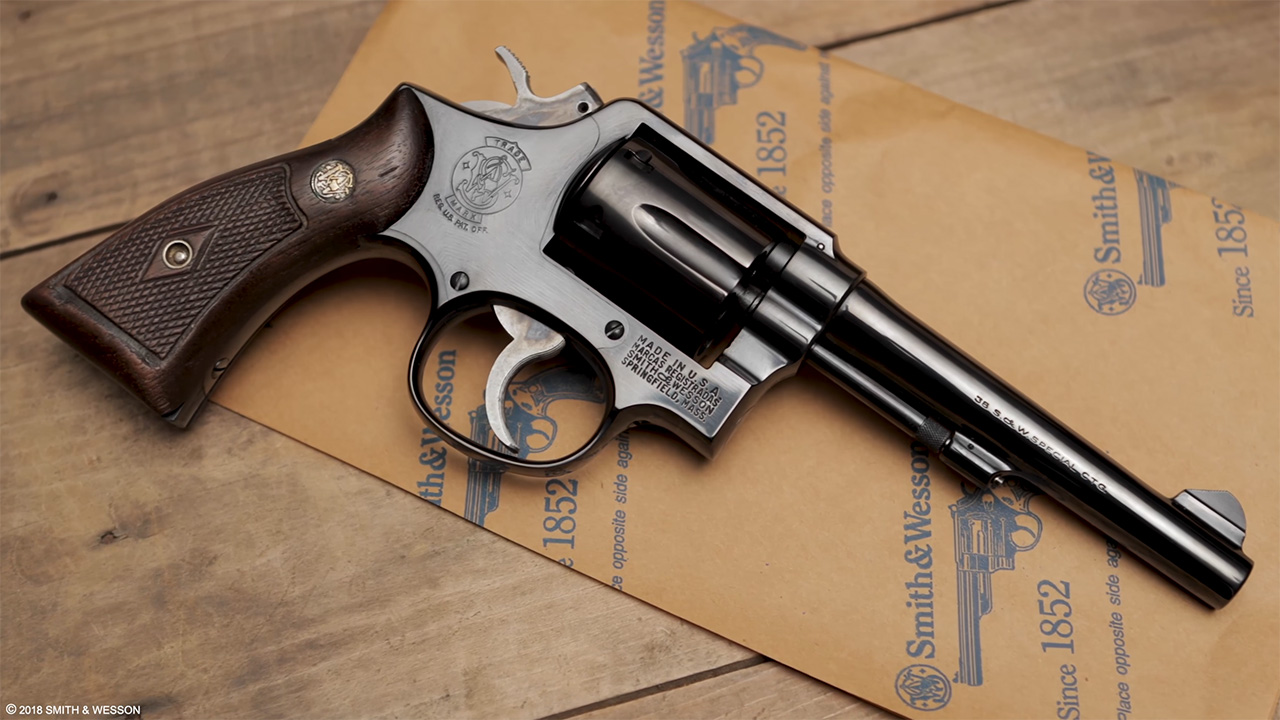
“Just a Model 10” is how guys talk themselves into selling one for cheap. Then they go shopping for a clean early example with the right markings and a nice finish and realize the market isn’t playing.
This is one of the most proven revolver designs ever made. It’s boring in the best way, and the collector world cares a lot about early variants, barrel profiles, and condition.
14. Ruger Blackhawk “Flattop” (three-screw, early production)
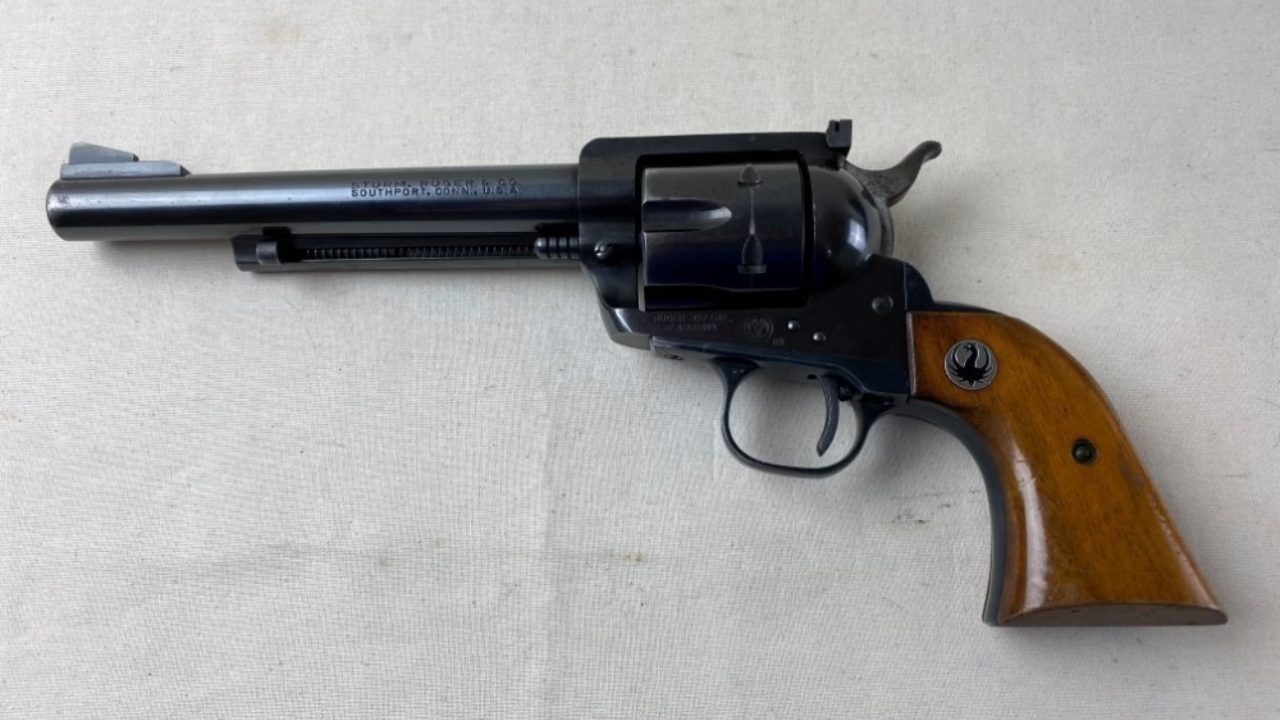
If you grew up around single-actions, you know why these matter. The early three-screw Rugers have a different feel, and the “flattop” configuration is a big part of why collectors chase them.
They’re not dainty, and they’re not meant to be. A good one is a tough field companion, but the real value comes from originality—correct parts, correct finish, and no kitchen-table tinkering.
15. Ruger Super Blackhawk (early production, .44 Magnum)

The Super Blackhawk is the revolver that ends a lot of debates about strength. It’s a working gun that can also be a collector gun, depending on age, configuration, and condition.
Some of these lived in hunting rigs and did honest work. The early ones in clean shape, especially with desirable features, pull strong money because they’re part of the Ruger story and still completely usable.
16. Ruger Bearcat (early production)
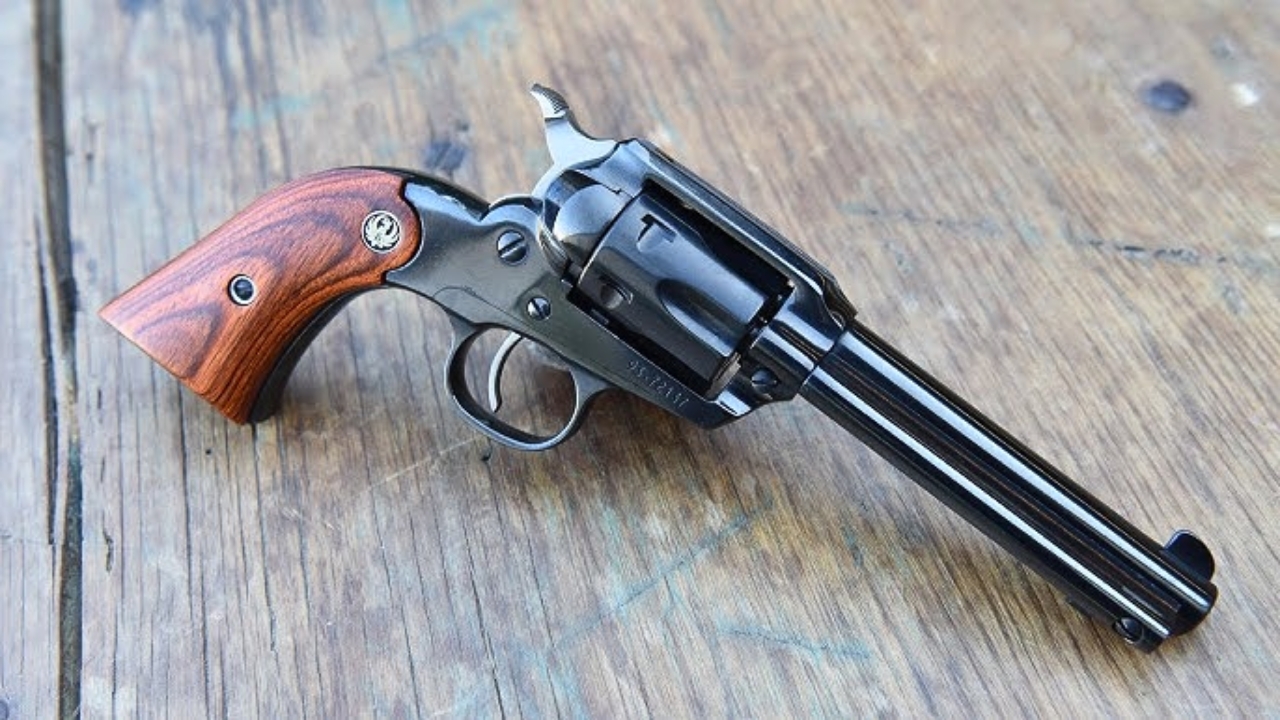
Small .22 revolvers have a special place in the woods. They ride easy, they’re great for camp, and they make you a better shot without burning up expensive ammo. The Bearcat is one of the best “grab it and go” revolvers ever made.
Older Bearcats in nice shape bring more than people expect because they’re charming, practical, and not getting any more common. The ones with clean edges and unbuggered screws are the keepers.
17. Colt Single Action Army (1st/2nd generation)

This is the one that turns a casual gun guy into a collector. The feel is pure tradition, and the look is unmistakable. If it’s original and legitimate, it’s expensive—sometimes shockingly expensive.
It’s also one of the easiest places to get burned if you don’t know what you’re looking at. If you’re shopping one, you want a knowledgeable set of eyes on it, because “restored” and “original” are two different planets.
18. Smith & Wesson Model 3 (Schofield / New Model No. 3 variants)
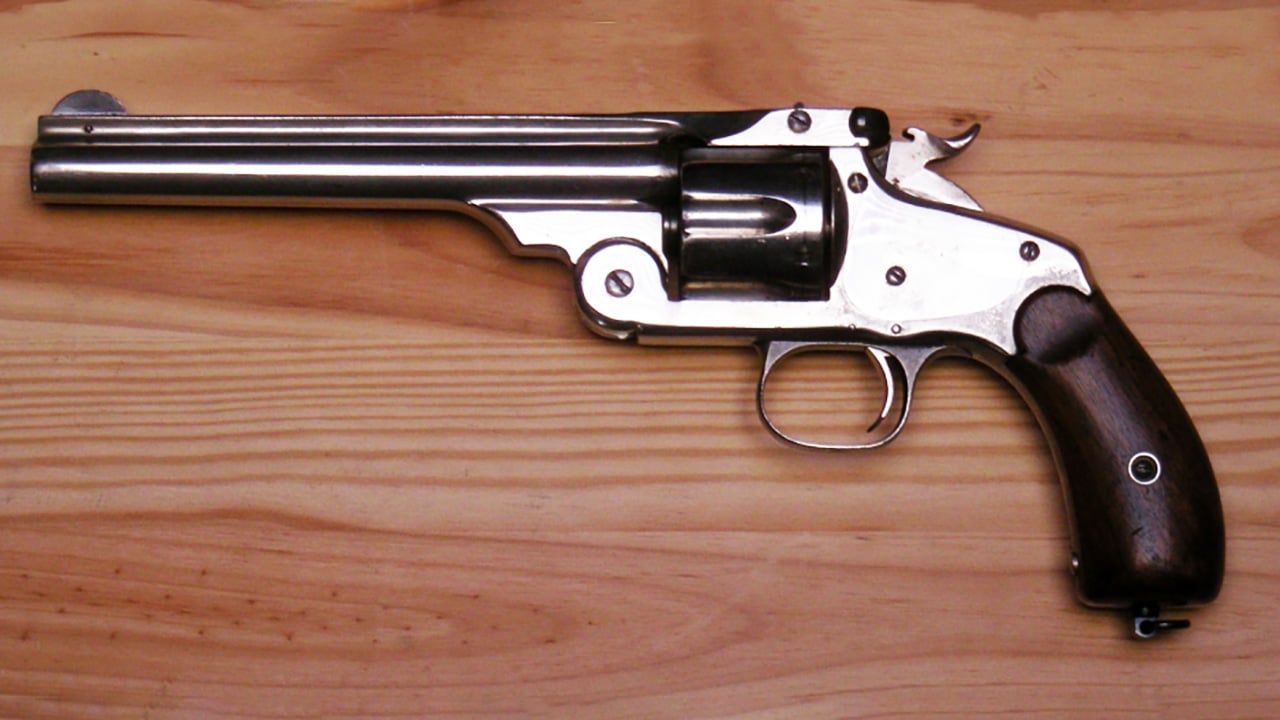
Top-break revolvers are a rabbit hole, and the Model 3 family is right in the center of it. They’re historic, they’re mechanically interesting, and they have that Old West look without being a modern replica.
You’re paying for history and scarcity more than pure shootability. But if you want a revolver that makes people at the range stop talking mid-sentence, this is the kind of gun that does it.
19. Webley Mk VI (British service revolver)
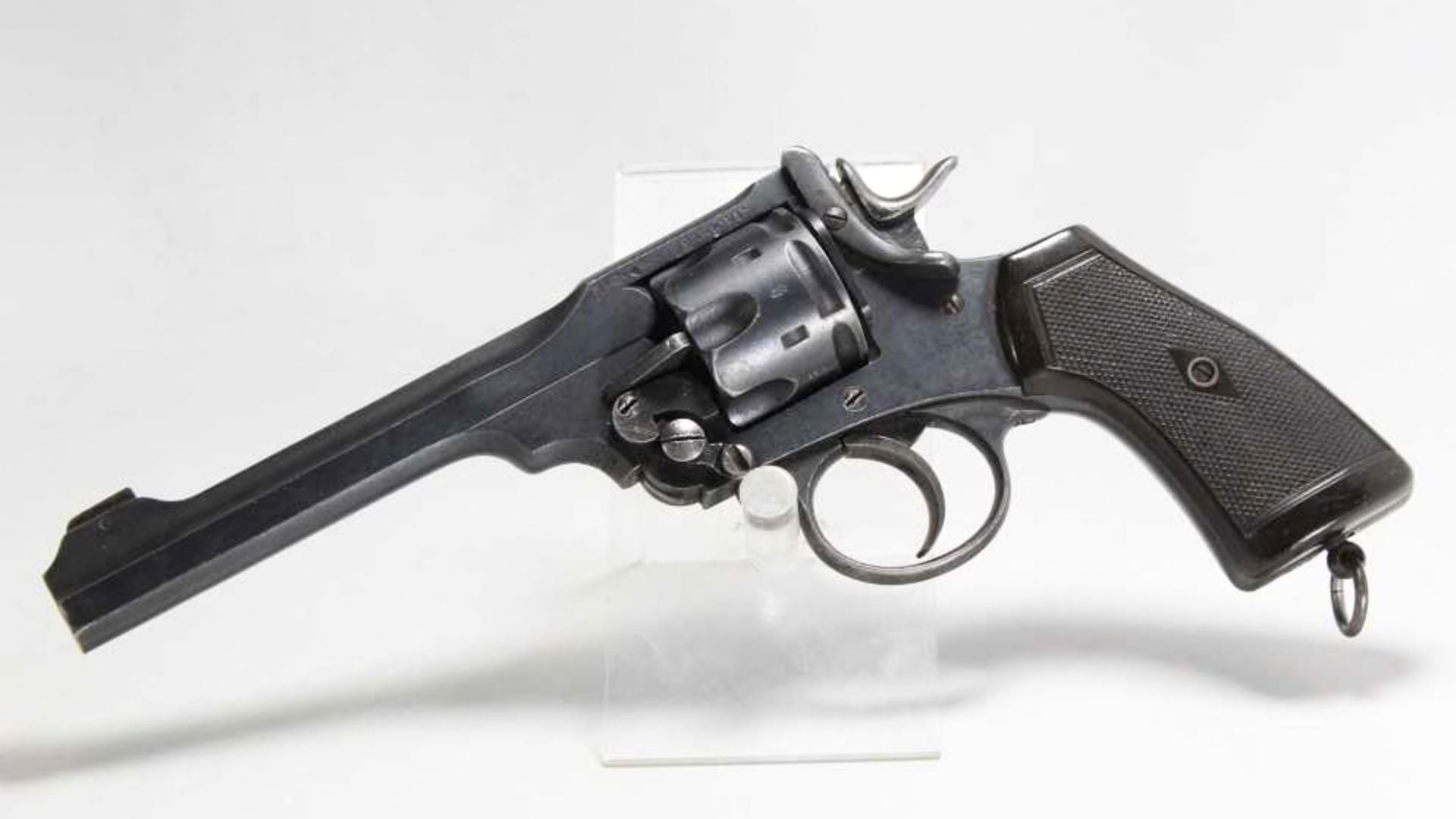
The Webley has a clunky, lovable personality. Big frame, top-break action, and enough history baked into it that you can almost smell old canvas gear when you handle one.
Original chamberings and condition matter a lot. Some were altered over the years, and that affects both value and how practical they are to shoot. A clean, correct example has become a serious collector piece.
20. Colt Official Police
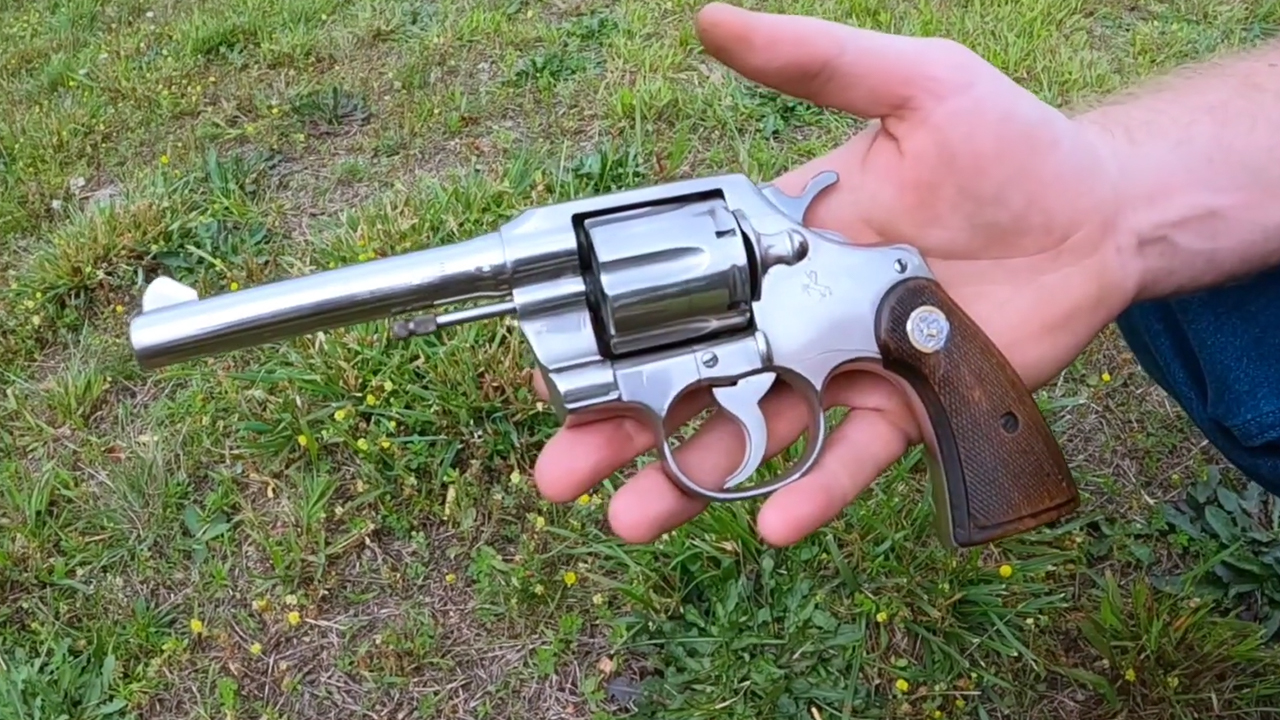
This revolver doesn’t get the glamour treatment, but it deserves respect. They were carried by the truckload, and plenty of them still have a tight lockup and a trigger that makes you wonder why you ever tolerated a gritty new gun “because it’s fine.”
High-condition guns, early production, and correct details can push values well above what you’d expect. The beat ones are still good shooters, but the clean ones are where the money is, and they’re not getting easier to find.
Here’s the part I always come back to: not every old revolver is a treasure, and not every high-dollar revolver is the right tool for your life. But if you’ve got one of these sitting in the back of the safe, don’t treat it like a spare tire. Check the timing, keep it clean, store it right, and think twice before you trade away steel and history for a plastic impulse buy. That one hurts later.
Like The Avid Outdoorsman’s content? Be sure to follow us.
Here’s more from us: