Photo credit: Alabama Arsenal/Youtube
Every season, somebody shows up at camp with a “new” gun that looked perfect on the counter and felt even better in the living room. Then the climb starts, the weather turns, the gloves go on, the sling twists up, and that same gun starts feeling like a boat anchor with a trigger. You do not notice it at the truck. You notice it three ridges in, when you are side-hilling through slick leaves and your off shoulder is starting to burn.
This isn’t about brand loyalty or internet arguments. It’s about what actually happens when you carry a firearm all day, in real terrain, with real layers on, and maybe a pack riding high on your back. Some guns are accurate and reliable and still end up being a burden before the day is done. Others are “cool” right up until the moment you need to quietly get on target without fighting your own equipment.
1. Remington 700 SPS Tactical (in a hunting role)
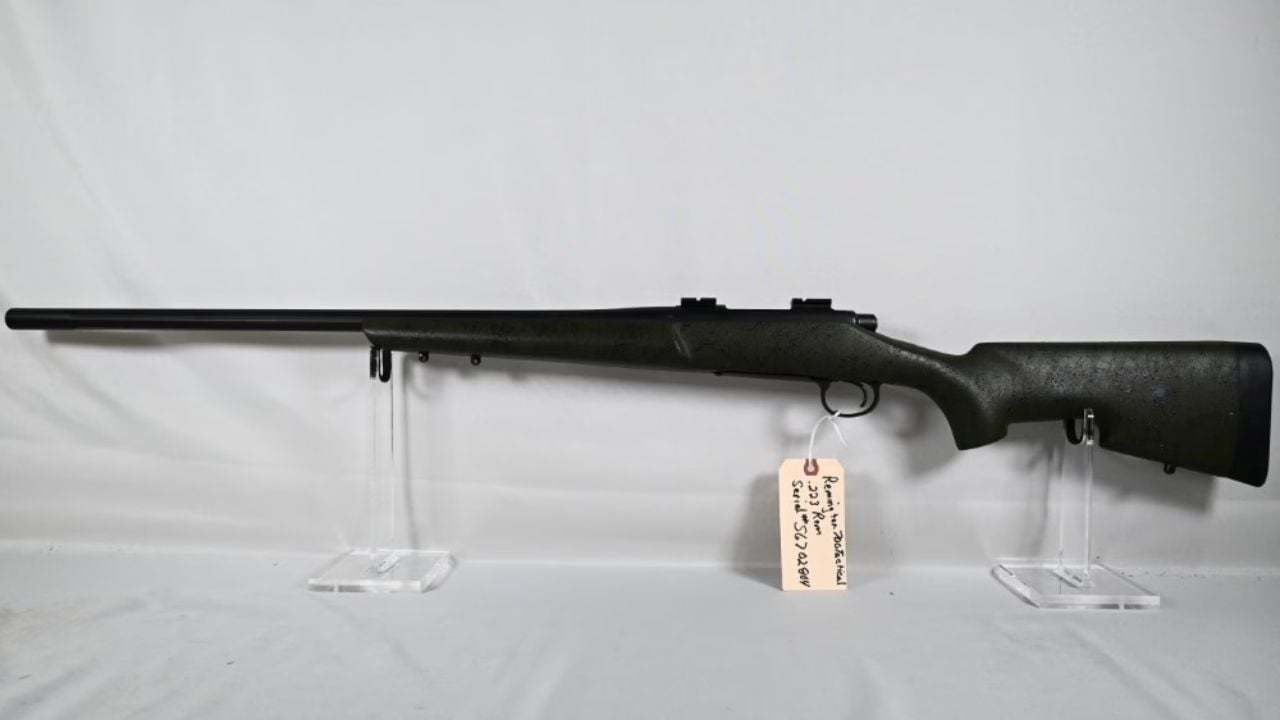
It’s a solid rifle, and I get why guys like it: heavier barrel, usually shoots well, and it looks the part. The problem is it was built with a different job in mind than hiking, still-hunting, or climbing into a stand with a backpack on.
By the time you add a bigger scope, steel rings, a bipod because “might as well,” and a full magazine, you’ve created a rifle that carries like a railroad tie. If you hunt from a blind or a truck, fine. If your hunt involves miles, you’ll start thinking about how much you miss a plain sporter.
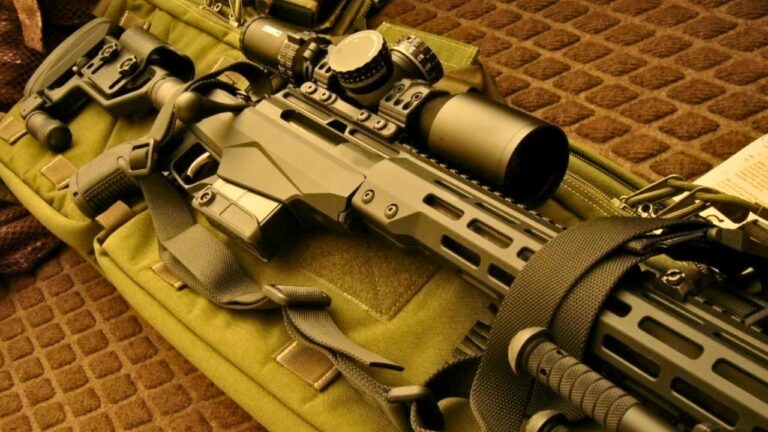
2. Ruger Precision Rifle
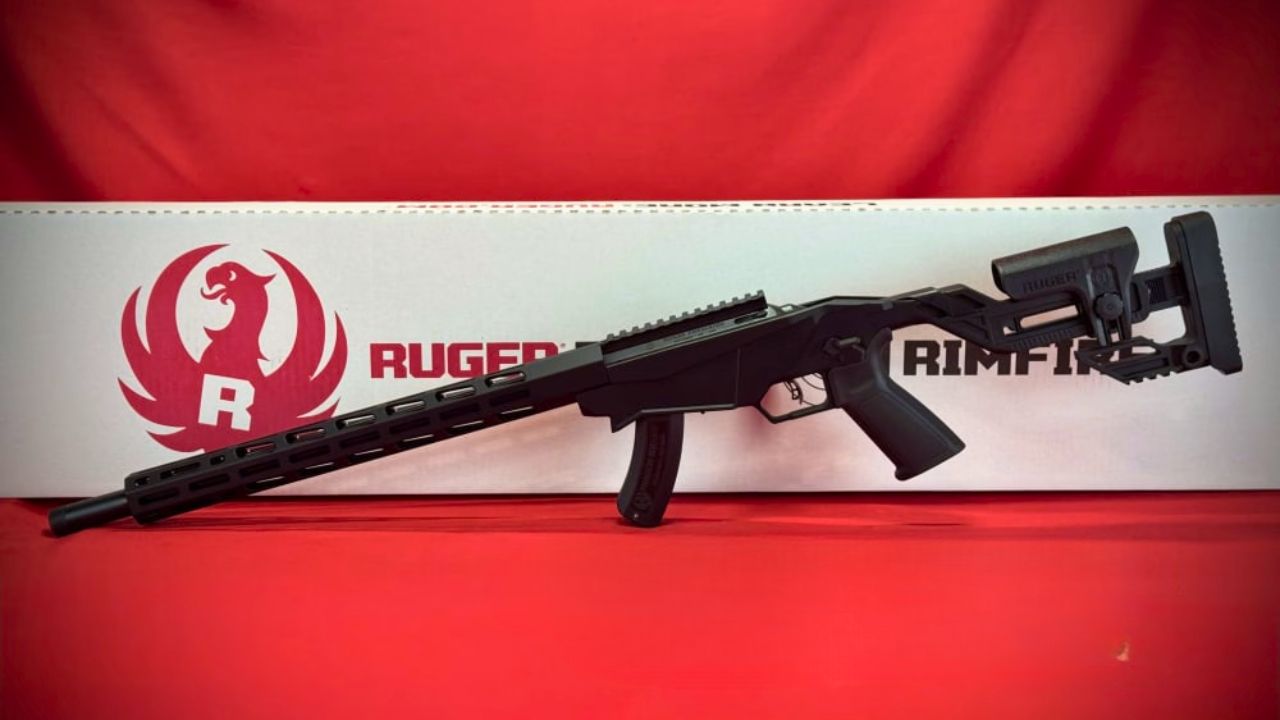
On the range, it’s a blast. From a bench, it’s almost cheating. But take one on a spot-and-stalk hunt and you’ll understand why serious hunters separate “shooting rifles” from “hunting rifles.”
The chassis is bulky, the balance is wrong for quick offhand shots, and it wants to snag on everything. If you’re packing it up a ridge, it stops being “precision” and turns into “why did I do this.”
3. Mosin-Nagant 91/30

They’re tough, they’re history, and they were cheap for a long time. But they were also designed for a different century, different tactics, and a different idea of what “comfortable to carry” means.
The length and weight make thick cover miserable, and the bolt can feel like it’s full of gravel when it’s cold or dirty. The recoil is not friendly for quick follow-ups, and if you mount optics the wrong way you just made a clunky rifle even clunkier.
4. SKS (with bargain optics and a mount)
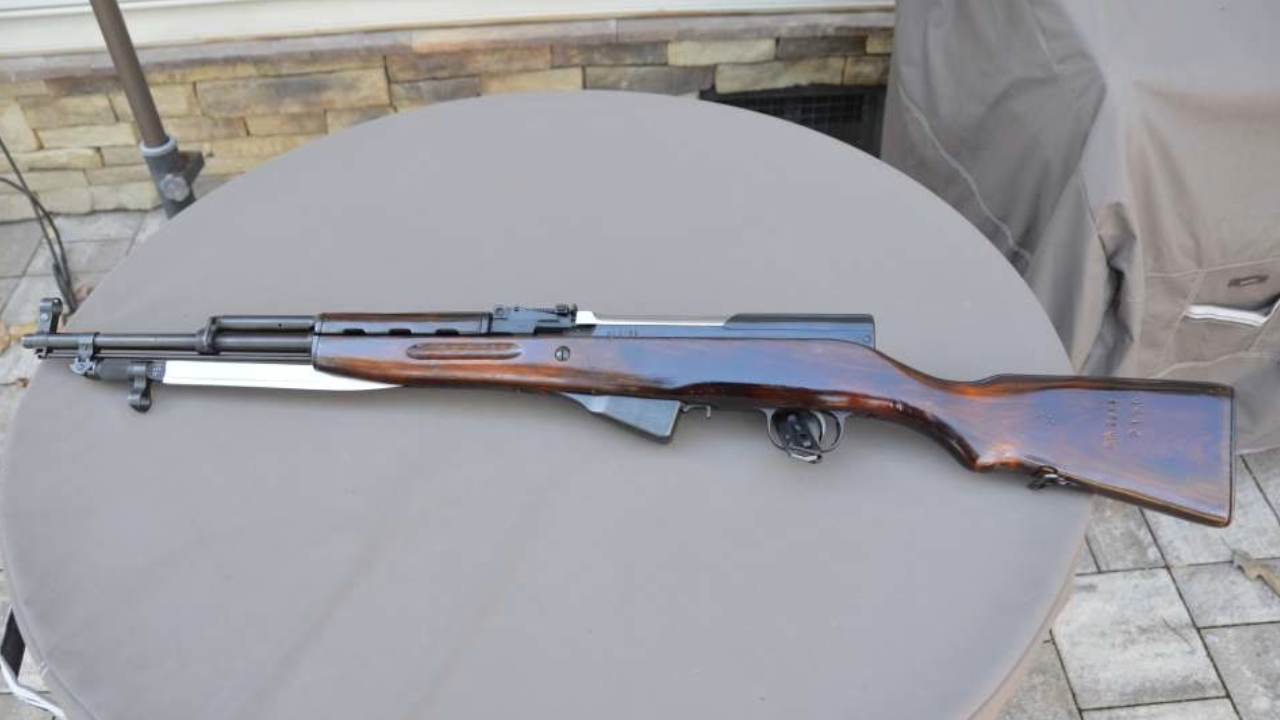
A plain SKS can be a handy woods gun inside its limits. The trouble starts when someone tries to turn it into a “modern” rifle with a cheap mount, a cheap scope, and a bunch of bolt-on parts.
Now you’ve got weight up high, a cheek weld that never feels right, and screws that like to loosen right when you’re finally seeing deer. By lunchtime you’re wishing it was either left alone or replaced with something purpose-built.
5. Thompson/Center Encore (heavy-barrel setups)
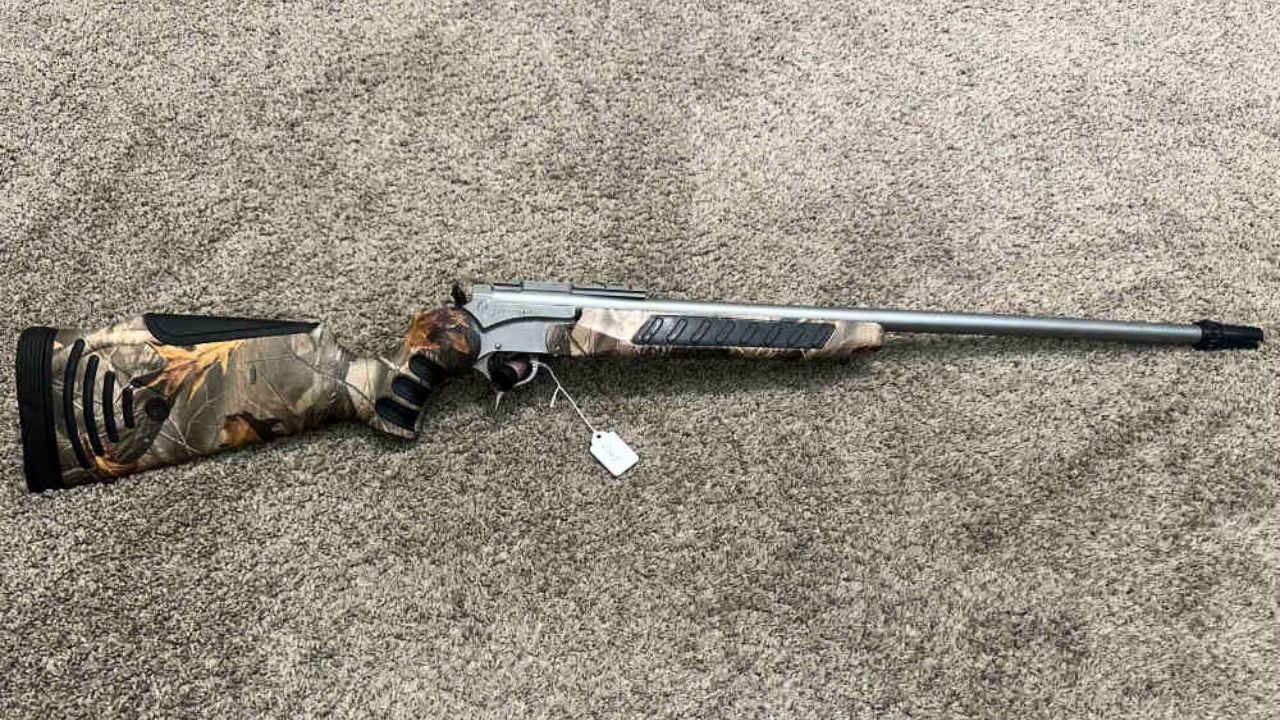
Single shots have a certain charm, and the Encore can be very accurate. Where it gets rough is when the setup creeps into heavy-barrel territory, big glass, and a stock that feels great on the bench.
Carrying it all day makes you question your life choices, and reloading a single shot with gloves on during a rushed moment is not everyone’s idea of fun. If you hunt slow and steady with planned shots, it can work. If you hunt fast, it becomes a liability.
6. Marlin 1895 SBL (when it’s over-accessorized)

I like these rifles. They point well, they carry power, and they’re handy in thick stuff. But the second you add a long rail, a heavy optic, a big light “just in case,” and a saddle full of ammo, you’ve changed the whole character.
Now it’s muzzle-heavy, louder when it bumps brush, and you feel every ounce after a few hours. A lever gun is supposed to be simple and quick. Keep it that way and it stays a joy.
7. Browning BPS (all-steel and long-barrel field guns)

The BPS is smooth and built like a tank, and the bottom-eject setup is great for lefties. The flip side is you’re carrying a whole lot of steel, and a long barrel in upland cover can feel like you brought a fence post.
Late in the day, when the birds finally start moving, that weight starts dragging your swing. If you hunt from a stationary spot, it’s less of an issue. If you walk hard, you’ll feel it.
8. Benelli Super Black Eagle (set up like a “do-everything” gun)
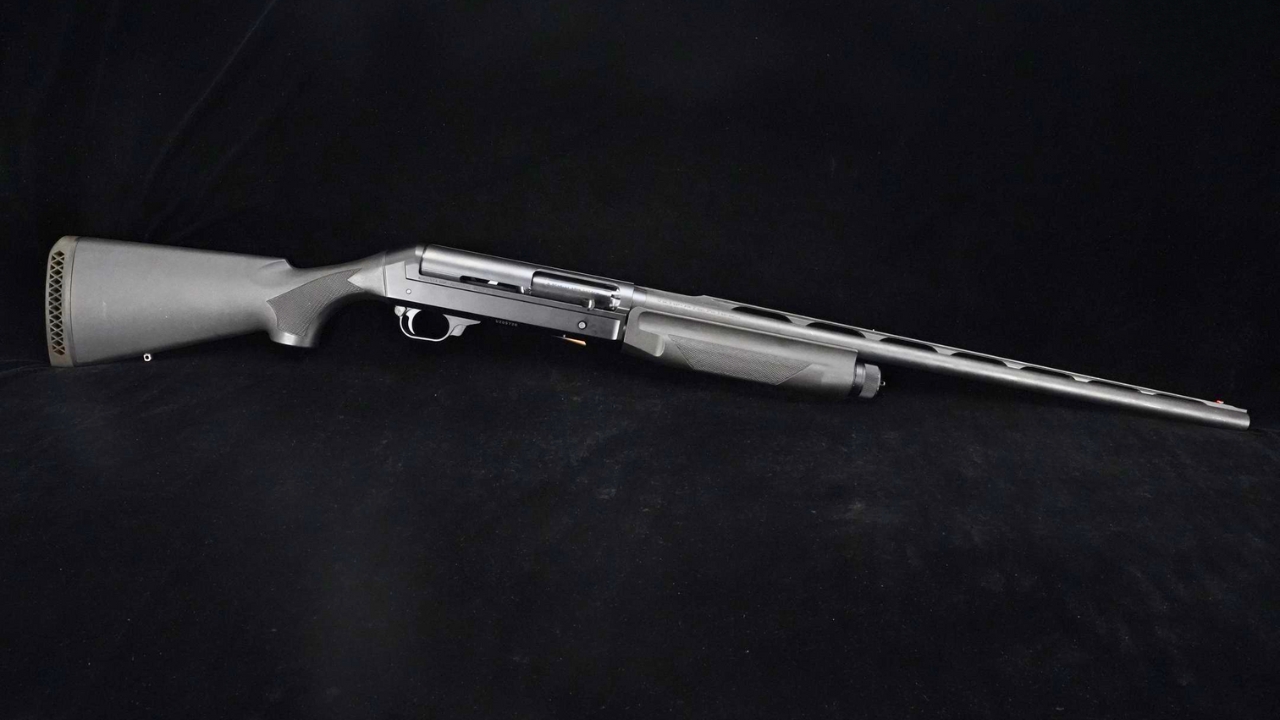
These can be excellent shotguns, and they earn their keep in nasty waterfowl weather. The problem is when one gun is expected to cover geese, turkeys, and upland with every accessory attached all the time.
A big optic for turkey, extended tubes, shell carriers, oversized everything—suddenly your “light” semi-auto isn’t. You end up carrying extra stuff you don’t need for the day’s hunt because you didn’t want to reconfigure it at home.
9. Henry Big Boy Steel (in .44 Mag or .45 Colt)

They look great and they run smooth, but the steel models are not light. Add a full magazine tube and a sling that never seems to sit right, and you’ve got a rifle that feels heavier every hour.
For short sits and quick walks, no problem. For all-day tracking or still-hunting, you’ll notice how much nicer a lighter lever gun carries, even if it’s not as pretty.
10. Savage 10/110 BA Stealth
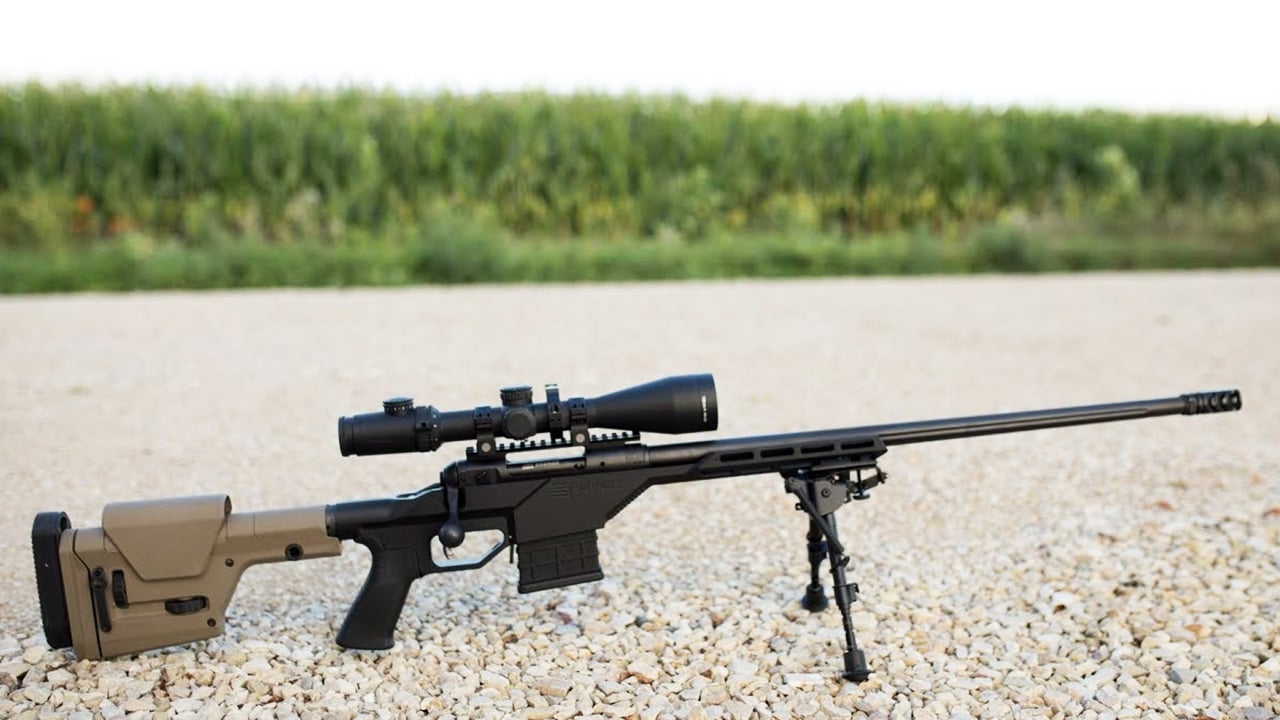
Savage builds shooters, and the BA Stealth scratches the “tactical bolt gun” itch. In the deer woods, it’s a lot of rifle to manage, especially if you’re squeezing through brush or climbing into a stand.
The chassis edges and protrusions catch on straps and jackets. It’s also easy to over-scope it, which makes the whole rig top-heavy. You can absolutely hunt with it, but you’ll work harder than you need to.
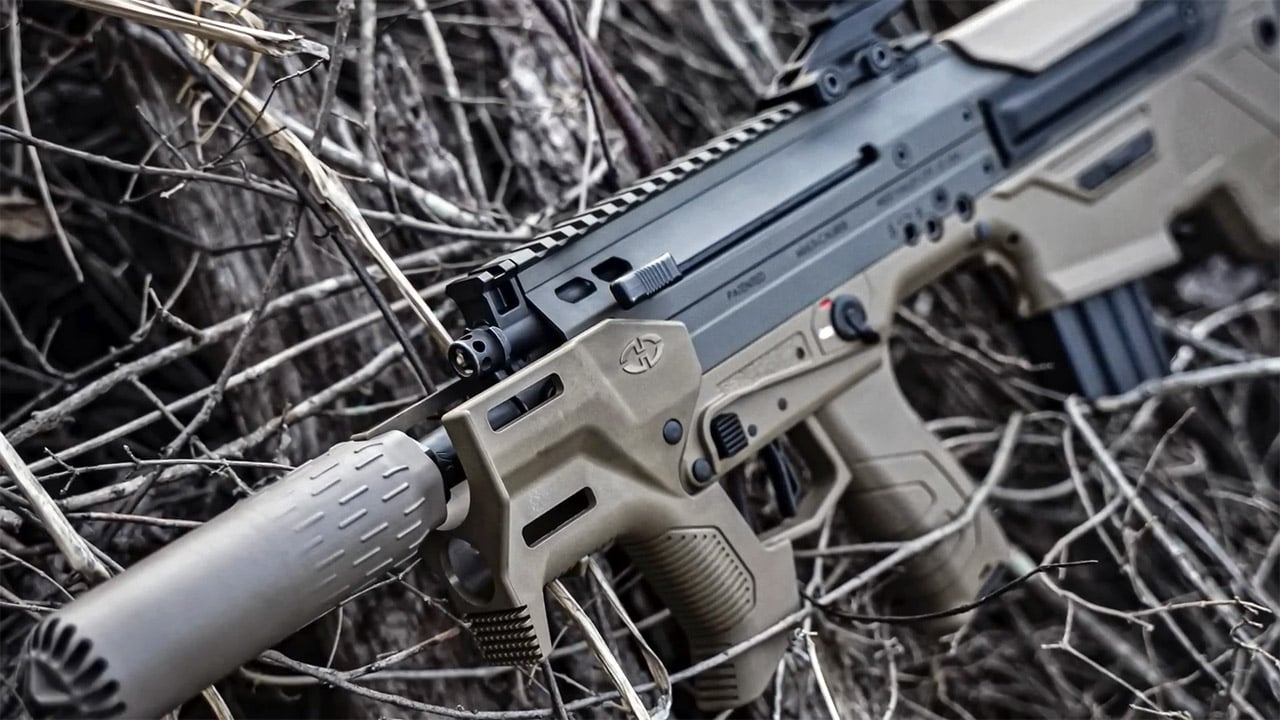
11. Desert Tech MDRX
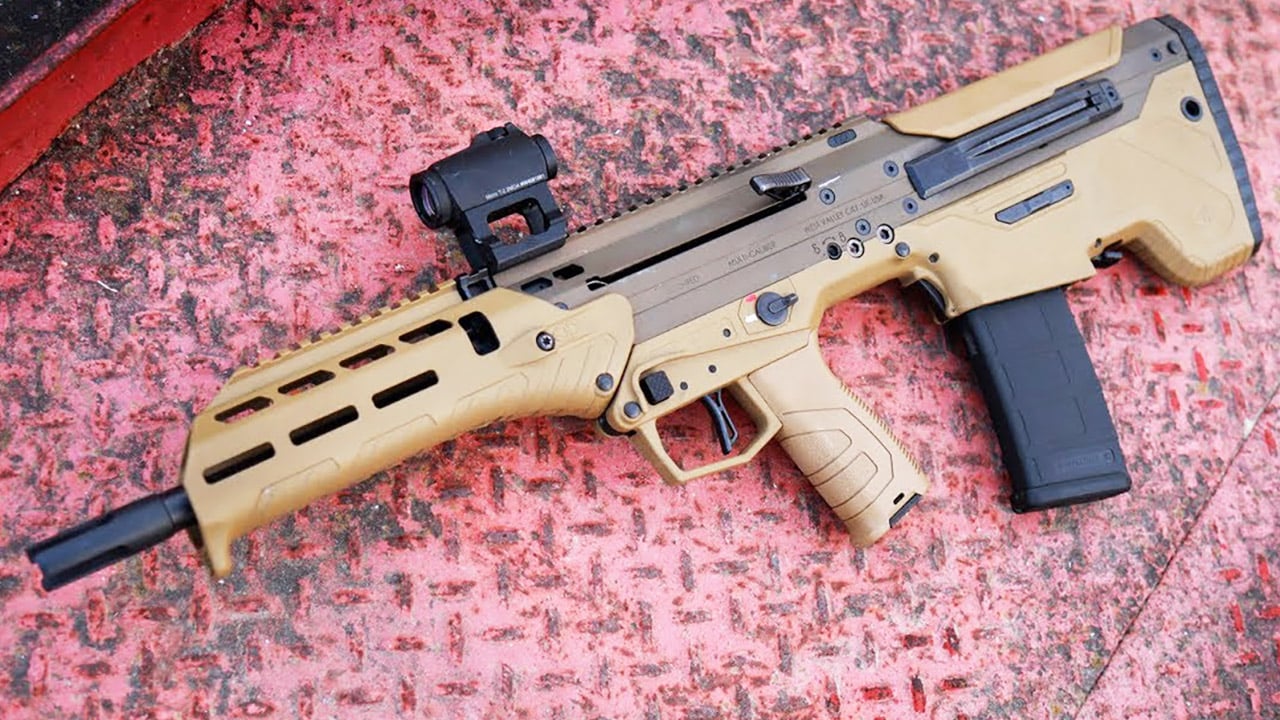
Bullpups are compact, and the idea is attractive for thick cover. The reality is you’re hauling a complicated system that can be picky about magazines, ammo, and maintenance, depending on the setup.
When something goes sideways in the field, it’s not as simple as “wipe it off and keep going.” And the balance feels different than a traditional rifle, which matters when you’re trying to make a quick, clean shot in an awkward position.
12. Springfield Armory M1A (loaded up with “battle rifle” gear)
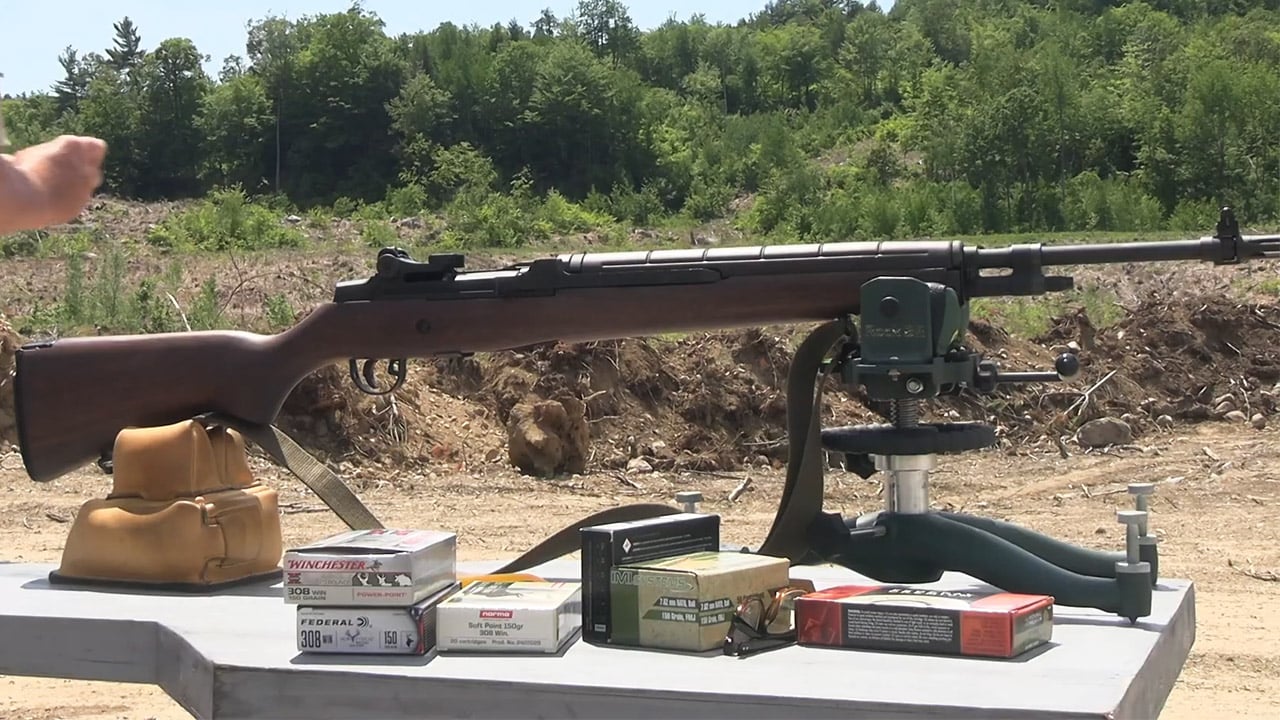
The M1A has a feel that a lot of folks love. It’s also easy to turn into a heavy project with a big mount, big optic, bipod, and a stack of loaded mags “because it’s a .308.”
Then you take it hunting and realize you’re carrying a range toy through the woods. It’s long, it’s heavy, and it’s not quiet when it bumps a tree. Great rifles have their place, but this one can wear you out fast.
13. PTR-91 / HK91-style rifles
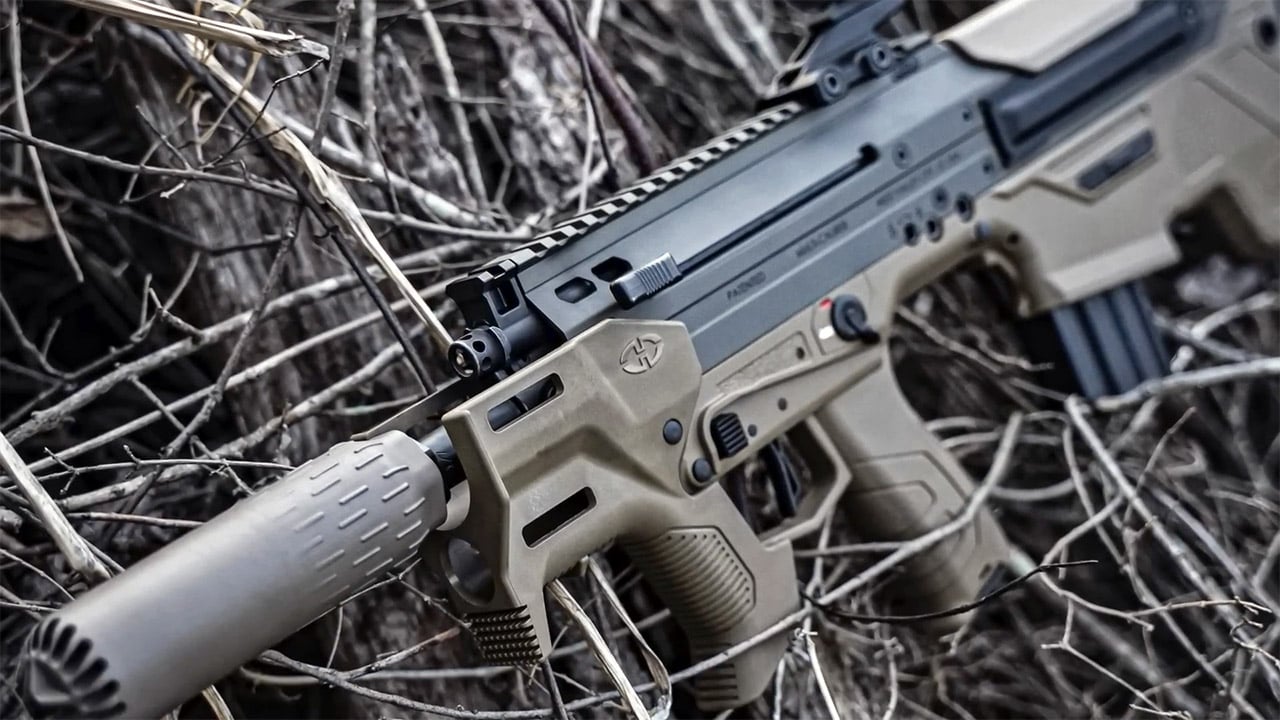
They’re rugged and they run, and that roller-delayed action has its fans. The tradeoff is weight, sharp recoil impulse compared to other .308s, and ergonomics that feel dated once you’re tired and cold.
Try running the controls with gloves and then tell me it’s your favorite hunting setup. If you want a .308 you’ll carry all day, there are better options that do not beat you up or fight you.
14. Ruger Gunsite Scout (when it’s built into a heavy “scout”)
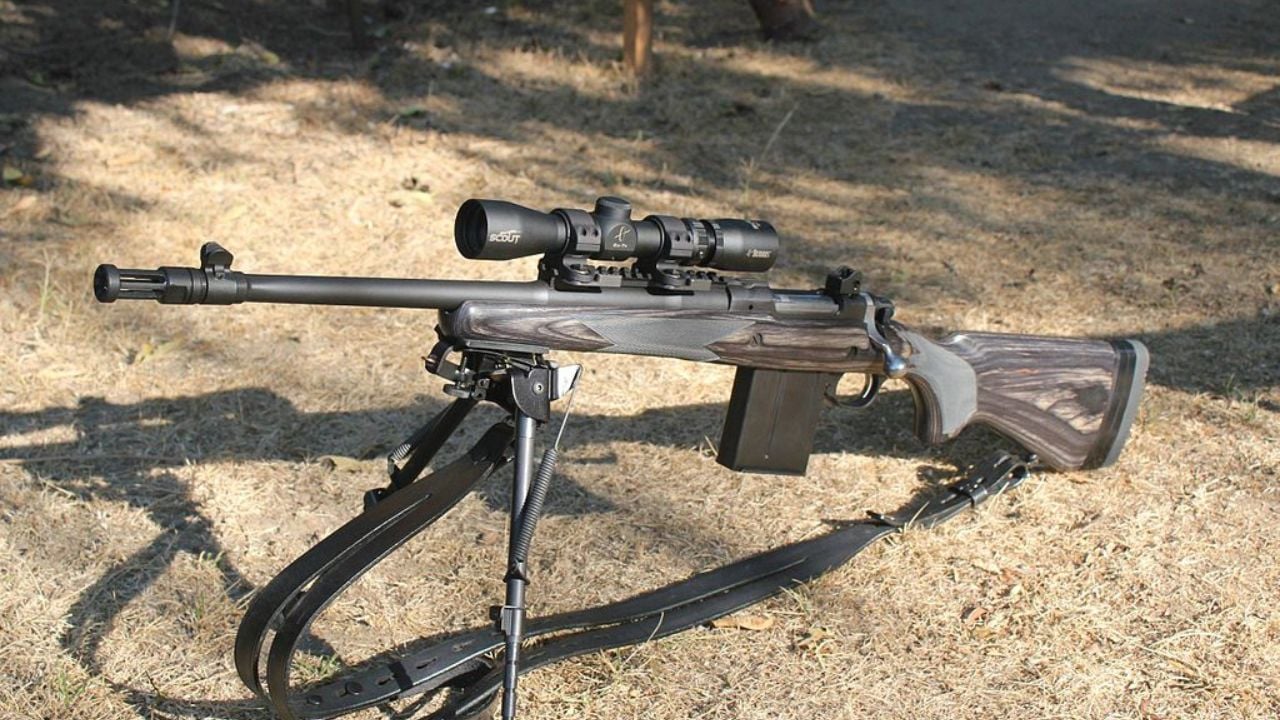
The idea of a scout rifle is handy, but it’s easy to miss the point. A forward-mounted optic, a rail, backup irons, a bipod, and a big conventional scope on top “just in case” turns it into a confused, overweight package.
If you keep it light and simple, it’s a useful rifle. If you chase every accessory, you end up with something that carries worse than a regular bolt gun and doesn’t handle like a true woods rifle either.
15. CVA Optima V2 (when it’s treated like a centerfire)

Modern muzzleloaders can be accurate, and the Optima V2 is common for a reason. Where guys get into trouble is trying to make it a long-range rig with a heavy scope, a bulky mount, and extra gear strapped to the stock.
Now you’re managing more weight and more stuff during the one season when your hands are cold and you’re already dealing with extra steps. A clean, simple muzzleloader setup is a blessing. A complicated one feels like punishment by mid-morning.
16. H&R Handi-Rifle (in hard-kicking chamberings)

These single shots are simple and affordable, and I’ve seen them shoot just fine. But put one in a thumper caliber with a light stock and then carry it all day knowing the shot is going to sting.
It’s not just recoil. It’s the way recoil makes you hesitate when the moment comes. If you flinch, you might as well be carrying a fence post. There are better ways to get power without dreading your own trigger pull.
17. Glock 20 (as a “belt gun” on long hikes)
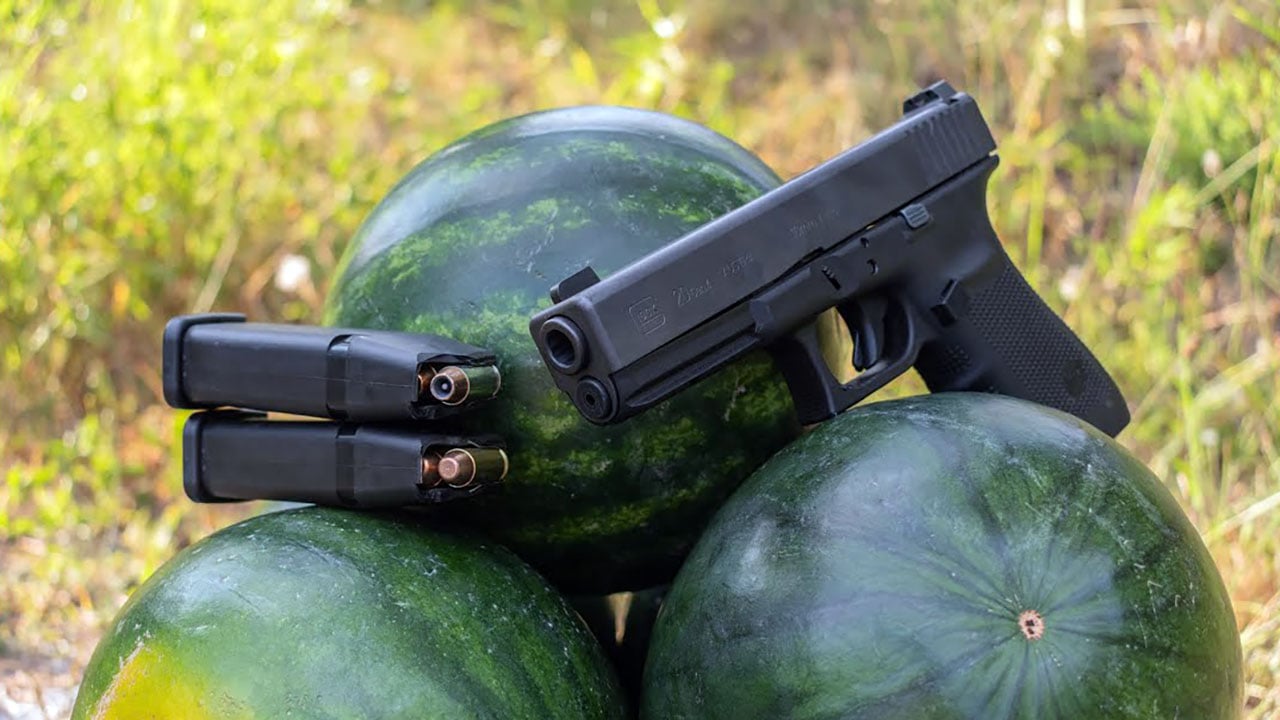
The Glock 20 is a workhorse, and 10mm has its place. But a full-size pistol with a full magazine on a belt, plus extra mags, plus a pack waist belt, can turn into a constant annoyance.
It rubs, it prints under layers, it fights the pack belt, and you keep adjusting it instead of hunting. A chest rig can help, but then you’re adding more straps. If you truly need 10mm, you’ll deal with it. If you just thought it sounded cool, you’ll get tired of it fast.
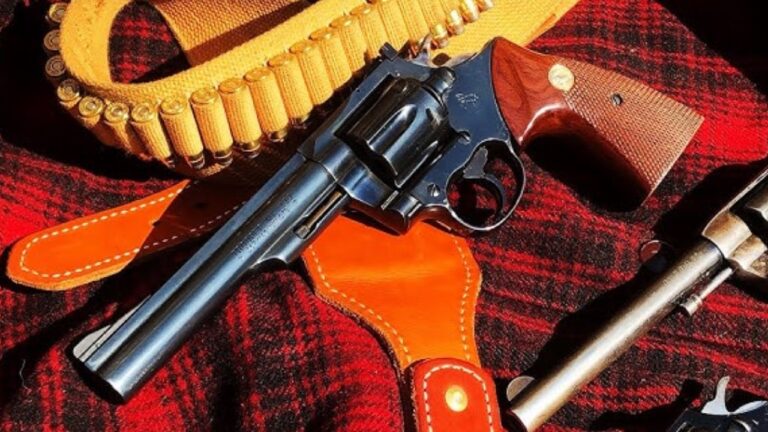
18. Ruger Super Redhawk Alaskan
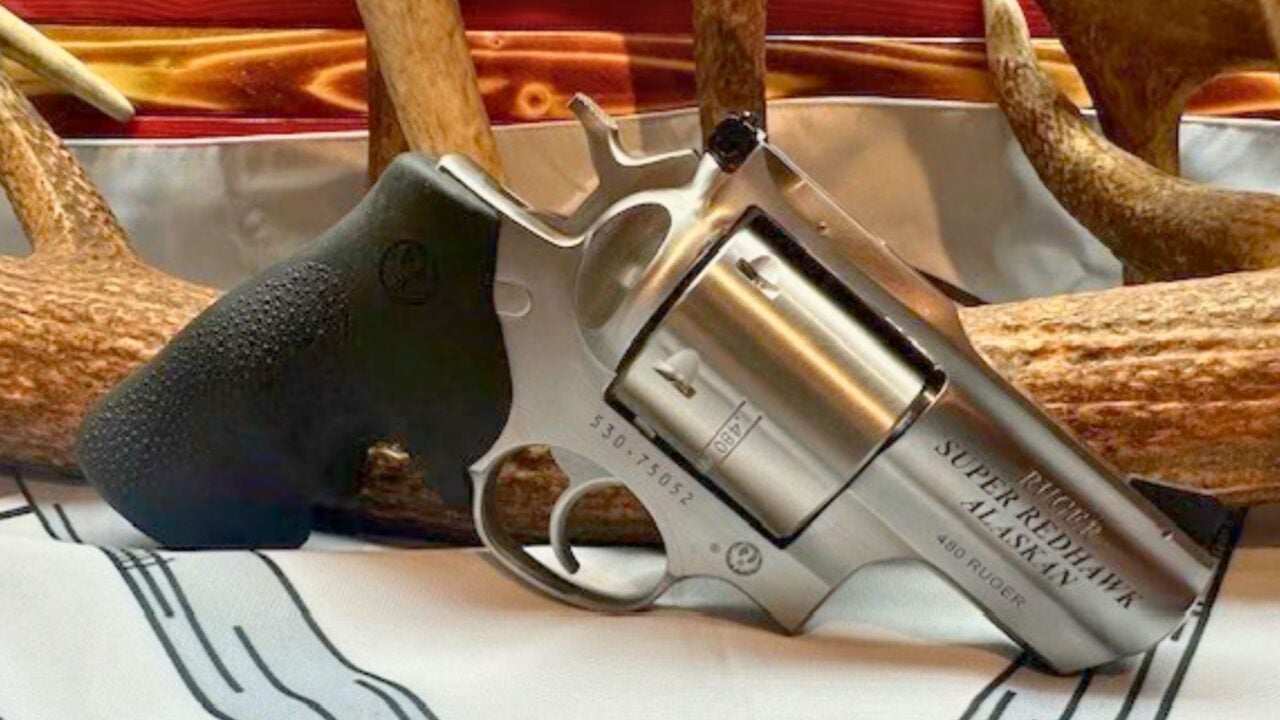
Short, stout revolvers have a certain “backcountry tough” vibe. The problem is they can be miserable to shoot with full-power loads, and they’re still heavy enough that you know they’re there every step.
If you won’t practice with it because it’s unpleasant, it’s not doing you much good. A sidearm you actually shoot well beats a cannon you only tolerate.
19. Bond Arms Derringer (as a “just in case” gun)
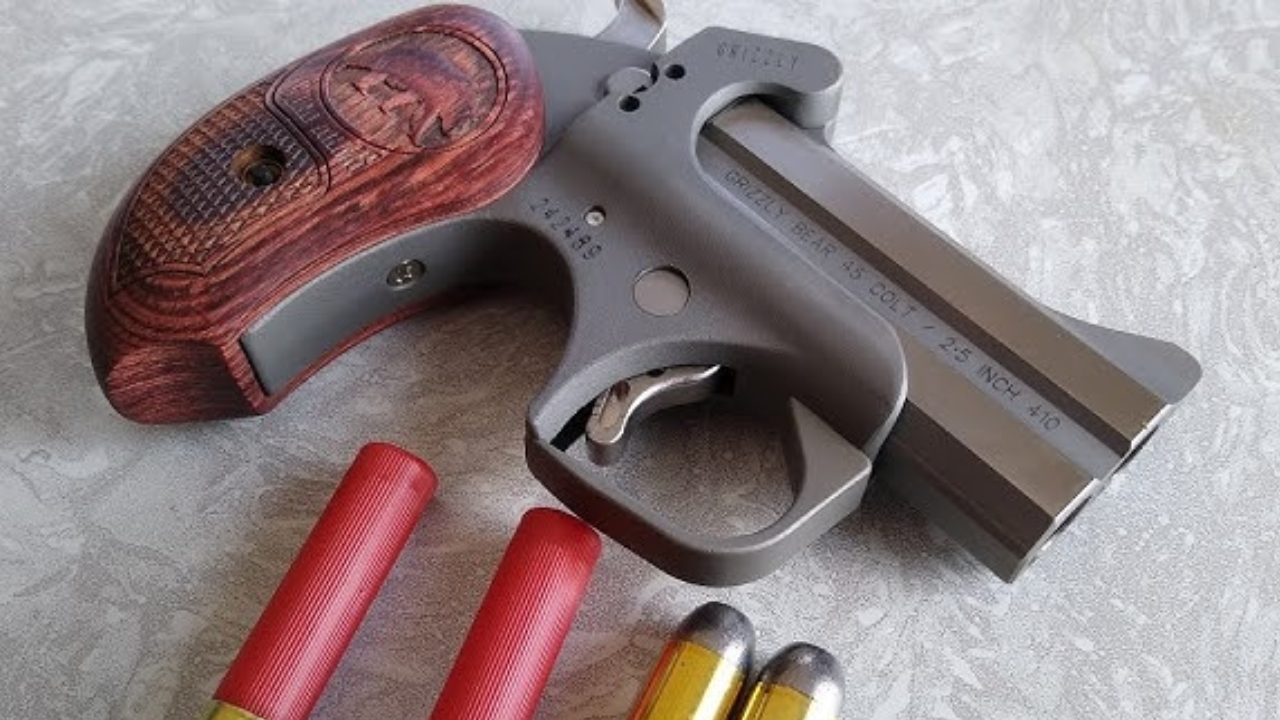
These are neat little guns, and they fit in places other pistols don’t. But for most outdoorsmen, they’re a confidence trap: heavy for their size, slow to reload, and not fun to practice with.
They end up riding along out of habit, not because they’re the best tool. When you’re already hauling binoculars, a knife, a pack, and maybe a drag rope, anything that doesn’t truly earn space becomes a nuisance.
20. Taurus Judge (carried as a snake solution)
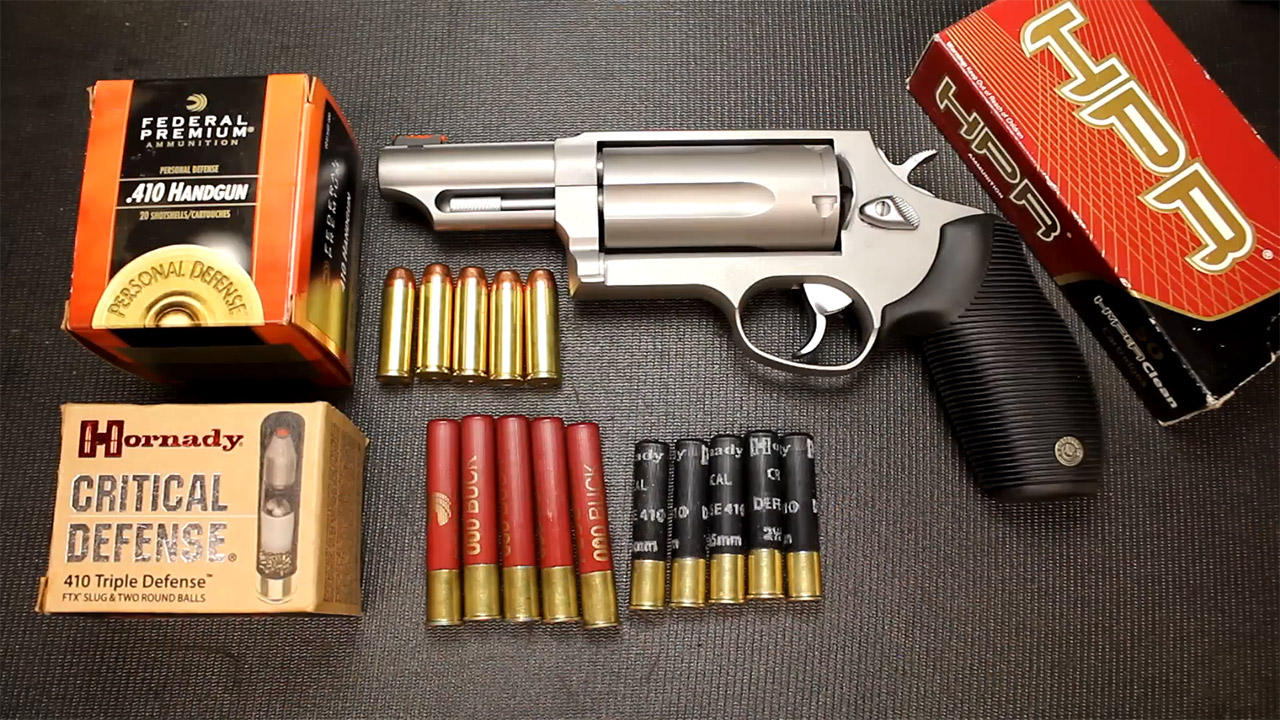
I’ve watched this one happen more than once. A guy buys it for snakes, loads it up, and then realizes he’s carrying a big revolver all day for a problem he might solve with boots and awareness.
It’s bulky on the belt, the grip catches on jackets, and the accuracy with certain loads can be underwhelming past very close range. If you like it and you practice with it, fine. But for a lot of hunters, it’s extra weight that doesn’t match the real risk.
The common thread isn’t that these are “bad guns.” It’s that the hunt is a moving, sweating, climbing thing, and anything you carry better earn its keep. If you’re planning a long day, keep your setup boring on purpose: manageable weight, simple sling, dependable sighting system, and a gun you can run with gloves on when your heart is hammering. The best firearm on a hunt is the one you forget about until it’s time to shoot.
Like The Avid Outdoorsman’s content? Be sure to follow us.
Here’s more from us: