Photo credit: 190GUNS/GunBroker
Every gun counter has a few handguns that stop you in your tracks. Deep blue steel, wild engraving, stainless that looks like jewelry, or a space-gun silhouette that makes you want to pick it up just to feel it. Then you get it to the range and the romance ends fast. The trigger is gritty, the sights are an afterthought, it chokes on normal ammo, or it hammers your hand so hard you start flinching before the first mag is empty.
Here are 20 handguns that tend to photograph better than they shoot. Some are genuinely rough. Some are “fine” but only if you lower your expectations. And a couple are fun in a weird way, as long as you go in with your eyes open.
1. Desert Eagle

It looks like the king of handguns, and on the counter it feels like a serious piece of machinery. The trouble starts when you try to run it like a normal pistol. It’s heavy, the grip is a brick, and the whole experience is more about managing the gun than shooting well.
Reliability can be picky with ammo and grip. If you don’t hold it firm, it can short-stroke, and that turns a “wow” gun into a “why” gun. I get why people buy one once, but most owners don’t shoot it much after the first couple range trips.
2. S&W Model 500
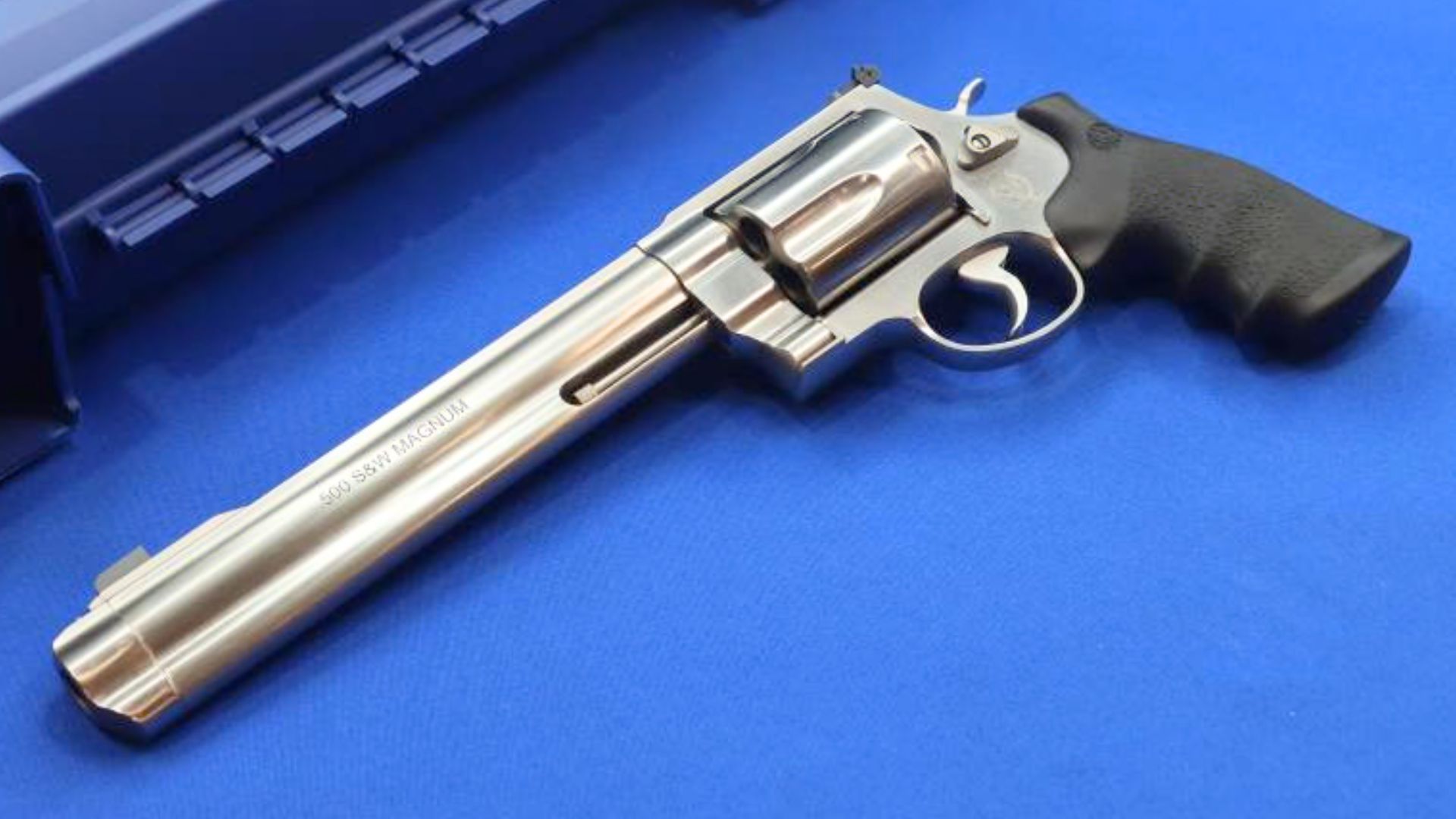
It’s a beautiful revolver in a ridiculous way. Big cylinder, big muzzle, big everything. The problem is it’s hard to shoot accurately for normal humans because recoil and blast are so violent you start anticipating it.
Even when you do your part, the sight picture is gone right now, and follow-up shots are not really part of the conversation. For hunting as a specialty tool, sure. For “I want a handgun I can actually shoot well,” it’s a rough choice.
3. Magnum Research BFR in heavy magnum calibers
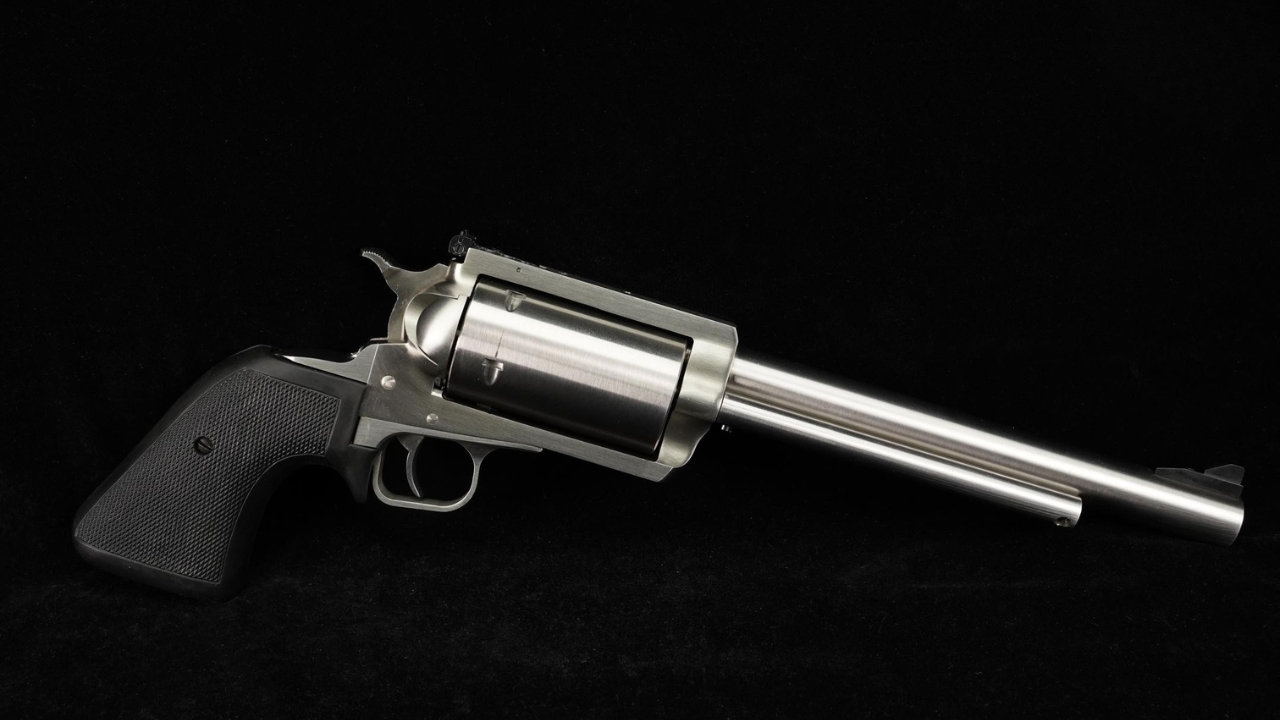
The BFR has that long-barrel single-action look that screams “hand cannon.” Fit and finish can be nice, and it carries a certain western cool. Then you realize the balance is front-heavy and the gun wants to roll in your hand under recoil like it’s trying to escape.
Some of them shoot fine off bags, but most folks aren’t buying a BFR to sit at a bench all day. In field positions, that weight and recoil makes it tough to hit what you’re aiming at unless you practice a lot more than most people will.
4. Colt Single Action Army

Nothing wrong with the design for what it is, but a lot of folks expect “legendary” to mean “easy.” Fixed sights, a plow-handle grip, and a short sight radius on many versions can make it a challenge to shoot tight groups unless your eyes and technique are dialed.
It also reloads slow, and the hammer and small sights are not kind to cold hands. Beautiful? Absolutely. Practical shooter? Not really, unless you’re committed to the style.
5. Bond Arms derringers

They look like something you’d pull from a boot in an old movie, and the machining often looks solid. Then you touch off a .45 Colt or .410 and learn what “all recoil, no grip” feels like.
Triggers are usually heavy, sights are minimal, and the whole platform is built around being small, not shootable. Two shots can make you feel undergunned and over-recoiled at the same time.
6. Taurus Judge
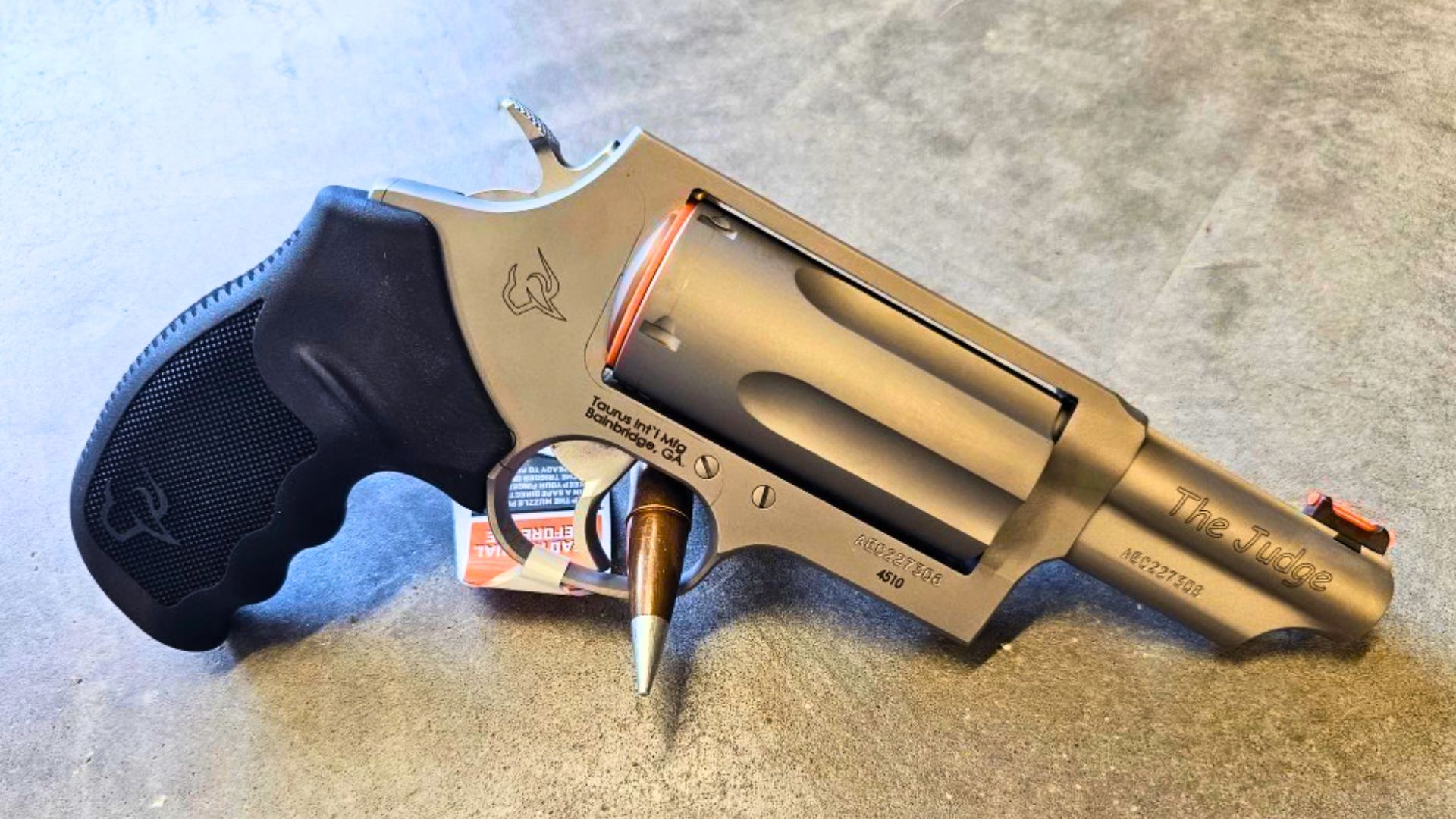
It’s a neat idea in a gun shop conversation. In reality, it’s a compromise stack: bulky frame, long cylinder, and performance that depends on what you feed it. With .410 loads, patterns can be wide and inconsistent. With .45 Colt, you’ve got a big revolver that often doesn’t shoot like a big revolver should.
It’s also a tough carry because it’s thick and awkward. Plenty of owners end up treating it like a nightstand novelty, and it’s hard to blame them.
7. S&W Governor
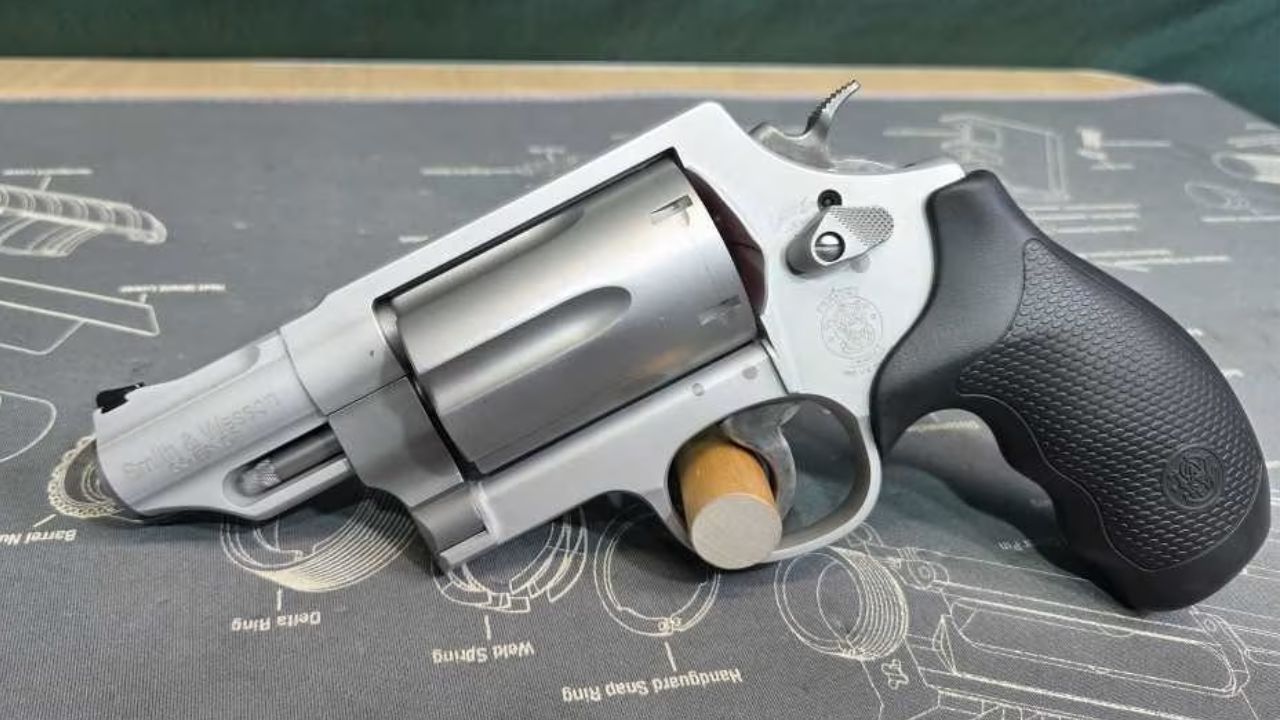
The Governor is the Judge’s nicer-dressed cousin. Fit and finish are usually better, and it feels more refined. But it’s still the same concept, and the same compromises show up at the range.
It can be fun, and I won’t pretend it can’t work at close range, but “shoots great” is not how most folks describe it. If you want a revolver that points and groups, a standard .357 or .44 is almost always the better day-to-day answer.
8. Glock 44

On paper, a .22 that feels like a Glock 19 sounds like smart training. In practice, a lot of these have been ammo-sensitive for owners, and rimfire reliability is already a little bit of a gamble. When it runs, it’s a good time. When it doesn’t, it’s a stoppage drill machine.
Accuracy can be fine, but the “trainer” concept falls apart if you’re clearing malfunctions every magazine. For a .22 pistol, boring reliability matters more than brand consistency.
9. Walther P22
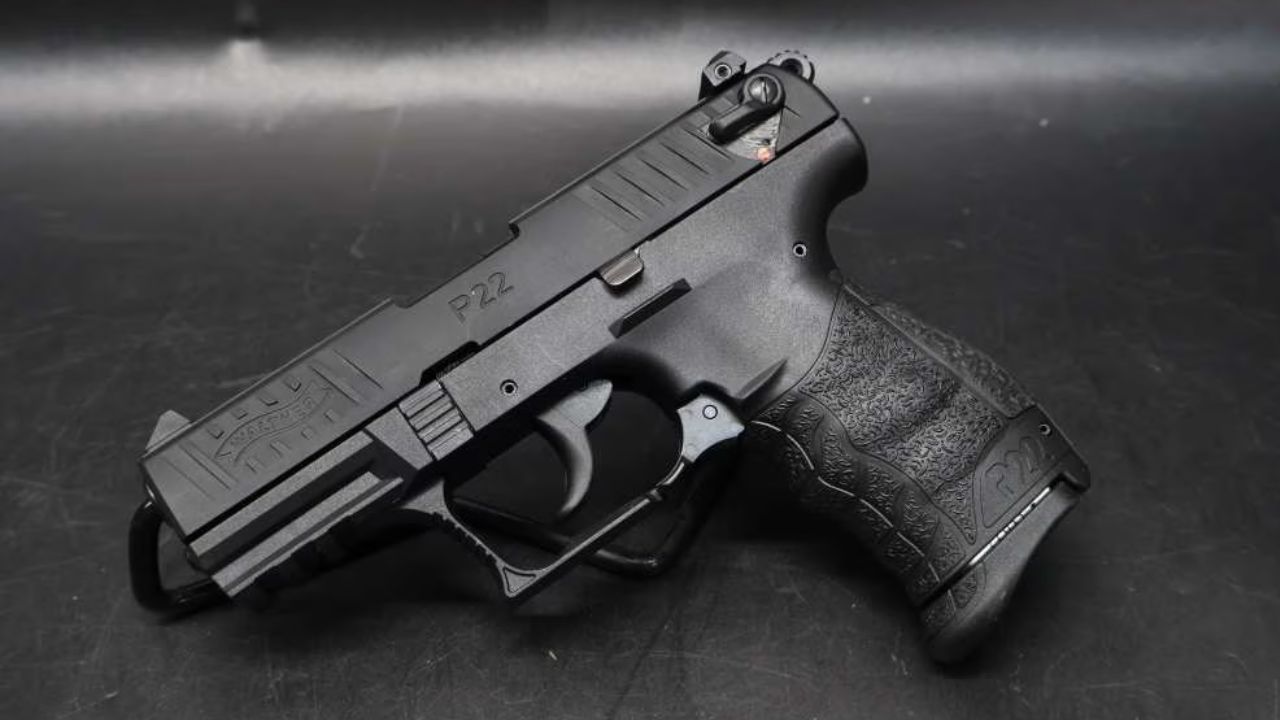
The P22 looks slick, feels good in the hand, and it’s priced where a lot of folks grab it as their first rimfire pistol. Then they start chasing ammo that it likes, magazines that behave, and a cleaning schedule that’s tighter than it should be for a .22 plinker.
Some examples run great. Too many don’t. If a .22 is going to live in your tackle box or ride along at deer camp, you want it to just work.
10. SIG Sauer Mosquito
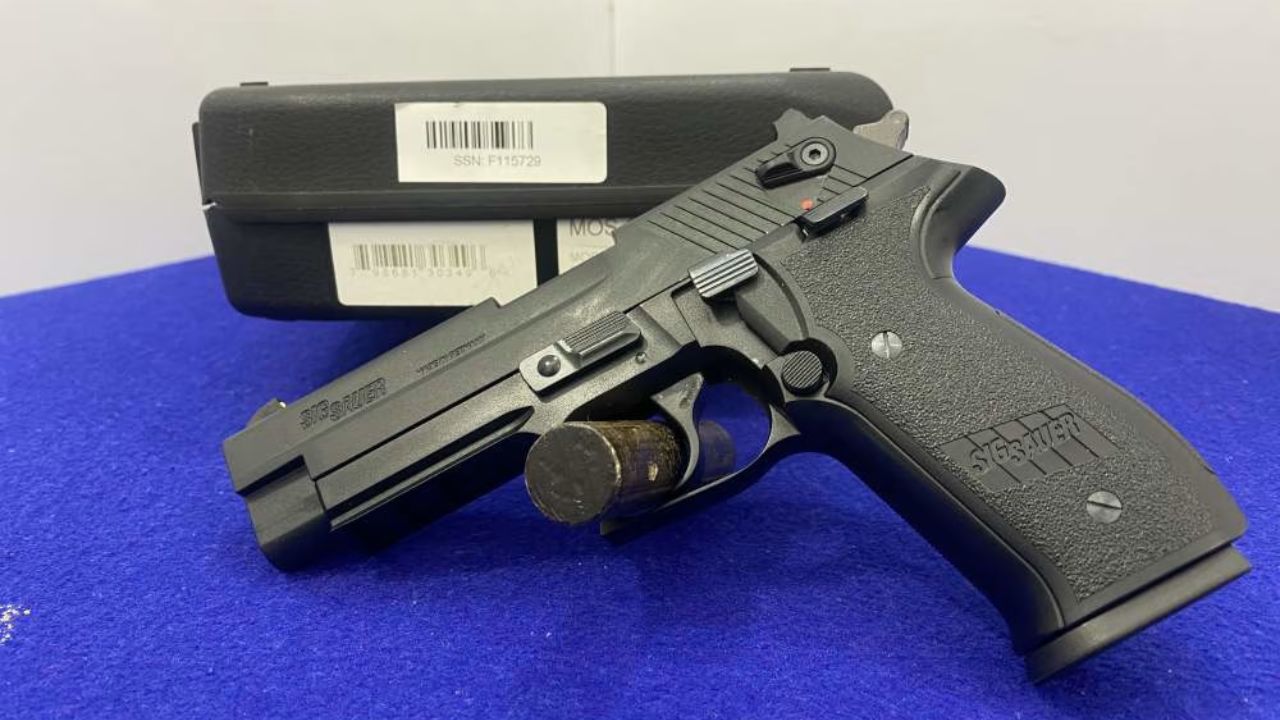
It has the SIG look, and it points like a real service pistol. But a lot of owners found out the hard way that “looks like a duty gun” doesn’t mean “runs like a duty gun,” especially in rimfire.
Triggers vary, reliability varies, and it can be picky enough to turn a relaxed range day into a troubleshooting session. There are better .22s that don’t require you to become a part-time gunsmith.
11. Kimber Solo
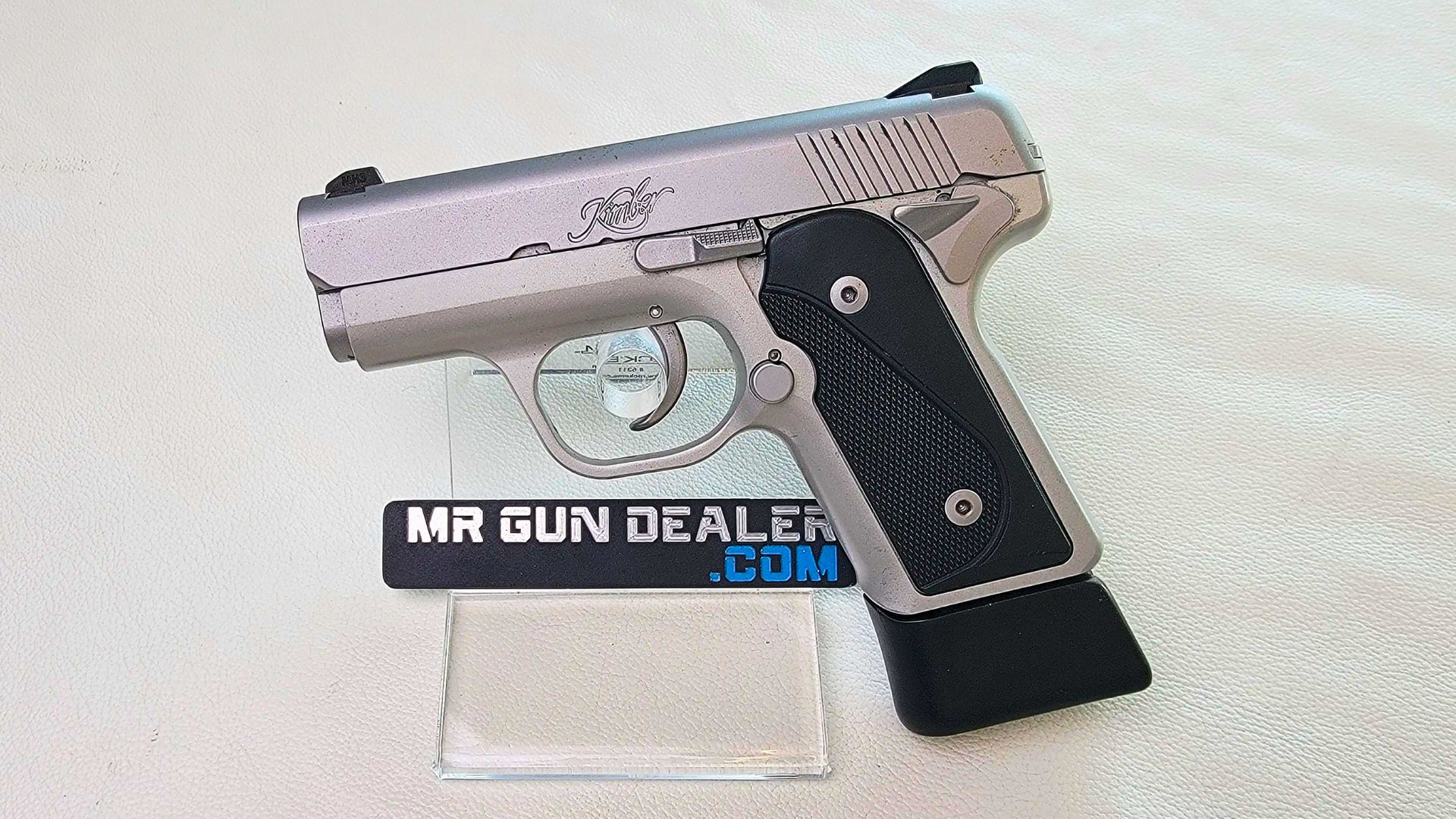
The Solo is one of those micro 9s that looks like it should be perfect. Slim, classy, good lines, and it carries like it belongs in a nice holster. The problem is a lot of them have a reputation for being finicky, especially with ammo outside a narrow window.
When a carry gun is sensitive, you either spend time and money proving it, or you stop trusting it. Most folks don’t keep a pistol long once trust is gone, no matter how good it looks.
12. Remington R51

This one hurt because the concept was interesting and the styling was clean. Early versions especially left a lot of shooters frustrated with reliability and rough function, and “new gun excitement” turns into “I should have waited” pretty quick.
Some later examples improved, but the damage was done. It’s hard to bet your range time, let alone your carry plan, on a pistol line that stumbled that publicly.
13. AMT Backup

Stainless, compact, and tough-looking, like something a detective would carry in a shoulder rig. The reality is many of these are heavy for their size, have stiff triggers, and can be unpleasant to shoot well. Small grips and sharp recoil don’t help.
They’re also not always the most forgiving when it comes to reliability. If you want a small defensive pistol, there are newer designs that don’t beat you up and still feed like they should.
14. Kel-Tec PMR-30

It looks like a lightweight, high-capacity woods gun, and the idea of 30 rounds of .22 WMR is hard not to like. But .22 Magnum in a semi-auto can be temperamental, and the PMR-30 has a history of being picky with ammo, magazine loading, and general “being a rimfire” stuff.
When it’s running, it’s a riot. When it isn’t, you’ll spend your day dealing with rims, feed angles, and frustration. For a trail gun, simple and dependable usually wins.
15. Ruger LCP (original, early versions)

The little LCP looks like the answer to deep carry, and it kind of is. But “easy to carry” often means “hard to shoot.” The tiny grip, snappy recoil, and minimal sights can make it feel like you’re trying to shoot a bar of soap.
Plenty of folks can keep it on target up close, and that’s the point. Still, it’s not a fun range gun, and it doesn’t build confidence the way a slightly larger pistol will.
16. S&W Bodyguard .380

The Bodyguard has a clean profile and is easy to stash. It also has a trigger that a lot of shooters describe as long and heavy, which can pull shots all over if you’re not careful. The small sights don’t give you much help.
It’s a gun you carry because you will actually carry it. But if you’re honest, most people don’t shoot them particularly well, especially under any kind of time pressure.
17. Kahr PM9

Kahr makes slim, handsome little pistols that disappear on the belt. The flip side is the long, smooth-but-long trigger and the small grip can make accurate fast shooting harder than it needs to be. Some also have a break-in period that rubs people wrong.
If you put the time in, they can be solid. Most owners don’t. They shoot a couple boxes, decide it’s “not for them,” and the gun sits.
18. Chiappa Rhino (short-barrel models)
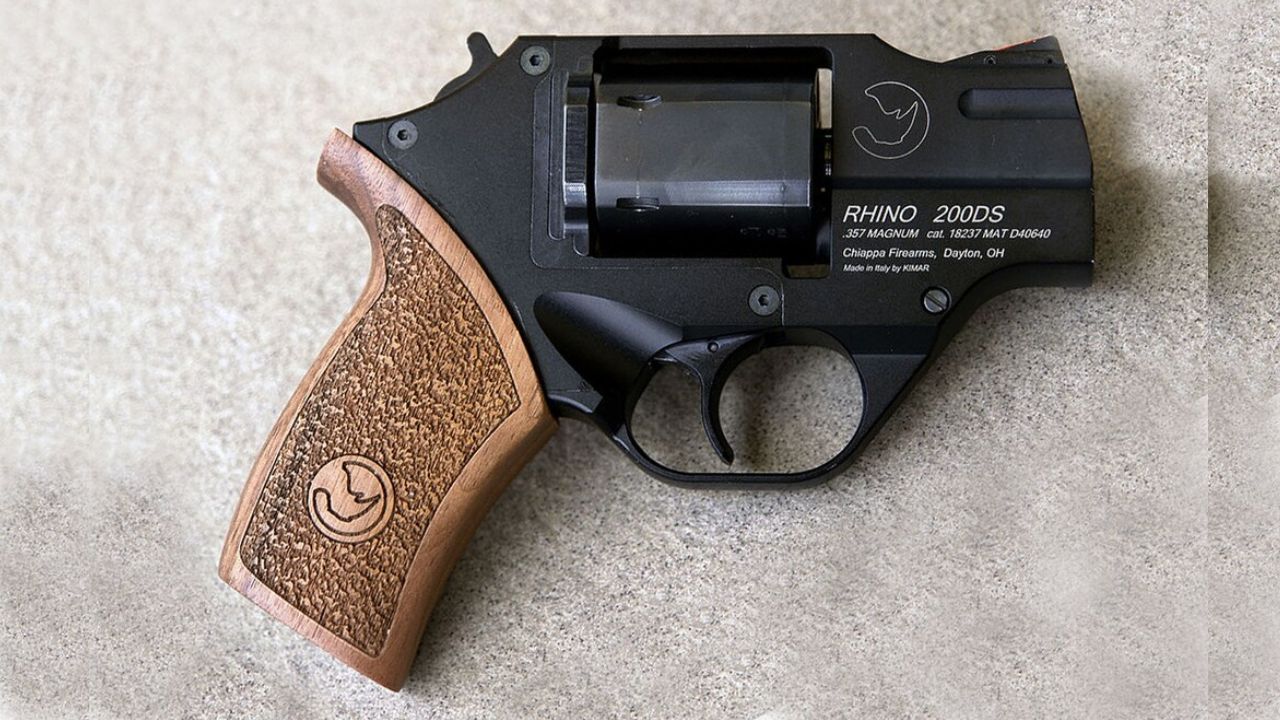
The Rhino looks like something from a sci-fi movie, and it draws a crowd every time. The low bore axis idea can help with muzzle rise, and that’s real. But the trigger feel, the unusual sighting plane, and the general “different-ness” can make it tougher to shoot well for folks who’ve spent years on normal revolvers.
It’s also not everyone’s idea of comfortable in the hand, especially with heavier loads. Cool factor is high. Natural shooter for most people? Not so much.
19. Webley-style top-break revolvers
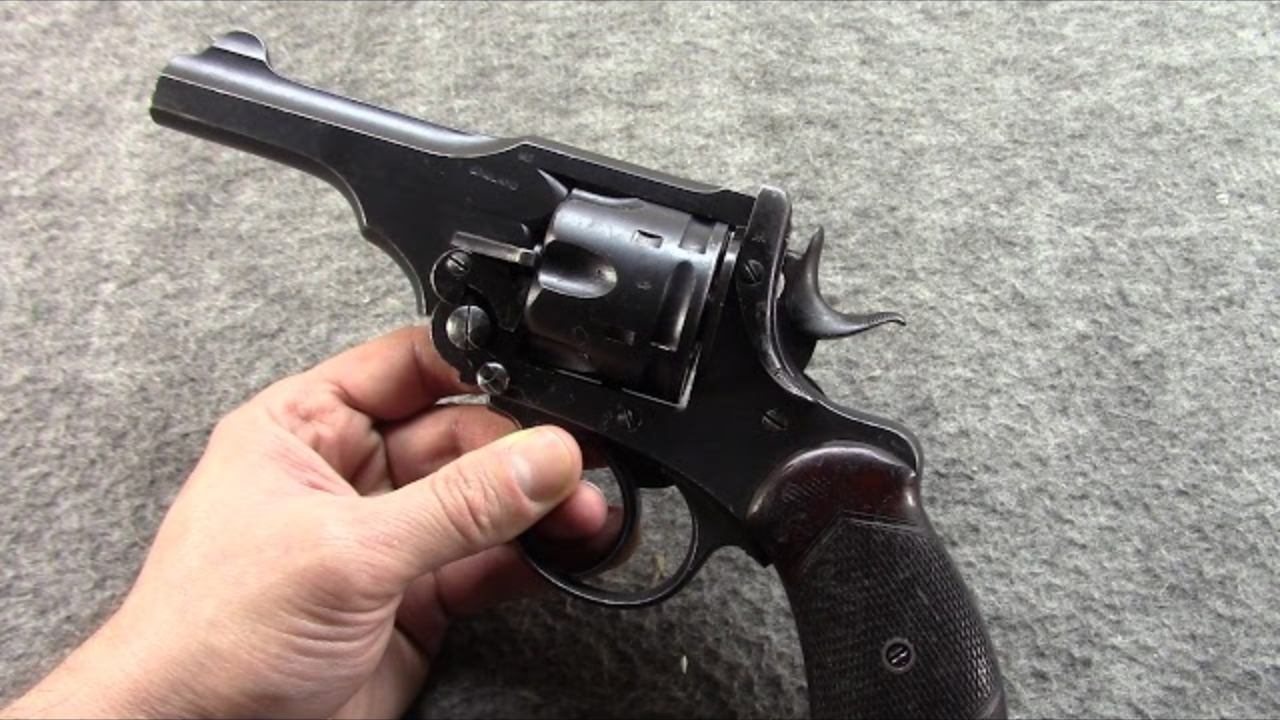
Top-break revolvers are gorgeous in a mechanical way. Pop it open, cases jump out, and you feel like you’re holding history. Then you try to shoot one with small sights, a heavy trigger, and a grip shape that doesn’t always fit modern hands.
Surplus guns can also have worn timing, loose lockup, or ammo limitations depending on the model. They’re great conversation pieces and fun for slow fire. If you want to actually shoot well, they can be a struggle.
20. Baby Nambu
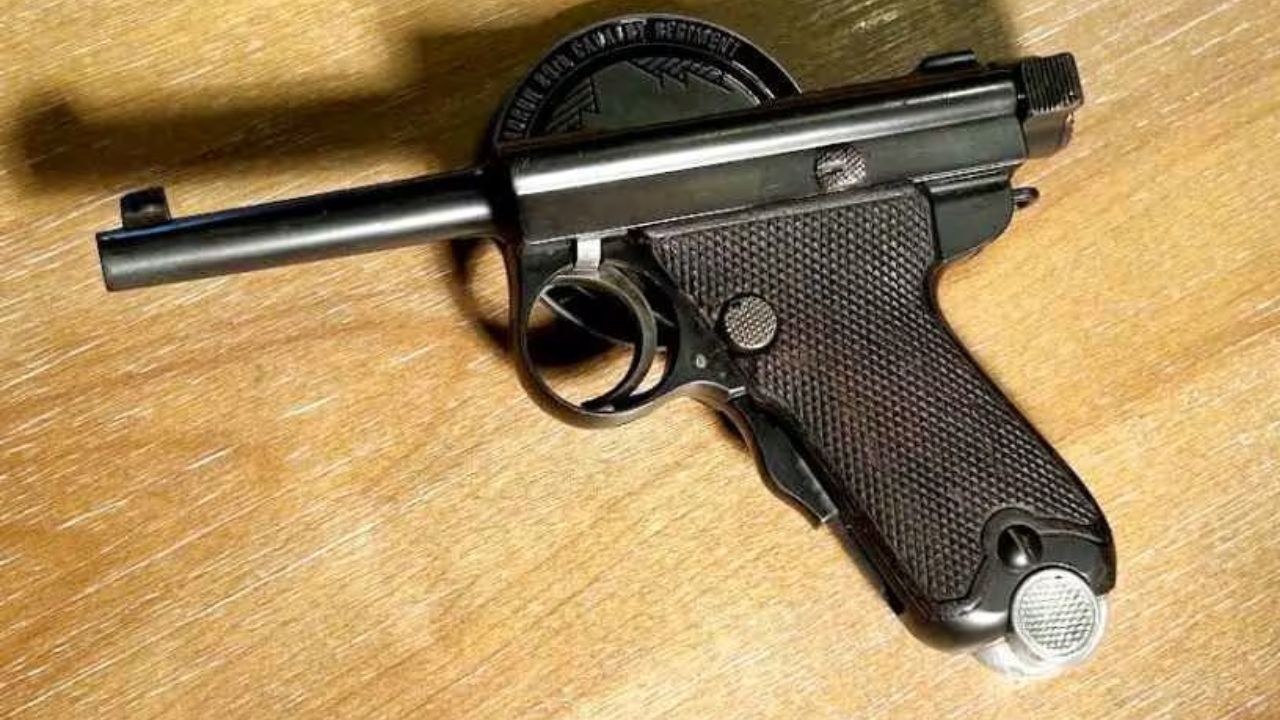
These are some of the prettiest little pistols ever made, with that early-1900s craftsmanship and oddball charm. The issue is most of them were never built to be great shooters by modern standards. Triggers can be strange, sights are tiny, and ergonomics are dated.
They also tend to be collectible, which means you’re often paying for rarity and looks, not performance. Owning one is more like owning an antique pocket watch than a range workhorse.
A good-looking handgun isn’t a bad thing. We all like nice bluing, clean lines, and something with a little character. But if you’re buying a pistol to carry, to keep at the cabin, or to ride in the truck during season, “shoots well and runs every time” beats “looks cool” by a mile. If you want the pretty oddball anyway, that’s fine. Just be honest about what it is before you stake anything important on it.
Like The Avid Outdoorsman’s content? Be sure to follow us.
Here’s more from us: