Photo credit: Jsumike – CC BY-SA 3.0/Wiki Commons
I have watched the same cycle play out at gun counters and estate sales for years. A pistol comes out, does something “new,” and the crowd shrugs because it looks like it steps on the toes of something that already exists. Then it gets discontinued, the oddball features start making sense, and all of a sudden it is the one everybody “used to have” and nobody can find.
Collectors love a story, but they love scarcity even more. The guns below weren’t always loved. A bunch of them were called unnecessary, awkward, too expensive for what they were, or just plain weird. Now they’re the first ones guys ask about when a safe door swings open.
1. Heckler & Koch P7 (PSP/M8)
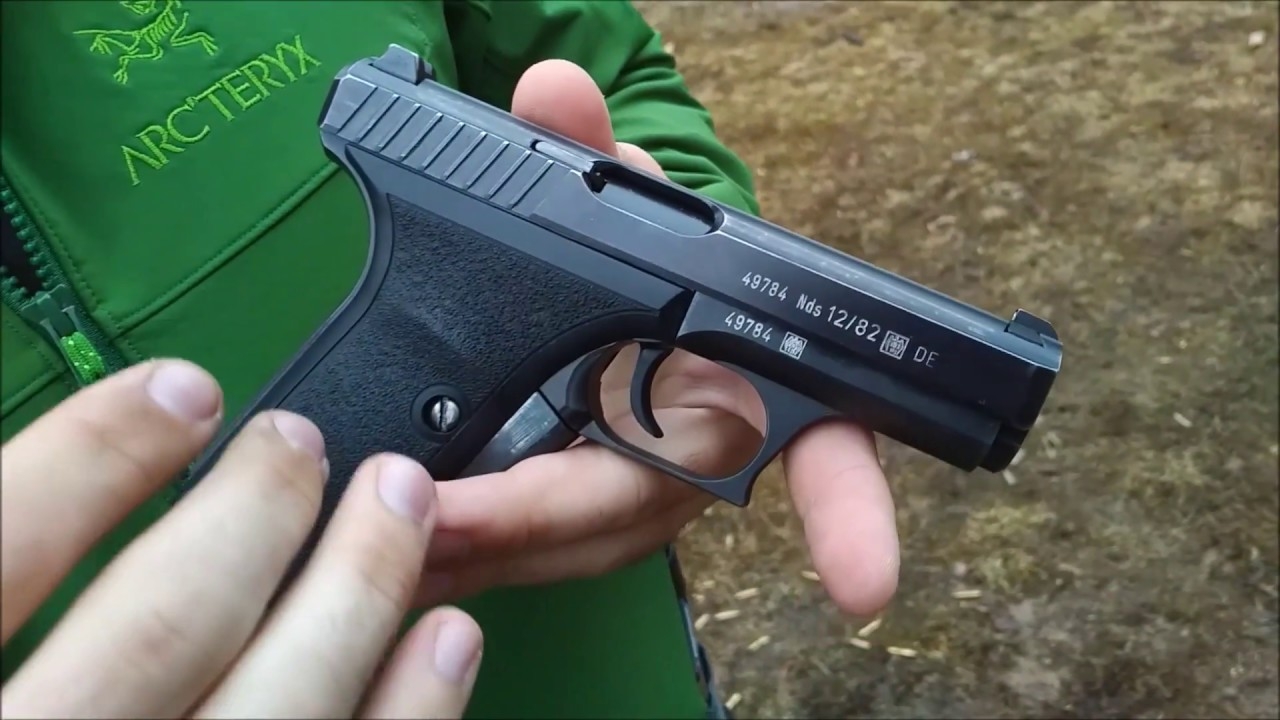
Back when the P7 was still a duty-sidearm conversation, plenty of shooters dismissed it as an over-engineered 9mm with a funny squeeze-cocker. It cost real money, it got hot in extended strings, and you couldn’t just toss in any old holster and call it good.
Now the same “complicated” design is exactly why collectors chase it. The fixed barrel and low bore axis make it shoot flatter than it has any right to, and the build quality feels like it was machined for a government contract—because it basically was. Try finding original mags and a clean police-trade-in these days without paying attention to the decimal point.
2. Colt Python
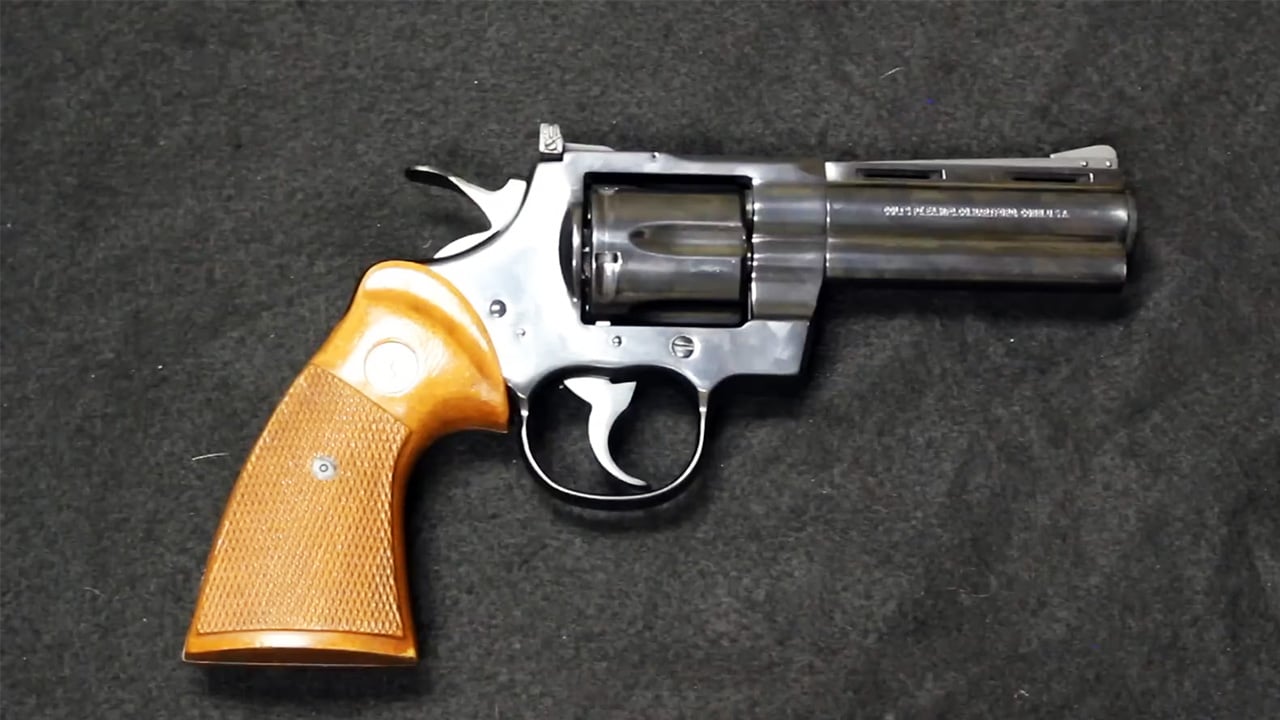
For a long time, a lot of working shooters looked at the Python as a fancy .357 you didn’t need. It was the “Cadillac” revolver while guys were buying duty Rugers and Smiths that could take abuse without anyone crying over a scratch.
Then the wheelgun market shifted, old Colt double-action work dried up, and suddenly that silky action and deep bluing turned into collector gold. The new production guns are fine, but they don’t scratch the same itch as the older ones with honest holster wear.
3. Smith & Wesson Model 52
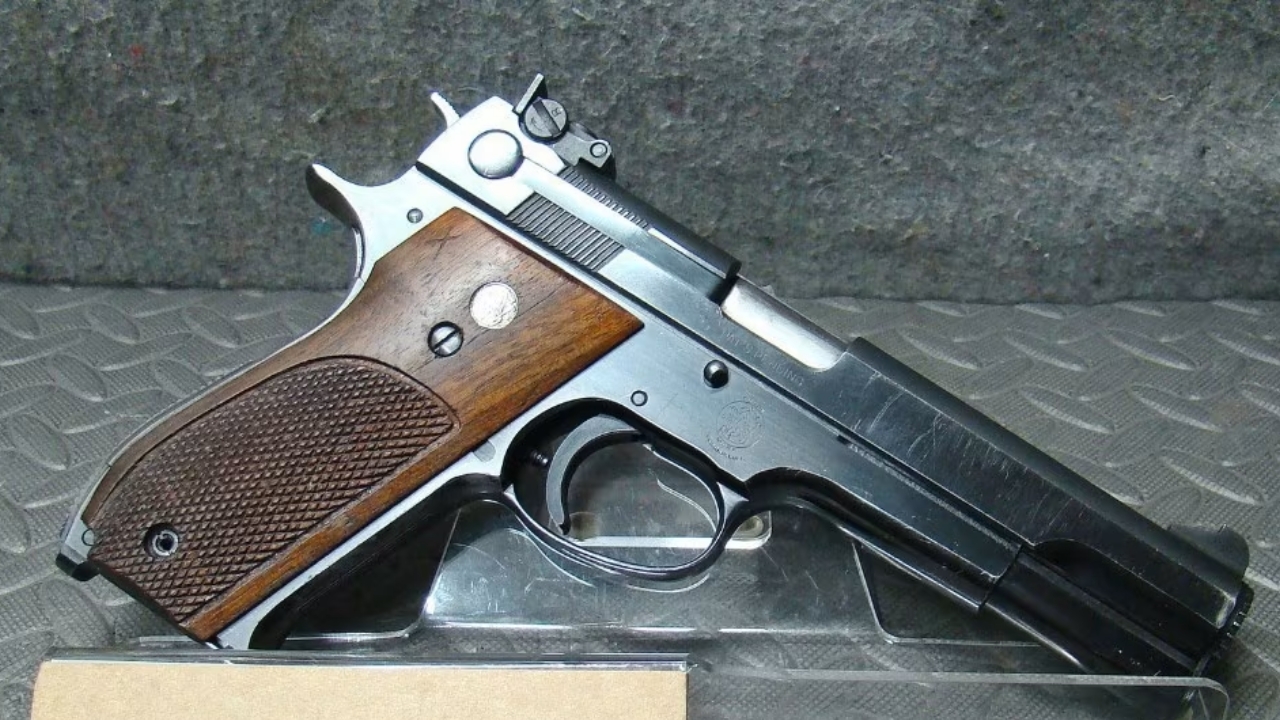
The Model 52 is one of those pistols that makes people ask, “Why?” It’s a single-stack target gun built around flush-seated .38 Special wadcutters. Even when it was new, that sounded like a solution looking for a problem.
Except it’s a problem-solver if you like precision. They shoot like a stapler—soft, flat, and repeatable. Nobody wants to feed their whole stable a niche load, but collectors love a purpose-built oddball that does its job unbelievably well.
4. Colt Woodsman
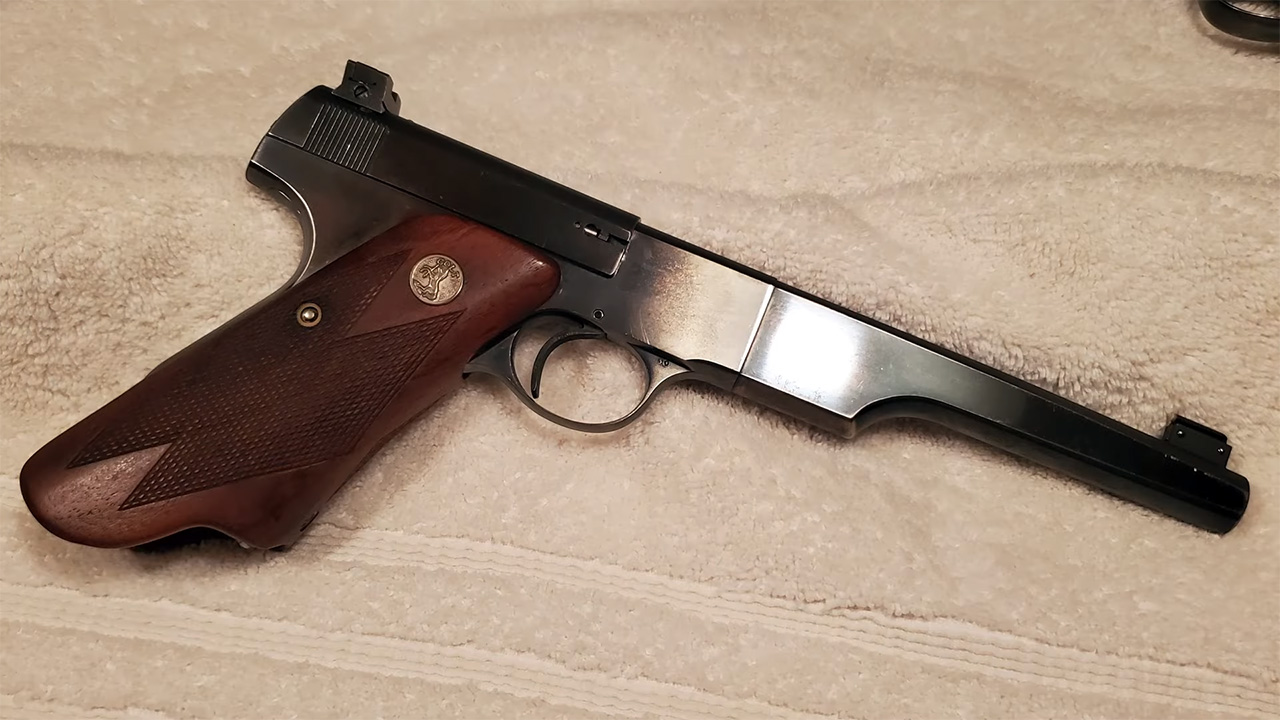
The Woodsman got treated as “just another .22” for years, especially once cheaper .22 autos flooded the market. Folks used them hard, tossed them in tackle boxes, and never thought of them as anything but a plinker.
Then people started trying to replace the one Grandpa taught them on. A clean Woodsman points naturally, has that old Colt fit, and brings a kind of quiet class you don’t get from modern rimfire pistols built to a price point.
5. Browning Hi-Power (FN P-35)
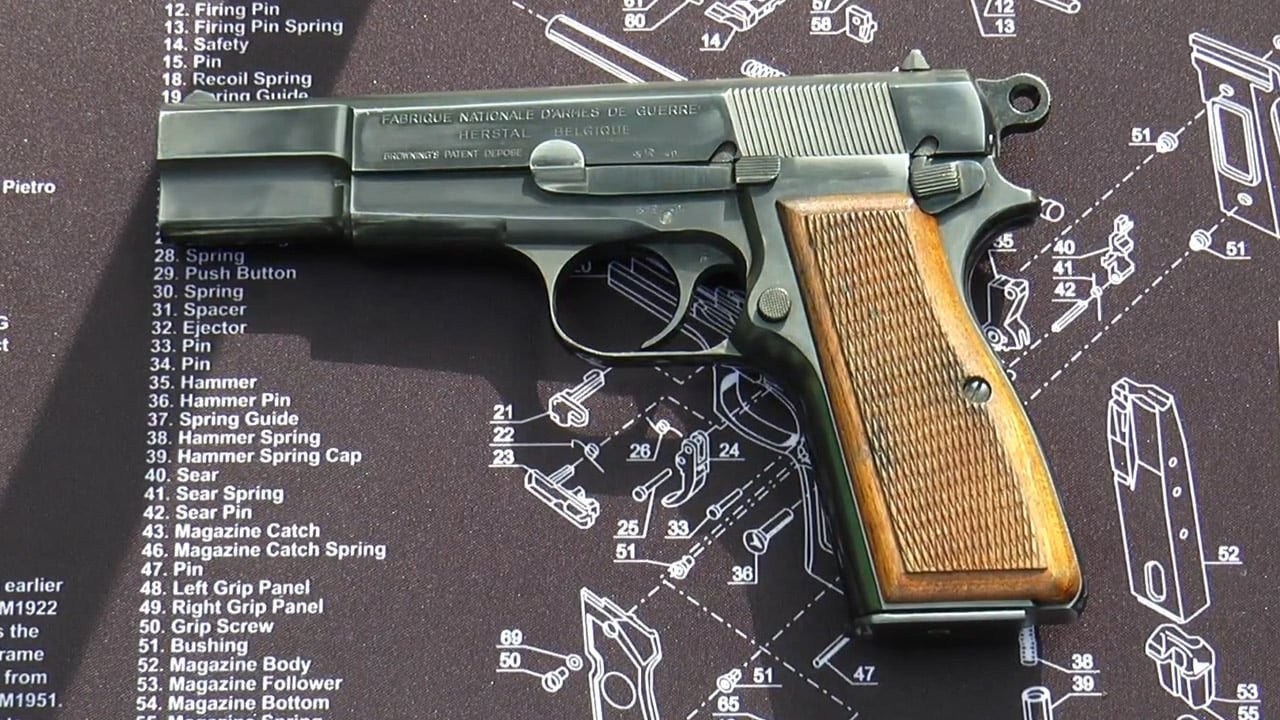
When wonder-nines took over, the Hi-Power was sometimes written off as yesterday’s news. “Why carry cocked-and-locked when you can have more modern safeties and a lighter trigger system?” was the vibe.
But the Hi-Power carries like it was designed by someone who actually wore a gun all day. Slim grip, good balance, and a history that makes collectors start talking with their hands. The good ones aren’t getting cheaper, and original parts and mags matter more than folks think.
6. SIG Sauer P210
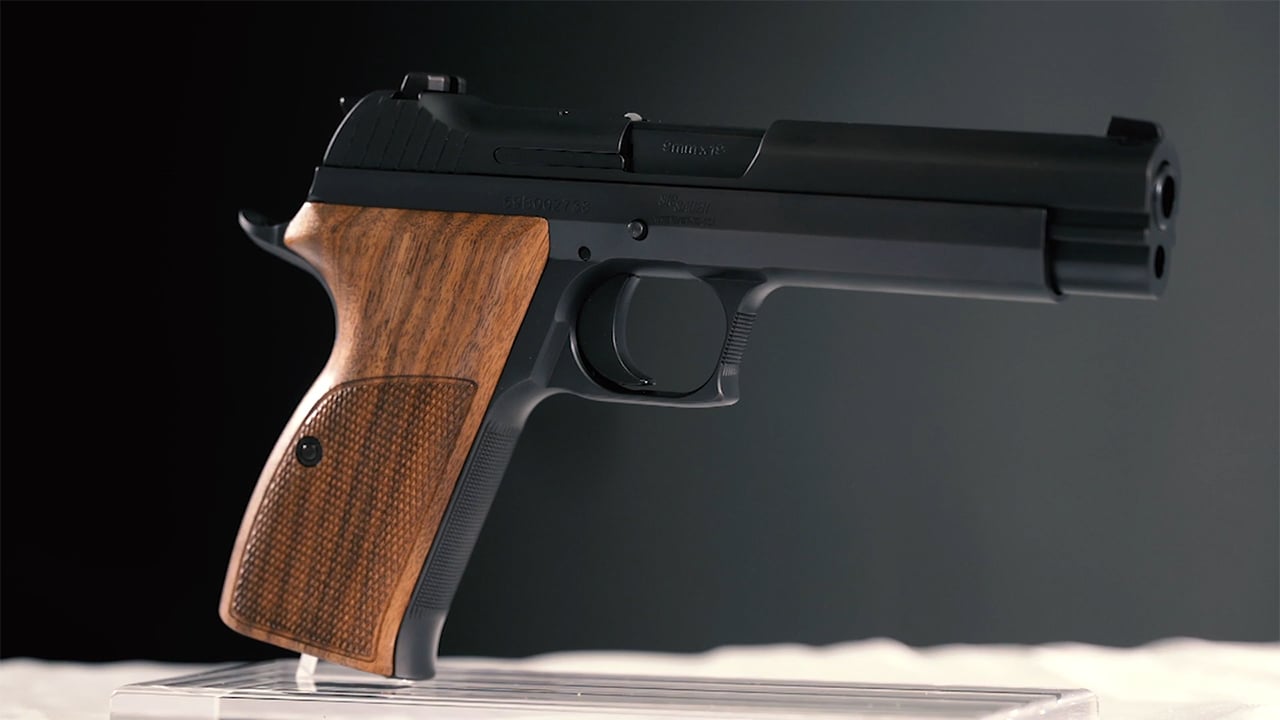
The P210 was always accurate, but plenty of shooters dismissed it as a high-dollar 9mm that didn’t bring anything “practical” to the table. It’s not a high-capacity polymer gun. It’s not a tiny carry piece.
It’s a bank-vault pistol that shoots like a match gun with service-gun manners. Collectors want them because they feel like old-world craftsmanship you just can’t order up at a big box store. When you handle one, you get it.
7. Walther P88
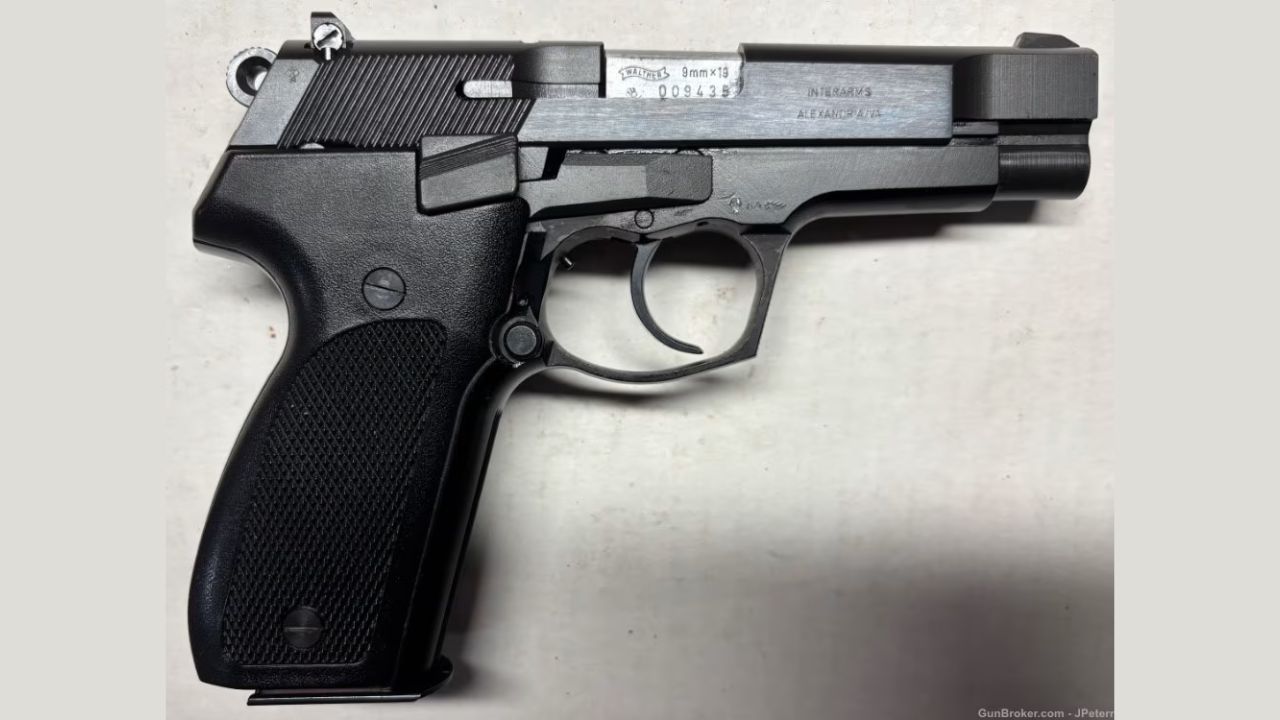
The P88 came out in an era where everyone was chasing “the next duty 9mm,” and it landed with a thud because it was expensive and didn’t have a marketing machine behind it in the U.S. Many folks called it redundant next to SIGs, Berettas, and the rising polymer crowd.
Now it’s one of those sleeper Walthers that serious collectors hunt. Fit and finish are excellent, and it represents a moment when companies were still building like pride mattered more than unit cost.
8. CZ 75 (pre-B and early variants)

Early CZ 75s got brushed off by some buyers as “another steel 9mm,” especially when import availability was spotty. It wasn’t the hot American brand, and it didn’t have the glossy ad campaigns.
Then everybody realized how well they shoot. The grip shape, the low slide profile, and that smooth recoil impulse are real. Collectors now chase pre-B guns, early import marks, and specific variants because that era has a feel modern production doesn’t exactly replicate.
9. Glock 17 (early Gen 1 and Gen 2)
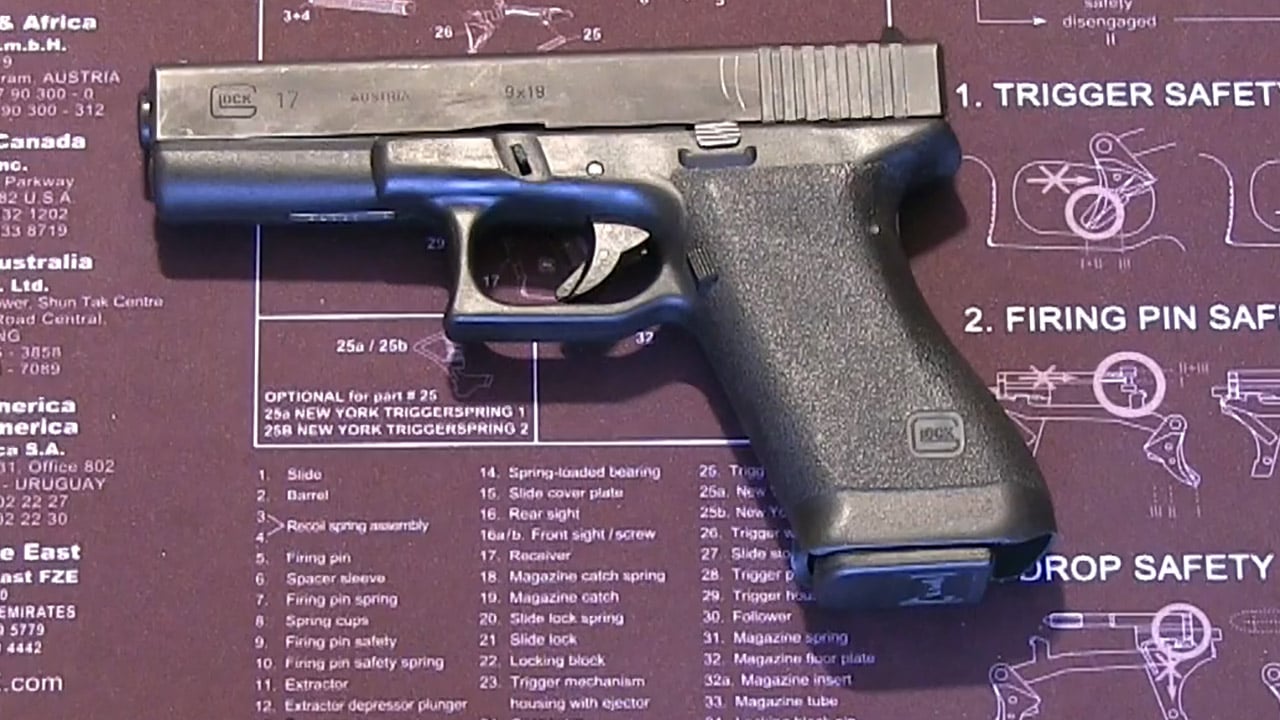
It’s funny to say now, but early Glocks were treated like plastic oddities. Redundant? Plenty of shooters thought so. “We already have metal pistols that work,” was the common line, and the looks didn’t help.
Fast forward and the first-generation “pebble” texture and early markings are collector bait. They represent the beginning of the modern striker era, and clean, un-messed-with examples are harder to find than you’d think because so many were carried hard and upgraded into something else.
10. Beretta 92G (decocker-only variant)
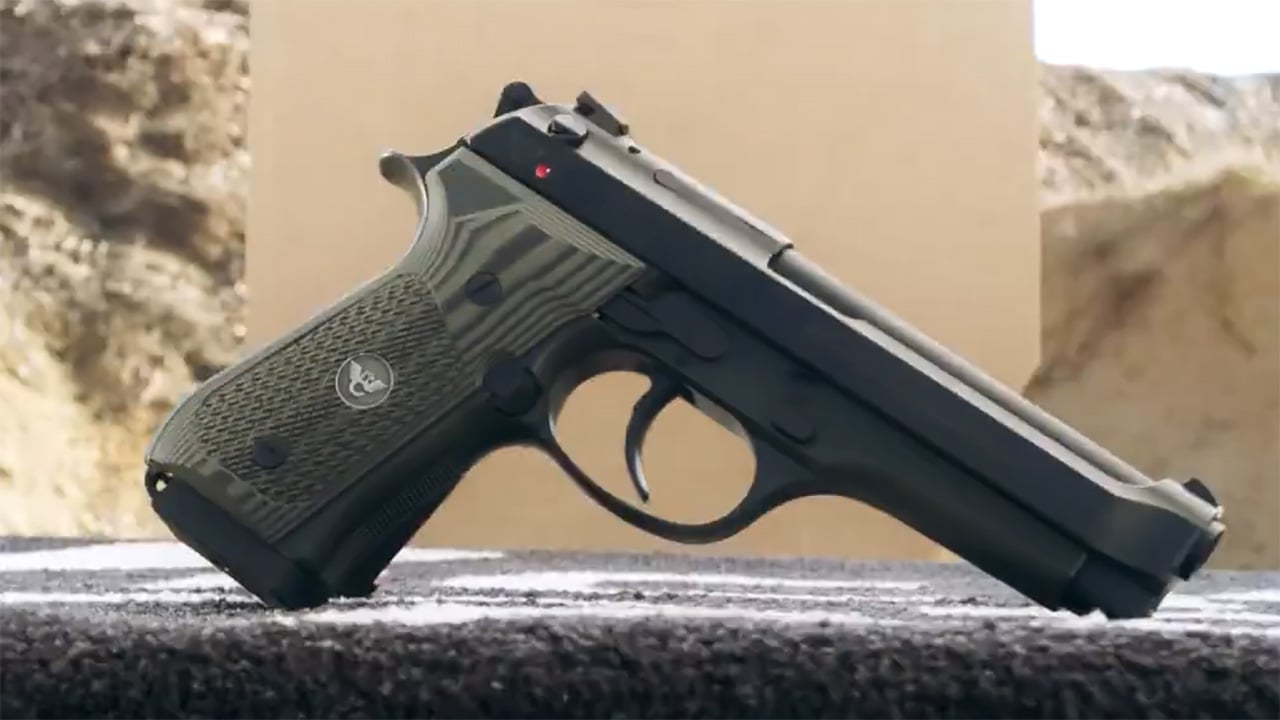
To a lot of buyers, the 92G seemed like a minor tweak. You already had the 92FS with a safety/decocker, so why pay attention to a decocker-only? It sounded like a small thing gun guys argued about online.
Then folks started appreciating what that “small thing” does for handling consistency. Collectors like the tie to certain contracts and runs, and shooters like the fact it keeps the Beretta manual of arms cleaner without the lever sitting in “safe” when you don’t want it there.
11. Colt Mustang (and Pocketlite variants)

The Mustang spent years in the shadow of bigger Colts and the 1911 crowd. It was “just a little .380,” and when pocket .380s were out of fashion, it got ignored.
Now the small-metal .380 niche is back, and the Mustang is one of the originals worth owning. They carry well, feel like a real gun (because they are), and the good ones have become hard to snag without paying collector pricing.
12. SIG Sauer P225 (P6 police trade-ins included)
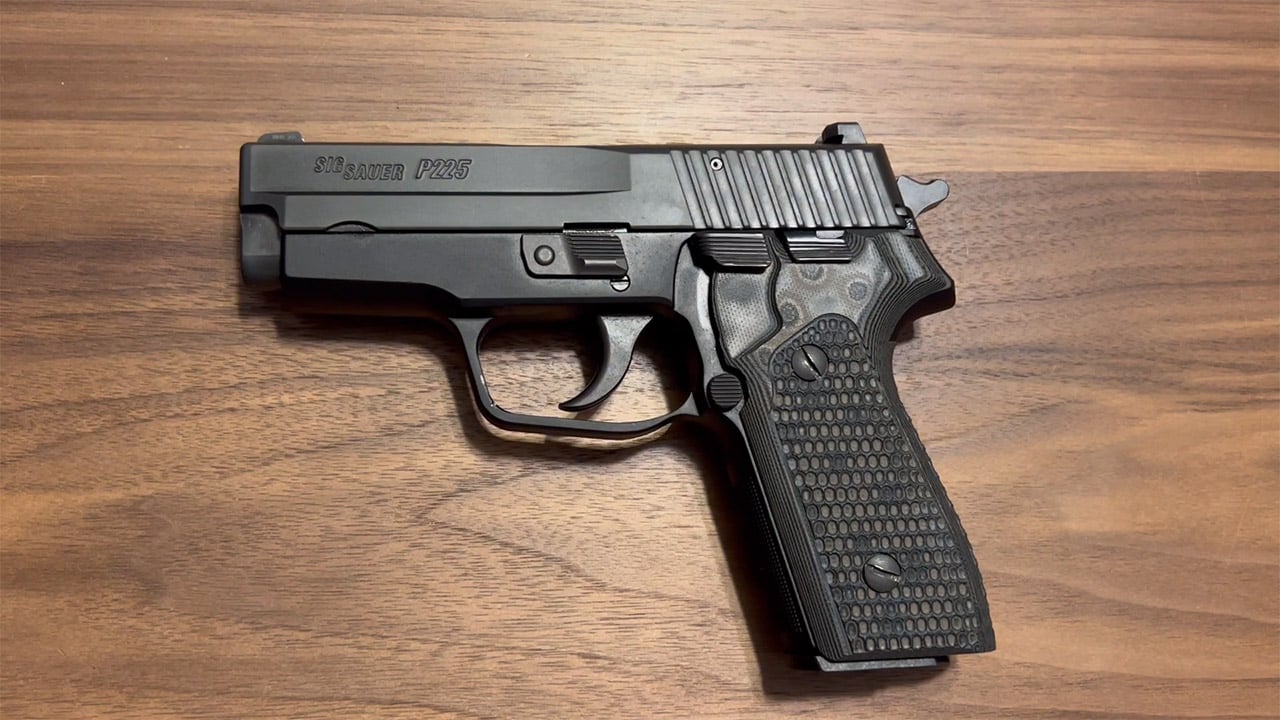
When double-stack 9mms became the standard, the P225 got labeled as unnecessary. Why buy a single-stack duty-size SIG when you can get more rounds in the grip?
Because it carries flatter and points like a dream. The P6 trade-ins used to be the best-kept secret in used handguns. Those days are gone. Clean examples with the right markings and original parts now get snapped up fast, especially by folks who actually shoot what they collect.
13. Smith & Wesson Model 39
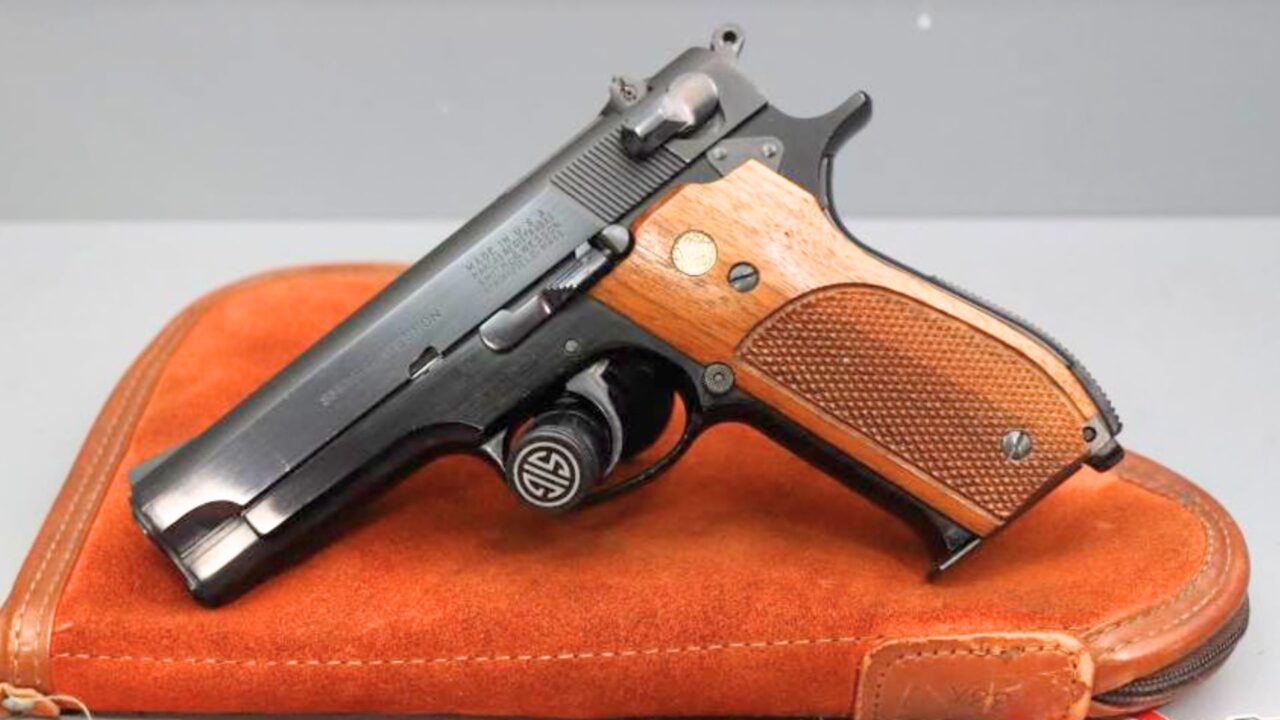
The Model 39 can feel “in-between” on paper: single-stack capacity, older DA/SA system, not as modern as later autos. For years it got treated like a stepping stone rather than something to keep.
Collectors see it as a landmark American 9mm, and shooters see a slim pistol that still carries well. Find one with a crisp original finish and correct magazines and you’ll understand why it’s no longer the cheap used auto sitting lonely in the back of the case.
14. Smith & Wesson Model 59
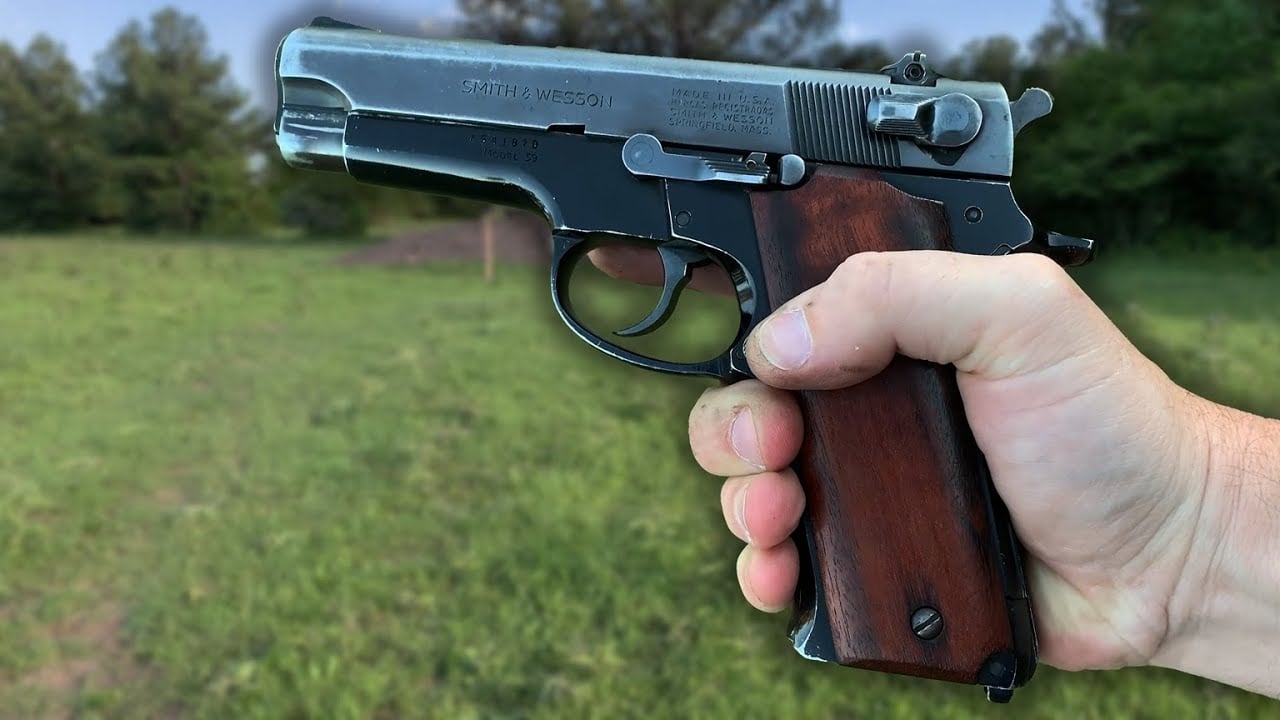
The Model 59 was the wider, double-stack follow-up, and it still got labeled as clunky once the next generation of pistols showed up. A lot of them were used hard, and plenty were altered with sights and grips that weren’t exactly tasteful.
That’s what makes clean ones appealing now. It’s an early chapter in the high-capacity 9mm story, and collectors like finding an honest example that hasn’t been “improved” into something it was never meant to be.
15. Ruger P89 (and early P-series metal-frame guns)
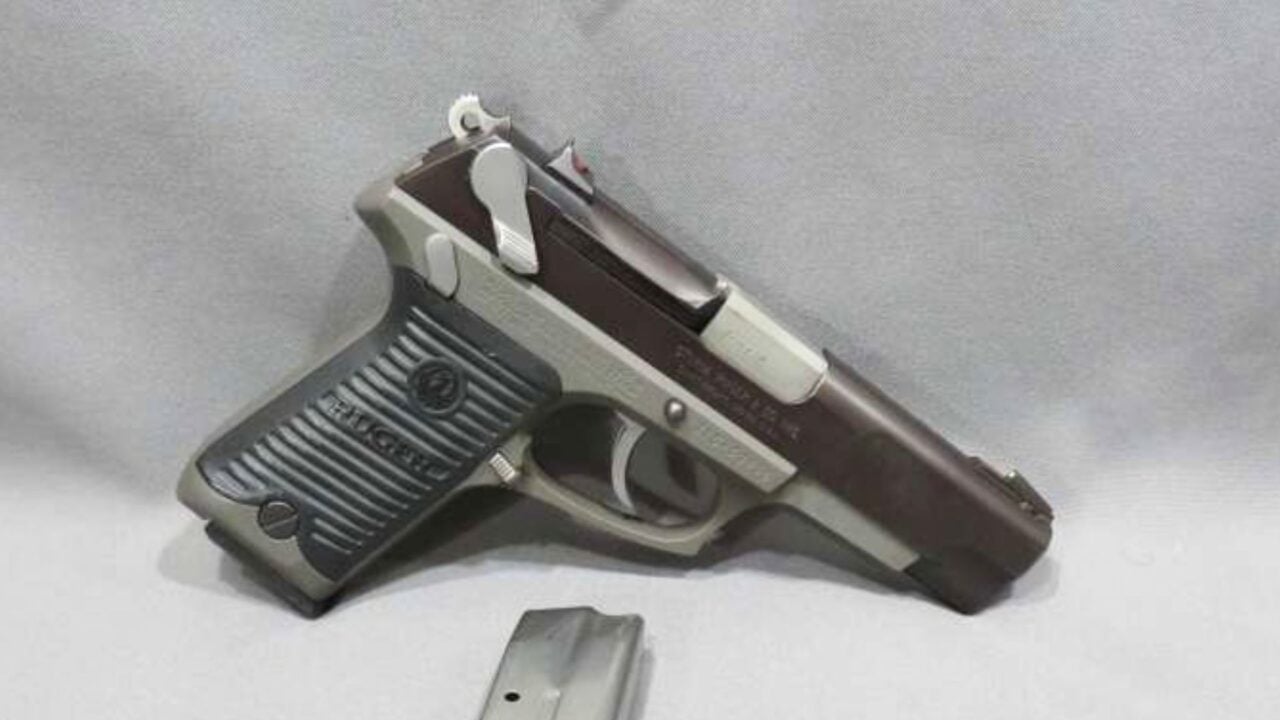
Ruger P-series pistols were the butt of jokes for being blocky and overbuilt. Redundant was a common word because they weren’t sleek, weren’t fashionable, and didn’t feel “premium” in the hand.
But they run. They take abuse. And now that a lot of them have been rode hard in glove boxes and nightstands for decades, clean early examples with boxes and papers are oddly collectible. There is nothing fancy about it, and that is kind of the point.
16. Makarov PM (Russian/East German military production)
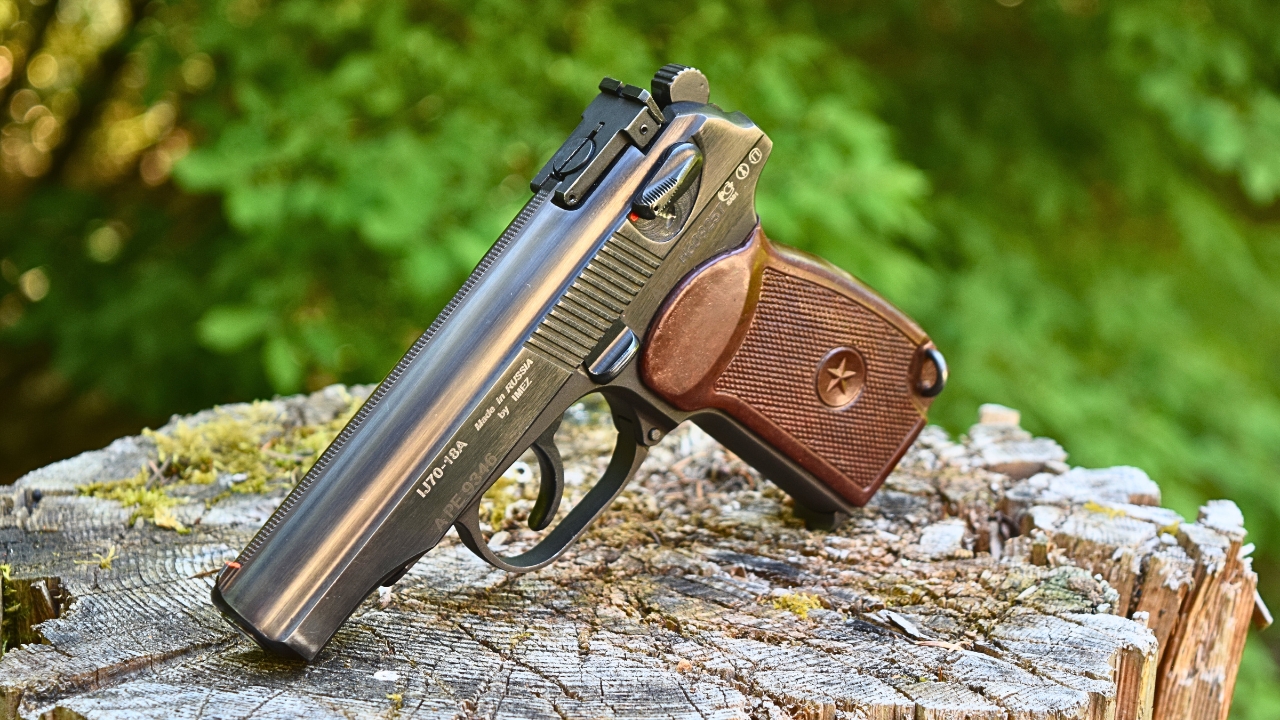
For a long time, the Makarov lived in that “cheap surplus” lane. Guys bought them because they were affordable and dependable, not because they thought they were special. Many considered them redundant next to .380s and compact 9mms.
Then surplus dried up. The good ones—especially certain military productions—became harder to find in nice shape. They’re simple, reliable, and have a Cold War history collectors can actually hold in their hand.
17. FN Five-seveN (early models)
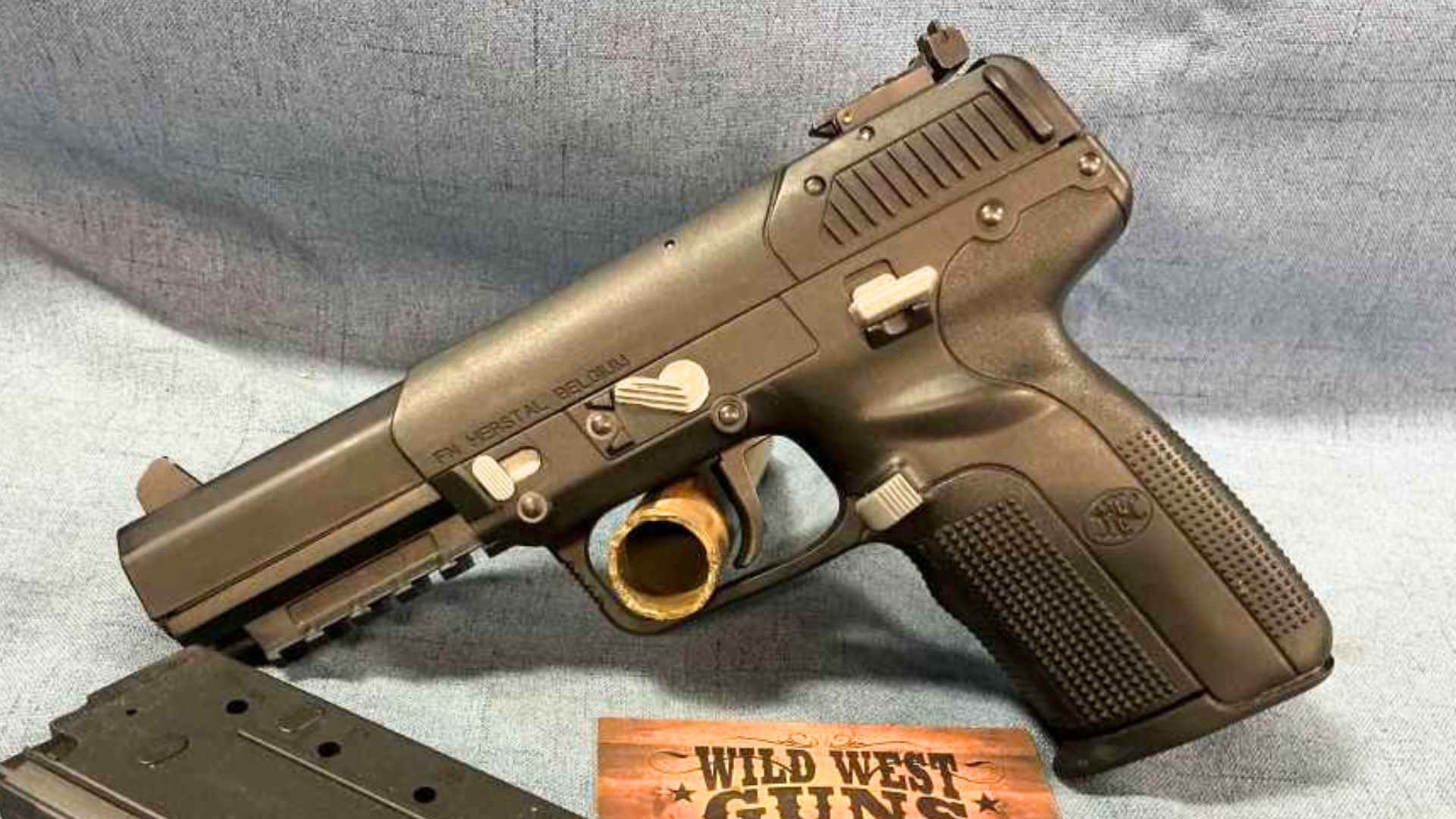
The Five-seveN got laughed at as a niche caliber pistol that cost too much and didn’t do anything a “normal” handgun needed to do. The cartridge was considered specialized, and the pistol looked like something from a sci-fi movie.
Whether you love it or hate it, it’s unmistakable, and that matters in collector circles. Early examples, correct magazines, and original configuration details have become a big deal. It’s not everybody’s cup of coffee, but it’s absolutely the kind of gun that becomes more desirable once production shifts and politics start swirling around the caliber.
18. Colt Delta Elite (10mm Auto)

10mm has always been a boom-and-bust cartridge, and early on a lot of shooters thought it was unnecessary. Too much recoil, too hard on guns, too expensive to feed. The Delta Elite, being a 1911 in 10mm, got treated like a novelty by plenty of folks.
Then the outdoors crowd remembered why 10mm exists in the first place. Delta Elites—especially early production—carry a certain “first of its kind” weight. When you find one that hasn’t been beaten up, it’s hard not to want it, even if you don’t shoot full-house loads every weekend.
19. Smith & Wesson 1006
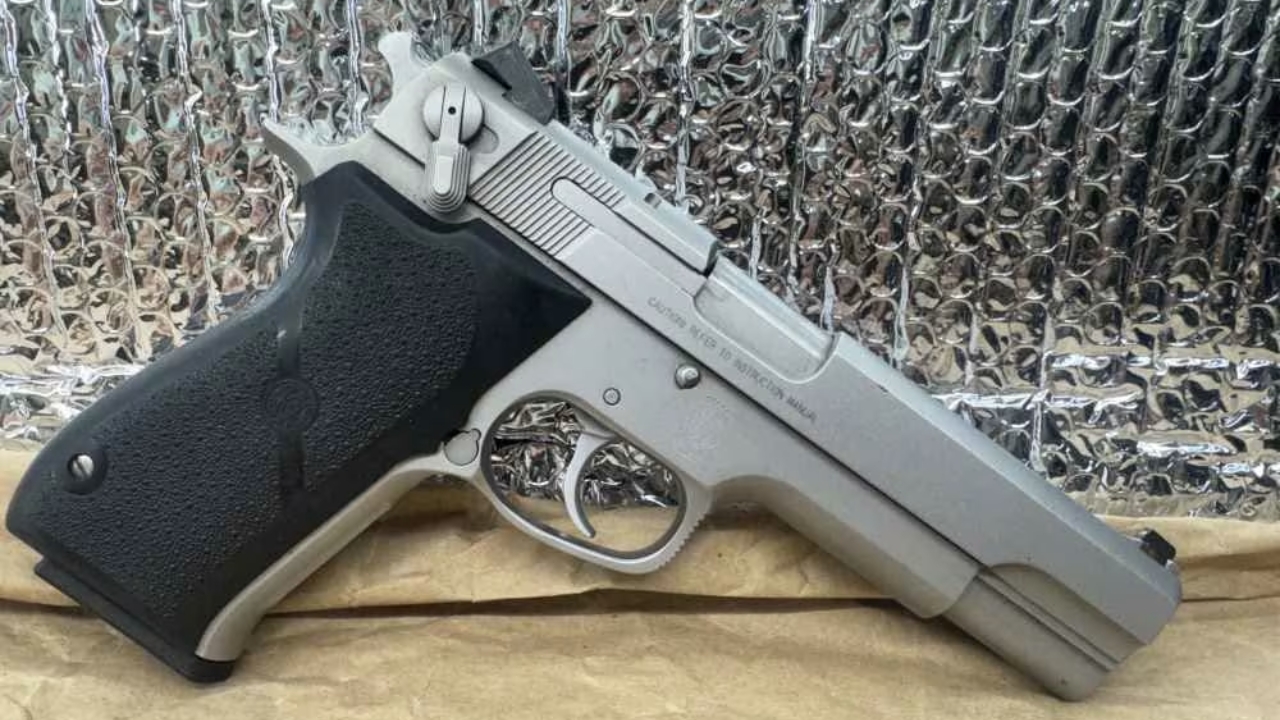
The big stainless 3rd Gen Smiths were never dainty, and the 1006 is a handful. When polymer pistols took over, these got dismissed as heavy relics. Redundant, old-school, too much steel for no reason.
Now collectors chase them because they represent a time when duty pistols were built like they were meant to survive a career. The 1006 is also one of the more respected “built for 10mm” platforms from that era. Heavy, yes. Also ridiculously durable.
20. AMT Backup (stainless pocket pistol)

The AMT Backup got a reputation for being finicky, and to be fair, some of them earned it. A tiny stainless pocket pistol sounded good, but in practice they could be sharp, heavy for their size, and picky about ammo or maintenance.
Still, collectors want them because they capture a very specific moment in concealed carry history—before the micro 9s made pocket guns feel easy. If you find one that runs, with the right markings and original bits, it draws interest fast. It’s not because it’s perfect. It’s because it’s a survivor from the era when “backup gun” really meant something.
If there’s a theme here, it’s that yesterday’s “why would you buy that?” becomes tomorrow’s “I should’ve kept it.” Not every oddball pistol deserves collector money, and not every discontinued gun is a gem. But if you’ve got one of these sitting in the back of the safe, maybe don’t trade it off for the newest hotness just to scratch an itch. Ask me how I know.
Like The Avid Outdoorsman’s content? Subscribe to our newsletter so you never miss an article.
Here’s more from us: