Photo credit: MrBigKid/YouTube
A good trigger doesn’t make you a better shooter by itself. What it does do is remove friction between your brain and the gun. When the take-up is predictable, the wall is easy to read, and the reset is short enough to feel, you stop yanking shots low-left and you start calling them. Your sight picture stays calmer because you aren’t fighting the gun to get the shot to break.
Fast shooting is mostly about rhythm: seeing enough, pressing clean, and getting back to the reset without slapping through it. Some pistols make that learning curve shorter because their triggers give you clear feedback and punish you less when you’re pushing speed.
These are pistols where the trigger system helps you shoot better fast—whether you’re running drills, shooting matches, or trying to tighten groups while the timer is running.
CZ Shadow 2

The Shadow 2 is built around shooting fast, and the trigger is a big reason why. In double-action, you get a long pull that stacks in a predictable way, which teaches you to prep the press while the sights are settling. In single-action, it breaks clean and resets short, so your follow-up shots feel measured instead of rushed.
When you start pushing speed, the gun rewards a smooth press and honest grip pressure. You feel the wall, you break the shot, and you’re back on reset without hunting for it. That makes transitions and doubles easier to control because the trigger isn’t adding chaos. It’s a pistol that turns “spray and pray” into “see what you need to see,” and it does it without you needing a suitcase of aftermarket parts.
CZ 75 SP-01
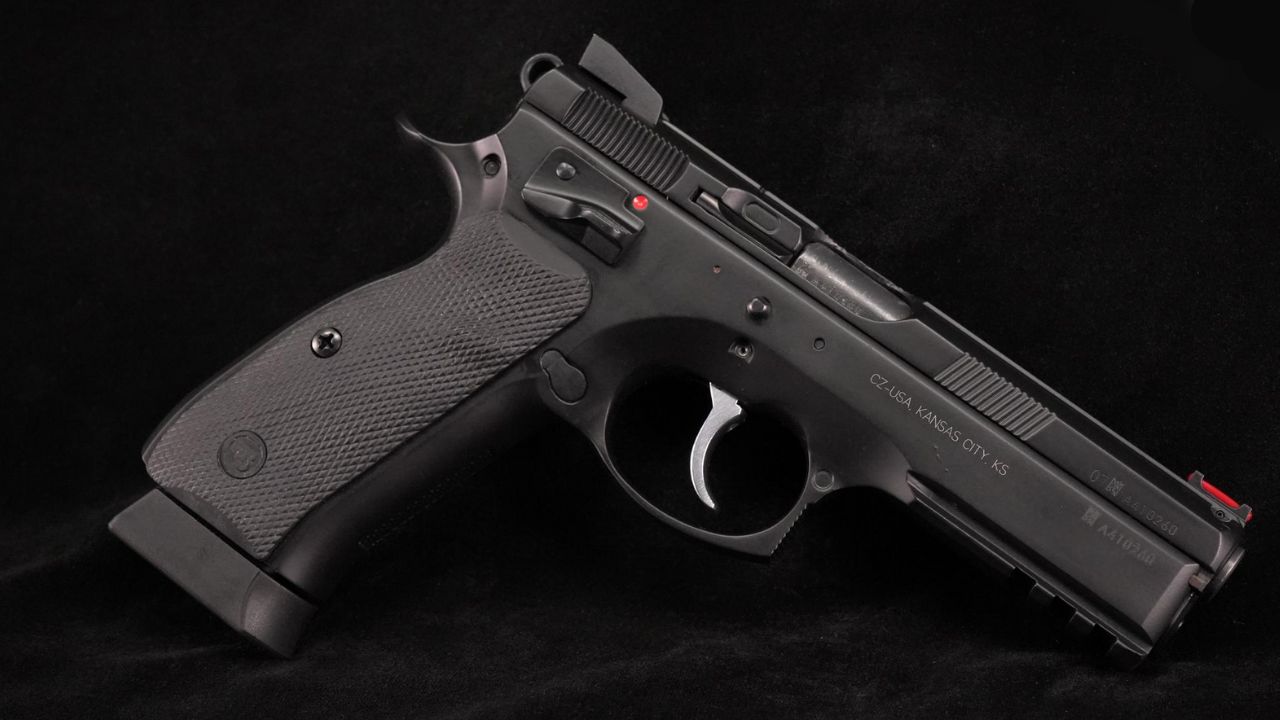
The SP-01 gives you that classic CZ trigger feel in a pistol that’s heavy enough to settle quickly and light enough to carry into long practice days. The double-action pull encourages you to learn real trigger prep, because you can feel the weight build and you can time the break as the front sight stops moving.
In single-action, the press is smooth with a clear reset that helps you keep your cadence honest. When you’re trying to shoot faster than your comfort zone, the SP-01 keeps you from overcorrecting because the trigger feels consistent shot to shot. It’s also a pistol that makes dry fire worth your time. The feedback you get in dry work carries over cleanly when you step onto live ammo and a timer.
SIG Sauer P226 SAO

A single-action-only P226 gives you one trigger press every time, and that consistency shows up fast on the clock. The take-up is controlled, the wall is easy to find, and the break feels clean enough that you can press straight to the rear without adding steering input.
That helps your speed because you spend less mental effort managing two trigger modes. Your grip, your sight picture, and your press stay the same whether you’re firing the first shot or the tenth. The reset is easy to feel, so you can run controlled pairs without slapping through the next press. The P226 also has enough weight to stay settled during rapid strings, which makes the trigger feel even better in real use. It’s a pistol that teaches you to press with intent instead of rushing.
Beretta 92FS

The 92FS has been winning people over for decades because the single-action pull can be very shootable when you run it correctly. The double-action first shot forces you to learn prep and patience, and the transition into single-action teaches you control under speed.
Once you’re in single-action, the press is smooth and the reset is friendly enough that you can keep the gun moving without losing your grip. The trigger face and geometry also tend to encourage a straight press, which helps you keep the sights from dipping during fast strings. The 92FS is not a tiny pistol, and that matters here. The weight and balance help you stay calm while you’re shooting fast, and that makes the trigger feel even cleaner because the gun isn’t bouncing around in your hands.
Beretta 92X Performance

The 92X Performance is a dedicated fast-shooting Beretta, and the trigger reflects that. You get a controllable double-action that can be staged cleanly, then a single-action pull that feels crisp with a short, readable reset. The whole system is built to let you run speed without feeling like you’re wrestling the gun.
Where it shines is in tempo shooting—controlled pairs, transitions, and longer strings where you’re trying to keep everything inside an A-zone. The trigger gives you feedback that’s easy to trust, so you stop guessing and start pressing. The heavy frame keeps the gun flat enough that your trigger finger can work without the sights leaving you behind. If you want a pistol that makes fast accuracy feel more like a skill and less like a gamble, this one gets there quickly.
Walther PPQ

The PPQ earned its reputation because it delivers a striker trigger that feels unusually clean in real shooting. The take-up is smooth, the wall is obvious, and the break is crisp enough that you don’t feel like you’re dragging a shot off target. The reset is short and easy to feel, which matters when you’re trying to shoot faster without turning sloppy.
That trigger behavior makes a difference in learning speed. You can run a drill, see your sights lift and return, and time the next press without slapping. It helps you stay disciplined because the gun responds to a clean press immediately. When you’re pushing cadence, the PPQ also makes it easier to call shots, since the trigger doesn’t mask what your sights were doing at the break. It’s a pistol that makes good habits show up on paper fast.
Walther PDP

The PDP carries a lot of what people liked about the PPQ and puts it into a modern, optic-ready direction. The trigger is still a highlight: clear wall, clean break, and a reset that’s easy to ride when you’re working faster strings. That helps you keep the press consistent while you focus on seeing the dot or front sight lift and settle.
For practical speed, the PDP’s trigger makes your timing cleaner. You can prep into the wall during recoil recovery and finish the press as soon as the sight picture is acceptable. That’s how you shoot fast without throwing points away. The trigger also helps newer shooters because it gives honest feedback in dry fire. You can feel when you’re adding side pressure, and you can fix it before it shows up as scattered hits at full pace.
Canik SFx Rival

The SFx Rival is one of the easiest pistols to pick up and run well quickly, largely because the trigger gives you a lot of help. The press is light enough to move fast, the wall is easy to read, and the break feels clean. The reset is short and positive, which makes it easier to keep a steady cadence without “searching” mid-string.
That kind of trigger speeds up learning because it reduces the number of variables you’re fighting. You can work on grip and sight tracking while the trigger stays consistent in the background. When you start running transitions and doubles, the Rival lets you press aggressively without the gun punishing you for it. It’s also a pistol that makes dry fire feel productive. You can run reps, feel the reset, and build rhythm that carries over when you step up to live fire and start chasing time.
Staccato P

A Staccato P gives you a 1911-style single-action trigger in a double-stack format that’s built for hard use. The press is short and clean, and the reset is quick enough that fast shooting feels more like keeping time than forcing speed. That’s the real advantage: your trigger finger can work quickly without adding extra motion.
When you’re trying to shoot fast and accurate, the trigger helps you stay honest. You can prep to the wall as the gun returns from recoil and break the shot with minimal disturbance. That keeps the dot or front sight calmer and reduces the “panic press” that blows shots out of the scoring zone. The platform also tends to track flat, which makes the trigger feel even better because the gun returns to the same place each time. It’s a pistol that rewards clean input and fast eyes.
Springfield Prodigy

The Prodigy brings the 2011-style trigger experience to a price point more shooters can access, and that matters if you want fast improvement without living in custom-gun territory. When it’s running correctly, the trigger press is short with a clean break, and the reset is quick enough that you can stay on it during rapid strings.
That trigger behavior makes a difference in how you practice. You can focus on riding the reset and pressing straight back while you learn to track sights at speed. In drills like doubles and bill drills, the Prodigy lets you build rhythm without feeling like the trigger is fighting your timing. You still need solid fundamentals—grip and sight awareness never go away—but the trigger makes it easier to apply those fundamentals under pressure. For shooters stepping up from striker guns, it often feels like you removed a layer of resistance.
A quality 1911 Government model
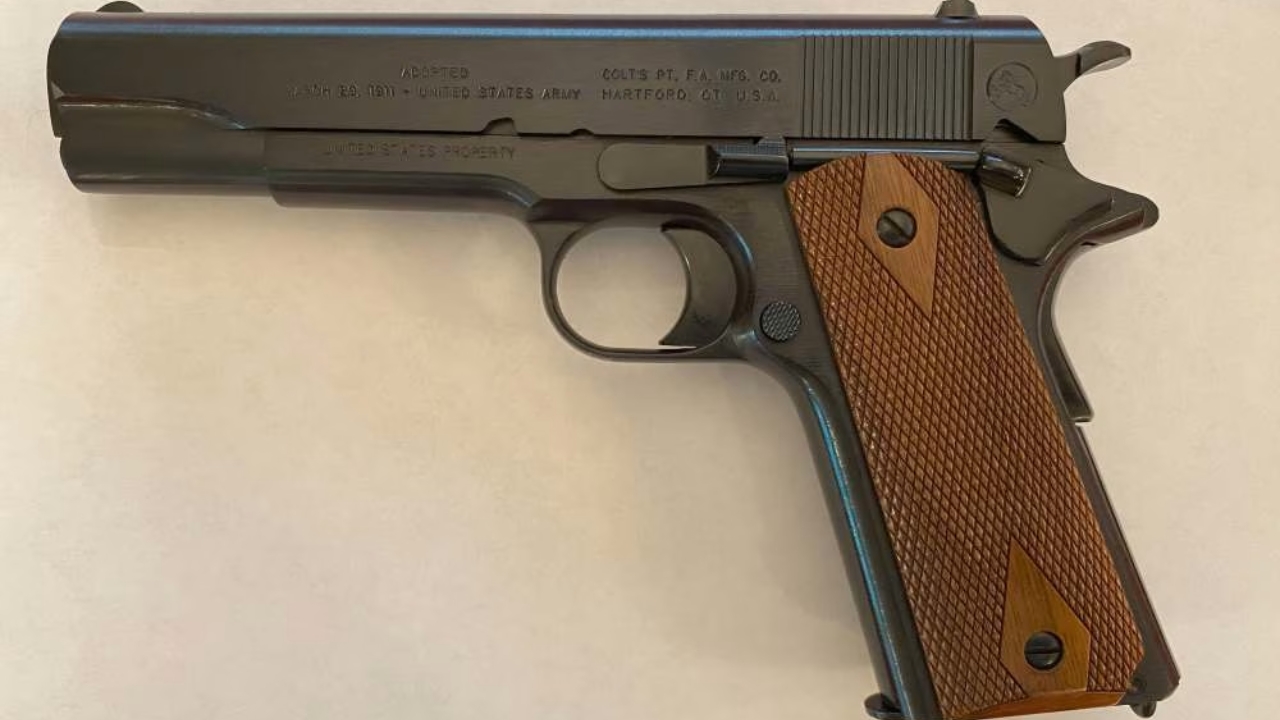
A well-built Government-size 1911 has one of the cleanest trigger systems you can shoot, and it can speed up your learning curve fast. The press is short, the wall is sharp, and the break is crisp enough that you can see exactly what your sights were doing when the shot went. That makes it easier to diagnose your own mistakes.
The reset is also short and easy to feel, so you can run controlled pairs and tight cadence drills without slapping through the next press. What you get, especially in a full-size gun, is a trigger that lets you focus on sight tracking instead of managing a long, mushy press. That doesn’t mean it’s a beginner-only pistol. It means it’s a pistol that tells the truth. If your grip is weak or your press is crooked, the target shows it. Fix it, and the gun rewards you immediately.
SIG Sauer P210

The P210 has a reputation for precision for a reason, and the trigger is part of that story. The press tends to feel clean and controlled, with a break that doesn’t drag you off your point of aim. When you’re trying to shoot fast and keep hits tight, that matters more than raw pull weight.
This is the kind of pistol that builds confidence because you can call your shots and the paper agrees with you. When you press, the gun fires without extra movement, which makes your follow-up shots more consistent. You also get a reset that’s readable enough to work in a steady rhythm, especially when you’re shooting for accuracy under time. The P210 isn’t built around modern capacity or carry convenience, but as a trigger-and-accuracy trainer it’s hard to beat. It teaches you what “clean” feels like.
HK VP9

The VP9 isn’t a target pistol, but it offers a striker trigger that’s consistent enough to help you shoot faster with fewer mystery misses. The take-up is smooth, the wall is readable, and the break is clean enough that you can press without feeling like you’re hauling through gravel. The reset is easy to find, which helps when you’re trying to keep pace.
What matters is how it behaves during real drills. The VP9 lets you prep the trigger as the gun settles and finish the press without yanking the sights off line. That makes your first shot cleaner and your follow-ups less chaotic. It also gives you feedback you can use in dry fire. You can feel where the wall lives and learn to stop there, then press through it with control. For a duty-style striker gun, that consistency helps you improve faster.
Smith & Wesson M&P 2.0

The M&P 2.0 has become a serious shooter’s pistol because it can be run hard without feeling unpredictable, and the modern trigger setup helps that. You get a consistent press with a clear wall and a reset you can work with when you’re moving quickly. That turns fast shooting into a repeatable process instead of a series of guesses.
The real benefit is how quickly you can build confidence. The trigger lets you prep as the gun returns, then break the shot with less disturbance to the sights. When you’re trying to shoot faster while keeping hits centered, that matters more than any spec sheet. It’s also a pistol that responds well to disciplined dry fire. You can practice pressing to the wall, holding the sight picture steady, and riding the reset. Put those reps in, and the gun makes the payoff obvious on your next range trip.
Ruger Mark IV

If you want to learn fast shooting fundamentals without getting beat up by recoil and blast, the Mark IV is a smart route. A good .22 trigger makes it easier to press cleanly while your eyes track the sights, and the Mark IV’s trigger system can be very shootable. That helps you build speed based on sight awareness, not based on noise and flinch.
The value shows up in volume. You can shoot a lot, stay relaxed, and practice running the trigger at speed while keeping the sights stable. That’s how you build real trigger control that transfers to centerfire pistols. When you move back to 9mm or .45, your finger already knows what a clean press feels like. The Mark IV also makes reset discipline natural, since you can run quick strings and feel every press without the gun bouncing out of your hands. It’s a training tool that pays you back every time.
Browning Buck Mark

The Buck Mark is another pistol that helps you build speed and precision because the trigger experience can be clean and predictable. With a good rimfire trigger, you learn to press without moving the sights, and you learn to reset without slapping. That’s the foundation of fast shooting that stays accurate.
This pistol shines when you’re working on rhythm. You can run plates, paper drills, and timed strings while staying relaxed enough to pay attention to what your finger is doing. That matters because trigger control is a skill, not a mood. The Buck Mark lets you shoot high volume without fatigue, so you can build real reps. It also teaches you to call shots, since the trigger break is clear and recoil is mild. When you’re trying to get faster without getting sloppy, this kind of pistol accelerates progress in a way centerfire often can’t.
Like The Avid Outdoorsman’s content? Subscribe to our newsletter so you never miss an article.
Here’s more from us: