Photo credit: Erik Kaufmanis/Shutterstock.com
When things go sideways, adrenaline takes over. You grab the gun that’s closest, not the one that shoots best. And afterward, when your hands stop shaking and your mind clears, you realize how unforgiving some pistols can be once the panic fades. These are the guns that feel fine in theory—easy to carry, decent specs, proven names—but under stress, they show their flaws. Triggers stack weird, slides bite, mags don’t drop, and accuracy falls apart the second your grip isn’t perfect. They’re the guns that make you regret not training harder—or not picking something more dependable. Every shooter has owned one of these at some point, and you probably remember that sinking feeling when you realized convenience doesn’t equal confidence.
Glock 43X MOS

The Glock 43X MOS seems like the perfect hybrid—slim, optic-ready, and easy to conceal. But under stress, that short sight radius and snappy recoil make precise shooting tough. The thin grip doesn’t give much to hold onto, and even minor grip errors show up fast in your group.
In calm conditions, it shoots fine. But when your hands are slick or your heart’s racing, it’s hard to track your sights or manage follow-ups. It’s a pistol built for comfort, not control. Once you calm down after the chaos, you’ll wish you had more grip and less muzzle rise.
Ruger LC9s

The LC9s checks every carry box—it’s thin, light, and reliable. The problem is, when you’re in a hurry, that light frame and long trigger pull are a recipe for bad hits. The gun bucks hard for its size, and the tiny grip makes recovery slow.
During practice, you can work around it. In panic, it turns into a wrestling match. It’s a gun that rewards discipline and punishes nerves. After a close call, you’ll probably realize that lightweight and shootable aren’t the same thing.
SIG Sauer P365 SAS

The SAS model strips everything that could snag—and everything that could help you shoot well. Its flush fiber-optic sight looks clever on paper, but in a real panic, it’s nearly impossible to track. Most shooters end up guessing their alignment.
It’s smooth to carry, but that slick slide and muted controls make reloads and malfunction drills awkward. It’s the kind of gun you’ll appreciate for its design until you have to use it under stress. Then you’ll wish you’d gone with the standard P365 instead.
Smith & Wesson Bodyguard .380

The Bodyguard .380 is tiny, light, and easy to conceal—but it’s built for desperation, not comfort. The long, heavy trigger and sharp recoil make it hard to shoot accurately, especially when adrenaline takes over. In calm moments, you can manage it; under pressure, it’s chaos.
It’s reliable and portable, sure, but it demands perfect trigger control when your body’s shaking. After the fact, you’ll realize it’s one of those guns that’s great to have, but miserable to actually use when it matters.
KelTec PF-9
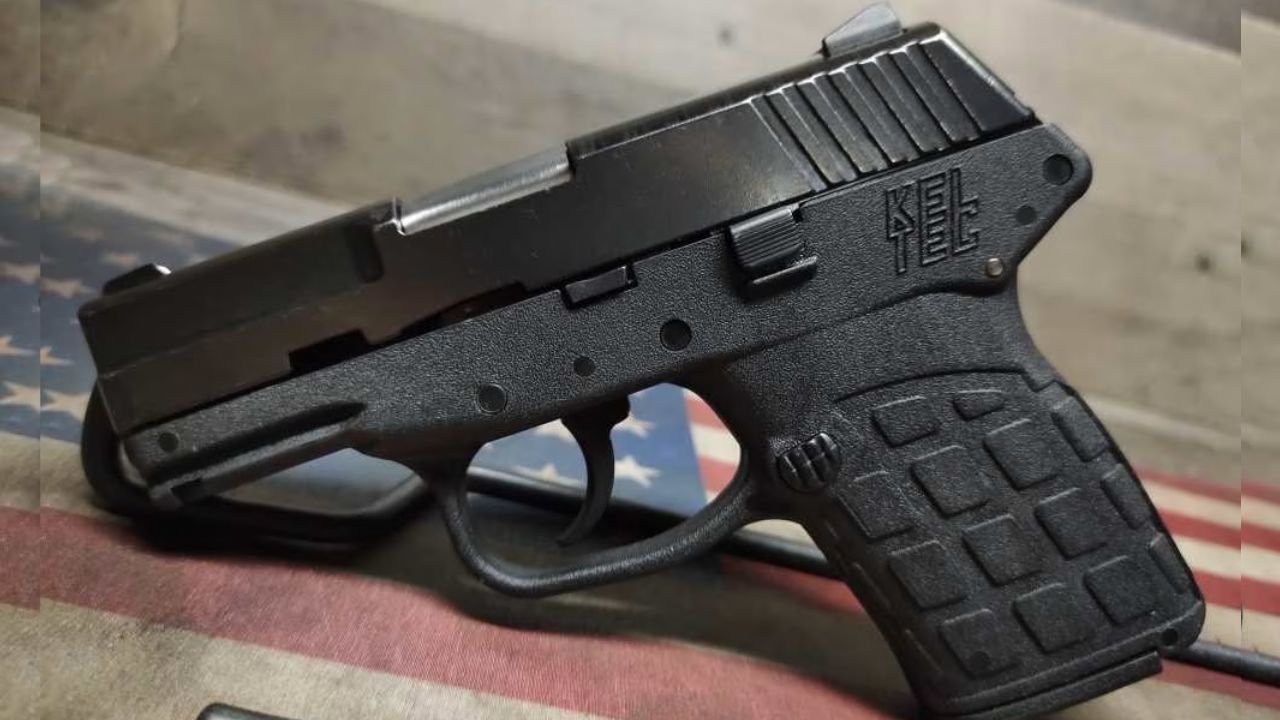
The PF-9 is known for being one of the lightest 9mm pistols around, but that’s not always a good thing. Its recoil feels punishing, and the trigger is inconsistent. Under panic, when your grip isn’t perfect, it’s nearly impossible to keep on target.
It’s small enough to hide anywhere, which is probably why so many people buy it. But once you actually need to shoot it fast, you’ll find yourself fighting the gun as much as the situation. It’s a great concept with painful execution—literally.
Springfield Armory XD-S Mod.2

The XD-S Mod.2 in .45 ACP sounds like a powerhouse in a compact package, but that lightweight frame doesn’t help when things get intense. The recoil hits hard, and your follow-up shots scatter quickly. Even the 9mm version can be tricky for new shooters under stress.
It’s a gun you can carry comfortably, but you’ll realize in hindsight that it’s not forgiving. It’s accurate when you’re calm, unpredictable when you’re not. After a tough encounter, you’ll probably wish you’d picked something with more grip and less bite.
Kimber Micro 9

The Kimber Micro 9 looks and feels refined, but under pressure, it turns rough. The short barrel and low weight make it snap hard, and it’s easy to limp-wrist in a hurry. Controls are small, and the single-action trigger requires focus that disappears in adrenaline.
You can shoot it well with concentration, but panic doesn’t leave much room for precision. It’s beautiful and reliable but not a pistol you want to rely on when your hands are trembling. Calm reveals what panic hides—the Micro 9 isn’t built for mistakes.
Taurus G2C

The Taurus G2C has earned a reputation as a budget carry gun that “gets it done.” But when you’re in a rush, its long, gritty trigger and inconsistent reset make clean shooting a challenge. The gun runs fine—it’s the shooter that struggles.
Under pressure, that trigger feels twice as heavy, and accuracy drops fast. It’s reliable enough for defense, but when the adrenaline fades, you’ll remember how difficult it was to manage a smooth pull. It’s a carry gun that teaches you patience the hard way.
Glock 27

The Glock 27 is compact, powerful, and nearly unmanageable for most shooters. Chambered in .40 S&W, it delivers serious snap from a small frame. You can carry it comfortably all day, but the first shot under stress will remind you why most folks switched to 9mm.
It’s accurate if you can control it, but recoil recovery is slow and punishing. It’s the kind of gun that feels smart in theory and regrettable in action. When the adrenaline fades, you’ll wish you had something easier to control.
SIG Sauer P938

The P938 is small, light, and chambered in 9mm—a rare combination. But the price for that size is steep. The short sight radius, sharp recoil, and tiny safety make it tough to handle when your mind’s racing.
It performs beautifully on the bench but poorly when you’re panicked. You need a perfect grip and clean trigger press every time, and that’s not always possible under stress. It’s elegant, yes, but you’ll regret how high-maintenance it feels when calm returns.
Ruger LCP Max

The LCP Max is one of the easiest pistols in the world to carry, but it’s tough to shoot well fast. The recoil is snappy for its size, and the short grip can cause inconsistent holds. It’s reliable and accurate—if you can keep it steady.
When your adrenaline spikes, this pistol feels like it’s trying to jump out of your hand. It’s perfect for deep concealment, but not for controlled shooting. After the dust settles, you’ll wonder why you didn’t grab something bigger.
Walther CCP M2

The CCP M2 feels ergonomic and comfortable, but under panic it reveals its quirks. The gas-delayed blowback system can be finicky, and if you don’t have a perfect grip, cycling issues appear fast. Maintenance and reliability become real concerns when the pressure’s on.
It’s smooth and soft-shooting when everything’s ideal. But if your grip or stance falters, it loses rhythm quickly. Once things calm down, you’ll probably realize it wasn’t the ideal choice for real-world tension.
Smith & Wesson CSX

The CSX aimed to blend old-school metal-frame quality with modern carry design. It succeeded in feel, but not in function. The trigger feels awkward, the slide is stiff, and the safety placement frustrates anyone trying to move fast.
In a calm setting, you can adapt. Under stress, every small issue multiplies. It’s accurate and reliable, but not intuitive under pressure. It’s one of those guns that makes sense after the fact—when you realize your adrenaline made all its flaws stand out.
Beretta Nano

The Beretta Nano is sleek, snag-free, and easy to conceal. But that same minimalist design makes it hard to shoot confidently. The sights are small, the trigger is long, and the grip feels blocky in a way that doesn’t aid control.
It’s a pistol that performs fine when you’re calm but falls apart when you rush. The first few shots tend to drift, and the reset is sluggish. Afterward, when you’ve had time to breathe, you’ll remember why you stopped carrying it in the first place.
Springfield Hellcat RDP

The Hellcat RDP promises a lot—optic-ready, compensated, and compact. It delivers on looks and comfort, but the recoil impulse is still sharp, and the trigger can feel stiff under pressure. In panic, it’s hard to get the smooth rhythm it demands.
You can shoot it well when calm and deliberate, but in chaos, it’s unforgiving. It’s the kind of pistol that highlights the gap between range performance and real-world control. Once the adrenaline fades, you’ll wish you had grabbed something simpler—and easier to trust.
Like The Avid Outdoorsman’s content? Be sure to follow us.
Here’s more from us:
The worst deer rifles money can buy
Sidearms That Belong in the Safe — Not Your Belt
*This article was developed with AI-powered tools and has been carefully reviewed by our editors.