Photo credit: Shakirov Albert/ Shutterstock.com
Walk into a gun shop with an older shooter and you’ll hear it within five minutes: “They don’t make ’em like they used to.” Sometimes that’s pure nostalgia. Sometimes it’s a real reaction to ownership changes, cost-cutting, new manufacturing methods, or a catalog that drifted away from the models people grew up trusting.
A lot of the “missed” brands aren’t gone—they’re just different. The triggers feel different. The finishes don’t age the same. The model names stayed, but the little details that made them special got simplified, outsourced, or discontinued. If you learned on blued steel and walnut, or you came up when a single factory run could define a decade, it’s normal to look at today’s options and feel like something got lost.
Remington

Older shooters miss the Remington that built rifles and shotguns with a certain consistency—especially the classic Model 700 era and the 870s that felt like they were made to be used for decades. You still see those older guns in camp, still wearing honest bluing and still cycling like they’ve got nothing to prove.
What changed isn’t one single thing. Corporate shifts, production moves, and the modern reality of making guns at scale all affected how people talk about “old Remington” versus what they see later on shelves. When you’ve got an older 700 that shoots and an 870 that runs, it’s hard not to compare everything new to that baseline. You don’t miss a logo. You miss the confidence that came with it.
Winchester

Winchester is one of those names that hits people right in the childhood. Older shooters think of lever guns that felt alive in the hands and bolt rifles that carried like hunting tools, not showroom pieces. A lot of that attachment comes from specific eras and specific models that got under your skin early.
The modern Winchester world is more complicated than the stories make it sound. The brand has lived through different manufacturing arrangements, different product lines, and different “versions” of what Winchester means. That’s why the nostalgia sticks: you’re usually missing a particular slice of Winchester, not the idea of it. When you grew up seeing that name in deer camps and pickup racks, it’s normal to want that same feeling back when you pick up a new one.
Marlin

If you’ve ever handled an older Marlin lever gun that’s been hunted hard, you know why people miss them. A good Marlin 336 or 1894 has a certain smoothness and balance that’s tough to describe until you’ve carried one all season. They feel like working rifles that were made for real use, not for internet arguments.
Marlin also became a brand people learned to talk about in “eras,” because ownership and production changes affected what showed up in stores at different times. That creates strong opinions, and older shooters tend to remember the rifles that earned their trust. When your first lever gun was a Marlin that fed right, shot straight, and didn’t need excuses, you don’t forget it. You end up comparing every newer lever gun to that one rifle.
Colt
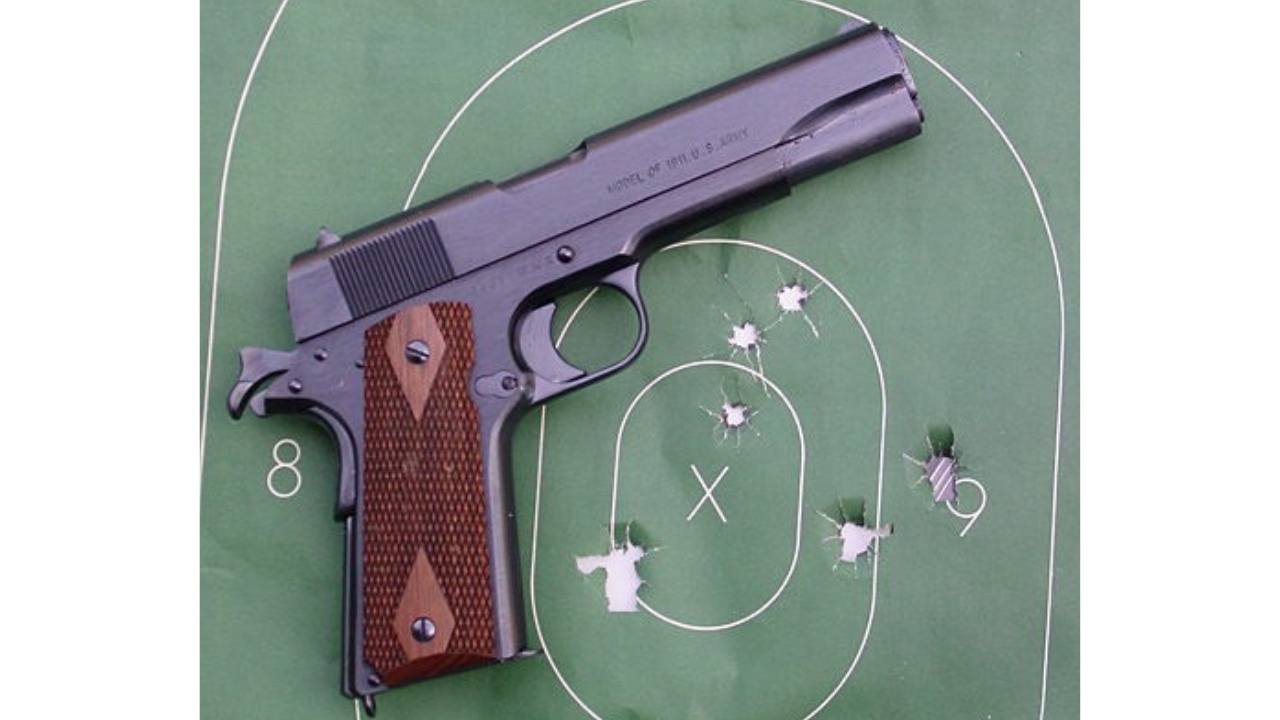
Colt is a special kind of nostalgia for shooters who grew up around classic double-action revolvers and old-school 1911s. The older Colt wheelguns, in particular, have a feel—especially in the trigger—that people still chase. When you’ve shot a clean older Python or a well-kept Detective Special, it’s easy to understand why the brand gets talked about with a certain tone.
What many older shooters miss is the era when Colt’s catalog felt like it was built around those staples. Over time, the lineup shifted, certain models disappeared, and Colt became “different” in the marketplace. That doesn’t mean there aren’t great Colts now. It means the Colt that lived in people’s memories is tied to specific models that were once common enough to be normal. When something that iconic becomes harder to find, it turns into legend.
Smith & Wesson

Ask an older shooter what they miss from Smith & Wesson and you’ll usually hear about older revolvers—blued steel, great triggers, and the kind of fit that made you want to keep the gun forever. S&W revolvers were once the default serious handgun for a lot of cops, outdoorsmen, and everyday shooters, and that legacy still shapes how people judge the brand.
What you’re hearing when someone “misses old S&W” is often about details and eras—how guns were finished, how actions felt, and what models were standard. When you’ve carried a Model 19, shot a well-tuned K-frame, or learned to trust a J-frame for years, you build a relationship with that particular style of gunmaking. Even if the brand is still strong, the specific flavor older shooters grew up with isn’t always what they see today.
Ruger

Ruger is funny, because older shooters don’t always miss “fancy”—they miss “built like a tank.” Think of the old Ruger P-series pistols that ran forever, the classic GP100 and SP101 revolvers, and the workhorse .22s that lived in tackle boxes and truck consoles. Ruger had a reputation for making guns that weren’t delicate and didn’t need babying.
What changed over time is the product mix and what Ruger chose to emphasize. New models came, older models went, and the market pulled everything toward lighter, slimmer, and more modular. That’s great for a lot of shooters, but it isn’t what a certain generation grew up valuing. If your idea of a “good gun” is something you can drop in the dirt, rinse off, and keep shooting, you’re going to romanticize the Rugers that felt like pure utility.
Browning

Older shooters miss when Browning felt like the classier cousin at the table—beautiful bluing, excellent wood, and a catalog that leaned hard into classic hunting guns. For many people, Browning meant shotguns and rifles that looked like heirlooms but still got hunted hard. You could take a Browning into the field and feel like you were carrying something that mattered.
What people often miss is the specific era of Browning they grew up around—certain locations of manufacture, certain model generations, and certain finishes that don’t show up the same way anymore. It isn’t always a claim that new Browning guns are “bad.” It’s that the older ones feel like a different philosophy: fewer shortcuts, more pride in polish, and a style that stood out. If you learned to hunt behind a Browning that aged beautifully, your expectations stay high forever.
Ithaca
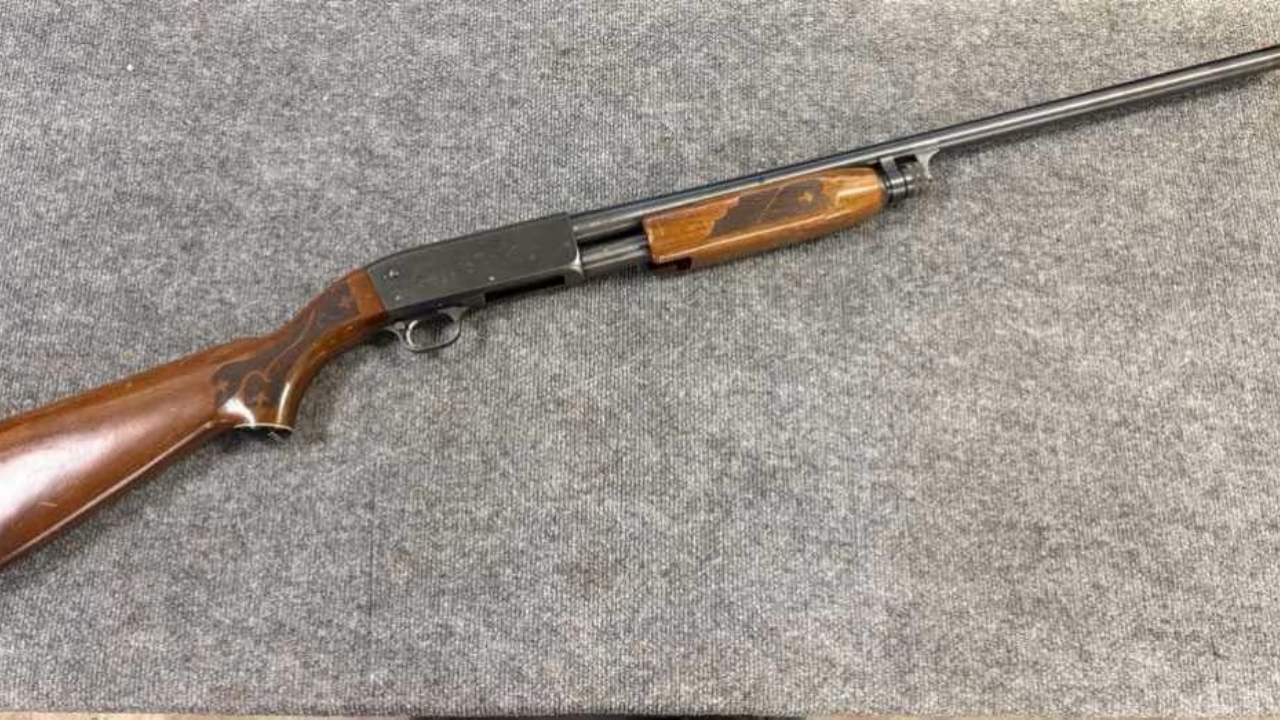
Ithaca is one of those brands older shooters talk about like a secret handshake, especially when the Model 37 comes up. The classic Ithaca pump guns have a loyal following because they’re slick, they point well, and they’ve been trusted in the field for generations. If you grew up around one, it sticks.
A lot of the “miss” comes from how uncommon they feel now compared to what they once were in certain regions. When a brand becomes less visible, it gains myth. Older shooters remember the real thing: a shotgun that carried light, ran smoothly, and took abuse without drama. It’s not that you can’t get a great pump gun today. It’s that you don’t see Ithacas everywhere the way some guys remember, and that scarcity makes the old ones feel even more special.
H&R and NEF

H&R and NEF single-shots were never glamorous, and that’s exactly why people miss them. These were the guns that got handed down, loaned out, taught kids to shoot, and rode behind truck seats. They were honest tools—affordable, practical, and easy to understand. A lot of hunters took their first deer with a break-action H&R or NEF and never forgot it.
The modern market doesn’t have the same volume of cheap, dependable single-shots from a familiar name, at least not in the same cultural way. When you grew up in a place where half the county had one, the disappearance feels personal. Older shooters miss the idea that you could walk into a shop with a tight budget and walk out with a gun that would do the job. It wasn’t fancy, but it was accessible, and that matters.
Savage and Stevens
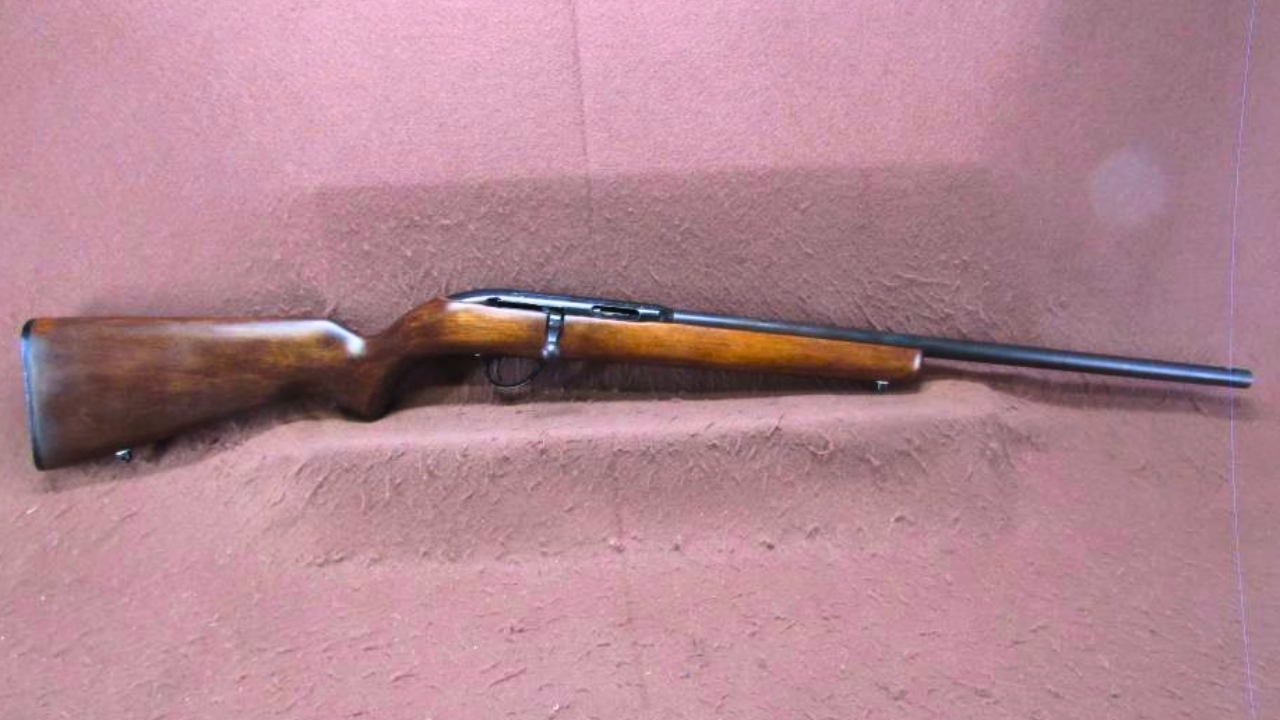
Savage has always been associated with value and performance, and older shooters often bring up the days when Savage bolt guns and Stevens rifles were the “working man’s” answer that still shot straight. Plenty of hunters learned that you didn’t need a polished stock or a prestige name to fill tags year after year.
What people miss is a simpler market where a budget rifle wasn’t trying to be everything at once. Older Savage/Stevens guns were straightforward, easy to maintain, and often surprisingly accurate for the money. Today’s rifles can be better in a lot of ways, but the nostalgia comes from the feeling of finding a sleeper—something cheap that outshot expectations and earned respect in camp. When you’ve got a plain Savage that prints tight groups and keeps doing it, you start believing the old days were better.
Mossberg

Mossberg is still a big name, but older shooters often miss the era when the Mossberg 500 and its variants were the default “do everything” shotgun that just kept going. They remember grab-and-go pumps that lived hard lives—rain, mud, duck blinds, and pickup racks—without becoming fragile or picky.
The “new stuff isn’t the same” feeling usually isn’t about one model. It’s about how mass production and cost pressure can change the little things people notice: finish wear, small parts feel, and that intangible sense of ruggedness. If your first shotgun was a Mossberg you didn’t baby and it still ran, you tend to measure modern pumps against that memory. It’s not that the concept stopped working. It’s that older shooters remember when those guns felt like they were built with more margin than they’d ever need.
Springfield Armory (old surplus era nostalgia)

When older shooters talk about missing “Springfield,” they’re often mixing two kinds of nostalgia: the historical weight of the Springfield name and the era when surplus rifles felt closer to everyday life. M1 Garands, M1903 Springfields, and the whole culture around service rifles created a kind of respect that’s hard to replicate with modern product cycles.
Even when the conversation shifts to the modern commercial brand, what’s really being missed is that connection—wood and steel, battle-proven designs, and guns that felt like they carried a story. Modern shooters can still chase that, but the market has moved. Older shooters miss when those rifles felt closer, more available, and less like collector pieces. When you grew up hearing old timers talk about Garands the way they talk about pickup trucks, “new stuff” can feel sterile by comparison.
FN (classic Browning Hi-Power era)

FN is another brand where older shooters often aren’t talking about the whole catalog. They’re talking about the Browning Hi-Power and that old-world feel—steel frame, slim grip, and a pistol that points like it was built around the human hand. The Hi-Power has a loyal following because it combines shootability with history.
When something like that fades out of the mainstream, shooters start to feel like the market lost a category. Modern polymer pistols are lighter, cheaper to produce, and often more forgiving. But they don’t feel the same. Older shooters miss the balance and character of those classic FN-linked designs. It isn’t always rational, and it doesn’t need to be. If you learned to shoot on a Hi-Power or you carried one because it fit you, you remember that feel every time you pick up something newer and it feels blockier.
SIG Sauer (West German classics)

Older SIG fans miss the “West German” era guns like the P226 and P229 that felt overbuilt in the best way. Those pistols built reputations in law enforcement and serious use, and the older examples often have a certain smoothness—especially when they’re broken in—that people still chase.
A lot of that nostalgia is tied to manufacturing markings, older finishes, and the feeling that the gun was built with zero interest in cutting corners. Modern SIG pistols can be outstanding, but they’re often different products for a different market: optics-ready, modular, lighter, and more production-optimized. Older shooters miss the straightforward “here’s the gun, learn it, run it” approach. When you’ve carried an older P226 that never gave you a reason to doubt it, you get picky about anything that doesn’t feel as settled.
Beretta (classic 92-series era)

Beretta nostalgia often centers on the 92 series—smooth cycling, soft recoil, and a pistol that feels like it’s on rails when everything is right. A lot of older shooters remember the 92 as a duty-grade standard, not a trendy purchase. It was common, proven, and it worked.
What they miss is the era when the 92 was everywhere and felt like the mature choice. The market today is flooded with smaller guns, optics cuts, and polymer frames, and the old-school full-size metal pistol isn’t the default anymore. That shift makes older shooters feel like the culture changed, not just the product list. If you’ve spent years shooting a 92 well, you also miss how forgiving it is—big grip, long sight radius, and recoil that doesn’t beat you up. New guns can be great, but they don’t always shoot as pleasantly.
CZ (classic all-steel vibe)

CZ built a reputation on all-steel pistols that shot flatter than you expected and fit hands well. The CZ 75 family, in particular, created a loyal crowd because it felt like a shooter’s gun—solid, accurate, and easy to run once you got used to it. Older shooters miss when that style of pistol felt more central in the handgun world.
Today’s market leans lighter and more modular, and that changes what people buy and what they practice with. Steel guns still exist, but they’re less “normal” than they used to feel. Older shooters miss the idea of a duty-sized steel pistol that didn’t apologize for being heavy because the weight made it shoot better. When you’re used to that steady, planted recoil impulse, a lot of modern compact guns feel snappy and impatient. The CZ nostalgia is really about shootability and feel, not a logo.
Dan Wesson (old revolver era)

Dan Wesson revolvers are a deep-cut nostalgia for shooters who appreciate the old modular barrel system and the heavy, accurate feel of those guns. They weren’t the most common revolvers in every town, but the people who owned them often remember them as serious shooters—strong frames, good accuracy, and a vibe that felt different than the big mainstream brands.
When a brand becomes less visible in a category you loved, it leaves a hole. Dan Wesson moved around as a name over the years, and the revolver era became something shooters talk about the way they talk about old trucks. You miss the guns that felt like they were made for people who shoot a lot and tinker a little. If you ever spent time with a good Dan Wesson wheelgun, you remember how it shot, and you notice when modern options don’t feel built for that same kind of owner.
Thompson/Center (the Contender crowd)
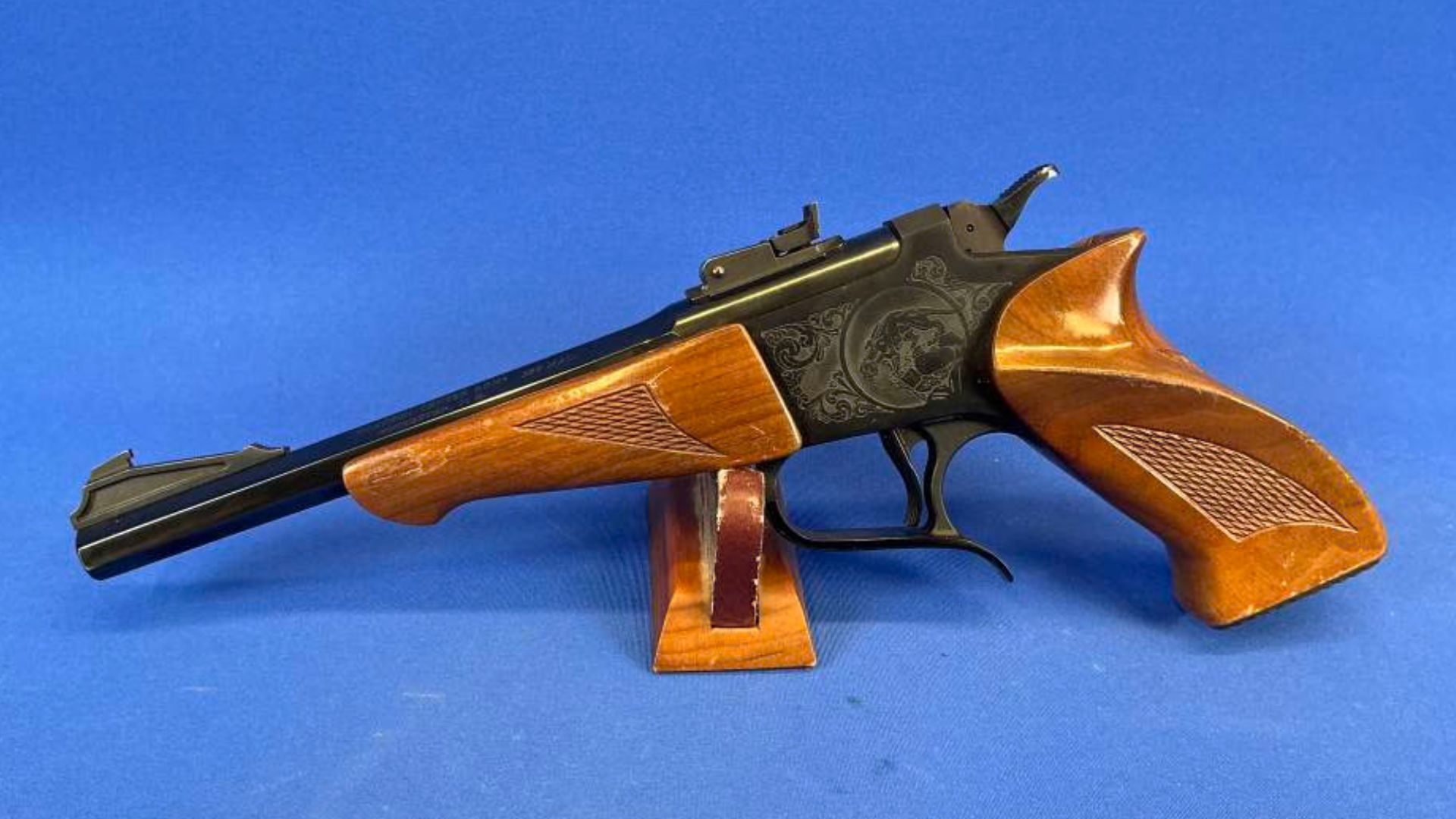
Thompson/Center nostalgia is real, especially for the Contender and Encore crowd. Those single-shot platforms created a whole subculture—handgun hunters, tinkerers, and guys who loved having one frame with multiple barrels. It was a different way of thinking about guns, and it pulled a lot of shooters into new skills.
Older shooters miss the freedom of that system and the availability of barrels and configurations that made it feel like you could build exactly what you wanted. When that kind of ecosystem dries up or becomes harder to find, it feels like the hobby got smaller. Modern shooters have modularity in other ways now, but it isn’t the same flavor. The T/C world was part precision, part experimentation, and part tradition. If you were in it, you remember it as a time when you could do more with one platform and actually enjoy the process.
Like The Avid Outdoorsman’s content? Subscribe to our newsletter so you never miss an article.
Here’s more from us: