Photo credit: The Avid Outdoorsman
It doesn’t take much to ruin the peace of a quiet stretch of country living. A dog barking is one thing. A rooster at daylight is another. But when shots start landing where kids play and you keep finding fresh holes in the dirt, that’s when it stops being “neighbor stuff” and turns into a serious safety problem.
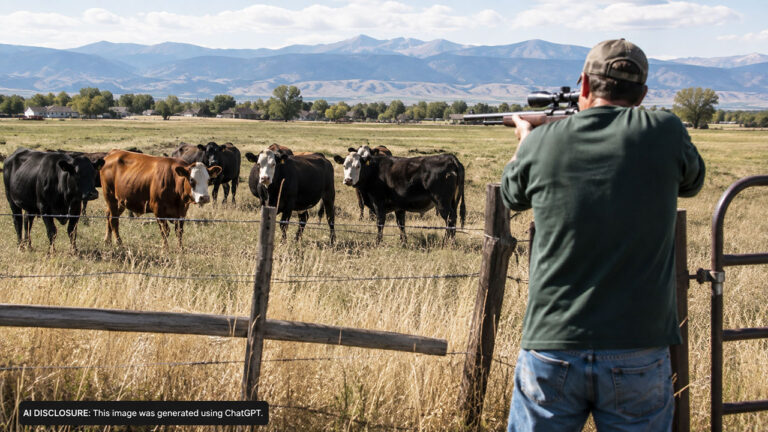
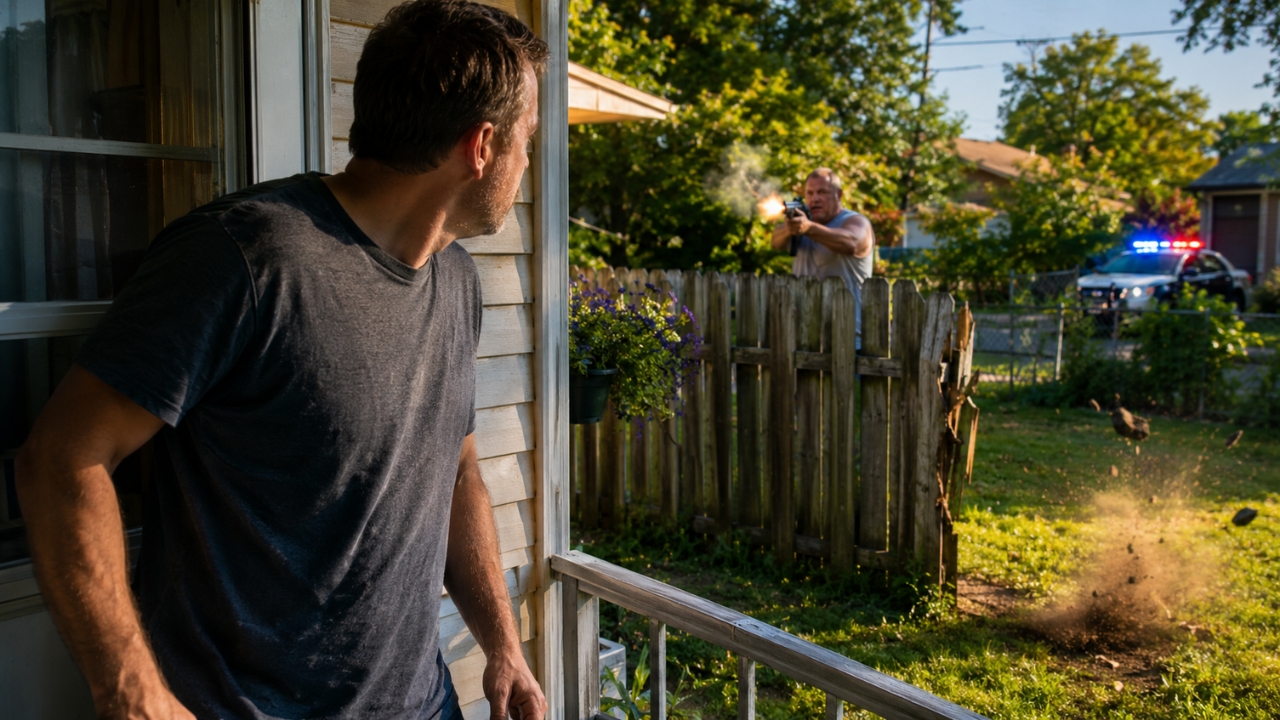
That’s the situation one homeowner found themselves in after a nearby resident reportedly fired a gun in a way that sent rounds into an adjacent yard. The first incident was unsettling enough that a report was made and law enforcement documented it. Then, just a few days later, the same neighbor allegedly did it again—this time with everyone already on edge and expecting the next bang to be more than noise.
The first shots were written off—until the yard showed the proof
The initial incident didn’t start with a confrontation. It started with the kind of sound rural folks hear all the time: gunfire somewhere off in the trees or back behind a barn. The difference was where the evidence showed up afterward—fresh impacts in the ground, damaged property, and a clear sense that someone had been shooting without a safe backstop.
In country neighborhoods where lots are small but still “feel” rural, people sometimes get complacent. They’ll sight in a deer rifle behind the shed or pop off a few rounds at a steel plate without thinking about what’s behind it. That works right up until a round skips, deflects, or simply clears the target area and ends up where it never should.
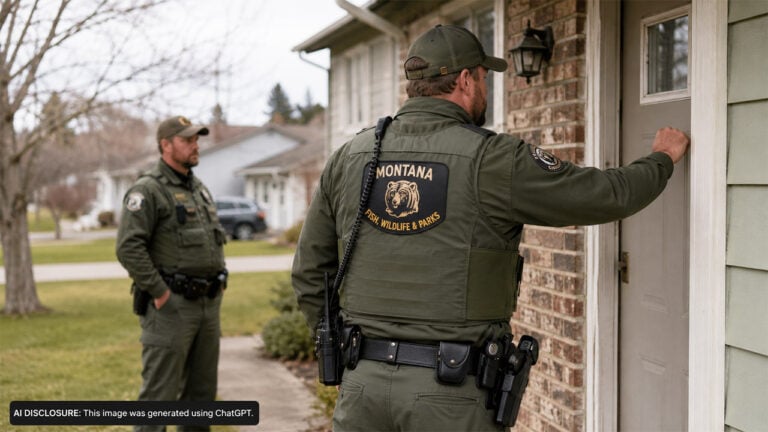
After the first incident, the homeowner did what most reasonable folks do: they didn’t go marching over to the shooter’s porch. They contacted law enforcement, made a report, and tried to get the situation on paper in case it got worse.
A police report doesn’t stop a bad habit overnight
A lot of people think that once an officer takes a report, the problem is basically solved. In reality, a report is often the first brick in a wall of documentation. It records what happened, when it happened, and what was observed. It doesn’t automatically change behavior—especially if the person doing the shooting believes they’re “on their own land” and that ends the conversation.
That’s one of the hard truths about rural disputes. Property lines don’t stop bullets. And “it’s my property” doesn’t matter if you’re sending rounds across a fence, toward a house, or into an area where someone could reasonably be present.
From an outdoorsman’s standpoint, this is basic range stuff: you need a safe direction, a real backstop, and a plan for what happens if something goes wrong. If you can’t guarantee that, you don’t pull the trigger. Simple as that.
Four days later, the alleged repeat shooting changed the tone
When the second incident allegedly happened just days after the first, it moved from careless to concerning. Repeated behavior after a report has been made can look like disregard—or worse, intimidation—depending on the circumstances. Even if the shooter insists it was “an accident,” two incidents close together put everybody on alert.
This is where most landowners start thinking differently. It’s not just about dents in a shed door or divots in the yard anymore. It’s about routines—letting the dog out, kids riding bikes, mowing, sitting on the back porch at dusk. People shouldn’t have to scan their own fence line like they’re stepping onto a public range with strangers.
Hunters and shooters who grew up doing this the right way know how fast tragedy happens when someone treats a firearm like noise-making equipment instead of a tool that demands discipline. A round doesn’t care if you were “just messing around.”
What a homeowner can do without making it worse
In situations like this, the smartest move is usually the least cinematic one: document, report, and don’t escalate face-to-face. Folks get the urge to confront, especially when it’s your family’s safety on the line. But walking up heated, while the other person has already shown poor judgment with a firearm, is a bad recipe.
Practical steps are boring but effective. Take photos of impacts and damage. Write down dates and times. If you’ve got outdoor cameras, make sure they’re covering the likely direction of fire and any entry points where rounds are landing. Keep communications with authorities factual and consistent. That paper trail matters.
And it’s worth saying out loud: this isn’t the time for “warning shots” or trying to prove a point with your own gunfire. Two wrong decisions don’t make a right, and they can turn you from the victim into part of the problem in a hurry.
Commenters zeroed in on backstops, boundaries, and common sense
Whenever a story like this circulates, the same points come up from gun owners who’ve spent time on ranges and in hunting camps. The first is backstop discipline. Dirt berm, hillside, a proper bullet trap—something that actually stops rounds consistently. Not a couple of pallets, not a thin tree line, and definitely not “aiming down.”
The second is property-line reality. Folks argue about where lines are, where easements run, and who owns that strip of brush. But none of it matters if the direction of fire isn’t safe. Even on large acreage, the safe direction changes depending on houses, livestock, roads, and the way land lays. That’s why experienced shooters pick their shooting lanes carefully and don’t improvise when conditions don’t allow it.
The third is the importance of treating a near-miss as a near-miss. Just because nobody got hurt doesn’t mean it wasn’t close. People who’ve seen what bullets do don’t shrug off a “lucky day.” They fix the problem before luck runs out.
The outdoorsman takeaway: shooting at home is a privilege, not a right to gamble with
Plenty of us like the idea of stepping out back to check a zero, ring steel, or get reps in before deer season. Done right, it’s one of the best parts of living outside town limits. Done wrong, it’s how you end up with law enforcement at your gate, your neighbors terrified, and your freedom on the line.
If you’re the person who shoots on your property, treat your setup like you’d treat a public range with your kids standing beside you. Pick a safe direction. Build or use a real backstop. Know what’s beyond it. And if you can’t make it safe today, don’t shoot today.
For the homeowner on the receiving end of it, the goal isn’t to win an argument—it’s to stop rounds from landing in your yard. Documentation, cameras, and keeping it in the hands of authorities is the steady path. In the country, being calm and methodical often does more than being loud ever will.