Photo credit: Vadi Fuoco/Shutterstock.com
It’s easy to put off certain prepper gear until later—until something goes sideways and you realize you should’ve picked it up months ago. These aren’t luxury items or tactical toys. These are the practical, boring, often overlooked essentials that actually make a difference when things stop working like they’re supposed to. If you’re even halfway serious about being ready, this list covers the stuff that’s better to have now than wish you had when it’s already too late to get it.
Water Filtration System
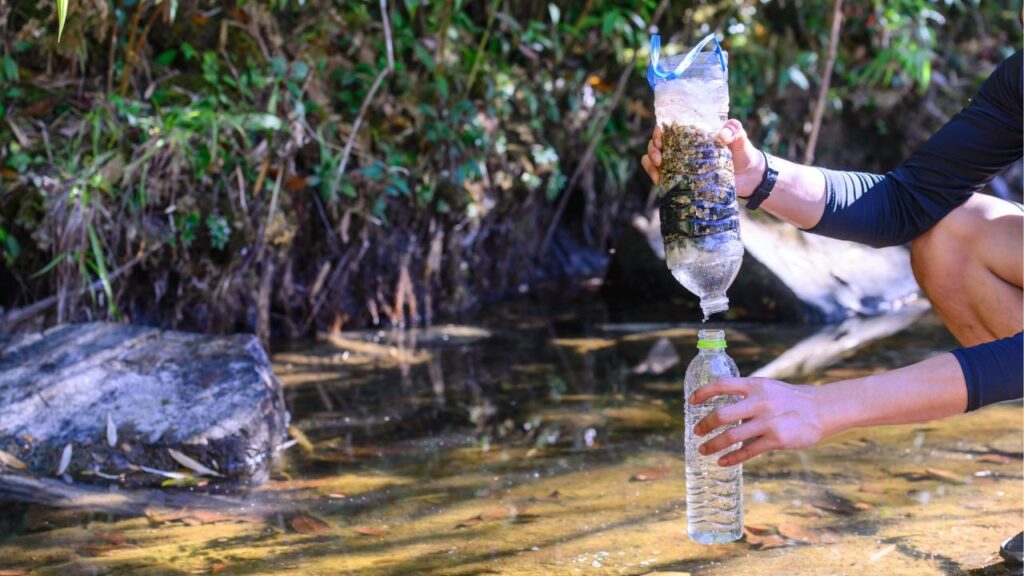
Clean drinking water should be the first thing you lock down. A solid gravity-fed or pump filter makes all the difference when the tap stops running. Don’t assume your bottled stash will last—you’ll burn through it faster than you think.
Look for filters that handle bacteria, protozoa, and chemicals, not just one or two. It’s easy to ignore this until you’re stuck boiling water over a camp stove every day. Get a real filter now and save yourself the misery later.
Long-Term Food Storage
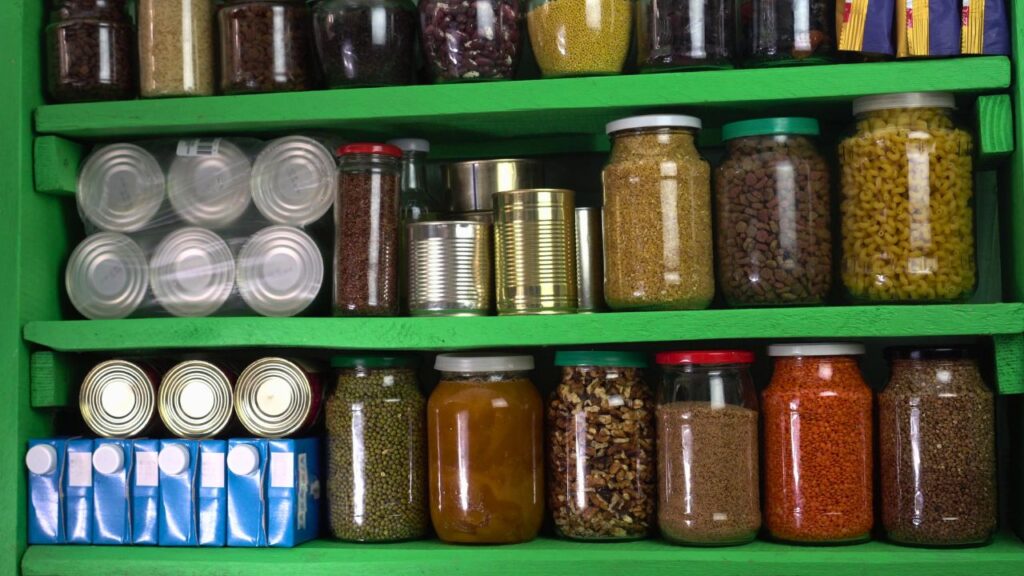
Most folks stock the pantry for a week or two. That’s not going to cut it in a long haul situation. Freeze-dried meals, rice, beans, and shelf-stable proteins like canned meat can stretch your timeline and give you options when stores are cleaned out.
The key is to build it gradually and test what you store. If you can’t stand eating it now, you won’t want it in a crisis. Label everything and rotate through it. You’ll wish you had more once the shelves are bare.
Hand-Crank Radio
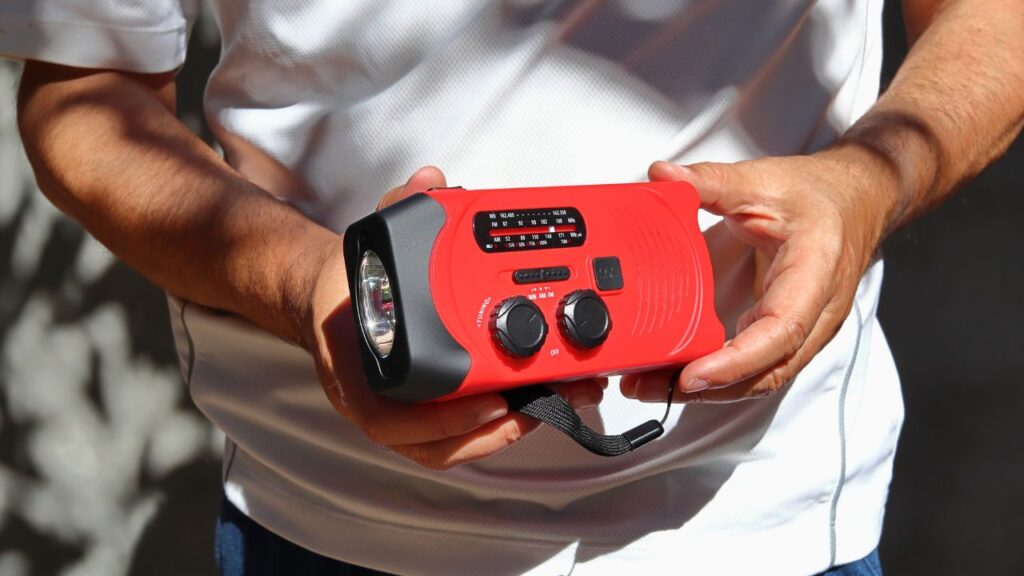
Power goes out, and suddenly you’re cut off. A simple hand-crank radio keeps you in the loop. Weather updates, emergency alerts, or just news—anything is better than silence when the grid is down.
Some come with solar charging or USB ports too, but even the most basic ones are a lifeline when cell towers stop working. They’re cheap, compact, and one of those things you’ll kick yourself for forgetting if a storm rolls in and leaves you in the dark.
Power Bank or Battery Backup
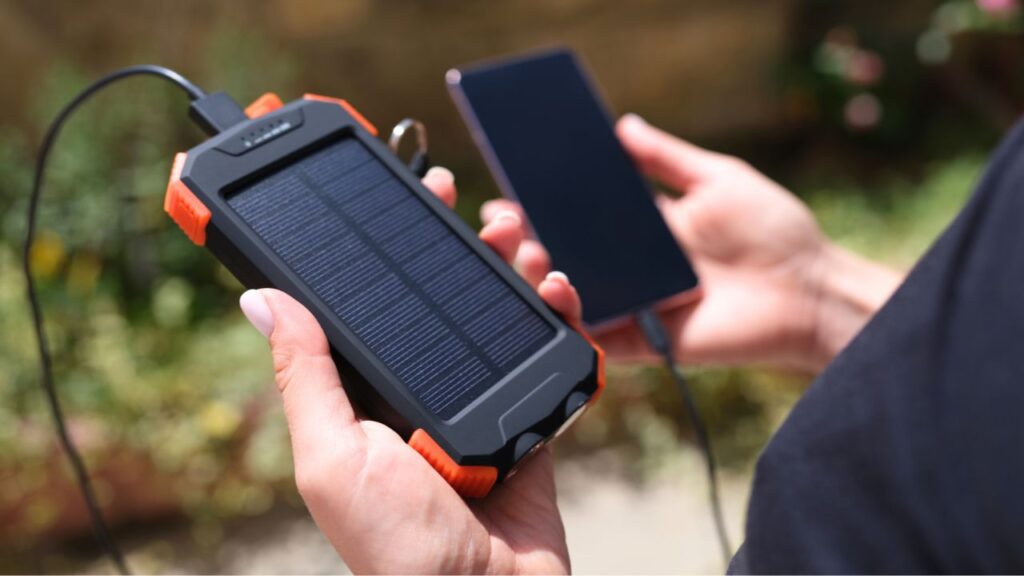
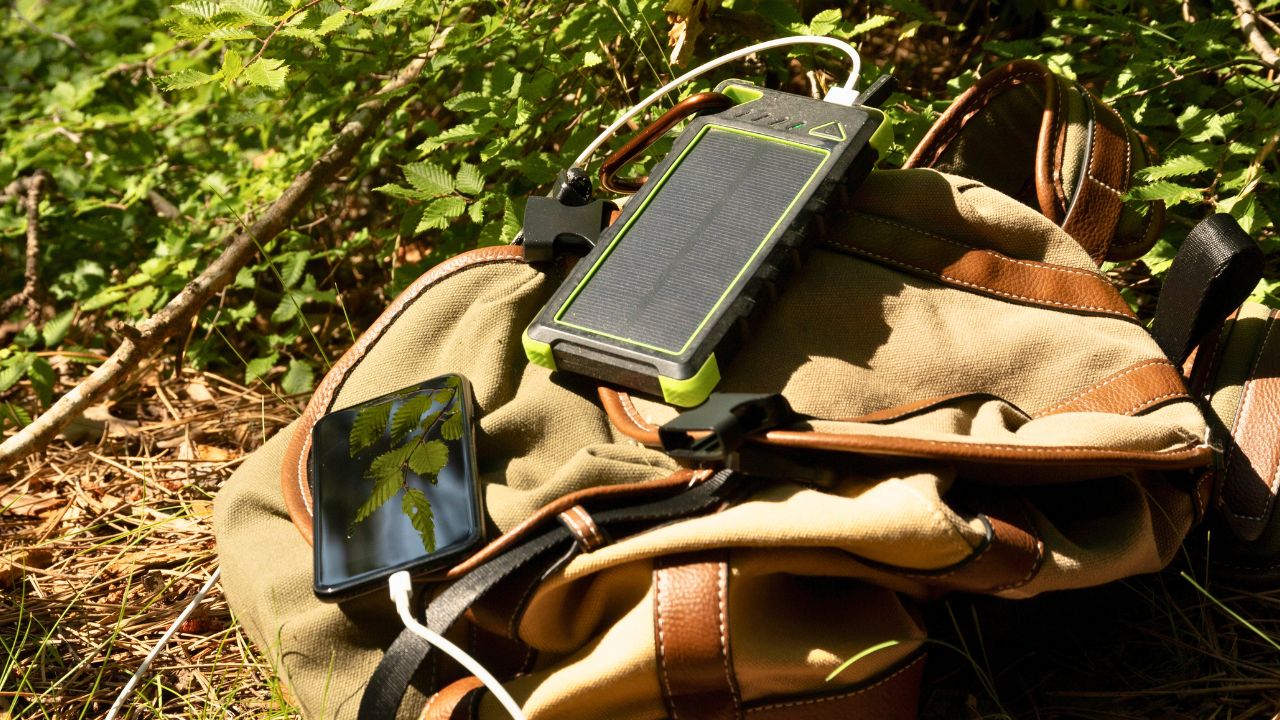
It doesn’t take long to realize how much we rely on phones, lights, and small electronics. A high-capacity battery bank gives you a few more days of light, communication, or access to saved documents and maps when the grid’s gone.
Don’t wait until a power outage to realize your phone’s at 5% and your flashlight’s dead. Keep a charged power bank ready and check it monthly. Bonus points if it’s solar rechargeable, but even basic models can buy you valuable time.
Fire Starters That Actually Work

Matches get soggy, lighters run dry, and “emergency” fire kits often don’t hold up in wet or windy conditions. Get reliable ferro rods, waterproof matches, or better yet, a stormproof lighter that works after being dropped in mud.
Practice using whatever you choose, because lighting a fire under pressure isn’t the time to learn. Don’t forget tinder—cotton balls soaked in petroleum jelly or a sealed pack of commercial tabs go a long way.
Solar Lantern
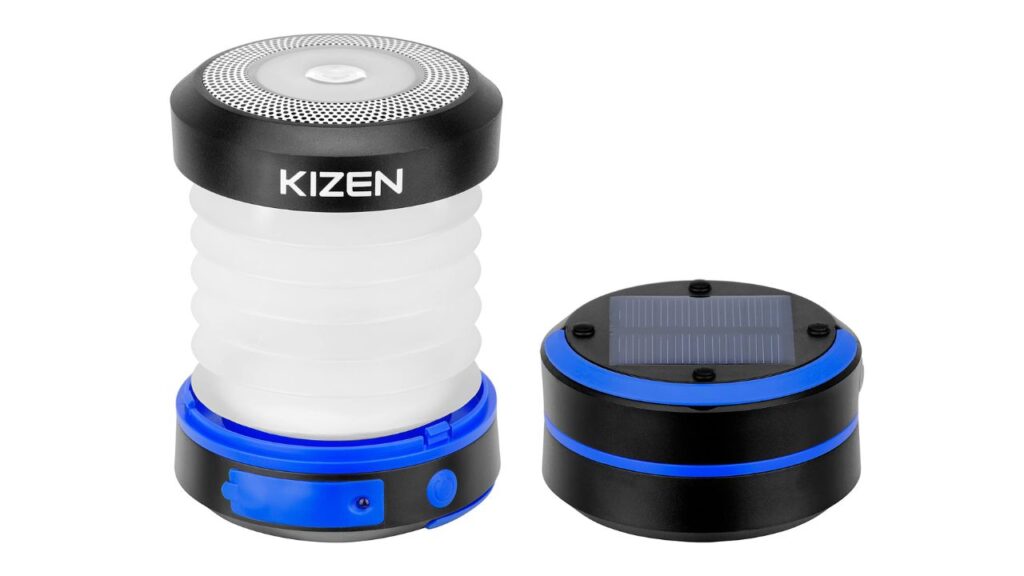
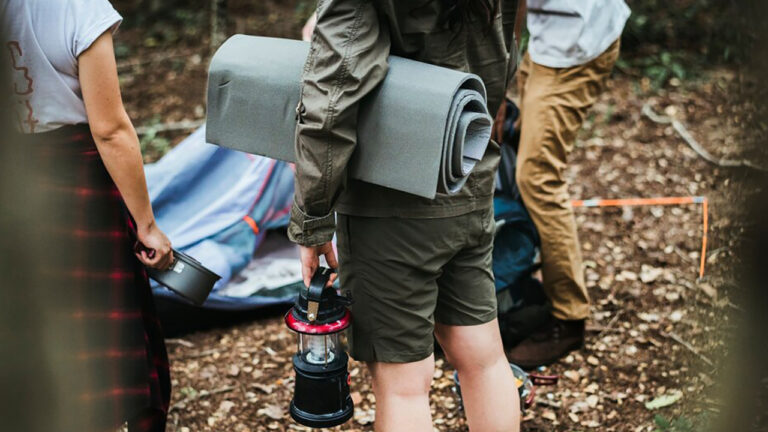
Flashlights are great, but they don’t light up a whole room or run for days without a recharge. A solar lantern earns its keep fast—hang it from the ceiling or leave it in a window during the day and you’ve got steady light every night.
Most models have adjustable brightness and can double as a USB charger too. The longer the power’s out, the more you’ll wish you had reliable, hands-free lighting. Don’t count on candles for everything—they burn fast and attract bugs.
Manual Can Opener

It sounds too simple, but you’d be surprised how many folks stock canned goods and forget a basic can opener. Electric ones won’t work when the power’s out, and cheap handheld ones tend to break under pressure.
Get a couple heavy-duty manual openers and stash them in different places—kitchen, bug-out bag, glove box. It’s a tiny investment that saves a ton of frustration. If your food plan depends on cans, you better have a way to open them when things go south.
Good Work Gloves
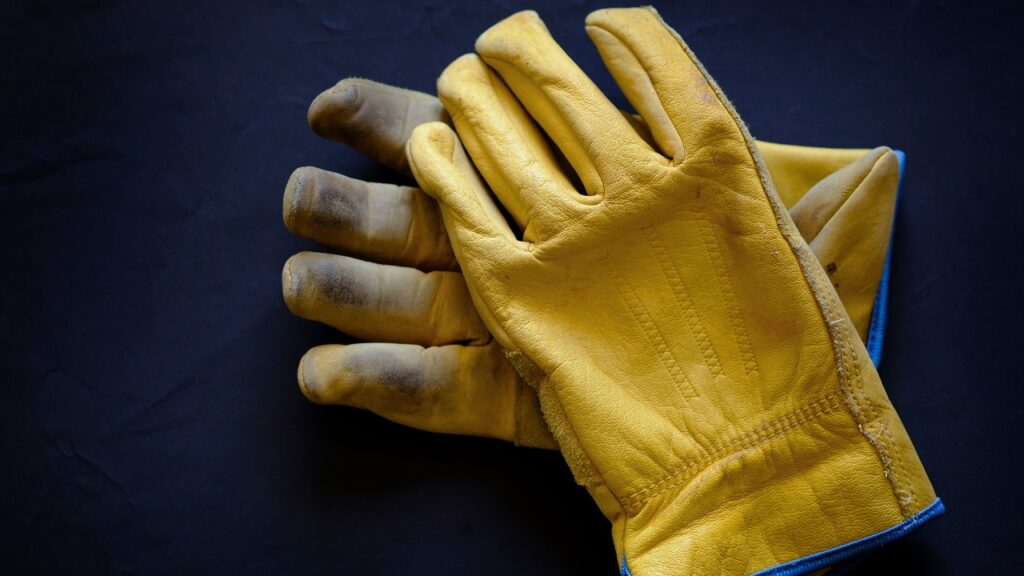
You’ll be handling rougher tasks in a crisis—moving brush, fixing fences, carrying firewood, or clearing debris. Cheap gloves rip fast and don’t protect your hands like they should. A real pair of leather or reinforced gloves makes a huge difference.
Your hands are your most important tool. Once they’re cut up or blistered, everything else gets harder. Keep at least two pairs—one for your go-bag and one for home—and break them in ahead of time so they’re ready when you are.
Hygiene and Sanitation Supplies
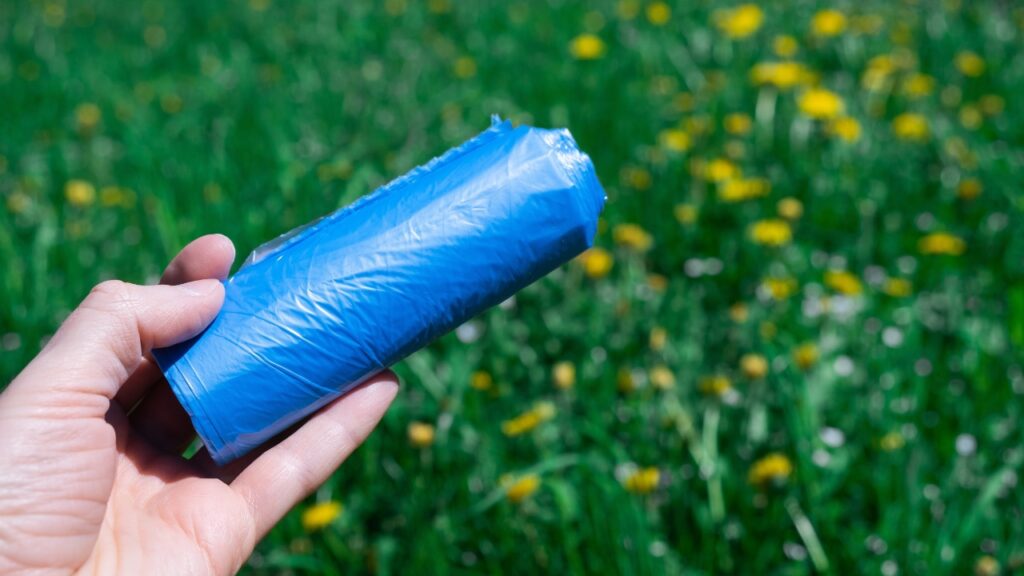
People focus on food and ammo, but sanitation falls apart fast without a plan. Stock unscented baby wipes, heavy-duty trash bags, gloves, and a way to dispose of waste. A five-gallon bucket with a toilet seat lid isn’t glamorous, but it’s effective.
Being able to stay clean helps prevent infections and keeps morale from tanking. Don’t wait until things get bad to realize you’ve got nowhere to go and nothing to clean up with. This is one category you’ll be really glad you didn’t skip.
Quality First Aid Kit
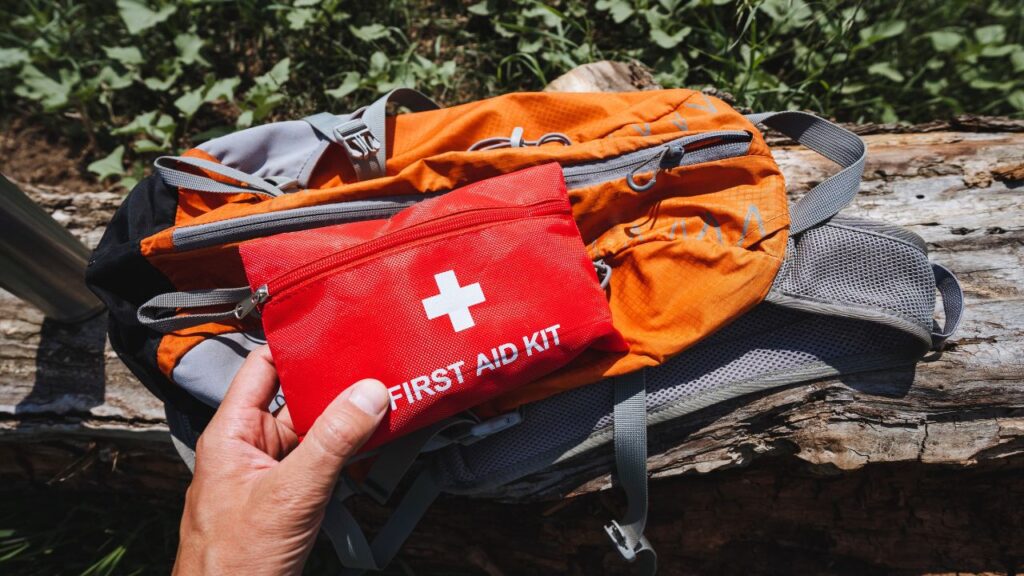
A gas station first aid kit isn’t going to cut it. You need one that handles more than just scraped knees—think gauze, tourniquets, trauma pads, antiseptic, and medical tape that actually sticks. Bonus if you’ve taken the time to learn how to use it all.
In a grid-down scenario, emergency services may be hours—or days—away. The better prepared you are to deal with injuries on your own, the better off everyone in your household will be. It’s not overkill. It’s practical. And it saves lives.
*This article was developed with AI-powered tools and has been carefully reviewed by our editors.