Photo credit: The Avid Outdoorsman
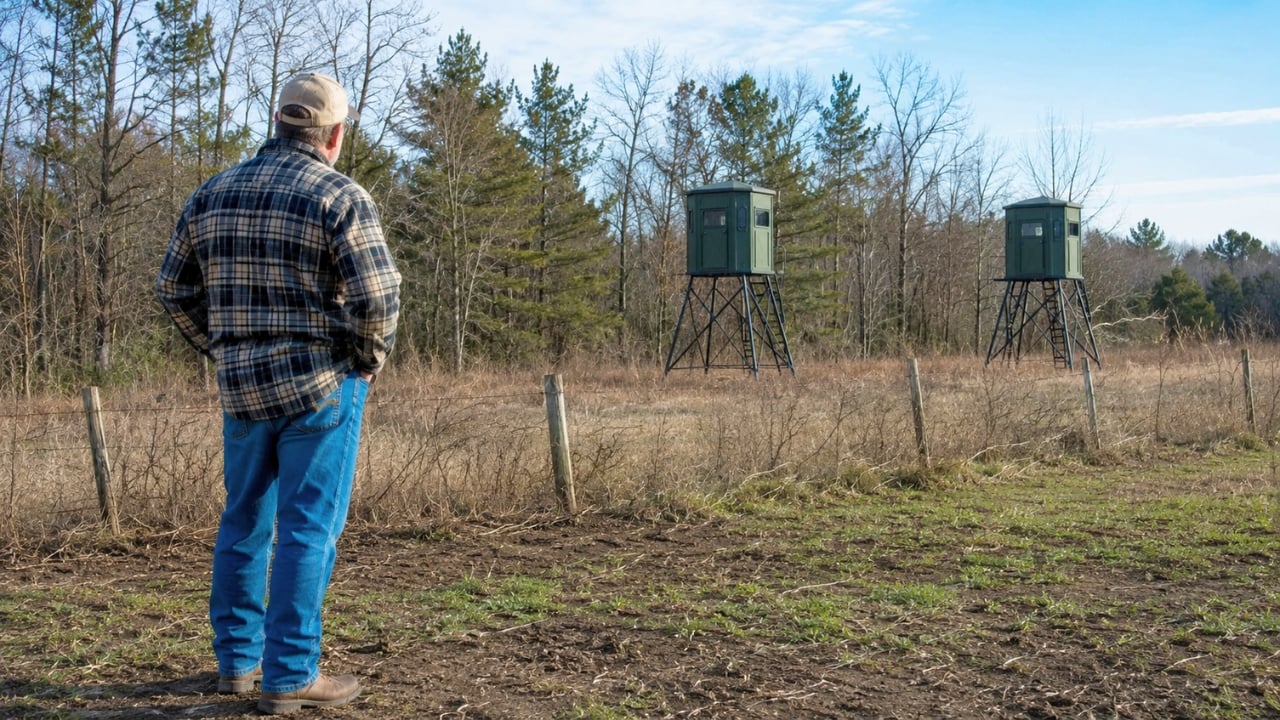
A property owner was left with an uncomfortable decision after finding freestanding deer stands on his land that he said did not belong to him.
The problem was not just that someone had walked onto the property.
It was that whoever came onto the land appeared to be using it as a hunting spot.
According to the Reddit post, the property owner discovered deer stands that someone else had placed on his land. He did not know who owned them, whether they had been used recently, or whether the people who put them there planned to come back. He asked Reddit whether he could destroy or remove the stands without creating legal trouble for himself: https://www.reddit.com/r/legaladvice/comments/q5xerv/can_i_destroy_free_standing_deer_stands_on_my/
For a rural landowner, that kind of discovery raises two immediate questions.
Who has been on the property?
And what are they planning to do there?
A deer stand is not a small sign of trespassing
Finding a deer stand on your property is different from finding a footprint or an empty bottle.
A stand suggests planning.
Someone did not just wander across the line by accident. They carried equipment in, picked a spot, set it up, and likely intended to hunt from it. That means they may have scouted the property. They may know animal movement on the land. They may even believe they have some right to be there.
That is what makes the situation feel so invasive.
A landowner can understand a mistaken boundary crossing, even if it is still wrong. But a stand makes it look like someone has decided the land is useful to them and acted accordingly.
That becomes especially serious during hunting season.
If unknown people are placing stands on private land, the owner has to worry about armed strangers showing up before daylight, shooting across fields, wounding animals, or entering areas where family members, livestock, or workers may be present.
It is not just a property issue.
It is a safety issue.
Destroying the stands could create another problem
The landowner’s instinct was understandable.
If someone puts unauthorized hunting equipment on private land, it feels fair to remove it. A lot of people would be tempted to tear it down, drag it out, or destroy it on the spot.
But that is where the legal question gets tricky.
Even if the stands were placed there unlawfully, they may still be someone else’s property. Destroying them could potentially create a separate dispute, especially if the owner of the stands later claims they were stolen, damaged, or worth significant money.
That does not mean the trespasser is in the right.
It just means the landowner has to be careful about how he handles the equipment.
There is a difference between documenting unauthorized property, reporting it, giving notice, removing it for safety, and destroying it out of frustration.
The safest route is usually the boring one: take photos, note the exact location, contact the game warden or sheriff, and ask how to proceed under local law.
That may not be as satisfying as yanking the stands down, but it creates a cleaner paper trail.
Commenters warned him not to turn a trespass problem into a property-damage problem
Commenters largely understood why the landowner wanted the stands gone.
But several warned that destroying them could complicate the situation. The better move, they said, would be to document everything and involve the proper authorities, especially because hunting was involved.
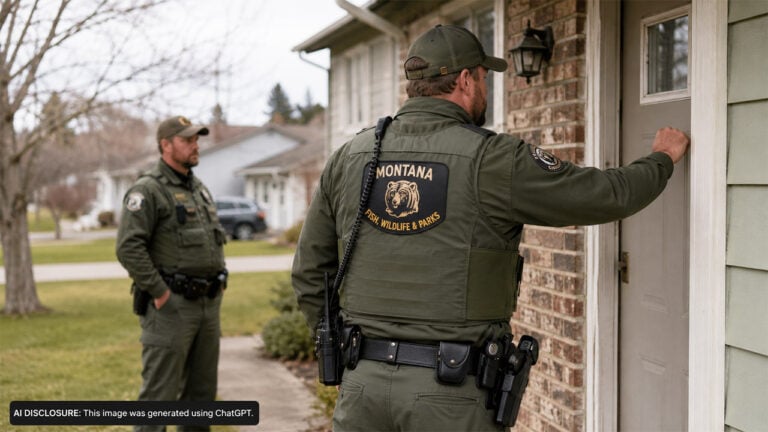
A game warden would likely be interested in someone setting up deer stands on land where they did not have permission to hunt. Depending on the state, that could tie into trespassing, illegal hunting access, tagging violations, or other wildlife-law issues.
Other commenters suggested posting the land clearly, checking whether the property lines were obvious, and using trail cameras to identify who was coming onto the property.
That advice may feel like extra work for the person who did nothing wrong, but it can matter if the issue escalates.
If the landowner can show the stands were unauthorized, the property was posted, and people continued coming back anyway, authorities have a much stronger case.
The real concern was who might return
The deer stands themselves were only part of the problem.
The bigger concern was that someone might come back to use them.
A stand on private land is a sign of future activity. It means someone may arrive armed, possibly in low light, expecting to sit there quietly and hunt. They may not expect to see the landowner. The landowner may not expect to see them.
That is a bad setup for everyone.
No deer is worth a confrontation between strangers on private property.
For landowners, the lesson is to treat unexplained hunting equipment as something to document carefully, not just something to destroy in anger. Take photos. Mark the location. Call the game warden. Ask what the law allows. Make sure the property is posted clearly.
For hunters, the lesson is even simpler.
If the land is not yours and you do not have clear permission, do not put a stand there.
Because when a landowner finds it, he is not just seeing a hunting setup.
He is seeing proof that someone has already crossed a line.
Like The Avid Outdoorsman’s content? Subscribe to our newsletter so you never miss an article.
Here’s more from us: