
Photo credit: Olde English Outfitters/YouTube
Online praise is easy to earn. A pistol drops with a big launch, early reviewers love the trigger, the texture, the optics cut, or the capacity, and the comment sections do the rest. Six months later, a lot of those same pistols are sitting in trade-in cases with a handwritten tag and a story that starts the same way: “It’s a good gun, but…” That “but” is where real ownership begins. Carry comfort, recoil over long practice sessions, parts choices, holster fit, and how a gun behaves when you’re tired or rushed matters more than any first-week hype.
Most trade-ins aren’t about one catastrophic flaw. They’re about fit, expectations, and the difference between a pistol that’s fun to talk about and one you’re willing to live with. These are pistols that get praised hard online and often end up traded quickly once the honeymoon wears off.
SIG Sauer P365

The P365 gets praised because it packs real capacity into a very compact package. It carries easily, disappears under light clothing, and feels like a modern solution to the “small gun, low capacity” problem. Early impressions tend to be strong, especially for people stepping up from older single-stacks or tiny pocket guns.
Then the real routine kicks in. A micro pistol that carries great can still feel demanding when you start shooting faster, running longer sessions, or trying to keep tight groups under pressure. Some owners realize they want more grip, more weight, and a calmer recoil pulse. Others discover that a small gun they don’t enjoy practicing with becomes a gun they don’t trust as much as they hoped. The P365 remains a solid choice for many shooters, but it also gets traded because it exposes how much “easy to carry” can differ from “easy to run.”
Springfield Hellcat

The Hellcat earns praise because it offers capacity and features in a tiny footprint. People like the size, the aggressive styling, and how well it hides in summer carry. It looks like the answer for anyone who wants a micro 9mm without giving up rounds on board.
After a few months, some owners realize the same thing that happens with many small pistols: the recoil and control tax shows up during real practice. The gun can feel lively in a way that doesn’t bother you for a magazine or two but gets old when you’re trying to build speed and consistency. The grip can also feel short for larger hands, which makes shooting feel more work than expected. Plenty of shooters keep them. Plenty also trade them for something slightly bigger that feels steadier and easier to shoot well.
Glock 43

The Glock 43 gets praised because it’s simple, slim, and familiar. It has the Glock reputation behind it, it carries flat, and it looks like a safe choice for someone who wants a small 9mm that isn’t complicated. A lot of people buy it thinking they’re getting a mini duty pistol that will feel like home.
Then the slim single-stack reality sets in. The smaller grip and lighter weight can make recoil feel sharper than expected, especially for shooters who practice a lot or shoot quickly. Some owners also realize the capacity tradeoff feels bigger over time, especially when slightly larger guns offer more rounds with only a small difference in carry comfort. The Glock 43 isn’t a bad pistol. It simply becomes a “good idea that didn’t fit me” pistol for shooters who expected it to shoot like a larger Glock.
Glock 48

The Glock 48 gets praised because it looks like the perfect middle ground: slim like a single-stack, but long enough to shoot more like a compact. In the hand it feels comfortable, and the longer grip gives many shooters more control than the smallest micro 9mms. Online, it often gets sold as the smarter carry Glock.
Six months later, some owners realize the slim frame isn’t automatically better for them. Some shooters prefer the feel of a thicker grip, especially when hands are sweaty or when shooting faster strings. Others find that, for their body type and wardrobe, the longer grip prints more than expected, which pushes them toward either a shorter gun or a thicker compact they shoot better. The Glock 48 works extremely well for the right person, but it can still end up in trade-in cases when “almost perfect” turns into “not quite my perfect.”
Smith & Wesson Shield Plus

The Shield Plus gets praised because it takes a proven carry format and fixes the one thing people complained about: capacity. It carries flat, it’s easy to conceal, and it feels like a practical everyday pistol. Lots of shooters pick it up and immediately think it’s the sensible answer.
Over time, some owners find the thin format comes with a shooting feel they don’t love. A slim pistol can move more in the hand under recoil, especially when you’re pushing speed or shooting hotter defensive loads. Some shooters also learn that the comfort they wanted on the belt came at the cost of a range experience they don’t look forward to. That can lead to less practice, which leads to less confidence, which leads to trade-in decisions. The Shield Plus is a good pistol, but it often gets traded by shooters who eventually decide they’d rather carry something a little larger that they genuinely enjoy shooting.
SIG Sauer P365 XL

The P365 XL gets praised because it feels like the “fixed” version of the micro 9 idea. The grip is longer, the slide is longer, and the gun often feels more shootable without giving up the carry advantages that made the platform popular. Online, it gets treated like the sweet spot for many carry shooters.
Six months later, it still ends up traded by people who realize they wanted either more control or more concealment, not the middle. Some owners decide the XL is still too small for the way they like to shoot, especially if they train hard and value stability. Others decide that if they’re carrying something larger than a true micro, they might as well carry a compact that feels even calmer and easier to run fast. The XL remains a strong option, but it gets traded because the “best compromise” isn’t always the best fit.
Springfield Echelon

The Echelon gets praised because it looks modern and complete right out of the gate: good capacity, optics-ready, solid feel, and a general impression of being designed for real use. People like the feature set, the presence in the hand, and the idea of a do-it-all pistol that can cover duty, home defense, and range use.
Then reality narrows the role. Some owners realize it’s bigger than they truly want for daily carry, especially once summer clothing and comfort become a factor. Others find they bought it because the internet loved it, but their hands or shooting style prefer a different grip shape or trigger feel over time. When a pistol is positioned as an all-around solution, buyers sometimes expect it to solve every problem at once. If it doesn’t, it becomes easy to trade for something that fits a single job better.
Walther PDP Compact

The Walther PDP Compact gets praised because it’s fun to shoot. The ergonomics are strong, the trigger is well liked, and the pistol feels like a modern performer. It photographs well, reviews well, and it often impresses people right away on the range.
After some months of ownership, a few shooters decide it’s a little bulkier than they prefer for daily carry, especially compared with slimmer compacts. Others realize that “great range pistol” and “easy carry pistol” are not always the same thing, particularly when you start thinking about holster comfort, printing, and long days on the belt. The PDP Compact is still a strong handgun, but it can get traded by people who bought it for the shooting experience and later decide they want something that feels easier to carry every single day without changing their wardrobe or habits.
FN Reflex

The FN Reflex gets praised because it looks like a premium micro carry pistol with a strong brand name behind it. People like the clean styling, the carry-focused size, and the feeling that they’re buying into a higher tier of micro 9 design. Early impressions are often positive because it feels polished and current.
Then the micro pistol reality shows up. A small gun still asks more of your grip and your practice routine, and some shooters decide they’d rather carry something slightly larger that’s easier to run quickly and consistently. Others discover that “premium” doesn’t automatically mean “effortless,” especially once you factor in sweaty hands, rushed draws, and long strings of fire. Some owners keep it and love it. Some trade it for a compact that feels calmer, or for a simpler setup that doesn’t demand as much attention to keep performance steady.
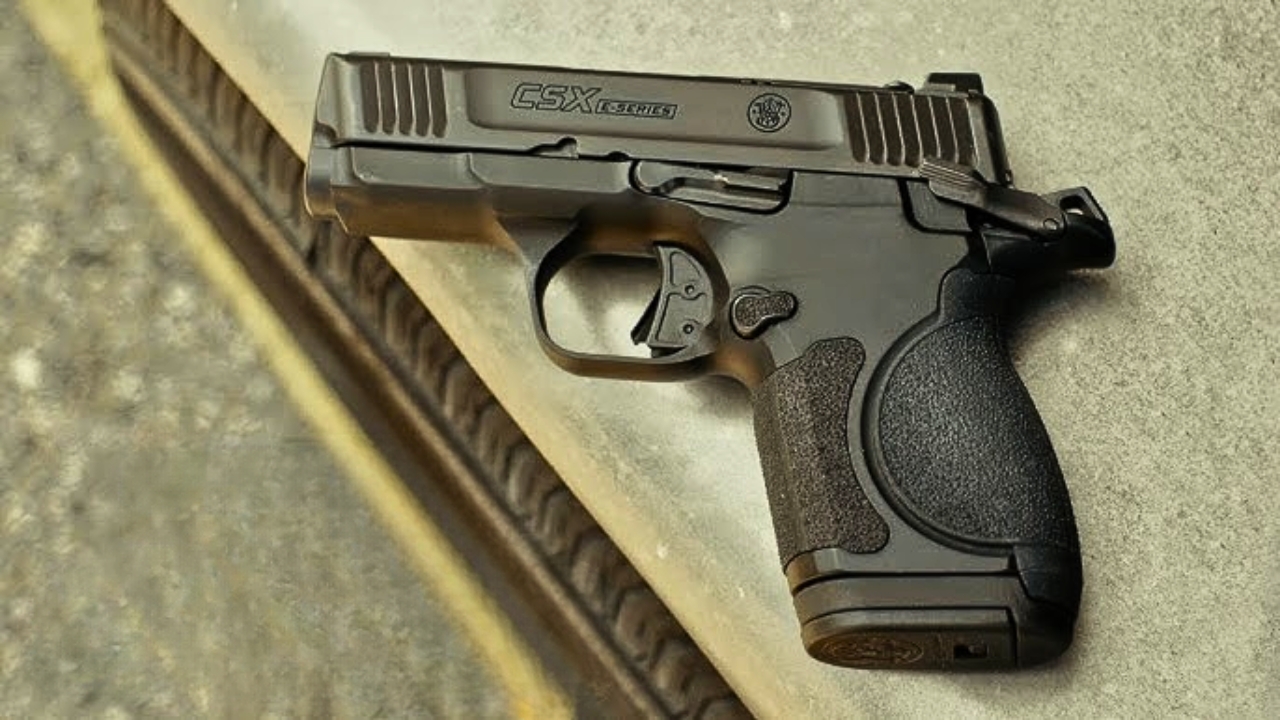
Smith & Wesson CSX

The CSX gets praised because it’s a compact metal pistol in a market full of polymer. It looks refined, feels substantial, and offers a different vibe than the typical micro carry gun. People like the idea of a small, classy pistol with real capacity and strong build presence.
Over time, some owners realize compact size plus a different control scheme isn’t always a smooth match. A carry pistol that feels great in the hand can still become frustrating if the manual of arms doesn’t become automatic, or if the grip size and recoil impulse don’t match what the shooter expected from a metal gun. Some buyers also learn they wanted the look and feel more than they wanted the training commitment. That’s not a moral failure, it’s a normal ownership reality. The CSX often gets traded when the owner decides to simplify their carry system or move to a format they already run with more confidence.
Canik Mete MC9
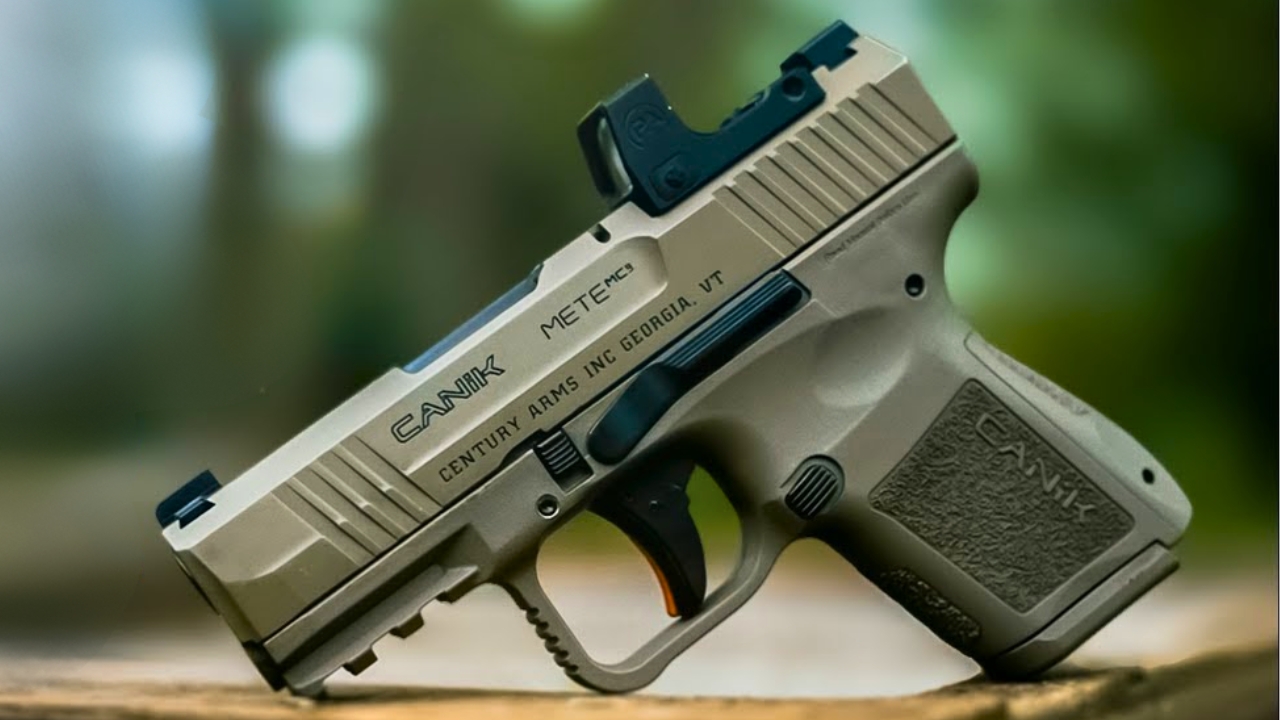
The Mete MC9 gets praised because it offers a lot of features for the money in a micro-sized package. People like the value proposition, the modern styling, and the idea of getting a carry gun that feels more “complete” than many competitors at the same price. It’s the kind of pistol that wins online comparisons fast.
Then the carry and practice routine reveals what matters more than value. A micro pistol that feels good on day one can still feel more demanding once you shoot it hard, run it in heat, or start noticing how much you need to practice to stay sharp. Some owners decide the size is too small for the pace they want to run. Others decide they’d rather spend a little more on a pistol that fits their hand and recoil preferences better. The MC9 can be a good buy, but it often gets traded when the “great deal” doesn’t become a long-term favorite.
Ruger LCP Max

The LCP Max gets praised because it solves a very real problem: having a pistol that you’ll actually carry. It’s tiny, light, and easy to live with in pockets or deep concealment. For many people, it feels like the smartest way to stay armed when belt carry is uncomfortable or impractical.
Six months later, it’s also the kind of gun people trade because it’s hard to love on the range. Small pistols can be snappy, harder to grip consistently, and less rewarding to practice with. If the owner doesn’t train with it regularly, confidence drops. If the owner does train with it regularly, the shooting experience can become tiring. That creates a common outcome: the gun was perfect for convenience, then the owner decides they want something they enjoy shooting more. The LCP Max remains useful, but it often gets traded when the buyer wants more shootability than a pocket pistol can realistically deliver.
Kimber Micro 9

The Kimber Micro 9 gets praised because it looks sharp and feels premium in the hand. It has metal-frame appeal, clean lines, and an overall presentation that makes it feel like a high-end carry pistol instead of a disposable tool. Online, it’s easy to fall for the idea of a compact pistol that looks and feels refined.
Real use can change that relationship. Small 9mms can still snap, even when they feel smooth and classy in dry handling. The platform also asks for consistent handling habits, and some owners realize they don’t want a carry gun that feels like it needs extra attention to run the way they want. Some simply decide they’d rather carry a slightly larger pistol that shoots flatter and is easier to practice with. The Micro 9 can be a strong personal-fit gun, but it also becomes a common trade when the owner’s priorities shift from looks to long-term comfort and consistency.
Beretta 92FS

The Beretta 92FS gets praised because it shoots smoothly, carries history, and feels like a real service pistol. People enjoy the recoil behavior, the accuracy, and the sense that they’re buying something proven. Online, it’s easy to romanticize a big, soft-shooting metal handgun as the answer to everything.
Then daily carry reality shows up. The 92FS is large, wide, and heavy compared with most modern carry pistols. Some owners love it and keep it as a home-defense and range gun. Others buy it thinking they’ll carry it and discover it’s a lot of gun to live with in normal clothing. If it starts getting left at home, it starts getting traded. That’s usually the pattern: the gun is great, but the owner’s life doesn’t match the carry demands. It’s not a failure of the pistol. It’s a mismatch that becomes obvious once the excitement fades.
SIG Sauer P320 XCompact
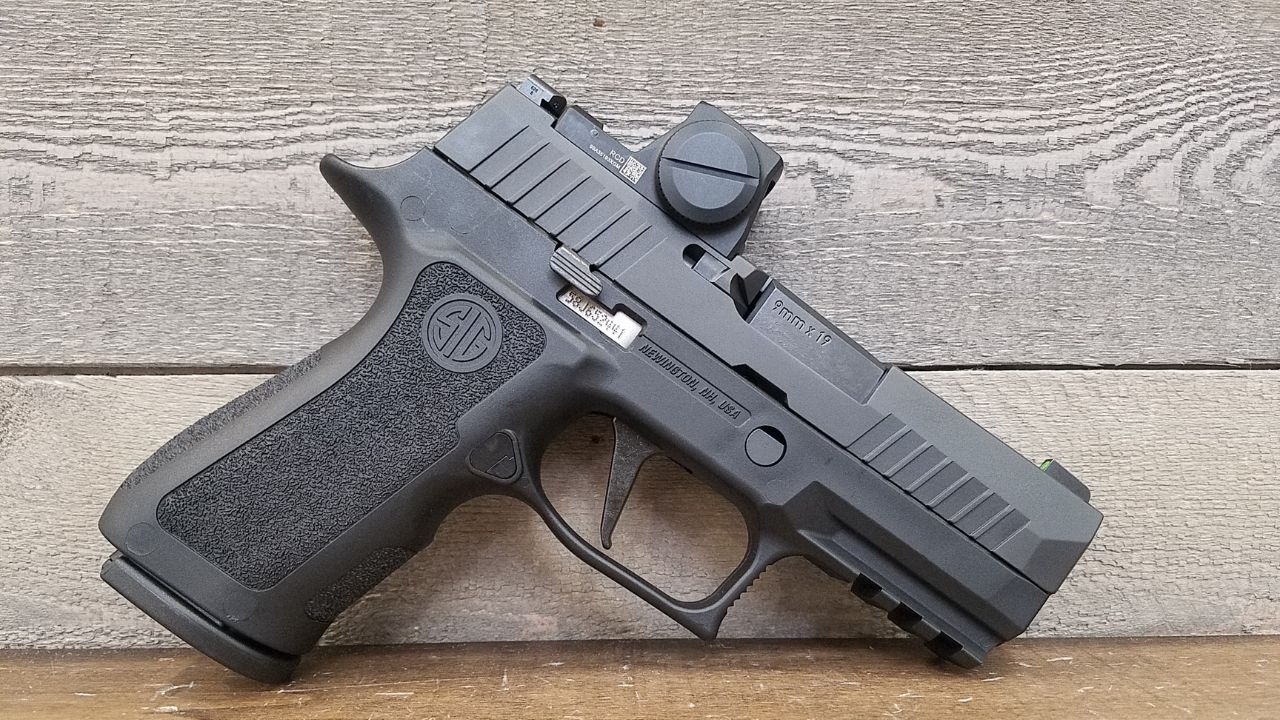
The P320 XCompact gets praised because it feels modern and adaptable. Optics-ready setups, modular grip options, and strong capacity in a compact size make it look like a future-proof carry choice. People like the idea of owning one pistol that can evolve as their preferences evolve.
After months of ownership, some shooters decide they don’t want a carry gun that invites endless tweaking. They end up swapping parts, changing grip modules, chasing triggers, and never fully settling into a consistent setup. Others simply find they shoot a different platform more naturally, or they want something thinner for summer carry. When a pistol becomes a constant adjustment project, the owner often trades it for something more settled and familiar. The XCompact can be excellent, but it also attracts buyers who love options more than they love routine, and that can lead to a short ownership cycle.
1911 Officer-size pistols

Officer-size 1911s get praised online because they promise the 1911 feel in a carry-sized package. Slim profile, strong trigger, familiar ergonomics, and classic appeal make them easy to celebrate. People like the idea of a compact steel carry gun that still points naturally and feels serious in the hand.
Then the realities of small 1911s show up. Shorter guns tend to be less forgiving than full-size versions, and they can demand more attention to magazines, ammo choices, and maintenance habits. Some owners also realize that a compact .45 can be a handful during longer practice sessions, which affects how much they train. When a carry gun becomes something you don’t want to shoot often, trust starts slipping. Many shooters keep a full-size 1911 forever. Many trade the Officer-size version quickly when they realize the platform’s benefits don’t always scale down without adding complexity.
Like The Avid Outdoorsman’s content? Subscribe to our newsletter so you never miss an article.
Here’s more from us:


