Photo credit: Gear Know-How/YouTube
Revolvers have been “out of style” for a long time, and some of that is deserved. You give up capacity, reload speed, and the easy-to-mount accessories that modern semi-autos wear like sneakers. But the revolver still brings a few things to the table that matter when your life is messy: awkward grips, contact-distance entanglements, pocket carry, lint, sweat, and long stretches between practice sessions.
A good revolver also forces you into cleaner shooting. The trigger doesn’t let you get lazy, and the sights don’t flatter you. If you can run a double-action wheelgun well, most striker pistols feel easier afterward. That’s why plenty of serious carriers still keep one around—sometimes as a primary, often as a backup, always as a tool they trust for specific problems. If you’ve written revolvers off as outdated, it might be time to take a second look and see where they still make sense.
Ruger LCR in .38 Special

The LCR is a modern revolver that fits real-world carry. It’s light, snag-resistant, and it disappears in pockets where many “small” semi-autos still print. The grip shape and frame geometry also do a better job managing recoil than older ultralights, which matters if you want to practice instead of tolerate it.
The other underrated piece is how it behaves in ugly positions. Pocket draw, seated draw, off-hand shooting—none of it requires you to worry about a slide getting pushed out of battery. You still need good ammo and good hits, but the platform plays well in close, awkward spaces. If you’ve been carrying something tiny because it’s convenient, the LCR is worth handling again with fresh eyes.
Smith & Wesson 642 Airweight

The 642 keeps showing up because it solves a specific problem: you’ll actually carry it. It’s light enough for a front pocket, neutral enough to live in a jacket, and the internal hammer keeps it from snagging when you need it quickly. For a lot of people, it becomes the “always” gun.
What you trade for that convenience is comfort and forgiveness. The Airweight is not a range toy, and five shots is five shots. Still, the 642 rewards steady practice and a realistic understanding of what most defensive encounters look like—close, fast, and not clean. If you can run a 642 well with standard-pressure .38 and a proven load, you’re carrying a tool that doesn’t ask for ideal conditions.
Smith & Wesson 638 Bodyguard

The 638 gives you a nice middle ground: a mostly snag-free profile with the option to thumb-cock if you ever need a deliberate, precise shot. Most of your work remains double-action, but the exposed spur gives you flexibility without turning the gun into a pocket snag machine.
In defensive terms, that flexibility matters most during training. You can learn the gun in single-action to understand sights and trigger control, then spend the rest of your time mastering double-action. That makes practice less frustrating for newer revolver shooters. The 638 still carries like a small revolver should, and it still has the revolver advantages in awkward, close conditions. If you like the idea of a pocket revolver but want a little more training versatility, the 638 is a smart second look.
Smith & Wesson 640 Pro Series (9mm or .357)

A steel J-frame changes the revolver experience. The 640 Pro has real weight, which means recoil becomes something you manage instead of endure. That makes consistent practice far more likely, and practice is what makes a small revolver viable for self-defense.
The Pro features also matter: better sights than the typical trench-and-ramp setup, and moon-clip capability on certain versions that can speed up reloads if you actually train it. Even without that, the 640 carries well and shoots noticeably better than the featherweight options. The downside is weight in the pocket and the reality that it still holds five. If your revolver interest died because ultralights beat you up, the 640 Pro is a different world.
Ruger SP101 (2.25-inch)

The SP101 is built like a tank, and that’s not a bad trait in a defensive revolver. The extra weight makes .357 usable and .38 pleasant, and the gun holds up to a lot of shooting without feeling like it’s living on borrowed time. If you want a small revolver you can practice with hard, the SP101 belongs in the conversation.
It also gives you a grip that feels more like a “real handgun” than a tiny J-frame. That helps control and makes double-action work less of a fight. The tradeoff is carry comfort. An SP101 can ride on the belt all day, but it’s not a carefree pocket option for most people. If your goal is a compact revolver that doesn’t punish you at the range, the SP101 is an easy model to take seriously.
Ruger GP100 (3-inch)

The 3-inch GP100 is where revolvers start feeling genuinely shootable while still being carry-capable. The extra barrel and weight help you track the front sight, and recoil becomes far less dramatic with defensive loads. That means better hits under speed, especially if you’re honest about your practice schedule.
For self-defense, a gun you can shoot well matters more than a gun that looks good in a spec sheet. The GP100 also tends to be durable and tolerant of high round counts, which helps if you train more than average. The downside is size. This is a belt gun, and you’ll dress around it. If you’ve been carrying a compact semi-auto and you want a revolver that feels steady and predictable, the 3-inch GP100 is a strong place to start.
Kimber K6s (2-inch)
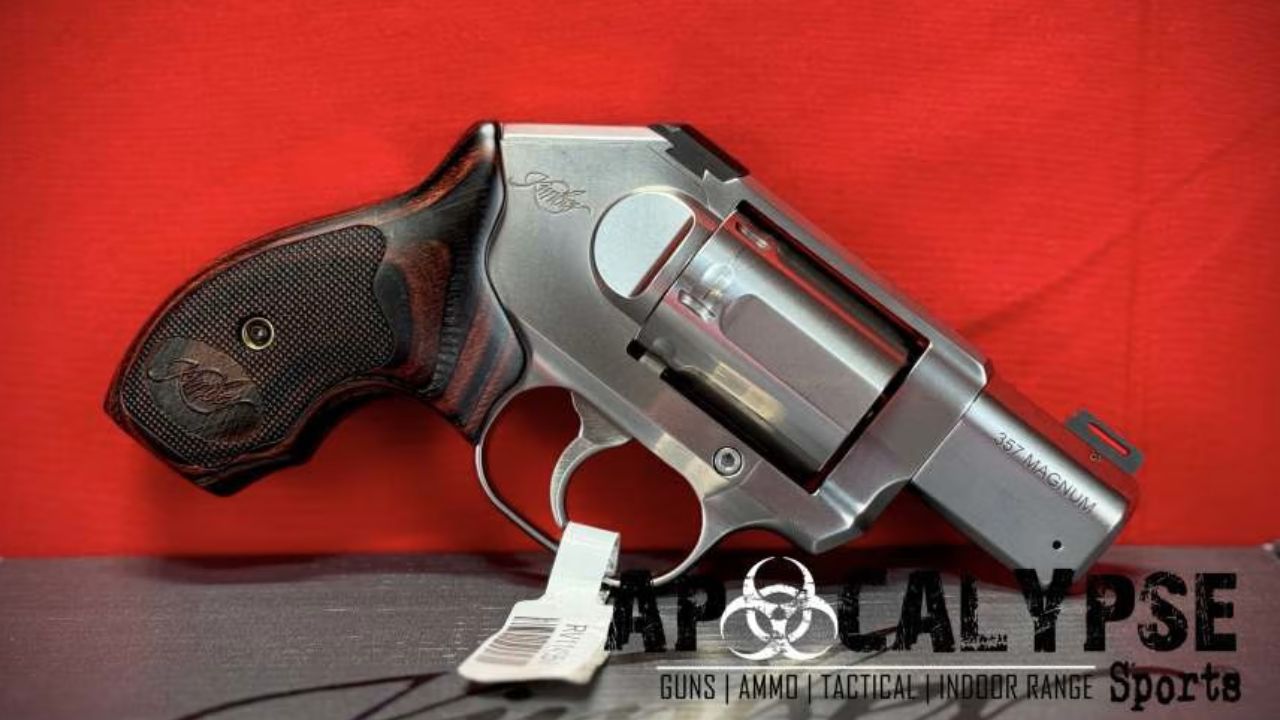
The K6s is a rare thing: a truly compact revolver with six shots. That extra round matters more than people admit, especially in a platform where reloads are slower and capacity is limited. It’s also stainless, well-finished, and shaped in a way that carries smoothly without feeling sharp or blocky.
Recoil is still snub-nose recoil, so expectations need to stay realistic. Where the K6s shines is in shootability for its size and the confidence that comes with one more chamber. If you carry in environments where concealment is tight and you want a revolver that feels modern, the K6s is worth real consideration. You still need to learn the double-action trigger, but the platform gives you a little more breathing room than the typical five-shot snub.
Colt King Cobra (3-inch)

The 3-inch King Cobra hits a sweet spot for defensive revolvers: manageable size, real sights, and a frame that soaks up recoil better than small snubs. It feels lively in the hand without feeling flimsy, and the extra barrel helps you shoot tighter at speed.
It also fits the role of a “carry revolver that you will train with.” That’s the biggest hurdle for most wheelguns: people buy them, then they stop practicing because the experience isn’t fun. The King Cobra avoids a lot of that with better ergonomics and shootability. It’s still a revolver, so reloads and capacity remain what they are. But if you want a revolver that can live on a belt and still feel capable in serious drills, this Colt deserves another look.
Colt Cobra (2-inch)

The Colt Cobra is a defensive-minded snub that gives you six shots in a compact frame, and that alone makes it stand out. It’s also built with modern carry in mind: snag-resistant profile, usable sights, and a frame that doesn’t feel like a delicate antique.
The Cobra still asks you to respect snub-nose realities. Short sight radius and sharp recoil can humble shooters who are used to compact semi-autos. But the upside is a revolver that carries easily and doesn’t rely on slide cycling, magazine springs, or perfect grip pressure. If your daily life includes awkward clothing, quick errands, or a lot of sitting and driving, a Cobra can ride comfortably and remain accessible. For many carriers, that’s the difference between “armed” and “left it at home.”
Smith & Wesson Model 19 Carry Comp
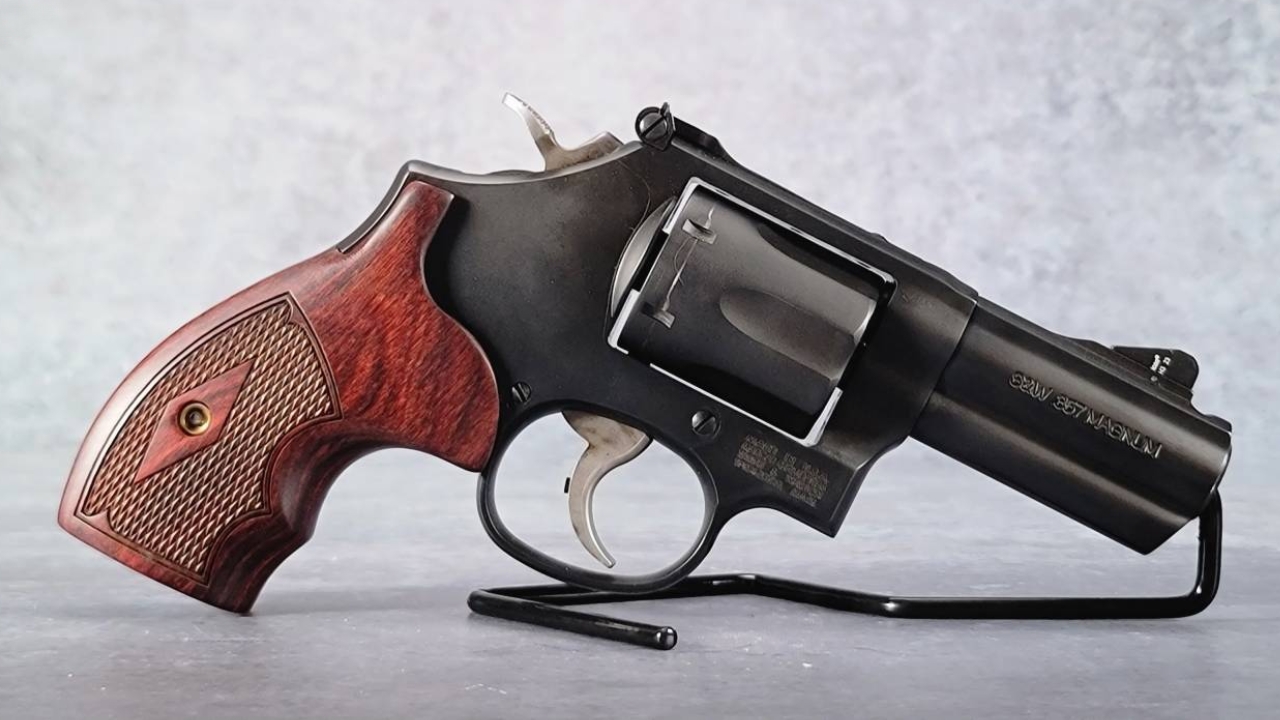
A K-frame revolver like the 19 Carry Comp is a serious defensive tool when you’re willing to carry it. You get a better trigger feel than most small revolvers, a sight picture you can actually use, and recoil that’s far easier to control than any snub. That adds up to faster, cleaner hits.
The comped barrel is not magic, but it can help keep the gun flatter with defensive .357 or hot .38 loads. More important, the gun encourages practice because it’s enjoyable to shoot. A revolver you practice with is a revolver you can run under stress. The downsides are weight and bulk. This is belt carry territory. If you’re already dressing around a carry gun and you want a wheelgun that performs like a real fighting handgun, the Model 19 Carry Comp is a compelling argument.
Smith & Wesson Model 66 (2.75-inch)

The 2.75-inch Model 66 gives you stainless durability, a solid sight picture, and a size that can still conceal with the right holster. It’s a revolver that shoots like a service gun while remaining compact enough for daily carry if you commit to it.
Where it wins is control. The gun has enough mass to make .38 very controllable and .357 more realistic, especially for follow-up shots. That matters in defensive shooting where speed and accuracy need to live together. The Model 66 also tends to have triggers that smooth out with use, and that helps your double-action work. If you’ve been stuck thinking revolvers mean tiny, unpleasant snubs, a compact stainless K-frame changes your perspective fast.
Ruger LCRx (3-inch) in .38 Special

The LCRx with a 3-inch barrel is a revolver that makes training easier without turning into a full-size belt anchor. The longer barrel and sight radius help you actually see what you’re doing, and the extra weight calms recoil. That builds confidence, and confidence helps you stick with the platform.
It also gives you options. You can carry it as a trail companion, a home-defense revolver, or even a concealed carry gun in the right setup. The exposed hammer offers single-action capability, but the gun still runs well in double-action where defensive work belongs. If you want a revolver that feels approachable and practical, the 3-inch LCRx is a strong bridge between pocket snubs and larger duty-sized wheelguns. It’s easier to shoot well, and that’s the point.
Taurus 856 Defender
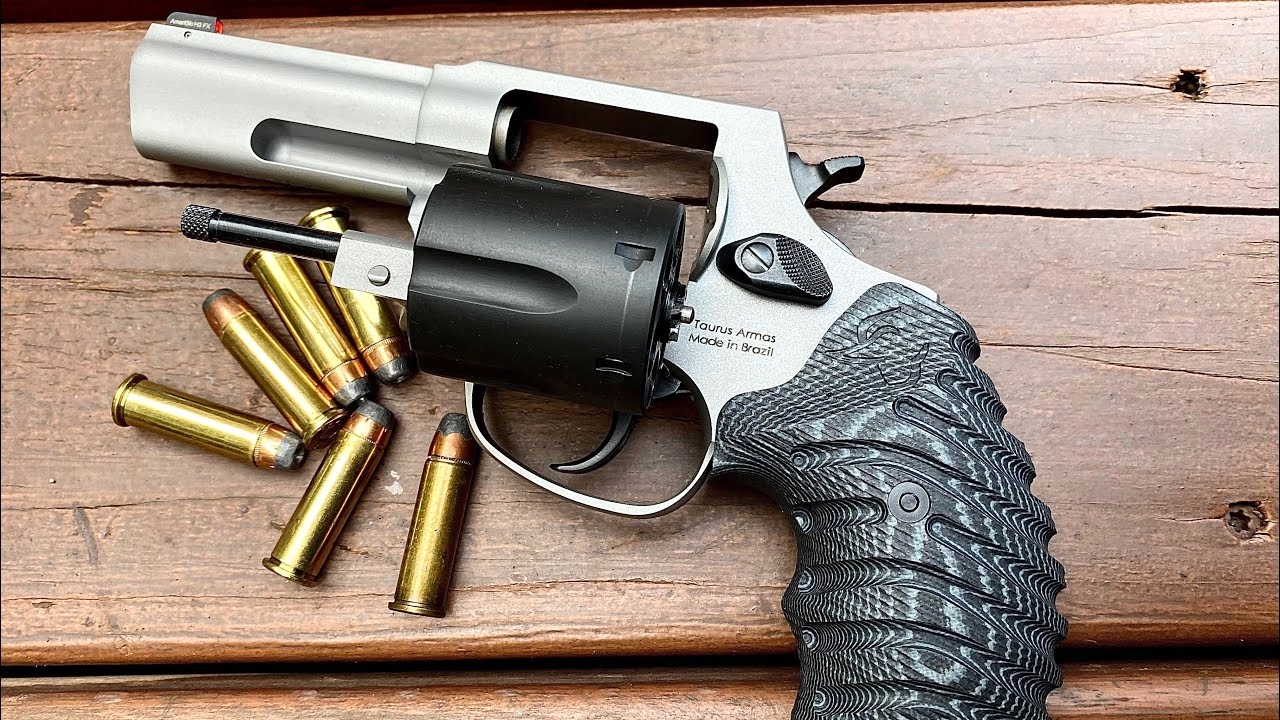
The Taurus 856 Defender is popular for one reason: it gives you six shots and a defensive-ready setup at a price many people can reach. The Defender versions often include better sights and a grip that’s easier to hang onto than older budget snubs, which matters when you’re trying to run the gun fast.
No revolver is immune to quality variation, so you still need to vet your individual gun with real range time. That’s true with any defensive firearm, but it matters more here. If it checks out, the 856 Defender can be a legitimate carry option for someone who wants a revolver format without paying premium pricing. The key is being honest: you still need to practice reloads, you still need to master the trigger, and you still need to carry ammo. Revolvers are not forgiving of wishful thinking.
Charter Arms Professional
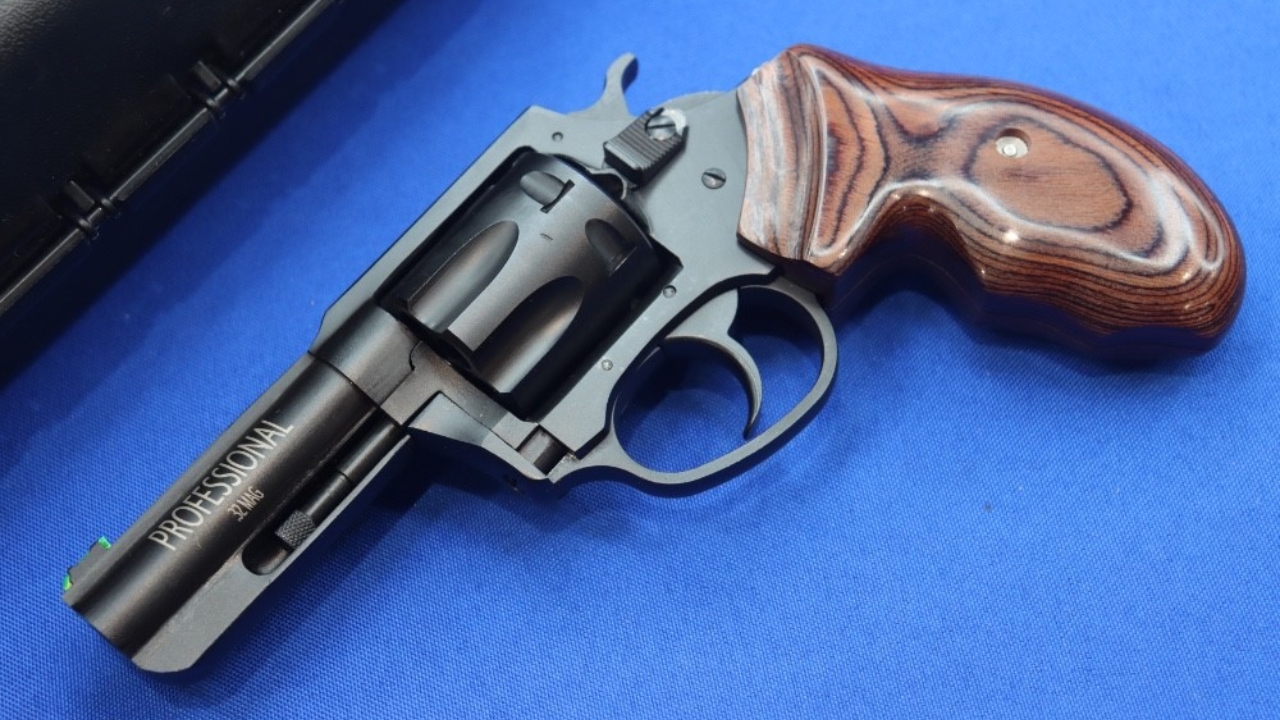
Charter’s Professional is worth mentioning because it hits the core revolver advantage: a straightforward defensive gun that carries easily and operates the same way every time. The design is uncomplicated, the profile is carry-friendly, and the concept fits people who want a revolver that lives in real clothes, not range gear.
Like any revolver in this class, the trigger and fit can vary, and you need to confirm reliability with your chosen defensive load. When it runs well, it offers a practical solution for close-range defense with fewer moving parts than a semi-auto system. The bigger point is how it fits your life. If you’re the type who carries inconsistently because your pistol feels heavy or hard to conceal, a small revolver you will actually keep on you is a meaningful advantage. The Professional can fill that role.
Smith & Wesson Model 60 (3-inch)

A 3-inch Model 60 is one of the best “do most things” revolvers in a size that still carries. Stainless construction holds up to sweat and weather, the barrel length improves shootability, and the gun has enough weight to make practice reasonable with .38 loads. It feels like a revolver you can build real skill with.
For self-defense, the Model 60 shines as a belt gun for people who want a revolver that behaves predictably. It’s not tied to magazine tuning, grip sensitivity, or slide velocity. If you keep it clean and feed it good ammo, it’s ready. The tradeoff is capacity and reload speed, and you cannot pretend those do not matter. But if you’re willing to train around them—carrying a speedloader or strip and practicing double-action hits—the Model 60 can be a highly practical choice for daily carry.
Ruger Security-Six (used market)

Older revolvers can still make sense, and the Ruger Security-Six is a great example. These guns have a reputation for strength and durability, and many of them are still running hard decades later. If you find one in good condition, you can end up with a serious revolver for less money than many new options.
The key is being smart about what “used” means. You check timing, lockup, and overall condition, then you test it with the loads you plan to carry. When you get a good one, you’ve got a revolver that can handle training, handle the elements, and handle serious defensive use. The Security-Six also tends to be shootable because it has enough mass to settle recoil. If you’ve been focused only on what’s new, the used Ruger market is a place where practical defensive revolvers still live.
Smith & Wesson Model 10 (used market)

The Model 10 is old-school, but it remains one of the best entry points into serious revolver shooting. It’s a K-frame .38 that tends to be accurate, controllable, and easy to shoot well. For building double-action skill, it’s hard to beat, and those skills transfer directly to any carry revolver you choose later.
For self-defense, the Model 10 can still work, especially as a home-defense revolver or a belt gun for someone who prioritizes shootability and trigger control. You’re not carrying a tiny snub here. You’re carrying a revolver that you can run fast and hit with. As with any used revolver, condition matters. A tight, well-maintained Model 10 with good sights and a sensible load can be a highly capable defensive handgun. The design may be old. The performance can still be very current.
Smith & Wesson Model 686 Plus (2.5-inch or 3-inch)
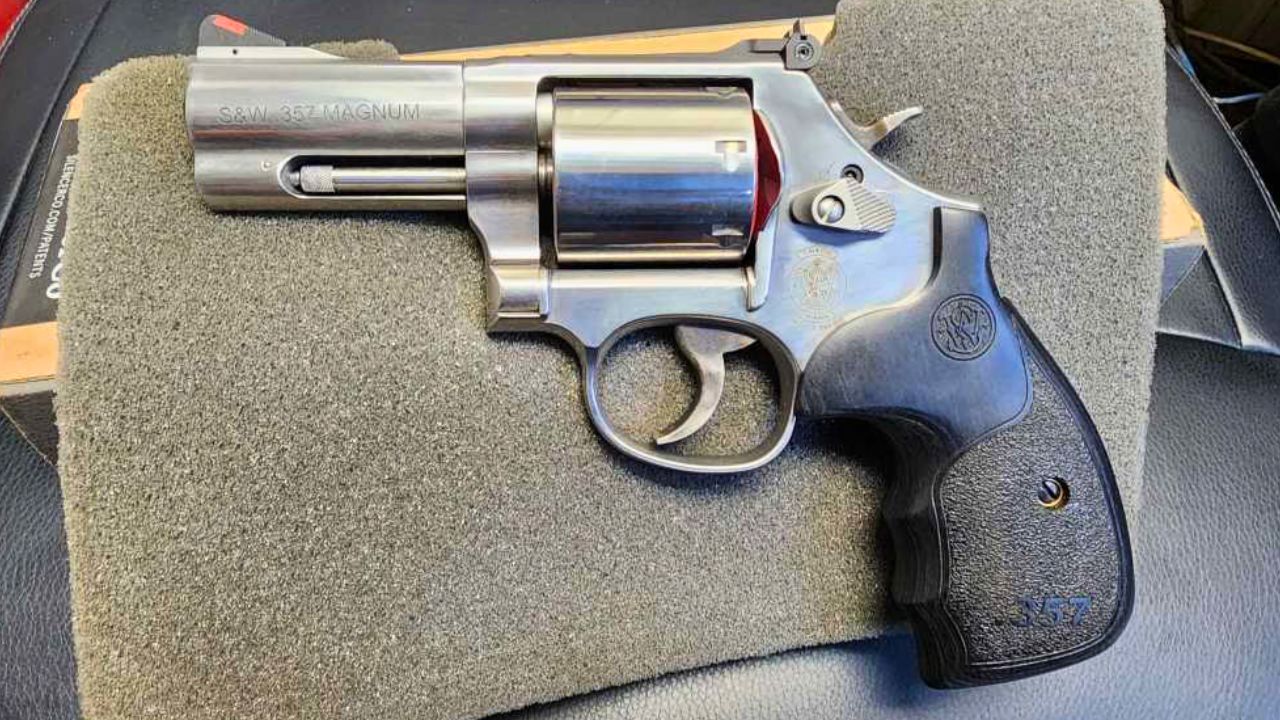
The 686 Plus makes the strongest “second look” argument of all: seven shots, outstanding shootability, and a platform you can truly train with. The L-frame soaks up recoil, the trigger can be excellent, and the sights are far more usable than most small revolvers. If you want a revolver that behaves like a serious fighting handgun, this is the lane.
The tradeoff is carry commitment. A 686 Plus is not an effortless concealment piece, and you’ll dress around it. In return, you get a revolver that’s easier to shoot accurately under speed than most small semi-autos, especially for shooters who value trigger control and consistency. It also gives you a longer service life for practice. If you’re considering a revolver because you want more confidence, not less, the 686 Plus is the kind of gun that supports that goal.
Like The Avid Outdoorsman’s content? Subscribe to our newsletter so you never miss an article.
Here’s more from us: