Photo credit: SPRINGFIELD ARMORY/YouTube
A pistol can run for years on iron sights and then start acting weird the moment you bolt an optic on top. That’s not magic, and it isn’t always the gun’s fault. A dot changes slide mass, changes how the slide returns to battery, and introduces new failure points—plates that flex, screws that are too long, thread locker in the wrong place, and optics that sit just a hair off-center.
Most of the time, the problem shows up as sluggish cycling, erratic ejection, or intermittent failures to return to battery. Sometimes it’s as simple as a screw dragging in the extractor plunger channel or a plate that isn’t truly flat. Sometimes the dot choice matters, too—heavier optics and taller stacks ask more from a compact slide. If you want a carry pistol to stay boringly reliable, you treat the optic install like gunsmith work: correct parts, correct torque, correct screws, and a real reliability test afterward.
Glock 19 Gen 5 MOS

A Glock 19 Gen 5 can feel unstoppable with irons, then turn finicky with an optic if the mounting stack isn’t right. The factory MOS system works, but it’s sensitive to screw length and plate fit. A screw that’s a little too long can drag where you don’t see it, and that drag shows up as inconsistent ejection or failures to fully cycle.
You also can’t ignore the plate itself. If the plate isn’t seated perfectly, or if it flexes under recoil, your optic can walk and your slide timing can feel different shot to shot. The fix usually isn’t exotic. You verify correct screws, keep thread locker off places it doesn’t belong, and torque to spec. Then you run the gun hard with your carry load, because a “tight” install that isn’t truly right will still bite you later.
SIG Sauer P320 Compact RX / Pro Cut
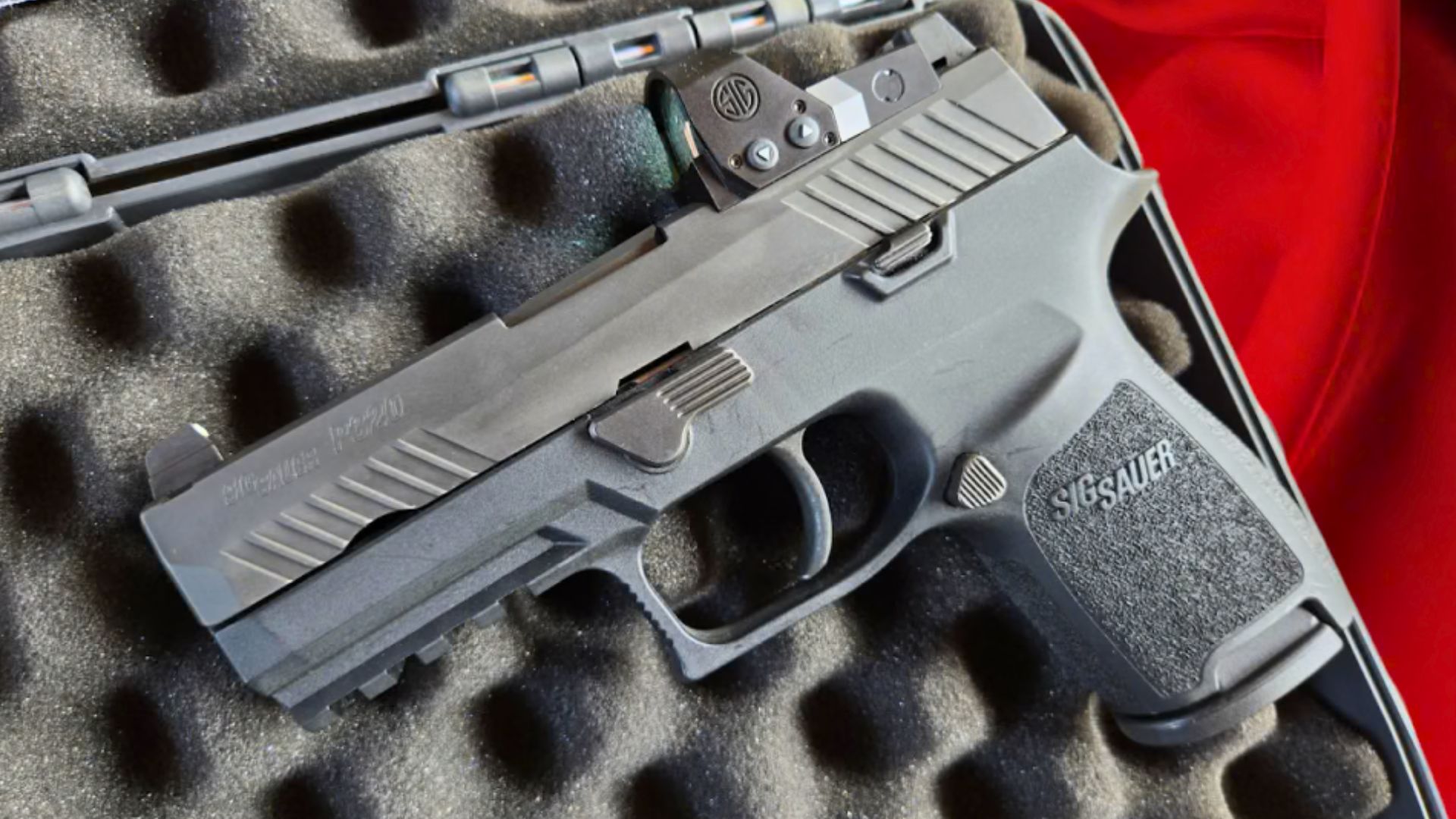
The P320 Compact runs well, but optics add layers that can expose little setup mistakes fast. The P320’s striker-fired system and slide cut geometry mean screw choice matters more than people think. Too-long screws can create drag or interfere where you won’t notice until the gun starts short-stroking or throwing brass inconsistently.
Another common issue is chasing the lowest possible optic height with the wrong plate or hardware combo. When the stack is off, you can introduce movement that shows up as intermittent zero shift or a dot that loosens over time. You solve it by using the correct mounting pattern, the correct screws for that optic, and proper torque. Then you test with your actual magazines and carry ammo. The P320 usually isn’t “unreliable with a dot.” A sloppy install turns it unreliable.
SIG Sauer P365 XL

The P365 XL is a great example of a pistol that can run flawlessly, then get picky when you add weight to the slide. The XL’s slide is compact and fast, and optics—especially heavier models—can change how it cycles. That can show up as occasional failures to return to battery or a gun that suddenly feels more sensitive to grip and ammo.
Mounting hardware matters here, too. The XL’s direct-mount approach is convenient, but screw length and thread locker discipline still matter. If anything drags, you’ll feel it in a small slide first. The practical move is to keep the optic setup clean and light, confirm the screws are correct, and verify the gun runs with the exact load you carry. With micro-compacts, “mostly reliable” isn’t good enough. You prove it or you don’t trust it.
Springfield Armory Hellcat OSP

The Hellcat OSP carries well and shoots better than many tiny pistols, but adding a dot can push it toward the edge of its operating window. Small guns run fast, and small slides don’t have much extra margin when you change mass and leverage. If your optic setup isn’t perfectly clean, you can see failures that never happened with irons.
The Hellcat also demands a careful install because everything is tight and compact. Screws that aren’t right, plates that aren’t seated, or an optic that shifts even slightly can create cycling hiccups and inconsistent ejection. You keep the mounting surfaces clean, use proper torque, and avoid overdoing thread locker. Then you shoot it the way you’ll actually use it—rapid strings, reloads, one-handed work. The Hellcat can be reliable with a dot, but it won’t hide lazy setup the way a bigger pistol sometimes will.
Smith & Wesson M&P 9 M2.0 Optics Ready

The M&P 9 M2.0 OR is built for dots, but it can still surprise you if the plate system and screws aren’t matched correctly. The M&P’s optic mounting uses plates for different footprints, and mixing hardware can lead to a mount that feels solid but isn’t truly stable. That instability can show up as an optic that loosens or a slide that cycles slightly differently than it did with irons.
What usually bites you is the assumption that “factory optics-ready” means install-proof. You still confirm the plate is flat, the screws are correct, and nothing is binding. The other reality is that recoil impulse changes when you add an optic, and your chosen ammo may suddenly matter more. You solve it with a correct mount, proper torque, and a real function test. When the setup is right, the M&P is a dependable dot gun. When it isn’t, it’ll remind you quickly.
CZ P-10 C Optics Ready
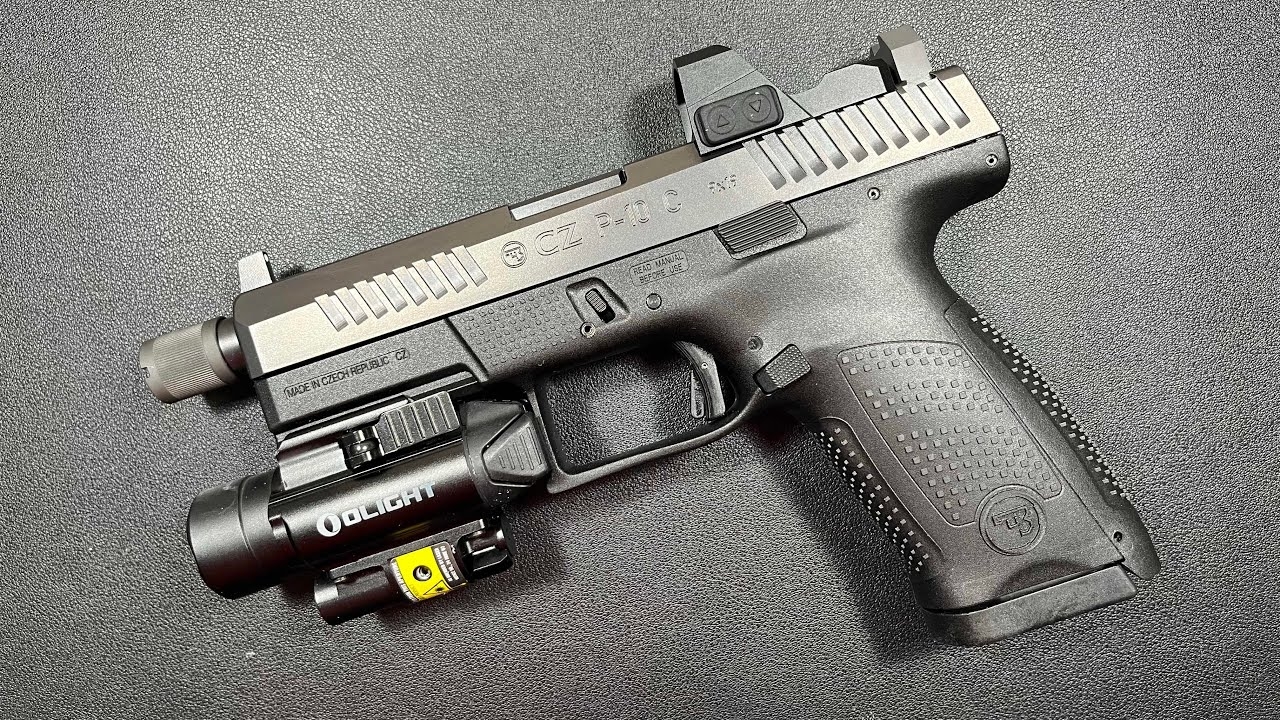
The CZ P-10 C is a strong performer on irons, but optics can expose tolerance stacking in the mounting setup. The P-10 series often relies on plates, and a plate that doesn’t sit perfectly can introduce movement under recoil. That movement can feel like “random” malfunctions because it’s not constant—until it is.
Screw length matters here, too, because the slide isn’t huge and there isn’t much room for mistakes. A screw that bottoms out or drags can change the feel of the slide and show up as sluggish cycling. You keep the install clean, use the correct plate for your optic footprint, and torque everything properly. Then you test with the magazines you’ll actually carry. The P-10 C can be extremely reliable with a dot, but it rewards precision. A careless mount turns a solid pistol into a fussy one.
Walther PDP Compact

The Walther PDP Compact is accurate and easy to shoot fast, and that encourages people to add an optic early. The PDP also has a lively slide, and when you change the mass on top, you can alter the way the gun ejects and returns to battery. It’s not that the PDP “can’t run a dot.” It’s that the setup has to be right, especially if you’re running hotter ammo or shooting long strings.
The PDP’s mounting system depends on correct plates and correct screws. If you get either wrong, you can create subtle drag or movement that shows up as inconsistent ejection patterns and occasional stoppages. You also don’t ignore the basics—clean mounting surfaces, proper torque, and a real zero check after the first range session. When the dot is mounted correctly, the PDP is a great shooter. When it isn’t, it’ll act like it has a mind of its own.
FN 509 Tactical

The FN 509 Tactical is marketed as optics-ready and suppressor-friendly, but that doesn’t mean it’s immune to optic-induced problems. The 509 uses plates and hardware that must match your optic correctly. If you mismatch the plate or torque the screws wrong, you can end up with a mount that shifts or a slide that doesn’t cycle as cleanly as it did with irons.
Another common trap is stacking variables all at once—dot, suppressor, different recoil impulse, different ammo—then blaming the gun when it stumbles. You keep it simple: mount the optic correctly, test unsuppressed first, then add the next variable. The 509 Tactical can be very dependable, but it doesn’t forgive shortcuts. A hard-use pistol stays hard-use when you treat the optic install like part of the operating system, not a bolt-on accessory.
HK VP9 OR
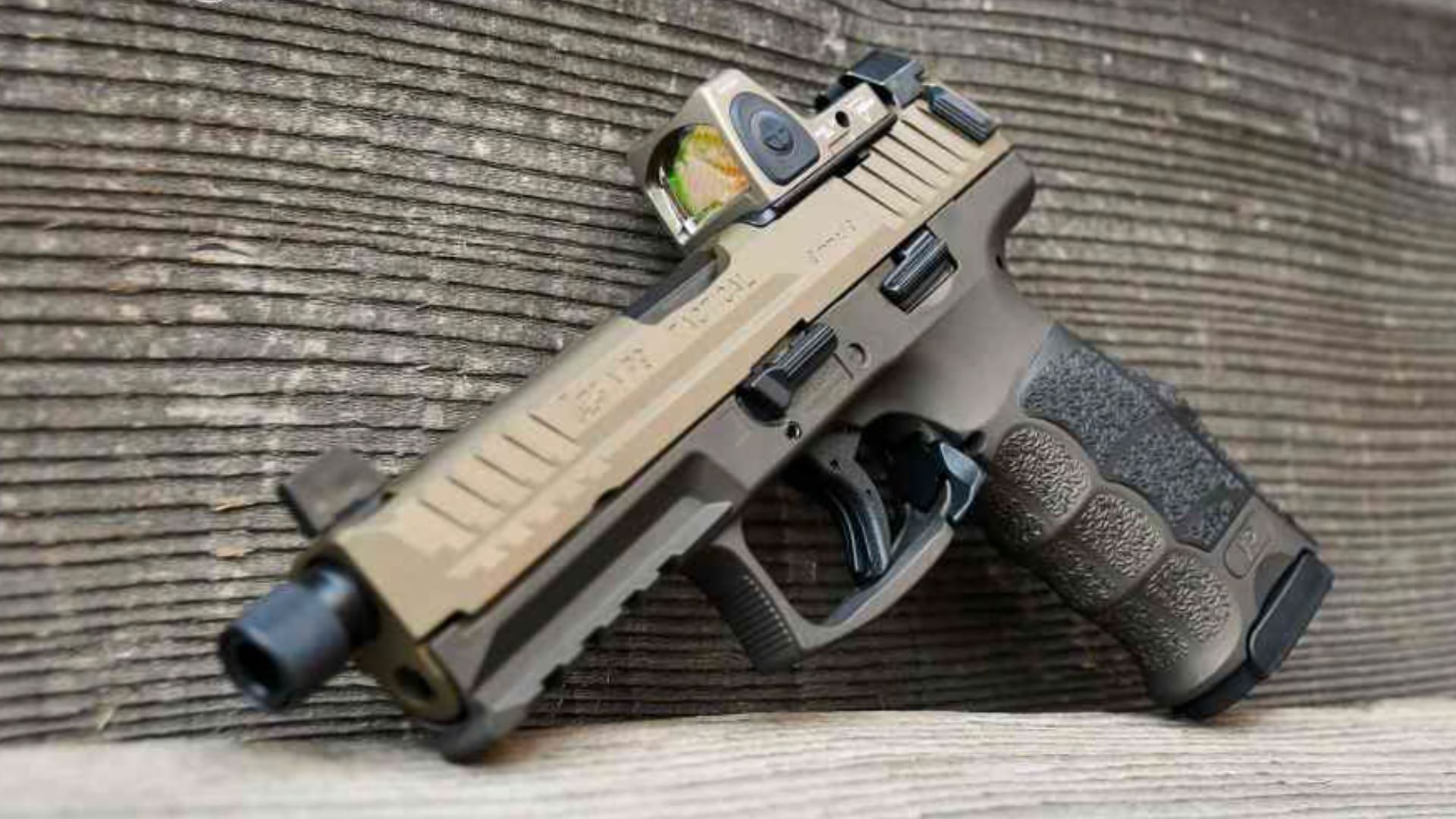
The VP9 is known for good ergonomics and smooth shooting, and that can make optic hiccups feel especially frustrating. With the VP9 OR, the most common failures after adding a dot come from the mounting interface—plate selection, screw length, and proper torque. HK’s system works, but you have to match the footprint and hardware correctly.
The VP9’s slide mass and recoil system are tuned to run clean, and adding an optic changes the timing slightly. If your carry ammo is marginal in that particular gun, the dot can push it into occasional short-stroking. That’s why you test with your real load, not only range ammo. When the optic is mounted correctly and the ammo is right, a VP9 OR can run like a duty pistol. When it doesn’t, it’s usually the install or the load showing you the truth.
Ruger Max-9

The Ruger Max-9 is a practical micro-compact, and it’s also a good example of how small guns can get picky with optics. The Max-9’s slide is light and fast, and adding a dot can change how it cycles with certain loads. You might see failures to return to battery or inconsistent ejection that never happened with irons.
Mounting issues show up quickly on a gun this size. If screws are wrong or thread locker creeps where it shouldn’t, the slide will let you know. You keep the optic choice realistic, keep the install clean, and confirm the gun runs with the ammo you carry. Micro-compacts don’t have the margin of a full-size pistol, so you don’t assume anything. The Max-9 can run a dot well, but it requires a careful mount and an honest shakedown before you trust it.
Kimber R7 Mako

The Kimber R7 Mako is often bought as a modern carry pistol that’s ready for an optic, but optics can expose reliability weaknesses fast if the setup isn’t perfect. The Mako’s size and slide speed mean added mass can change cycling behavior, especially with lighter practice loads. You can see occasional failures that weren’t there with irons.
The bigger issue is that people treat the optic install as “plug and play” and skip the details. Screw length, plate fit, and proper torque matter, and you don’t want anything binding on a carry gun. You also verify that your chosen optic footprint matches the intended mounting solution, not a forced fit. When the dot is mounted correctly and you validate it with your carry load, the Mako can run well. When you rush it, it can turn into a gun you don’t fully trust.
Canik TP9 Elite SC

The Canik TP9 Elite SC is popular because it’s shootable for its size, and it often runs great with irons. Add an optic and you can change the timing enough to expose how sensitive the gun is to ammo and spring rates. That can show up as inconsistent ejection or occasional failures to return to battery, especially if you’re using soft practice ammo.
The optics interface also matters. Plates, screws, and torque are not optional details, and Canik owners sometimes mix parts trying to make a specific optic fit. That’s where trouble starts. You use the correct plate for your optic footprint and confirm nothing drags or binds. Then you run a real test with your carry ammo. If you want the Elite SC to stay dependable, you treat the dot as a system change, not a cosmetic upgrade.
Beretta APX A1 Carry
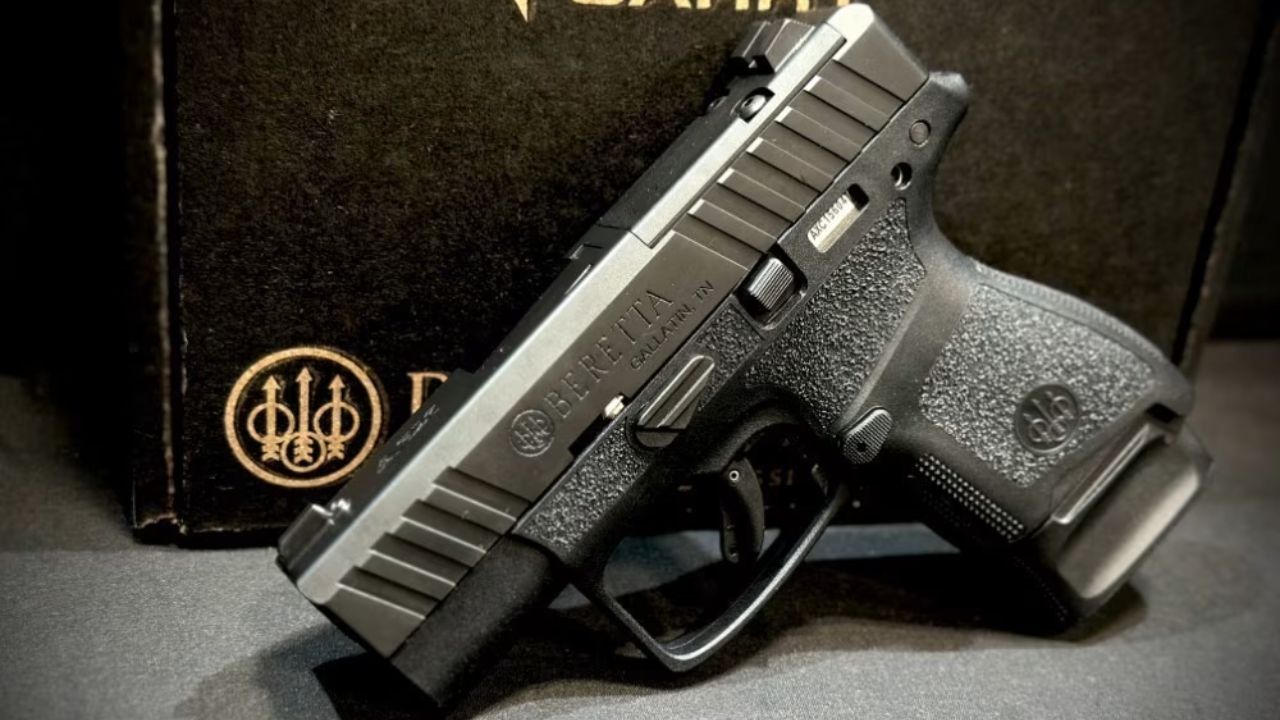
The Beretta APX A1 Carry can be reliable with irons, but adding an optic can make it feel more ammo-sensitive. Compact carry pistols with light slides already run close to the edge, and a dot adds weight and leverage that can slow the slide just enough to create occasional cycling issues with certain loads.
The other risk is mounting stability. On smaller guns, even slight movement in the optic stack can show up as reliability problems, not only accuracy problems. You keep the mounting surfaces clean, use the correct screws, and torque properly. You also don’t assume your favorite range ammo proves anything about carry reliability. You validate with the load you actually carry and the magazines you actually use. The APX A1 Carry can work with a dot, but it demands you do the work up front.
Shadow Systems MR920

The Shadow Systems MR920 is built around the idea of easy optic mounting, and many run extremely well. The optic system can still create problems if you choose the wrong spacer, use incorrect screws, or stack parts in a way that introduces movement. When that happens, the gun can start showing odd ejection patterns or intermittent failures even though it ran flawlessly on irons.
The MR920 also invites customization, and that’s a double-edged thing. When you add an optic and start changing recoil springs or running comps, you can quickly create a setup that’s tuned for one load and unhappy with another. You keep the build disciplined: correct mounting hardware, proper torque, and one change at a time. Then you prove it with a hard reliability test. A well-set MR920 is a strong dot gun. A rushed setup becomes unpredictable.
IWI Masada Slim

The IWI Masada Slim is a solid-value carry pistol, and it can feel dependable until the optic changes the slide dynamics. Like other slim carry guns, it doesn’t have a lot of extra margin. A heavier optic or a less-than-perfect mount can introduce cycling problems that didn’t show up with irons.
Mounting discipline matters here. You don’t want screws that bottom out, you don’t want anything dragging, and you don’t want thread locker migrating where it can bind parts. You also confirm the optic you’re using matches the intended footprint and sits flat. Then you test it with your carry load and your carry magazines, not only slow-fire. The Masada Slim can run with a dot, but you don’t treat it like a full-size duty gun with endless tolerance. A careful mount keeps it honest.
Mossberg MC2sc

The Mossberg MC2sc is a carry pistol that surprises people with how well it can shoot, and optics make that even more appealing. The downside is that micro-compacts can become sensitive when you add mass to the slide. If the optic setup isn’t perfect, you can see failures that weren’t present with irons, especially during faster strings.
The MC2sc also benefits from careful screw selection and proper torque. A tiny amount of drag or misalignment can show up as inconsistent ejection or a slide that feels slightly sluggish. You keep the install clean, use the correct hardware, and validate with the load you’ll actually carry. You also pay attention to magazine function, because small guns can get picky when everything is running faster and tighter. The MC2sc can be dependable with a dot, but it won’t hide a sloppy optic setup.
Like The Avid Outdoorsman’s content? Subscribe to our newsletter so you never miss an article.
Here’s more from us: