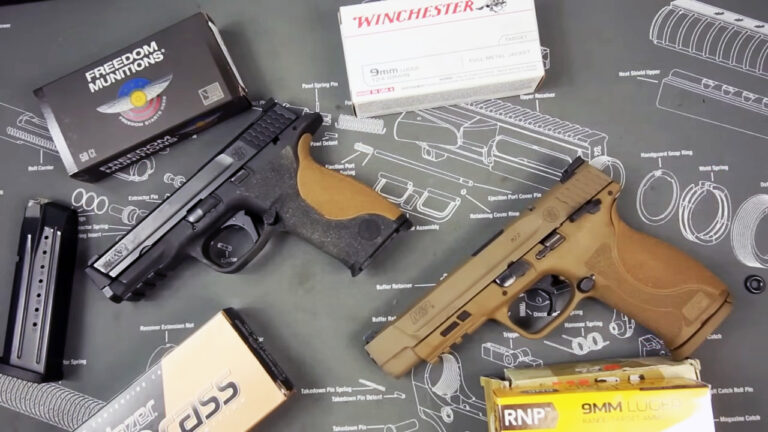
Photo credit: Tactical Toolbox/YouTube.com
Modern handguns and rifles leave the factory after thousands of test rounds and careful tuning, yet many owners start swapping parts before the first range trip. The aftermarket can improve ergonomics or accuracy, but the wrong component in the wrong place often turns a dependable firearm into a finicky project gun. Reliability problems usually trace back to a handful of popular modifications that change how the gun feeds, fires, and cycles.
I focus here on the common add‑ons that quietly undermine function, from “upgraded” triggers and barrels to recoil springs and slide controls. The pattern is consistent across platforms: tighter tolerances, lighter springs, and more aggressive geometry can all push a design past the edge of its operating window, especially when installation is less than perfect.
Why reliability suffers when you chase every aftermarket upgrade
Most factory pistols and rifles are engineered as systems, with springs, weights, and clearances balanced around a specific pressure curve and ammunition range. When I start swapping multiple parts at once, I am effectively redesigning that system without the test lab that the original engineers had. Even companies that sell custom components acknowledge that improper installation of aftermarket parts can affect a firearm’s reliability and that modifying and upgrading a gun demands careful attention to function and safety.
Even when parts are installed correctly, small changes in tolerance stack can create big problems. Some manufacturers openly state that they cut their components with slightly tighter dimensions so that perceived improvements in accuracy and performance come from those aftermarket manufacturers chasing precision. That can be great on a match gun, but in a defensive pistol or duty rifle it narrows the margin for dirt, fouling, or imperfect grip, and the result is often failures to feed, extract, or lock back that never appeared with stock parts.
Trigger kits: lighter pulls, heavier consequences
Aftermarket triggers are one of the most popular modifications, and also one of the most misunderstood. Many shooters want a lighter, crisper break than the “duty grade” pull that comes from the factory, and there is no question that a smoother trigger can help with precision, especially when factory triggers are inconsistent or heavy and a refined unit gives a cleaner pull for factory rifles used in accuracy‑focused roles. The problem is that many pistol trigger kits achieve that feel by reducing sear engagement or striker spring weight, which can compromise drop safety or ignition reliability.
Owners also worry about legal risk, and debates over whether “a attorney will use it against you in court” surface whenever someone mentions Changing factory parts on a carry gun. Separate from courtroom speculation, there is a practical reliability concern: users report that anything with moving parts can fail, and some have seen both stock guns and modified pistols malfunction, with one shooter bluntly noting that Ive had factory guns choke straight out of the box and that Anything mechanical can break. When a trigger kit adds more pieces, tighter tolerances, and lighter springs, it increases the number of failure points, and a misfit connector or out‑of‑spec shoe can cause failures to reset, dead triggers, or even unintended discharges.
Custom barrels and tight chambers that refuse to feed
Barrels are another favorite upgrade, especially in striker‑fired pistols where a drop‑in tube promises better accuracy or support for different ammunition. Custom makers promote barrels as flexible drop‑in upgrades and list them among the Most Popular Custom Gun Parts, emphasizing that Barrels and other Aftermarket components can be Upgraded for performance. The catch is that many of these barrels use match‑grade chambers and tighter lockup, which can be less forgiving of slightly out‑of‑spec ammunition, fouling, or weak magazine springs.
Owners who shoot coated bullets or lead often swap barrels to avoid fouling polygonal rifling, and some report that, However, if you shoot coated bullets, they have not found this to be an issue and that Also, a lightweight slide or barrel combination can shave a stunning 100 grams less off a pistol, as one discussion of However and Also illustrates. That kind of weight change alters the timing of the entire recoil system. When a tight chamber meets a lighter slide and marginal ammunition, the result can be failures to return to battery, stubborn extraction, or erratic ejection that never appeared with the original barrel.
Recoil springs, slide stops, and the fragile balance of cycling
Recoil spring assemblies and slide controls are deceptively simple parts that can wreak havoc when swapped without a plan. Enthusiasts often install an aftermarket recoil spring assembly to reduce felt recoil, tune the gun for a specific load, or adapt the gun function to innovations like compensators, and guides to Glock tuning note that an aftermarket recoil spring assembly can also make sense when you want a component with less wear. The risk is that going too light or too heavy on spring weight changes slide velocity, which can cause failures to feed, premature lockback, or battering of the frame and locking surfaces.
Slide stops and slide lock levers are another common target for customization, especially on Glock‑pattern pistols. One detailed rant about modding highlights how changing the slide stop geometry can lead to Unintentional Slide Lock Duri live fire, with the lever catching the slide under recoil or when the shooter’s thumb rides it, a problem that the author of Here frames as a purist defense of the original design. When combined with altered recoil springs, these small parts can create a cascade of malfunctions that look like magazine or ammo issues but are really the result of a system pushed out of balance.
Magazine and feeding issues that get blamed on everything else
Feeding problems are often the first sign that a modification has gone too far. On Glock‑pattern pistols, One of the most common issues is a failure to feed, where the slide fails to pick up the next round, and guides to One of the frequent Glock problems point out that Glocks are especially sensitive to a dirty or damaged magazine. When owners add extended baseplates, aftermarket followers, or stiffer springs, they change how rounds present to the feed ramp, and a nose‑down cartridge can mimic a weak recoil spring or bad extractor.
Custom slides and frames can compound the issue. A builder’s guide to Glock issues with custom parts notes that when a slide sticks open after every shot, there are a couple of potential Glock issues to check, including whether the slide stop and magazines are seated and aligned properly with Why the gun is locking back and whether There are tolerance conflicts between parts. Add in aftermarket magwells, grip modules, or 3D‑printed frames, and it becomes easy for a magazine to sit a fraction of a millimeter low or high, which is enough to cause intermittent failures that only appear with certain ammo or when the shooter changes grip pressure.
AR‑15 gas systems and bolts: where rifle mods go wrong
On the rifle side, the AR‑15 platform is especially vulnerable to reliability problems when owners start swapping gas blocks, buffers, and bolt carrier groups. The gas system of an AR‑15 is essential for its operation, since it uses gas from fired cartridges to cycle the action, and discussions of Gas System Wear and Tear emphasize that recognizing signs of wear in gas tubes, keys, and blocks is critical if the rifle is to remain reliable and effective. When builders install adjustable gas blocks, lightweight carriers, or suppressors without re‑tuning, they often end up with short‑stroking, bolt‑over‑base malfunctions, or violent over‑gassing that beats up internal parts.
Wear items in the AR bolt group are another weak link, especially when aftermarket parts are mixed with unknown round counts. One technical breakdown notes that, Before you start coddling your handguard or stock, you should recognize that Your Bolt is one of the first parts to wear, and that the extractor and its spring are high on the list of components that will Your Bolt and extractor will Break long before cosmetic pieces. When shooters chase lighter triggers, skeletonized carriers, or exotic coatings without tracking these basic wear points, they can misdiagnose extraction failures as ammo problems instead of a worn extractor or mismatched gas setup.
Small pistol parts that quietly break first
Even in unmodified pistols, certain parts are statistically more likely to fail, and aftermarket replacements can either help or hurt. A detailed guide to handgun maintenance points out that The Most Common Parts to fail include the extractor, which is perhaps the most common part to Break, and urges shooters to Think about how many times that small hook has to snap over a case rim in a pistol’s lifetime, especially in high‑round‑count training guns that see constant use with The Most Common Parts wearing out. When owners replace these components with unvetted aftermarket versions, they may introduce brittle metallurgy, poor heat treatment, or sloppy geometry that accelerates failure.
Springs, pins, and slide stop levers fall into the same category. Many custom kits bundle reduced‑power striker springs with lighter trigger return springs to create a softer pull, but that combination can lead to light primer strikes or sluggish reset. Others swap in extended slide stops or oversized magazine releases that change how the shooter’s grip interacts with the gun, leading to premature lockback or dropped magazines under recoil. Over time, these small changes can produce a pattern of intermittent malfunctions that is hard to trace, especially when the owner has lost track of which parts are original and which have been replaced with aftermarket versions of uncertain origin.
When “performance” mods shorten a gun’s lifespan
Many of the most aggressive modifications are marketed as performance upgrades, yet they often trade long‑term durability for short‑term feel. Videos aimed at Glock owners warn that certain slide cuts, ultra‑light triggers, and aggressive polishing jobs can hurt reliability, shorten your gun’s lifespan, and leave you with more problems than upgrades, especially when they involve risky trigger kits that push the design past its intended safety margins, a point driven home in breakdowns of Jul style “worst mods.” Removing metal from slides, barrels, or locking lugs to save weight or smooth operation can concentrate stress in new places, and the result may be cracked components or peening that appears after only a few thousand rounds.
Even seemingly benign cosmetic changes can have mechanical consequences. Deep slide serrations, window cuts, and threaded barrels with compensators all change how mass and gas interact during the firing cycle. Combined with altered recoil springs or lightweight frames, they can cause the slide to outrun the magazine or slam into the frame with more force than the original engineers anticipated. Over time, that accelerates wear on rails, locking blocks, and pins, and a pistol that once ran flawlessly on duty ammunition may start to choke on the same loads after a season of competition with heavily modified parts.
How to mod smart without sacrificing reliability
None of this means shooters must avoid customization altogether. The key is to treat the firearm as a system and to change one variable at a time, testing thoroughly before moving on to the next. When considering popular upgrades like barrels, triggers, or optics cuts, I look for manufacturers who acknowledge that Aftermarket parts must be installed correctly and that Barrels and other components should be Upgraded with an eye toward safety, as highlighted in guidance on Aftermarket safety. I also keep a log of round counts and parts changes so that when a malfunction appears, I can trace it back to a specific modification instead of guessing.
Finally, I remind myself that reliability is a consumable, not a permanent trait. Guides to AR‑15 maintenance stress that recognizing signs of wear in the gas system and bolt is essential if the rifle is to remain reliable and effective, and pistol‑focused breakdowns of common failures show how often a dirty or damaged magazine is the real culprit. By prioritizing proven wear‑item replacements, sticking with reputable parts, and resisting the urge to stack multiple experimental mods on a carry or duty gun, owners can enjoy the benefits of customization without turning a trusted firearm into an unpredictable science project.