Photo credit: Mrgunsngear Channel/YouTube
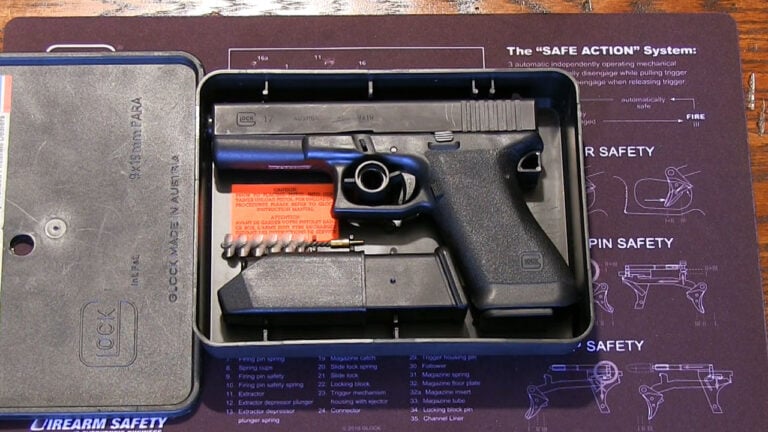
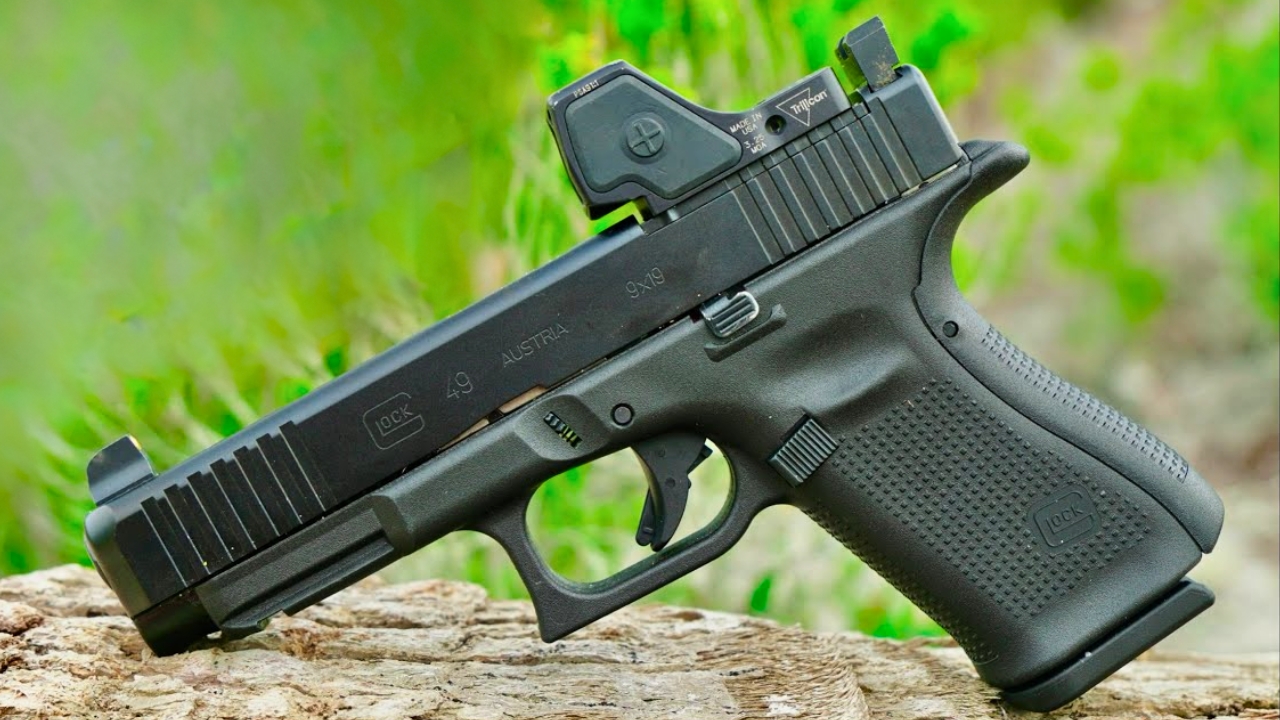
Glocks get modified more than almost any other pistol platform because parts are cheap, the internet is loud, and it’s easy to convince yourself that a “simple upgrade” turns a solid carry gun into something closer to a custom build. The problem is that Glock reliability comes from a pretty boring balance of parts, tolerances, and timing, and when you start changing the system for feel, you often shrink the reliability window without realizing it. One “upgrade” gets bragged about constantly because it makes the gun feel smoother and lighter, and it photographs well in a parts list, but it also causes some of the dumbest failures you’ll see on an otherwise dependable pistol. That upgrade is the reduced-power striker spring package, often paired with an “improved” connector and a polished trigger bar to chase a lighter pull.
This upgrade gets sold as harmless because the gun will usually still fire most of the time, and “most of the time” is enough for people to tell themselves it’s fine. Then the pistol starts producing intermittent light primer strikes, especially with harder primers, colder weather, dirtier guns, or ammo lots that aren’t as soft as the practice ammo the owner has been shooting. Those failures feel dumb because nothing looks broken, the trigger press feels great, and the shooter is left standing there with a click on a gun that used to go bang every time. If the gun is a range toy, this is annoying. If the gun is a defensive tool, it’s the kind of failure that turns a confident system into a question mark, and it often happens after the owner has already carried the modified gun for weeks or months assuming the “upgrade” was a pure win.
Why reduced striker energy is a reliability trade, not a free trigger improvement
Ignition reliability depends on delivering enough striker energy to dent the primer consistently, and primers are not all identical. Even within the same caliber, different manufacturers and different lots can have different hardness, and environmental conditions can change the margins too. A reduced-power striker spring lowers the force available to fire the cartridge, so the gun becomes more sensitive to everything else that adds friction or reduces energy, like carbon buildup in the striker channel, slightly sluggish striker movement from oil and debris, or minor out-of-spec ammo. The shooter doesn’t feel this because the trigger still breaks, the slide still cycles, and the gun still “functions” until it doesn’t. When it fails, it often fails as a light strike, and light strikes are the worst kind of failure because they can appear randomly and they destroy trust fast.
The other part people miss is that Glock triggers can be improved in perceived smoothness without stealing ignition energy, but that takes restraint and an honest understanding of what you’re changing. Many “upgrade” kits combine multiple changes at once—lighter striker spring, lighter safety plunger spring, different connector, different trigger shoe—and when all of that stacks, you can end up with a gun that feels great and runs fine for a small sample size, then starts choking as soon as the gun is dirty, the ammo changes, or the shooter tries to use it like a real carry pistol. Reliability is margin, and reduced striker energy is a direct hit to margin, which is why it’s a braggy upgrade that can be quietly expensive later.
The failures usually show up after the gun has been carried, not right after installation
A lot of people “test” their upgraded Glock with a couple of magazines on a clean gun and call it good. That’s not a real test because the gun is at its easiest operating point: clean, lubricated, warm, and fired in controlled conditions. The failures show up after carry because carry adds lint, sweat, and tiny debris that can migrate into places you don’t see, and because lubrication can dry out or thicken with contamination. If someone also over-lubes, they can turn striker channel contamination into a sticky mess that reduces striker speed. Combine that with reduced striker spring power, and you’ve created the perfect recipe for intermittent light strikes that only appear after weeks of normal life. That’s why people get blindsided: the “upgrade” seemed fine when it was new, and it seems dumb when it fails later, because nothing in their mind connects a lighter, smoother trigger feel with a pistol that sometimes won’t ignite a primer.
Another reason this is so common is that many shooters don’t separate their practice ammo from their carry ammo in terms of primer hardness and ignition margin. A Glock with reduced striker energy might run soft primers all day, then choke on a defensive load with harder primers, or on certain training loads that are built differently. When the gun is a defensive tool, you don’t want a setup that only runs “most ammo.” You want a setup that runs across reasonable ammo variation, because shortages, availability, and real life don’t always let you pick the easiest ammo for your gun. A braggy upgrade that narrows ammo tolerance is a reliability downgrade no matter how good the trigger feels.
How to keep a Glock boringly dependable without chasing the wrong improvements
If you want your Glock to be a tool, you choose upgrades that preserve or increase margin. That usually means focusing on sights that help you see, an optic system that is mounted correctly if you go that route, a good holster and belt system, and magazines you trust. If you want a cleaner trigger feel, the safest approach is often leaving the ignition system alone and improving the shooter’s interface and consistency through training, because a smooth, disciplined press solves more problems than a lighter spring ever will. If you do any internal work, you should isolate changes so you know what caused what, and you should test with your carry ammo, your carry magazines, and realistic round counts over time, not just in one clean range session.
The best Glock reliability advice is boring on purpose: keep the striker channel clean and mostly dry, avoid stacking reduced-power springs, and be skeptical of any kit that promises a dramatic trigger change without acknowledging the trade. A pistol that goes bang every time is more valuable than a pistol that feels amazing until it doesn’t. If you want the gun to run like a professional tool, treat ignition energy as sacred and treat “brag upgrades” as guilty until proven reliable through honest, long-term testing.
Like The Avid Outdoorsman’s content? Subscribe to our newsletter so you never miss an article.
Here’s more from us: