Photo credit: Bass Pro Shops
Not every rifle has to justify itself through round count. Some guns are worth owning because they represent a piece of firearms history, showcase a mechanical design that is unlikely to return, or simply give you something interesting to handle, study, and eventually pass down. A rifle can spend most of its life in the safe and still feel more meaningful than another modern carbine that gets shot every other weekend.
That does not mean buying rifles purely as decorations. The best examples still have real mechanical or historical substance behind them. They may be beautifully finished, unusually engineered, tied to a specific era, or built around an action that has largely disappeared from modern production. These 20 are rifles I would happily own even if they only came out a few times a year. Sometimes the value is in the shooting. Sometimes the value is in owning the rifle at all.
Winchester Model 52 Sporter
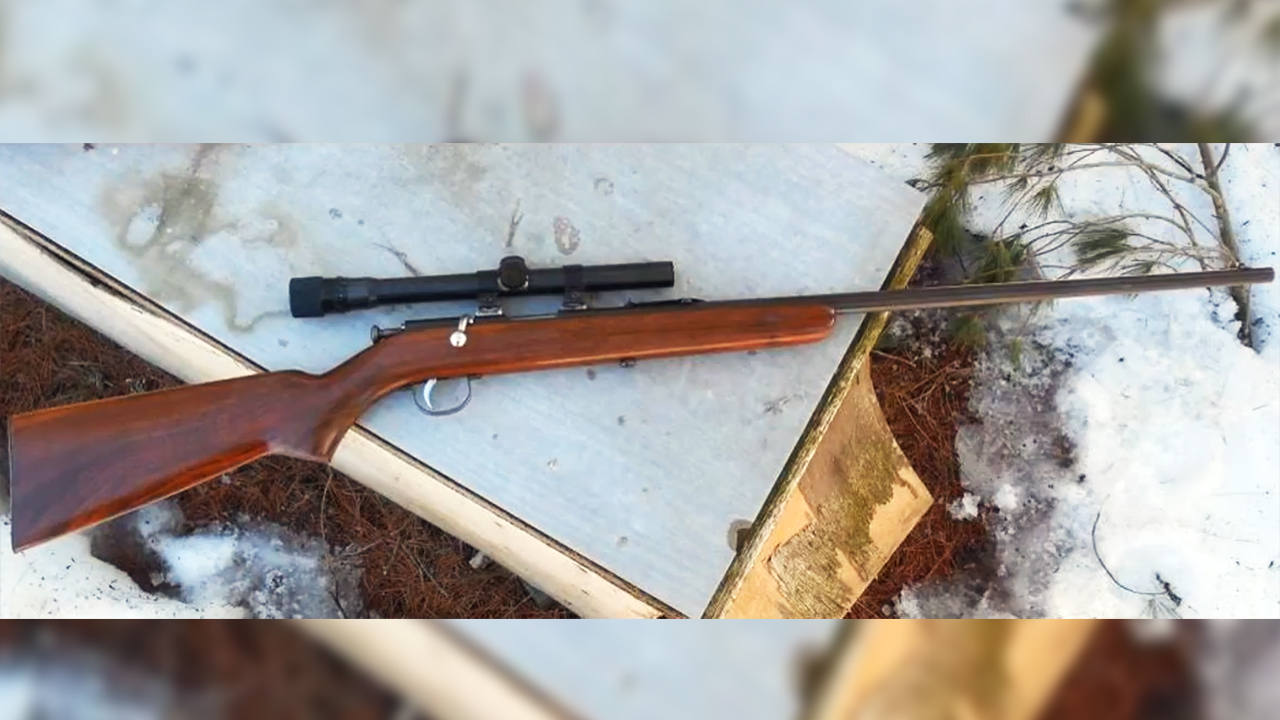
The Model 52 Sporter is one of those rimfires that makes modern .22 rifles feel almost disposable by comparison. The action is substantial, the machining is excellent, and the rifle carries the kind of finish that came from an era when manufacturers were willing to spend far more time producing a sporting rifle. It also has a legitimate target-rifle pedigree behind it, which gives the Sporter more substance than a pretty stock and deep blue finish.
You do not need to shoot thousands of rounds through one to appreciate it. Cycling the bolt, examining the metalwork, and simply holding a well-preserved example tells you why collectors care. There are cheaper rimfires that will shoot tiny groups all day, but very few have this combination of history, craftsmanship, and mechanical quality. If I owned a clean Model 52 Sporter, I would shoot it carefully and enjoy knowing it was in the safe the rest of the time.
Sako L46 Vixen
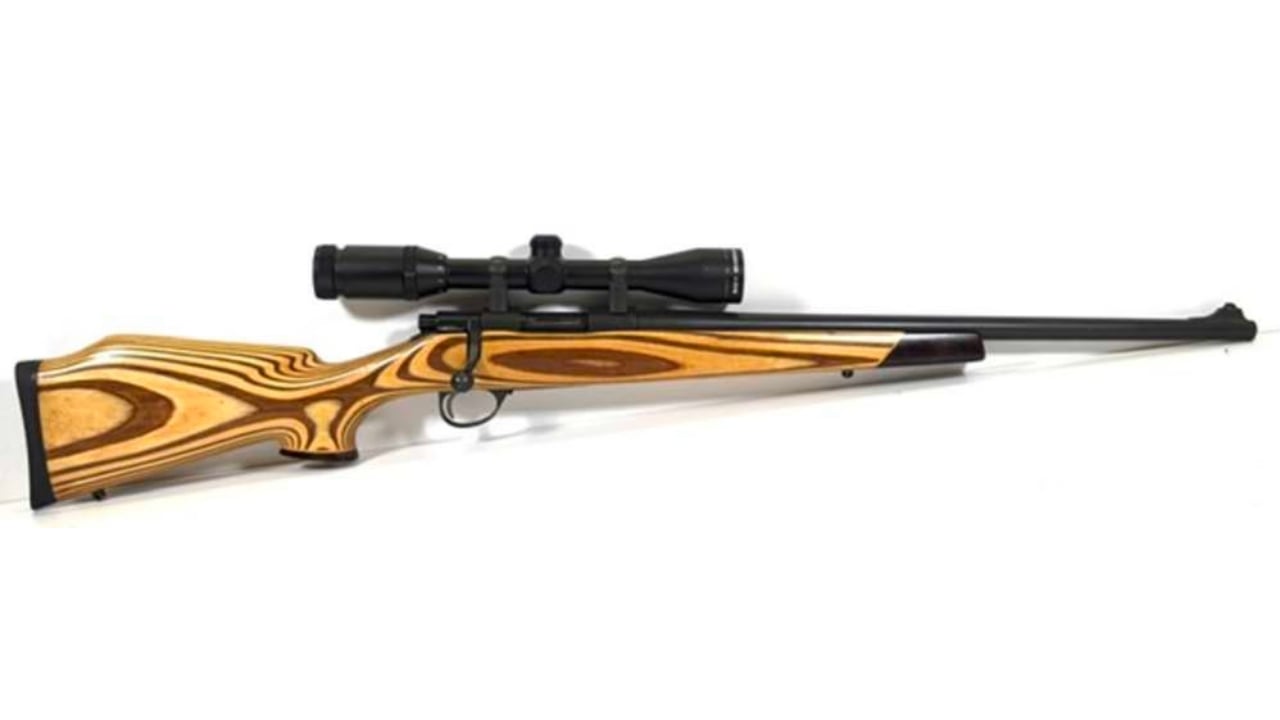
The L46 Vixen is a compact Finnish bolt rifle that represents a level of small-action refinement you rarely see in modern mass-production guns. The action is trim, the bolt feels precise, and the rifle was built specifically around smaller cartridges rather than adapting an oversized receiver to them.
That is what makes it worth owning even if you do not shoot it constantly. It represents an era when companies built actions around particular cartridge families instead of trying to make one receiver do everything. A clean Vixen in a classic varmint or small-game chambering has real collector appeal, but it is also just an incredibly pleasant rifle to handle. The proportions are right in a way that is hard to describe until you compare it with a modern economy bolt gun. It is not merely old. It is a different philosophy of rifle building.
Mannlicher-Schoenauer Model 1956
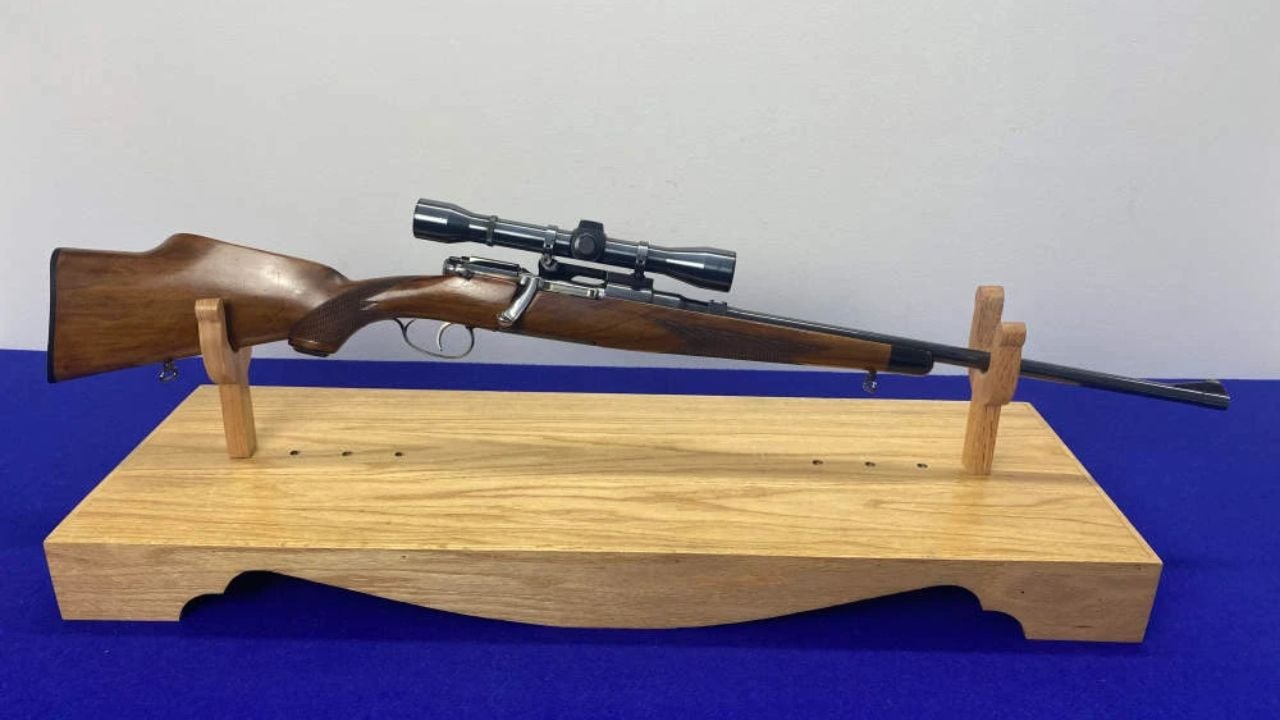
The Mannlicher-Schoenauer is one of the easiest rifles to justify purely on mechanical character. The rotary magazine, butter-knife bolt handle, smooth action, and full-stock configurations give it a personality that modern rifles simply do not duplicate.
The bolt travel is especially memorable. A good example can feel almost effortless when the action is worked, which is part of why these rifles developed such a strong reputation among European hunters. They are not necessarily the rifles I would drag through rain, mud, and brush today because replacement parts and collector value make that harder to stomach. That does not reduce the appeal. A clean Mannlicher-Schoenauer is worth owning because it captures a level of craftsmanship and design individuality that has mostly disappeared from the mainstream market.
Colt Sauer Sporting Rifle
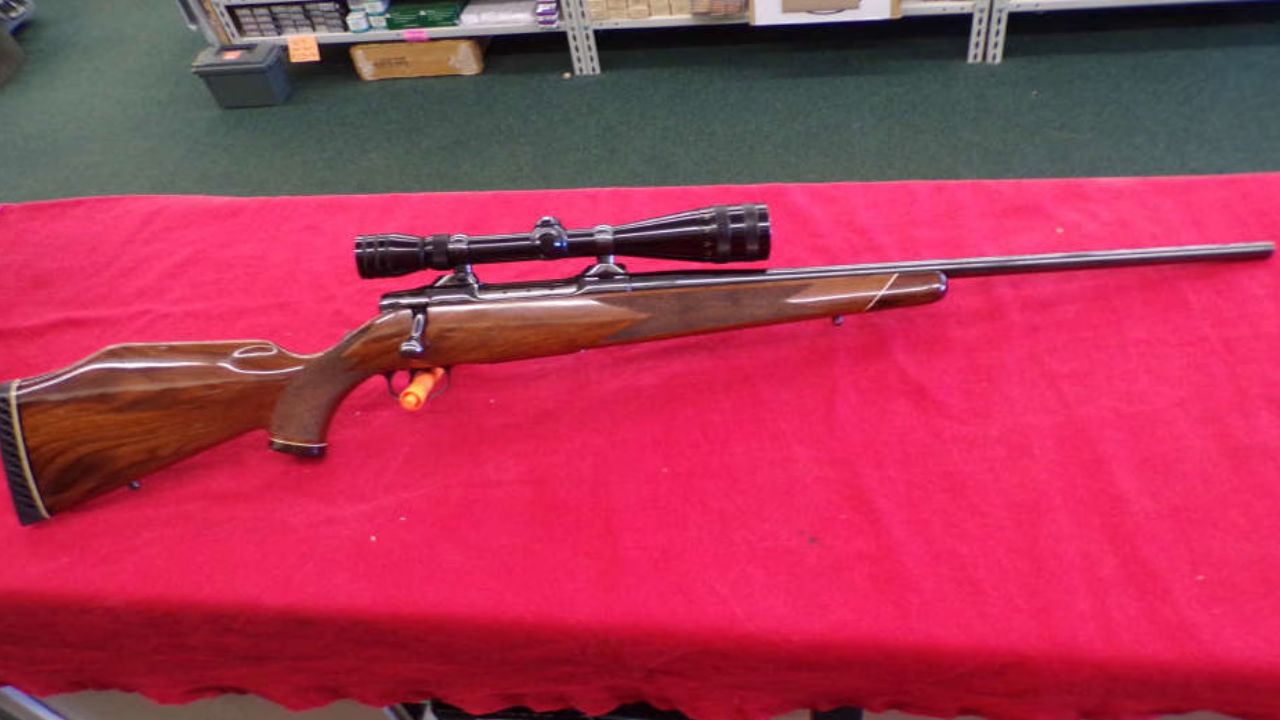
The Colt Sauer is one of those rifles that immediately feels like it came from a period when companies were willing to build something complicated simply because they could. The action uses multiple rear-locking lugs and cycles with an incredibly smooth feel, while the stock and metalwork carry a distinctly premium European character.
It was never the simplest or cheapest hunting rifle, and that is part of what makes it interesting now. Modern manufacturing tends to favor designs that are easier to produce, easier to service, and easier to scale. The Colt Sauer came from a different mindset. You could own a lighter rifle that shoots just as well, but that misses the point. This is a rifle you own because you appreciate mechanical refinement. Even if it only gets a few careful range trips every year, it still earns its place.
Steyr SSG 69

The SSG 69 has a military and police precision-rifle history that gives it instant appeal beyond ordinary hunting rifles. The green stock, rotary magazine, distinctive bolt design, and overall Cold War appearance make it one of the most recognizable European precision rifles of its era.
By modern standards, there are rifles with better magazine availability, more adjustable stocks, and easier optics mounting. That does not matter much from a collector’s perspective. The SSG 69 represents a specific period in precision-rifle development before chassis systems and modular components took over. It is also genuinely accurate and mechanically interesting, which separates it from guns that are collectible only because they are old. I would not need to shoot one every weekend to enjoy owning it. A good example is almost a historical reference piece you can still take to the range.
Remington Model 720
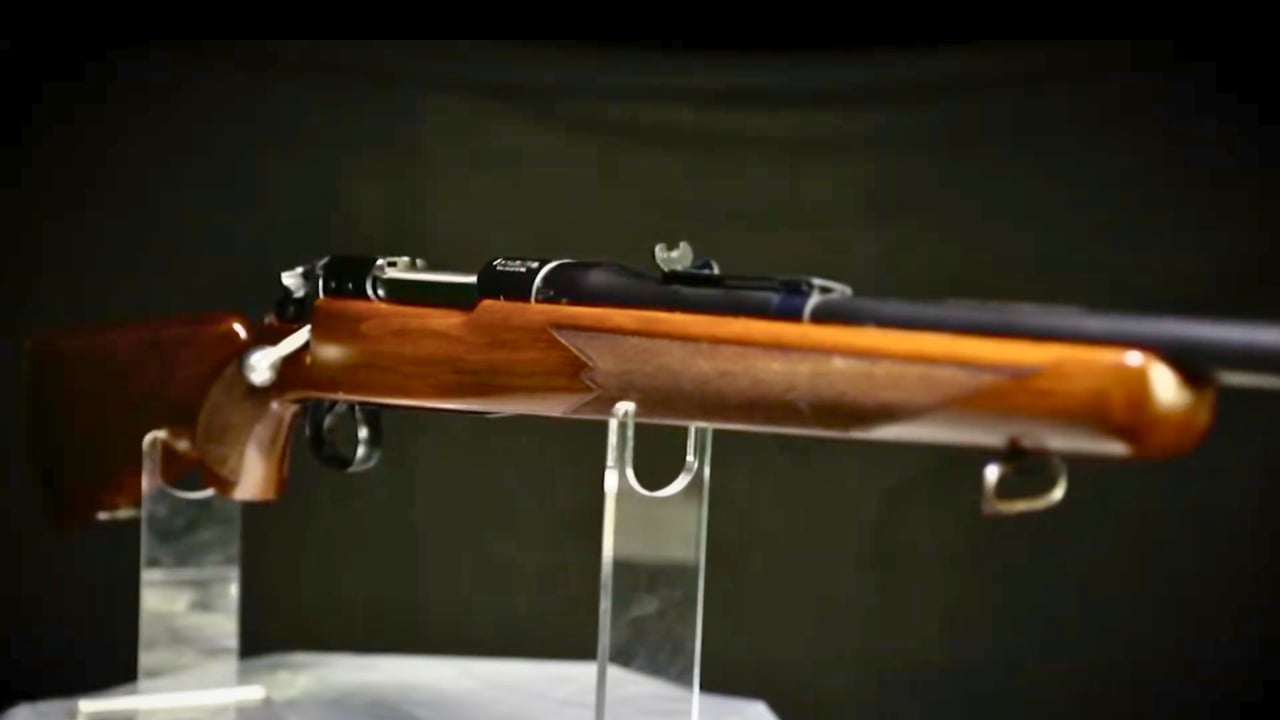
The Model 720 is one of the more interesting early Remington bolt rifles because it came from a brief production period and never reached the enormous numbers associated with later Model 700-family rifles. That relative rarity alone makes clean examples worth paying attention to.
More importantly, the rifle sits in an interesting place historically. It reflects prewar and immediate postwar bolt-rifle thinking before Remington standardized around the designs that would dominate its later catalog. The rifles are robust, handsome, and increasingly difficult to find in truly good condition. I would not buy one because it provides some huge ballistic advantage over a modern hunting rifle. I would buy it because it represents a branch of American sporting-rifle development that ended quickly. Sometimes rarity and history matter more than whether you fire 500 rounds a year.
Winchester Model 61
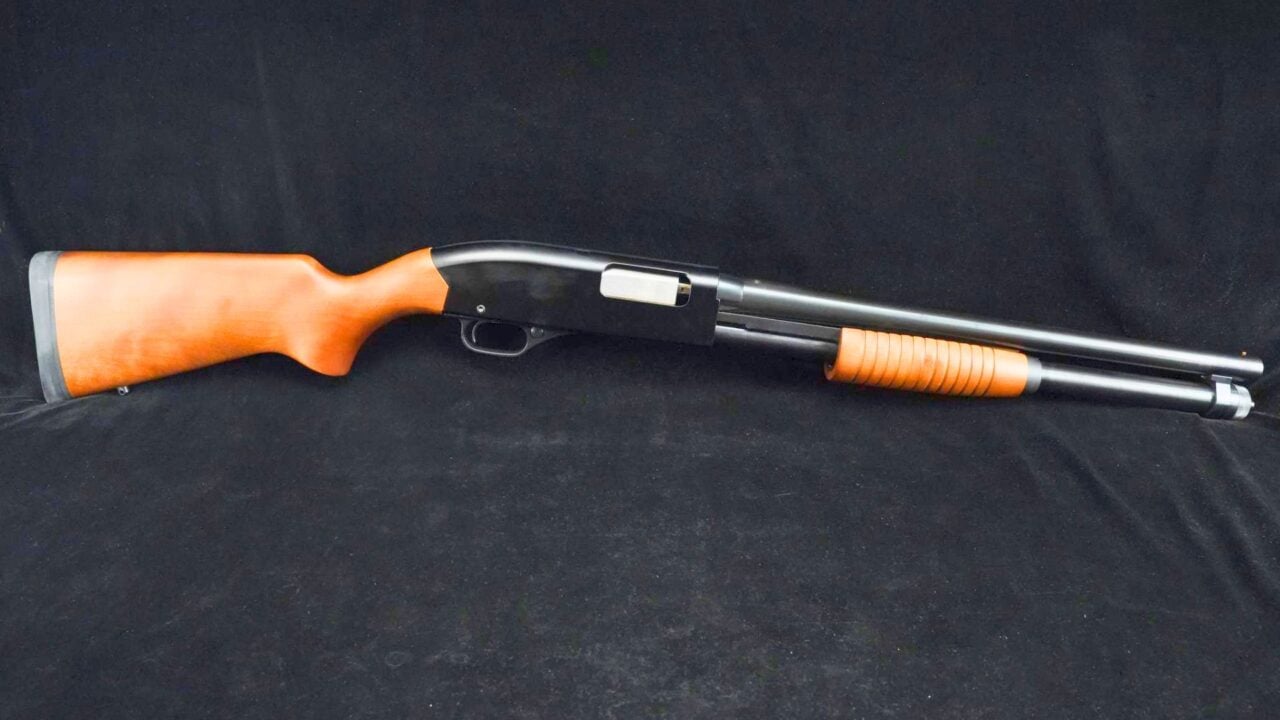
The Model 61 is one of the finest pump-action rimfires ever made. The hammerless receiver gives it clean lines, the action can be extraordinarily smooth, and the rifle has the kind of old Winchester fit and finish that makes even ordinary examples enjoyable to handle.
A modern semiautomatic .22 is faster and a basic bolt gun may be more accurate, but neither recreates the Model 61 experience. Pumping the action, loading the tubular magazine, and shooting a rifle built with that much steel and polish has an appeal that is difficult to replace. Clean examples are becoming collectible enough that many owners understandably do not feed them brick after brick of bulk ammunition anymore. I would still shoot one occasionally, but this is a rifle where simply owning a good example feels worthwhile.
Free for gun owners: If something happened to you tomorrow, would your family know where the guns are, who has the safe combination, or what to do first? Our free Gun Owner’s Family Checklist walks them through it. It takes about 15 minutes to fill out. Get your free copy here.
Remington Nylon 66
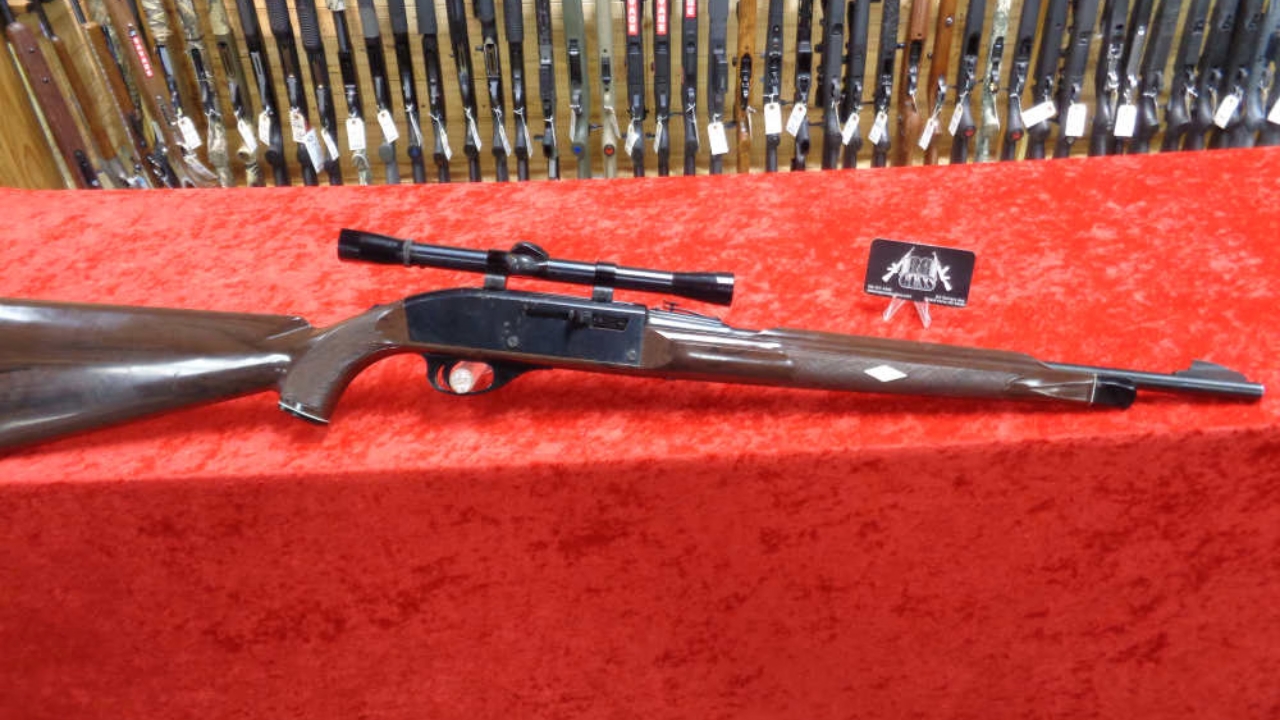
The Nylon 66 is almost the opposite of the Model 61. Instead of being desirable because of polished steel and old-school craftsmanship, it deserves a spot because it was so unconventional. Remington used a nylon stock structure as a major part of the rifle’s construction at a time when polymer firearms were nowhere near normal.
That makes it historically significant and mechanically interesting. The rifle is extremely light, usually reliable, and visually unlike almost anything else from its era. Certain colors and configurations have become especially collectible, which only adds to the appeal. A Nylon 66 does not need to be your main rimfire. In fact, I would probably keep a modern .22 for high-volume shooting and preserve the Remington for occasional use. It is worth owning because it shows how adventurous rifle design could be long before polymer became commonplace.
Browning T-Bolt Belgian
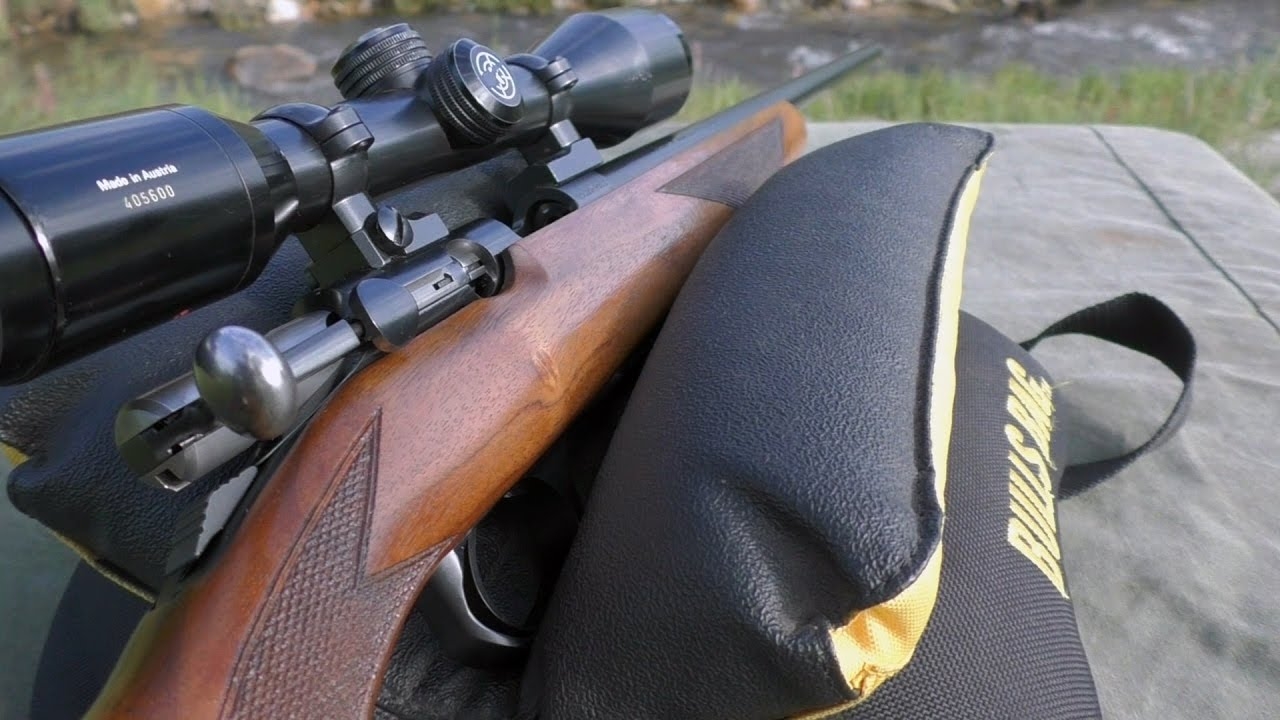
The original Belgian T-Bolt is a beautifully strange little rimfire. The straight-pull action cycles differently from an ordinary turn-bolt, and the rifle manages to feel both elegant and mechanically unusual at the same time.
That combination makes it especially appealing to collectors. Modern T-Bolts continued the basic concept, but older Belgian examples carry the craftsmanship and finish that make vintage Brownings so attractive. You could certainly use one as a regular squirrel or target rifle, but there is no need to burn thousands of rounds through a particularly clean example just to justify owning it. The rifle’s value is partly in the action itself. Straight-pull rimfires are still uncommon, and this one came from an era when Browning was producing some exceptionally refined sporting guns.
Mauser 66
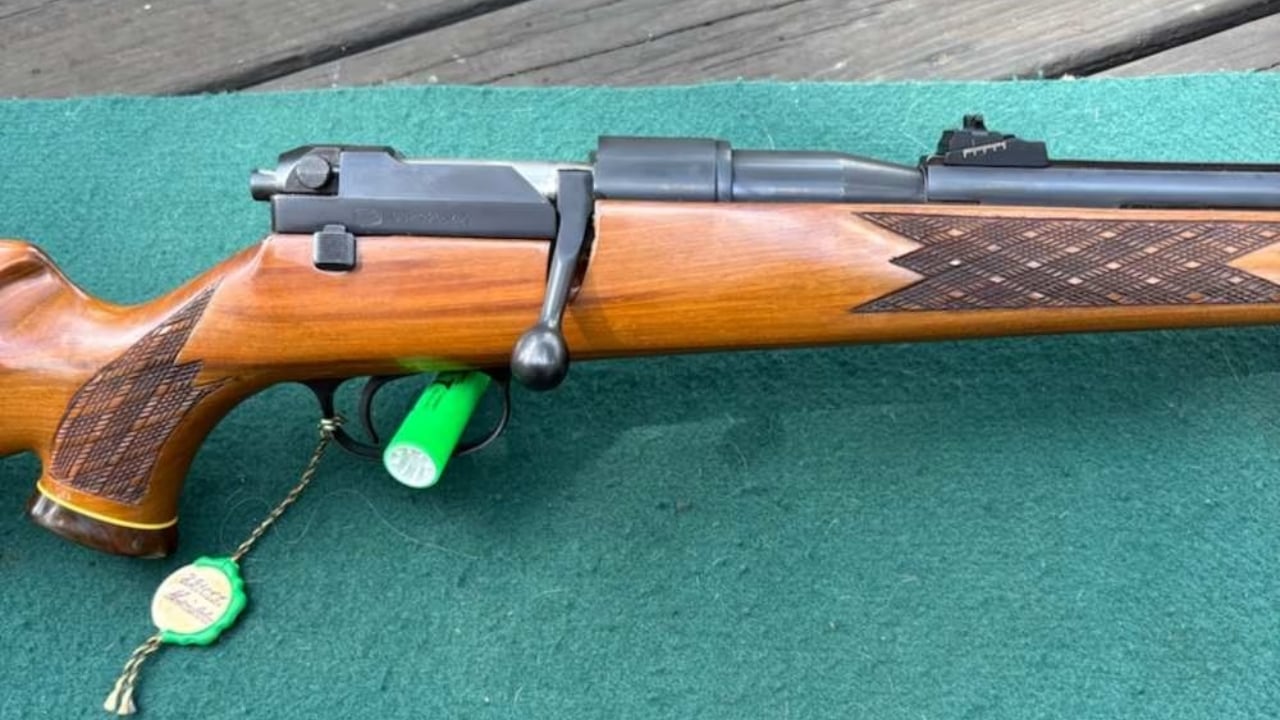
The Mauser 66 is a perfect example of a rifle worth owning because of what is happening mechanically. Its telescoping bolt system allows the rifle to remain surprisingly compact for the cartridge length, giving it proportions that are unlike a conventional bolt action.
That design never became the industry standard, but that is exactly why it remains interesting. Modern rifles are generally easier to service and support, yet very few give you the feeling that the engineers were deliberately rethinking what a bolt rifle could be. The Mauser 66 does. A clean example with good wood and original components is something I would treat more as a mechanical collectible than as a rough-use hunting rifle. I would still take it out occasionally, but I would enjoy studying the action just as much as shooting it.
Sako L61R Finnbear

The Finnbear is one of the classic long-action Sako rifles and represents the period when the company was cementing its reputation for refined hunting rifles. The action is smooth, the metalwork is excellent, and the stocks on older examples have the kind of proportions that made them immediately recognizable.
There is nothing a Finnbear will do on a deer that a modern synthetic rifle cannot do. That is not why I would own one. The appeal is in having a traditional sporting rifle built to a level of quality that would be expensive to duplicate today. Older Sakos also have enough collector interest that good examples are increasingly something you preserve rather than abuse. A Finnbear can still be a serious hunting rifle, but it does not need a hundred rounds a month to justify itself. It is worth owning because it is a Finnbear.
Weatherby Mark V Deluxe German
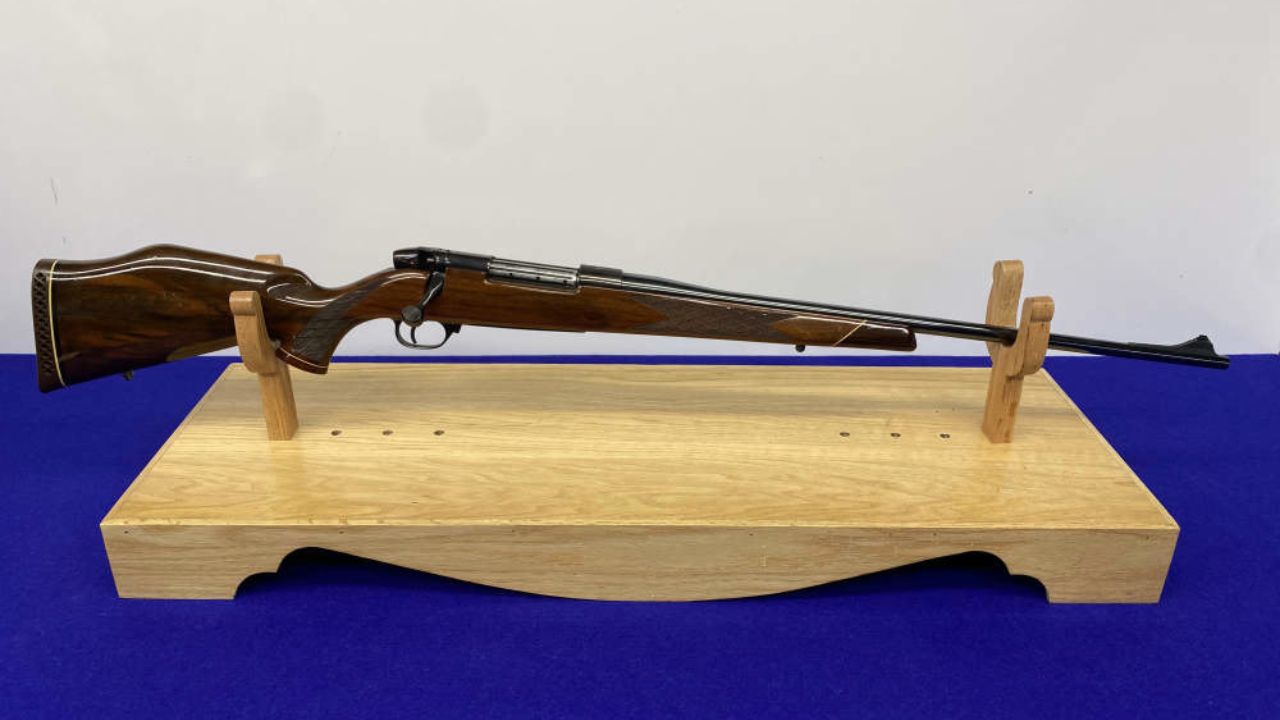
Early German-made Mark V rifles have a special appeal even among people who normally find classic Weatherby styling a little excessive. The high-gloss finish, figured walnut, distinctive stock lines, and massive multi-lug action make the rifle unmistakable.
The design is closely tied to an era when extreme velocity and premium presentation were central to Weatherby’s identity. Modern hunters may prefer matte finishes, synthetic stocks, and lighter rifles, but those choices cannot reproduce what an early Mark V represents. A clean German example is something I would shoot occasionally and preserve carefully. The rifle does not need to be the most practical gun in the safe. It is valuable because it captures the original Weatherby philosophy in a way modern production rifles cannot completely recreate.
FN Browning Safari Grade

The FN-built Browning Safari rifles represent an era when a high-grade sporting rifle was expected to look as good as it functioned. Mauser-style actions, excellent metal finishing, attractive walnut, and traditional stock shaping all came together in a package that feels genuinely premium.
These rifles are increasingly appreciated because modern production rarely delivers the same combination without a much higher price. A synthetic-stocked hunting rifle can be lighter and more weather resistant, but it does not provide the same ownership experience. A clean Safari Grade is the sort of rifle you can take out of the safe just to appreciate the machining and wood. If it sees one deer season or one careful range trip every few years, that is enough. Its value is not tied to how much ammunition you put through it.
Remington Model 541-S Custom Sporter
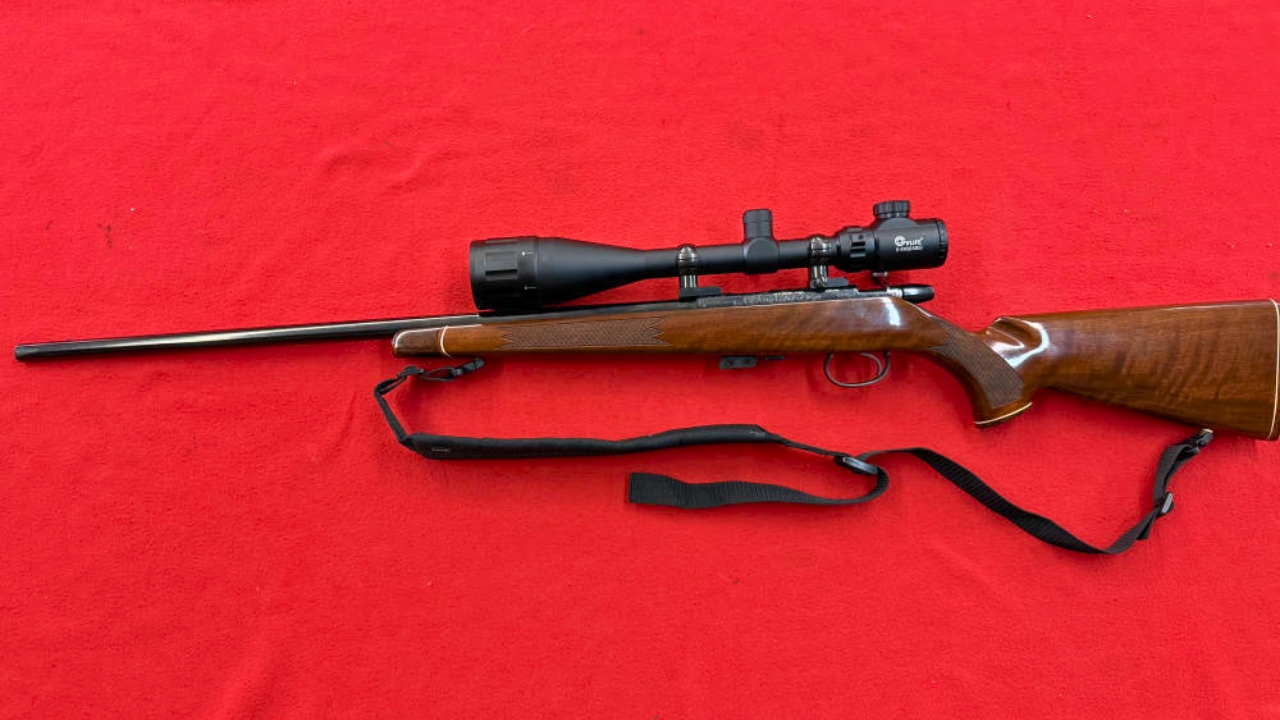
The 541-S has developed a strong following because it represents one of Remington’s finer sporting rimfires. The stock, trigger, bolt feel, and overall quality put it well above the inexpensive .22 rifles that dominate most gun-store racks.
That makes a clean example worth owning even if you already have a cheaper rimfire for everyday plinking. There is something satisfying about having a .22 built with the same attention traditionally reserved for centerfire hunting rifles. The 541-S also tends to shoot extremely well, so occasional range sessions are rewarding without requiring high volume. It is the kind of rifle that makes you slow down and enjoy ten careful shots instead of dumping a brick of ammunition. For a collector who appreciates sporting rimfires, that alone is enough to justify it.
Anschutz 1710

The 1710 is not rare in the same way as some vintage rifles here, but it is still a rifle I would happily own without needing to shoot constantly. Anschutz has built its reputation around exceptional rimfire accuracy and triggers, and the 1710 brings that precision into a sporting rifle format.
The rifle makes ordinary rimfire shooting feel far more deliberate. The trigger can be outstanding, the action feels precise, and the accuracy potential is often better than most shooters can exploit casually. You do not need an Anschutz to knock over cans at 50 yards, which is exactly why ownership becomes more about appreciation than necessity. A cheaper rifle handles ordinary plinking. The 1710 gives you something to bring out when you want to see how precise a .22 can really be.
Parker-Hale Safari
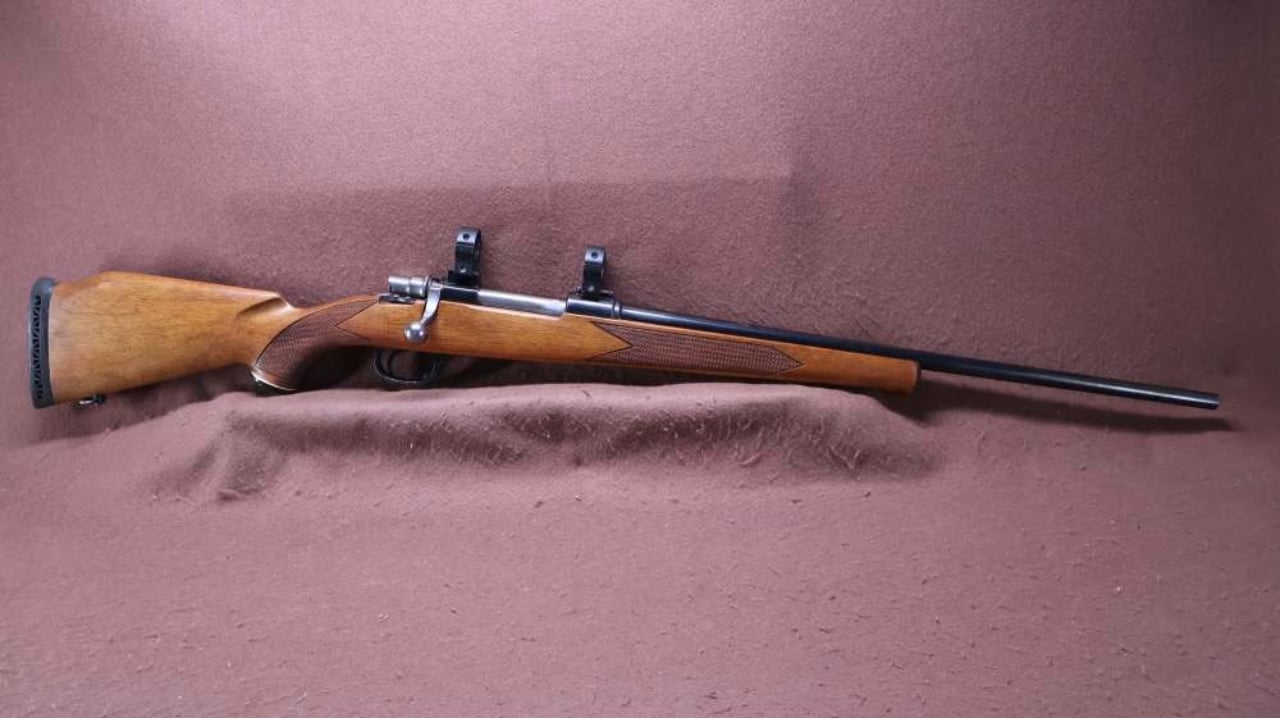
The Parker-Hale Safari rifles occupy an interesting place because they gave hunters traditional Mauser-based sporting rifles without the prices associated with some premium European brands. Many used military-style actions and transformed them into handsome hunting guns with proper sporting stocks.
Today, they are worth owning because that entire style of rifle building is becoming less common. Modern manufacturers would rather use simplified actions, synthetic stocks, and CNC-friendly components. A Parker-Hale Safari gives you polished steel, walnut, and an old-school action that feels like a true sporting rifle. I would not necessarily choose one over a modern stainless rifle for an Alaska hunt, but that is irrelevant. If I found a clean example in an interesting chambering, I would be perfectly content letting it spend most of its life in the safe between occasional hunting or range trips.
Husqvarna 1640
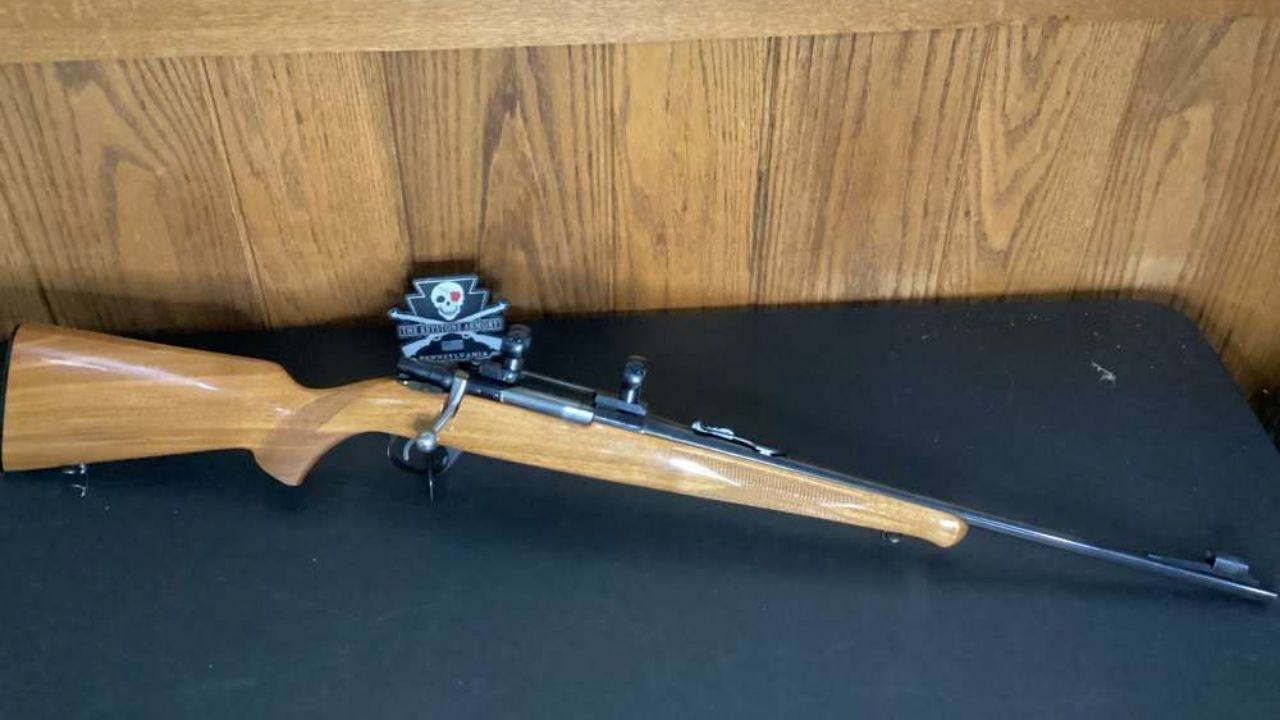
The Husqvarna 1640 is another European sporting rifle that deserves ownership simply because the quality is difficult to duplicate at the prices these rifles sometimes still bring. The action is smooth, the rifles are usually trim, and the styling has a practical Scandinavian feel rather than the heavier look of many American rifles from the same period.
They are also increasingly appreciated as hunters discover just how good older Husqvarna sporting rifles were. A clean 1640 does not need to become a high-volume range gun. In fact, preserving the original stock and metal finish makes more sense than treating one like an inexpensive modern bolt action. The appeal is owning a rifle from a company that knew how to make light, elegant sporting guns long before lightweight hunting rifles became a marketing category.
Browning B78

The B78 is one of the most attractive modern falling-block rifles ever produced. The action is strong, the rifle has clean lines, and the lack of a conventional repeating mechanism gives it a simplicity that becomes more appealing the longer you spend around complicated rifles.
It is not a rifle you buy because you need fast follow-up shots. You buy it because a single-shot hunting rifle forces a different pace and because the action itself has genuine mechanical elegance. Many examples also have excellent wood and strong accuracy potential. If I owned one in a classic hunting chambering, I would not care if it went several months without being fired. The B78 is worth having because it offers an experience almost completely removed from the utilitarian bolt rifles and semiautomatics that fill most modern safes.
Steyr Mannlicher Model M

The Model M has the distinctive European styling and unusual engineering that make older Steyr rifles so interesting. The action, magazine system, and stock geometry all feel different from the American bolt rifles most shooters grew up around.
That difference is exactly why I would want one. You can find cheaper rifles that shoot just as accurately, but you cannot easily duplicate the mechanical character or overall feel. The rifle represents a design philosophy that cared about smooth operation and elegant integration more than maximum aftermarket compatibility. A clean Model M is the type of gun I would take out occasionally, fire a few careful groups, and put back in the safe without feeling like it was being wasted. Ownership itself is part of the enjoyment.
Winchester Model 54
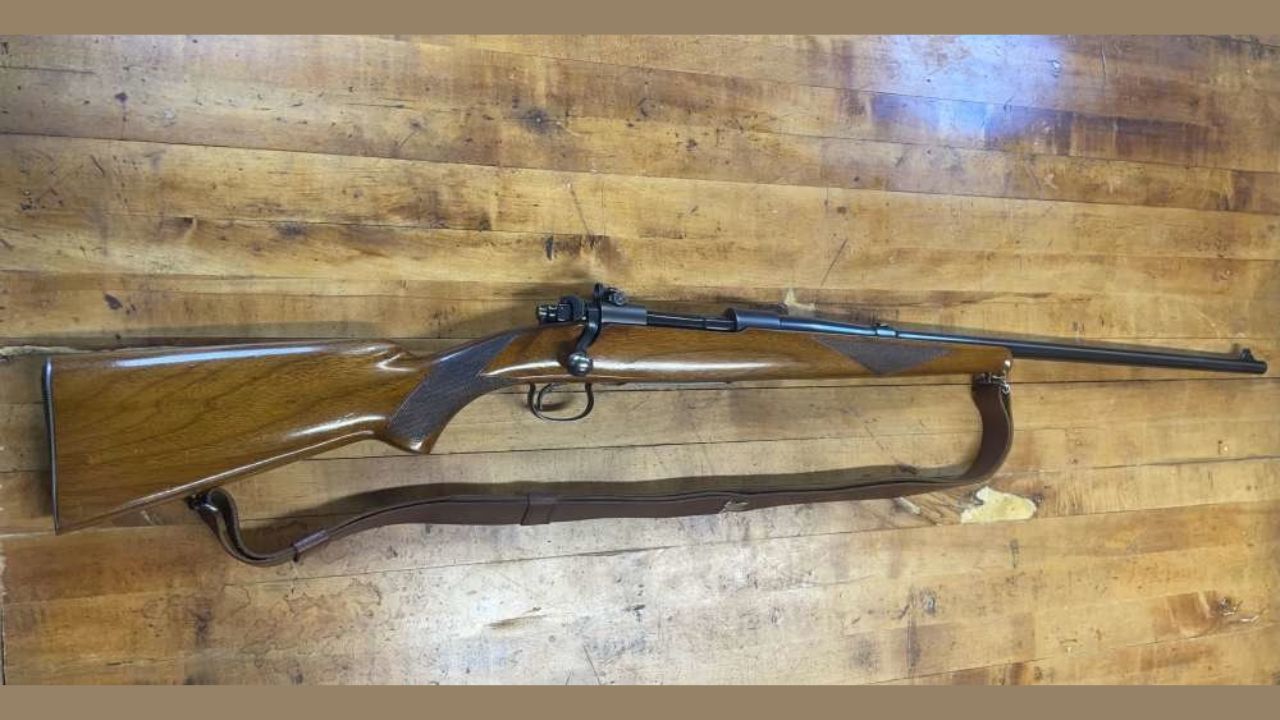
The Model 54 is important because it came before the Model 70 and helped establish the basic bolt-action sporting-rifle direction Winchester would later refine. That makes it more than simply an old hunting rifle.
Handling one gives you a direct connection to the development of one of America’s most influential sporting actions. Early examples can also feature beautiful walnut and excellent prewar metalwork, giving them a level of historical character that modern rifles simply cannot copy. I would not buy a clean Model 54 to put thousands of rounds through it or drag it through a swamp. I would buy it because it represents a specific stage in American rifle history. Occasionally hunting or shooting with it would be a bonus rather than the justification for ownership.
Mauser 98 Sporting Rifle

A proper commercial Mauser 98 sporting rifle belongs in almost any serious rifle collection. The action influenced generations of hunting rifles, and the controlled-round-feed system remains one of the most respected bolt designs ever created.
The appeal becomes even stronger when the action is wrapped in traditional European sporting furniture rather than military configuration. A good commercial Mauser can have beautiful walnut, excellent metalwork, and a bolt feel that reminds you how much modern rifle design still owes to the original system. You could buy a newer rifle that is lighter, cheaper, and easier to mount accessories on. None of those things replace the experience of owning the design that set the standard. Even if it only fires a box of ammunition every few years, a good Mauser 98 is never taking up wasted space.
Like The Avid Outdoorsman’s content? Subscribe to our newsletter so you never miss an article.
Here’s more from us: