Photo credit: Mountain Man Militia/YouTube
Some revolvers aren’t doing you any favors when it comes to trigger control. You pick one up expecting that clean, predictable break revolvers are known for—but instead, you get a heavy pull, rough creep, or inconsistent staging that trains bad habits fast. And it’s not always obvious right away. You start slapping the trigger or jerking the whole gun without realizing it. Some of these were built down to a price, others were designed with weird mechanisms that don’t behave like anything else. Either way, if you’re serious about improving your shooting, these are the ones that can set you back before you even know what happened.
Charter Arms Undercover
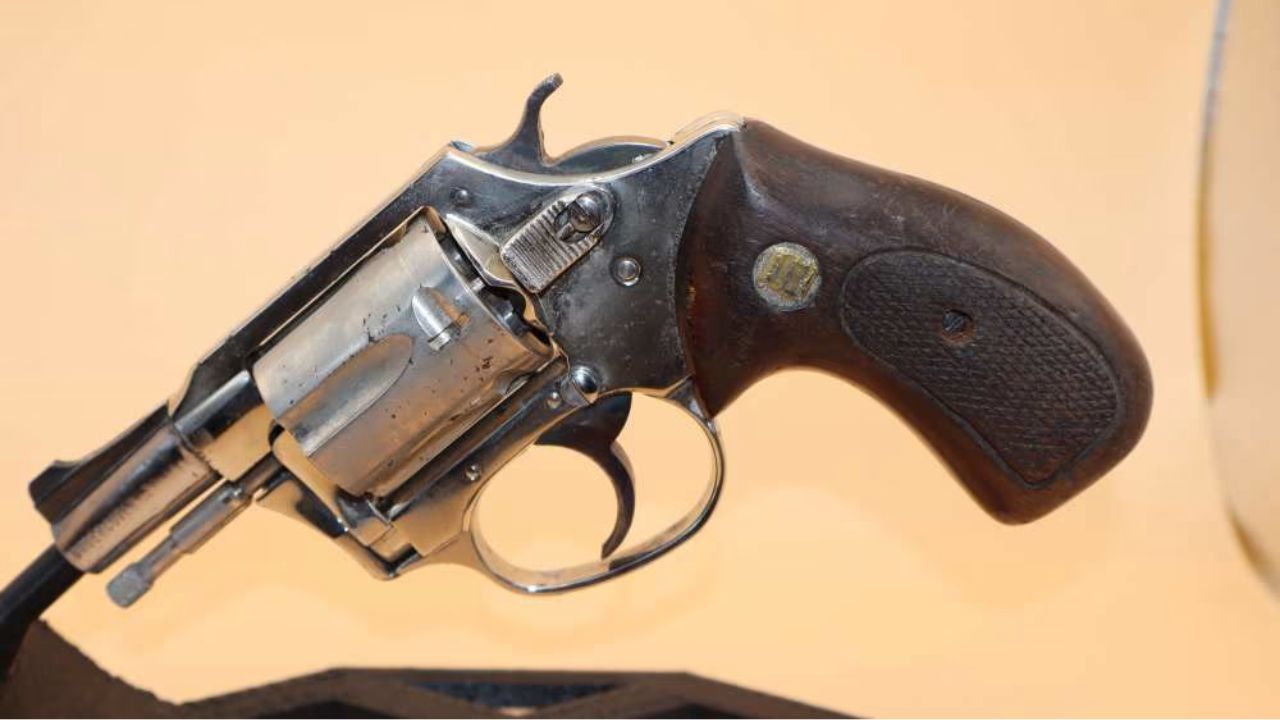
The Charter Arms Undercover might seem like a decent budget carry option, but the double-action pull is anything but forgiving. It’s long, gritty, and stacks hard near the end. That inconsistency teaches you to flinch or slap instead of press through smoothly.
There’s very little feedback as you stage the trigger, and the reset feels vague at best. Even in single-action mode, the break isn’t clean. Shooters who try to master trigger control on this platform end up chasing ghosts. It’s not the worst revolver out there—but it’s a tough one to learn on.
Taurus 856

The Taurus 856 often gets recommended as an affordable snub-nose, but its trigger is a big reason many shooters struggle to improve. The pull weight in double action is heavy and mushy, and there’s no consistent wall to work against.
Instead of teaching smooth, controlled movement, it forces you to yank through the entire stroke. If you try to stage it, it binds or skips. That kind of trigger response encourages jerking and anticipation. You’ll spend more time fighting the gun than improving your control. Good luck getting tight groups under pressure.
Smith & Wesson Bodyguard 38

The Bodyguard 38 is light, snag-free, and easy to carry—but the trigger is brutal. It’s long, heavy, and has that odd hinge mechanism that makes the whole pull feel like it’s pivoting from the wrong spot.
It’s hard to build good trigger habits when the feedback is vague and the break point is inconsistent. You end up muscling through the pull instead of managing it. Dry fire feels different from live fire, and that disconnect makes training frustrating. There’s a reason even experienced revolver shooters don’t shoot this one well.
Rossi R351
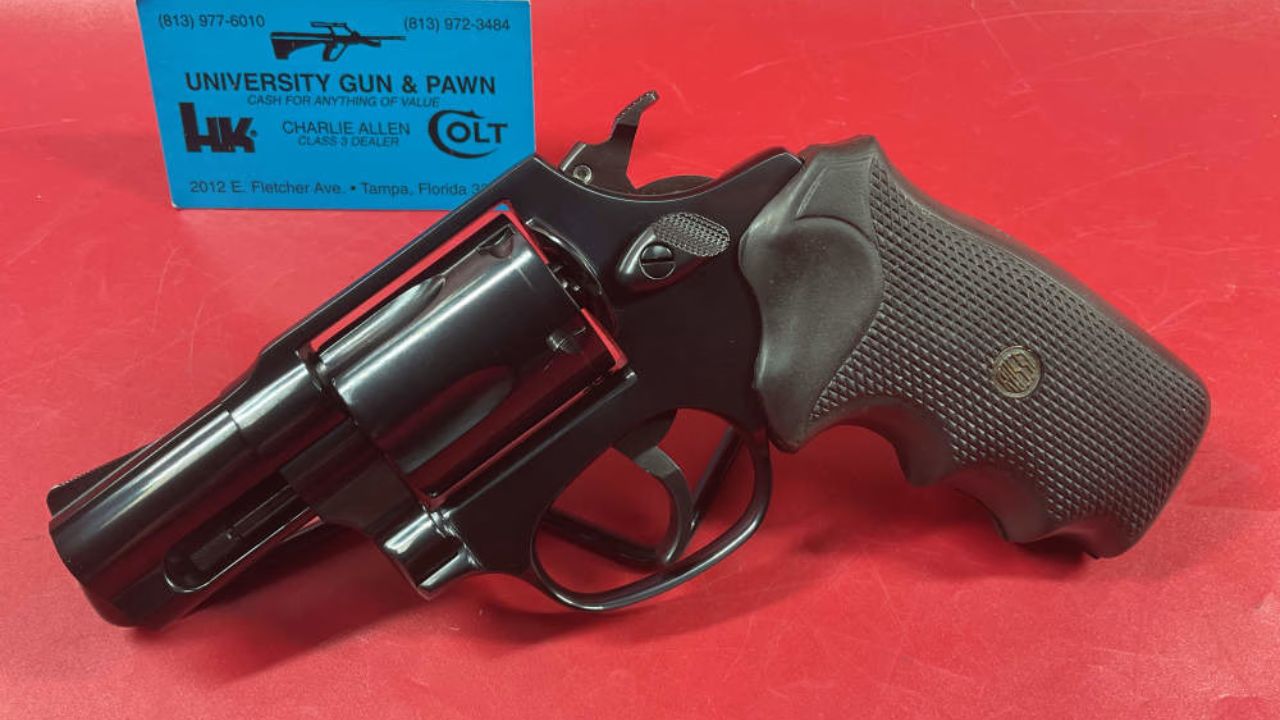
The Rossi R351 has decent fit and finish for the price, but its trigger leaves a lot to be desired. The double-action pull is excessively heavy, and the reset is mushy. It doesn’t teach you the kind of finesse you need to shoot a wheelgun well.
Instead of building control, it punishes hesitation and encourages snatching. You won’t get a clean break, and staging is unpredictable. For new shooters, it sets a bad foundation. Even for seasoned hands, it’s a chore to shoot smoothly. Your trigger finger deserves better than this kind of grind.
North American Arms Mini Revolver

The NAA Mini Revolver is a cool little pocket piece, but it’s a nightmare for trigger control. There’s no double-action option—single-action only with a tiny hammer and a minuscule trigger that’s hard to reach and harder to manage.
You’re pinching instead of pressing, and that throws fundamentals right out the window. The trigger pull itself isn’t smooth or predictable either. It’s stiff and snappy, and the ergonomics fight you every step of the way. It’s fun in a novelty kind of way, but don’t expect it to teach you anything useful about control.
Ruger LCR in .357 Magnum

The Ruger LCR has a unique cammed trigger system that some folks love—but the .357 Magnum version takes a toll. The frame is light, the recoil is snappy, and the trigger gets harder to manage under real pressure.
The smoothness is there, but the pull weight combined with the recoil encourages flinching. And because the reset is long, follow-up shots become an exercise in overcorrection. Instead of refining your pull, you end up bracing for impact. It’s better suited to .38 Special, where the trigger control isn’t undermined by physics.
Smith & Wesson 351C
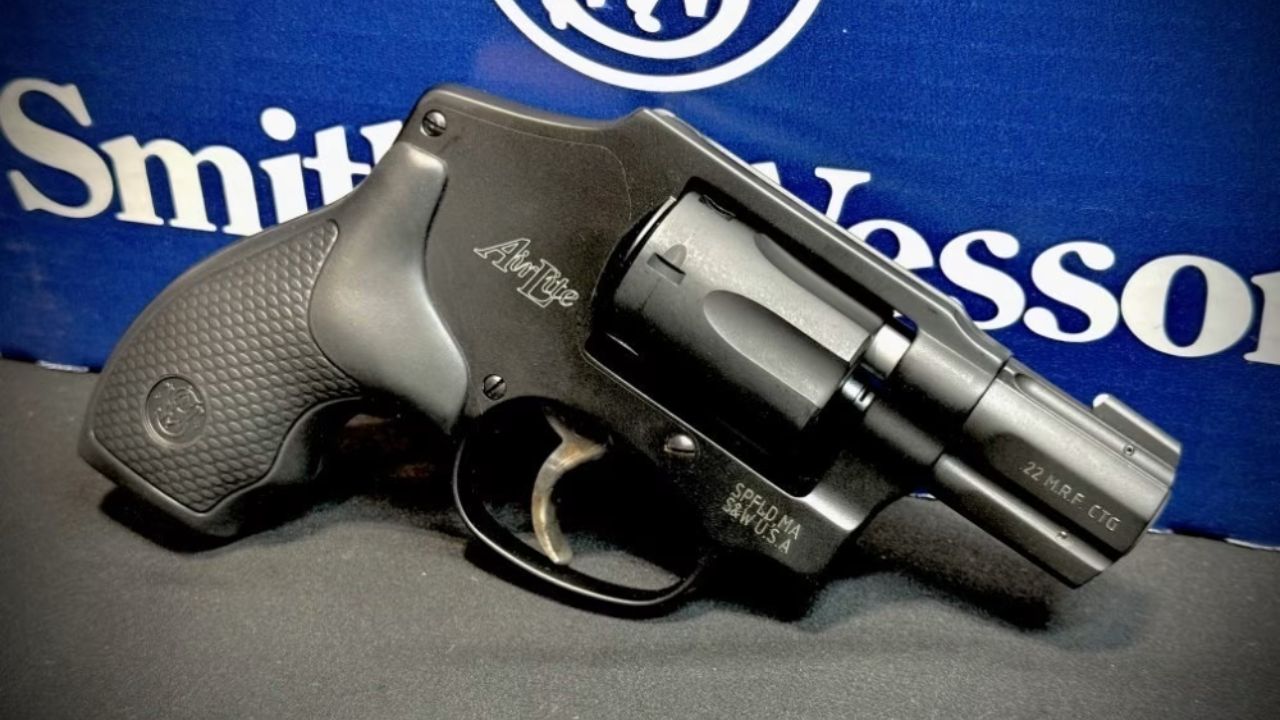
The 351C is a lightweight .22 Magnum revolver with a brutal trigger pull. It’s surprisingly stiff for a rimfire and lacks the smoothness you’d expect from a Smith. Most shooters are shocked by how hard they have to work to make it go bang.
The combination of a snappy reset and hard break makes it a bad trainer. You can’t build any rhythm or confidence with that kind of inconsistency. And because the sights are minimal and recoil is minimal, it’s easy to blame yourself instead of recognizing that the trigger is the real problem.
Heritage Rough Rider
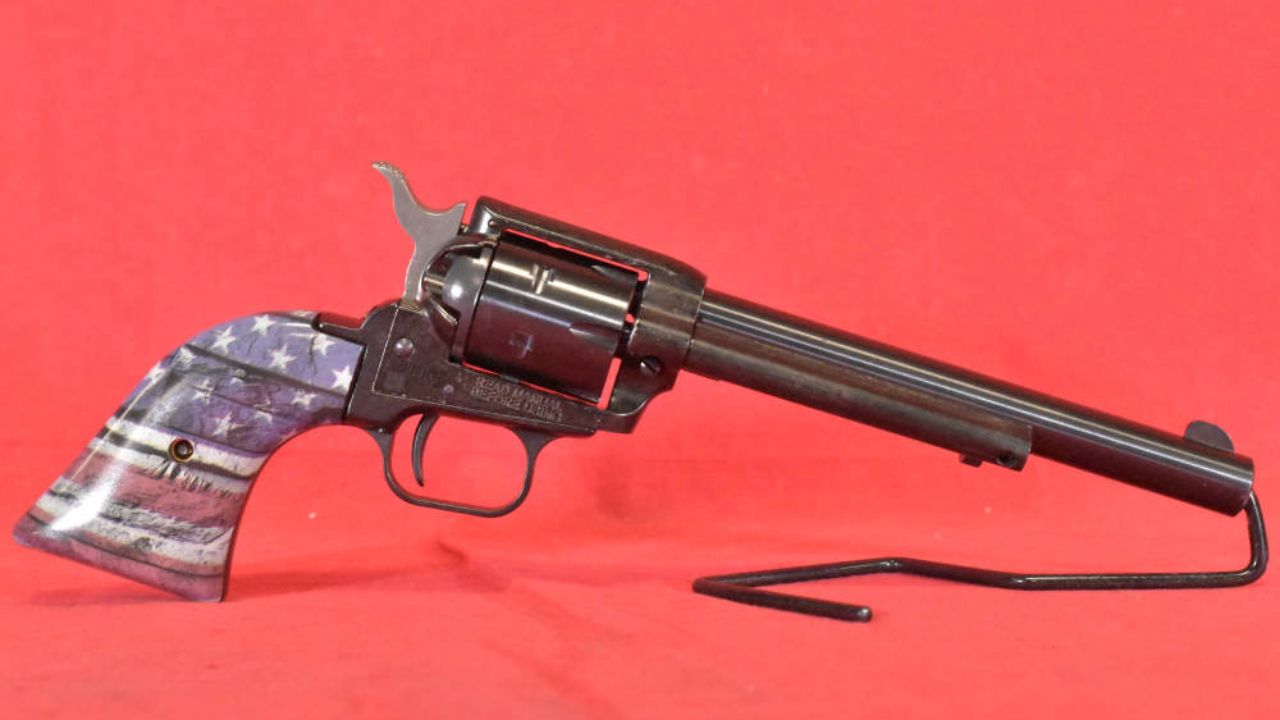
The Heritage Rough Rider is one of the cheapest ways to get into single-action shooting, but it’s got a gritty, inconsistent trigger that holds back your fundamentals. The pull weight varies from gun to gun, and the break isn’t always crisp.
That rough break and unpredictable reset train poor habits, especially for new shooters. It’s also got a long hammer throw and a stiff mainspring, which adds to the clunkiness. For plinking, it’s fine. For trigger discipline, it’s a step in the wrong direction. It looks like a cowboy gun but doesn’t shoot like one.
Chiappa Rhino

The Chiappa Rhino’s design is unconventional—and so is the trigger. The double-action pull feels odd due to the internal mechanics, and the break point isn’t where most shooters expect it. It’s smooth, but in a way that throws you off.
Because it fires from the bottom cylinder, the geometry of the grip and trigger are different. That changes the feel of staging and reset. You’re constantly adjusting, which makes it hard to build repeatable mechanics. It’s accurate, sure—but it rewires your muscle memory in ways that don’t carry over to anything else.
EAA Windicator

The EAA Windicator is a heavy, affordable .357, but the trigger is stiff and unrefined. The double-action pull is long and gritty, and the reset is vague. It’s not a trigger that rewards patience or teaches good habits.
You end up slapping through it just to get the shot off. Even staging the trigger feels inconsistent, like the internals are dragging. For a revolver that looks solid on paper, it really holds back shooters trying to improve. If you’re serious about control, this one’s more of a handicap than a help.
Rock Island M206

The M206 from Rock Island is built like a tank, but its trigger is all over the place. The double-action pull is long, heavy, and stagey, with a creepy break that surprises you for all the wrong reasons.
The reset is slow and vague, and the single-action mode isn’t much better. It feels like the parts aren’t working together. You’ll struggle to build confidence with a pull this inconsistent. That makes dry fire harder, follow-ups slower, and groupings wider. It’s a rough teacher for anyone trying to sharpen their skills.
Colt King Cobra Carry
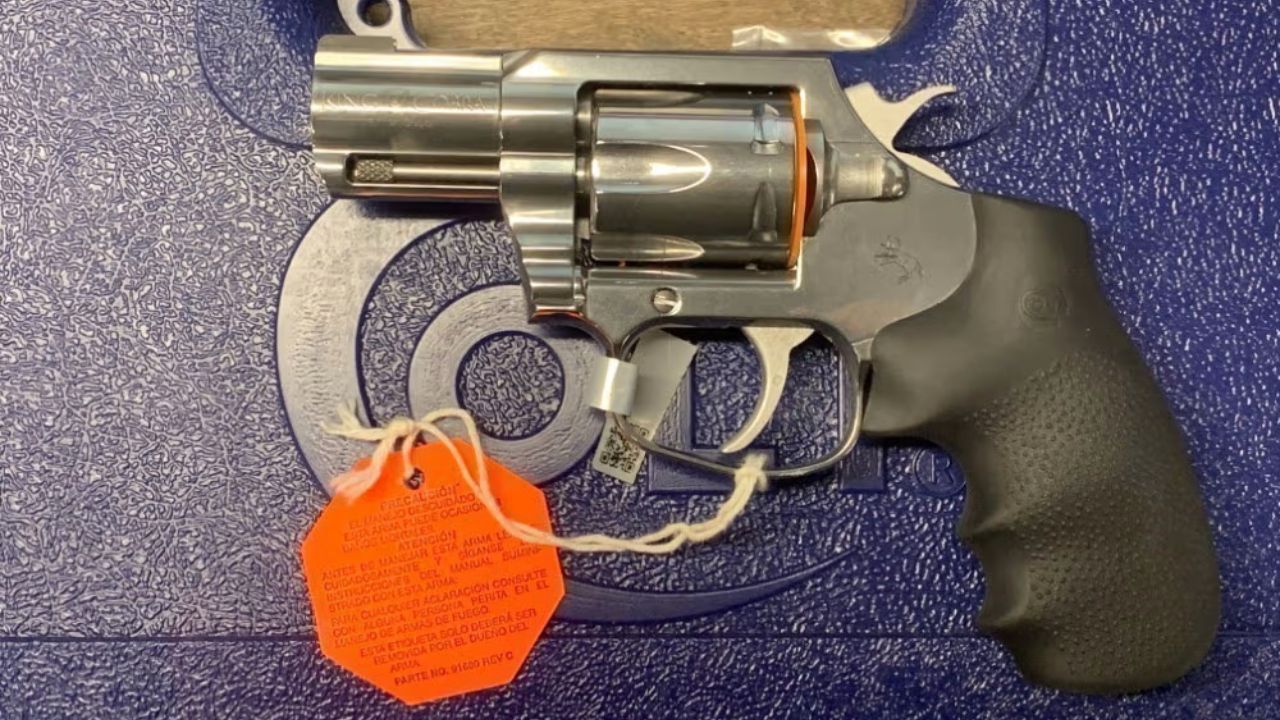
The King Cobra Carry looks great and feels solid, but the trigger isn’t doing new shooters any favors. It’s heavy in double-action and breaks late in the stroke. That long, stiff pull causes many folks to start anticipating recoil or snapping through it.
There’s minimal staging and not much feedback, which makes timing difficult. Add a bit of recoil and short sight radius, and your groups go sideways quick. For experienced shooters who already have control down, it’s manageable. For everyone else, it’s a frustrating way to learn what not to do.
Like The Avid Outdoorsman’s content? Be sure to follow us.
Here’s more from us:
The worst deer rifles money can buy
Sidearms That Belong in the Safe — Not Your Belt
*This article was developed with AI-powered tools and has been carefully reviewed by our editors.