Photo credit: WhatAreYouBuyin/YouTube
Revolvers carry a lot of romance. They look right, feel serious in the hand, and usually sound like the grown-up choice when people start talking about reliability, power, and old-school confidence. But once you actually shoot them hard, some models don’t live up to the story people tell about them.
That doesn’t always mean they’re bad guns. Sometimes they’re heavy, sharp-recoiling, awkward to reload, rough on the trigger, or less accurate than their reputation suggests. A revolver can look like the answer on paper and still leave you wondering why it felt better in your head than it did on the firing line.
Colt King Cobra
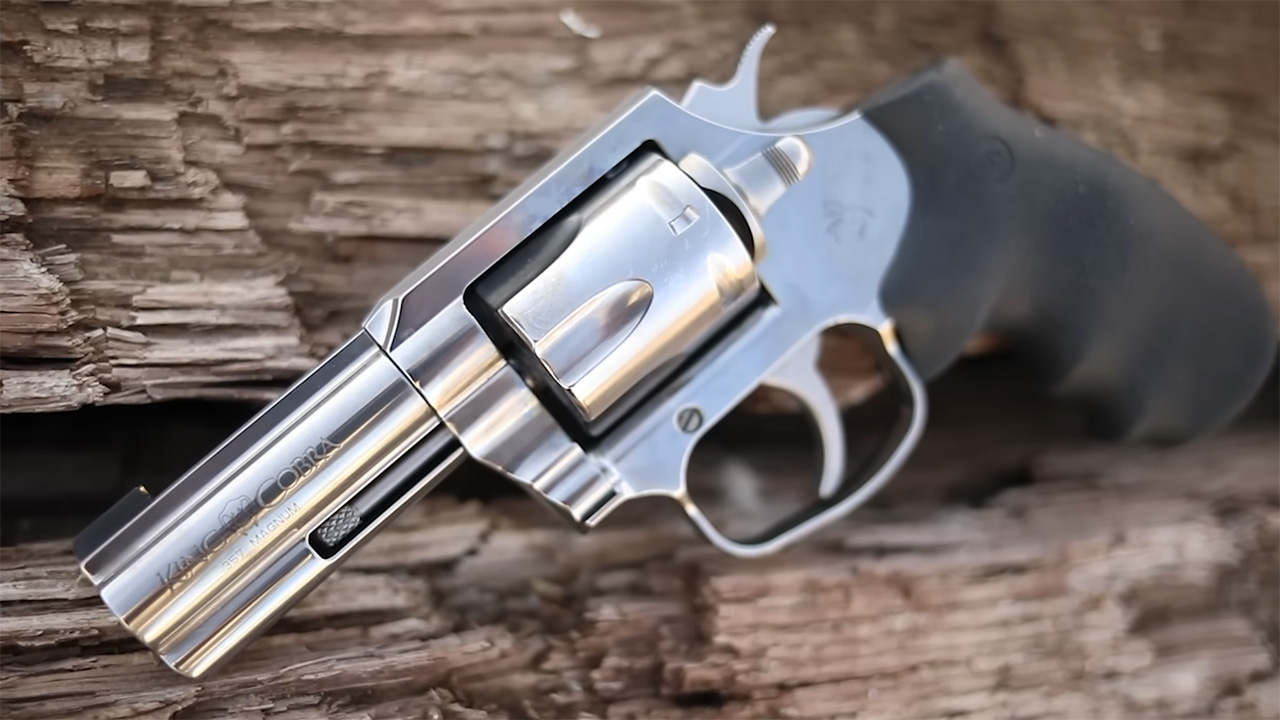
The Colt King Cobra sounds like it should be a sure thing. It has the Colt name, a strong .357 Magnum chambering, and enough visual attitude to make people want one before they ever press the trigger.
Then you shoot it next to some other mid-size revolvers and the shine can come off a little. The trigger is fine, but not always as magical as people expect from Colt. Recoil with full-house magnums gets snappy fast, and the gun can feel more impressive in the case than it does after a long range session.
Taurus Raging Bull

The Taurus Raging Bull has a name that does a lot of heavy lifting. Big frame, big ports, big chamberings, and a look that makes it seem like it should dominate anything you put in front of it.
The problem is that shooting one can feel more like managing equipment than enjoying a revolver. The weight is real, the size is real, and the trigger often doesn’t match the drama. It can be fun for a cylinder or two, but plenty of shooters figure out quickly that the idea of owning one was more exciting than actually running it.
Smith & Wesson Model 329PD
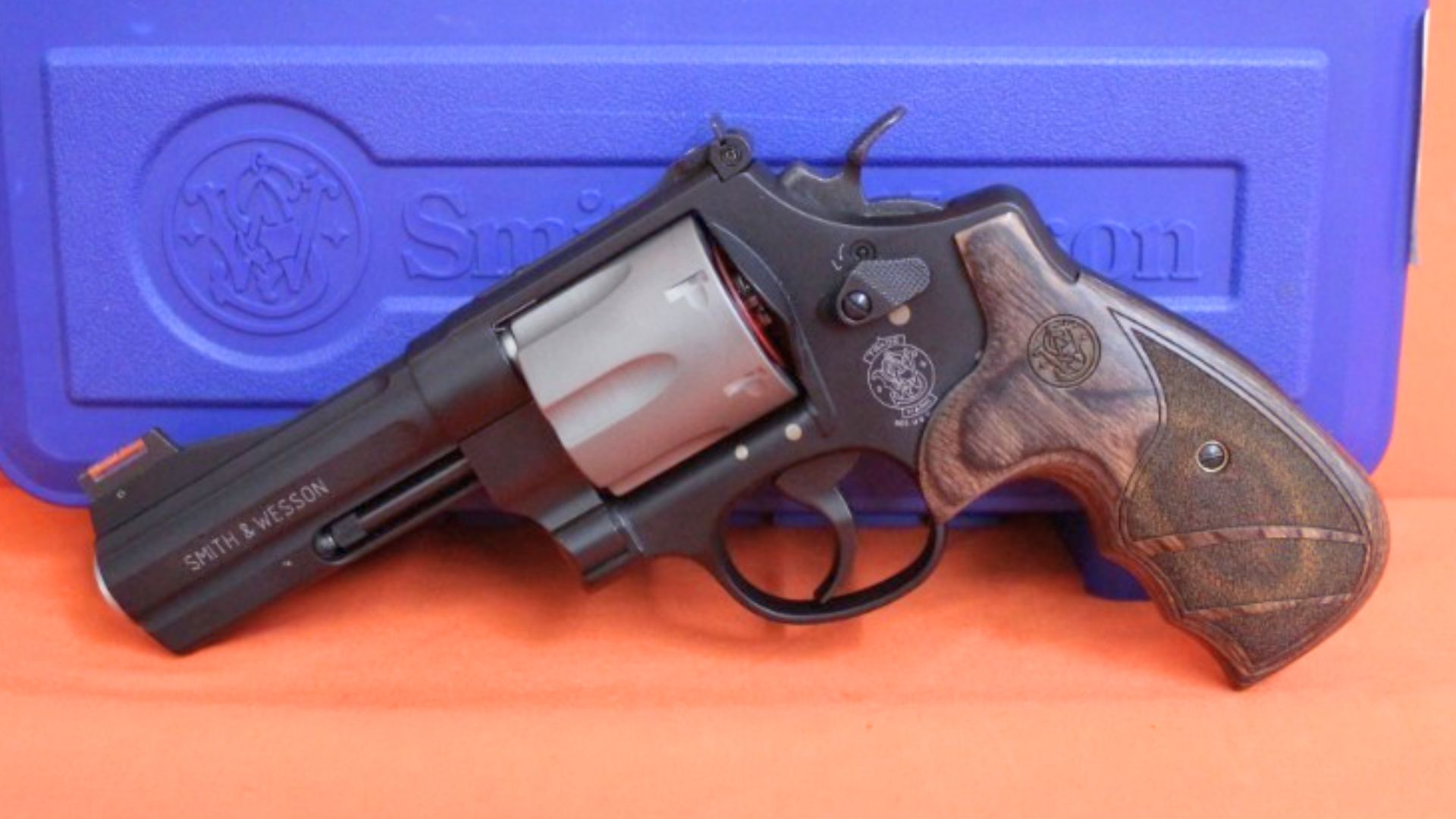
The Smith & Wesson 329PD sounds great if you’re thinking about backcountry carry. A lightweight .44 Magnum that doesn’t drag your belt down sounds like a smart answer for hiking, fishing, or rough country.
Then you touch off real .44 Magnum loads and reality shows up fast. The recoil is sharp, fast, and unpleasant enough that many owners simply stop practicing with it. A revolver you dread shooting is hard to trust well, and the 329PD is one of those guns that makes sense on paper but punishes you for proving it.
Ruger LCRx .357 Magnum

The Ruger LCRx in .357 Magnum sounds like a clever little carry revolver. You get lightweight handling, an exposed hammer, and magnum capability in a small package that seems ready for daily use.
In practice, the .357 version can be a handful. The grip and frame do what they can, but physics still wins. Full-power loads are loud, sharp, and tough to control quickly. Most people shoot it better with .38 Special anyway, which makes you wonder whether the magnum chambering was more of a selling point than a real advantage.
Chiappa Rhino 60DS
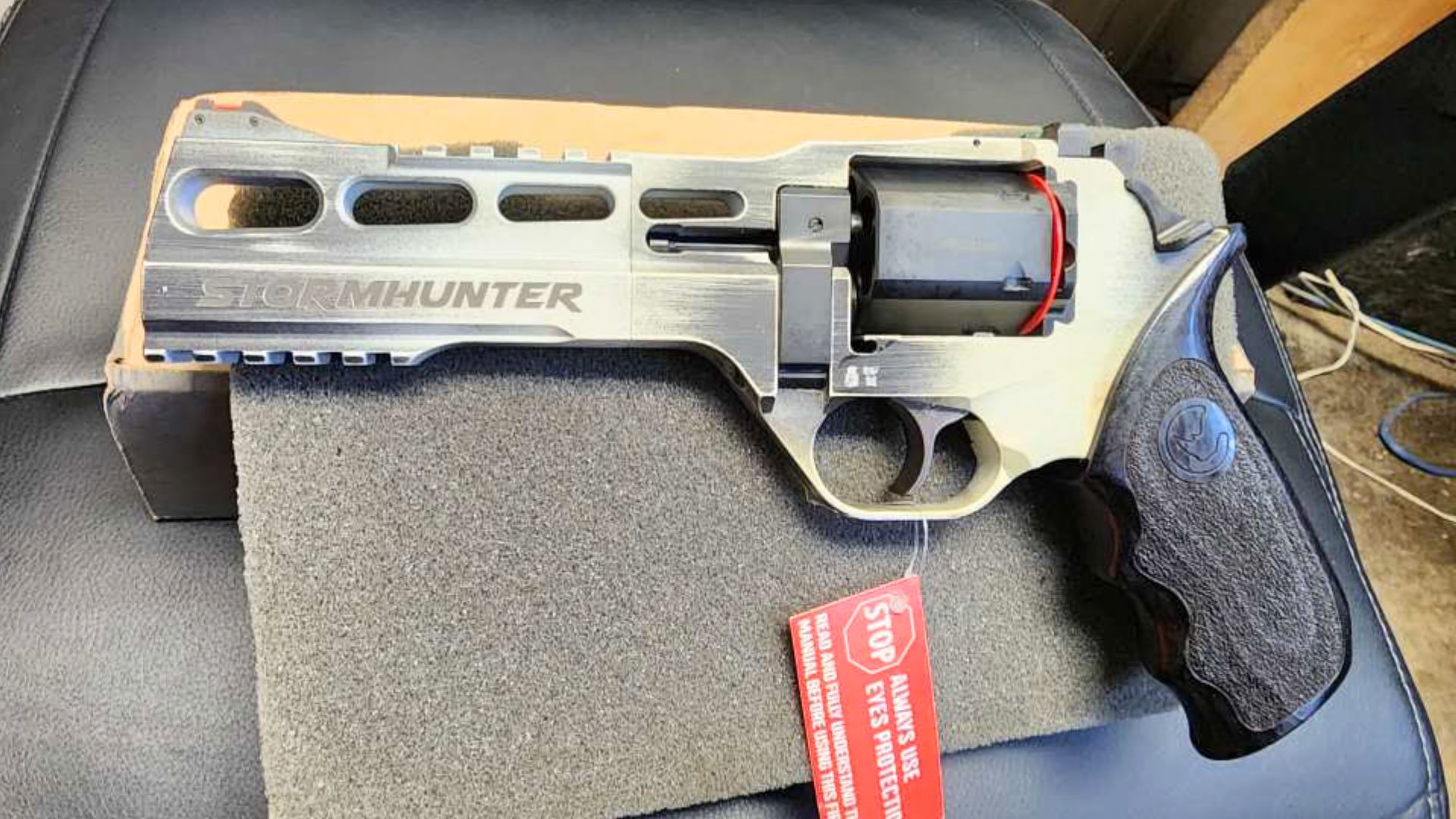
The Chiappa Rhino 60DS always gets attention because it looks so different. The low bore axis sounds like it should change everything, and the design definitely makes people want to talk about it.
But the shooting experience can be polarizing. The grip angle, controls, and overall feel are not natural for everyone. The trigger takes some getting used to, and the gun’s odd handling can distract from its recoil advantage. Some shooters love it, but others walk away feeling like the clever design solved one problem while creating a few new ones.
Smith & Wesson Model 500

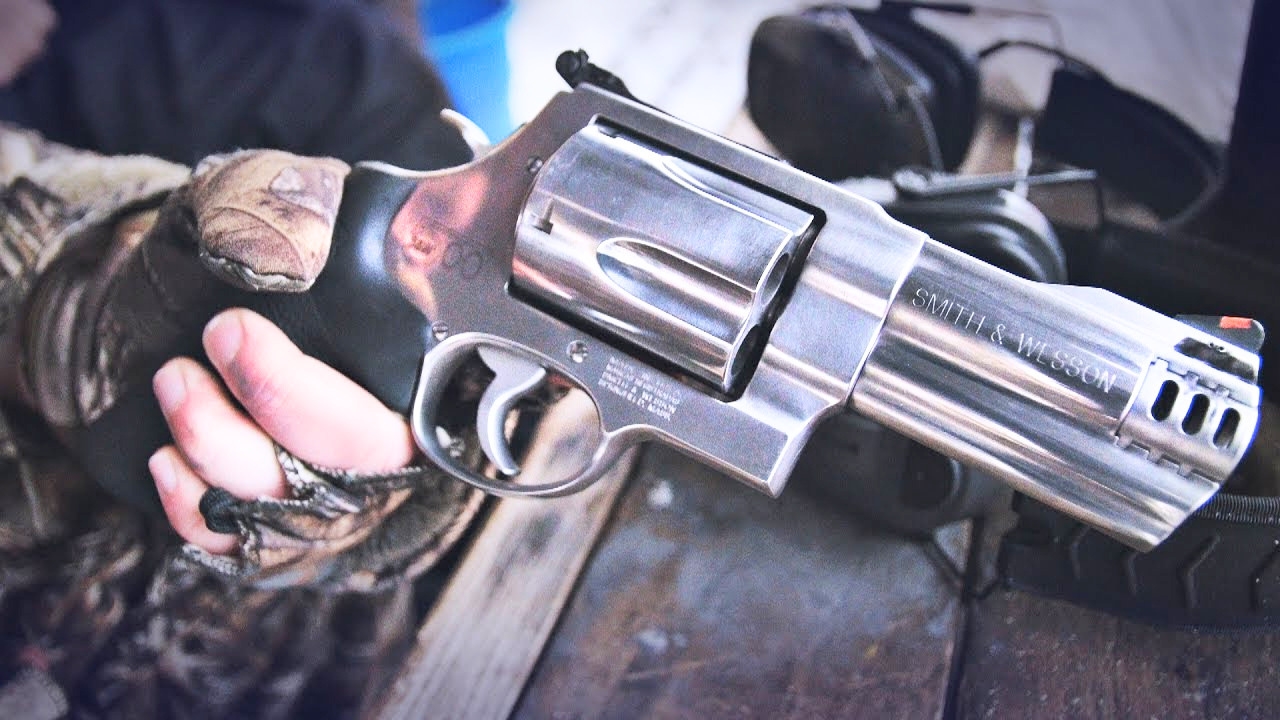
The Smith & Wesson Model 500 has a reputation that almost sells itself. It is huge, powerful, and built around the kind of cartridge that makes people stop and watch at the range.
That also becomes the issue. Most shooters do not need that level of blast, recoil, or cost per shot. It is impressive, but impressive does not always mean useful. After the first few rounds, a lot of owners realize they bought a revolver that gets shown to friends more often than it gets shot well.
Taurus Judge

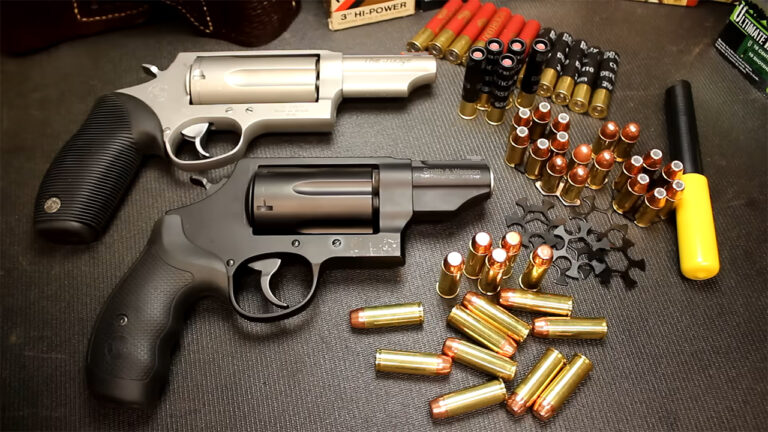
The Taurus Judge sounds like the ultimate close-range problem solver. The idea of firing .410 shells and .45 Colt from the same revolver makes it easy to understand why it caught so much attention.
Once you start patterning it and shooting it with purpose, the story gets messier. The .410 performance from a short barrel is not as convincing as many people expect, and .45 Colt accuracy can vary. It is interesting, but it often shoots like a compromise instead of a clear answer.
Ruger Super Redhawk Alaskan

The Ruger Super Redhawk Alaskan sounds like a serious wilderness revolver. Short barrel, big power, heavy-duty frame, and Ruger strength all make it feel like the kind of gun you want when things get ugly.
Actually shooting it with heavy loads is where the mood changes. The short barrel gives you plenty of blast, and recoil can get rough in a hurry. It is strong, no question, but it is not easy to shoot fast or well. For many people, it is more comforting to own than pleasant to practice with.
Colt Anaconda
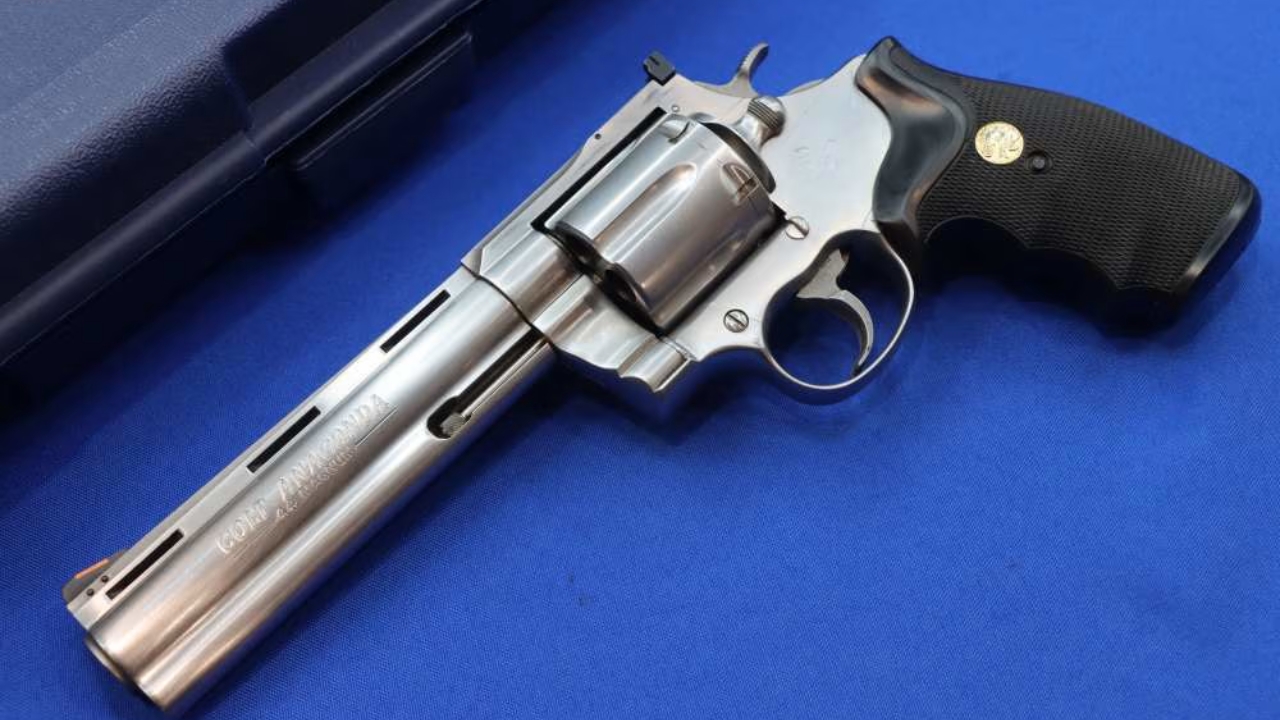
The Colt Anaconda has the name, the look, and the chambering to make people expect something special. A big Colt .44 Magnum sounds like it should be smooth, accurate, and deeply satisfying.
Some examples absolutely shoot well, but the Anaconda can still feel like it is coasting on reputation. It is large, heavy, and expensive, and not every shooter feels the trigger or balance matches the price. When a revolver carries that much expectation, “pretty good” can feel disappointing fast.
Smith & Wesson Governor

The Smith & Wesson Governor sounds like a more refined answer to the multi-caliber defensive revolver idea. It can run .410, .45 Colt, and .45 ACP with moon clips, which gives it a lot of showroom appeal.
The problem is that versatility does not automatically equal performance. It is big, wide, and not especially graceful to carry. The .410 loads still face the same short-barrel limitations, and the whole package can feel like it tries to do too many things instead of doing one thing especially well.
Charter Arms Bulldog
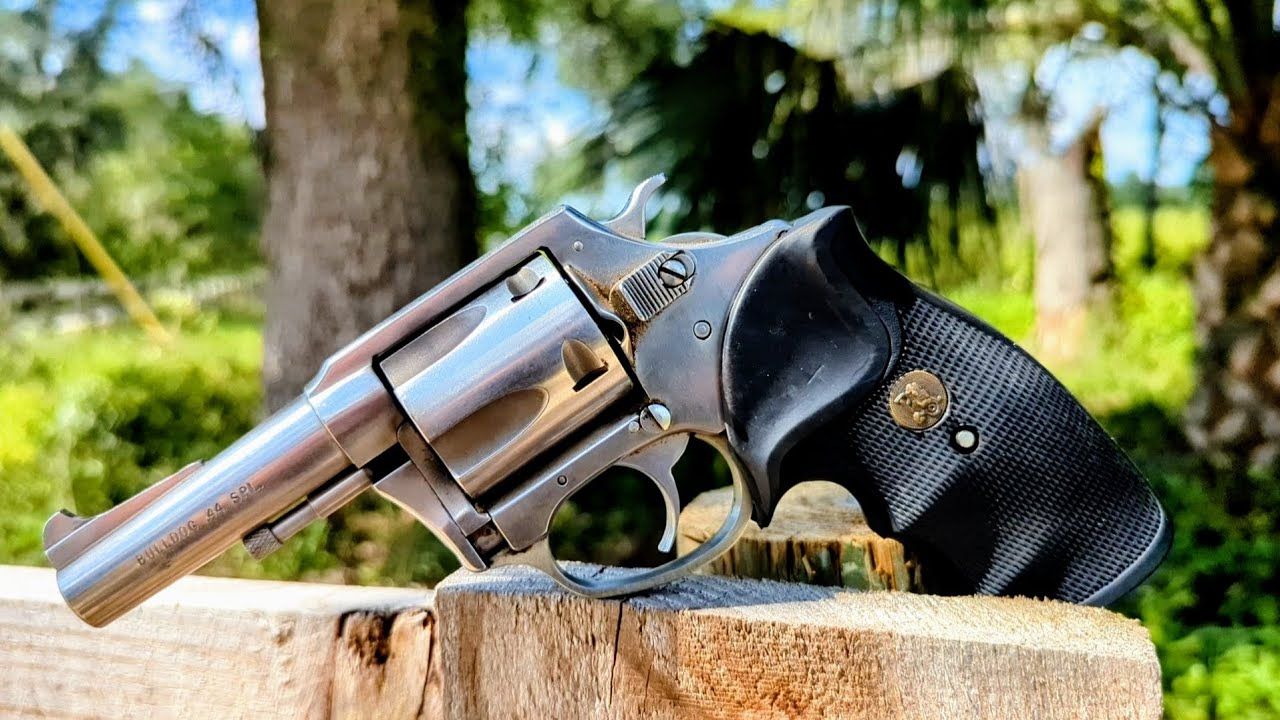
The Charter Arms Bulldog has a strong following because the concept is so appealing. A compact .44 Special revolver sounds like a smart, hard-hitting carry gun without the bulk of a magnum frame.
The reality depends a lot on expectations. The Bulldog can be useful, but the trigger, fit, finish, and recoil control do not always feel as good as the idea. With defensive .44 Special loads, it can be snappy and slow to run well. It sounds like an easy answer until you spend time actually shooting it.
Kimber K6s
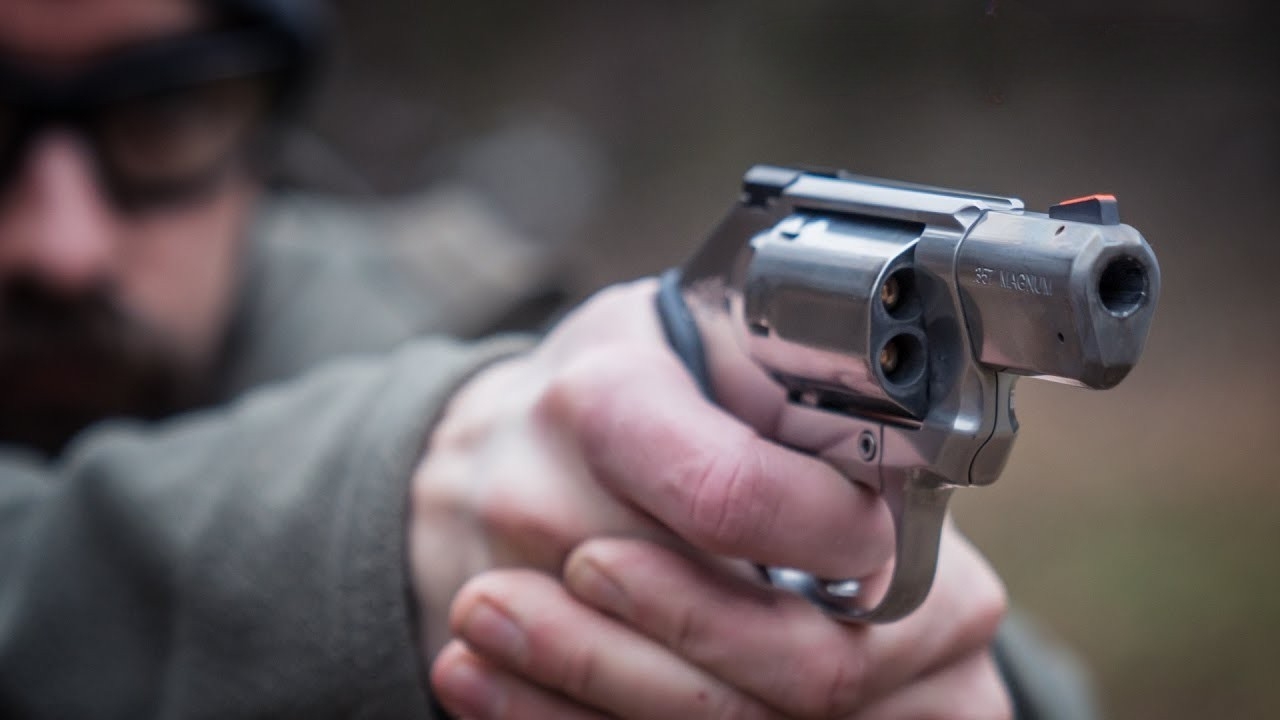
The Kimber K6s sounds like a premium small-frame revolver done right. Six shots of .357 Magnum in a compact stainless gun is a strong pitch, especially when you add Kimber’s clean styling.
It shoots better than many tiny magnums, but it can still disappoint people who expect a small revolver to feel like a compact semi-auto. The trigger is good, yet the gun is still heavy for pocket carry and sharp with serious loads. It is well-made, but not everyone finds that it shoots as nicely as the price suggests.
North American Arms Mini Revolver
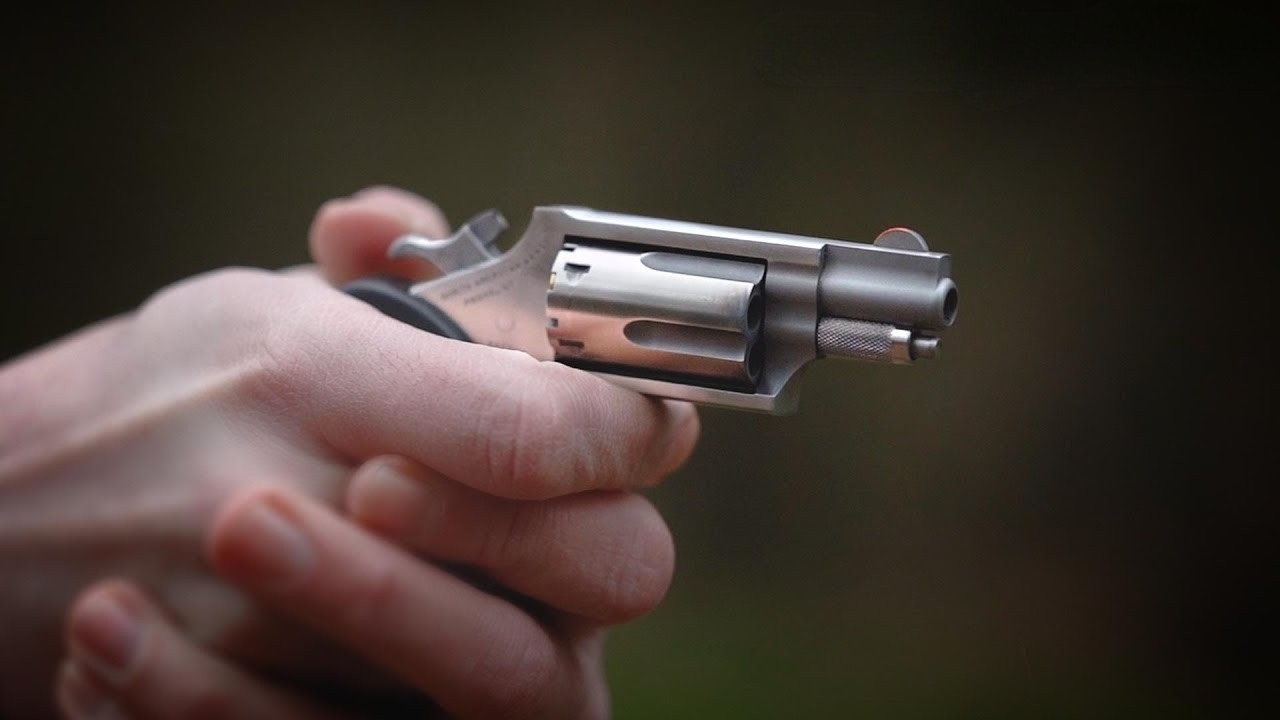
The North American Arms Mini Revolver sounds handy in the most literal way. It is tiny, easy to hide, and chambered in cartridges that seem better than being empty-handed.
But actually shooting one well is another story. The grip is extremely small, the sights are minimal, and handling the gun under pressure would be slow for most people. It is neat, well-built, and easy to admire, but it is not the kind of revolver that flatters your shooting. It sounds more practical than it often feels.
Smith & Wesson Model 69

The Smith & Wesson Model 69 sounds like a smart middle ground. You get .44 Magnum power in a smaller L-frame package, which seems perfect for someone who wants big-bore capability without hauling a huge revolver.
Then you run real magnum loads through it and realize the smaller frame has a cost. It is easier to carry than a bigger .44, but it is also harder to shoot comfortably. With .44 Special, it makes more sense, but as a steady diet magnum revolver, it can feel harsher than expected.
Rossi R462
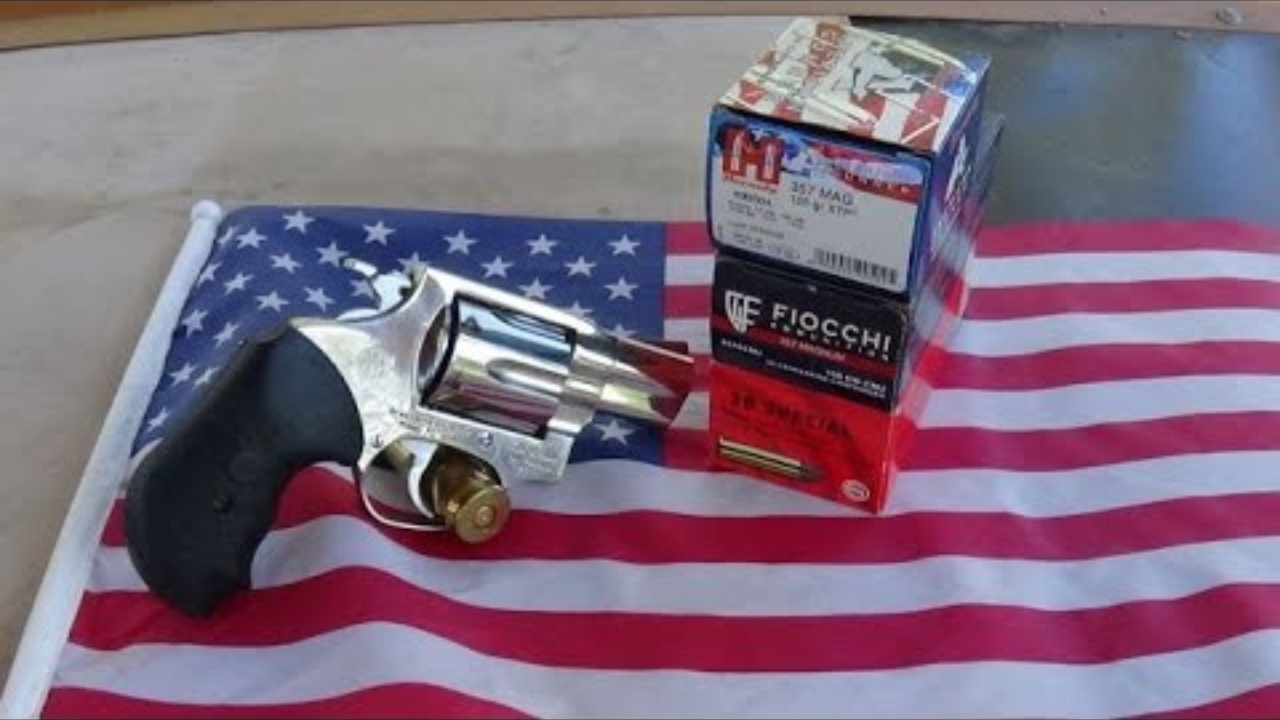
The Rossi R462 sounds like a budget-friendly .357 Magnum revolver that gives you solid capability without paying premium money. On paper, that is easy to like.
The shooting experience is where expectations need to stay realistic. Triggers can be rough, fit and finish are not always inspiring, and accuracy may not match what you’d hope for from a defensive revolver. It can work, but it rarely feels polished. For some buyers, it ends up being the revolver they wanted to like more than they actually did.
Like The Avid Outdoorsman’s content? Subscribe to our newsletter so you never miss an article.
Here’s more from us: