Photo credit: Gun Talk Media/YouTube
Buying a gun is easy when the idea of it sounds right. Maybe it was cheap. Maybe it looked cool. Maybe the reviews were loud enough that you figured everyone else knew something you did not. Then you own it for a while, shoot it more, try to find holsters or magazines, and the buyer’s remorse starts creeping in.
Not every regretted gun is a complete failure. Some work fine in a narrow lane. The problem is that ownership exposes everything the counter does not: recoil, reliability quirks, bad triggers, poor support, high ammo cost, rough ergonomics, or the plain fact that a better option was sitting one shelf over.
Taurus Curve

The Taurus Curve is one of those pistols that sounded interesting until people actually had to live with it. A curved pocket gun with a belt clip and snag-free shape seemed like a fresh answer for deep concealment.
The problem is that shooting matters too. The grip feels strange, the sighting setup is limited, and the whole pistol asks you to accept too many compromises. It may hide well, but many owners eventually realize they bought an idea more than a gun they actually trust or enjoy practicing with.
Remington 770

The Remington 770 pulled in buyers because it was affordable and wore the Remington name. For someone wanting a basic deer rifle without spending much, it looked like a shortcut into a complete hunting setup.
That shortcut is exactly what many owners regret. The bolt often feels rough, the stock feels cheap, and the rifle lacks the confidence you want from something you carry into the woods. Some shoot acceptably, but the overall feel makes a lot of hunters wish they had saved for a better budget rifle.
SCCY CPX-2

The SCCY CPX-2 has always made sense to buyers watching their budget. It offers a compact 9mm size, decent capacity, and a price low enough to make it tempting as a first carry gun.
Range time is where regret often starts. The long trigger takes effort to shoot well, recoil can feel snappy, and the pistol does not have the refinement many people expect once they start training. It can fill a role, but a lot of owners eventually wish they had spent a little more.
KelTec KSG

The KelTec KSG looks like the kind of shotgun that should solve everything. It is short, high-capacity, and different enough to feel exciting the first time you handle one. For home-defense-minded buyers, that appeal is obvious.
Then the handling reality shows up. Loading takes practice, the controls are not as natural as a regular pump, and short-stroking can become a real issue under stress. Some owners love the KSG, but others realize they would rather have a boring shotgun that runs more naturally.
Kimber Micro 9

The Kimber Micro 9 can be hard to resist in the gun case. It is small, good-looking, metal-framed, and has that mini-1911 style that makes it feel more special than another black polymer carry pistol.
The regret comes when owners start training with it seriously. The small grip, manual safety, sharp recoil, and magazine sensitivity can make it fussier than expected. It is not useless, but many buyers eventually realize they wanted a pretty carry gun more than an easy one.
Century Arms C39V2

The Century Arms C39V2 attracted buyers who wanted an American-made AK-style rifle without paying premium import prices. The AK reputation helped sell the idea: rugged, simple, and built to run.
That reputation did more work than the rifle deserved. Durability concerns and hard-use criticism followed the C39V2, and that is hard to ignore when the whole point of an AK is trust. A rifle shaped like an AK does not automatically inherit the toughness of better-built examples.
Diamondback DB9

The Diamondback DB9 appealed to buyers who wanted a tiny 9mm that could disappear in a pocket or waistband. It checked the concealment box hard, and that made it tempting for backup carry or deep concealment.
The tradeoff shows up once you shoot it. It is sharp, unforgiving, and difficult for many people to run well. Tiny 9mms always ask a lot from the shooter, and the DB9 is no exception. Plenty of owners eventually wish they had chosen a slightly larger gun they could control better.
Remington R51

The Remington R51 had a lot of people interested because it was different. The low bore axis, slim profile, and unusual operating system made it sound like a smart alternative to the normal compact 9mm crowd.
Then real ownership got messy. Early reliability problems hurt its reputation badly, and many shooters never got past that. A defensive pistol needs to feel boringly dependable, not experimental. For buyers who wanted something clever, the R51 became a reminder that different does not always mean better.
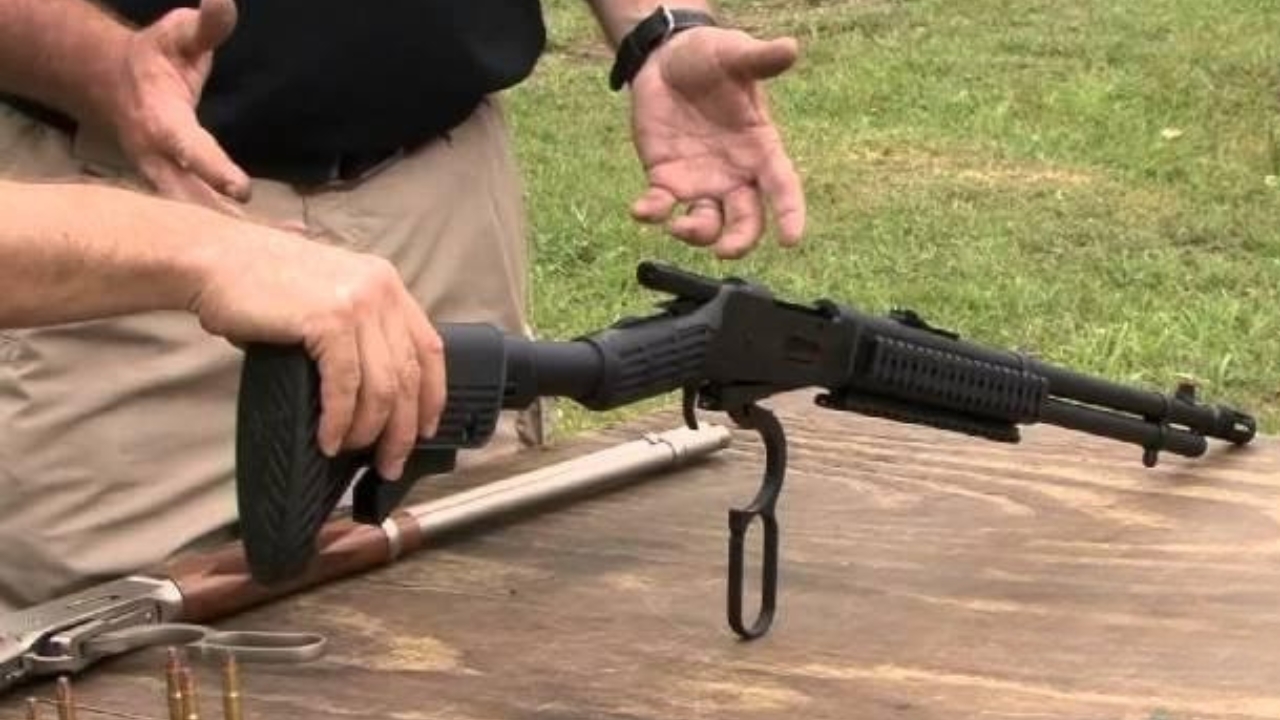
Mossberg 464 SPX

The Mossberg 464 SPX tried to turn a lever-action rifle into something more tactical, with rails, synthetic furniture, and a look that divided people immediately. Some buyers liked the odd mix of old and new.
Over time, many realized it did not really satisfy either side. It lacked the clean charm of a traditional lever gun and did not offer the practical advantages of a modern semi-auto. It was memorable, sure, but memorable is not the same as useful. A lot of owners would rather have a plain lever gun.
Taurus Judge

The Taurus Judge sold well because the idea was easy to understand. A revolver that could fire .45 Colt and .410 shells sounded like a powerful, flexible answer for defense, pests, and trail use.
The regret comes when expectations meet pattern spread, recoil, size, and limited practical performance. It is bulky for carry, not as decisive with .410 as marketing made it sound, and not as handy as a normal revolver. Some people enjoy it, but many bought the concept and later questioned the reality.
Chiappa Rhino
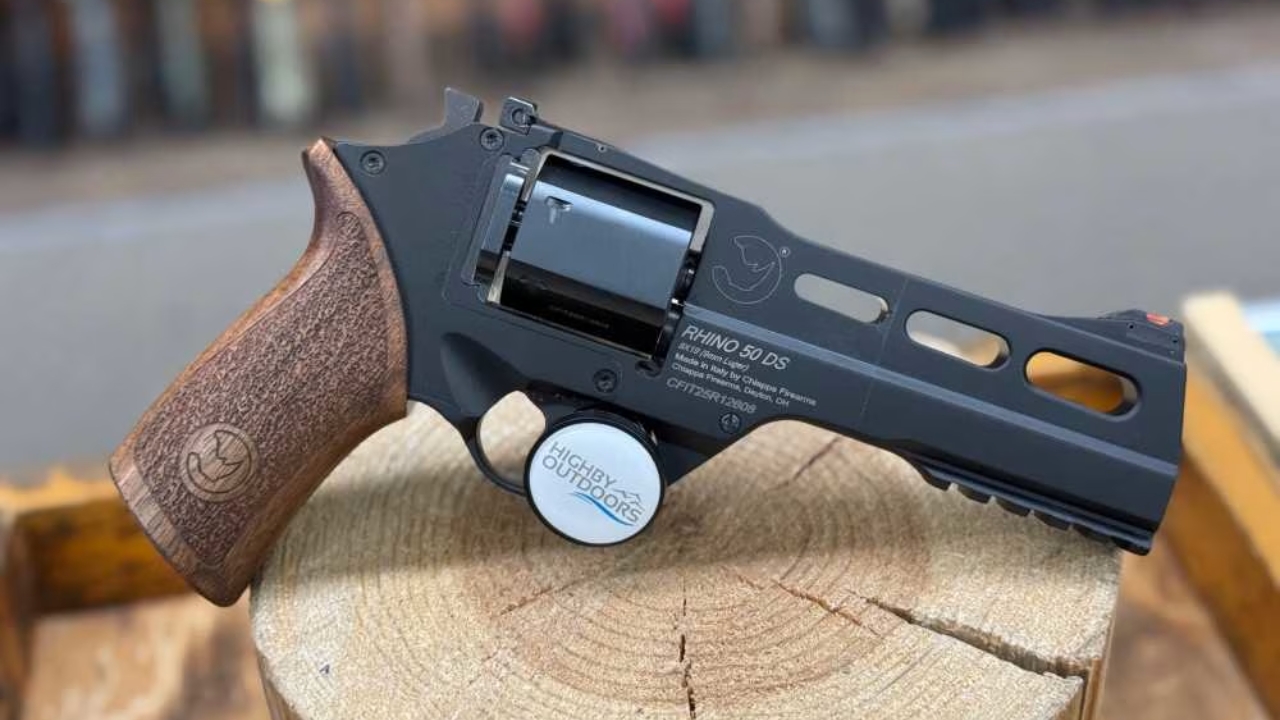
The Chiappa Rhino is not a bad revolver, but it is absolutely a revolver people sometimes regret buying on impulse. The low bore-axis design is interesting, and the look is unlike almost anything else in the case.
The problem is that weird can wear thin. The controls are different, holster support is limited, and the styling is not for everyone once the novelty fades. It can shoot well, especially with magnum loads, but some buyers eventually realize they paid a lot for a revolver they rarely carry or use.
Auto-Ordnance 1911A1
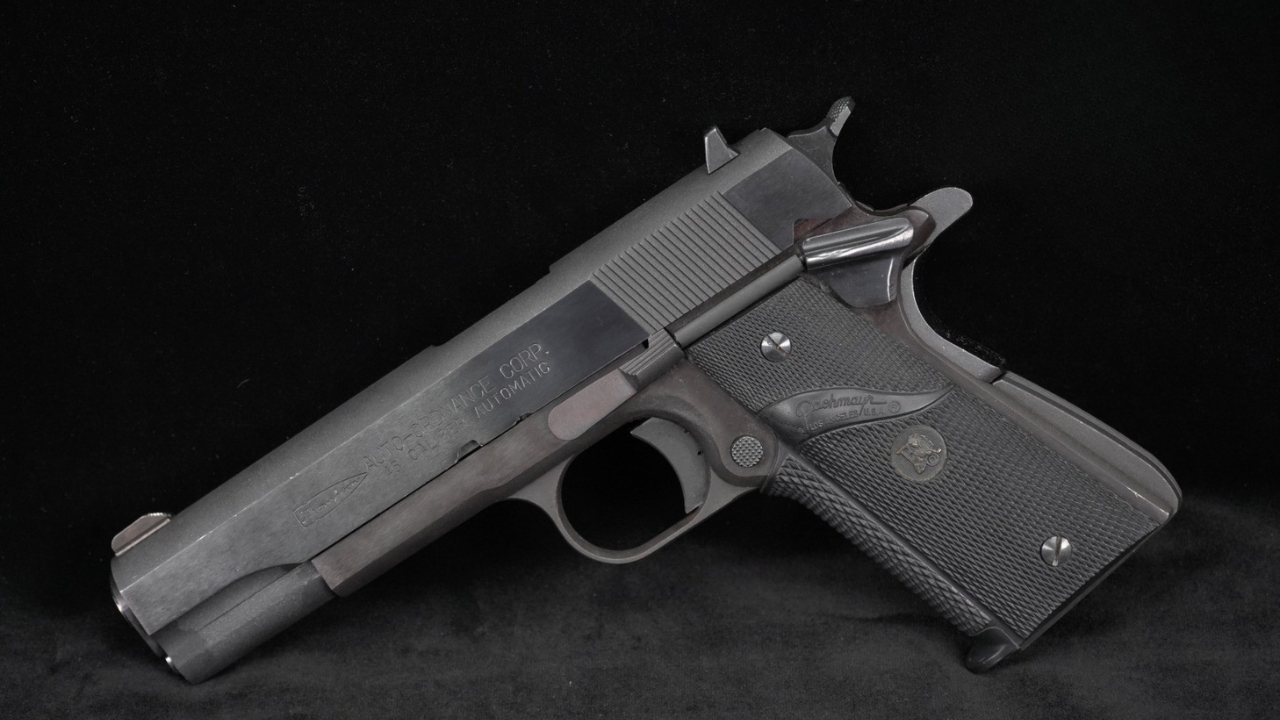
The Auto-Ordnance 1911A1 attracts buyers who want the old military look without paying collector prices. It scratches the history itch and gives you a basic .45 ACP 1911 with traditional styling.
That is also where the trouble starts. A basic GI-style 1911 means tiny sights, plain controls, and potential sensitivity to magazines and hollow points. It may be fun as a range piece, but buyers who expected modern defensive-pistol forgiveness often end up disappointed.
Savage Axis XP

The Savage Axis XP has helped a lot of people get into hunting on a tight budget, so it has its place. The regret usually comes from buying the cheapest package version and assuming the whole setup is ready for long-term confidence.
The rifle can shoot, but the stock, scope, trigger on older models, and overall feel often leave owners wanting more. Many hunters eventually replace the optic, improve the stock, or move on completely. At that point, the cheap rifle stops feeling like such a bargain.
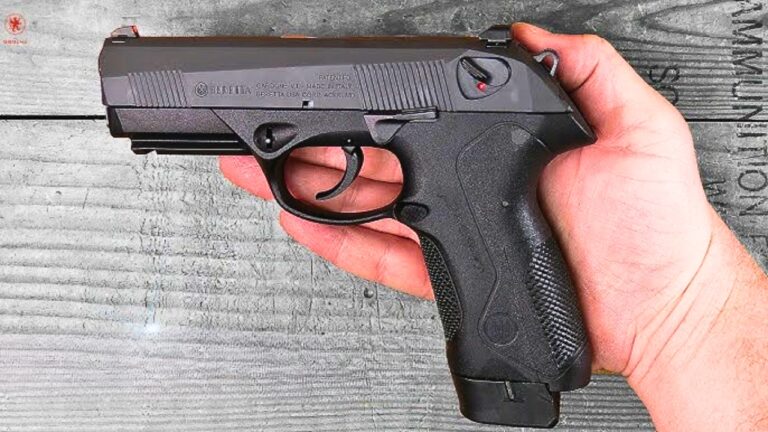
Beretta Nano

The Beretta Nano looked like it should have been a stronger player in the slim 9mm market. It had a clean shape, snag-free design, and the Beretta name behind it. For concealed carry, that seemed promising.
The actual shooting experience turned off a lot of owners. The grip shape, heavy-feeling trigger, and limited controls made it harder to love once better micro 9s arrived. It is not worthless, but many buyers learned fast that small and smooth does not automatically mean easy to shoot.
Winchester SXP Defender

The Winchester SXP Defender appeals to people who want an affordable home-defense pump shotgun without chasing older used guns or paying more for premium models. It looks practical, simple, and ready for serious use.
Some owners are happy with them, but others regret not buying a shotgun with a deeper track record and broader support. The SXP’s rotating bolt feel, limited aftermarket compared with more common pumps, and budget-grade finish can leave buyers cold. For a defensive shotgun, confidence matters more than saving a little money.
Like The Avid Outdoorsman’s content? Subscribe to our newsletter so you never miss an article.
Here’s more from us: