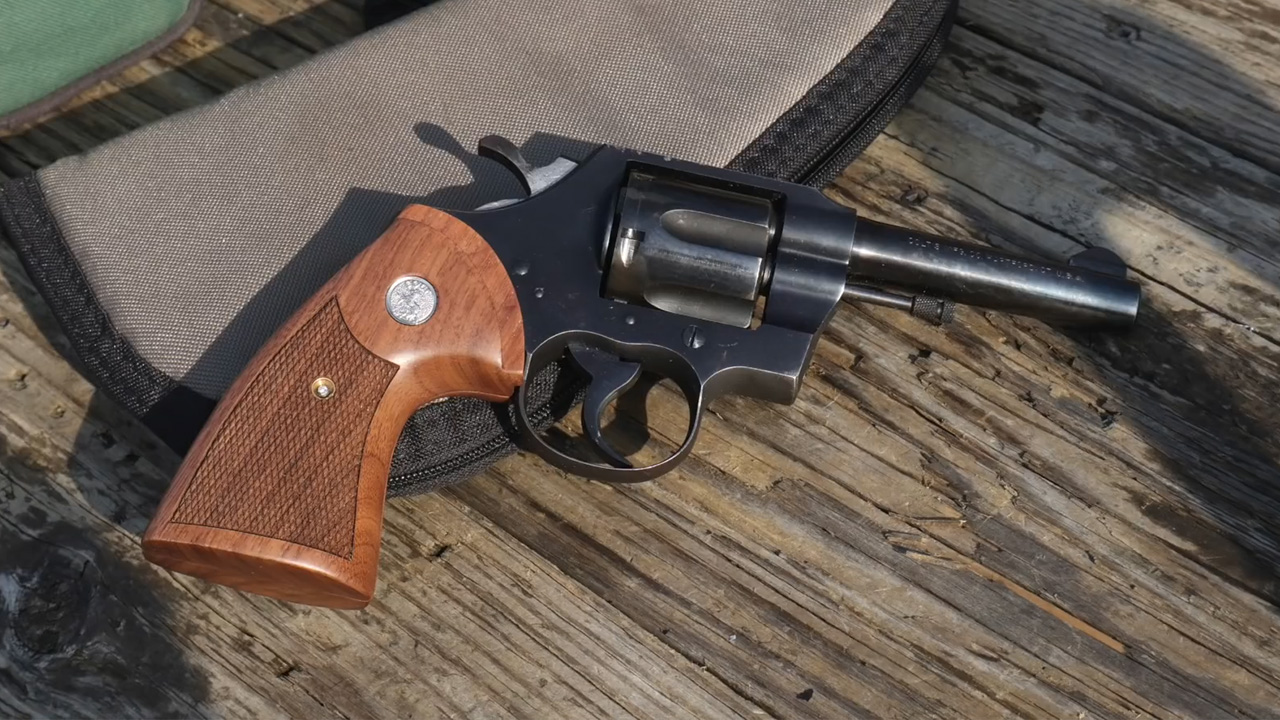
Photo credit: duelist1954/Youtube
There was a stretch where everybody “modernized” their handgun choices. Polymer autos got lighter, red dots got cheaper, and six-shooters got treated like something you kept for nostalgia, not real use. I watched good revolvers get traded off for striker-fired pistols that were supposed to do everything better.
Now? Try replacing some of those “old” wheelguns. Between collector demand, limited runs, classic craftsmanship, and the fact that a lot of them just don’t get made the same way anymore, plenty of revolvers that used to sit unloved in the used case have gotten expensive in a hurry. Here are 20 that come to mind—guns that were easy to dismiss, easy to sell, and now hurt to buy back.
1. Colt Python (blued, pre-2020 production)
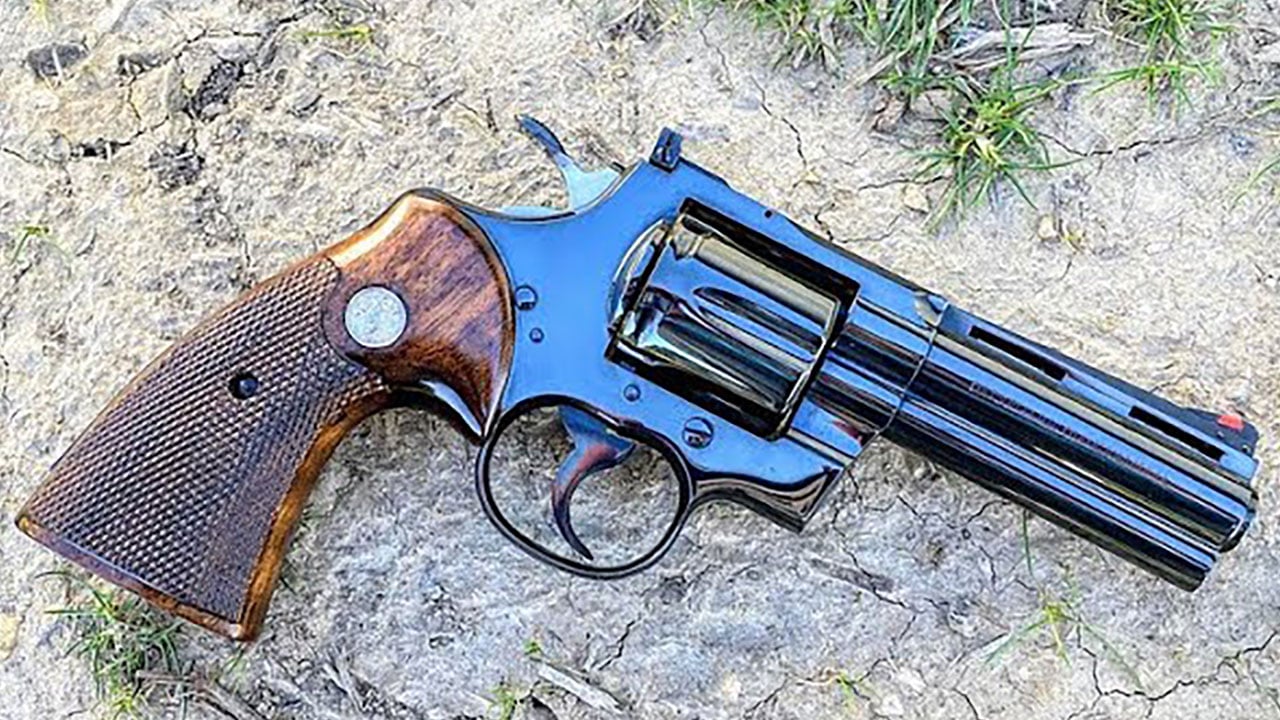
For years, the Python was “that fancy Colt” guys didn’t want to scuff up. A lot of them rode around in sock drawers, got shot twice a year, and then got traded for something with more capacity and cheaper ammo.
The older ones have a look and a feel the reintroduced guns don’t perfectly copy, even if the new versions are solid shooters. The old Royal Blue finish and that glassy action are what collectors chase. If you sold one because it seemed like a safe queen, you probably found out later that safe queens can turn into retirement plans.
2. Colt Diamondback
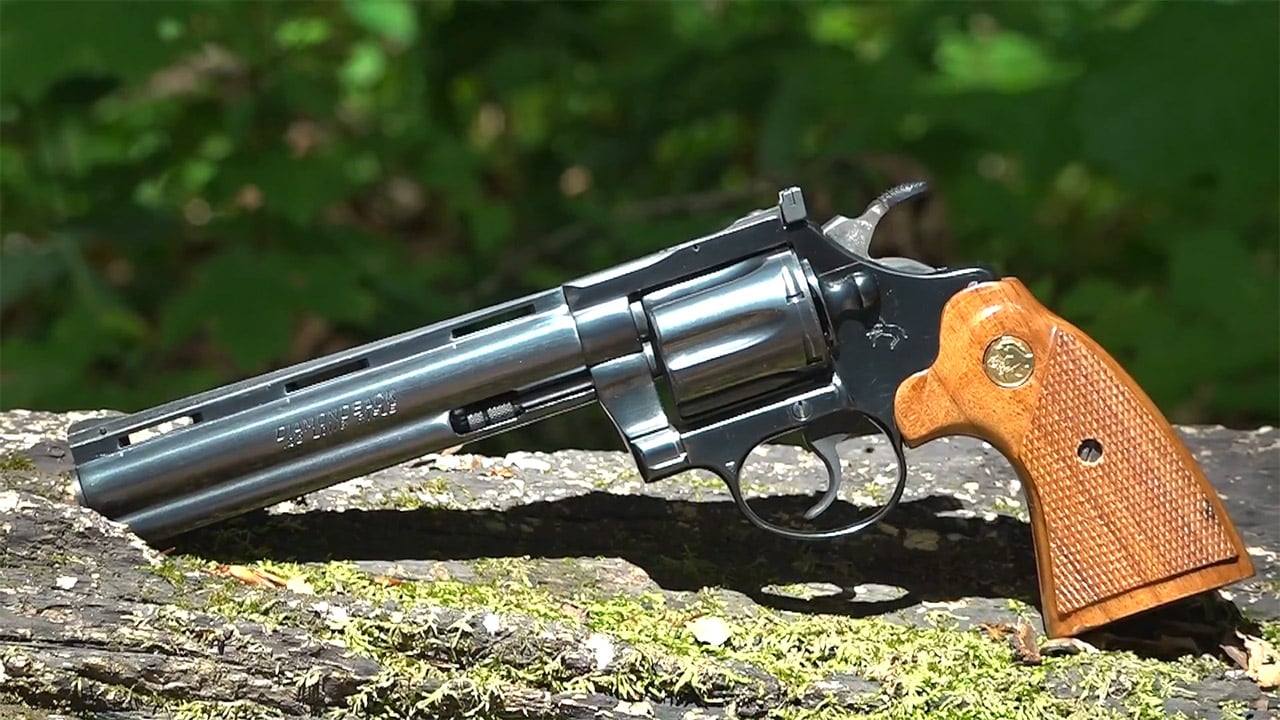
The Diamondback was easy to shrug off as a smaller, lighter “Python-ish” revolver. It wasn’t as famous, and a lot of folks saw it as a pricey .38 when they could buy a serviceable Smith or Ruger for less.
Then the market figured out they aren’t making more of them, and the clean ones dried up. The little ventilated rib, the Colt lines, and the fact that they balance so well make them a lot harder to replace than people expected.
3. Colt Detective Special (early production)
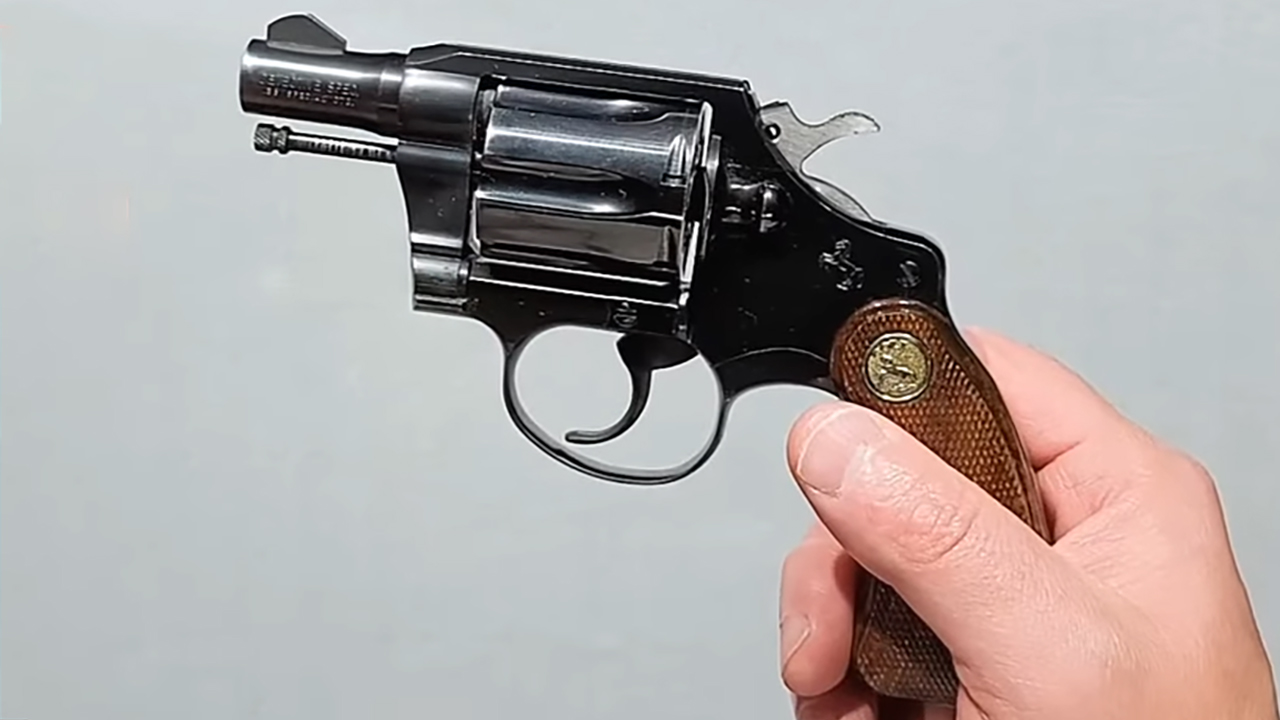
If you carried one back when coats were heavier and belts were stiffer, you know why people loved them. Later, lightweight snubs and micro 9mms pushed them out, and the Detective Special started feeling like an anvil in the pocket.
But the good ones have smooth triggers and real-world shootability that tiny autos don’t always deliver. Add Colt’s name and the reality that lots of these got rode hard, and the clean examples bring serious money now.
4. Colt Trooper MK III
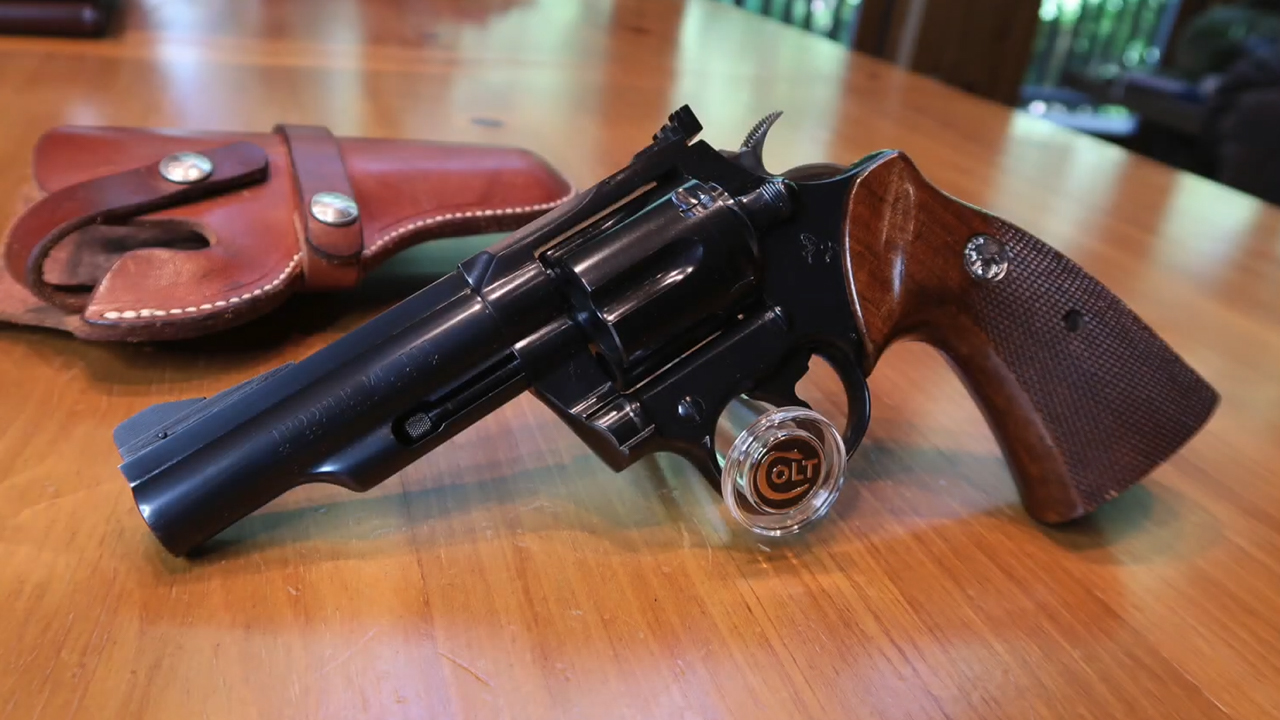
The Trooper MK III is one of those revolvers that used to be called “just a shooter.” Not flashy, not rare, and not the one everybody bragged about. That made it a common trade-in gun.
Problem is, they’re tough, accurate, and have that older Colt vibe without Python prices—at least they used to. The days of stumbling into a nice MK III for cheap are mostly gone, and it’s a classic “should’ve kept it” wheelgun.
5. Smith & Wesson Model 19

The Model 19 is about as “real-world .357” as it gets—easy to carry, points fast, and doesn’t beat you up like the heavier guns do. The downside is that a steady diet of hot magnums isn’t what it was built for, and some folks soured on them after seeing wear in high-mileage guns.
But as a .38-first revolver that can do .357 when needed, it’s hard to beat. Older pinned-and-recessed examples with nice bluing and honest condition are not cheap anymore, and the ones that got away tend to sting.
6. Smith & Wesson Model 27
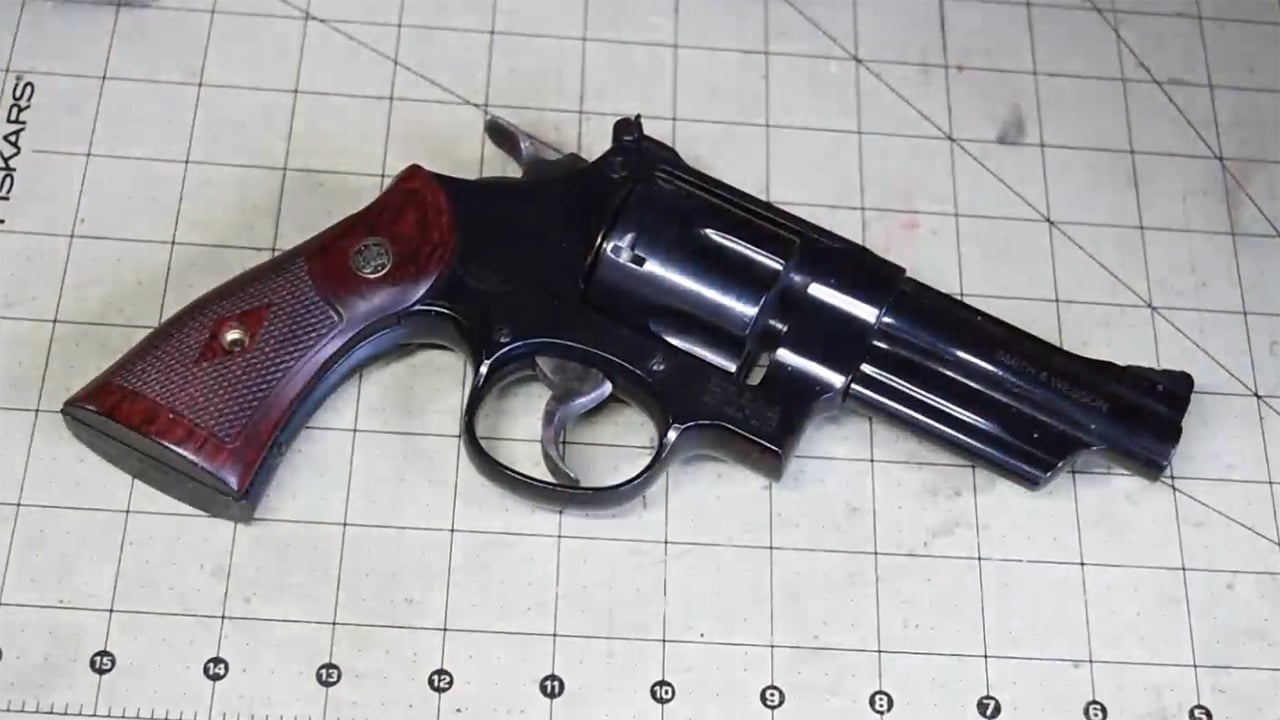
The Model 27 used to get dismissed as too polished and too heavy. Guys wanted lighter carry guns or cheaper working revolvers, and the 27 looked like something your granddad kept oiled up for Sunday.
Then you pick one up, run the cylinder, and you remember what premium factory fit and finish feels like. The big N-frame soaks up .357 recoil like it’s nothing, and the nicer older ones are priced like heirlooms now—because that’s what they are.
7. Smith & Wesson Model 28 “Highway Patrolman”
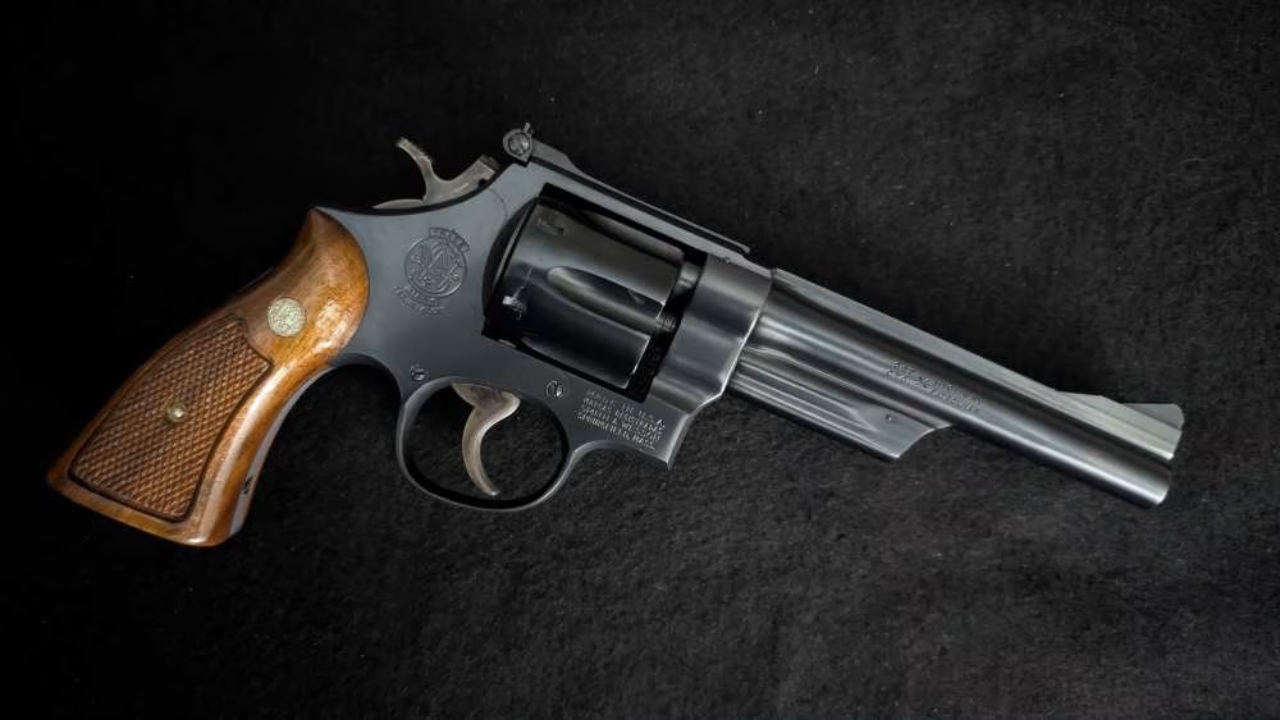
The Model 28 was the blue-collar brother to the 27. It didn’t have the same cosmetics, so it didn’t get the same respect. That meant plenty of them got sold off when departments switched or when owners decided they didn’t “need” an N-frame.
Now it’s one of the smartest ways to own a classic big Smith—except the word got out. Prices climbed, and finding one that hasn’t been abused, bubba’d, or “improved” with a bad refinish takes more digging than it used to.
8. Smith & Wesson Model 10 (pre-lock, older tapered-barrel guns)

The Model 10 is the definition of boring… right up until you need a revolver that just works. A lot of them got traded because they were “just a .38” and folks wanted magnums or more modern carry options.
But those older K-frames often have triggers that make new guns feel gritty by comparison. They’re also getting harder to find in clean, original condition. It’s not that they’re rare—it’s that everybody finally remembered they’re good.
9. Smith & Wesson Model 36 “Chief’s Special”
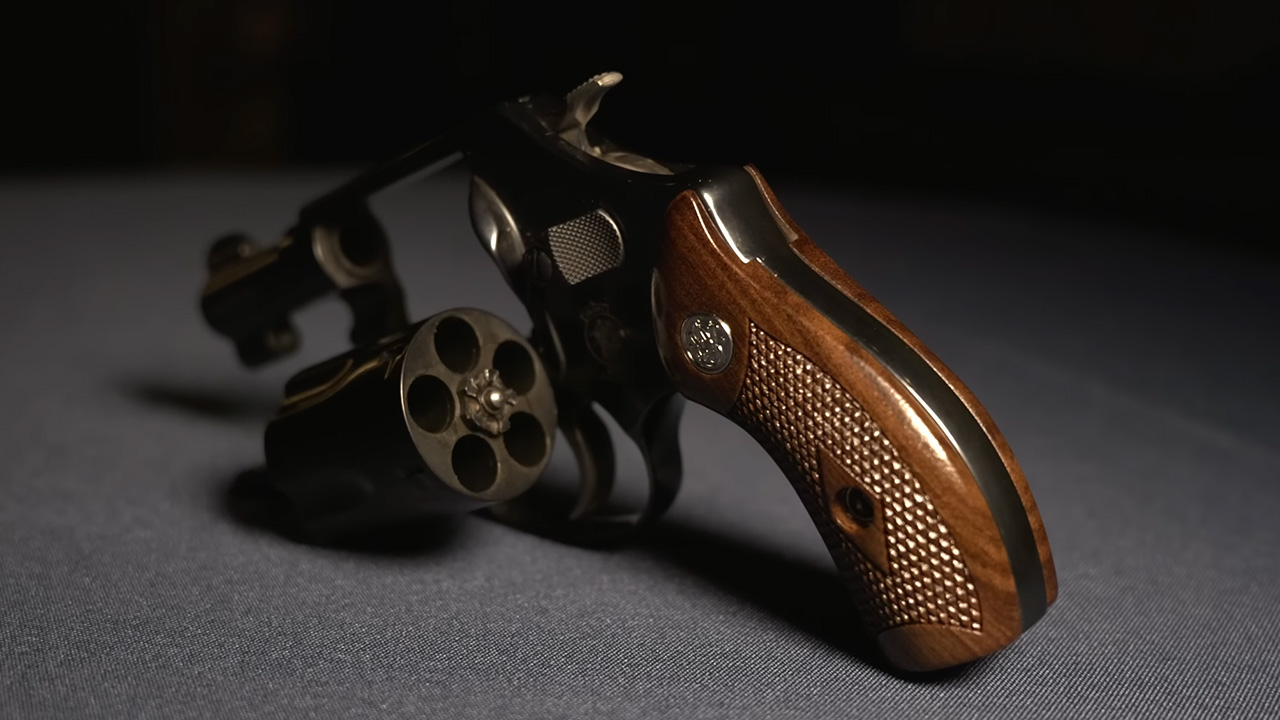
J-frames were everywhere, which made them feel disposable. Model 36 guns got carried, knocked around in tackle boxes, and stored in nightstands for decades. When the lightweight snubs showed up, the all-steel 36 got called outdated.
What doesn’t go out of date is how well an all-steel snub can shoot compared to the featherweights. Clean, older Model 36 revolvers with original parts and finish have moved into “buy once, cry once” territory.
10. Smith & Wesson Model 49 “Bodyguard”
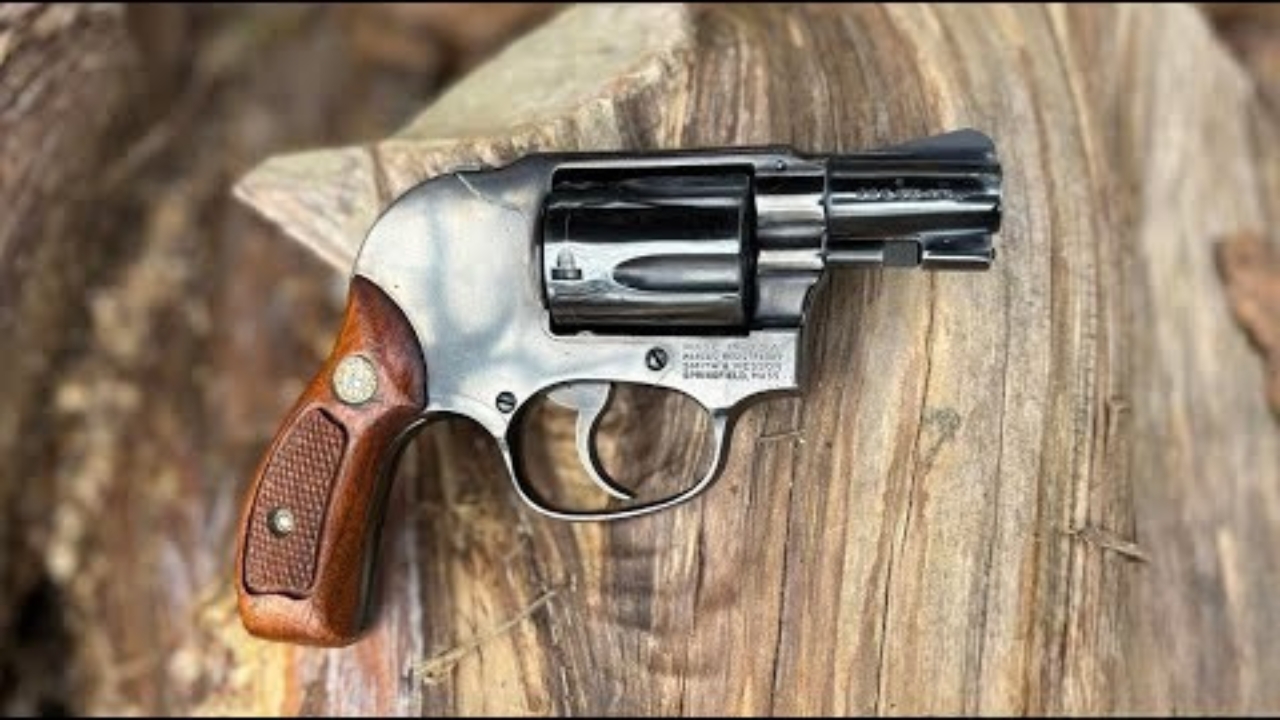
The shrouded-hammer Bodyguard used to be the revolver some folks bought because it looked neat, then sold because it didn’t fit a trendy role. Not quite a pure pocket gun, not quite a range gun, and not as easy to explain as a standard J-frame.
But it’s a smart design—less snag risk, still thumb-cockable if you want it, and it carries flatter than you’d think. The older ones are getting pricey, especially in nicer condition, because collectors and shooters both want them.
11. Smith & Wesson Model 60 (stainless, early no-dash guns)

The stainless J-frame became normal, which is funny because the Model 60 was a big deal when it showed up. Then scandium and polymer-framed everything came along, and a steel snub started to look heavy and old-school.
Carry one for a week and you’ll understand why the weight is not always a downside. These shoot better for most hands than the ultralights, and early clean examples keep climbing in value because they’re the “first of their kind” in a way.
12. Smith & Wesson Model 66

The Model 66 is the stainless sibling of the 19, and it got treated the same way—loved, carried, then sold off when tastes changed. Some got shot loose, others got modified, and a bunch just got traded toward the next new thing.
Now you’re paying for good ones, especially the earlier guns. They carry like a real sidearm, not a brick, and they’re one of the better “woods walking” revolvers ever made if you keep your ammo choices reasonable.
13. Ruger Security-Six (and Speed-Six)
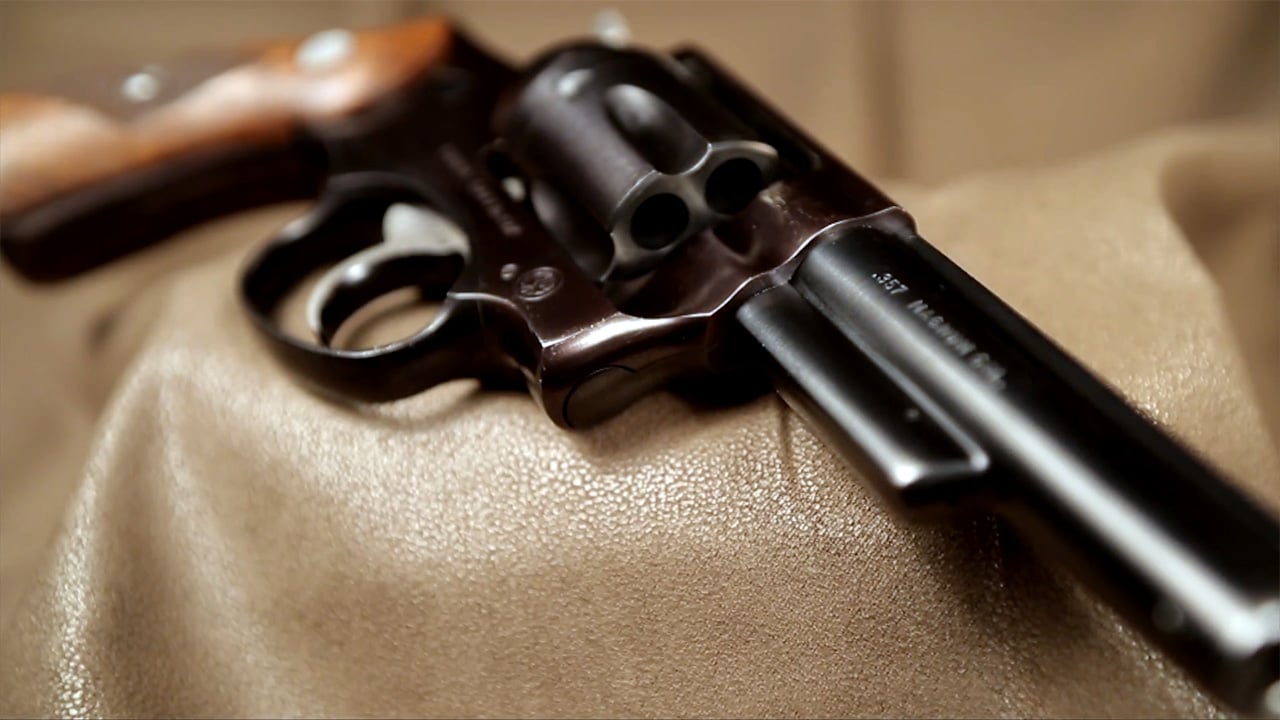
When the GP100 arrived, a lot of shooters decided the Six-series was the “old Ruger.” That meant trade-ins, pawn shop finds, and deals you don’t see much anymore. They weren’t flashy, and they didn’t have the marketing push of newer models.
But these things are tough, trim, and reliable in a way that makes sense when you actually carry one. The Speed-Six in particular is getting hard to snag at a sane price, especially in desirable barrel lengths.
14. Ruger Service-Six
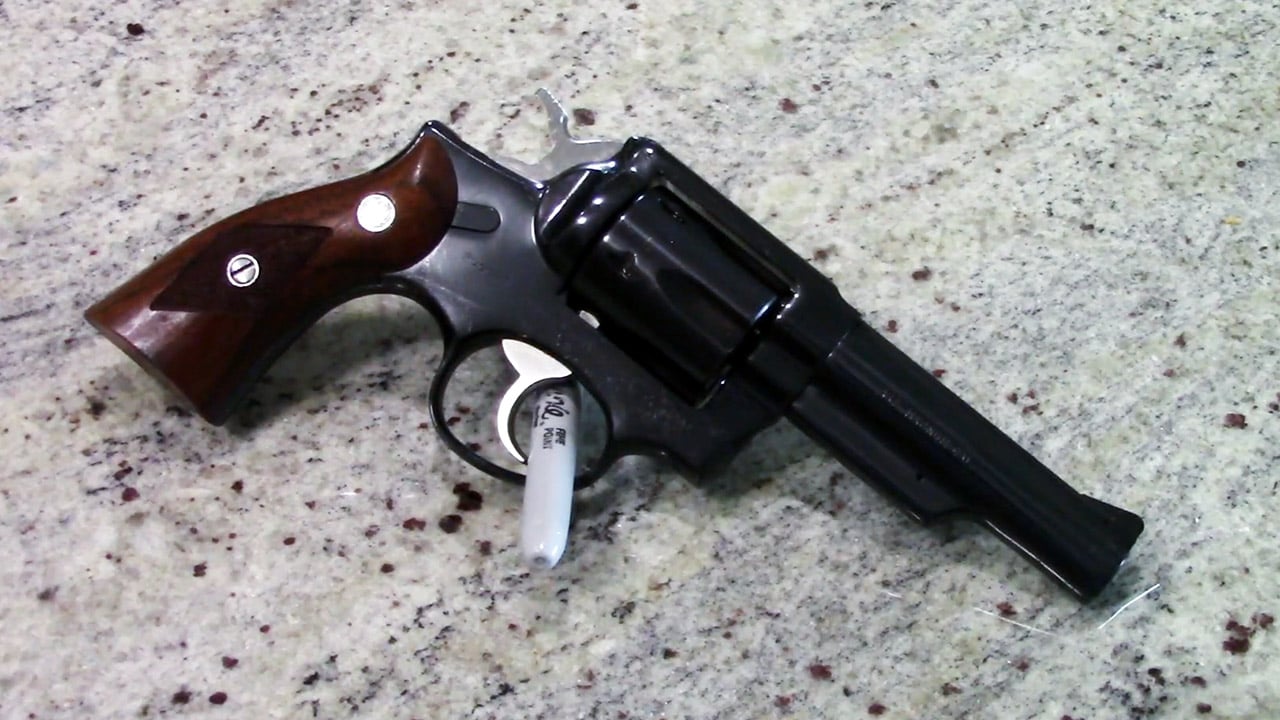
The Service-Six is another one that used to be considered plain. Fixed sights, duty styling, and not much romance. Guys wanted adjustable sights and shinier finishes, so the Service-Six got left behind.
Turns out fixed-sight Rugers are perfect “use it, don’t baby it” revolvers for camps and trucks—assuming you store them responsibly. The used supply has tightened up, and people who sold clean ones are finding out replacements cost more than they expected.
15. Ruger Blackhawk “Three-Screw” (Old Model)
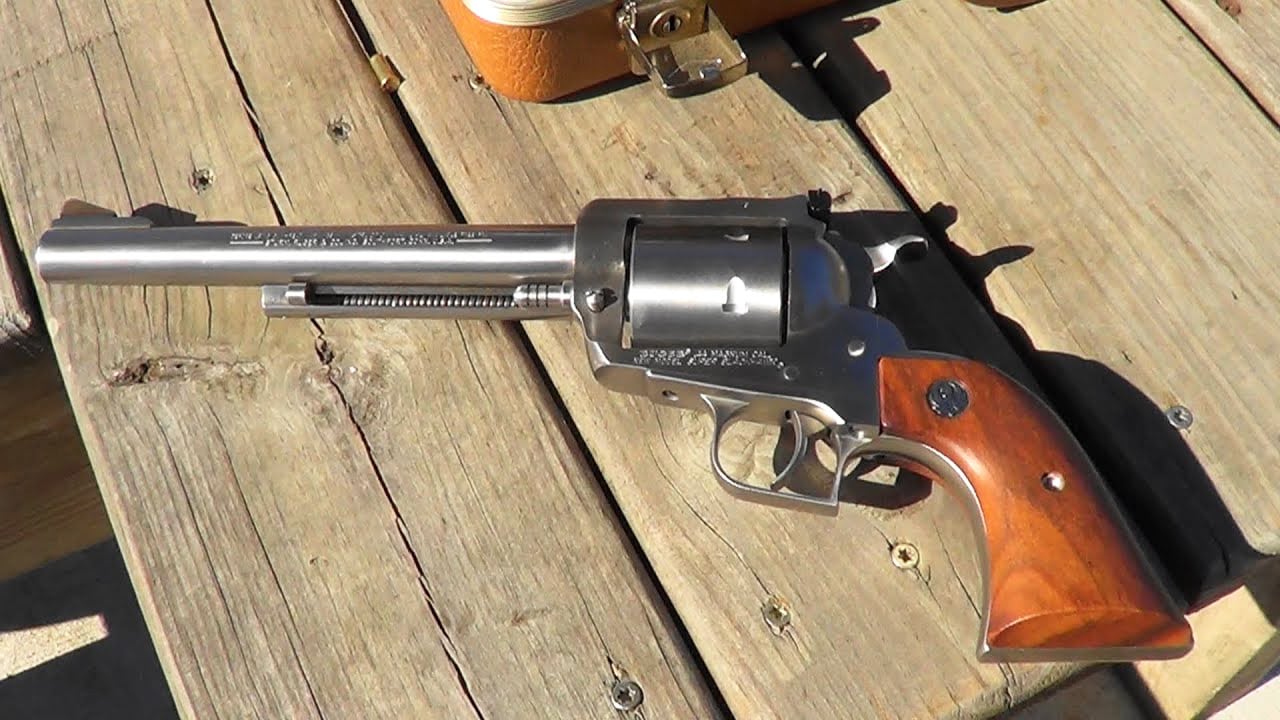
Single-actions got labeled “cowboy guns” for a while, and that made them easy to dismiss if you weren’t into that scene. Some folks also traded old three-screw guns away because they didn’t want to deal with the older safety system.
Collectors absolutely care, and shooters like them too. The old models have a feel that’s hard to fake, and the clean, unconverted examples bring real money. If you let one go because you thought it was outdated, yeah… that one hurts.
16. Ruger Super Blackhawk (older production)
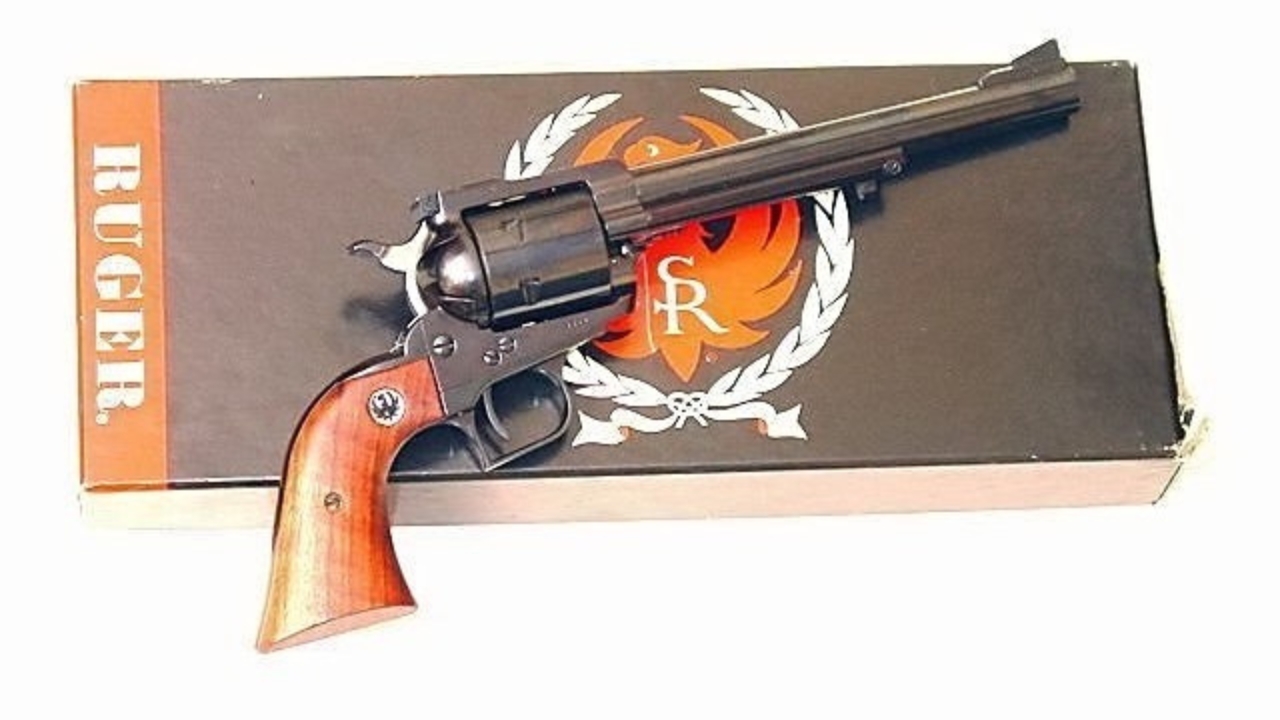
Big single-actions in .44 Magnum aren’t everybody’s idea of practical. They’re heavy, loud, and they don’t hide under a T-shirt. That’s why plenty of them got sold when the novelty wore off.
But for hunting, for woods carry in the right holster, and for just having a revolver that will take serious use, they’re hard to replace. Older Super Blackhawks—especially clean ones—have climbed because demand stayed steady while supply didn’t.
17. Dan Wesson Model 15 (.357 Magnum)
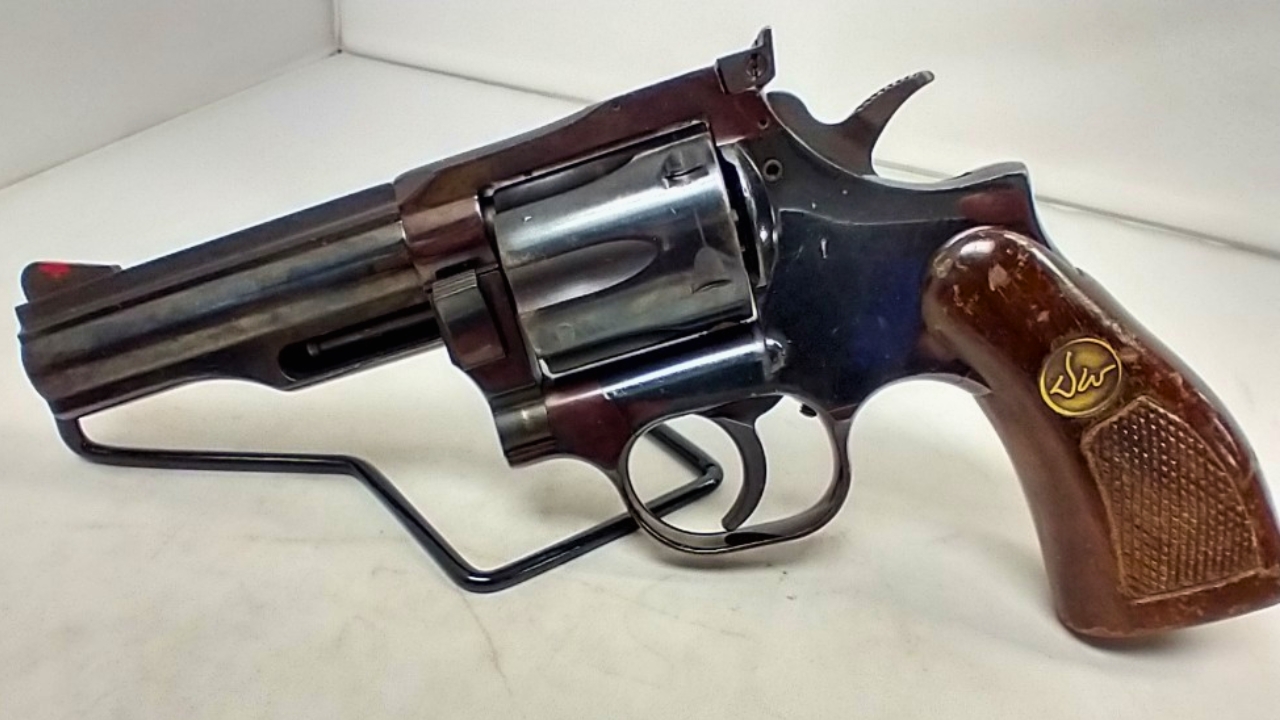
Dan Wesson revolvers were never the prom queen, which is exactly why some got dumped cheap. Folks didn’t recognize the name, didn’t want to chase parts, or didn’t understand what made them special.
Then you shoot one with a good barrel and realize how accurate and solid they can be. Complete packages with multiple barrels and the original gear are where the value really jumps, and those complete kits don’t sit around long anymore.
18. Colt Official Police
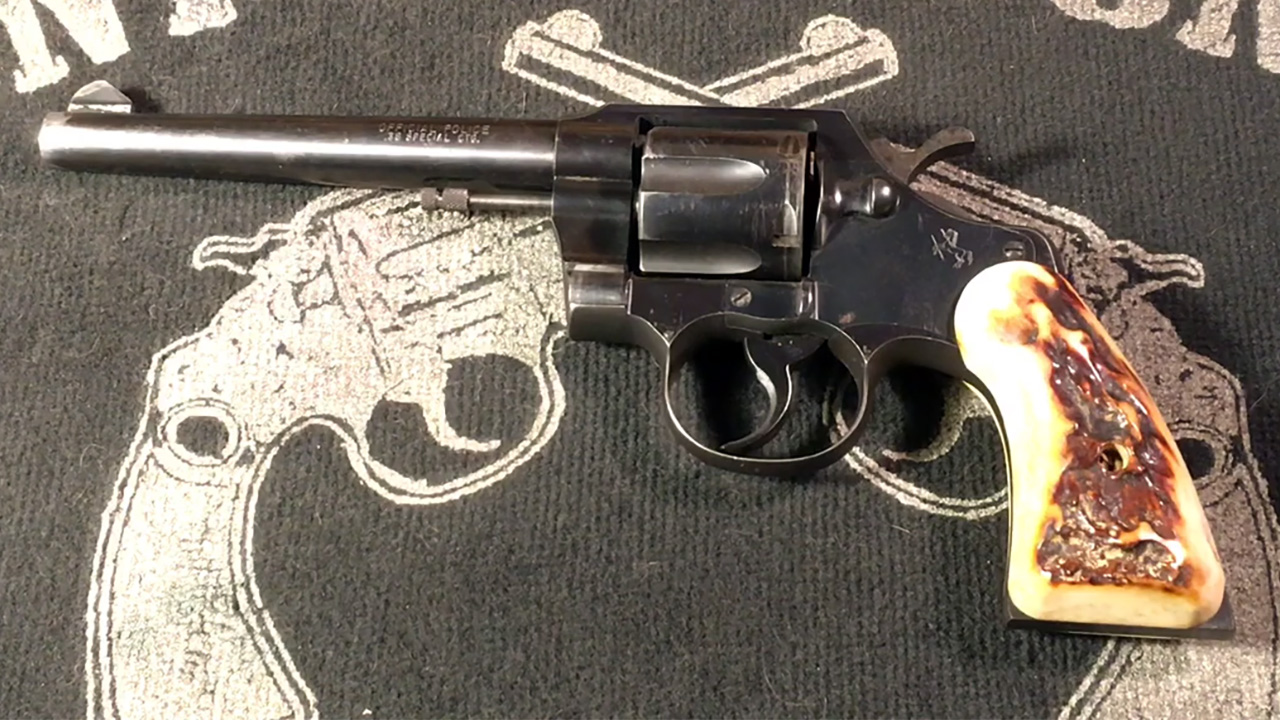
The Official Police used to be a common, affordable way to own an old Colt. Many were honest duty guns, and because they were “just a service revolver,” a lot got neglected, refinished poorly, or parted out.
The nicer survivors are getting expensive because they represent a whole era of law enforcement and American revolver making. They’re not the best choice for hard modern use, but they’re a lot more than wall-hangers if they’re in good shape.
19. Smith & Wesson Model 24 (.44 Special)
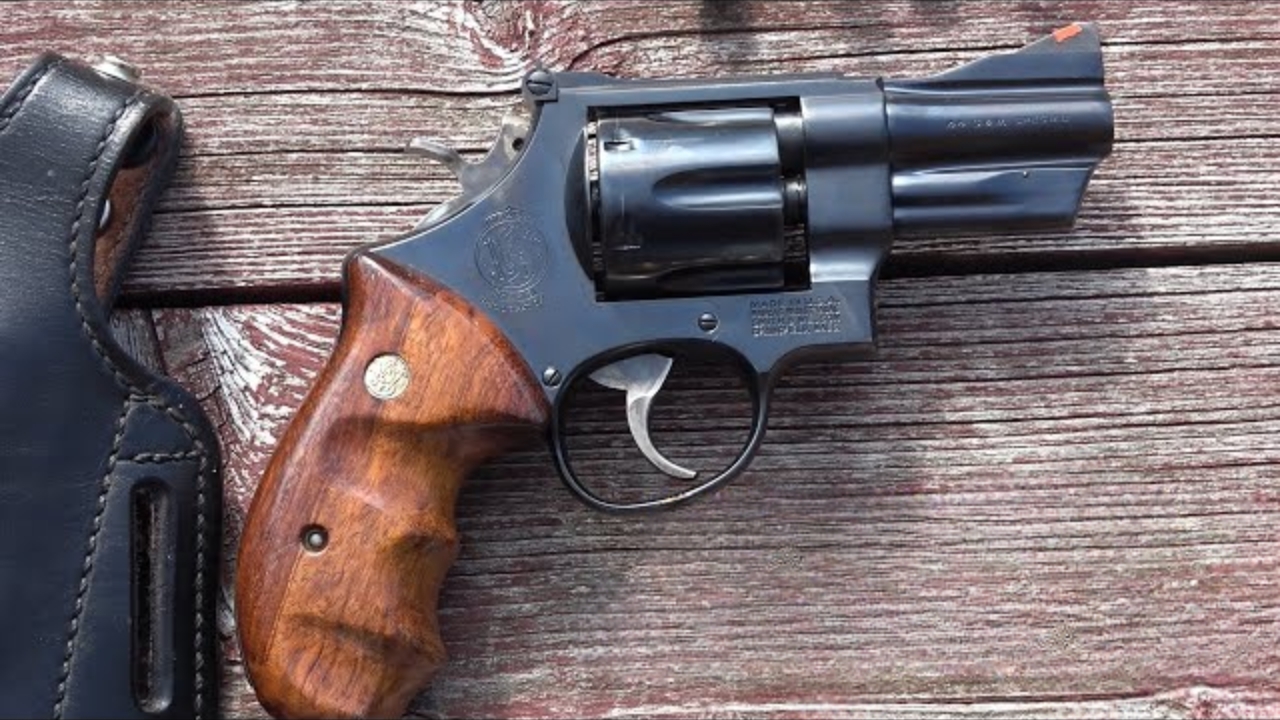
.44 Special is one of those cartridges that makes sense once you shoot it, not when you read about it online. For a long time, that meant Model 24 revolvers didn’t get the attention they deserved. Plenty of folks saw them as an oddball they could flip.
Now the .44 Special crowd is steady, and the guns that chamber it—especially classic Smiths—are bringing big numbers. It’s a sweet-shooting revolver with real field utility, and the ones that weren’t messed with are getting scarce.
20. Smith & Wesson Model 41
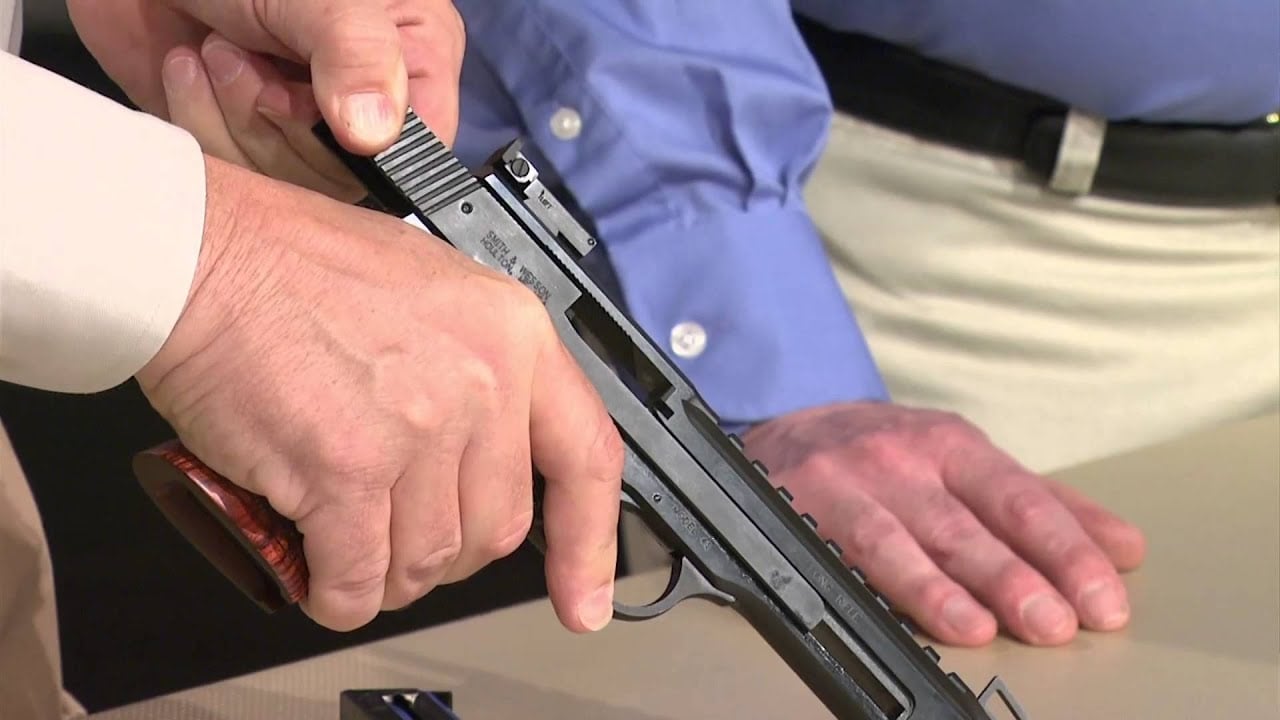
This one isn’t a revolver, and I know that. But I’ve seen more than one classic wheelgun get traded away because a shop had a Model 41 on the shelf and the buyer wanted a “real target gun” instead. Revolver out, Model 41 in, and the owner figured they could replace that old Smith later.
Then both sides of that trade got expensive. The point is simple: classics don’t stay cheap, especially when they’re well-made and everybody finally realizes it. If you’re staring at an older revolver in the safe and thinking it’s outdated, slow down and price its replacement first.
The funny part is that none of these revolvers are magic. Some are heavy, some are picky about wear and timing, and some are flat-out impractical for how most folks carry today. But they’re real, they’re proven, and they’re not getting easier to find in original condition. If you’ve got one, keep it clean, keep it stored right, and think twice before you fund the next new-gun crush with something you won’t be able to afford again.
Like The Avid Outdoorsman’s content? Subscribe to our newsletter so you never miss an article.
Here’s more from us: