Photo credit: Academy Sports
Guides care about results more than campfire arguments. They are not impressed by the loudest rifle in camp, the newest cartridge on the shelf, or the guy who swears his setup is perfect because it worked once. A guide wants clients carrying something they can shoot well, feed with good bullets, and trust when the animal is quartering away and the light is fading.
That is why some rifle cartridges get a colder reaction from experienced guides than hunters expect. Some are too light for the job. Some kick so hard that average clients start flinching. Some are fine in theory but cause problems because people use the wrong bullets or try to stretch them too far. These cartridges can still work in the right hands, but plenty of guides are tired of recommending them.
.223 Remington

The .223 Remington is a great varmint and predator cartridge, but it is not something most guides want to see when a client shows up for deer-sized game or anything bigger. Yes, it can work with the right bullet, perfect shot placement, and legal use in the right state. That does not mean it gives much room for error.
Guides deal with real hunters, real wind, real nerves, and real animals that do not always stand perfectly broadside. That is where the .223 becomes a hard sell. For coyotes and prairie dogs, it is excellent. For guided big-game hunts, most guides would rather see a cartridge with more bullet weight, more frontal area, and more forgiveness.
.22-250 Remington
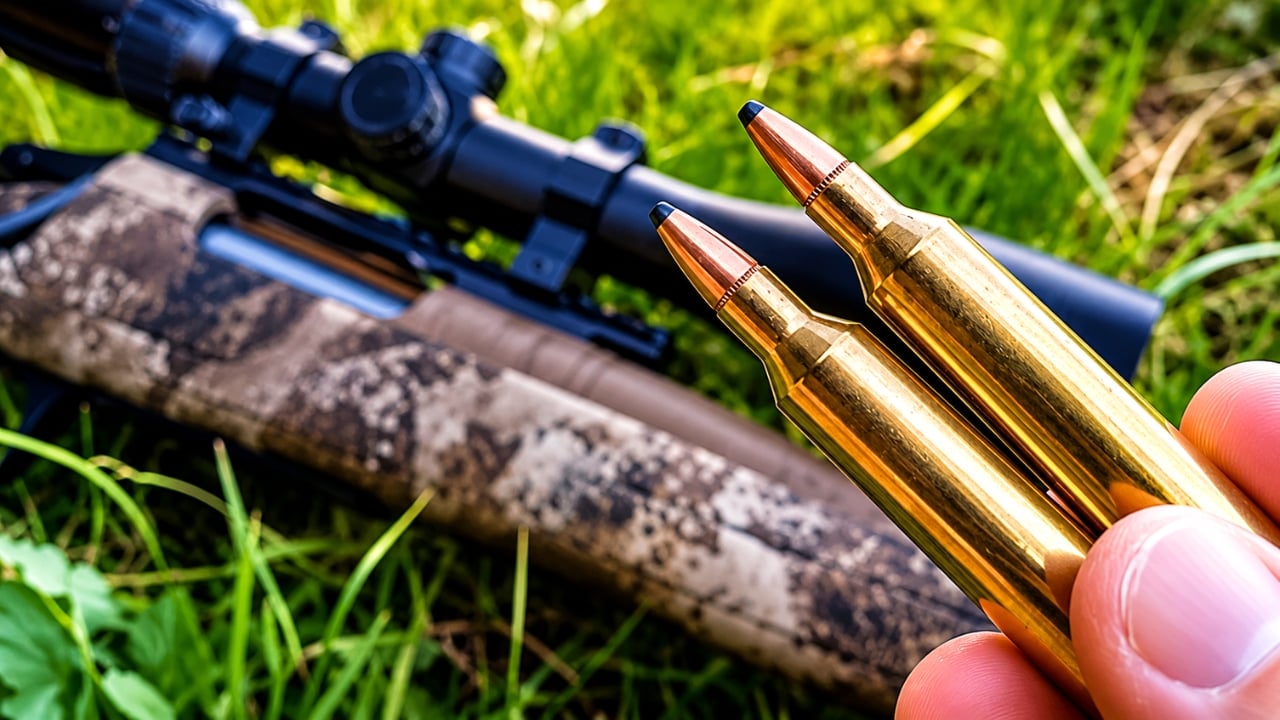
The .22-250 Remington is fast, flat, and deadly on varmints. That is where it belongs. The trouble starts when hunters try to make it do deer-rifle work because it shoots so well on paper. Speed alone does not make a cartridge a great choice for bigger animals, especially when bullet construction and penetration become more important.
A skilled hunter using the right bullet can kill deer with a .22-250 where legal. But guides are not just thinking about what is barely possible. They are thinking about blood trails, quartering angles, wind, bone, and follow-up chances. On a guided deer or antelope hunt, many would rather see a .243, 6mm Creedmoor, .25-06, .270, or .308 than a fast .22 centerfire.
.220 Swift
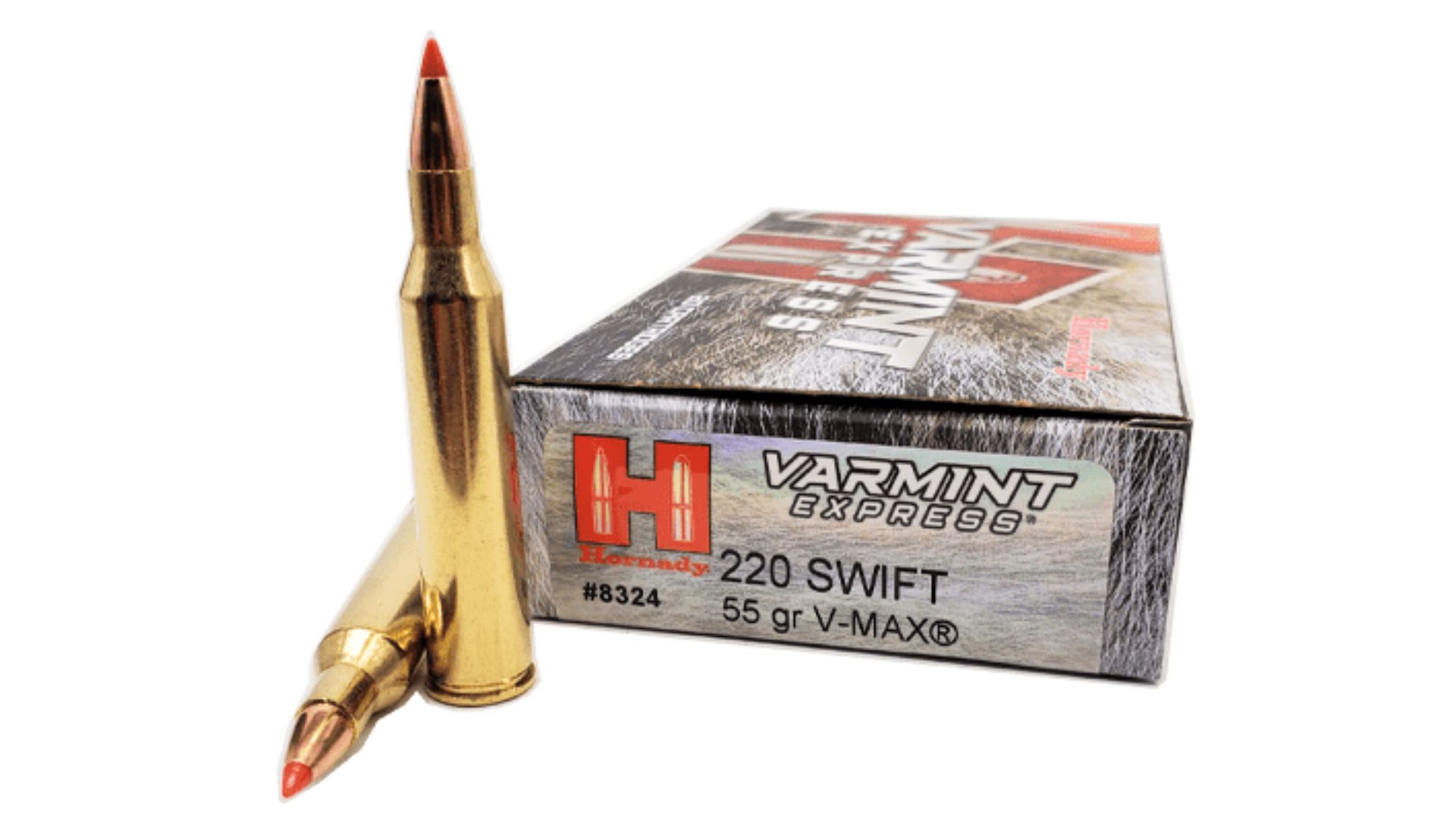
The .220 Swift has a legendary reputation for speed, and it earned that reputation honestly. It is a classic varmint round that can make coyotes and woodchucks look easy at distance. But that same speed has also encouraged people to overestimate what it should be used for.
Guides usually do not want clients stretching small, fast bullets into jobs that call for deeper penetration. The .220 Swift is a fine specialty cartridge, but it is not a comforting choice when a hunter is paying for a serious big-game opportunity. It is better respected as a varmint rifle than forced into work it was never meant to dominate.
.243 Winchester

The .243 Winchester is one of the most argued-about deer cartridges ever made. It has killed piles of whitetails, antelope, and smaller-bodied game, and it can be excellent for careful shooters. MeatEater has described it as capable for average-sized whitetails and pronghorn, while also noting that its light bullets are not a good choice for big-bodied animals like elk.
That is exactly why some guides have cooled on it. They are not saying the .243 cannot kill. They are saying it does not leave as much margin when a client is excited, cold, rushed, or facing a less-than-perfect angle. For youth hunters and recoil-sensitive deer hunters, it still has a place. For elk, big mule deer in rough country, or mixed-bag western hunts, many guides would rather see more cartridge.
6mm Creedmoor
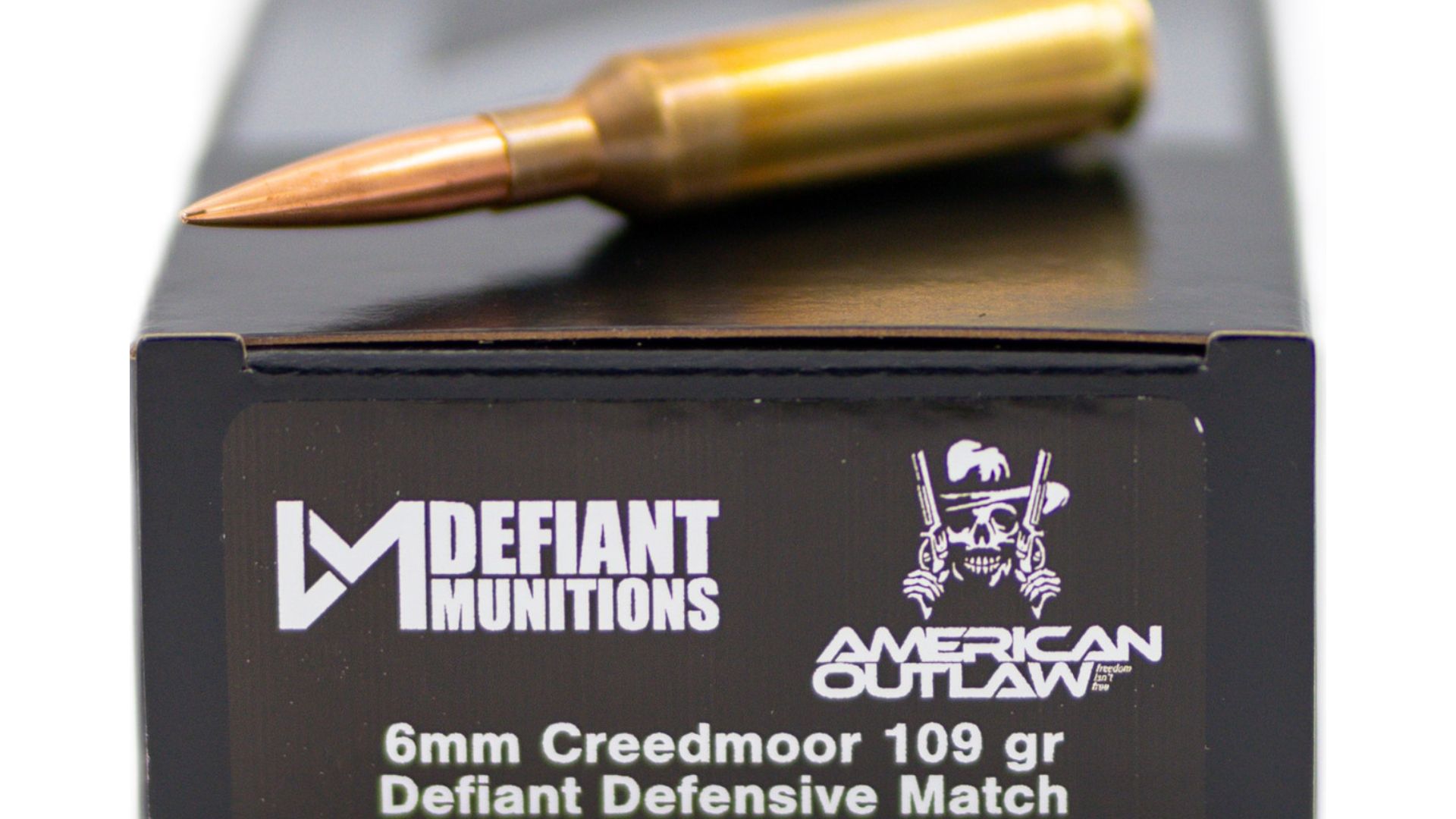
The 6mm Creedmoor is accurate, efficient, and easy to shoot. It has become popular with target shooters and some hunters because it handles sleek bullets well without heavy recoil. The issue is not that the cartridge is bad. The issue is that some hunters treat it like a long-range big-game answer just because it performs nicely on steel.
Guides tend to separate paper performance from field forgiveness. A 6mm bullet can do good work on deer and antelope with the right load, but it is not the cartridge most guides want for elk, bears, or steep quartering shots. If a client shoots it extremely well and stays within limits, fine. As a general recommendation, though, it is not where many guides start.
.240 Weatherby Magnum

The .240 Weatherby Magnum is fast and interesting, but it is still a small-bore hunting cartridge. It can be very effective on deer and antelope, especially in open country where flat trajectory helps. The problem is that Weatherby speed can make hunters think it belongs in a bigger-game conversation than it really does.
Guides often care less about velocity than bullet behavior after impact. A light, fast bullet still needs to hold together and reach the vitals. The .240 Weatherby is not a bad cartridge, but it is specialized. For guided hunts where a client may only get one chance, many guides would rather recommend something with a larger bullet and broader factory-load support.
.257 Weatherby Magnum
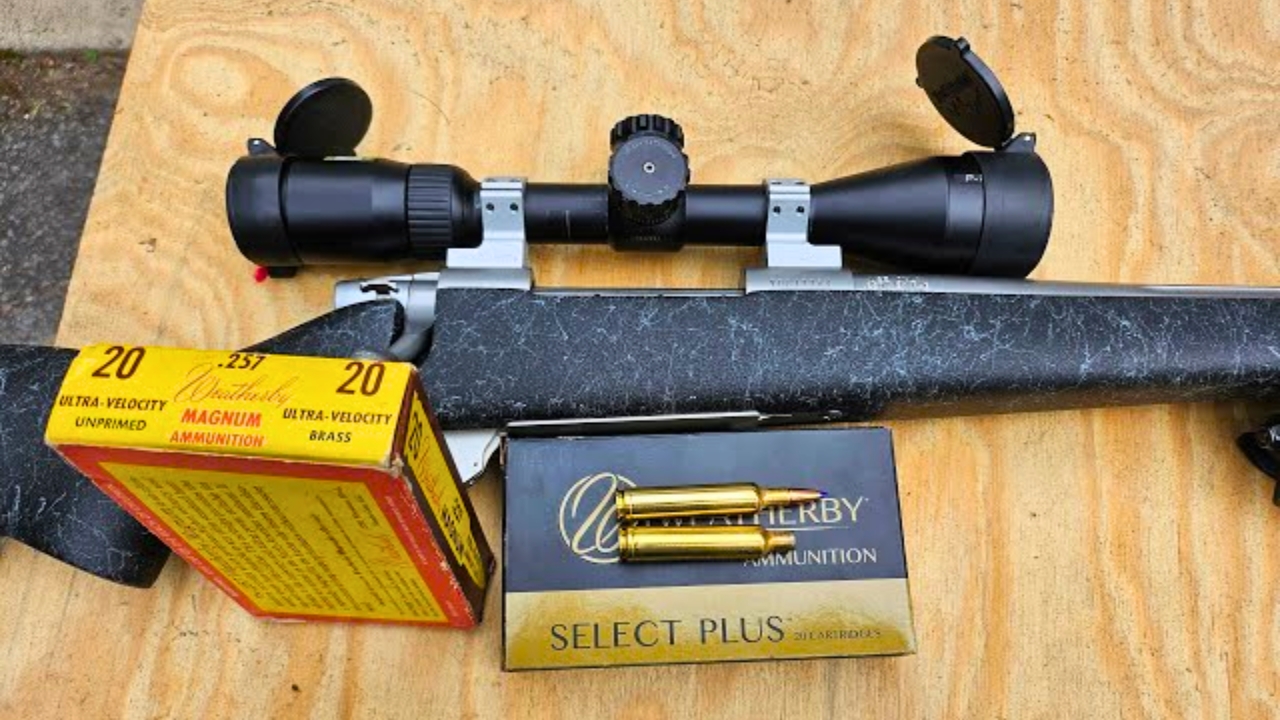
The .257 Weatherby Magnum is one of the fastest and flattest deer and antelope cartridges around. In the right hands, it is deadly. The reason some guides hesitate is not performance on perfect shots. It is how hunters use it. The cartridge can encourage long pokes, light-for-game bullet choices, and confidence that does not always match field skill.
For pronghorn, sheep-sized game, and open-country deer, the .257 Weatherby still has a strong case. But for elk, black bear, or mixed hunts where the animal might be larger than expected, many guides would rather see a cartridge that throws a heavier bullet. Speed is helpful. Penetration and shot discipline matter more.
.25-06 Remington
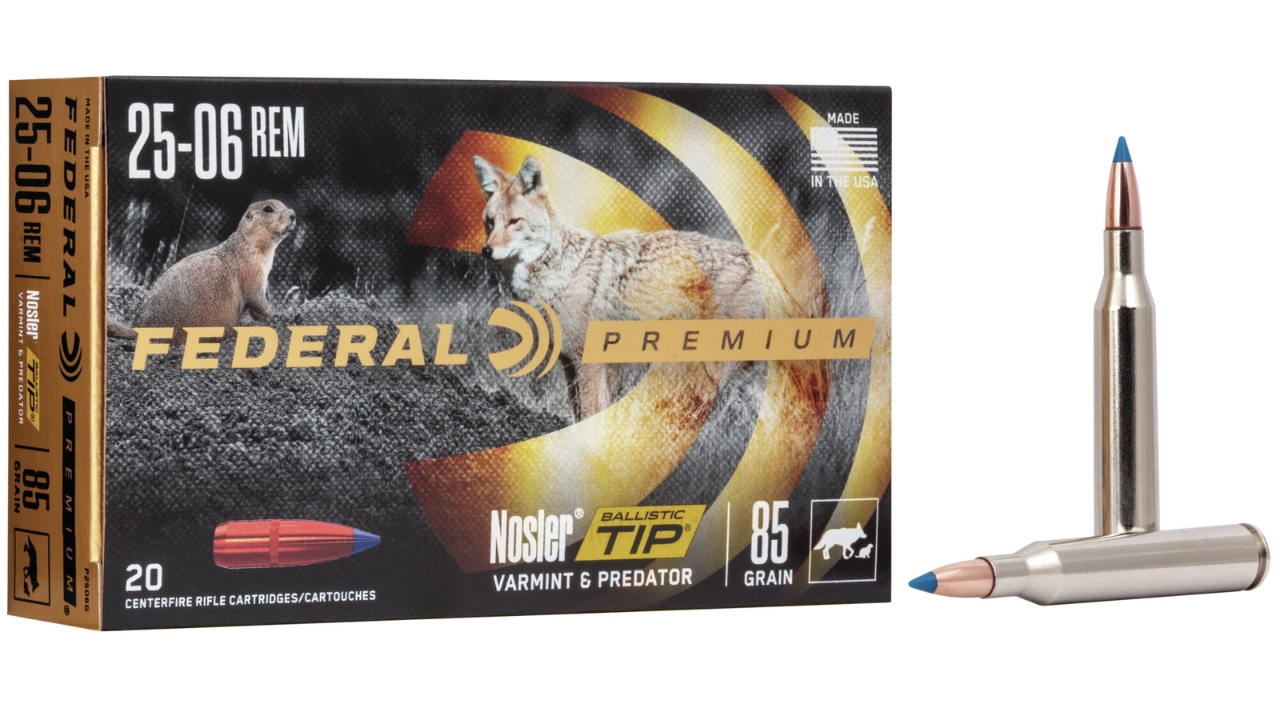
The .25-06 Remington is a great deer and antelope cartridge, and plenty of experienced hunters still love it. The problem is that some people try to push it past its best role. It shoots flat, recoils mildly, and kills cleanly with good bullets, but it is not the cartridge most guides want for elk or big-bodied game.
Guides may not hate the .25-06. They just know where it fits. On whitetails, pronghorn, coyotes, and mule deer with proper bullets, it works very well. But when a hunter is booking a hunt where the target animal may be heavy, tough, or quartering away, a guide is more likely to recommend a .270, 7mm, .308, .30-06, or similar step up.
.30-30 Winchester
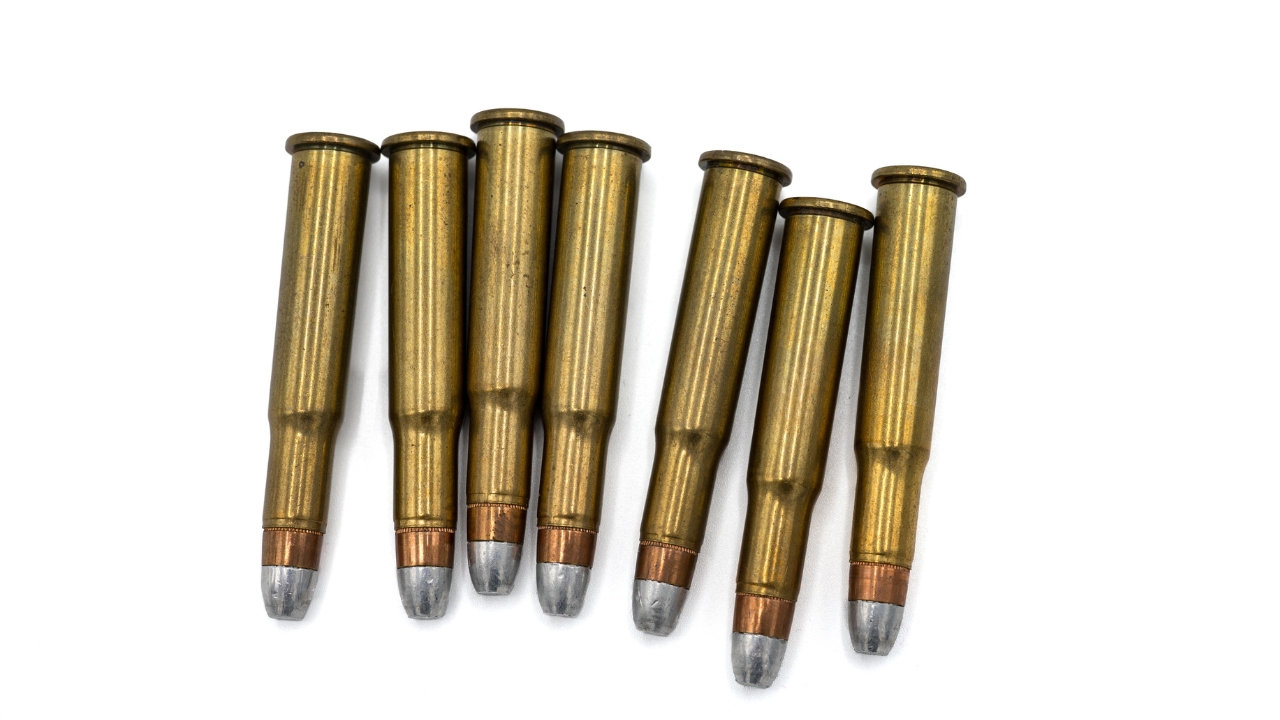
The .30-30 Winchester is one of the greatest deer cartridges ever made, but that does not mean guides are eager to recommend it for every hunt anymore. It is excellent in thick woods, short ranges, and classic lever guns. It is not ideal when a hunt may involve longer shots, cross-canyon angles, or open-country conditions.
Guides are usually thinking about the worst realistic shot, not the best one. A .30-30 in a handy lever gun is great for whitetails inside reasonable distances. But on western hunts, big timber elk hunts, or anything where 250-yard opportunities may matter, many guides would rather a client bring something flatter, stronger, and easier to scope well.
.300 Blackout

The .300 Blackout is useful in AR platforms, especially suppressed, but it is not a cartridge most experienced guides are going to recommend for big-game hunting. Its strengths are compact rifles, short barrels, and close-range work. Those are not the same strengths most guides want from a client’s deer or hog rifle unless the hunt is very specific.
The biggest issue is range and energy. Inside close distances with the right supersonic bullet, it can work on deer and hogs. But too many hunters think of it as a general-purpose .30-caliber hunting round, and it is not that. Guides usually prefer cartridges with more velocity, better trajectory, and more authority when the shot is not guaranteed to be close.
6.5 Grendel

The 6.5 Grendel is a clever AR-15 cartridge with better reach than many people expect. It can be very effective on deer and hogs with good bullets. The issue is that some hunters stretch its reputation too far, especially when larger animals or longer guided hunts enter the picture.
Guides may respect the cartridge but still hesitate to recommend it. In an AR, it gives useful performance. In a guided big-game context, though, it can feel like a compromise compared with standard bolt-action rounds such as .270 Winchester, 7mm-08, .308 Winchester, or .30-06. It is a good cartridge within limits, but guides do not like clients confusing limits with confidence.
6.5 Creedmoor

The 6.5 Creedmoor is not a bad hunting cartridge. It is accurate, mild, and easy to shoot, which are all good things. The backlash comes from hunters treating it like a magic answer for every animal on the continent. Some 2026 elk-cartridge discussions still rank it as adequate only within limits for elk, especially with good bullets and controlled distances.
Guides are tired of the overconfidence. For deer, antelope, and careful shots, the 6.5 Creedmoor works very well. For elk, big bears, and rough angles, many guides would rather see more bullet weight and more impact authority. The cartridge is not the problem. The problem is hunters showing up with target-rifle confidence and forgetting that elk are not steel plates.
7mm Remington Ultra Magnum

The 7mm Remington Ultra Magnum has plenty of power, but that is not always a selling point to guides. It is fast, flat, and capable of serious long-range performance. It also burns a lot of powder, kicks harder than many hunters shoot well, and can be tough on barrels and ears.
Guides often prefer a cartridge a client can shoot calmly over one that looks impressive on a ballistics chart. A big 7mm magnum can be excellent in skilled hands, but it is not automatically better than a 7mm Remington Magnum, 7mm PRC, .280 Ackley Improved, or .30-06 for most hunters. If the recoil causes hesitation, the advantage disappears fast.
28 Nosler

The 28 Nosler is powerful, flat-shooting, and extremely capable. It is also one of those cartridges that can tempt hunters into thinking gear solves distance. Experienced guides know better. A fast 7mm magnum still requires range discipline, wind calls, bullet selection, and a shooter who does not flinch.
There is nothing wrong with the 28 Nosler for a hunter who knows how to use it. But guides may not recommend it broadly because recoil, muzzle blast, ammo cost, and overconfidence can all create problems. A cartridge that looks great at 700 yards on paper can still be the wrong choice for a client who has not practiced enough from field positions.
.300 Winchester Short Magnum
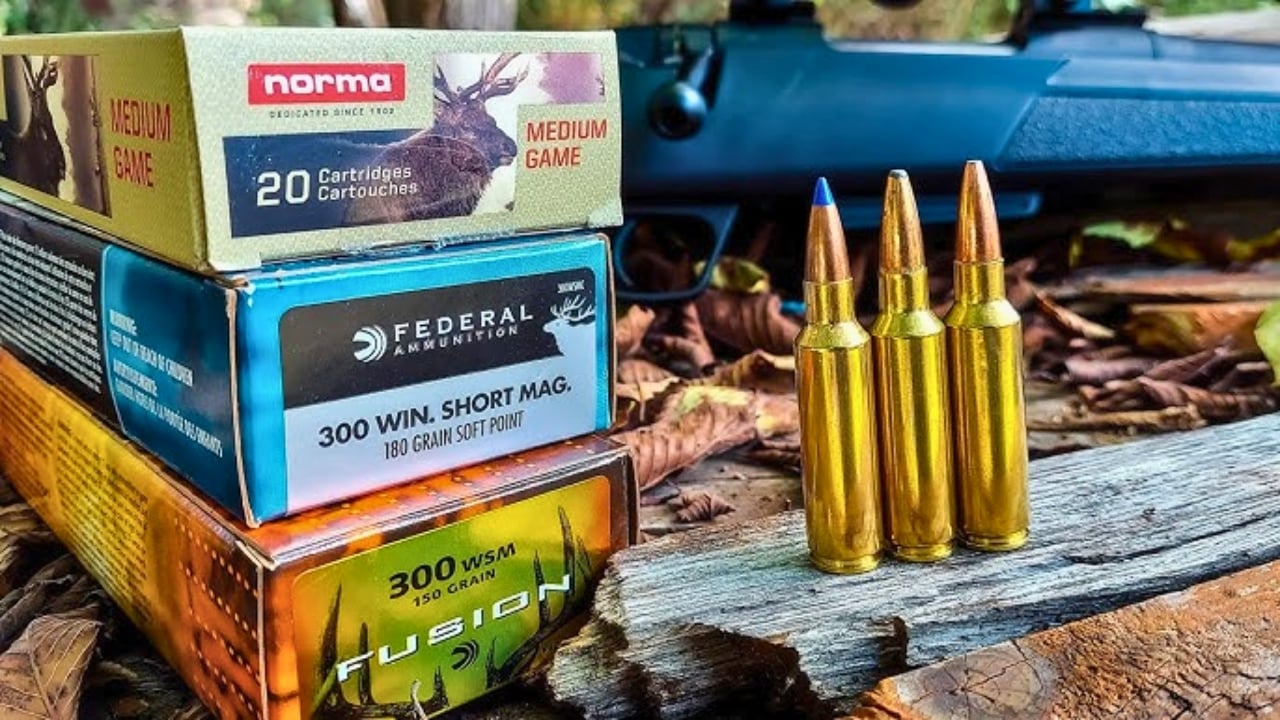
The .300 WSM is still a very useful cartridge, but many guides are less enthusiastic about it than they once were. It gives magnum .30-caliber performance in a short-action rifle, and it can be excellent for elk, mule deer, moose, and black bear. The downside is that it often kicks more sharply than hunters expect in lightweight rifles.
That sharp recoil matters. MeatEater has pointed out that heavy-recoiling cartridges can cause flinching and other bad shooting habits, and that more gun is not always better when the shooter cannot control it. Guides would rather see a client shoot a .308, .30-06, or 7mm Rem. Mag. well than fight a lightweight .300 WSM all week.
.300 Remington Ultra Magnum

The .300 Remington Ultra Magnum is a hammer, but it is also a cartridge that creates problems in average hands. It hits hard and reaches far, but recoil and muzzle blast are real. Some hunters buy one because they want to be ready for anything, then discover they do not enjoy practicing with it.
Guides see that pattern. The cartridge is capable of killing elk, moose, and big game at long distances, but it does not forgive poor shooting. A client who flinches behind a .300 RUM is worse off than one who shoots a milder cartridge confidently. For many guided hunts, experienced guides would rather recommend something powerful enough without being punishing.
.338 Winchester Magnum

The .338 Winchester Magnum has a long history as a serious elk, moose, and bear cartridge. It is not underpowered. The reason some guides hesitate is simple: most clients do not shoot it enough. Heavy recoil and expensive ammo can turn a good cartridge into a once-a-year rifle that only gets fired before the hunt.
That makes guides nervous. A well-practiced hunter with a .338 Win. Mag. is in great shape. A client who bought one because it sounded tough may be a problem. For elk and moose, many guides would rather see accurate shooting with a .30-06, .300 Win. Mag., 7mm Rem. Mag., or 7mm PRC than poor shooting with a bigger rifle.
.340 Weatherby Magnum
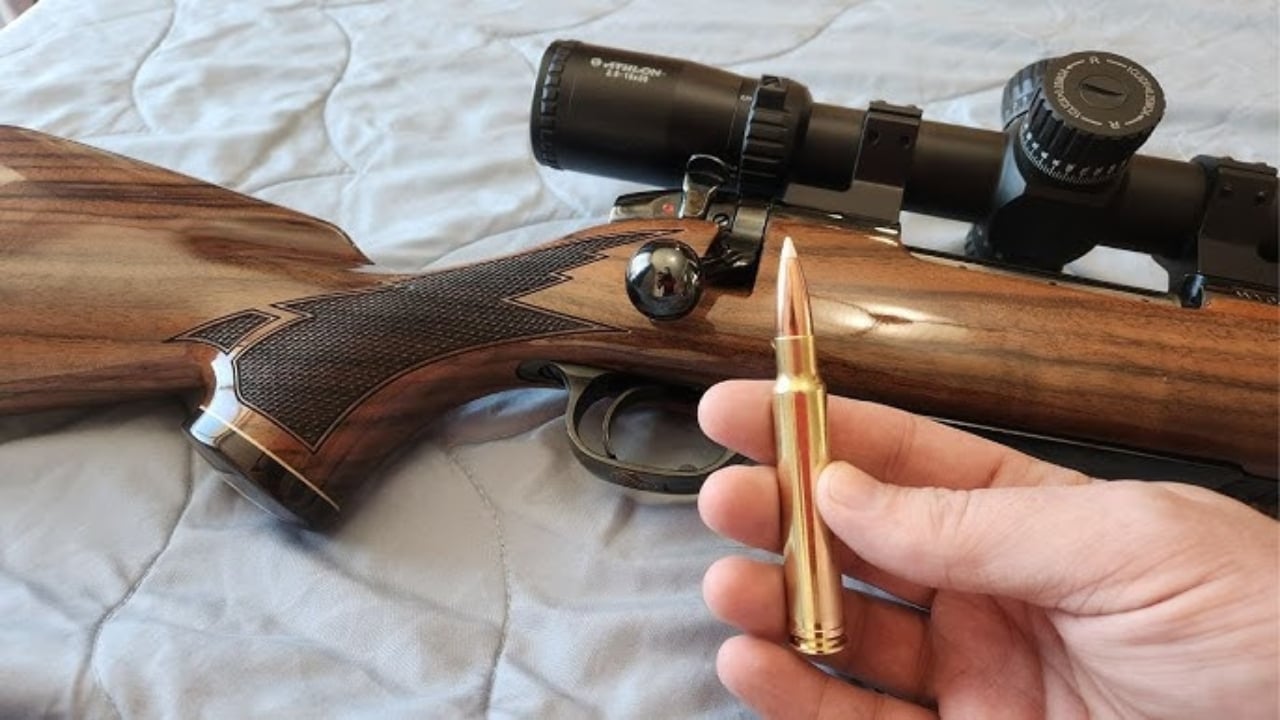
The .340 Weatherby Magnum is a serious cartridge for serious big-game hunting, but it is not one most guides recommend casually. It offers a lot of power and reach, especially for elk, moose, and large bears. It also brings stiff recoil, loud muzzle blast, expensive ammunition, and rifles that many clients will not practice with enough.
That is the pattern guides dislike. The cartridge itself is not bad. The average relationship hunters have with it can be bad. If a hunter has real experience with a .340 Weatherby and shoots it well, fine. But as a general guide recommendation, it is more cartridge than most clients need and more recoil than many can manage cleanly.
.45-70 Government

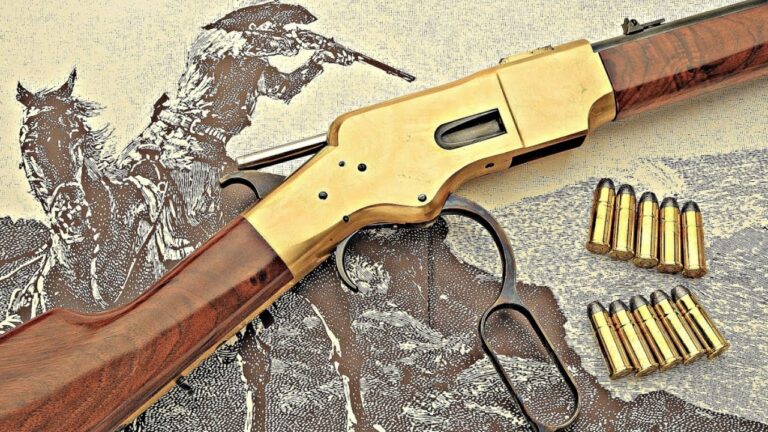
The .45-70 Government is a great cartridge inside its lane, especially in strong modern lever guns with proper loads. It is excellent for close-range bear, hogs, timber hunting, and big animals at modest distances. But it is not something most guides want clients bringing as a general-purpose rifle for mixed terrain.
The trouble is trajectory and recoil. A .45-70 can hit extremely hard up close, but it drops faster than modern bottleneck cartridges and can be punishing with heavy loads. For tight-cover hunts, it makes sense. For western elk, mule deer, or anything where the shot could stretch, many guides would rather see a .270, 7mm, .308, or .30-caliber bolt gun.
.444 Marlin
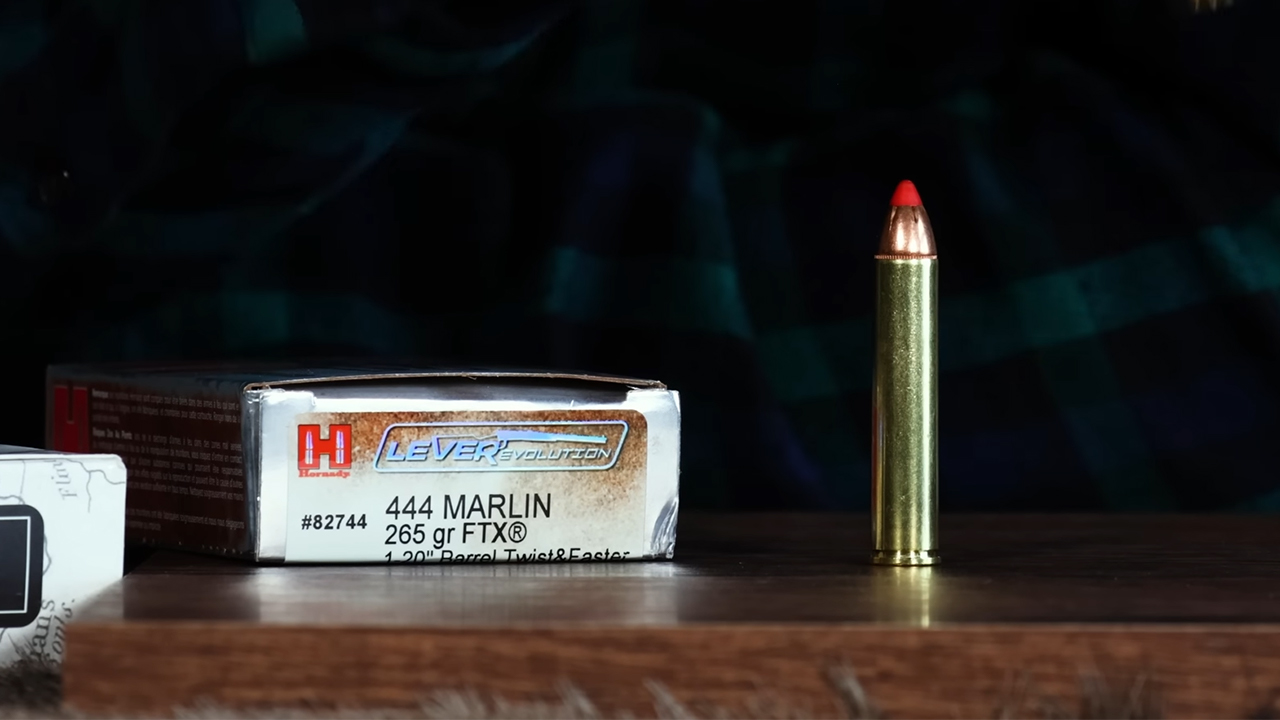
The .444 Marlin is another cartridge that can be excellent in the right setting but hard to recommend broadly. It throws a heavy bullet from a handy lever rifle and can work well on deer, hogs, black bear, and close-range woods hunts. It has real power at normal timber distances.
Guides hesitate because it is specialized. Ammo is not as easy to find as common rifle cartridges, bullet selection matters, and trajectory limits become obvious when the country opens up. A hunter who knows the .444 Marlin can do good work with it. A client asking for a guide’s recommendation will usually be pointed toward something more common and flexible.
.450 Bushmaster

The .450 Bushmaster got popular in straight-wall states and has a real place there. It gives hunters a hard-hitting option in areas where bottleneck rifle cartridges are restricted. But outside that legal niche, many guides are not going to recommend it as a first-choice hunting round.
It kicks more than new hunters expect, drops faster than standard deer cartridges, and is not as versatile across terrain. For Midwest woods and straight-wall zones, it can be a solid deer and hog round. For guided hunts in open country or mixed conditions, guides usually prefer cartridges with flatter trajectories, wider ammo selection, and better all-around flexibility.
Like The Avid Outdoorsman’s content? Subscribe to our newsletter so you never miss an article.
Here’s more from us: